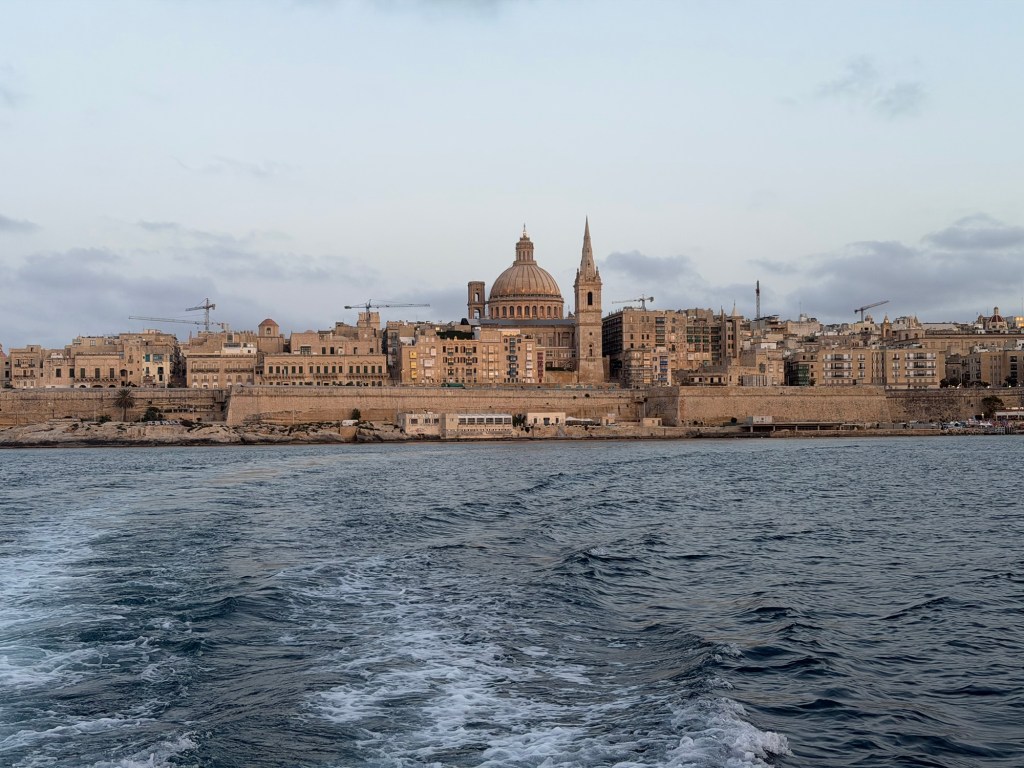
Posts Tagged With: history

Day 4 in Malta – Mosta Dome, Mdina, and Dingli Cliffs

On Friday, May 8, I planned another full day of sightseeing, and was excited to head towards the western part of the island to visit a couple locations that had been highly recommended. My first stop was Starbucks, since I am always curious what different types of pastries and drinks they have in other countries. I settled on a chocolate filled donut and cool lime refresher (my dad can attest this is the best flavor and has sadly been discontinued in the US). I took my treats and headed to the bus stop to get on the road to my first stop of the day, Mosta Rotunda.
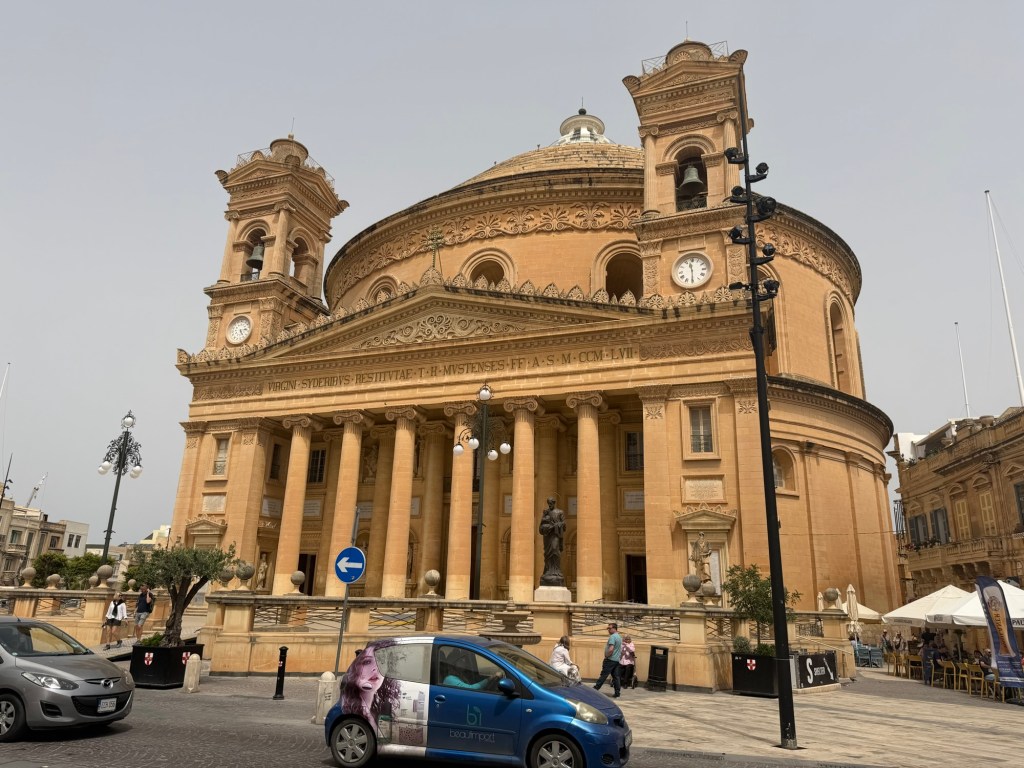
Mosta Rotunda

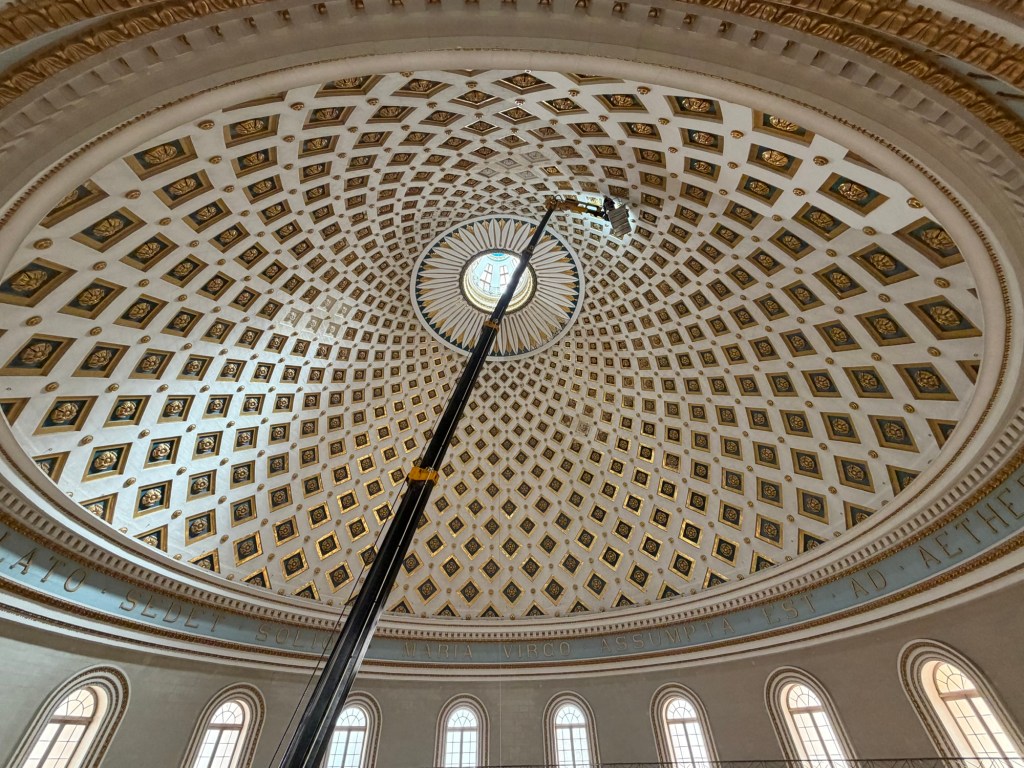
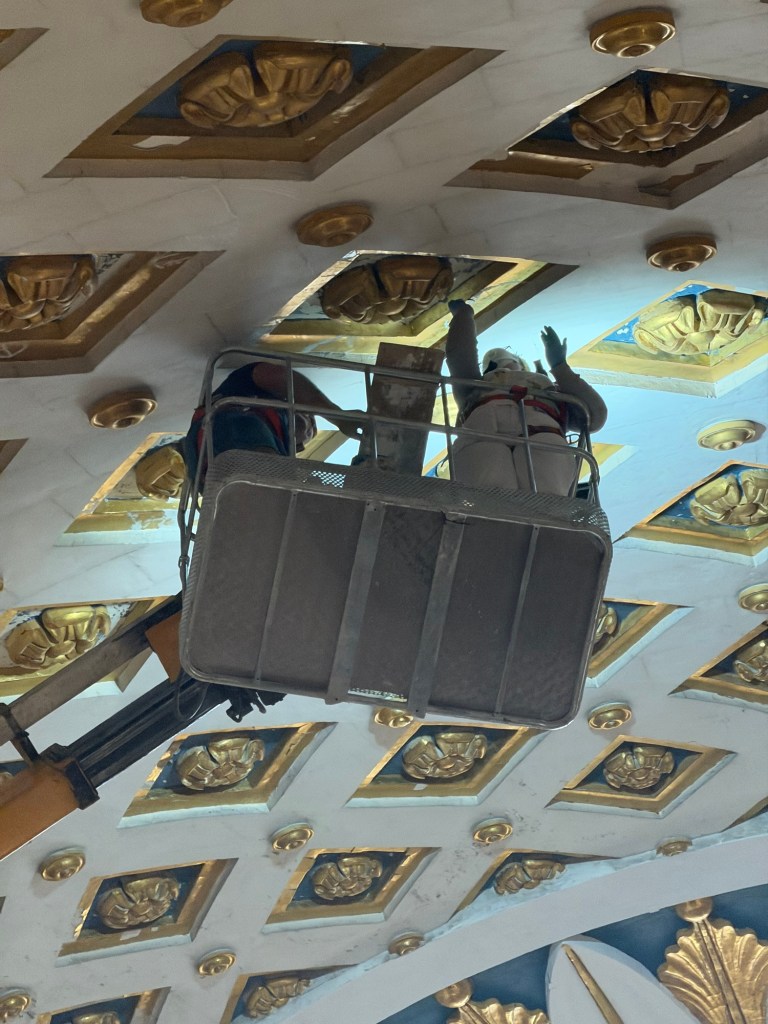
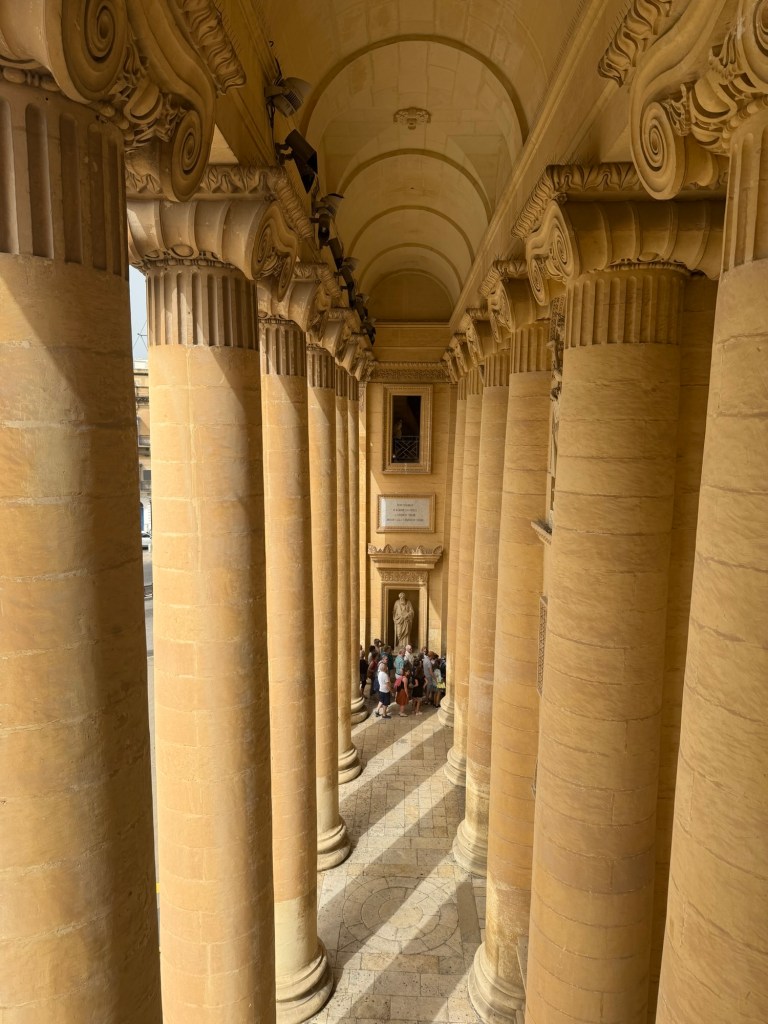
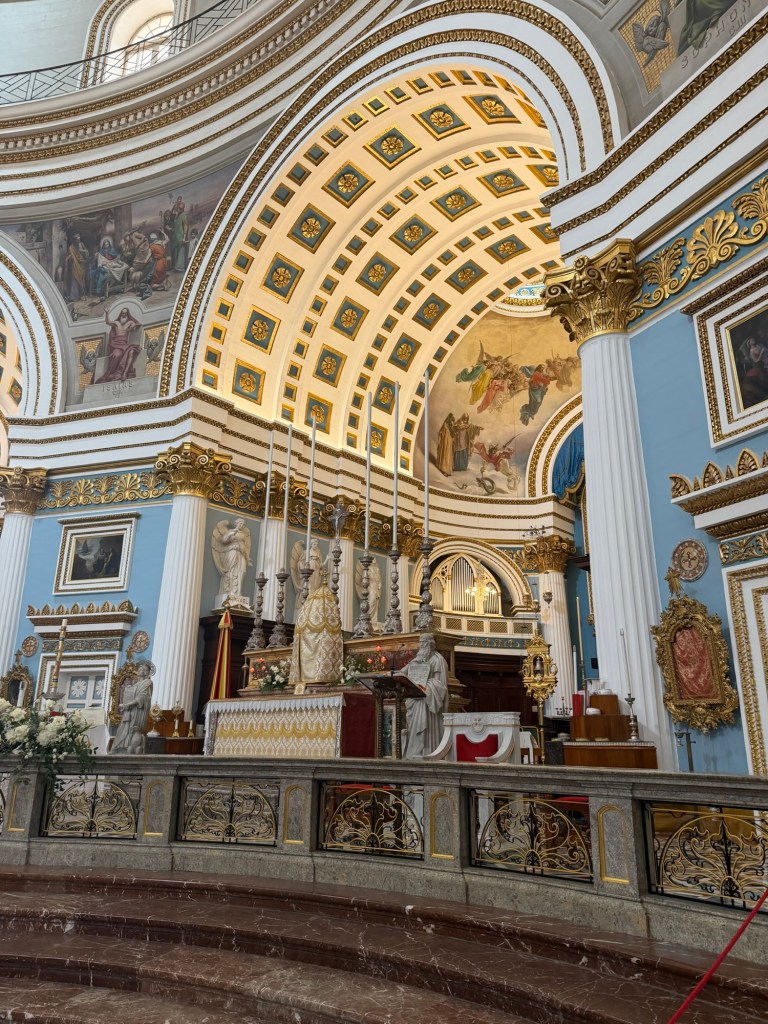
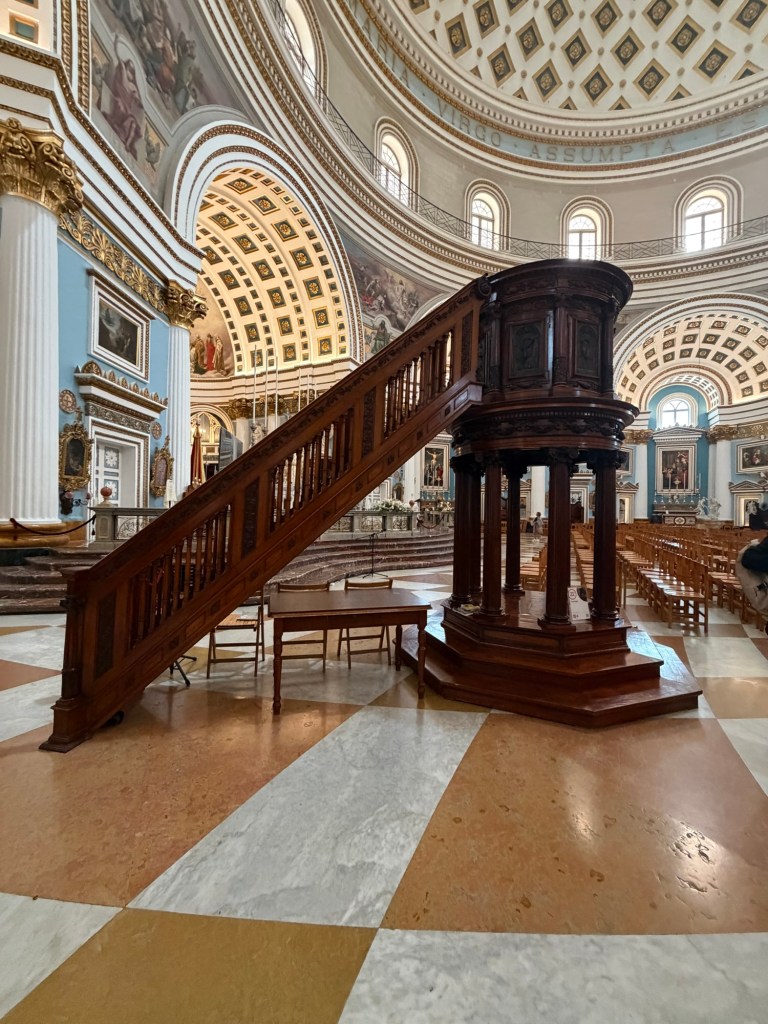
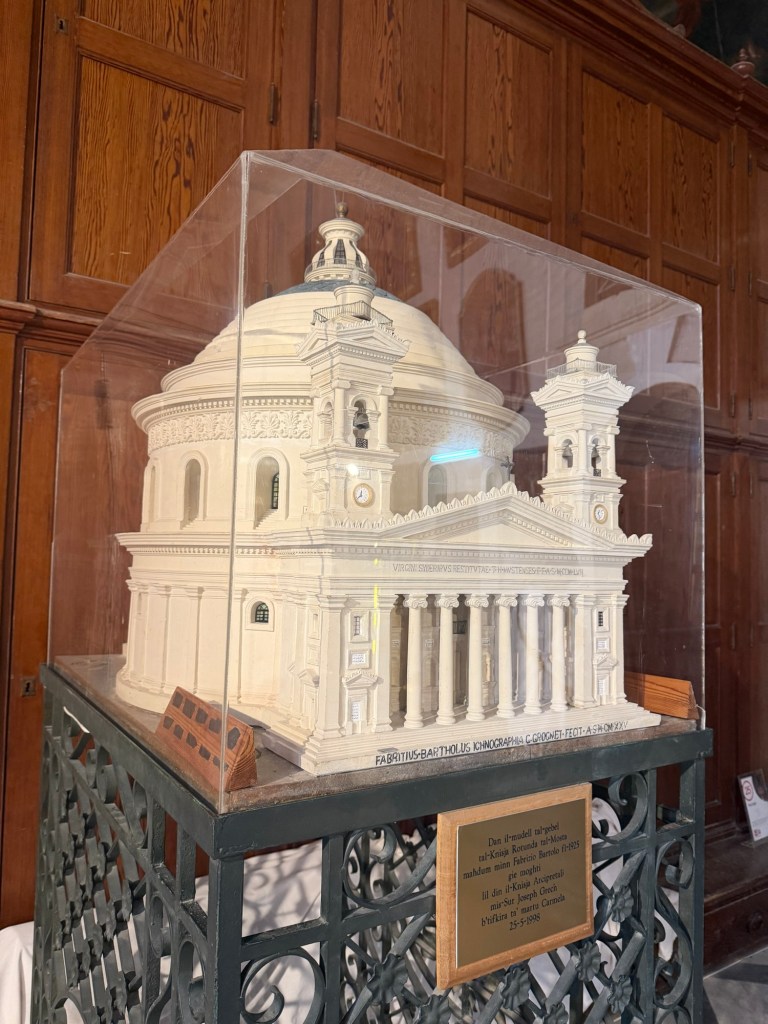
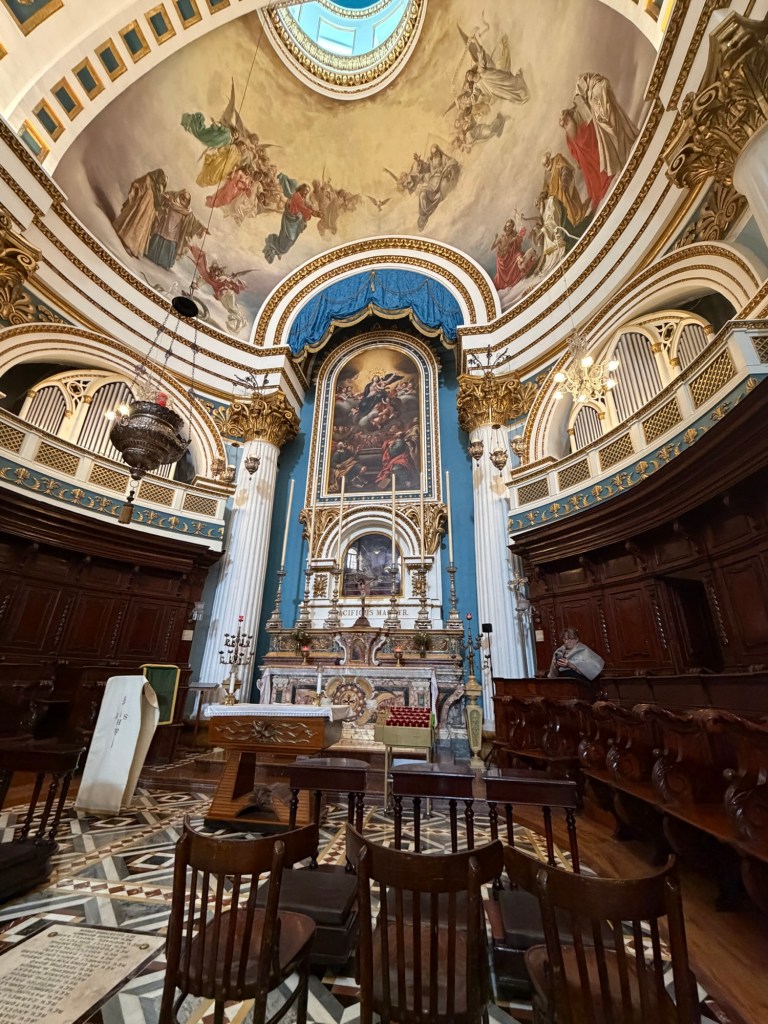
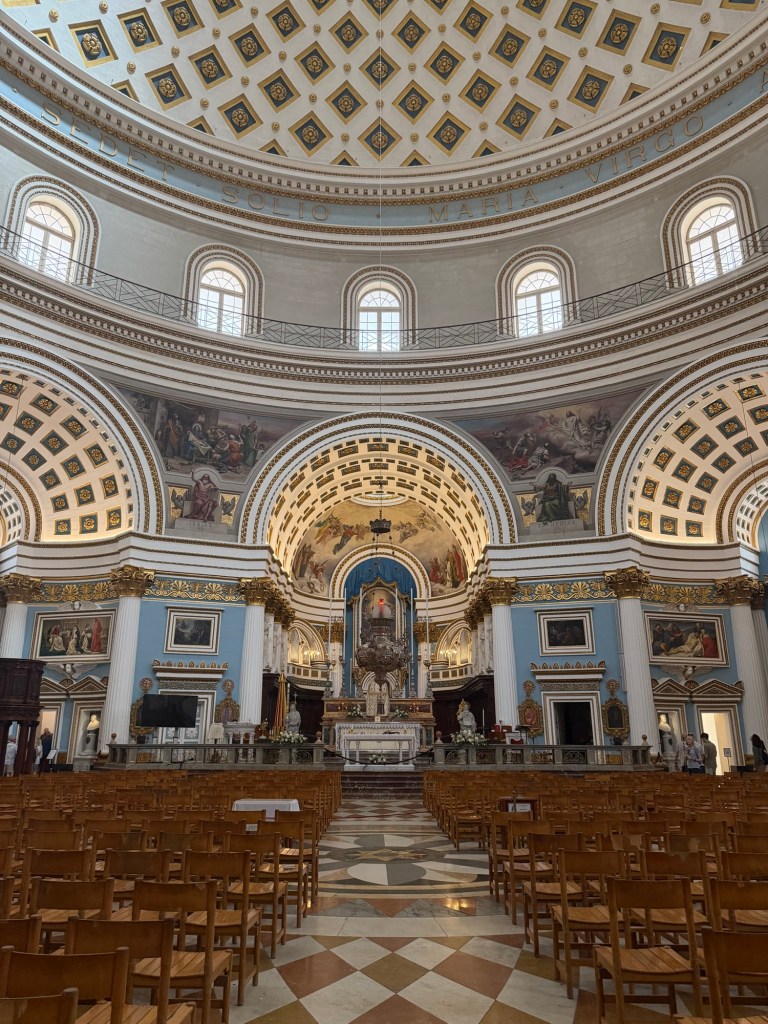
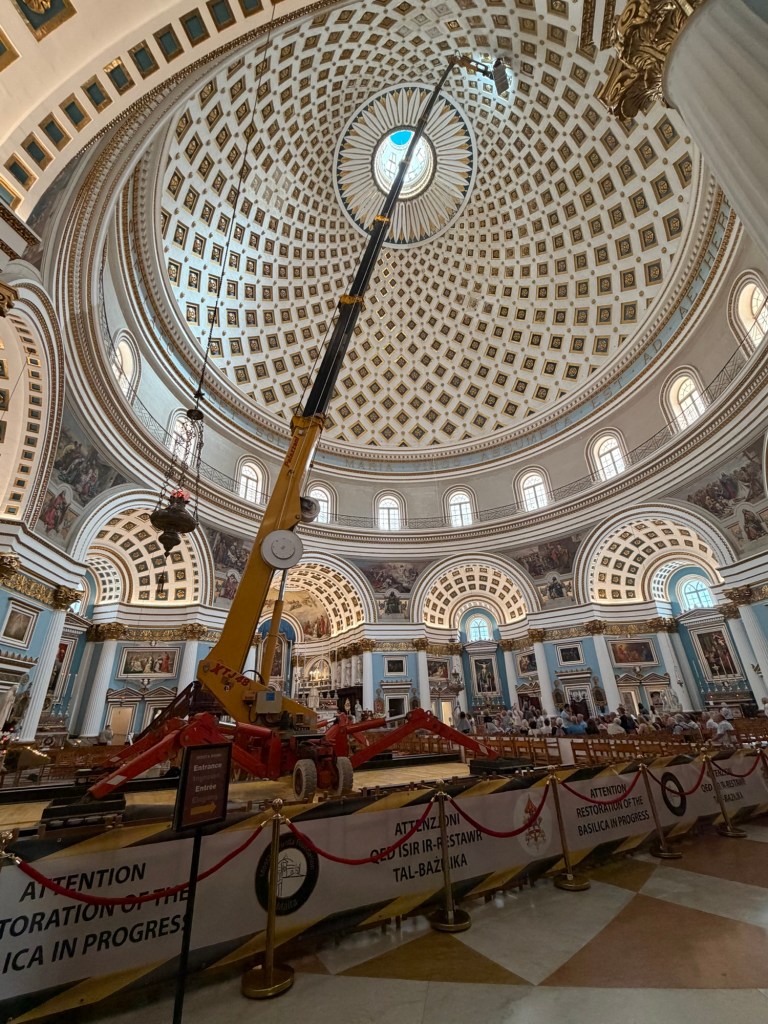
Mosta Rotunda is a unique domed church in the city of Mosta and is the third largest unsupported dome in the world! It was built in the mid-19th century and replaced an older church once the population outgrew it. The architect decided to do something a bit different and create a circular layout with a huge dome, based on the Pantheon. I went inside and got an audio guide and was excited that the first stop was up in the gallery to view the dome. They are currently doing some restoration work, so there was a lift with people working inside the church, which I found very fascinating to watch. I couldn’t help but think how they must really not have a fear of heights to do that job.
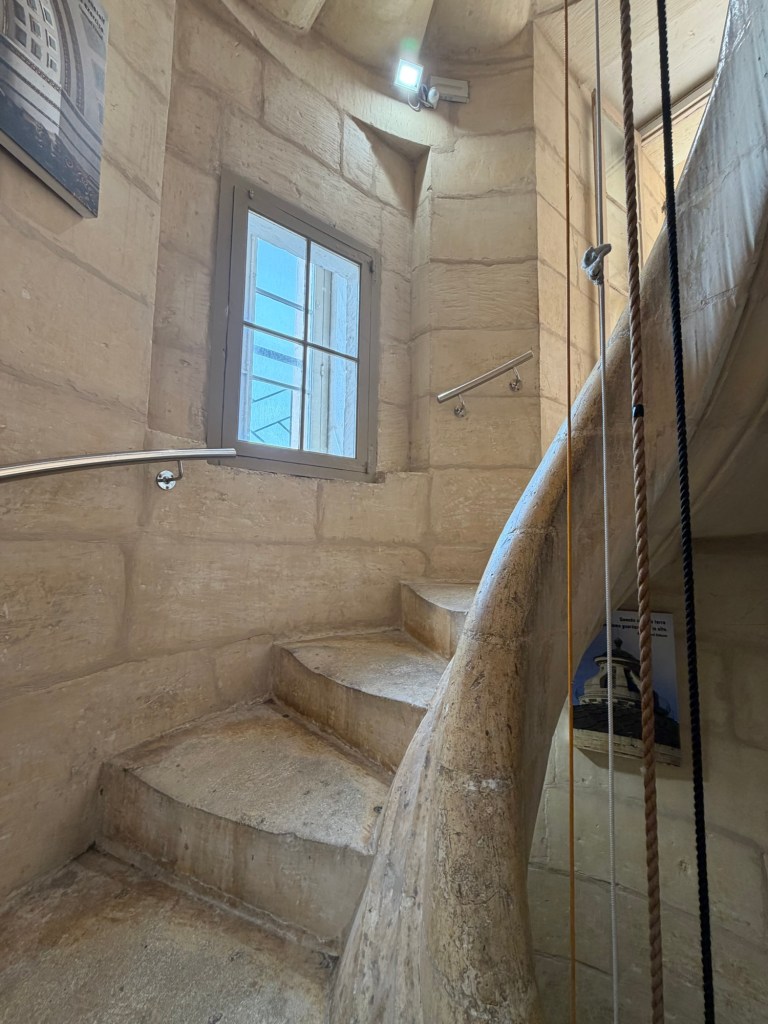
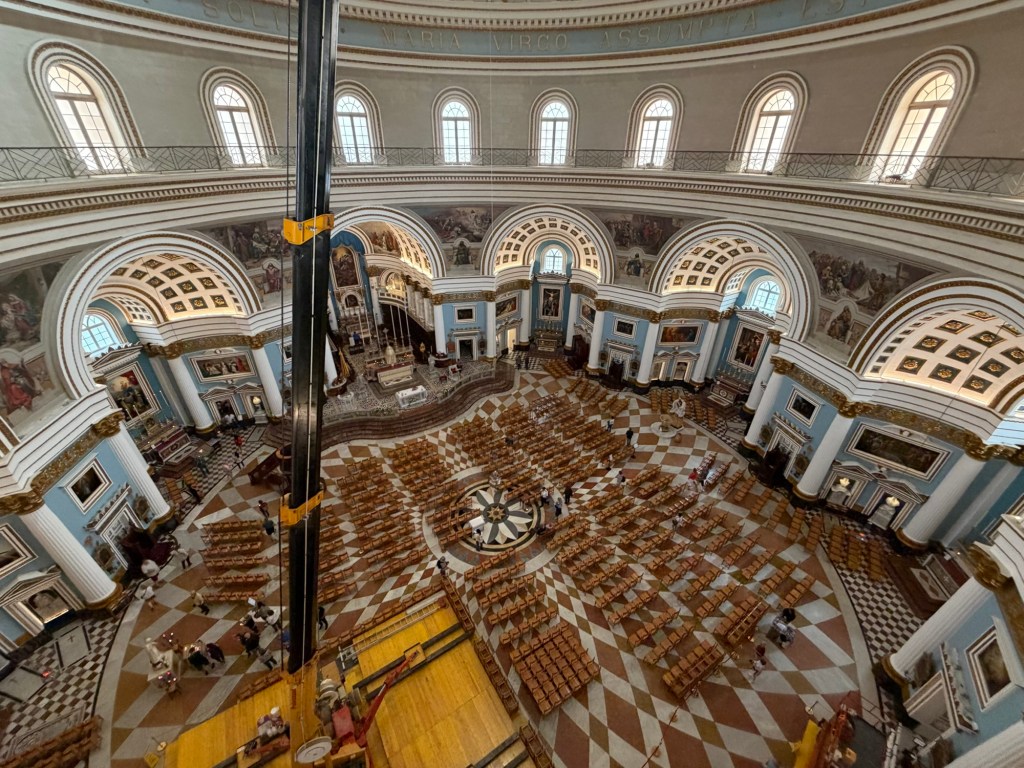
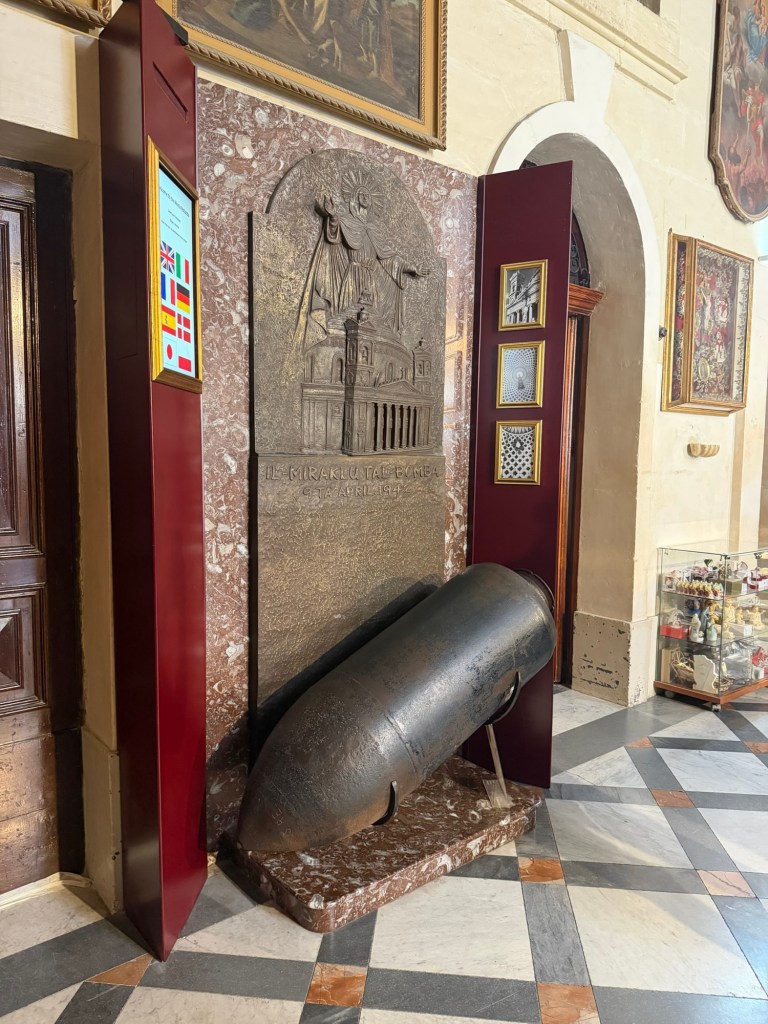
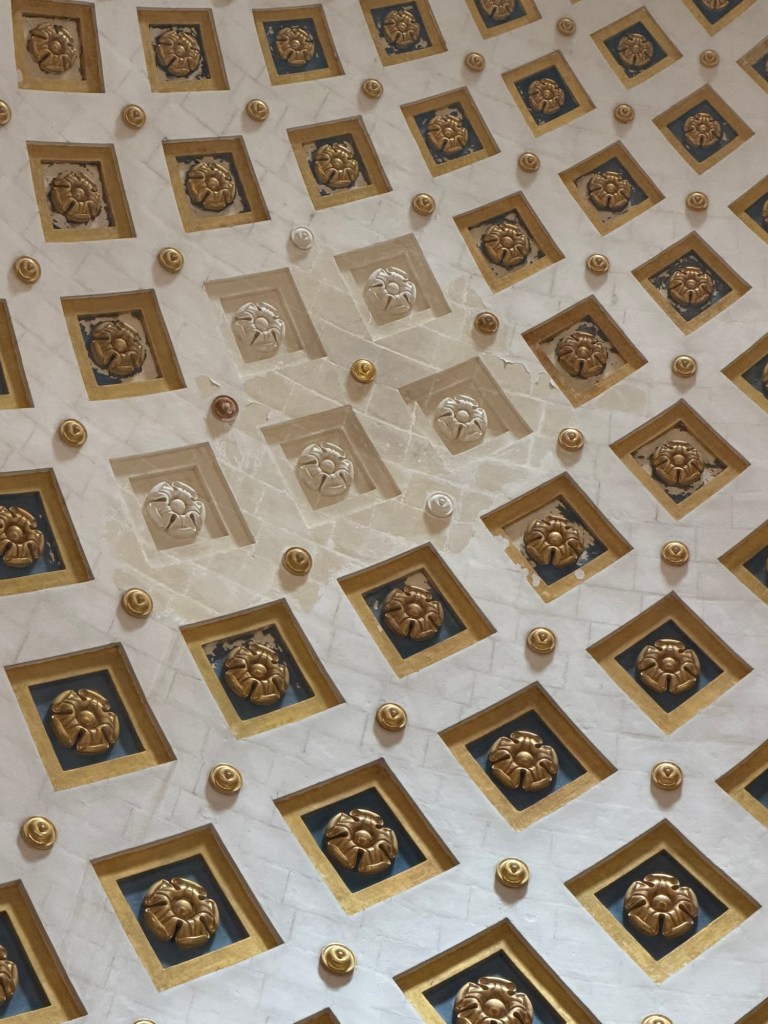
Once I went back down to the ground level I continued the audio tour and learned about lots of different pieces of art and architecture around the church. The other interesting thing about the Mosta Rotunda is that during WWII a bomb actually fell through the roof during a service, but did not explode. It left a hole in the dome but because of the nature of its shape, it otherwise stayed completely in tact. The inhabitants now see this as a miracle and the bomb was displayed in one of the other rooms. The marble floor has also been left with damage from the bomb as a reminder of that moment. Once back outside I was able to go next door to the visitor center and watch a short video about the construction of the dome, which I thought was very interesting.
I went back to the bus stop to wait for the next bus and found out that what I had read online was true- there may be a schedule that is posted, but there is no guarantee that any bus will show up at the time you expect. I later found out that if you scan the QR code on the bus stop signs it will give you live updates for that stop and that was much more helpful. After waiting a little while, the bus finally arrived and I was on the way to Mdina, the medieval Silent City. On my way out of Mosta, however, I saw a sign on the side of the road that caught my eye. It had Millbrae, CA listed as a sister city and I thought what a small world, since I know people who live there!

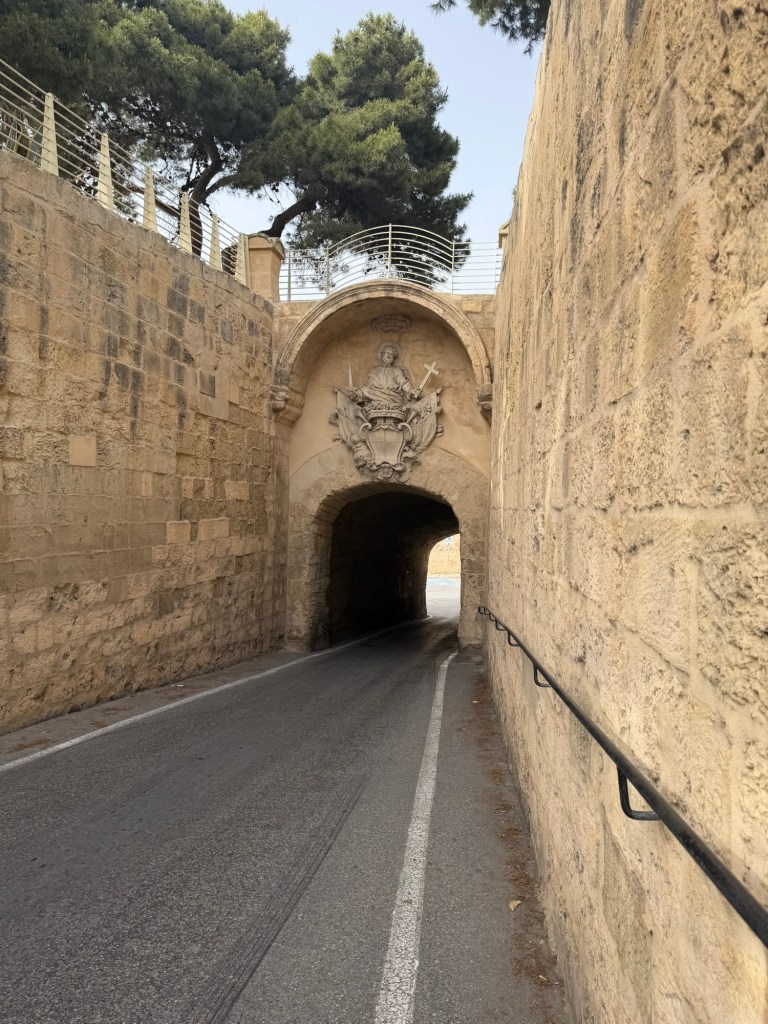
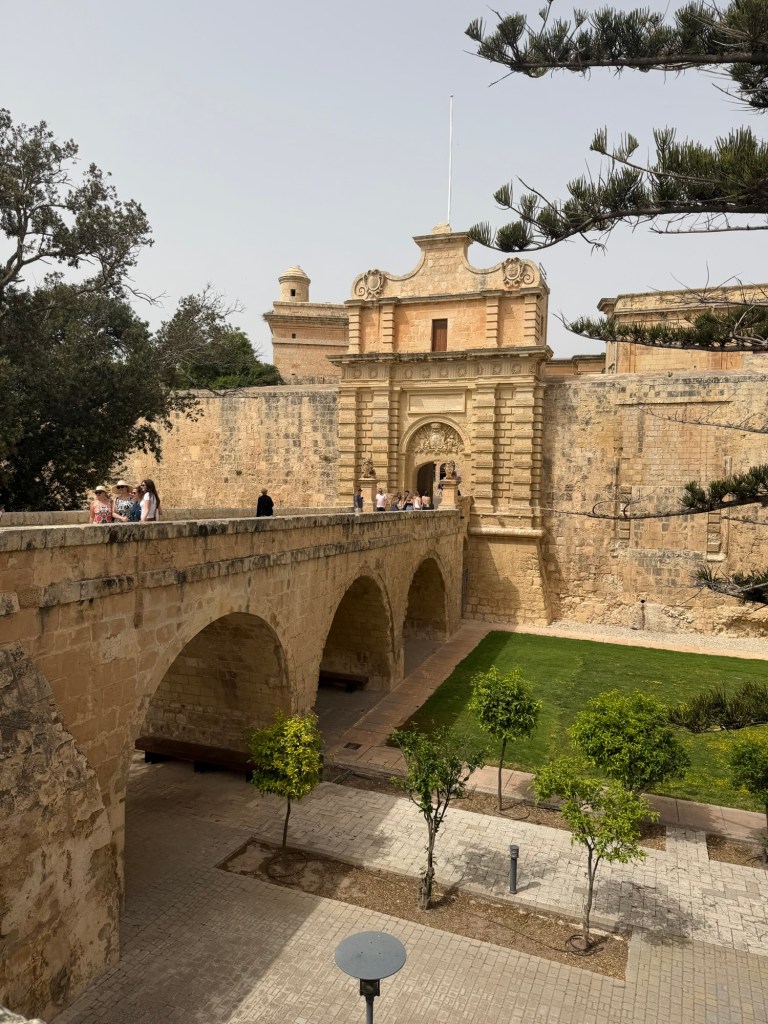
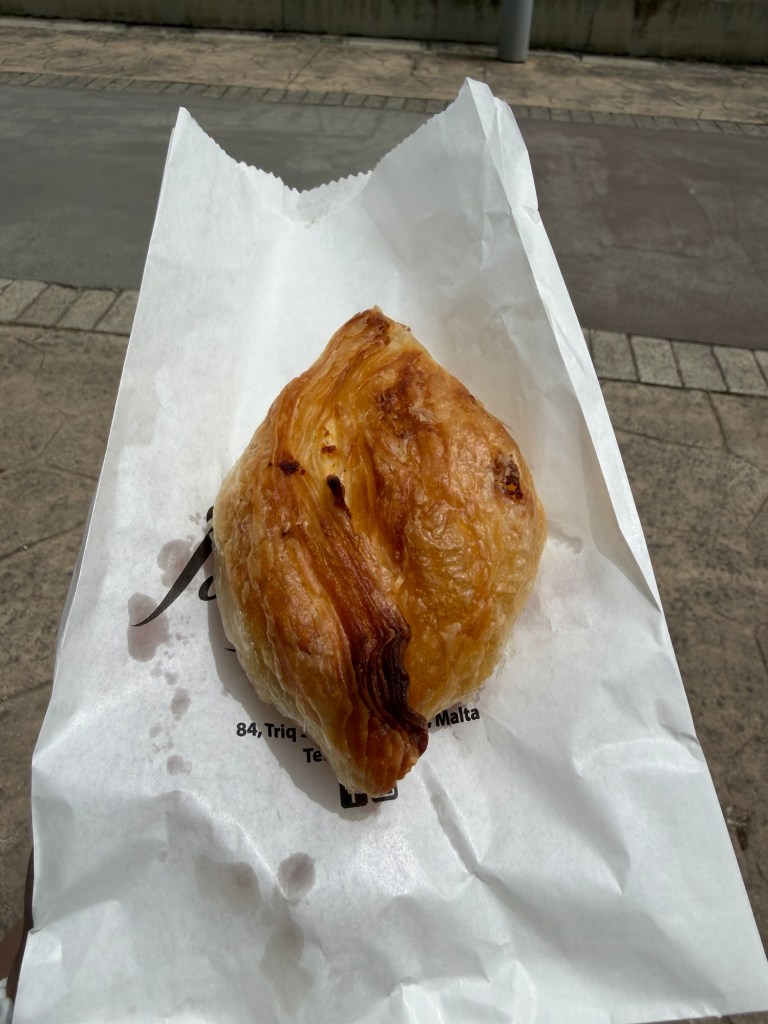
Once I arrived in Mdina I actually saw my tour guide I had earlier in the week in Valletta finishing a tour- I guess Malta is a small enough place there are only so many tour guides! Since I was a bit hungry and I had some time before my walking tour, I decided to stop by a small restaurant called Is-Serkin, which I had read has the best pastizzi in all of Malta. It is located just outside the Mdina city gates and while I may not be a pastizzi expert, I definitely could tell the difference between this one and the last one I tried in Valletta. This one came straight from the oven, so the cheese was perfectly melted and the outside was super flaky and crunchy.
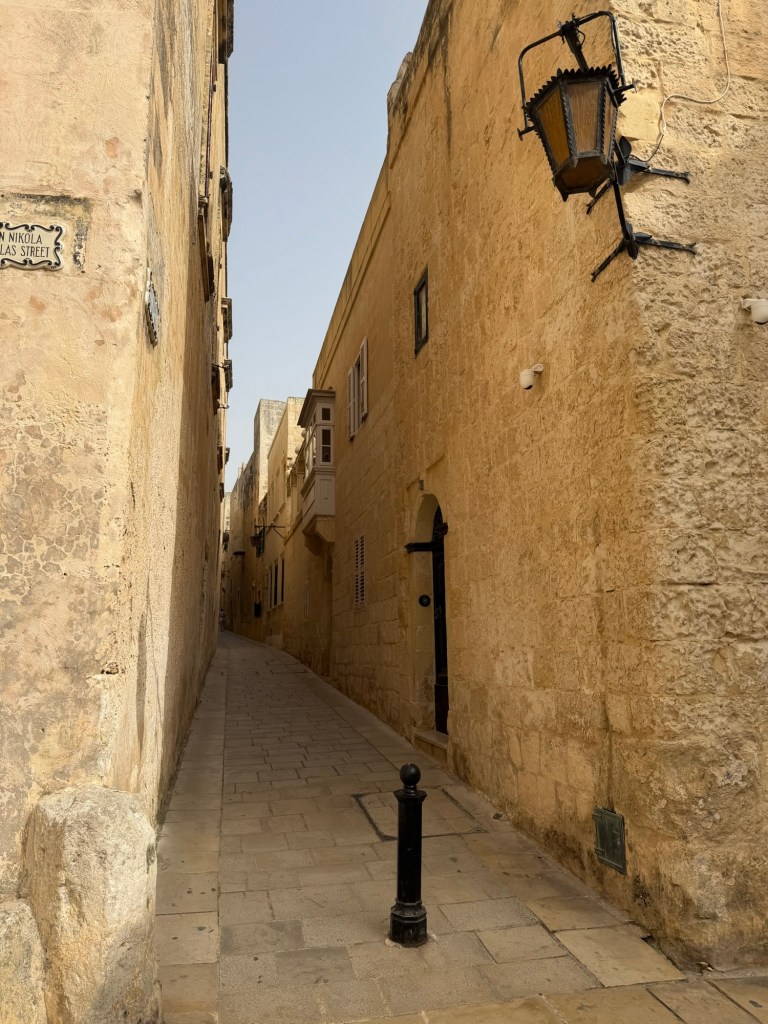
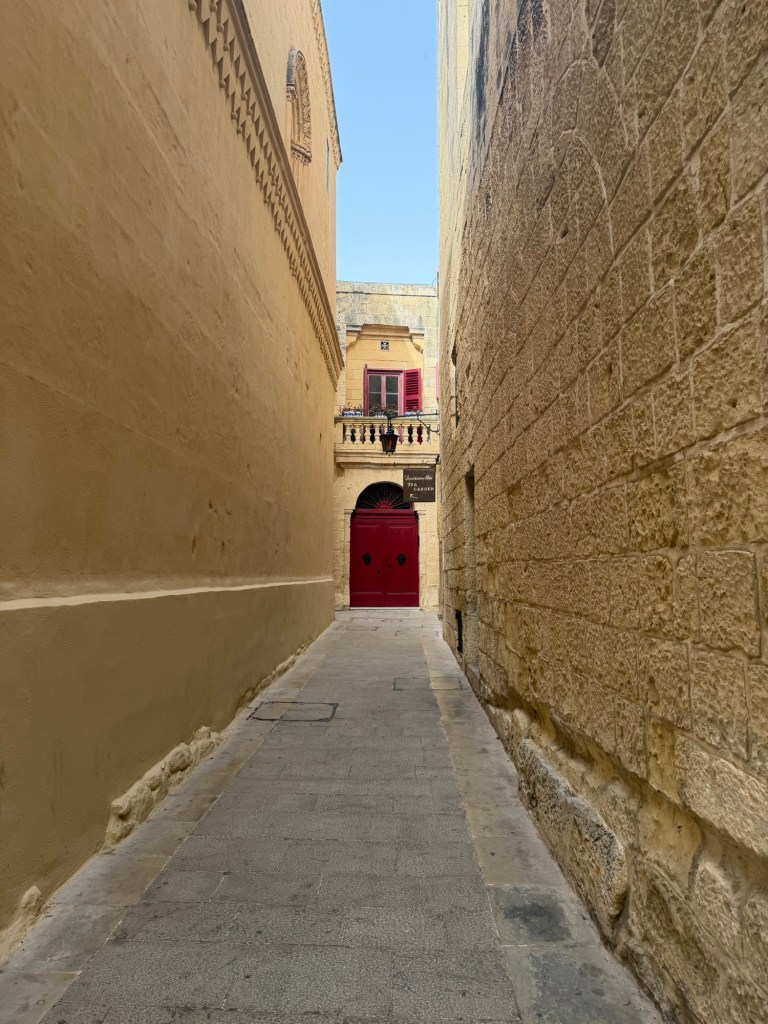
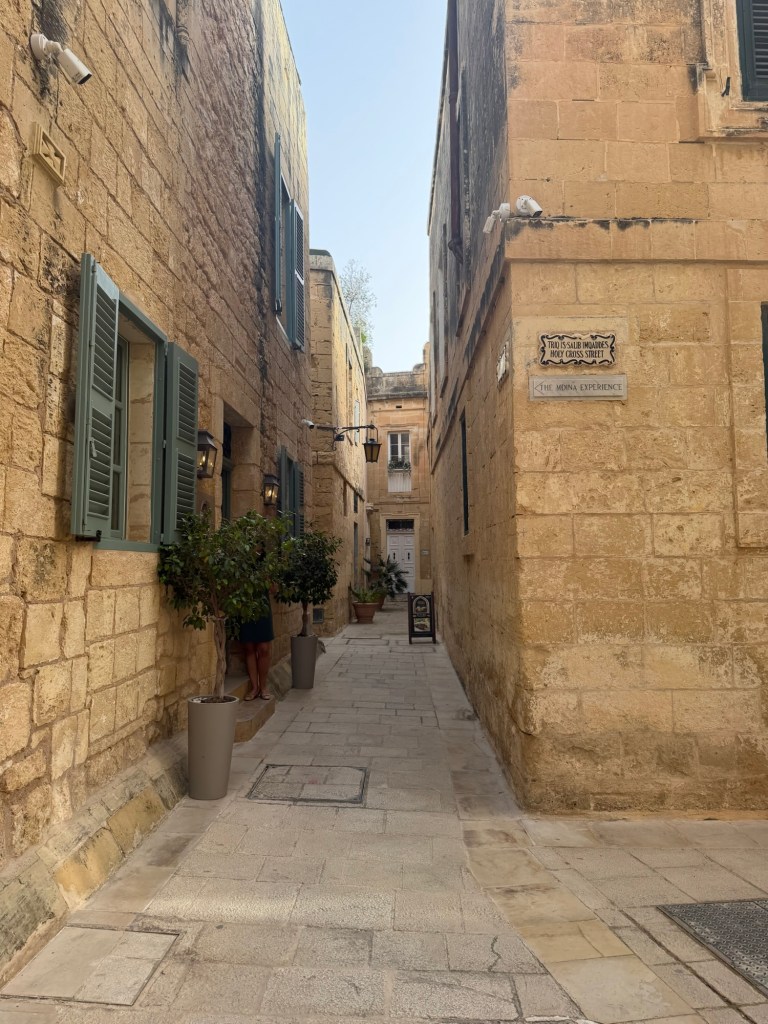
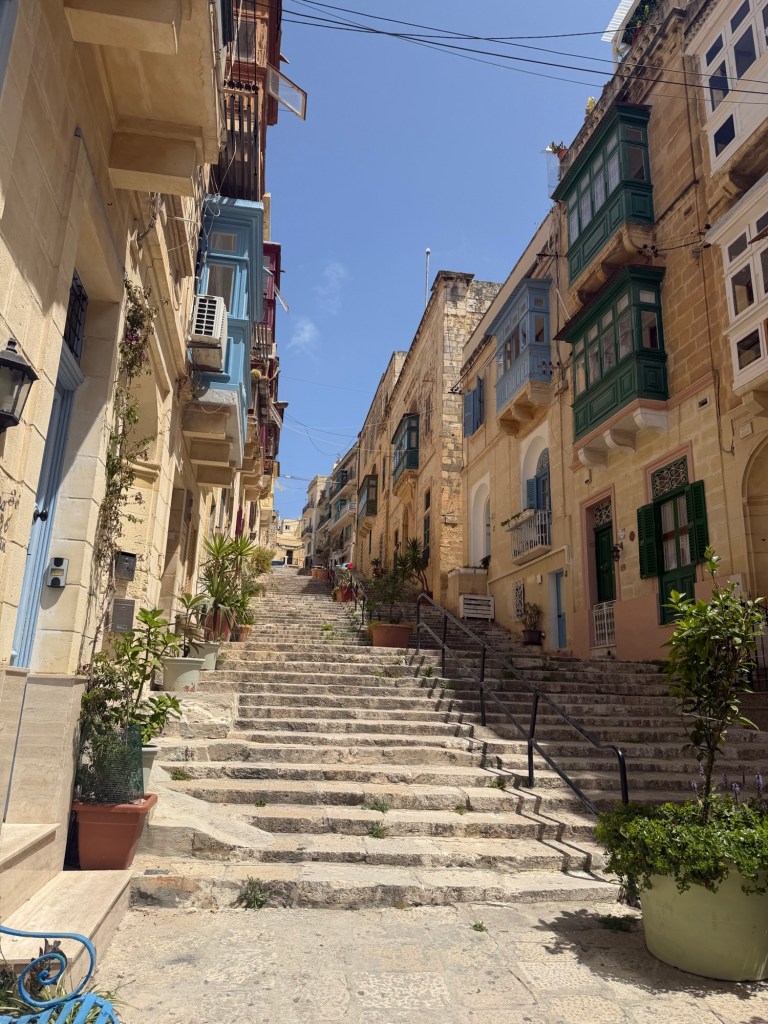
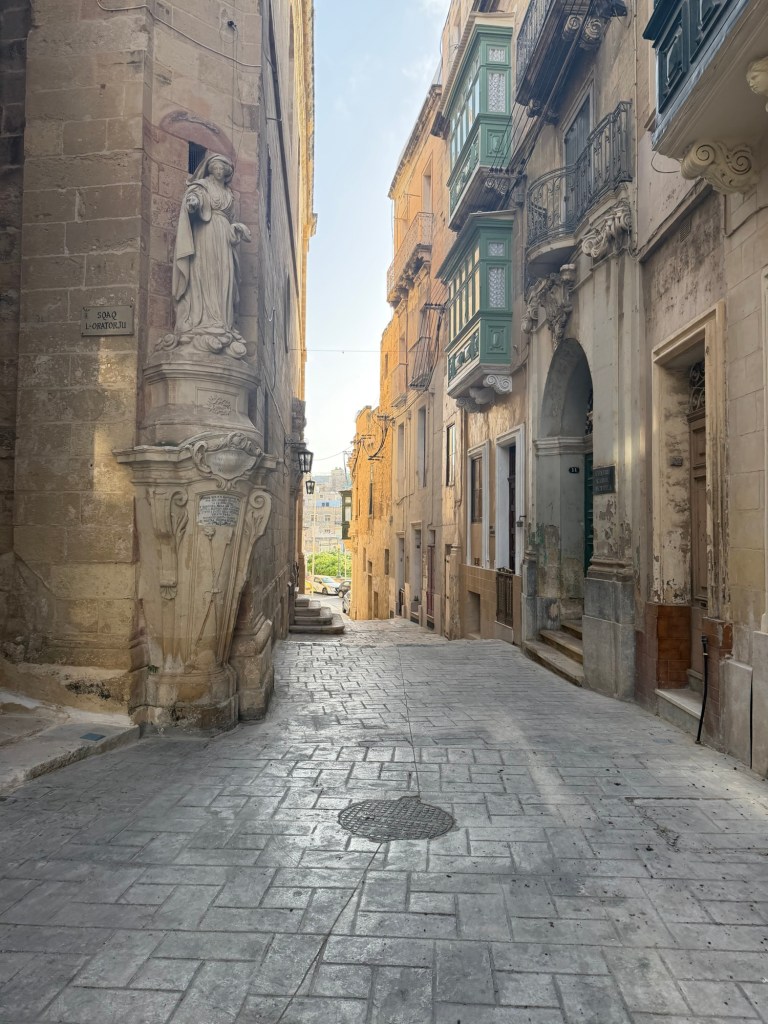
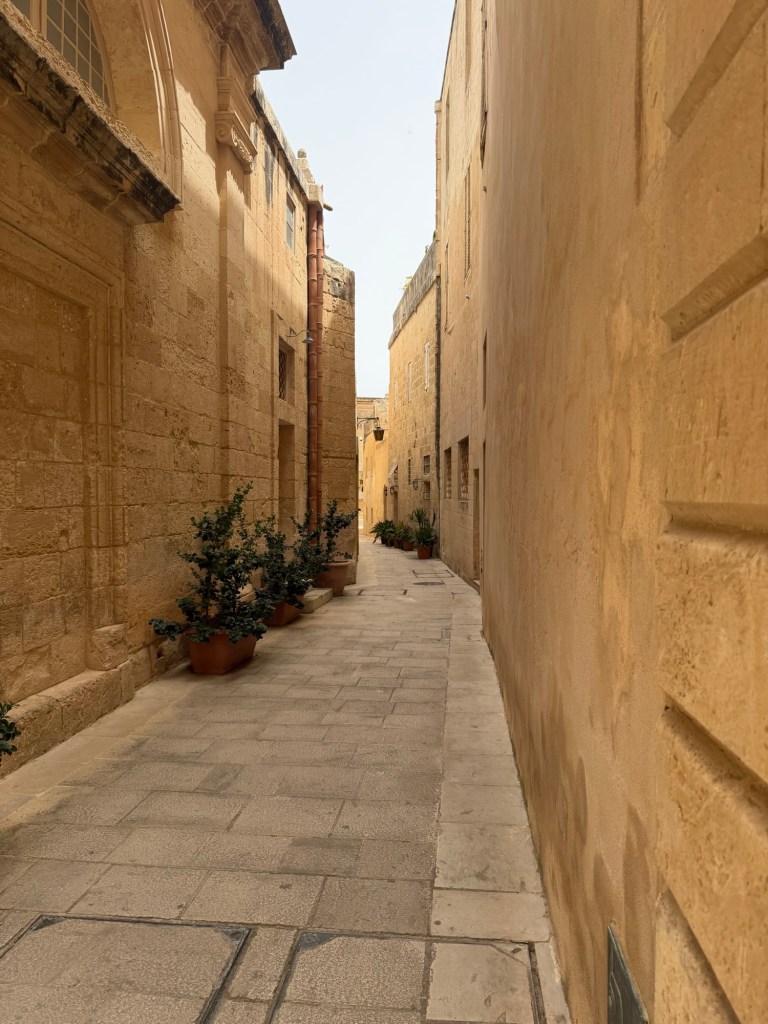
After finishing my snack, I decided to walk into Mdina and explore a little on my own. The walled city was truly magical to walk around, with all these small alleyways with the limestone buildings on each side. I expected it to be busier, but I guess it was a quiet day and I could see why it gets called the Silent City, especially as it got later in the afternoon.
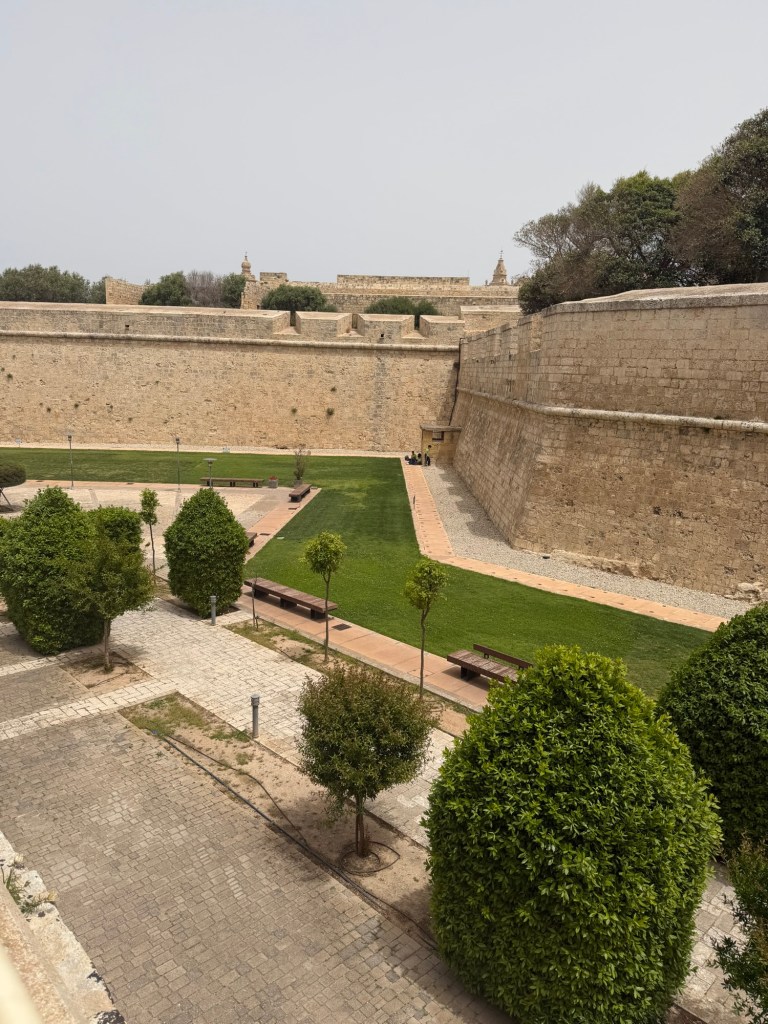
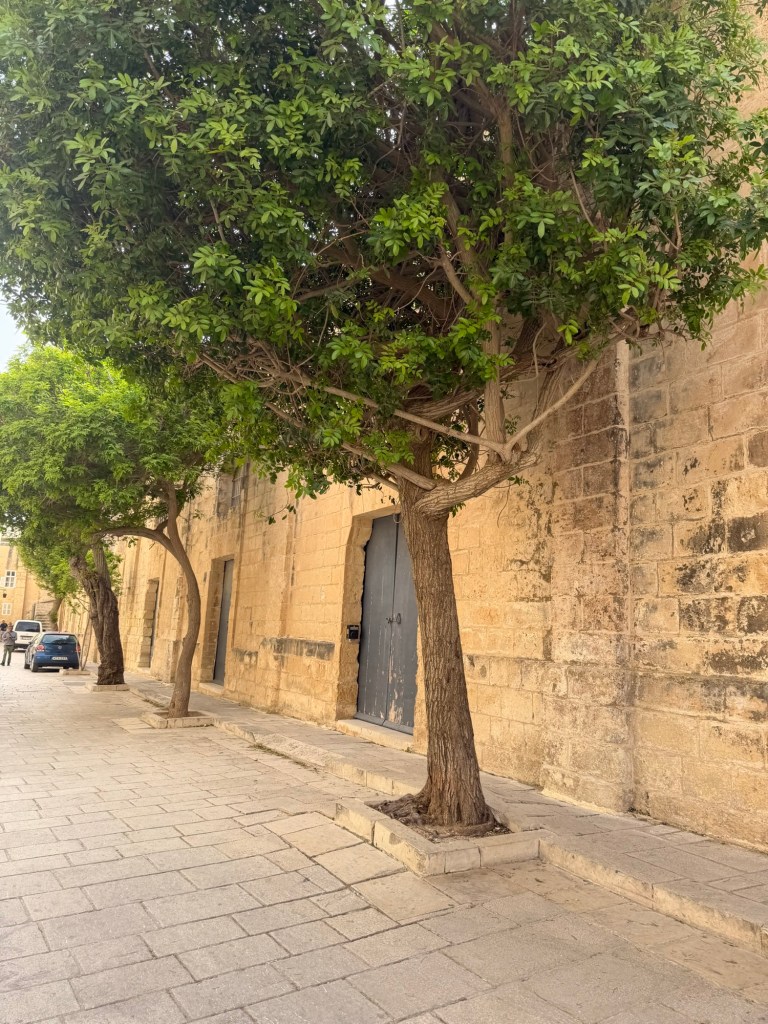
Outside the walls
The streets of Mdina
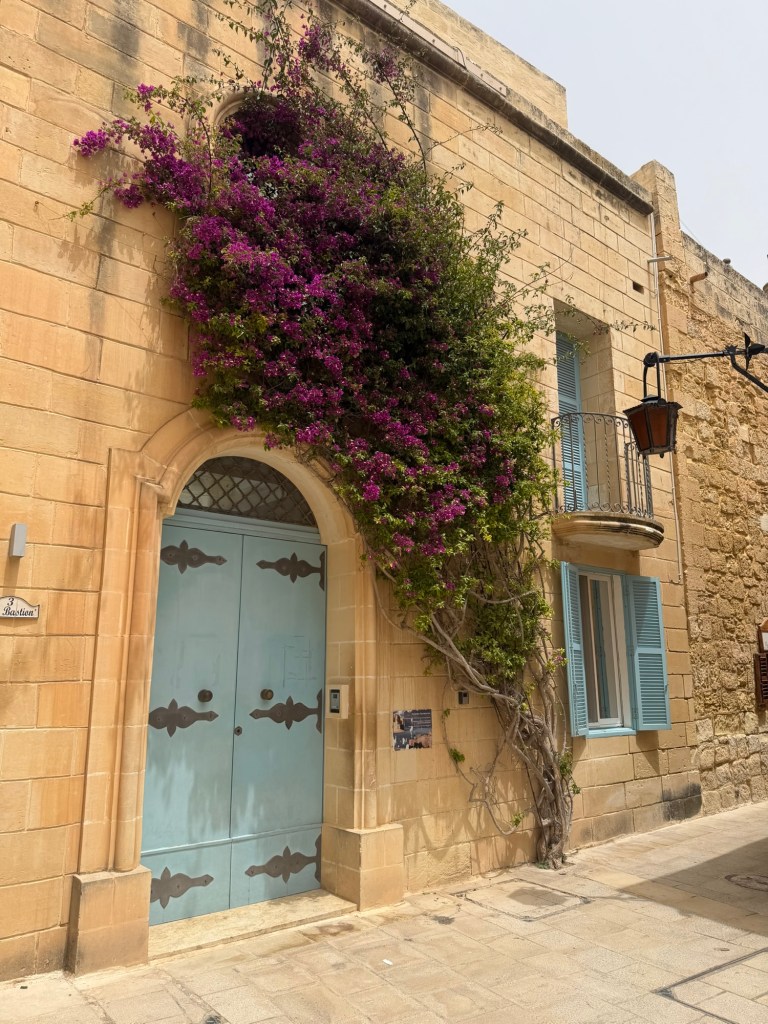
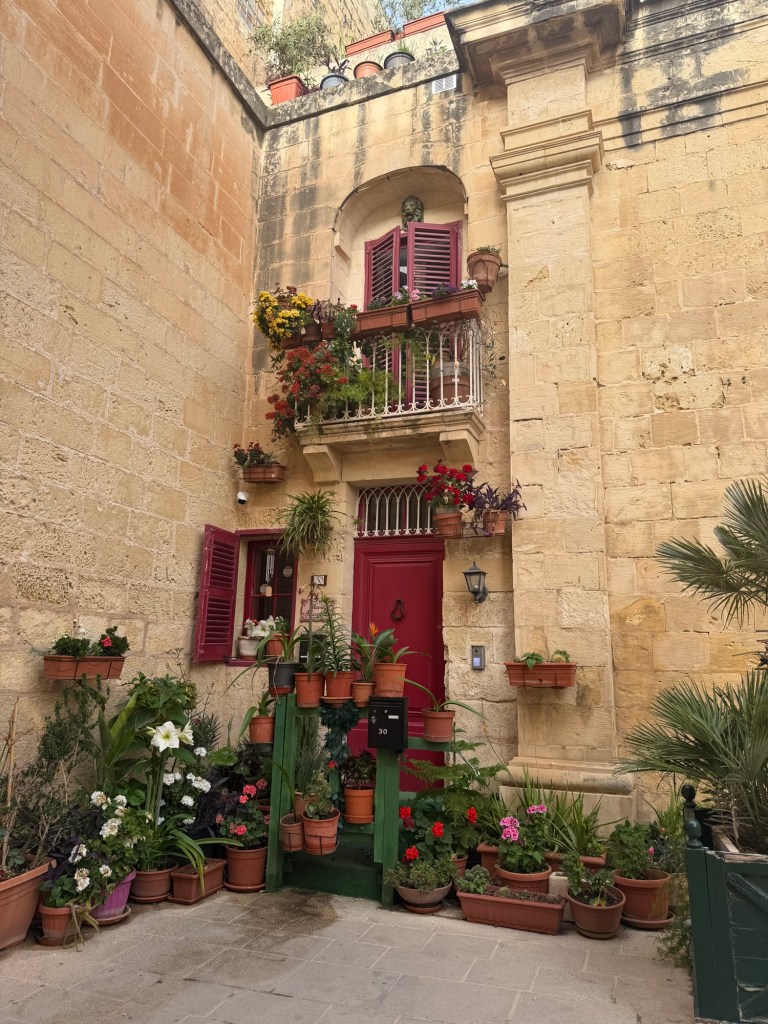
The blue door

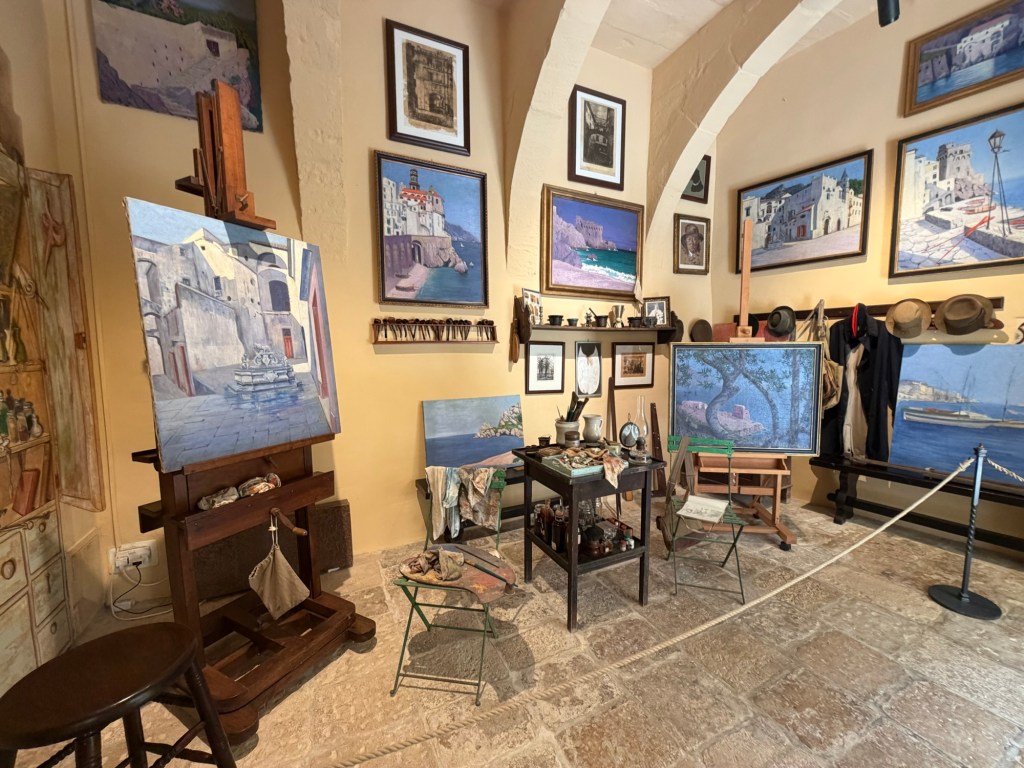
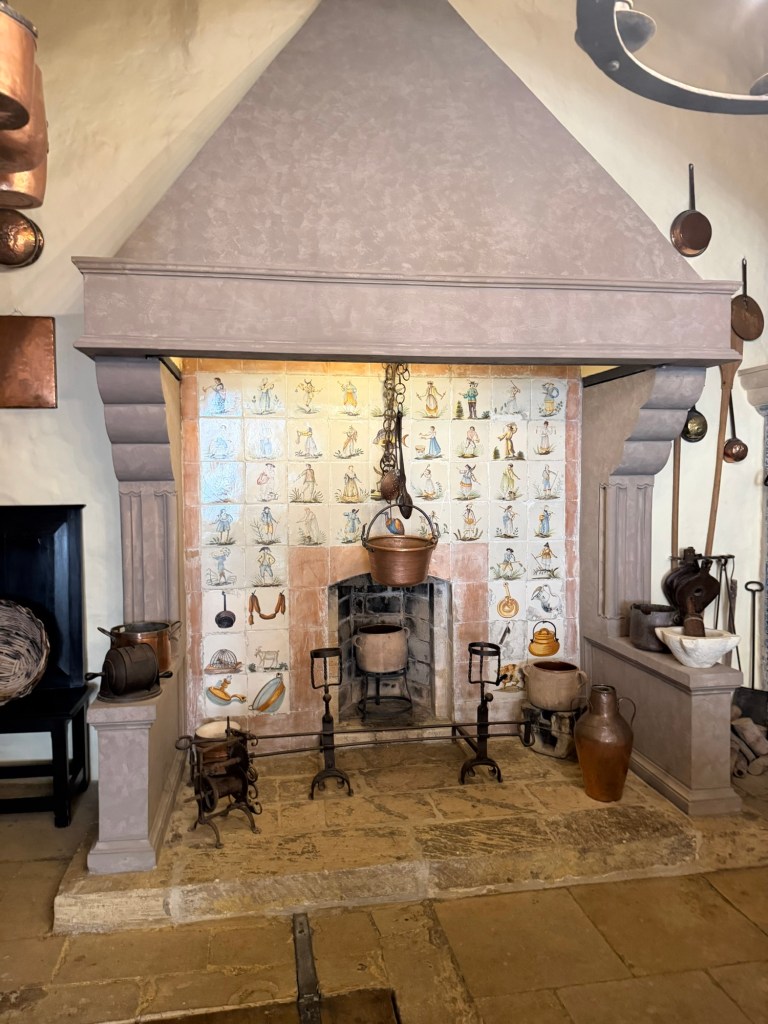
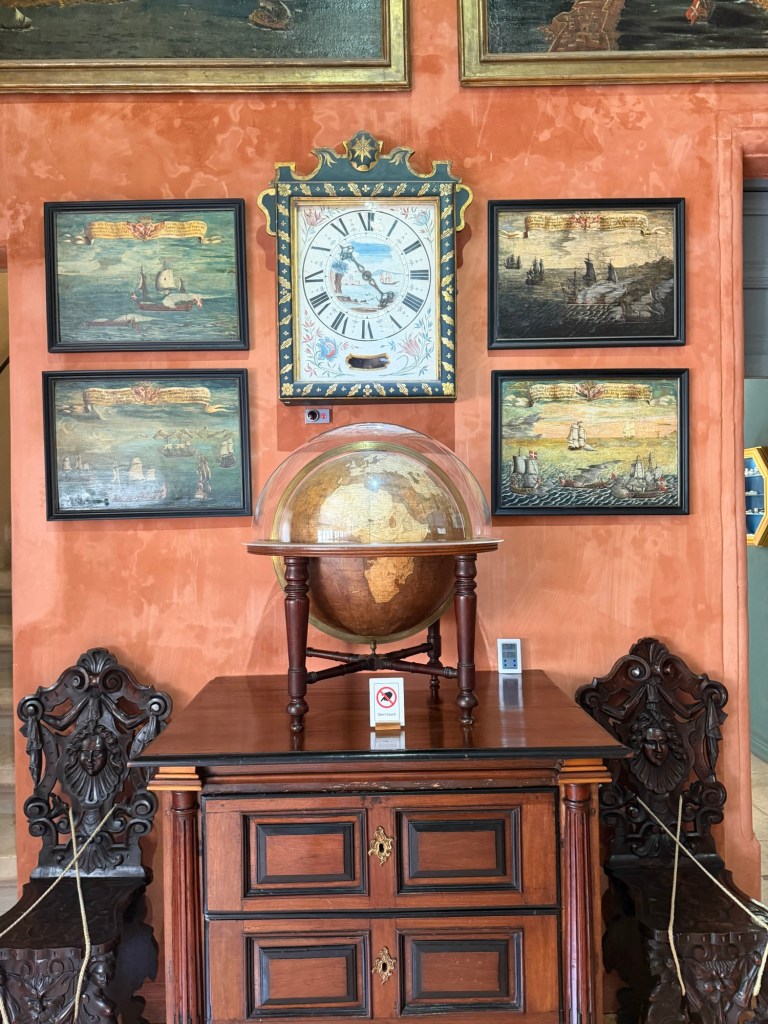
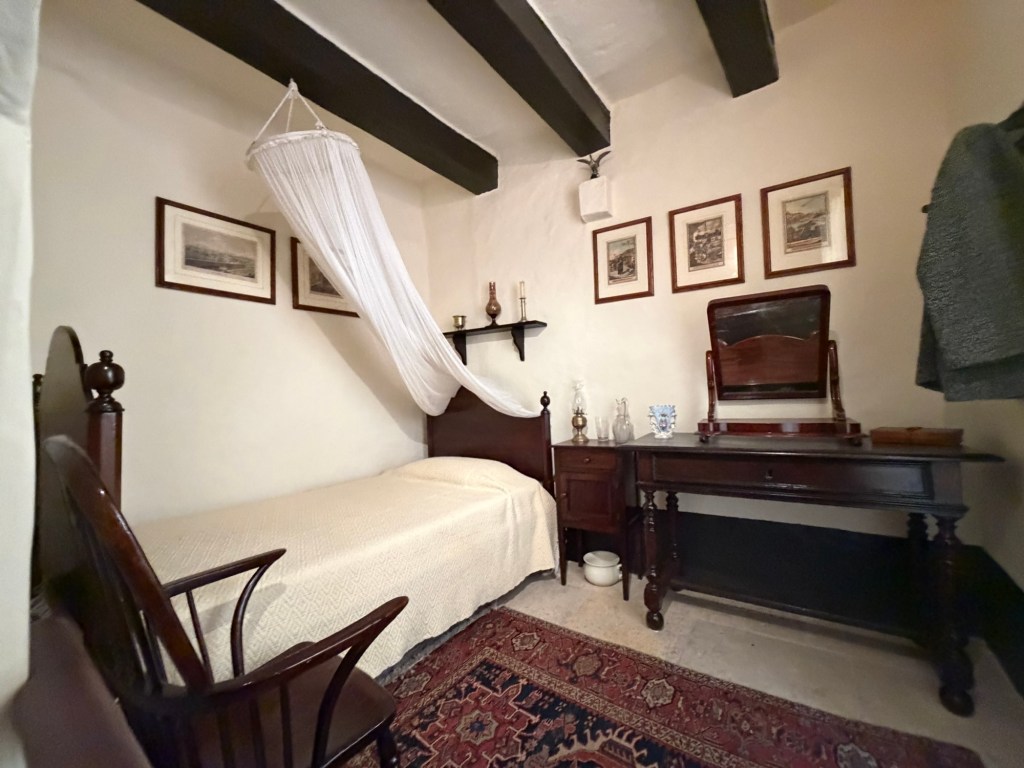
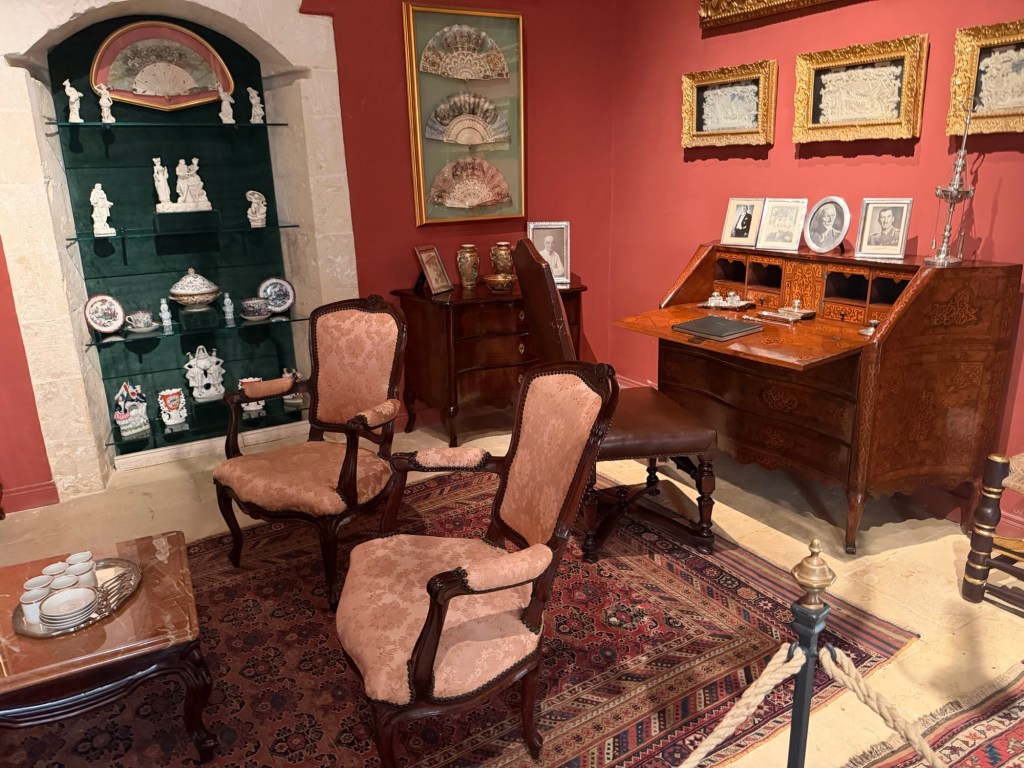
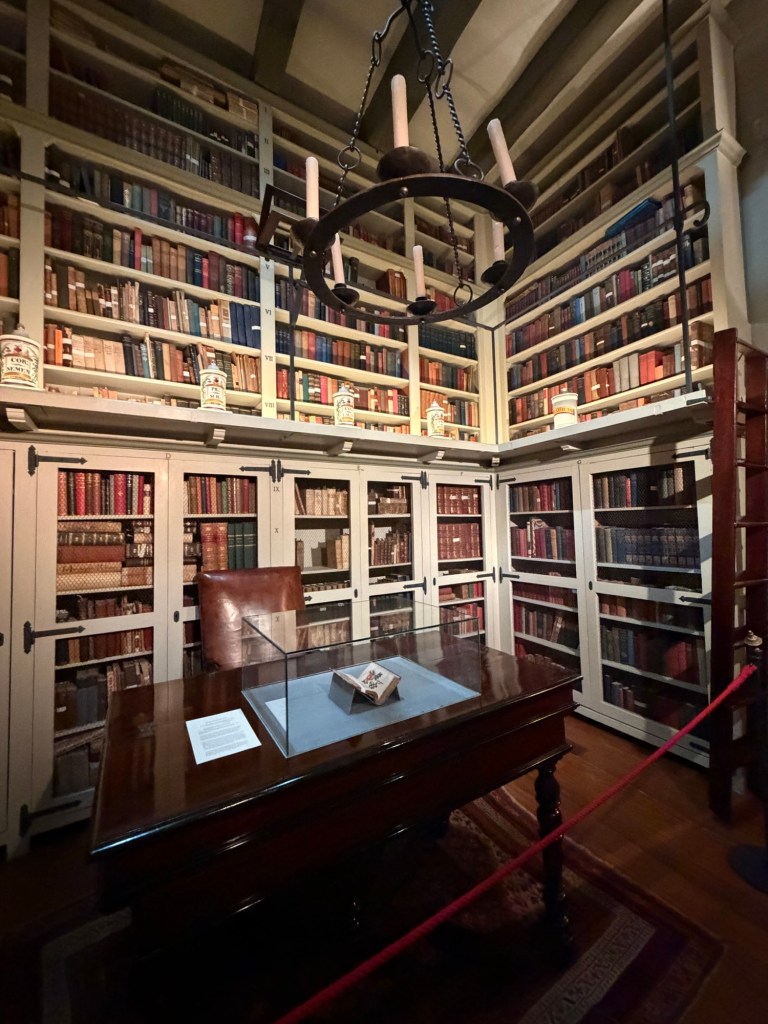
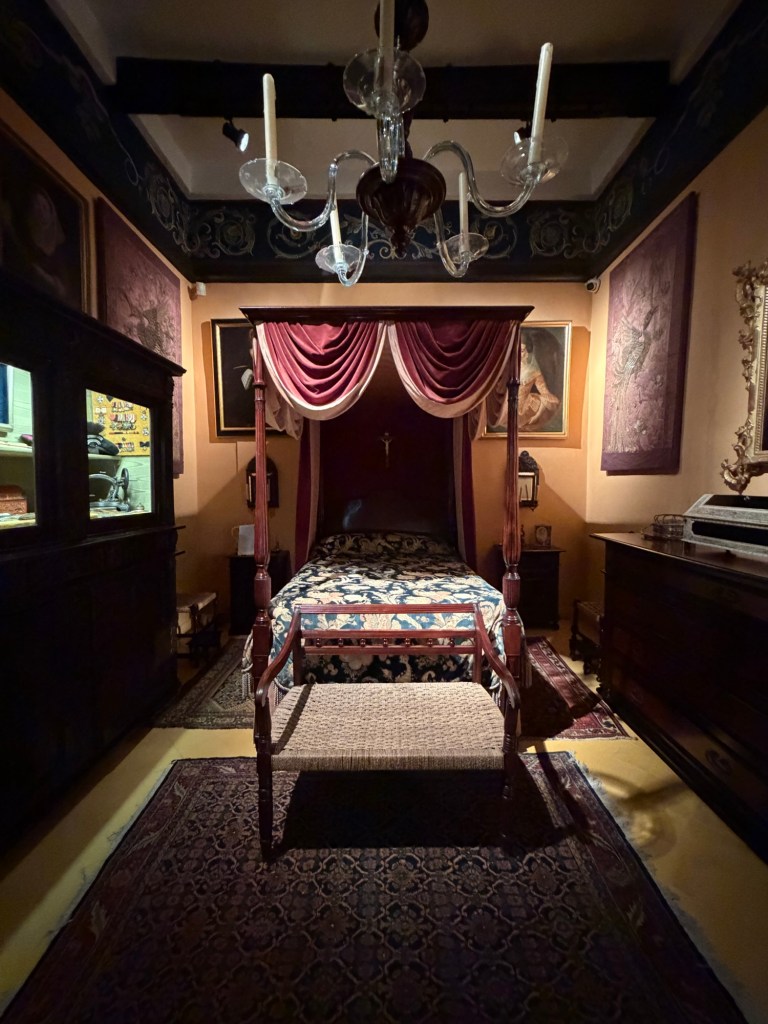
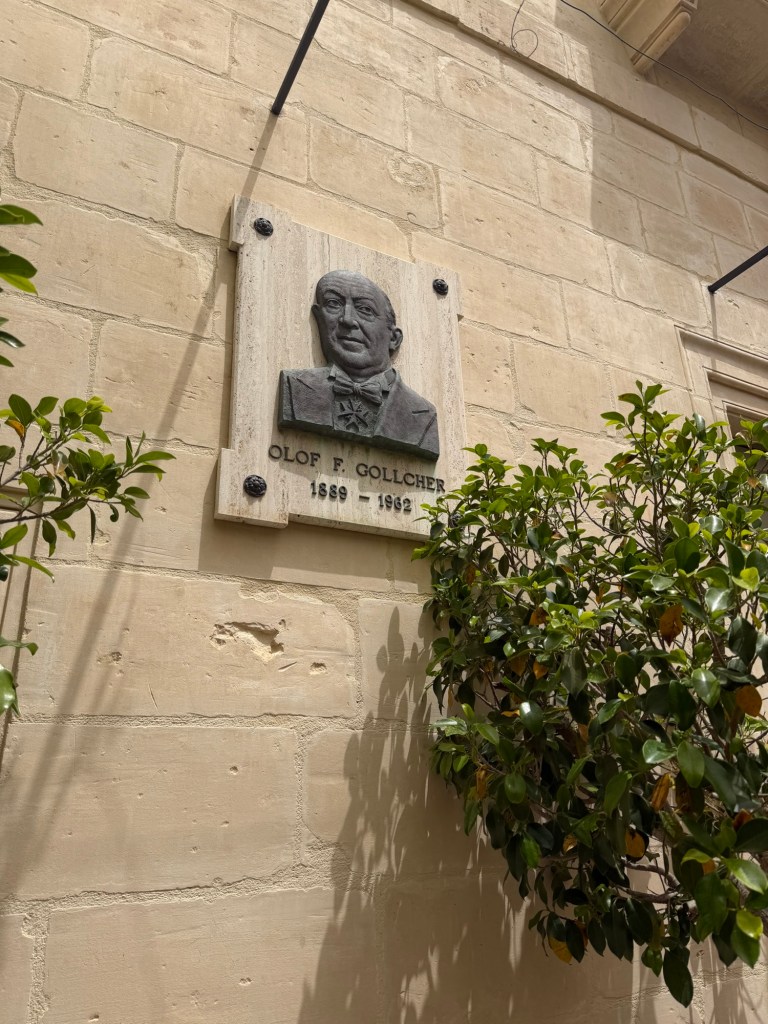
I took some photos of the famous blue door, and then went to Palazzo Falson, a 13th century palazzo turned museum, which was really cool to see. It was owned by Maltese nobility and showcased lots of artwork and collections from over the centuries. I really enjoyed the audio tour here as well and it felt like I had the whole place to myself!
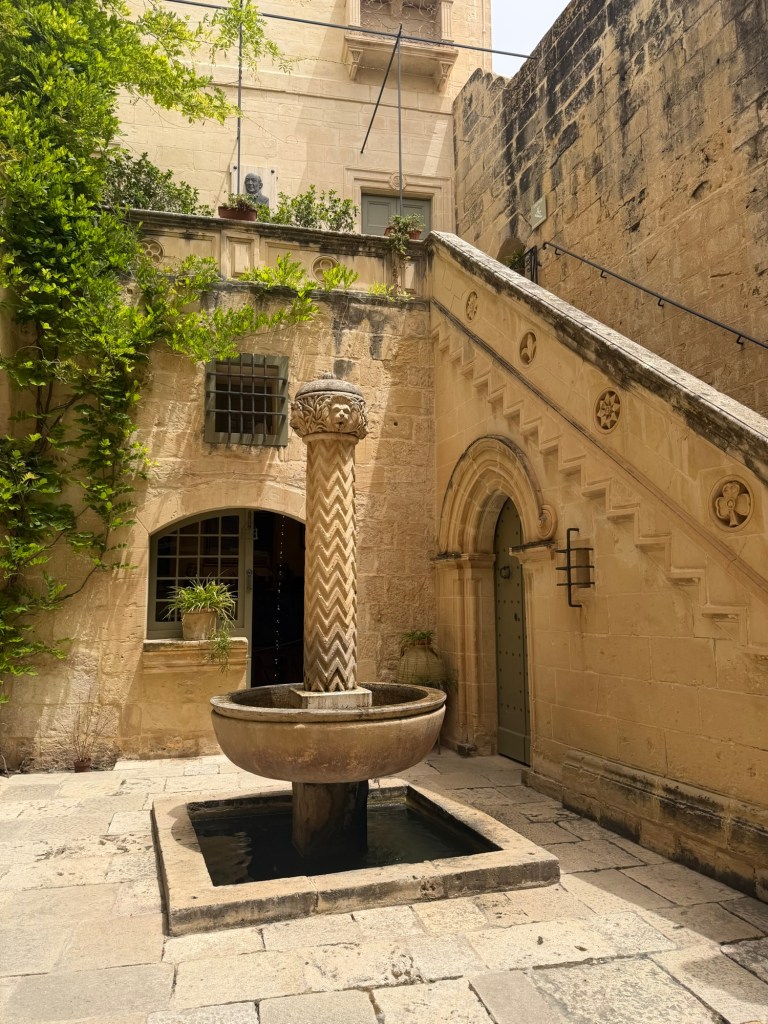
After the museum I had just enough time to stop by the Fontanella Tea Gardens, which I had read is known for their cakes and beautiful views. Mdina is built on the top of the hill, so when you look out over the walls you can see all the way to the Mediterranean. I got lucky and was seated right at the edge of the terrace, and was treated with a great view while I waited for my iced tea and chocolate cake (there were lots of cake options to choose from but they are famous for the chocolate so I thought I had to give it a try). The cake was delicious, and the ambiance made it even better, so this was the perfect stop to refuel before my free walking tour.
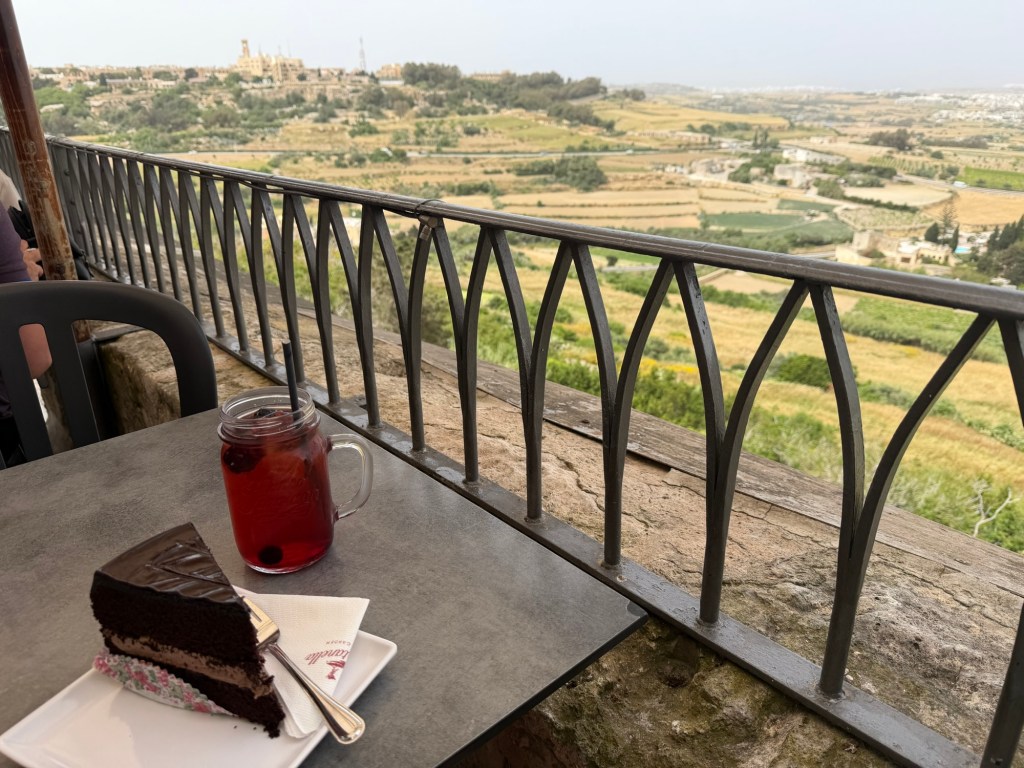
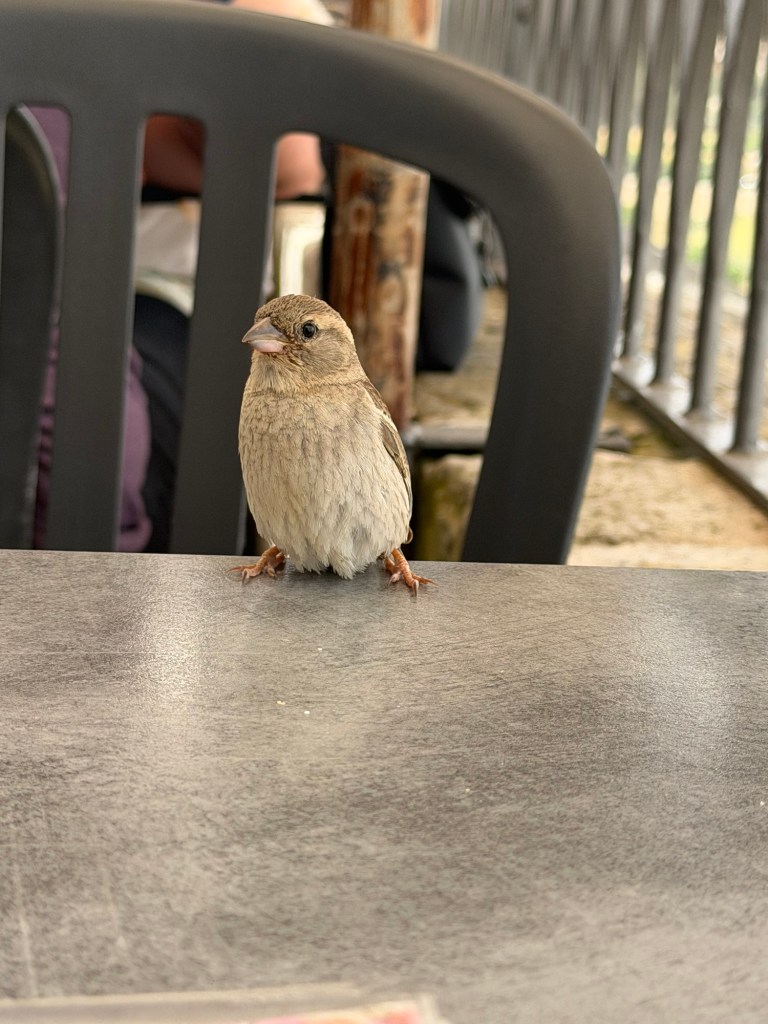
I had a friend join me at my table!
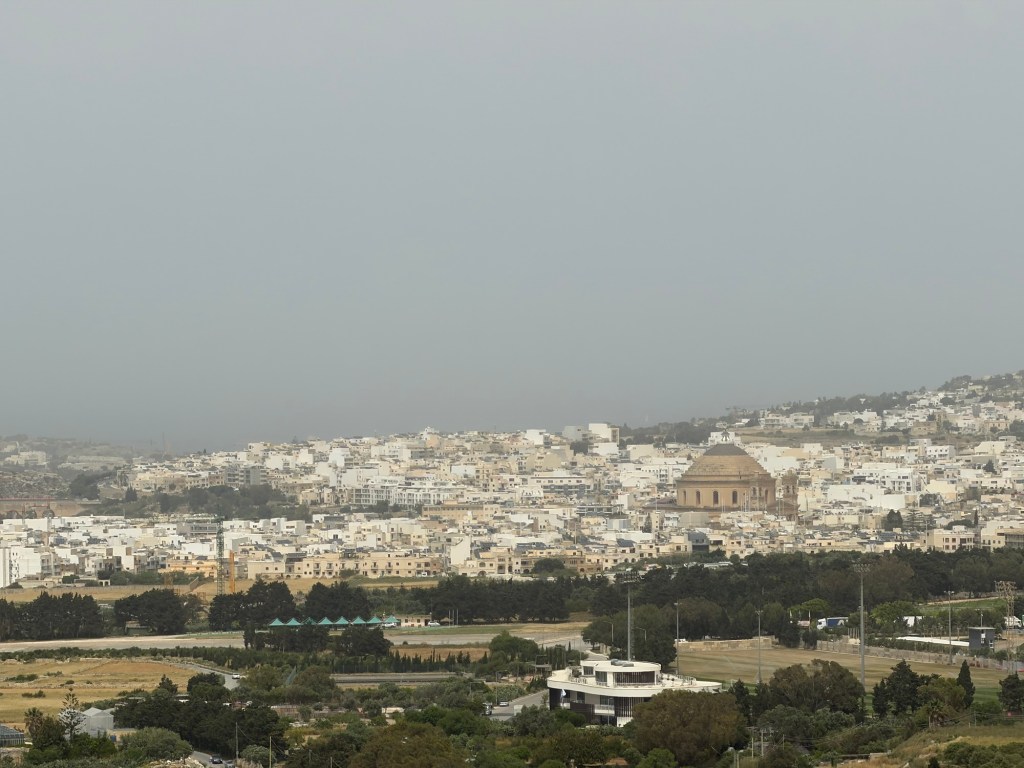
I could see Mosta Rotunda from where I was sitting

I then made my way back toward the Mdina city gates to meet my walking tour guide. As per usual, the tour was great and Ben, the guide, gave so much interesting history along with some interesting facts about Maltese culture. I found it particularly entertaining that he could point out cars that he believed belonged to nobility as we walked around. Mdina is still really just home to nobility and nuns, so the cars he said all belonged to people who either worked or lived there. When we would see an expensive car he could point out the license plate and say those letters stand for the last name of a noble family, etc. Apparently the Maltese really like their vanity license plates!
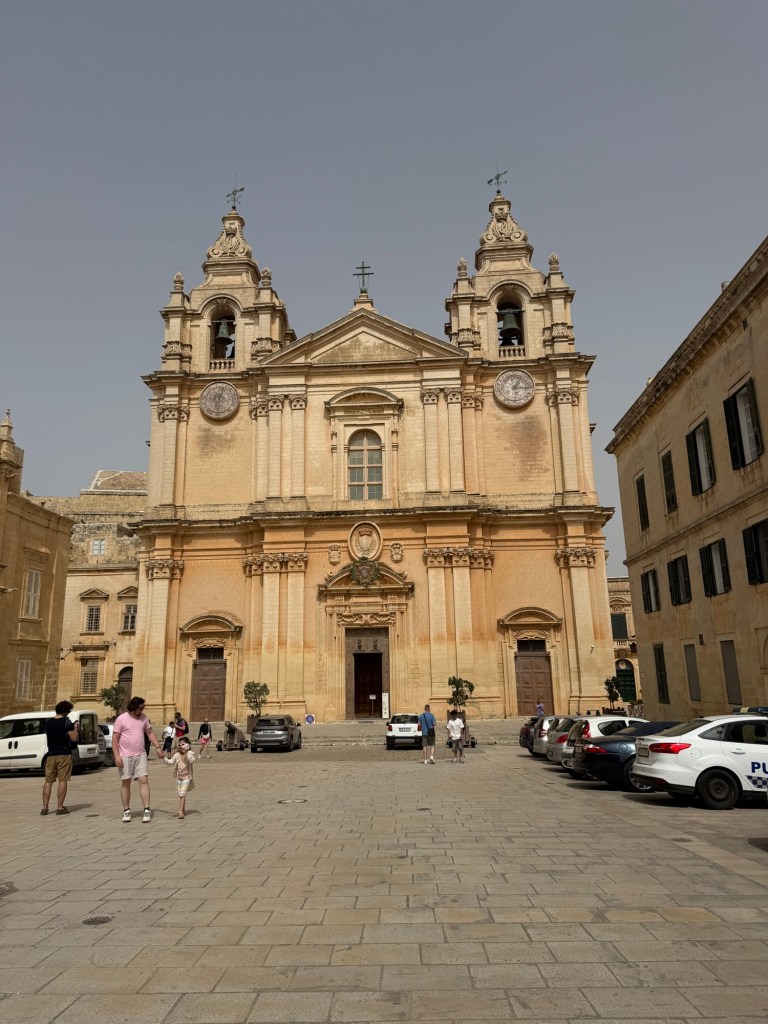
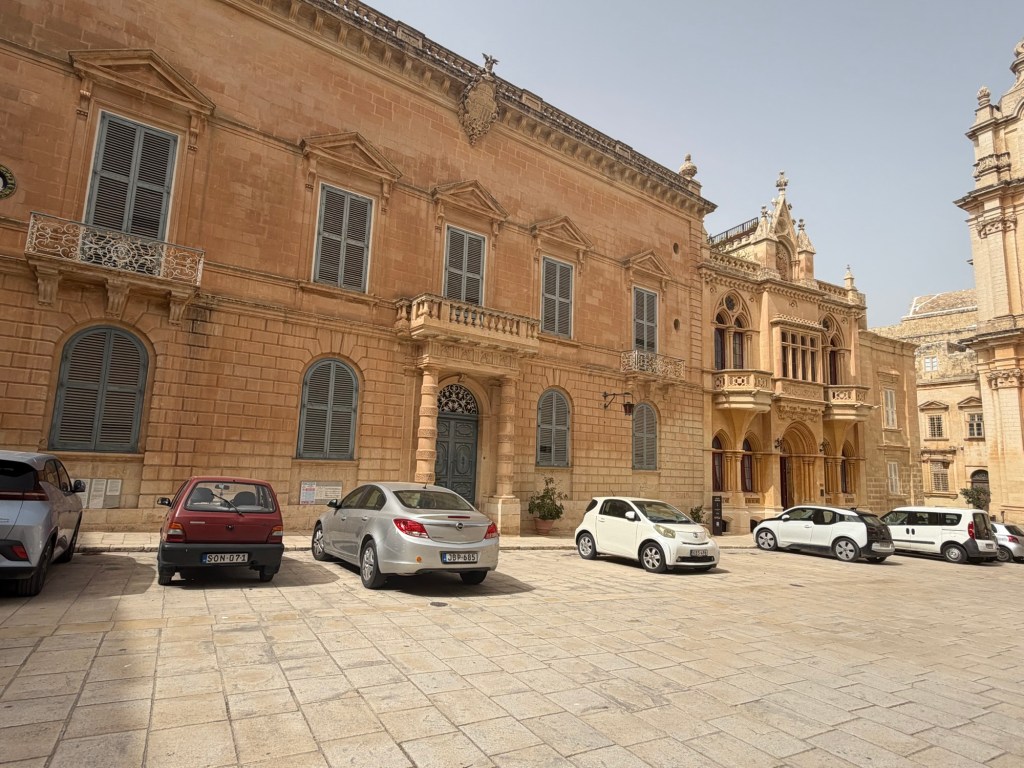
After the tour finished up, I had just enough time to go back to look in some of the stores. Mdina is known for their glass and so there were several stores selling all sorts of glass objects, and I was able to pick out a vase to take home as a unique souvenir. I went to a Mdina restaurant for a quick dinner, and then decided I would try and make it to Dingli Cliffs for the sunset. This was highly recommended as some of the best views in Malta, but it had been another hazy day, so I wasn’t sure how the sunset would be. It was only a 15 minute bus ride away though, so I thought I would check it out.
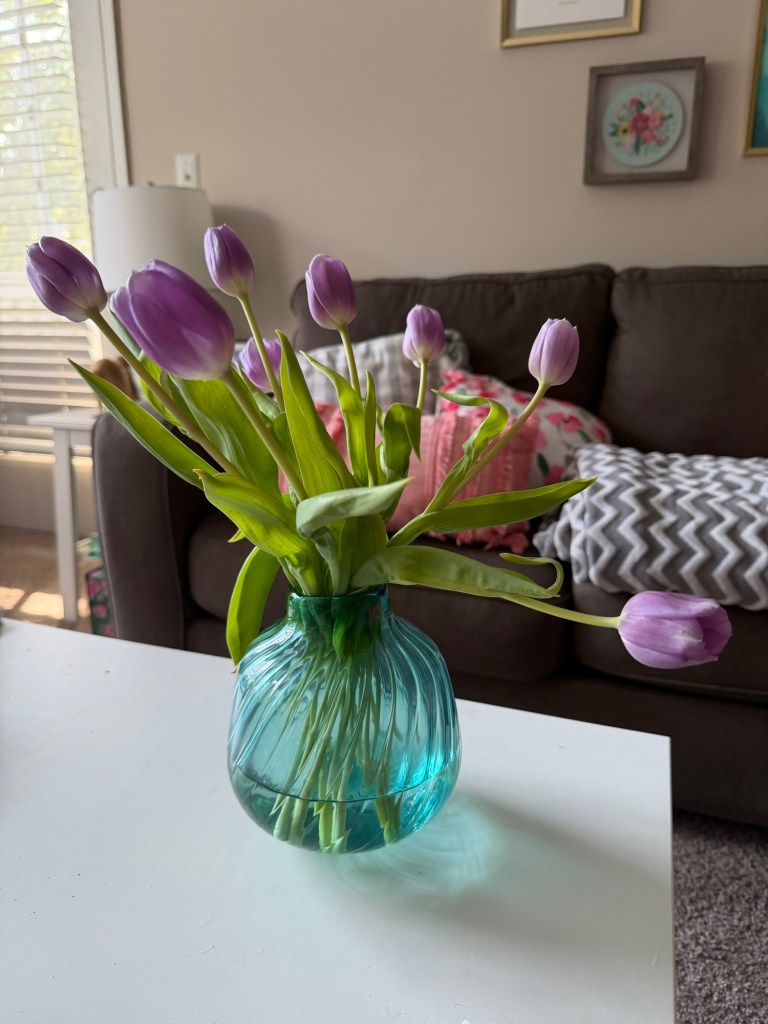
My new vase from Mdina

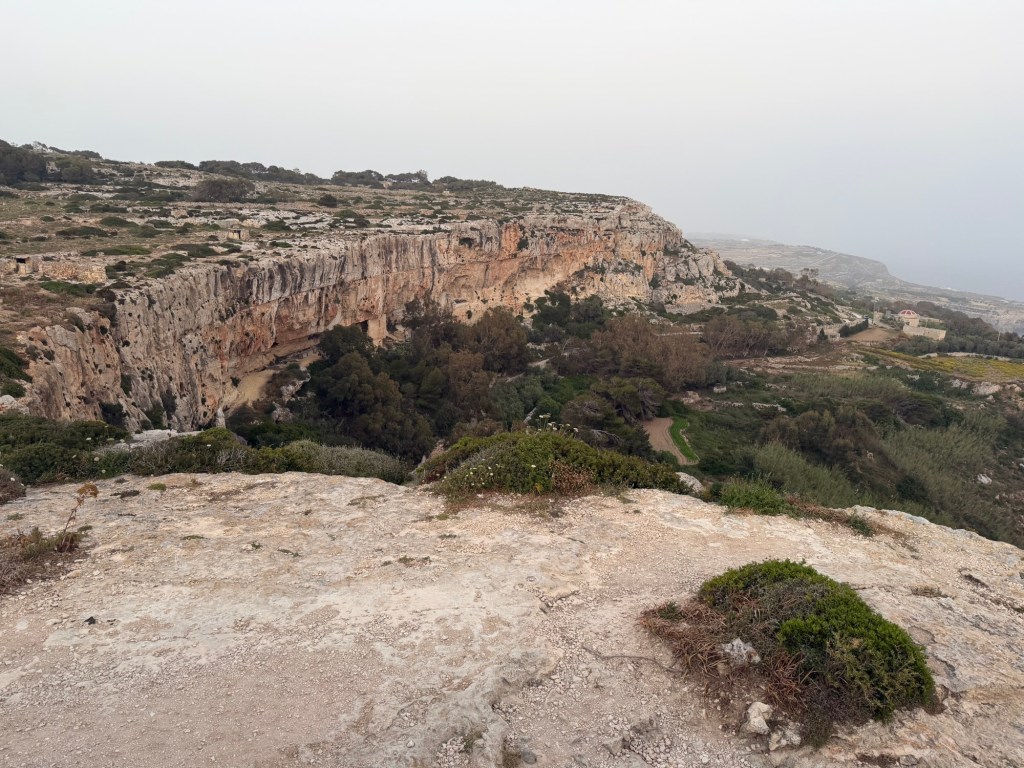
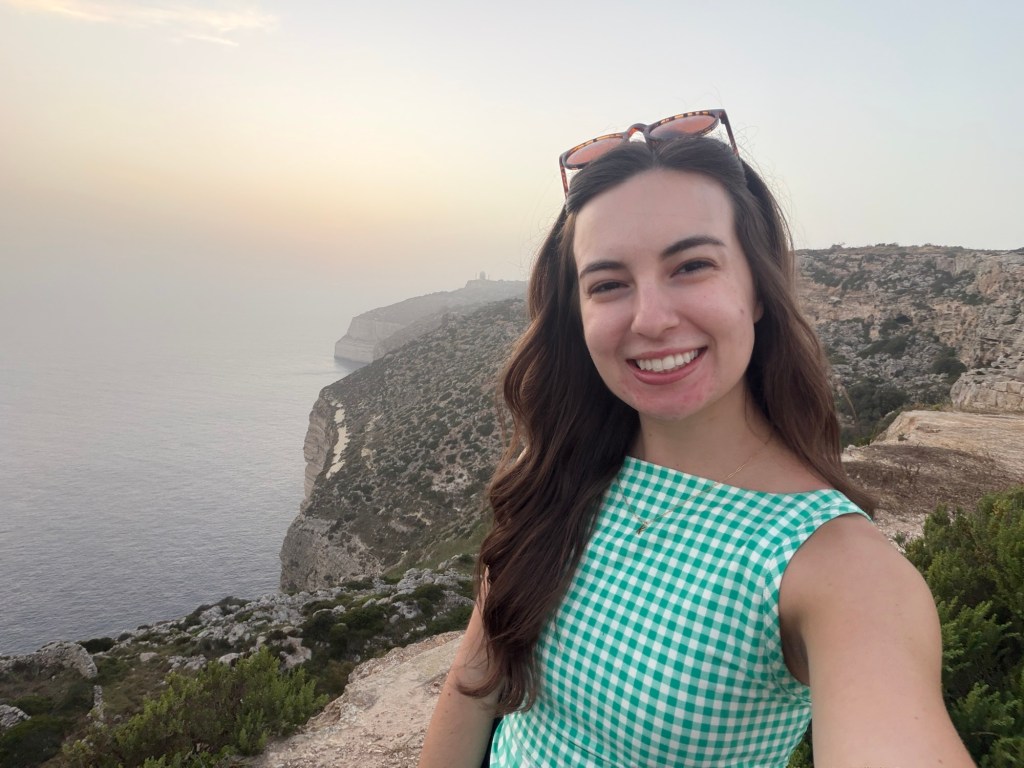
From where the bus dropped me off I walked probably about a half mile down the coast to an area where you can get an excellent view of the cliffs. It was a beautiful walk and a great view at the end, even though the sunset was not terribly impressive. There were several other people doing the same thing, but I imagine on a clearer night the area is much more crowded.
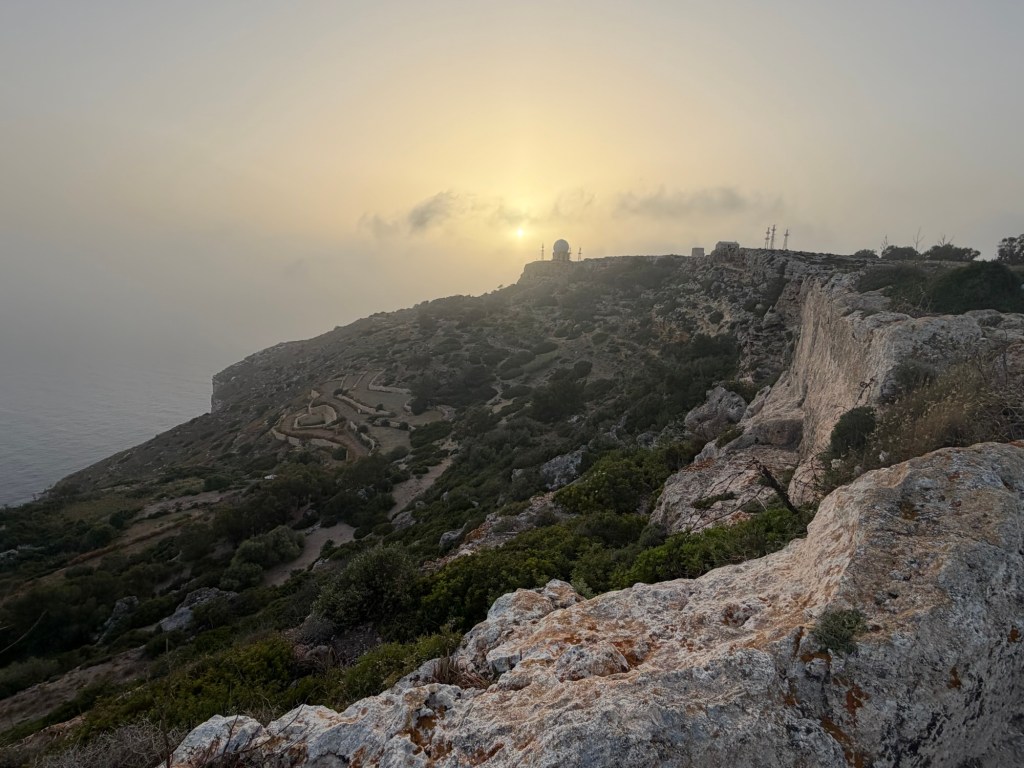
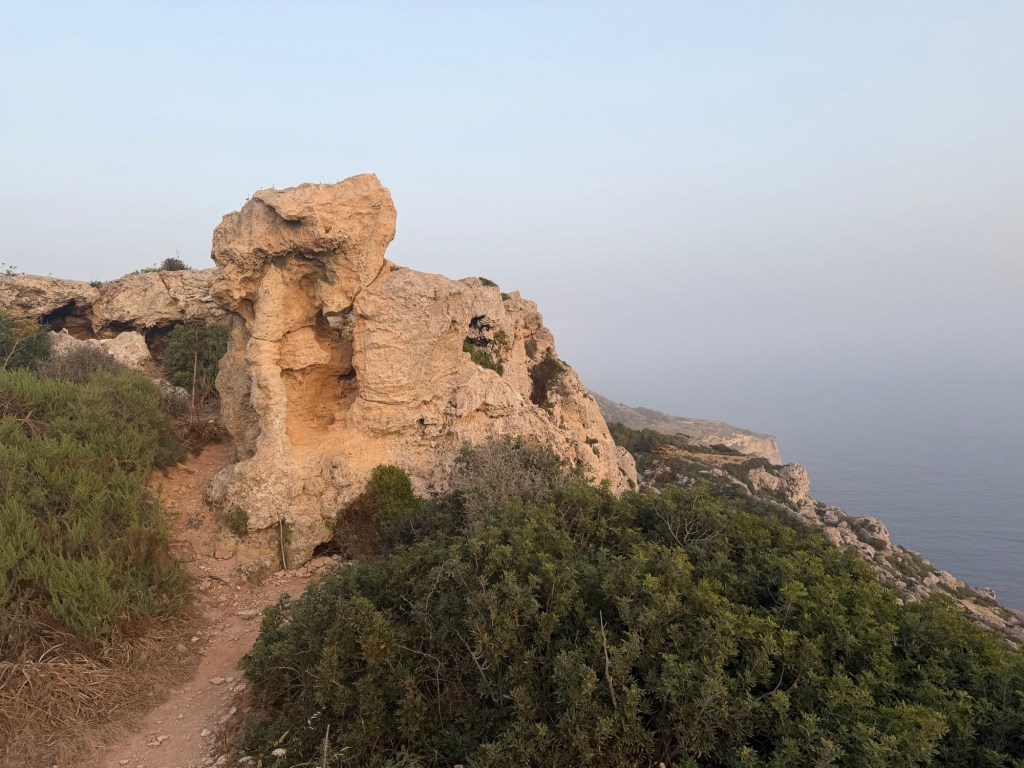
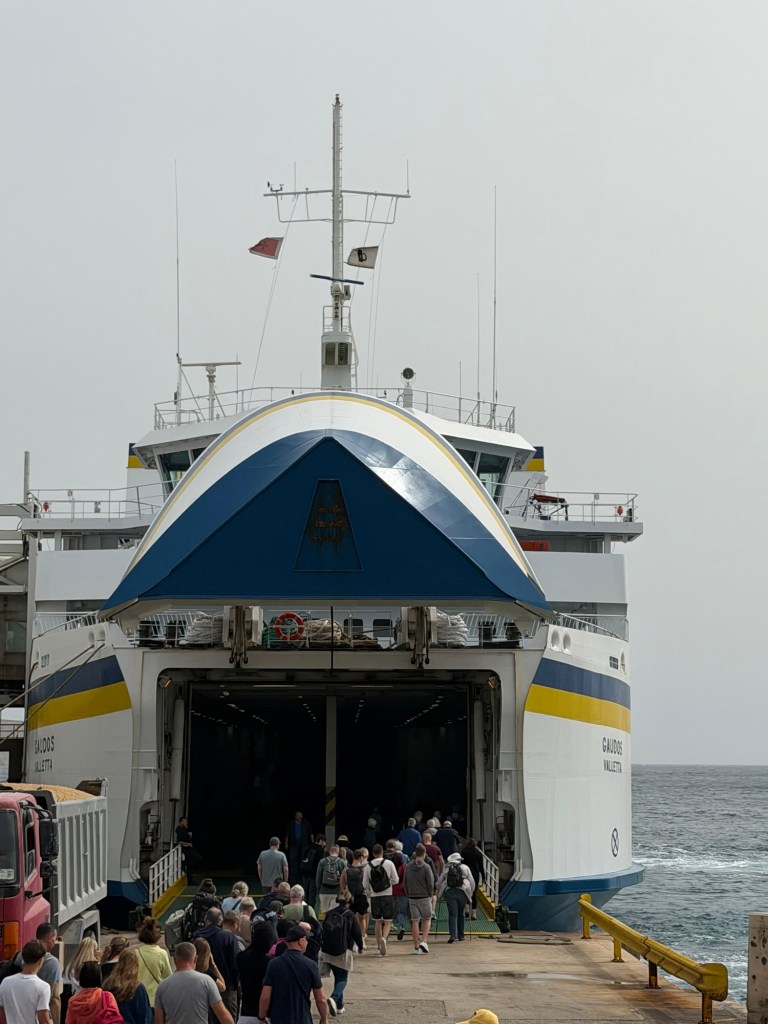
After the sun set, it was starting to get dark so I decided to just call a Bolt (the Maltese version of Uber) and that took me back to my apartment in Sliema, on the exact other side of thr island. This trip, however, still only took half an hour which really solidified how small the country is. After a long day I had a relaxing evening enjoying the rooftop hot tub and reflecting on all the amazing places I had seen.
Categories: Malta - May 2026 | Tags: , , , , , , , , , , | Leave a comment

Day 3 in Malta – Day Trip to Gozo

On Thursday, May 7, I had booked a full day tour of Gozo, the second largest island that makes up the country of Malta. It was a great way to get to see a lot of the island, but it was definitely a long day, so buckle up!

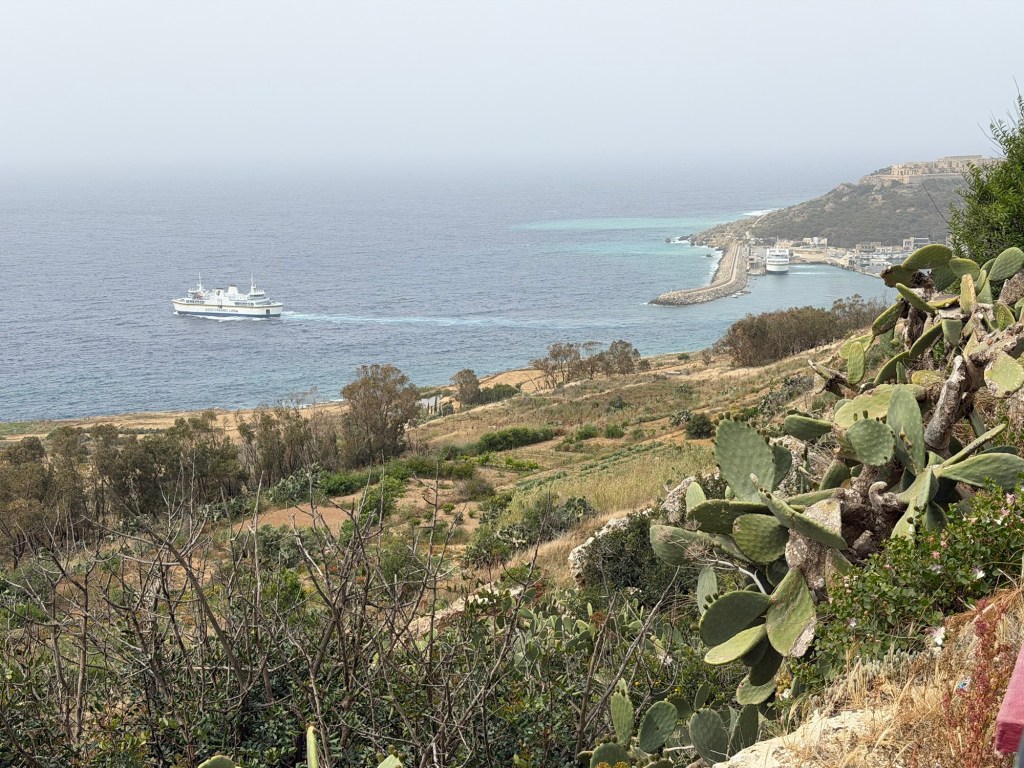
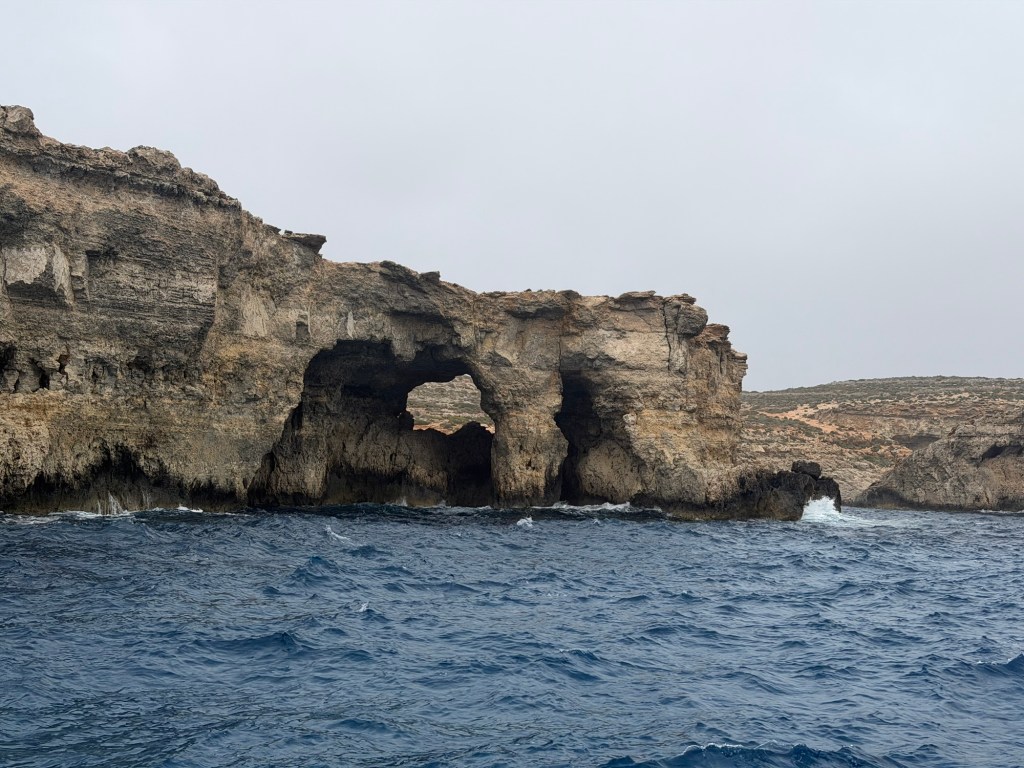
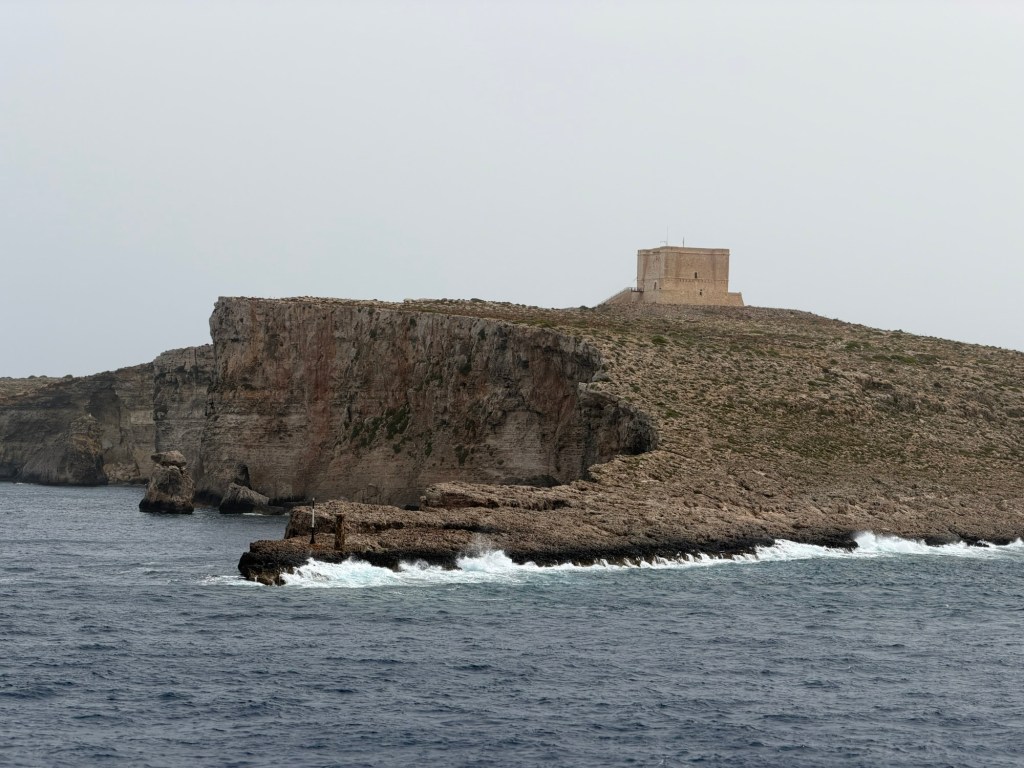
I got picked up at 8:15 from outside a nearby hotel and driven up north to the very top of the island of Malta (only about 45 minutes away). There, we met up with several other vans of people who also got picked up from around the country. Because it was a bit windy that morning the tour company opted for us to take the ferry over, rather than the smaller boat they usually do. It was a bit chaotic as they tried to round everyone up, as it was a pretty large group and there were a couple other tour companies doing the same thing. We eventually all got in the line to get on the ferry and made our way on board. It was a short 15 minute ferry ride, and we could see Comino, another smaller island that is between Malta and Gozo. Comino only has two inhabitants, but has the Blue Lagoon, a popular swimming spot that supposedly gets very crowded in the summer.

Gozo ferry
These towers can be found all over the coastline of Malta
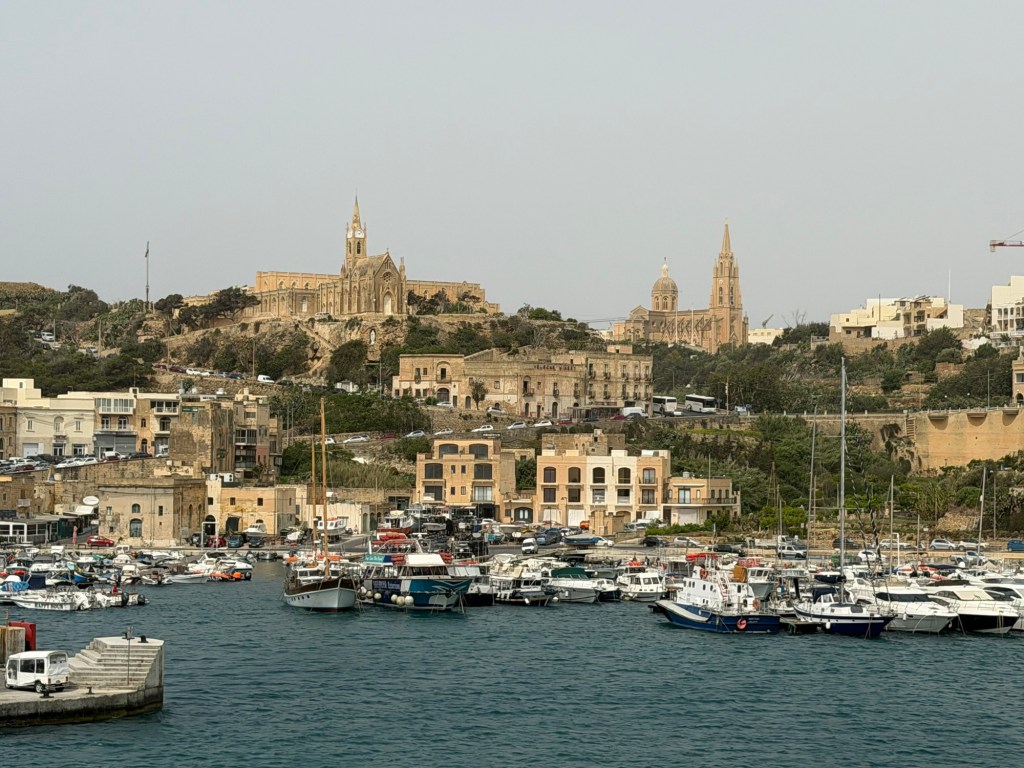
Arriving in Gozo

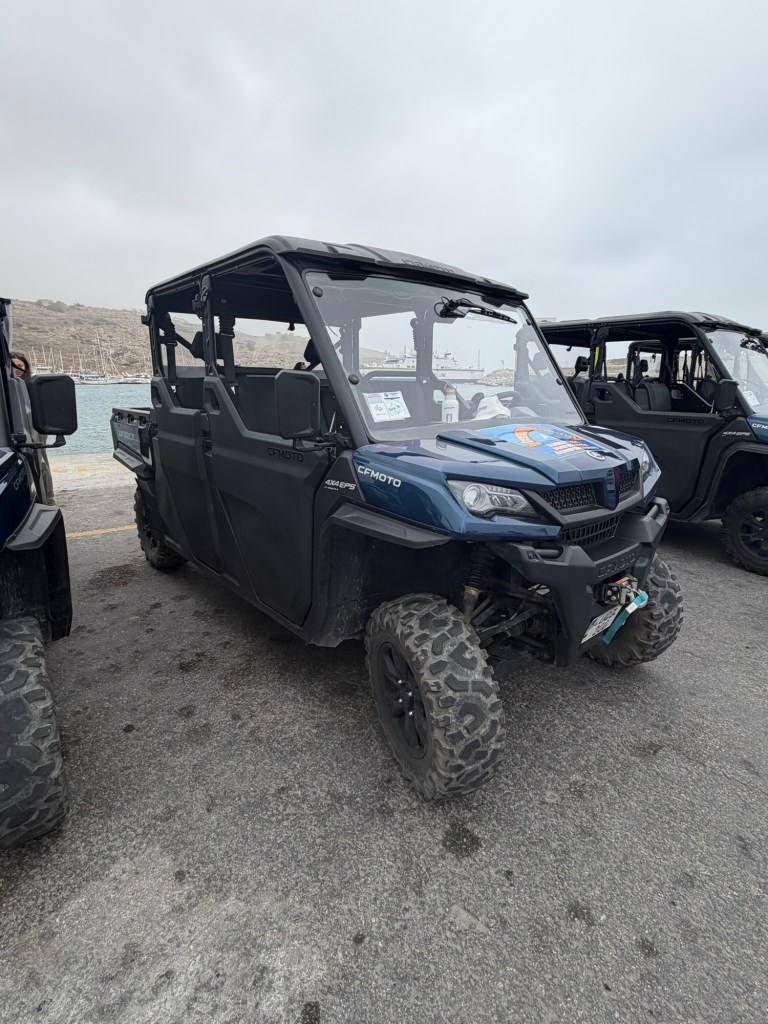
After we got off the ferry in Gozo we were met with a group of tour guides and their Jeep buggies. Every tour guide had a sign with the names of the four or five people in their group, so we had to all go find which group we belonged in. Luckily, I found Sam, my tour guide, right away. There were already two people in the buggy, who I later found out were Jason and Emily from Syracuse, NY, and we were also joined by a couple from Latvia who had come over on the ferry with me. Jason and Emily had come to Gozo to run a half marathon trail run in a couple days, and as we traveled around the island we saw some of the areas marked out for the run and it looked like it would be beautiful, but very hilly.

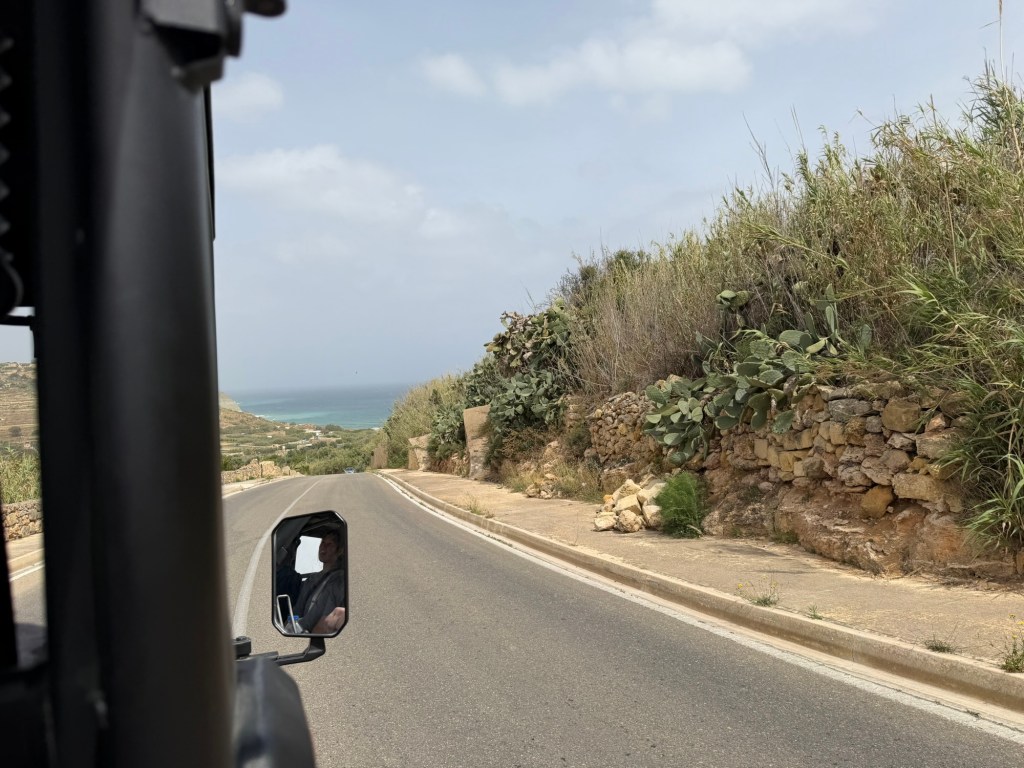
Our buggy

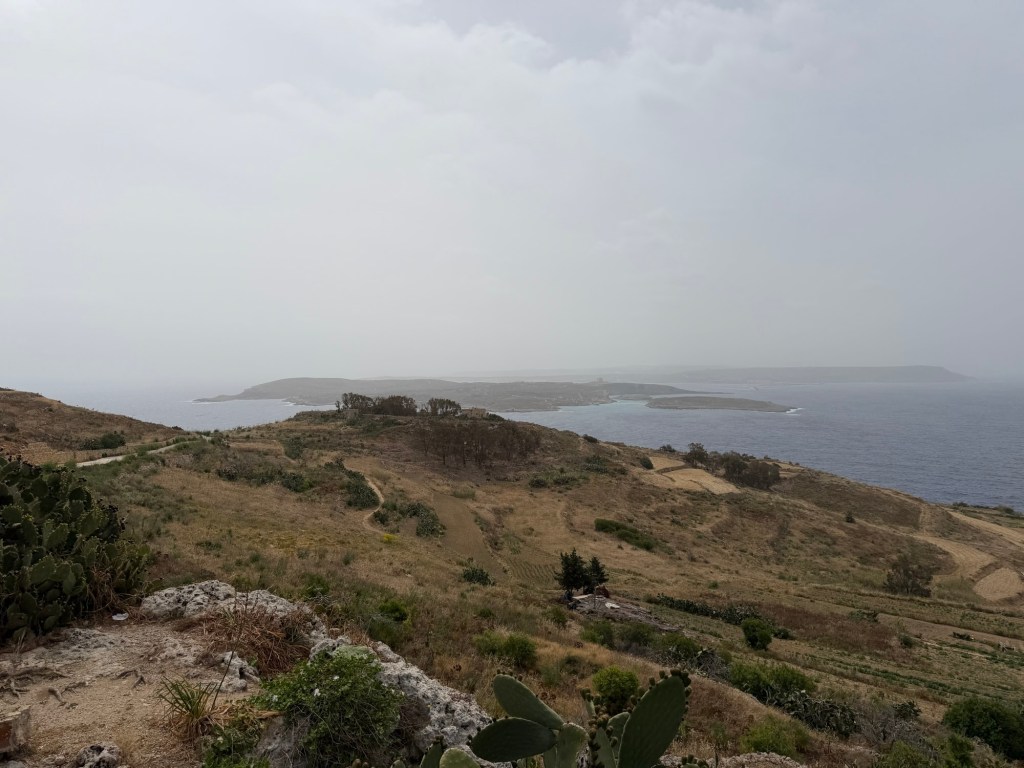
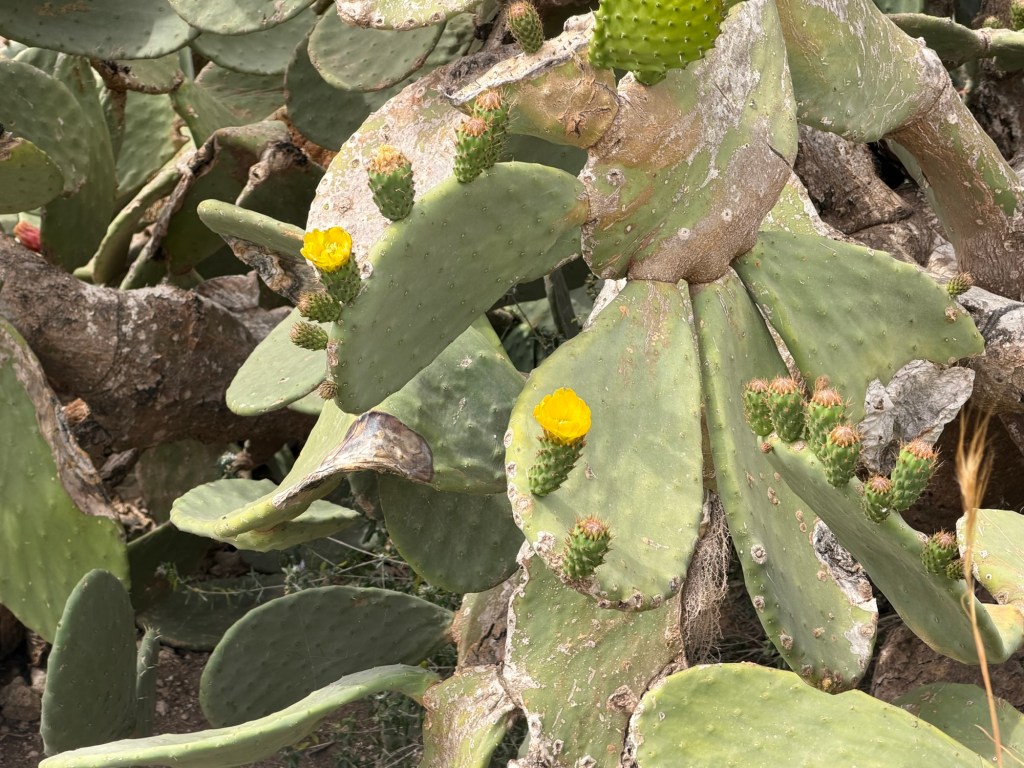
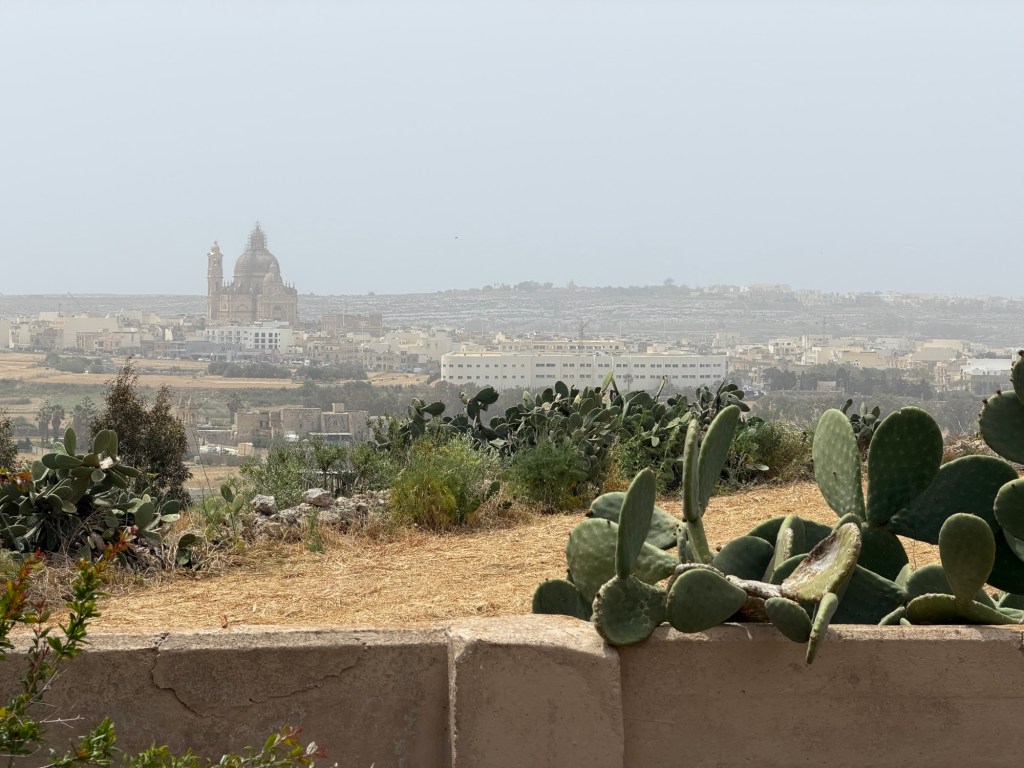
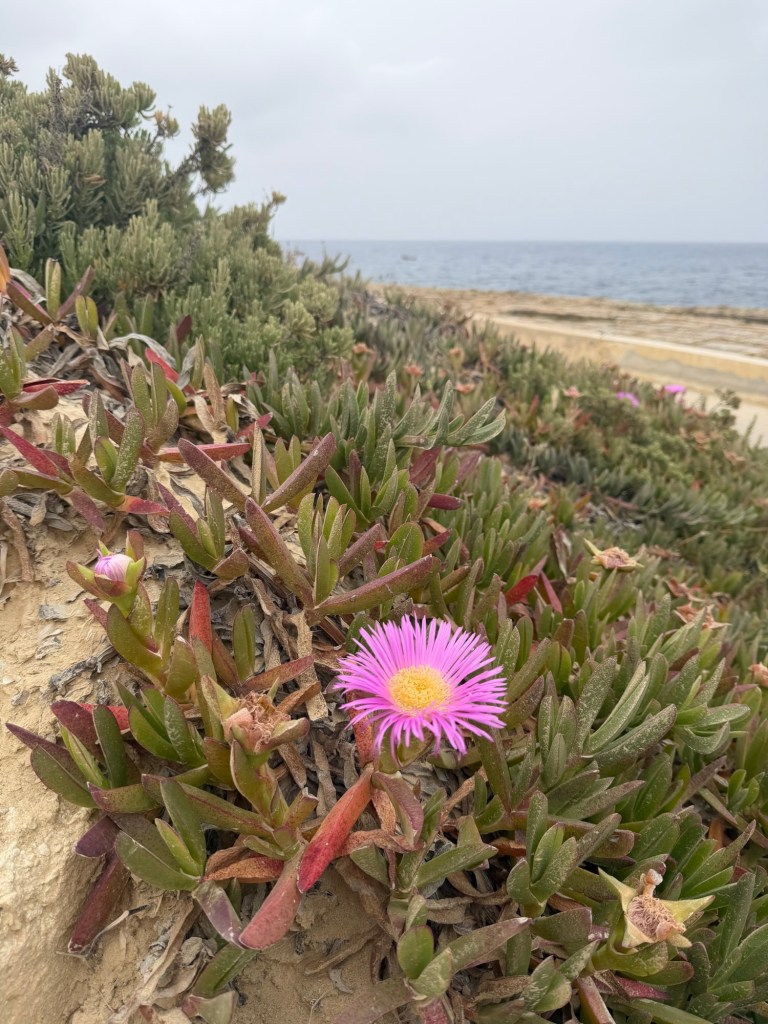
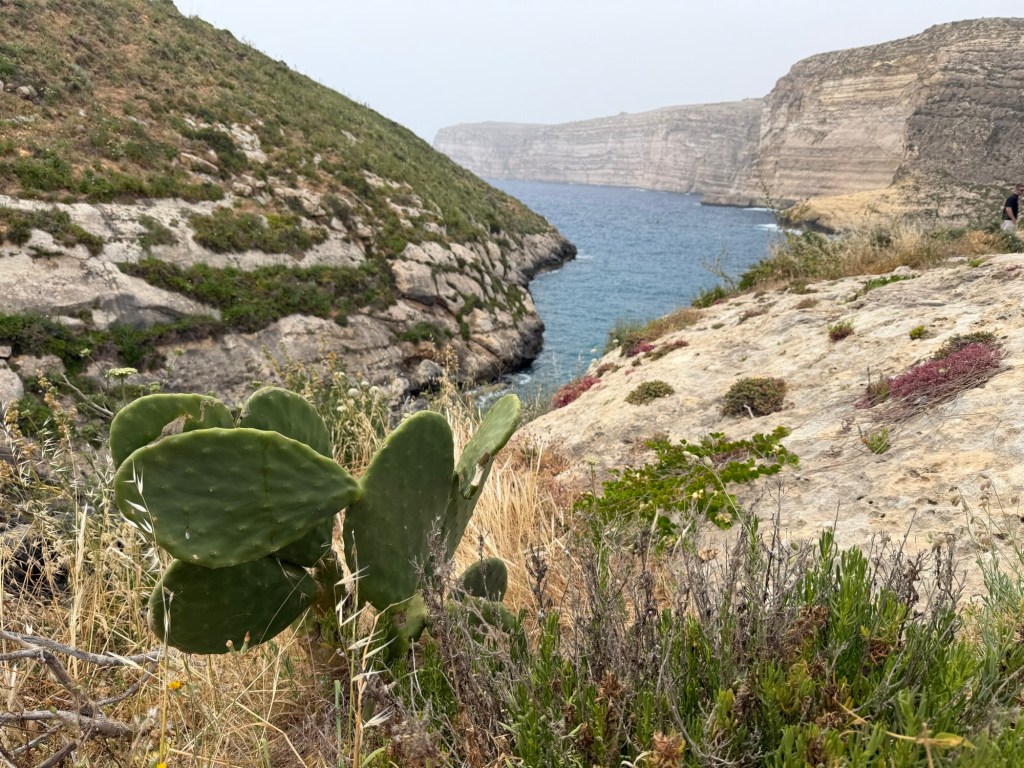
Once we all got into the buggy, Sam sped off and we began the tour. I quickly found out that this little vehicle can get very loud, especially when going up hills, so it was a little difficult to hear his commentary from the back seat while we were driving. Sam explained to us that we had some options of where we could go throughout the day, so it could be a little customizable, although we mostly deferred to what he thought would be best. He first quickly stopped at an overlook to show us the view and some local plants, including the Prickly Pear!

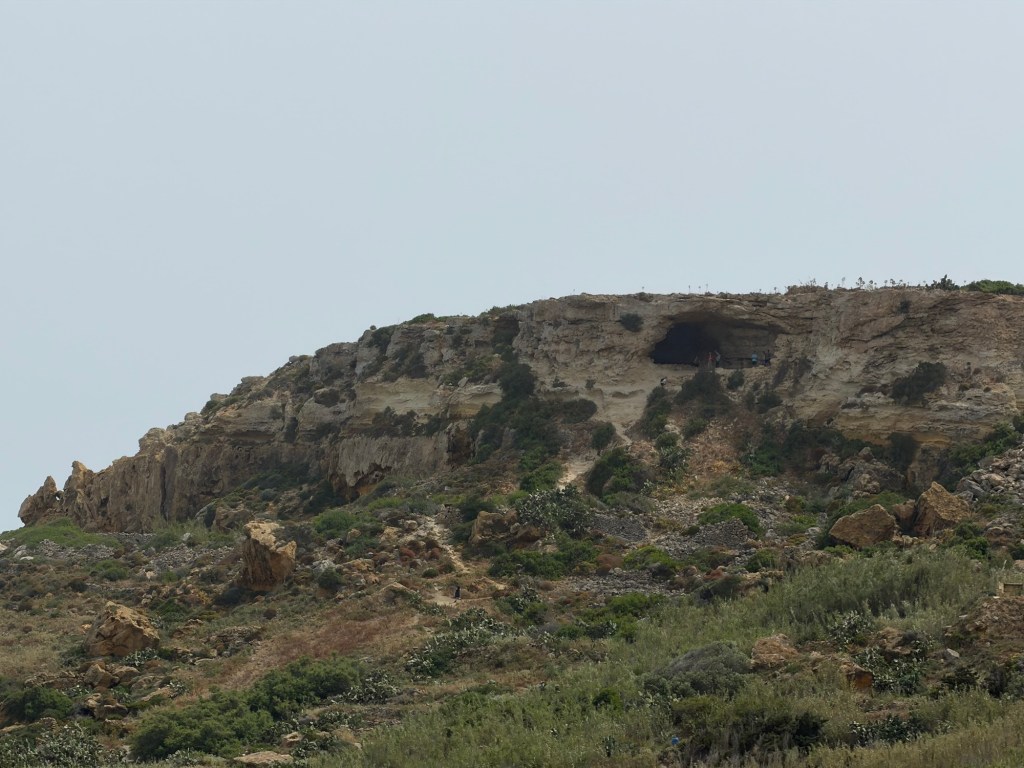
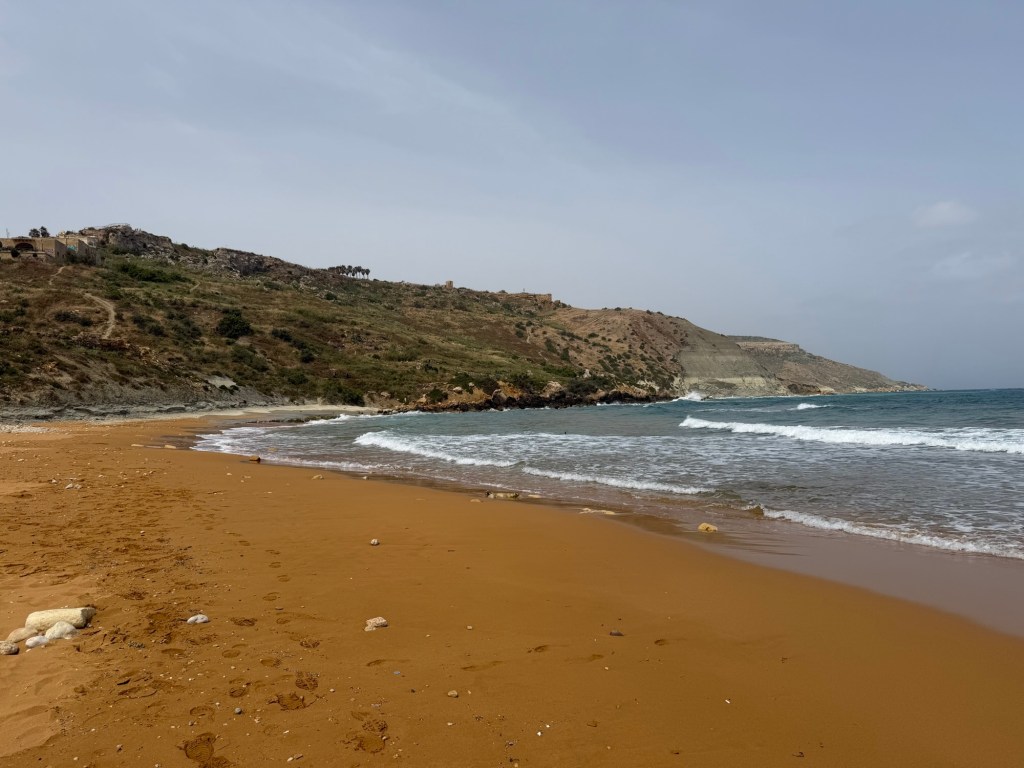
Our first stop was at Ramla Bay. We pulled up to a beautiful sandy beach with large hills on either side, and Sam told us that you can hike up to the top of one to a cave called Calypso’s Cave, which is supposedly where Calypso kept Odysseus a prisoner in the Odyssey. He told us that the hike would take 20 minutes, although we were a little doubtful of this time estimate by how far away it looked, and opted not to do the hike. Nonetheless, we had a few minutes to enjoy the beach before heading back to the buggy.

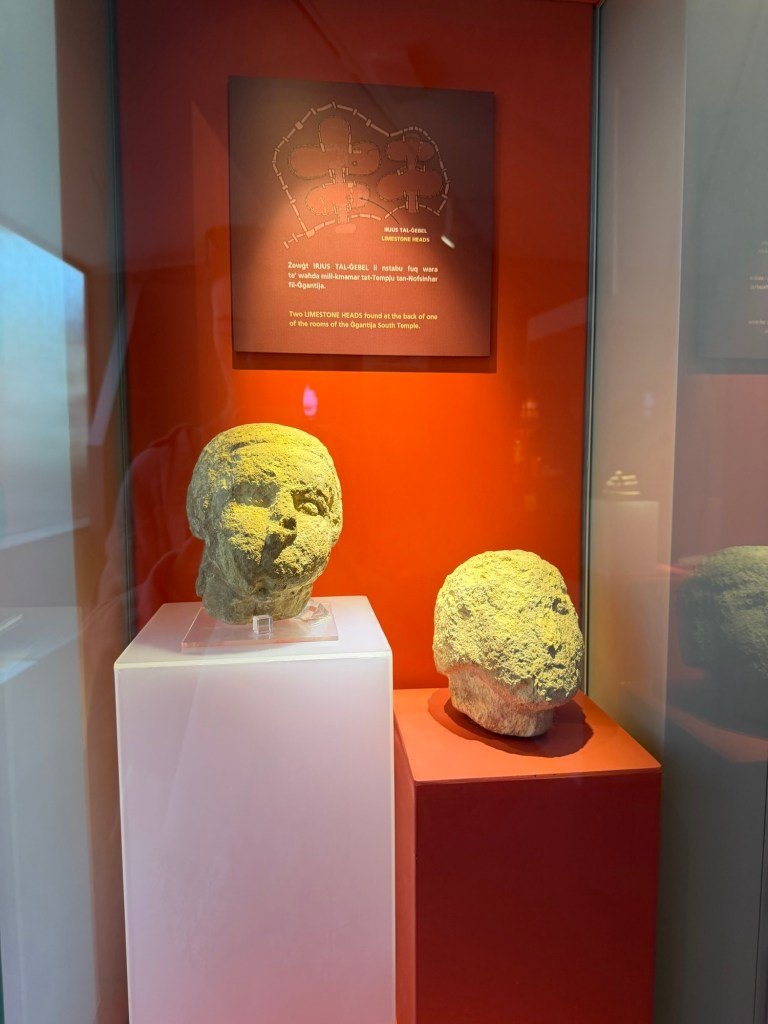
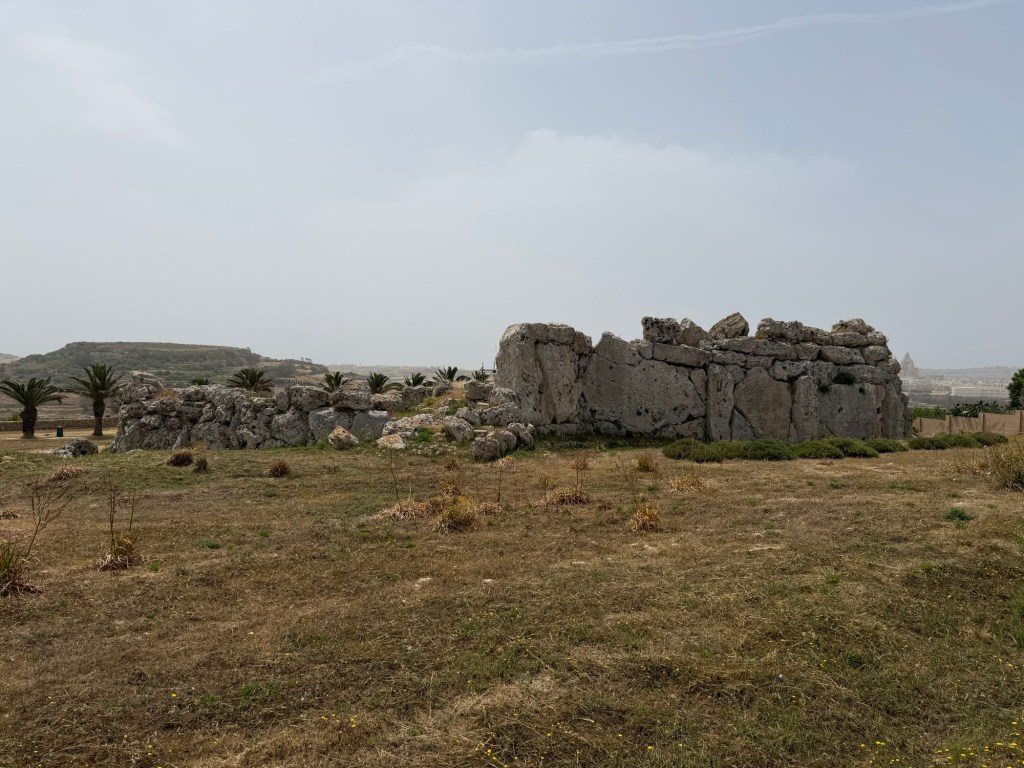
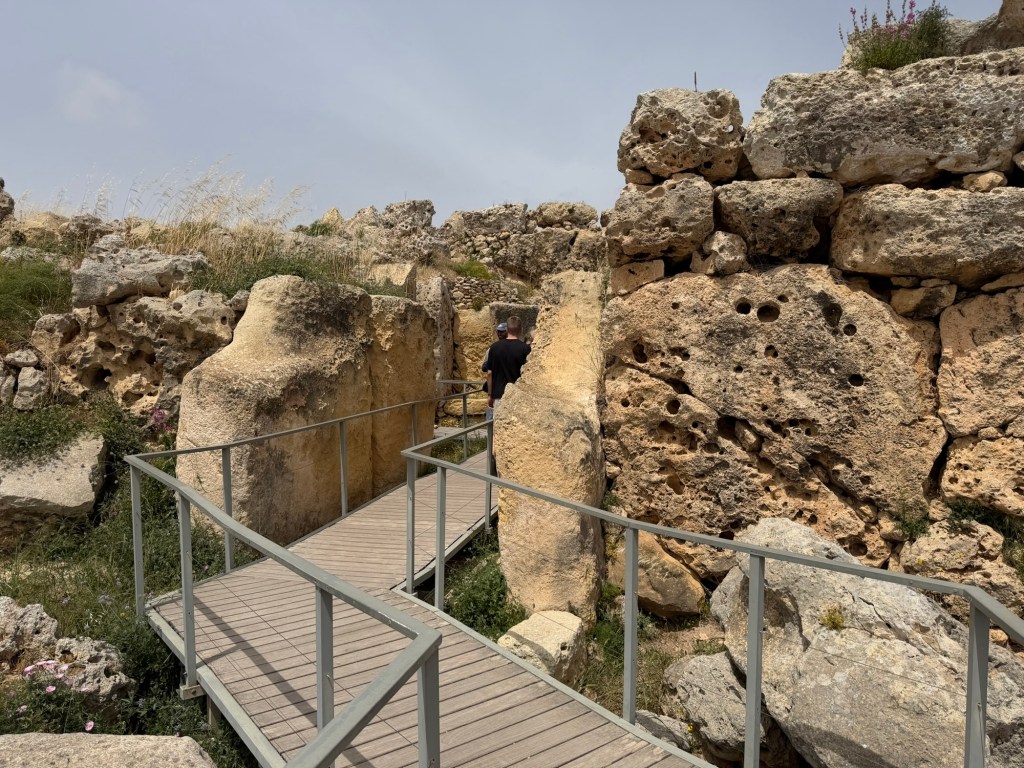
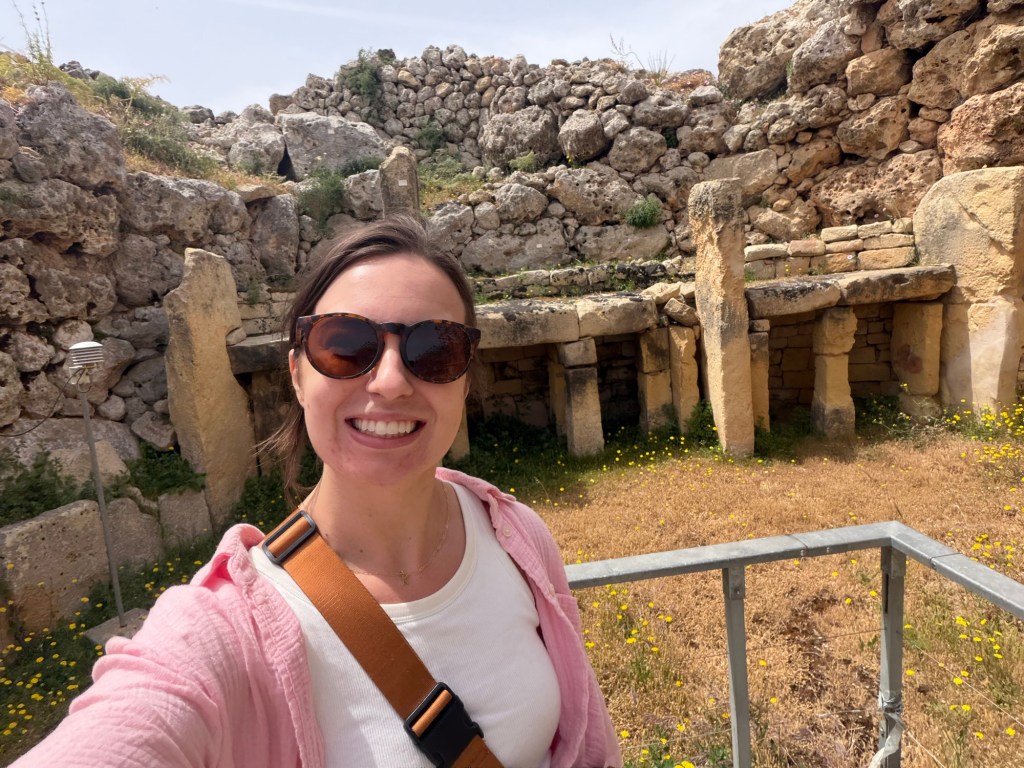
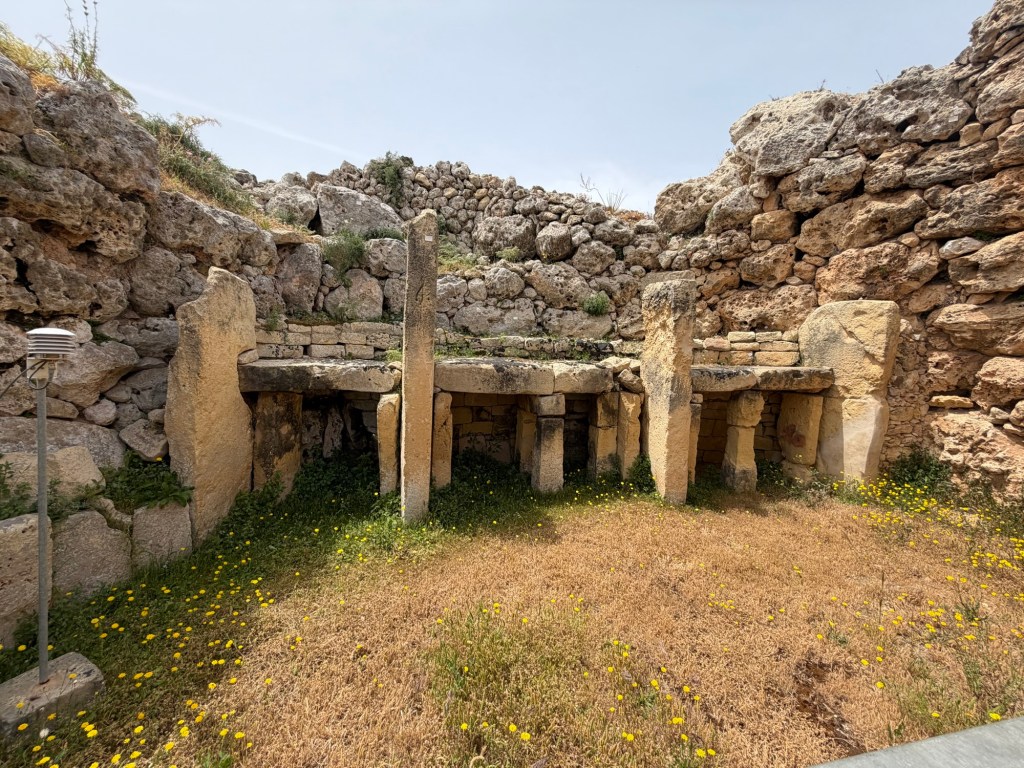
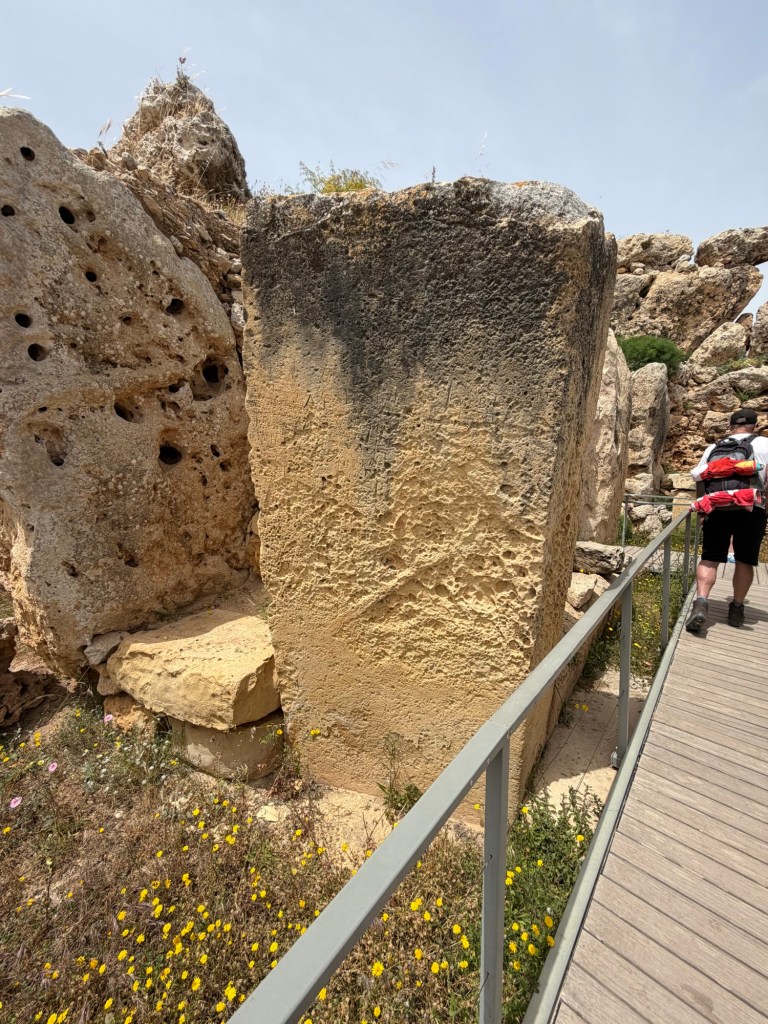
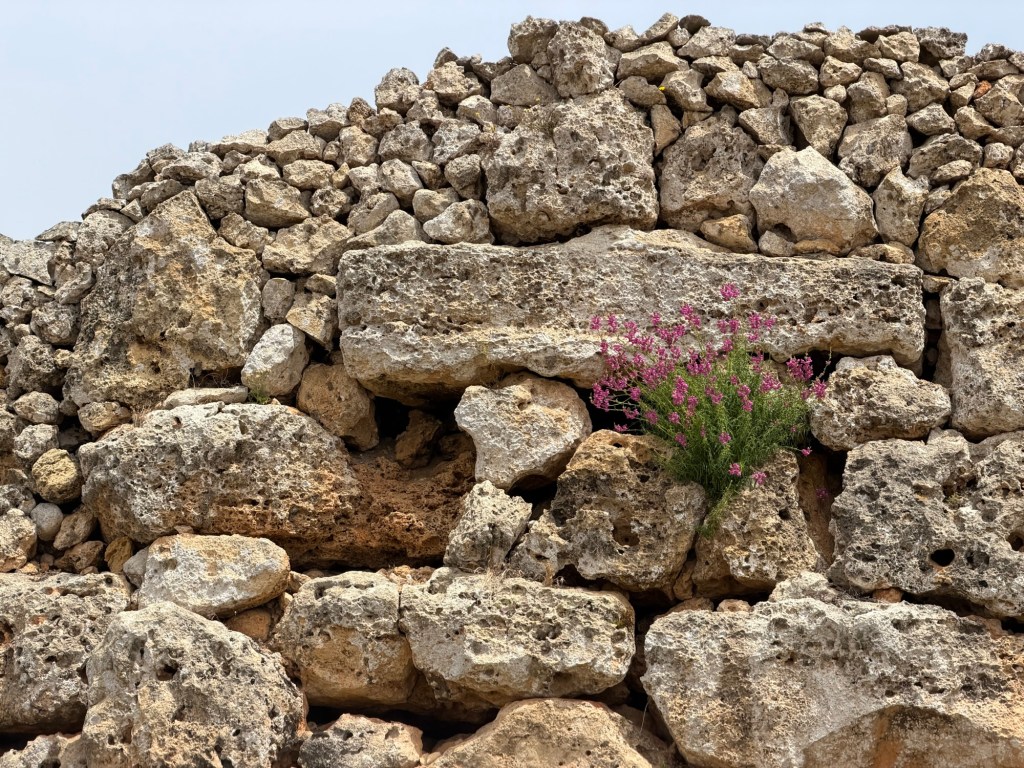
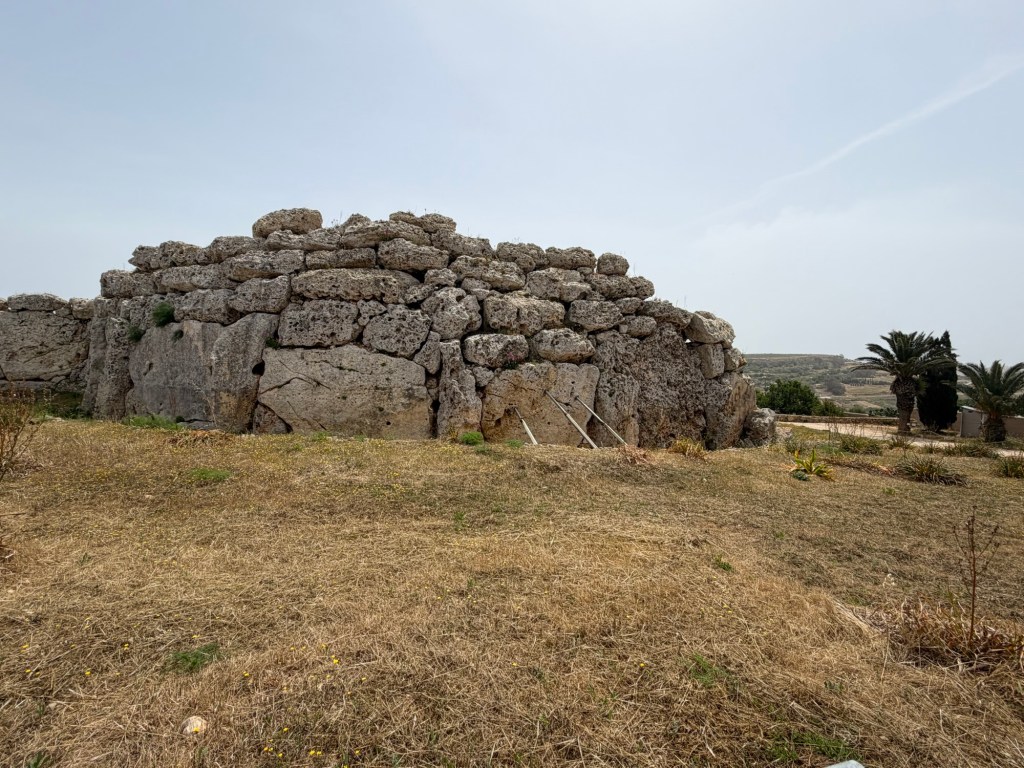
We then drove to the Ggantija Temples, which I was very interested in seeing. These are known as the oldest freestanding structures in the world. It was interesting to see after just having been to some other Neolithic sites the day before. The museum showed some artifacts found at the site, and some seemed similar to what I had seen at the other sites. But what I thought was most interesting was that the stones looked a bit different. The Hypogeum and Tarxien Temples were made of the yellow limestone that is seen all over Malta as a primary building material. A lot of Ggantija, however, was made with a harder, different type of limestone and had a more gray look to it.

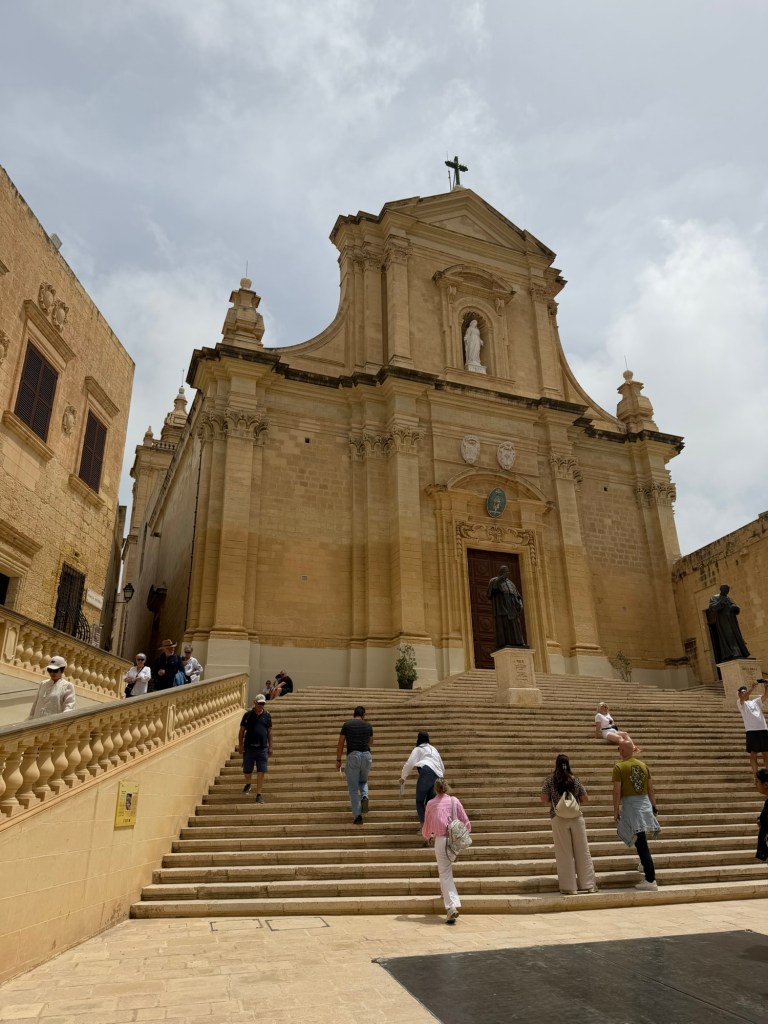
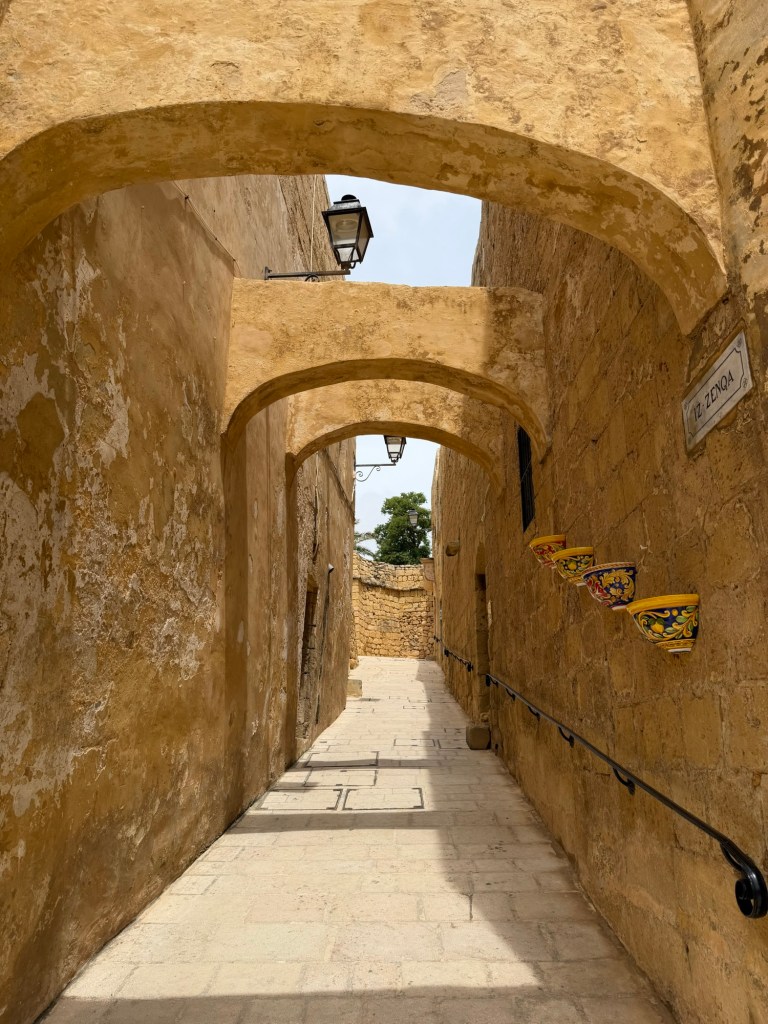
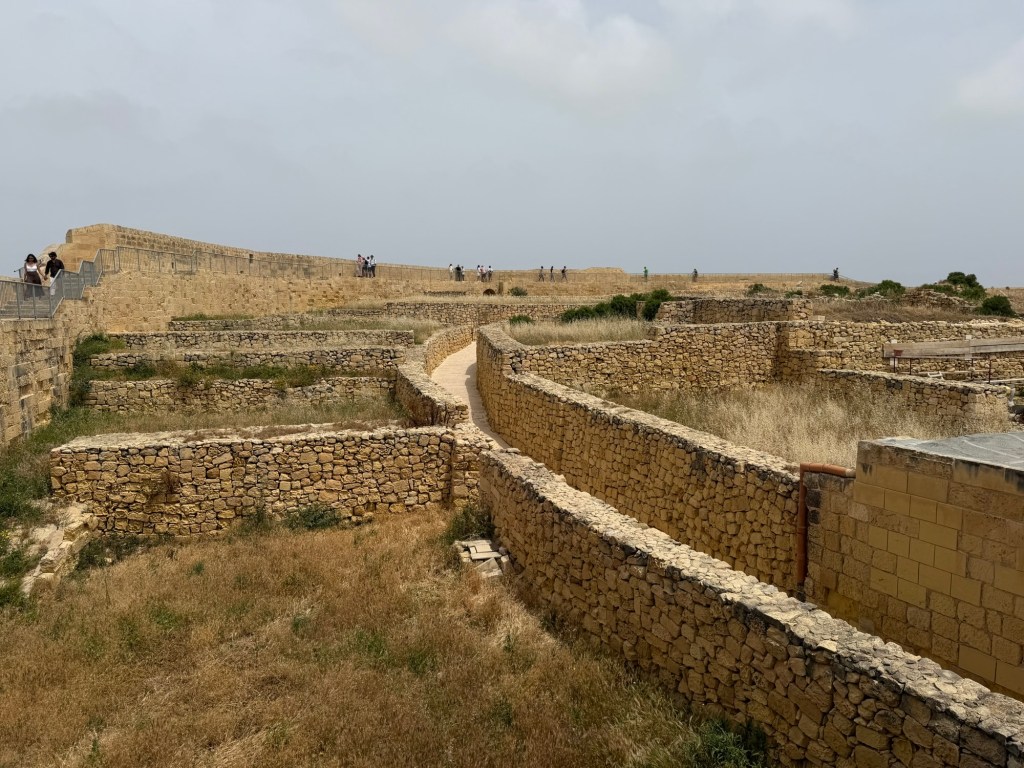
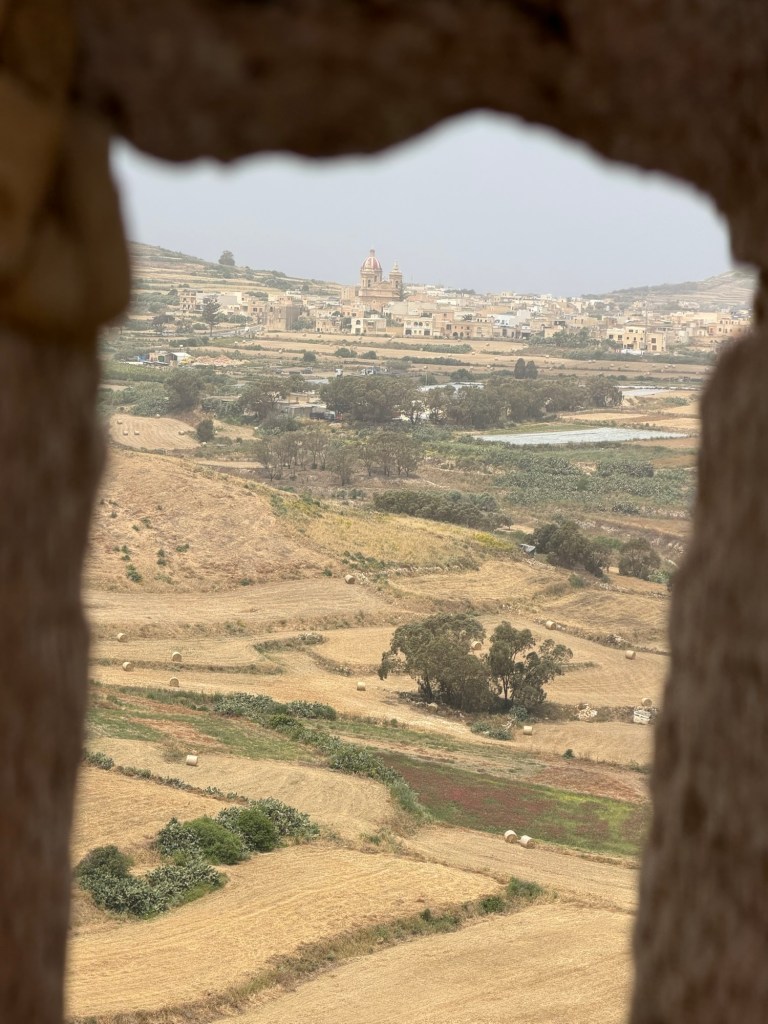
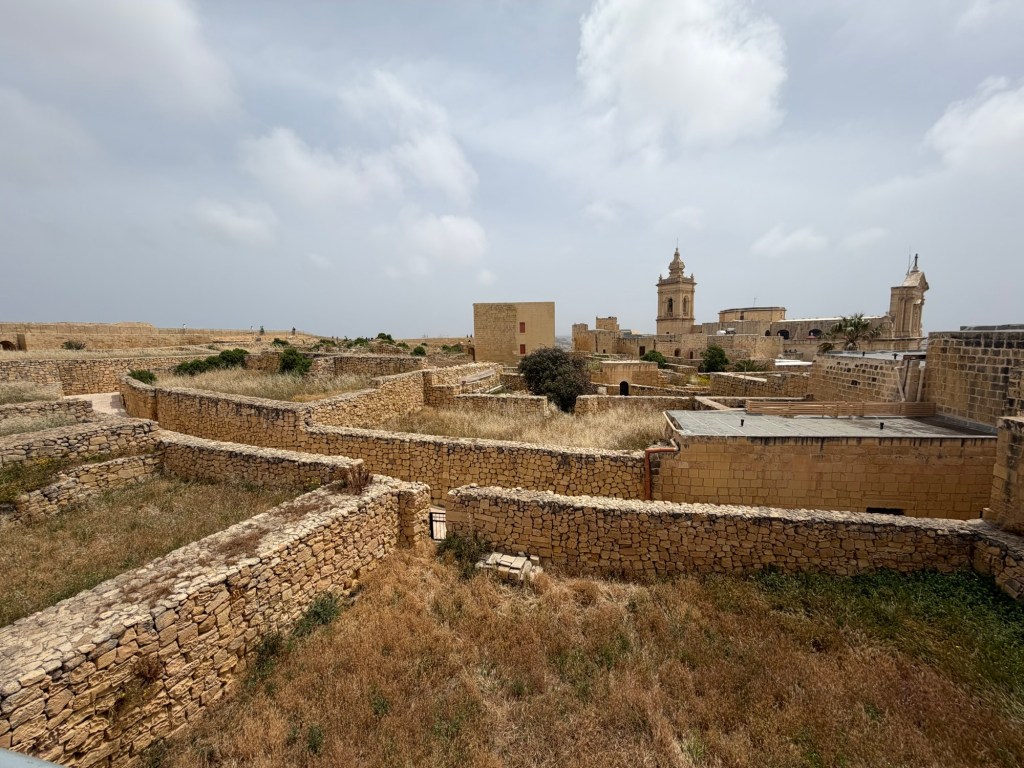
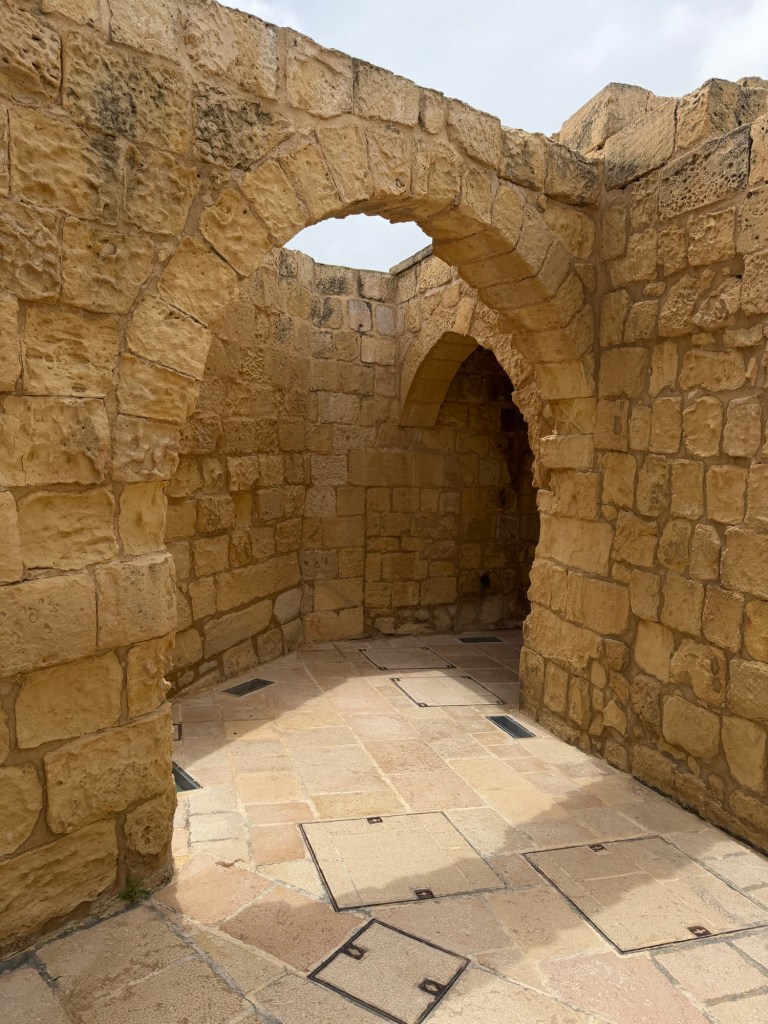
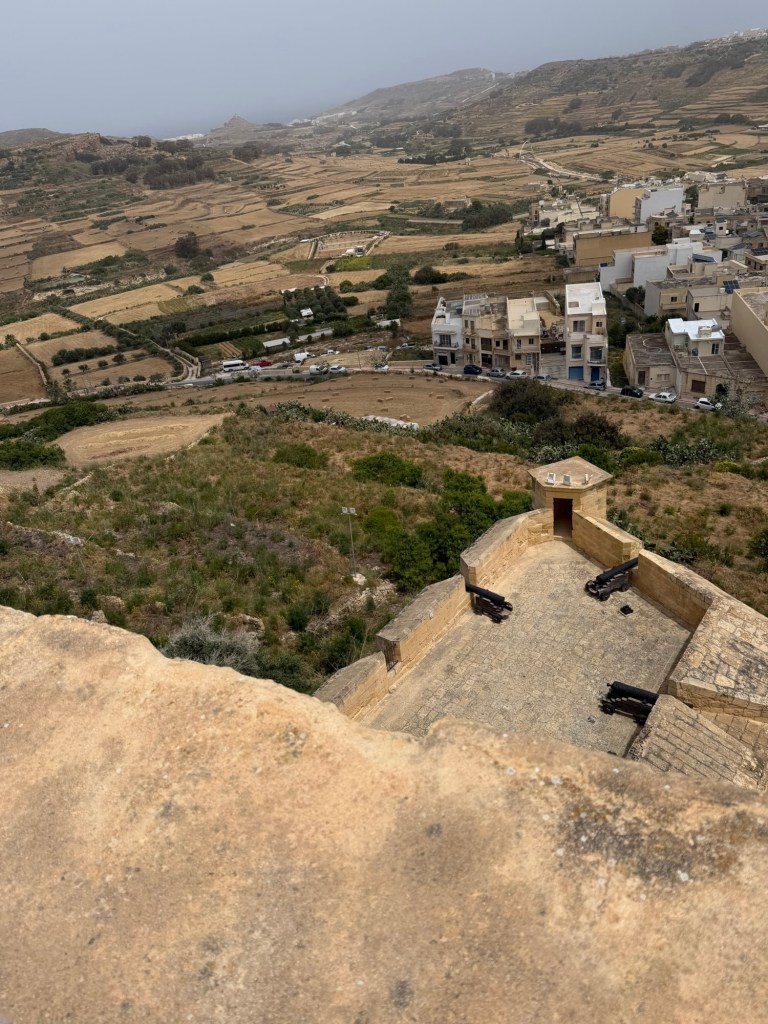
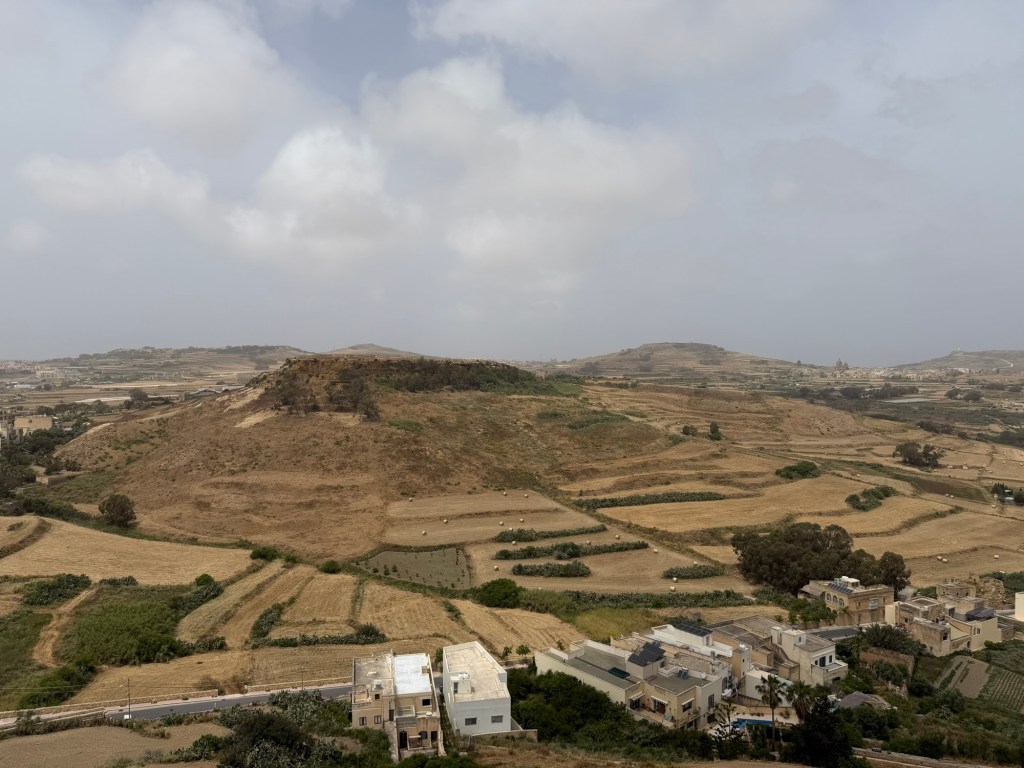
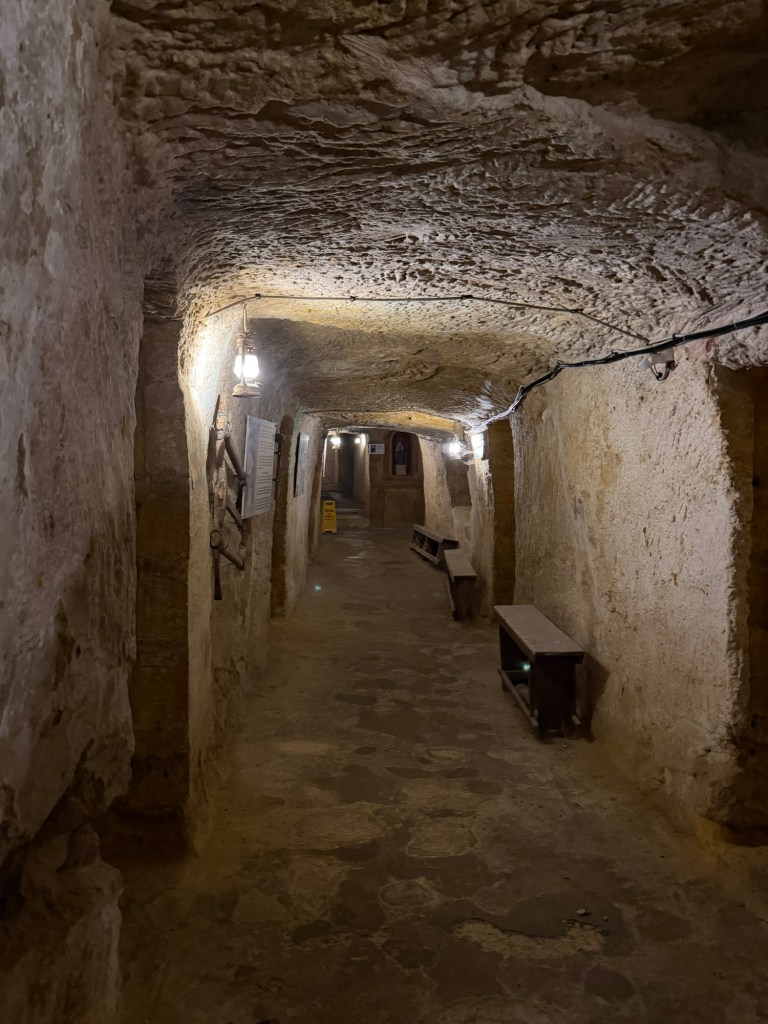
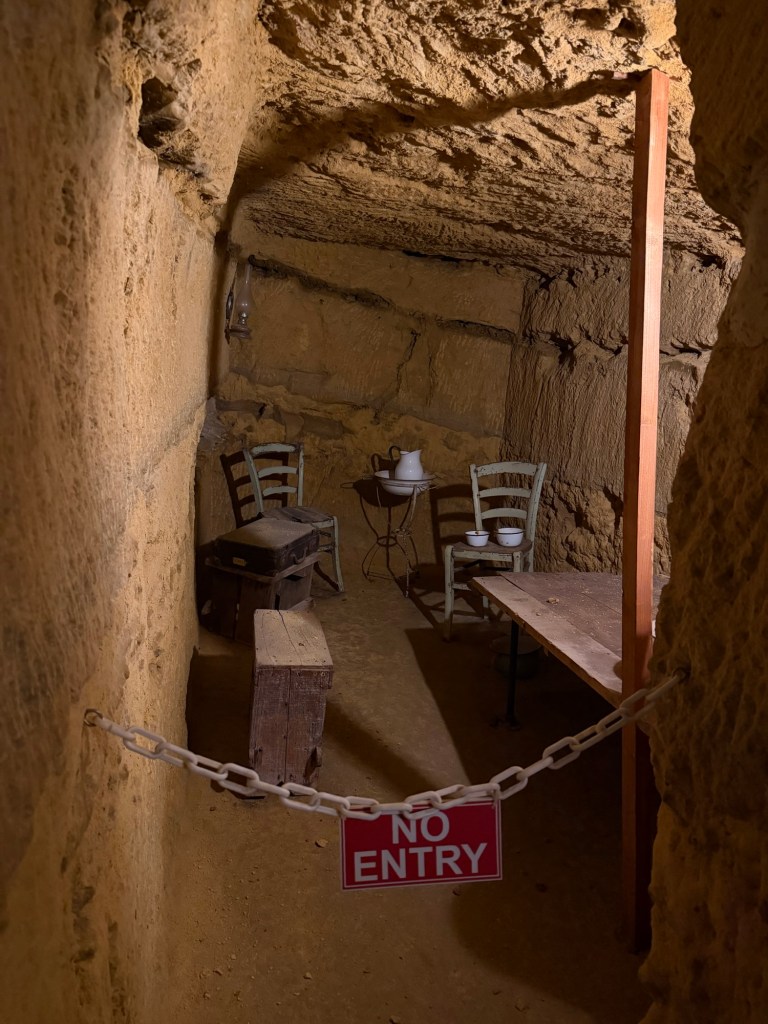
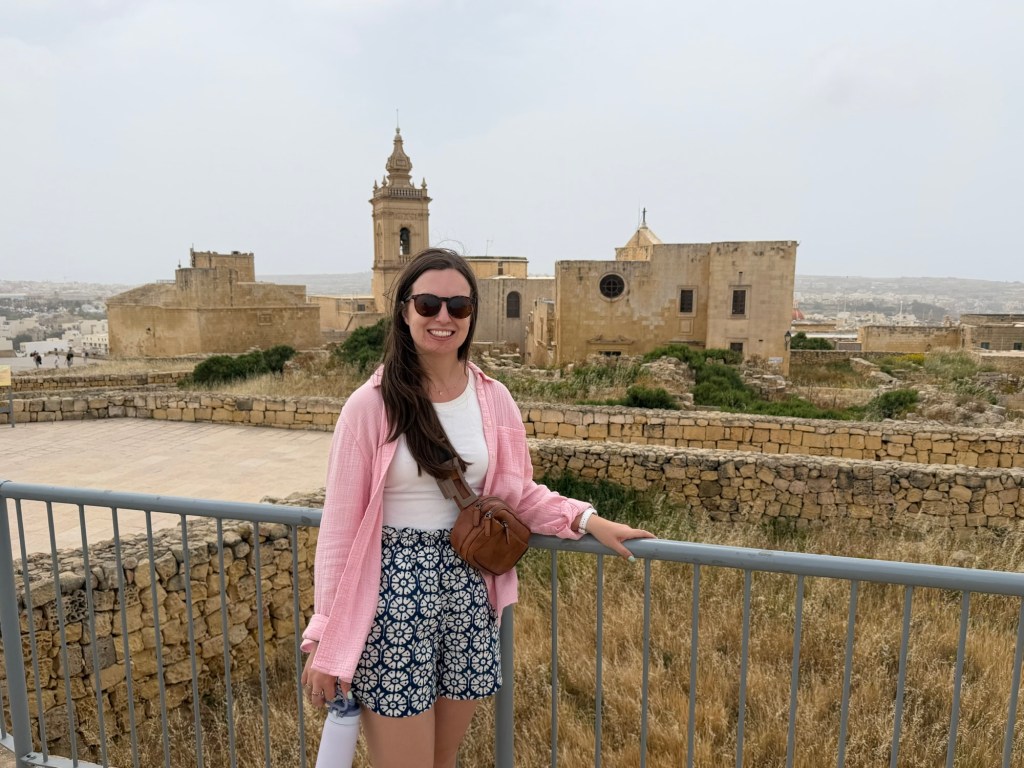
After taking in these ancient structures, we got back in the buggy to go back to the busier city of Victoria and visit the Cittadella. This is a small, fortified city from the 15th century on top of a hill complete with a church, small alleys between tall stone buildings, and fortress walls that you can walk on top of. We had only a half hour here (longer would have been nice, but I knew that some things would feel rushed since we were trying to see as much as possible in one day), so we did a quick walk around the walls and through some of the streets, taking in the beautiful views of the island. On the way back to meet our driver, we saw there was a small doorway at the base of one of the walls, where there were WWII shelters dug out underneath. Malta was bombed significantly during WWII, so several of the places I visited had shelters dug out below that you can still visit.

We then drove a little way to a restaurant where our lunch was being served. It was an interesting buffet that had nothing labeled, so I got a few little snacks, but was not too adventurous. We were laughing that that’s why Sam asked us if we were allergic to anything before we went in. They had a delicious pound cake for dessert though, so I definitely enjoyed that!

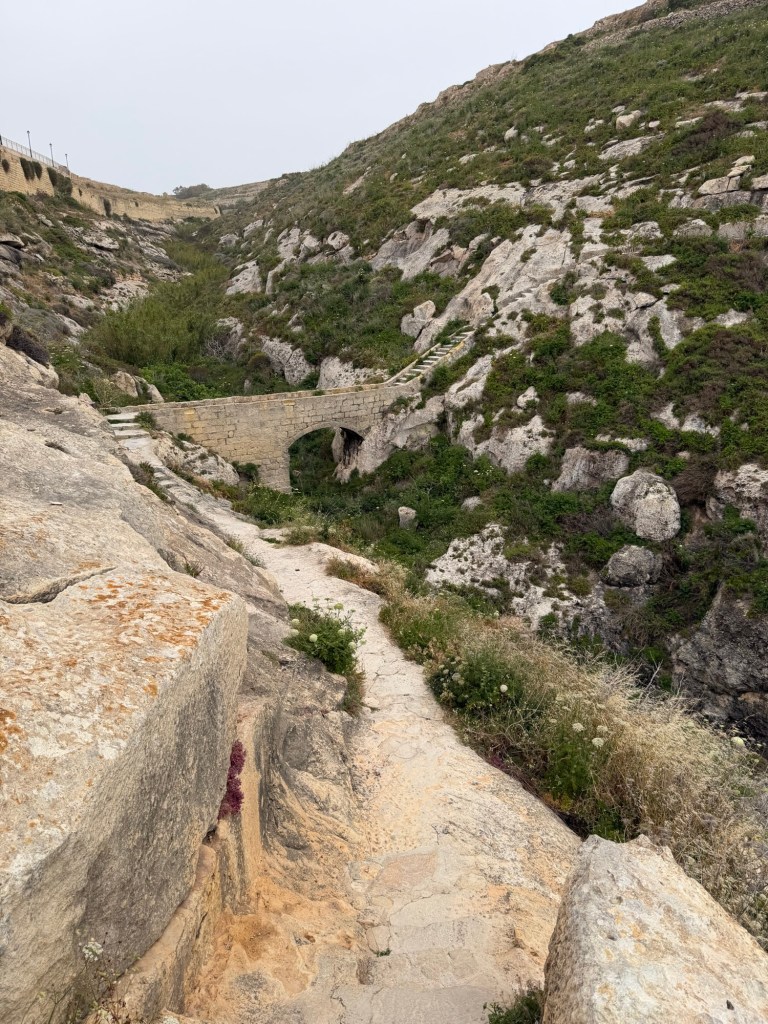
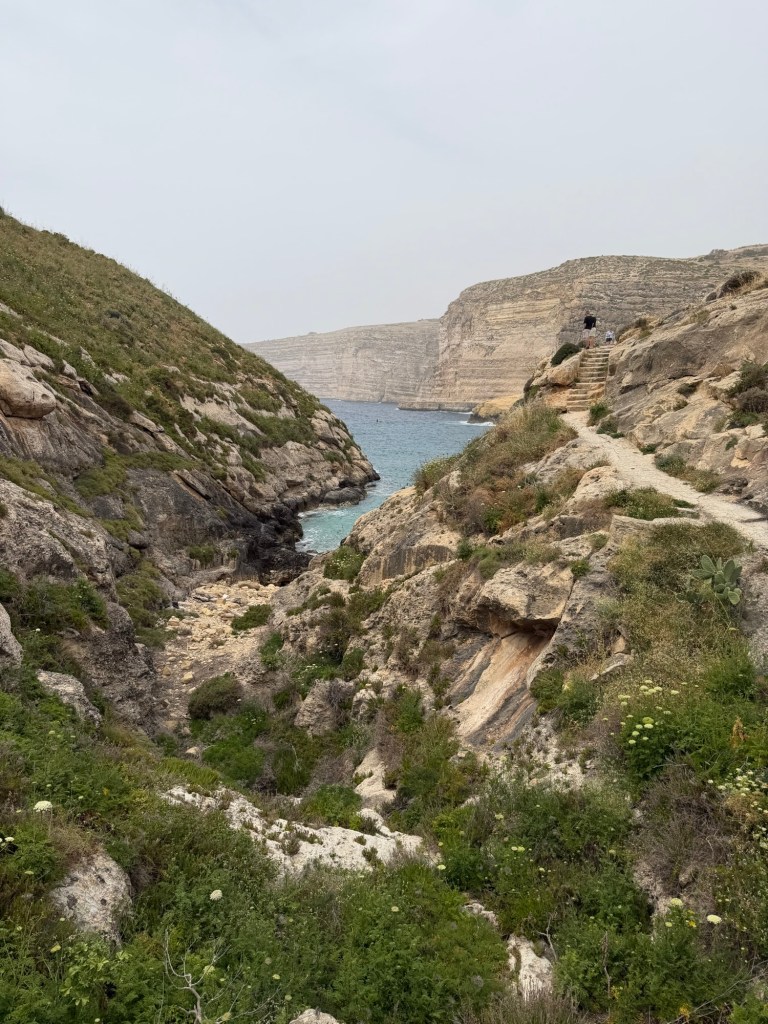
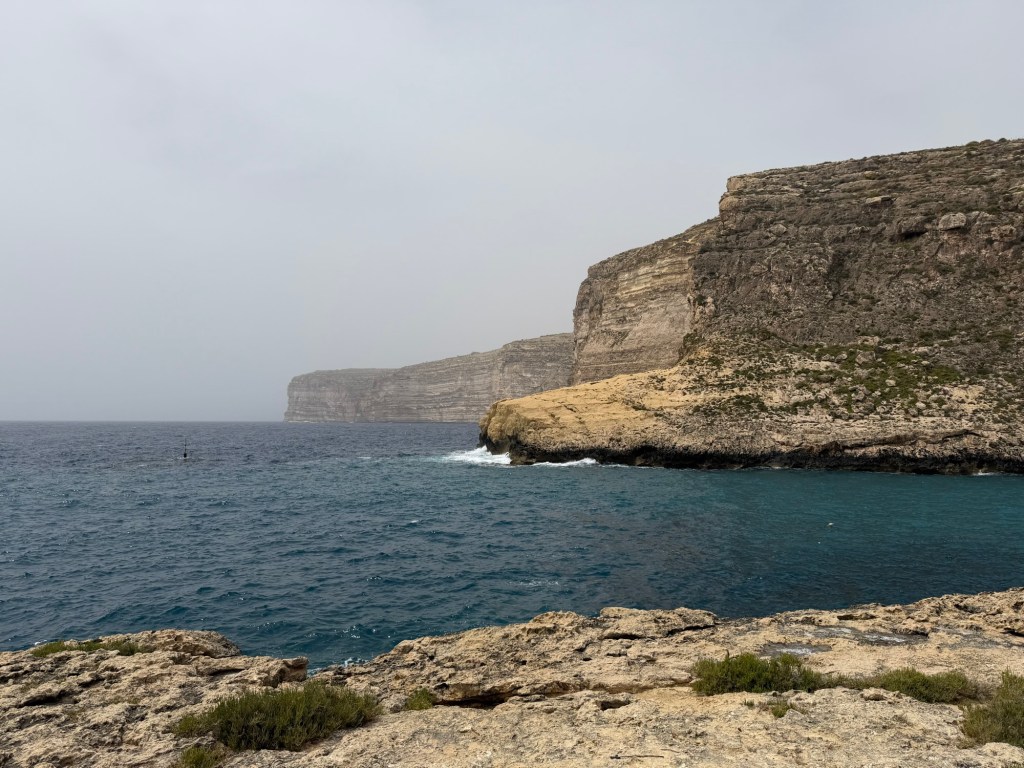
The next stop was the Munxar Path, where we had incredible views of the sea cliffs, and even a little stone bridge. Sam dropped us off and showed us the path to walk, so we got a little hike around to the next village where he drove to pick us up. It was a very scenic walk, and we saw that the marathon was going to going through this area, which seems like it would be quite challenging!

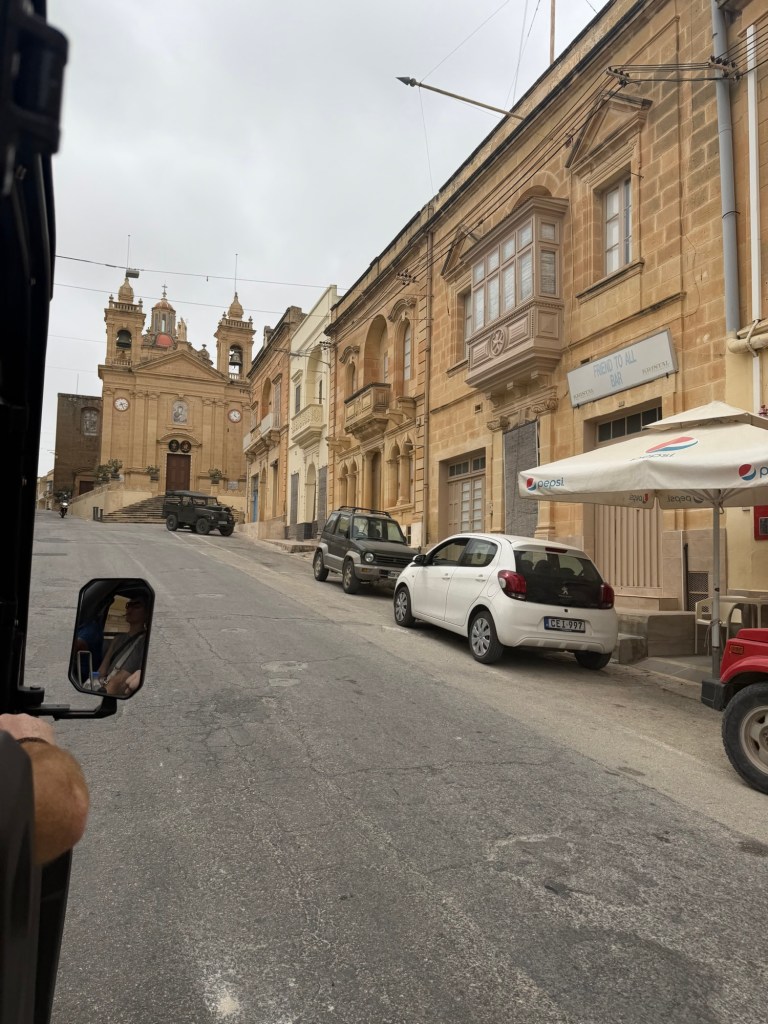
Sam got us back in the buggy and drove us down winding roads and through many small villages. It was interesting to see all the houses, and you could tell that by the names many were owned by people from other countries. Sam explained how when he was growing up there were a lot more local people in Gozo, but over time it has become a lot more mixed with people immigrating from other countries and Maltese people moving abroad.

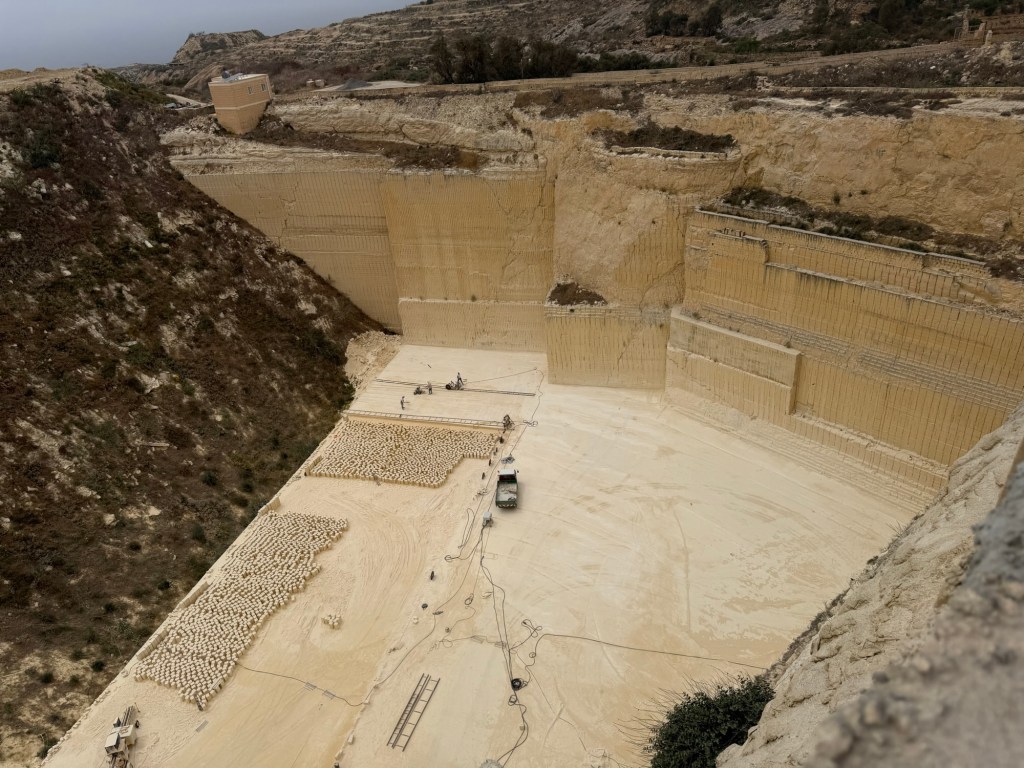
Our next stop was quick but very cool to see. Sam pulled over on the side of the road and we could look down into a limestone quarry, where we could see the people working to cut those yellow stones that are everywhere in Malta. Because the limestone is such a soft stone, it wears away in the sun and wind, and buildings need to have their stones replaced every so often, so obviously this is still a very necessary process. It was really cool to see where all of this material is coming from and the process they use today.

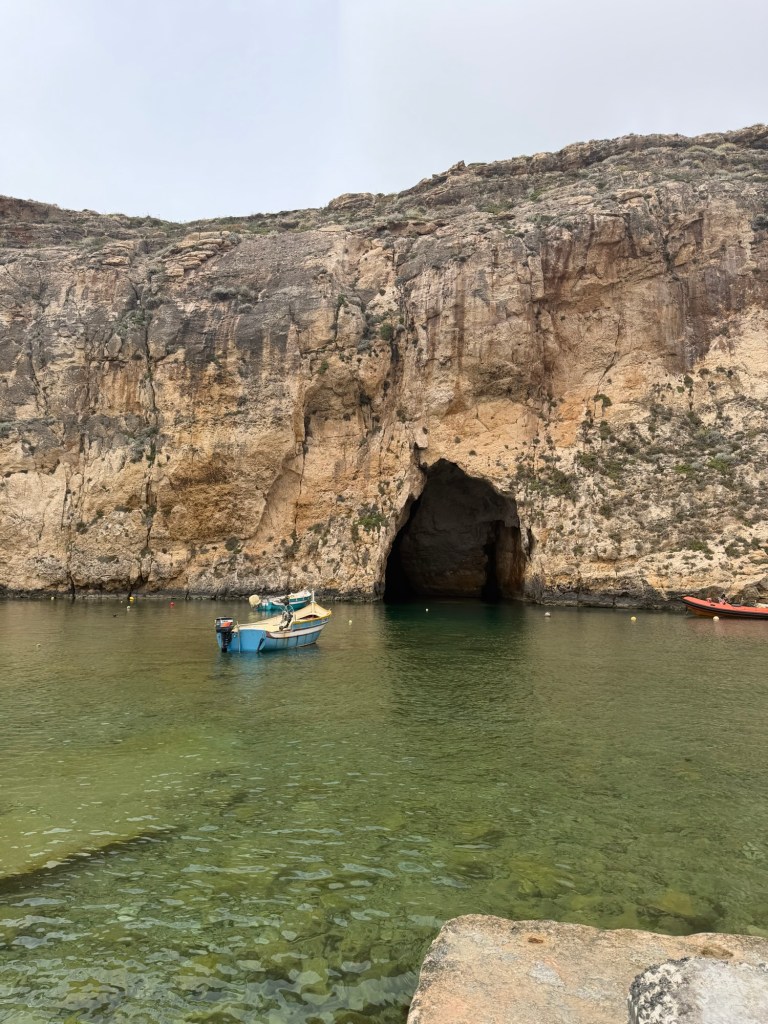
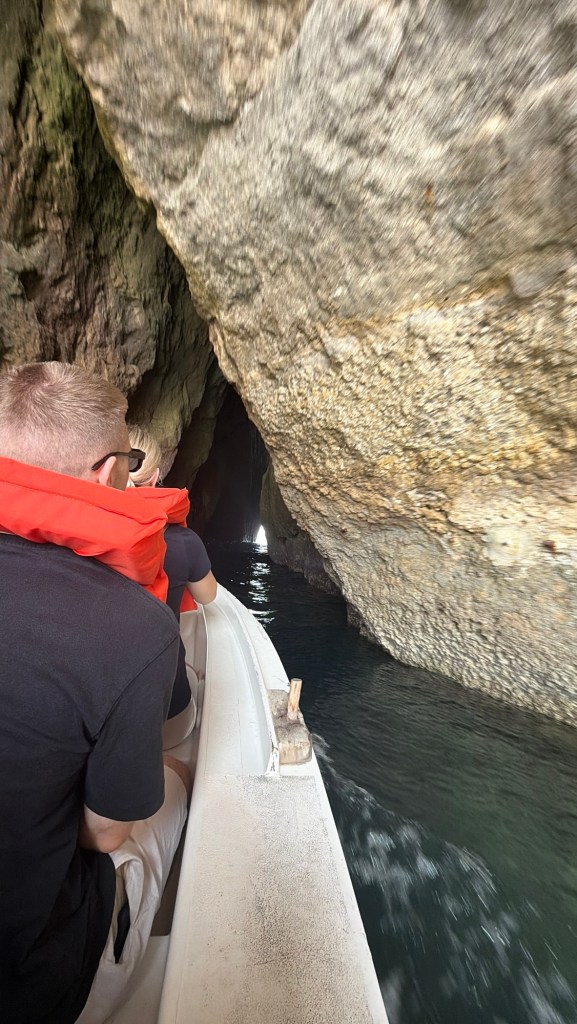
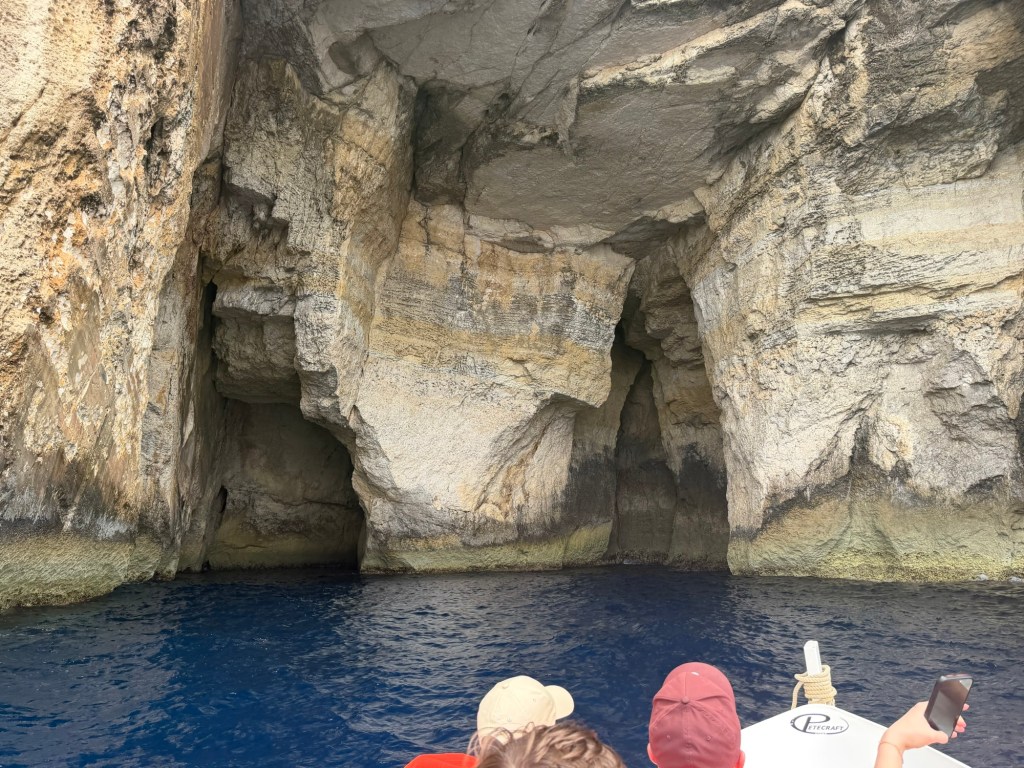
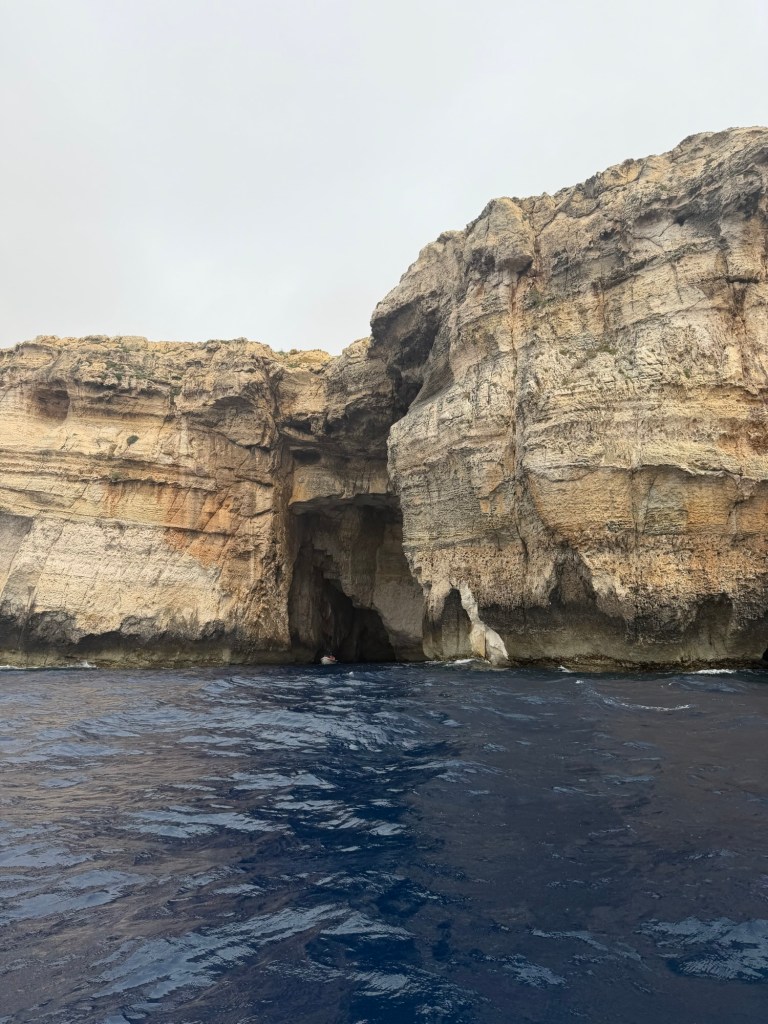
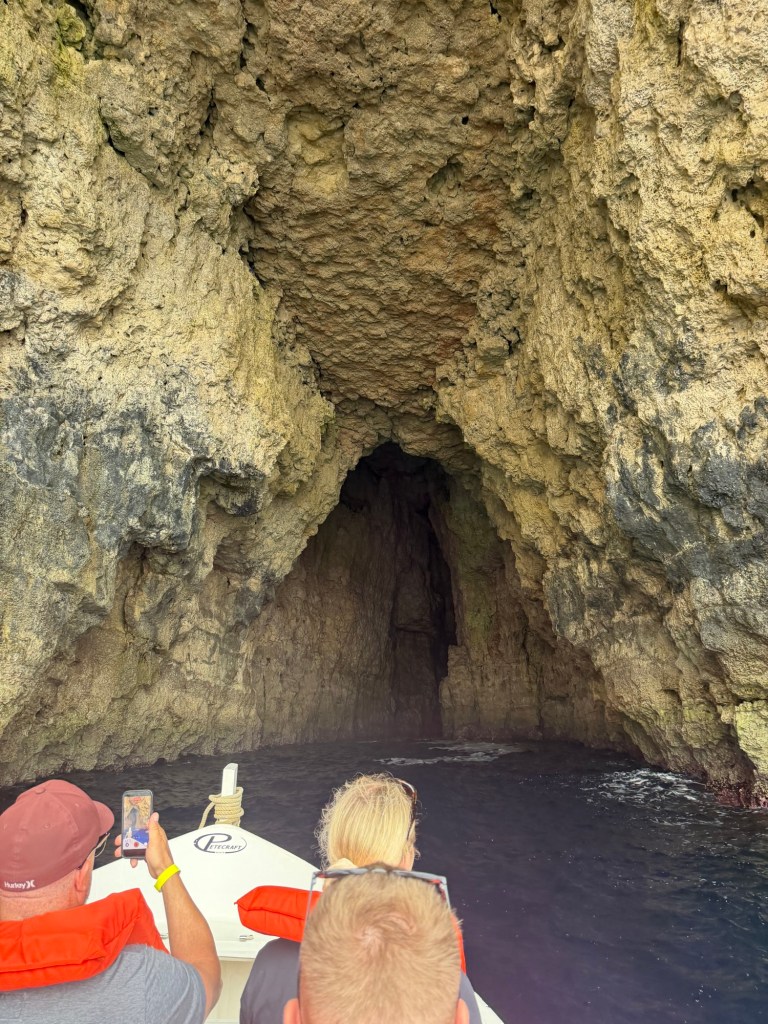
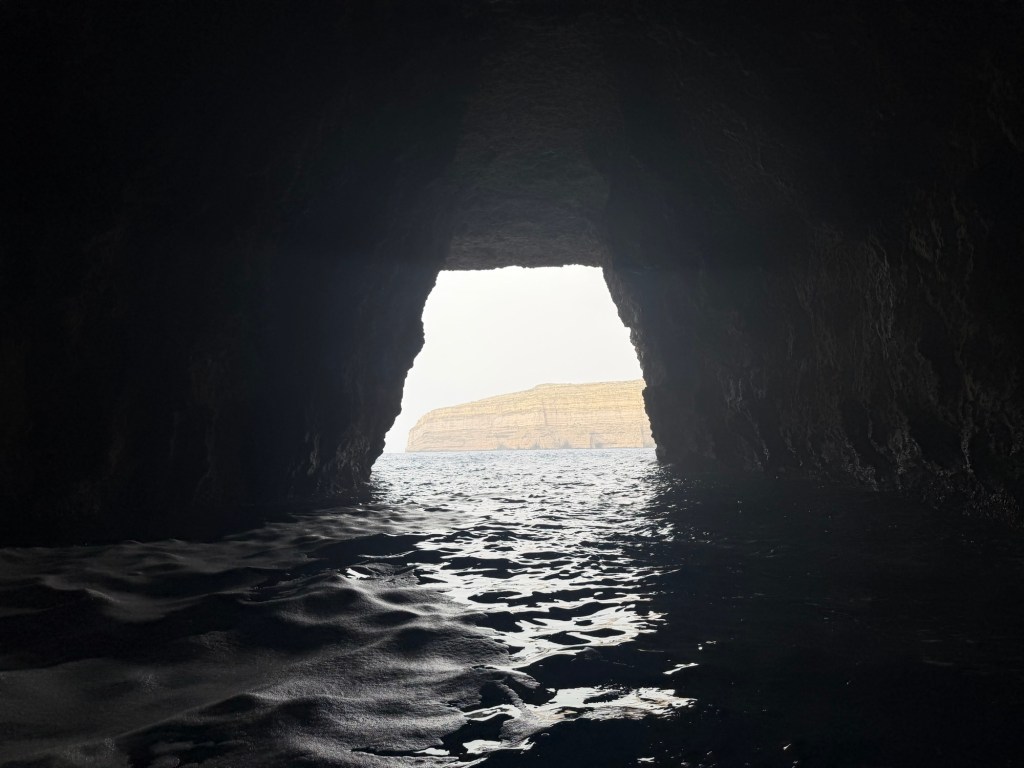
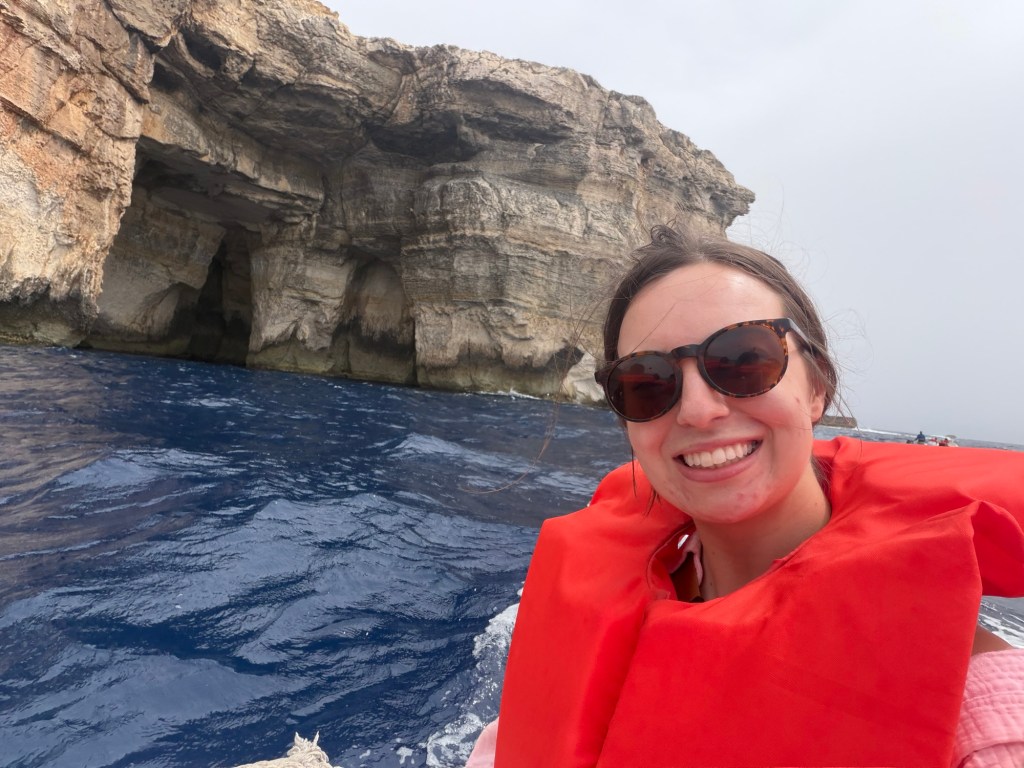
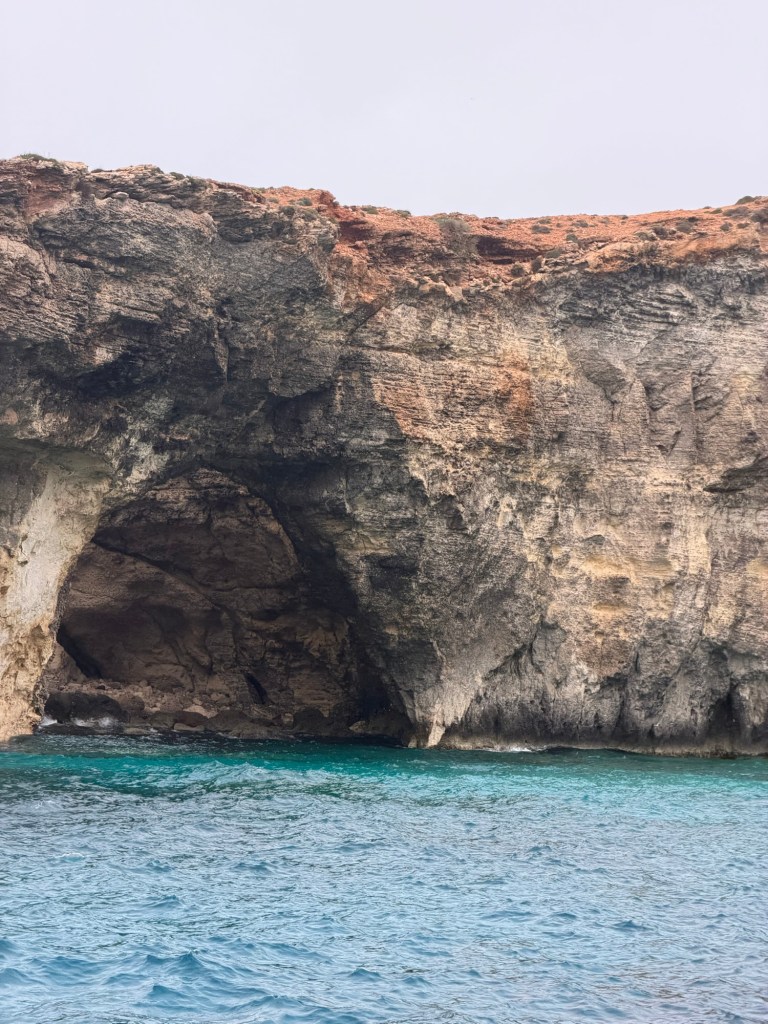
Next, we drove to the Dwejra Inland Sea, which was another of my favorite stops of the day. Here, you walk down to a little cove where you can get on a boat and they will take you completely through a cave out to the other side where you are back out in the Mediterranean. They took us into a few other sea caves and we could see the beautiful blue water (although I’m sure it would be nicer if it wasn’t so hazy out) and even coral growing on the side of the rocks. I love a boat ride, and this was one of my highlights of the day!

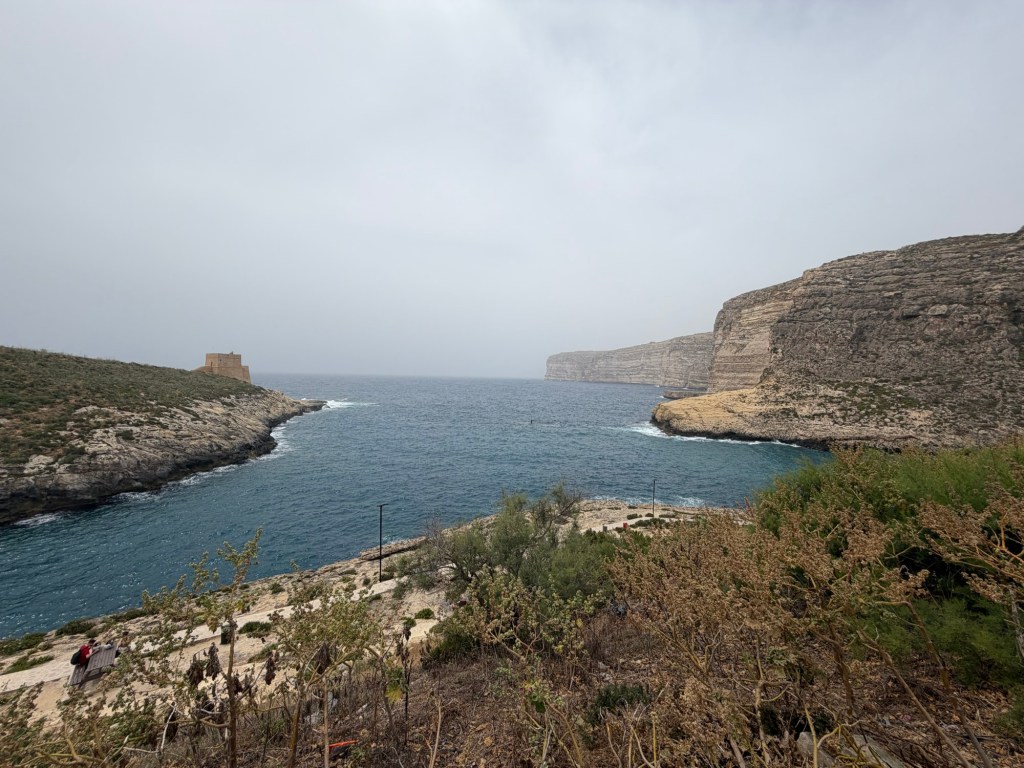
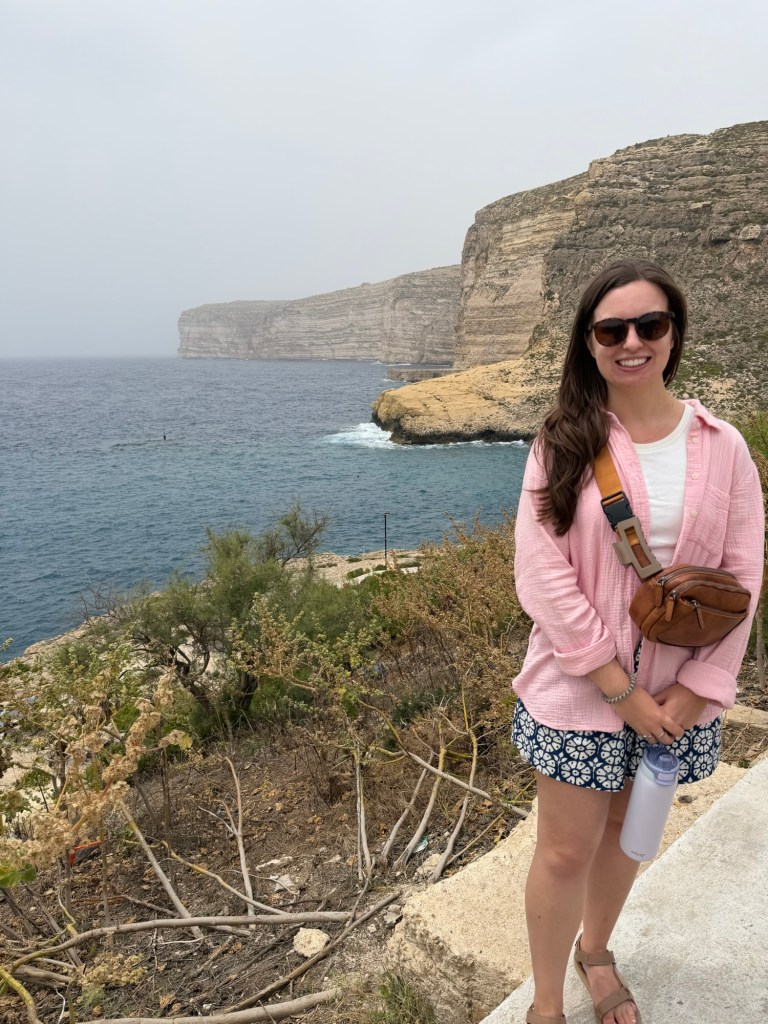
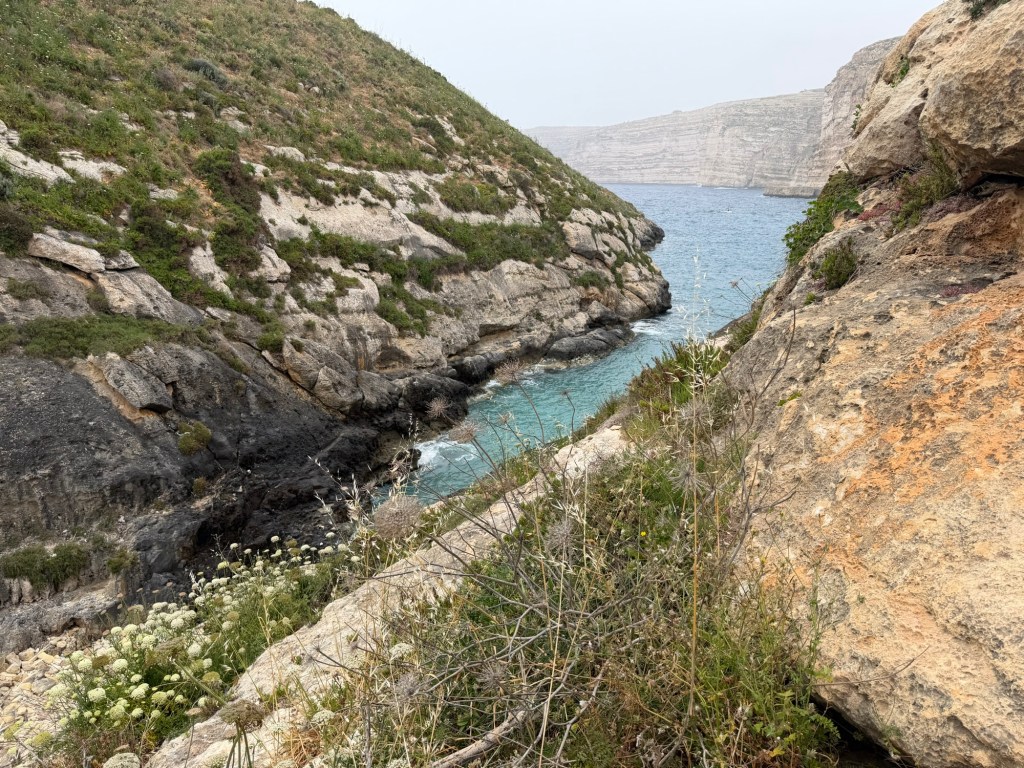
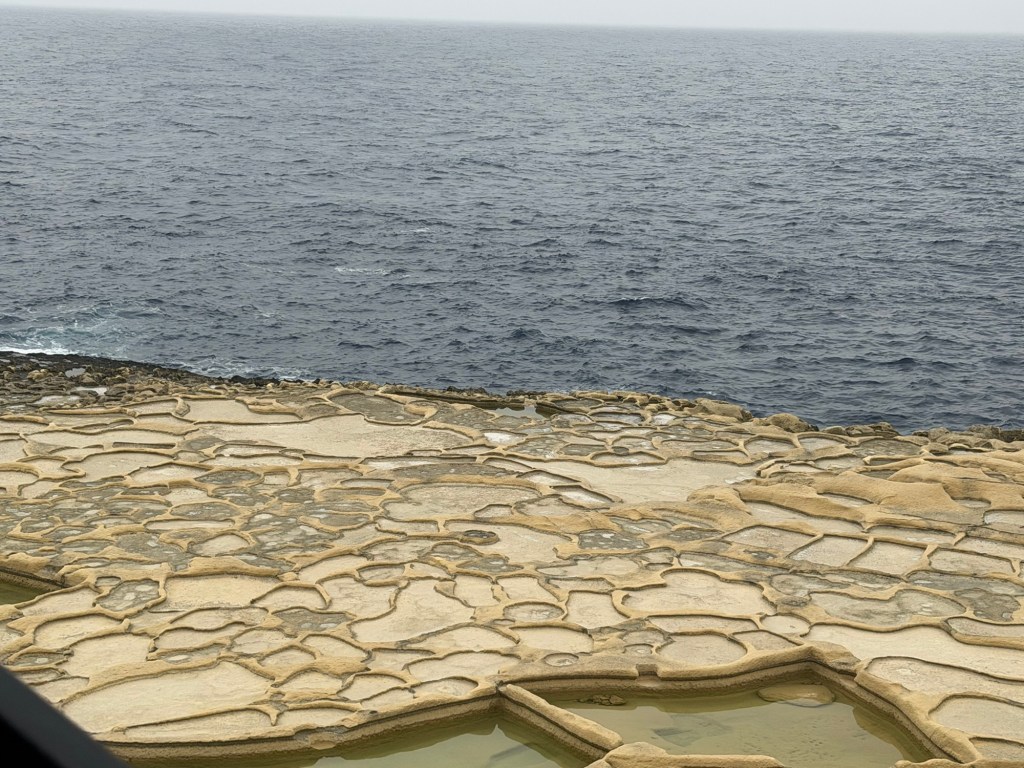
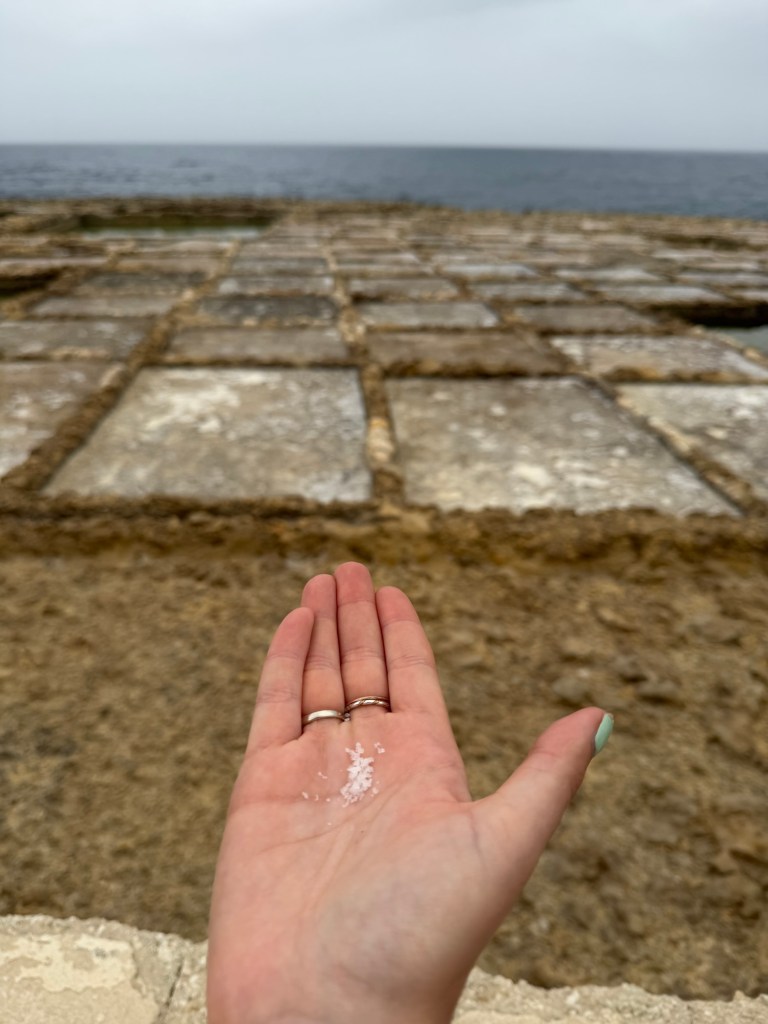
Our last stop of the day was at the Xwejni Salt Pans. This is an area right on the coast of the island where there are shallow shapes cut out of the rock. During the summer months salt water is left to evaporate and the remaining salt is harvested. This tradition has been happening for 350 years, and still continues today, so when we arrived we were able to sample and buy salt that came from right where we were standing!

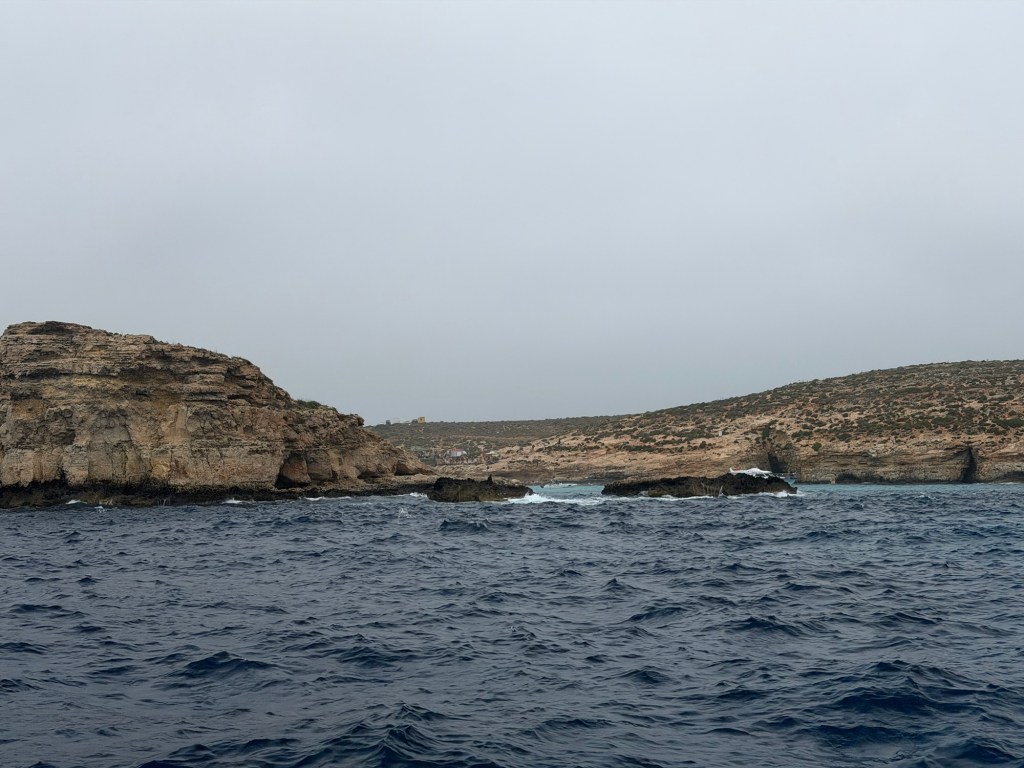
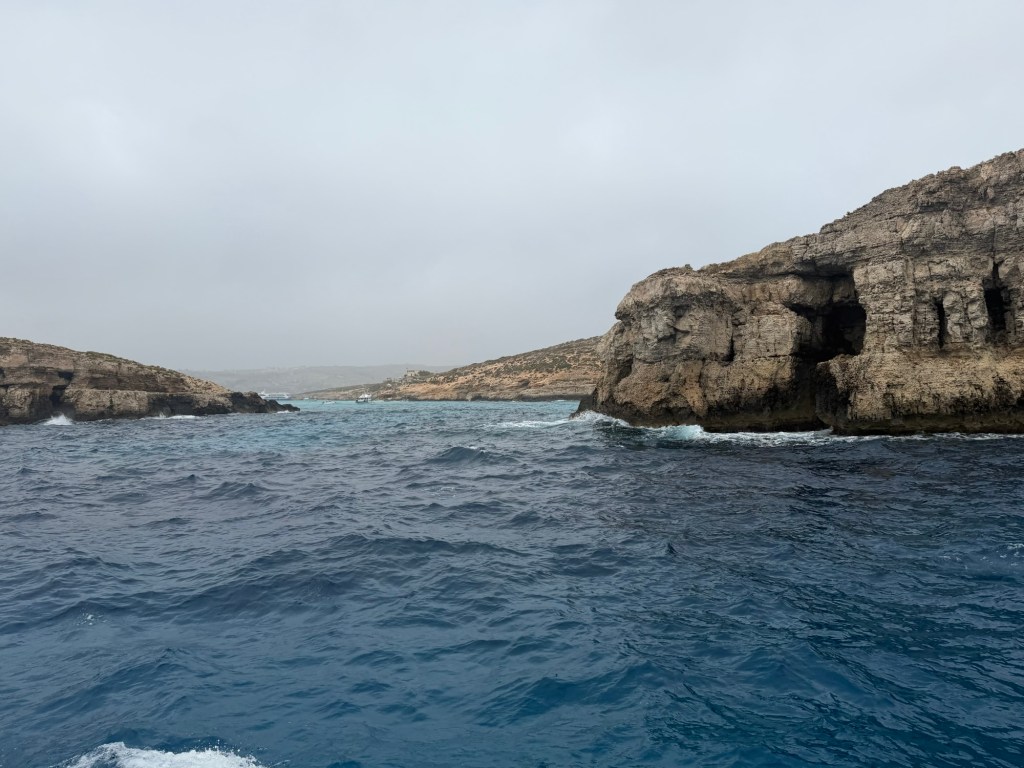
We then had just a short drive back to the ferry terminal, but instead of taking the ferry back we were informed that the wind had calmed enough that we could take the smaller boat trip ride back. We all got on board a wooden boat and were off back past Comino to Malta. The wind may have calmed, but it was still a pretty rocky ride, so I was glad we hadn’t gone in the morning if it would have been worse. The views were pretty even though it was a bit of a hazy day, and we made it back safely to the island of Malta, where we found our vans to drive us back down to where we had been picked up in the morning.

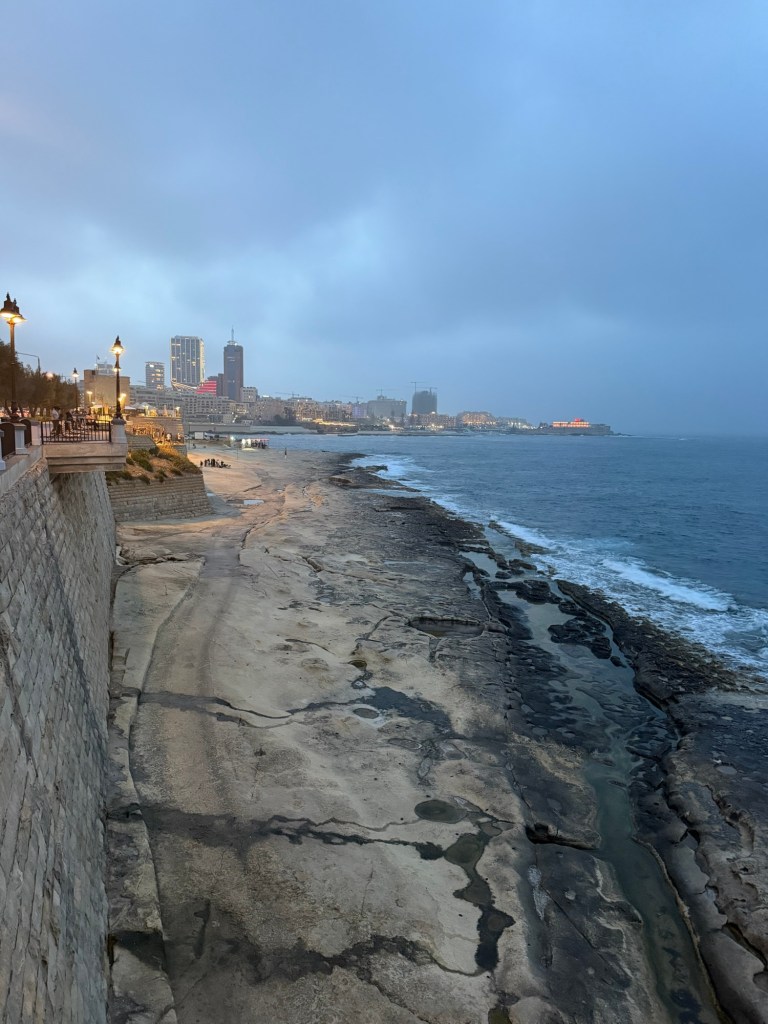
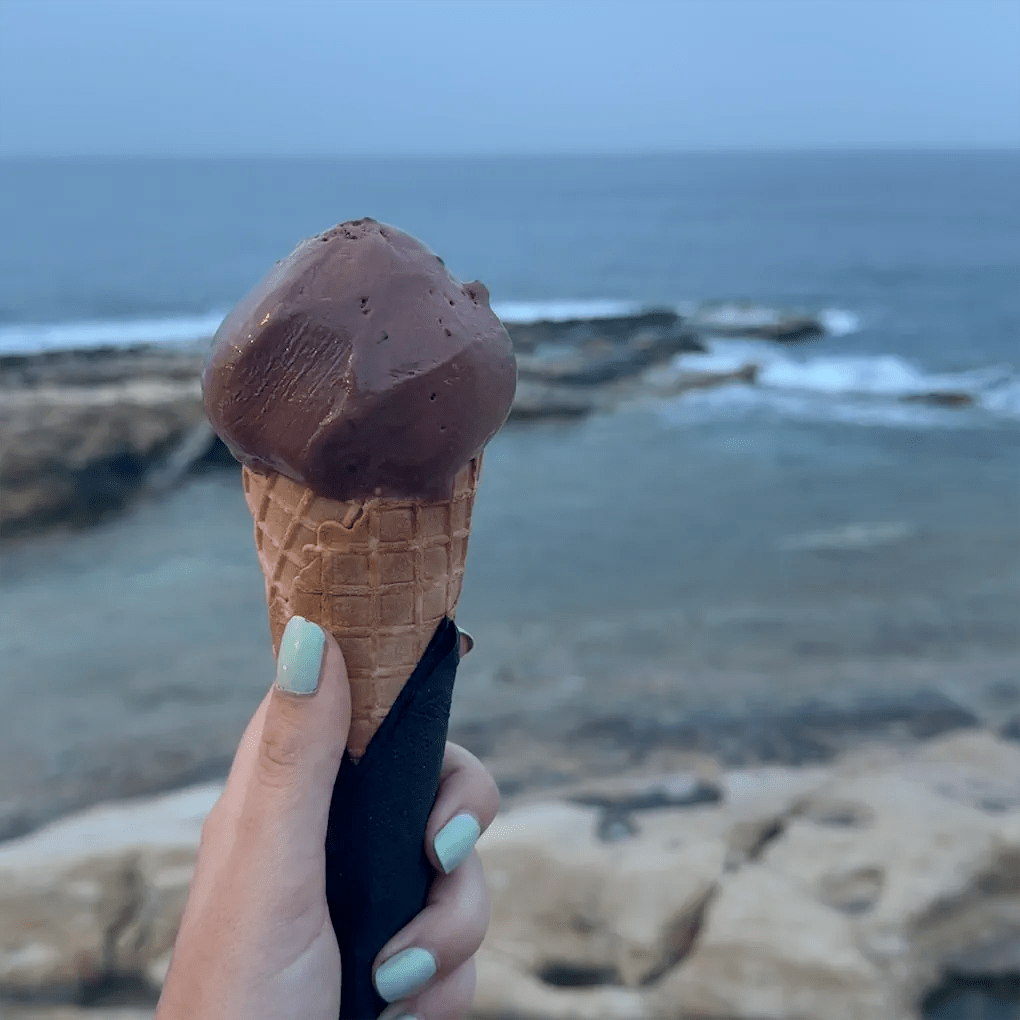
I made it back to my apartment around 6, went out to a local pizza restaurant that was highly recommended, and then finished the night with a walk on the Sliema promenade with some gelato and views of the sea. I definitely slept well after this long day of adventure!

Categories: Malta - May 2026 | Tags: , , , , , , , | Leave a comment

Day 2 in Malta – St. John’s Co-Cathedral and Neolithic Structures

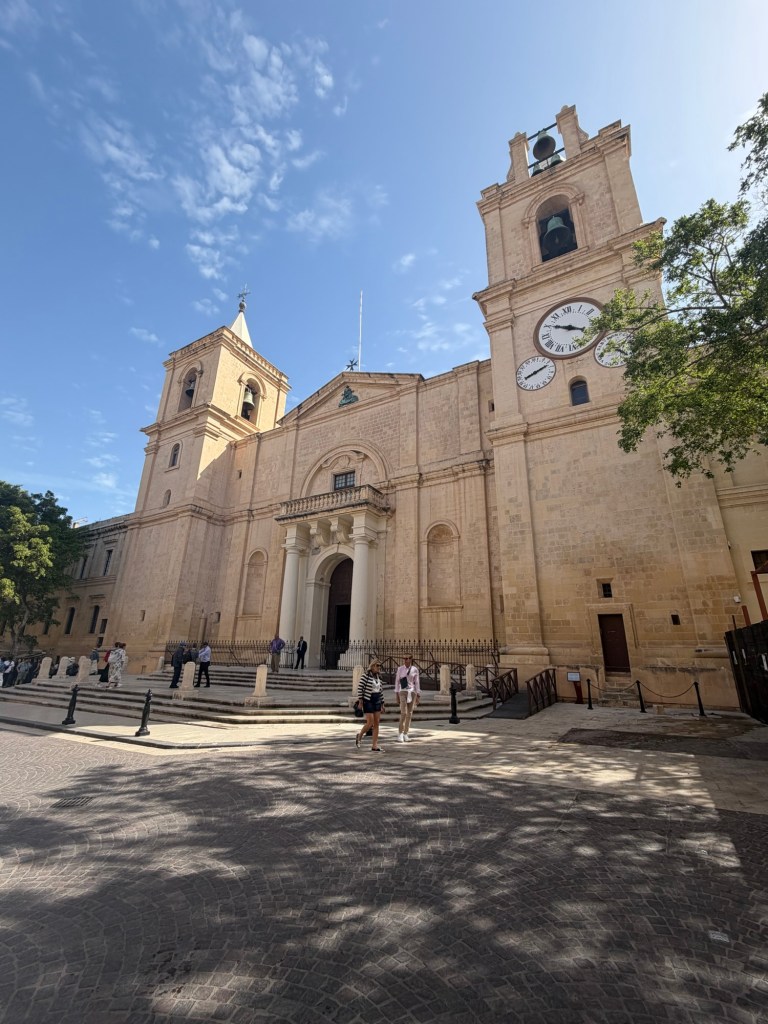
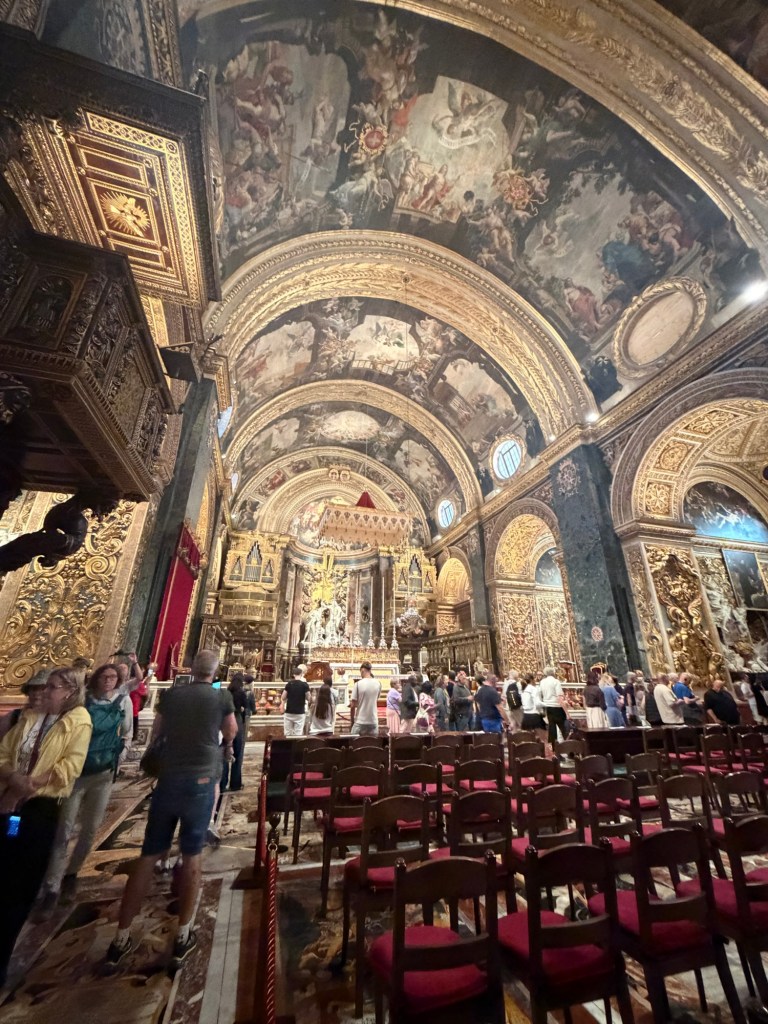
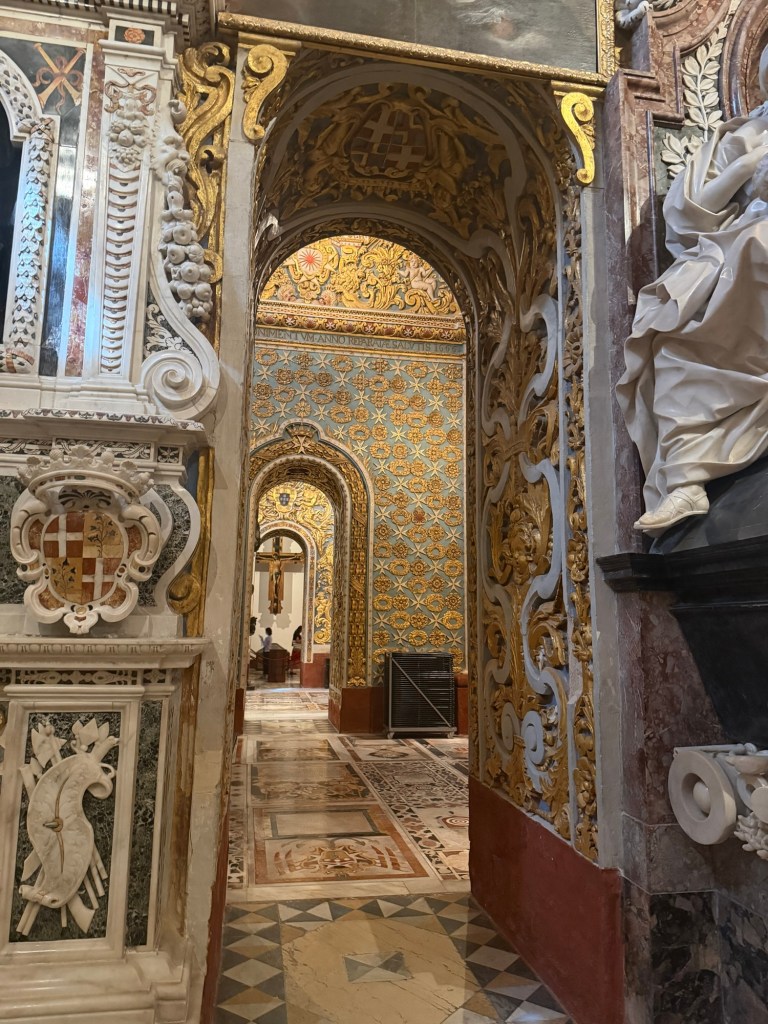
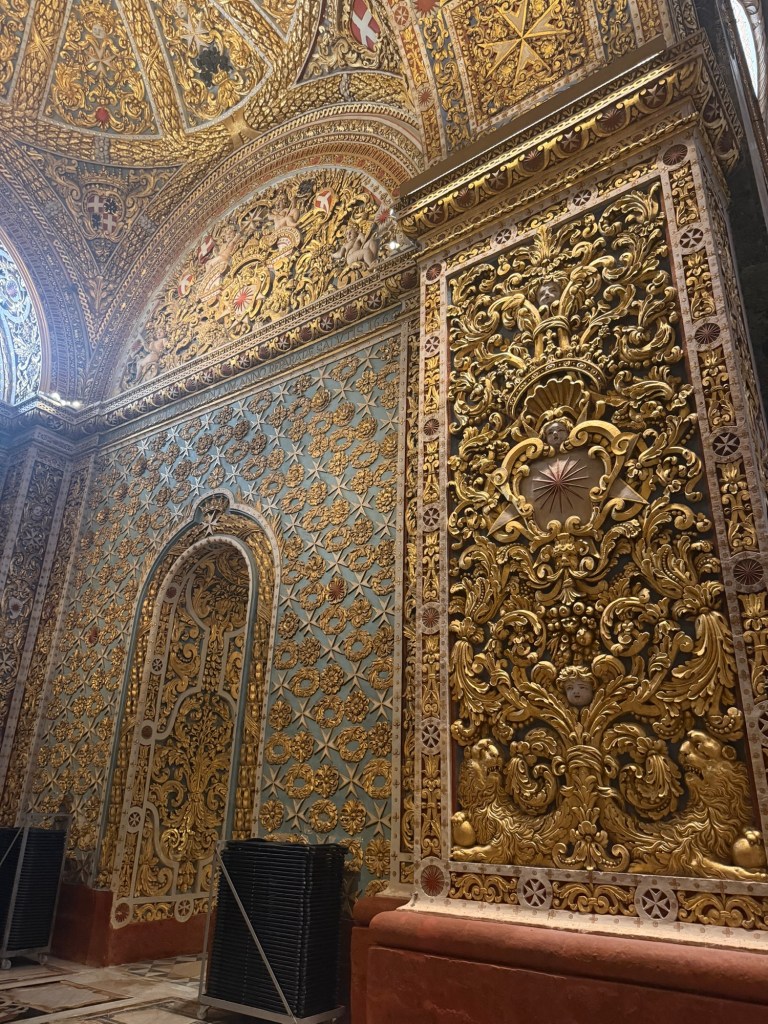
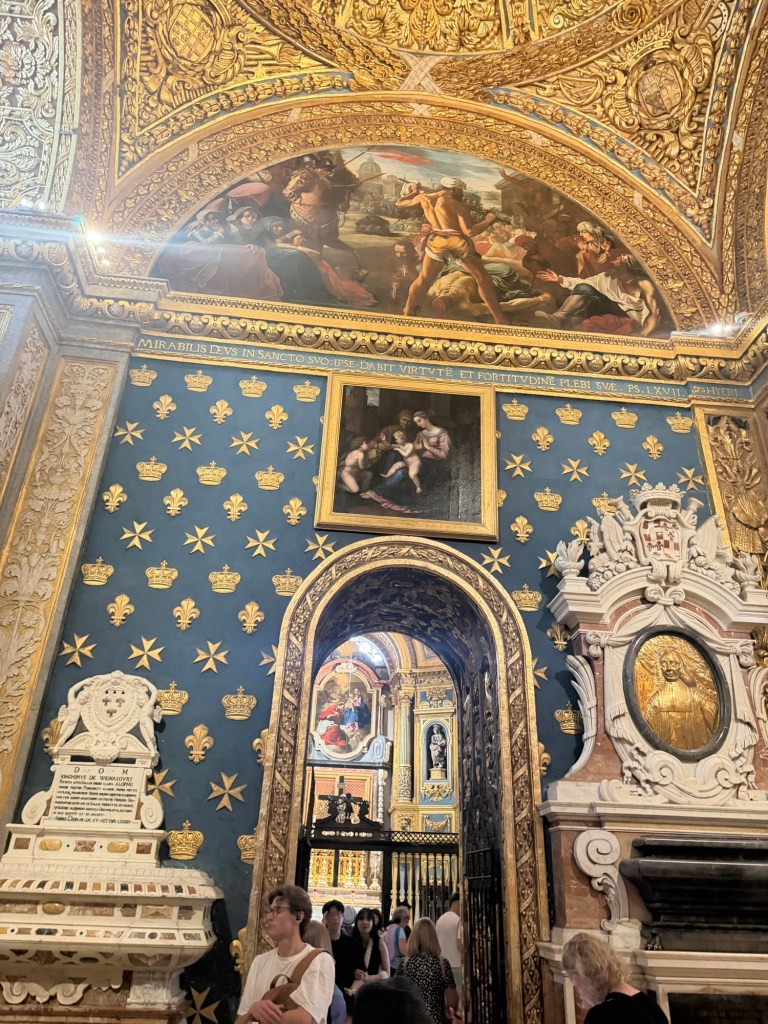
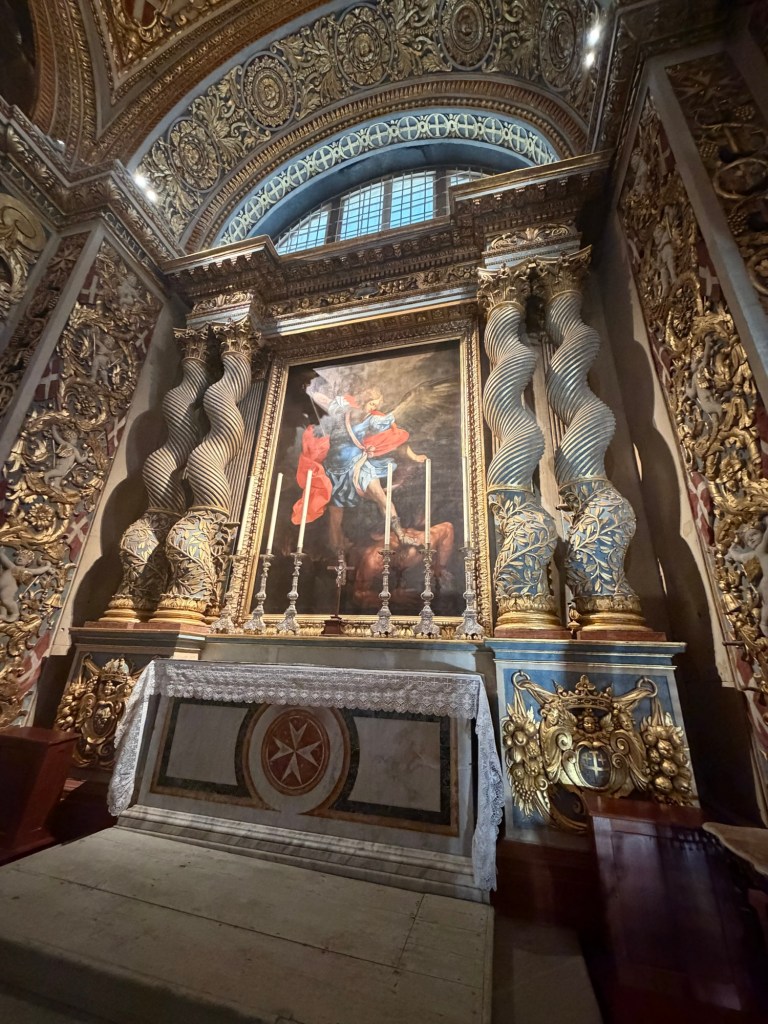
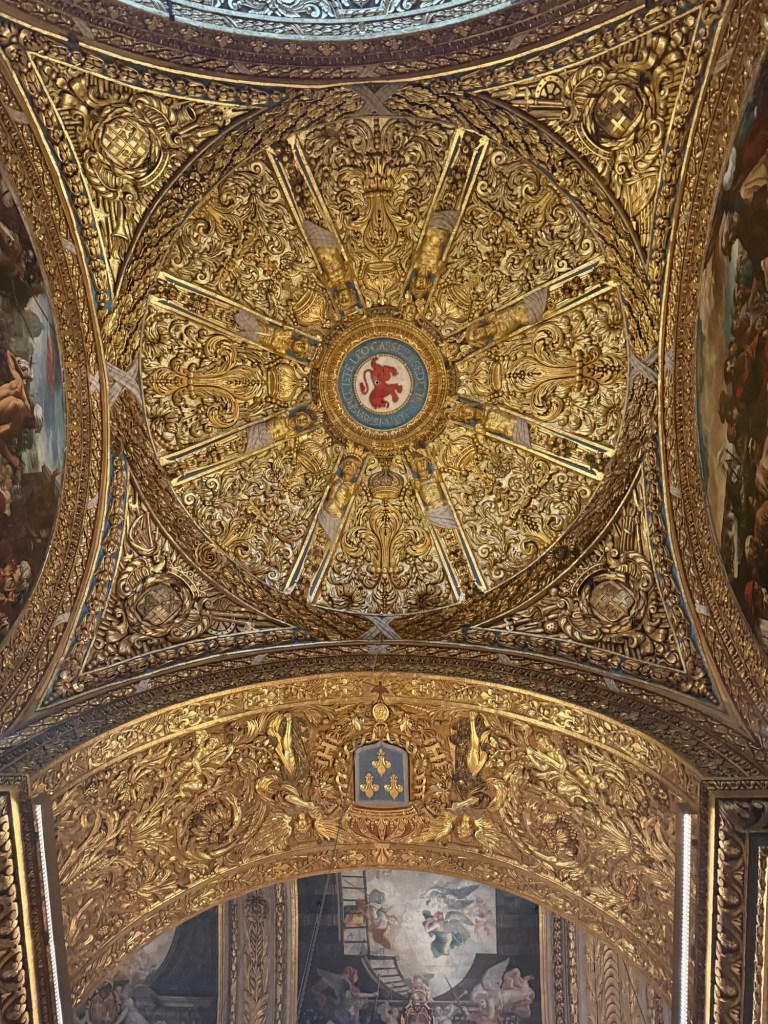
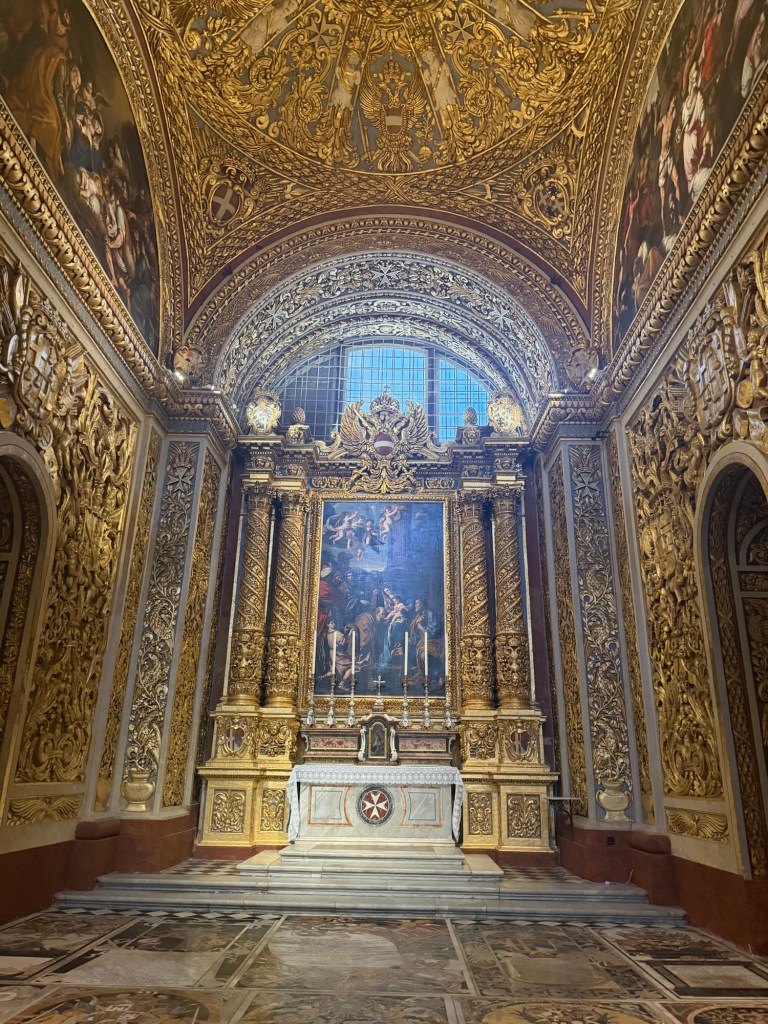
On Wednesday I started the day in Malta by taking the ferry back to Valletta and going to St. John’s Co-Cathedral. This was one of the “must see” buildings and it certainly was impressive. When I went inside it was pretty crowded with lots of tour groups, but I really enjoyed the in depth audio tour.

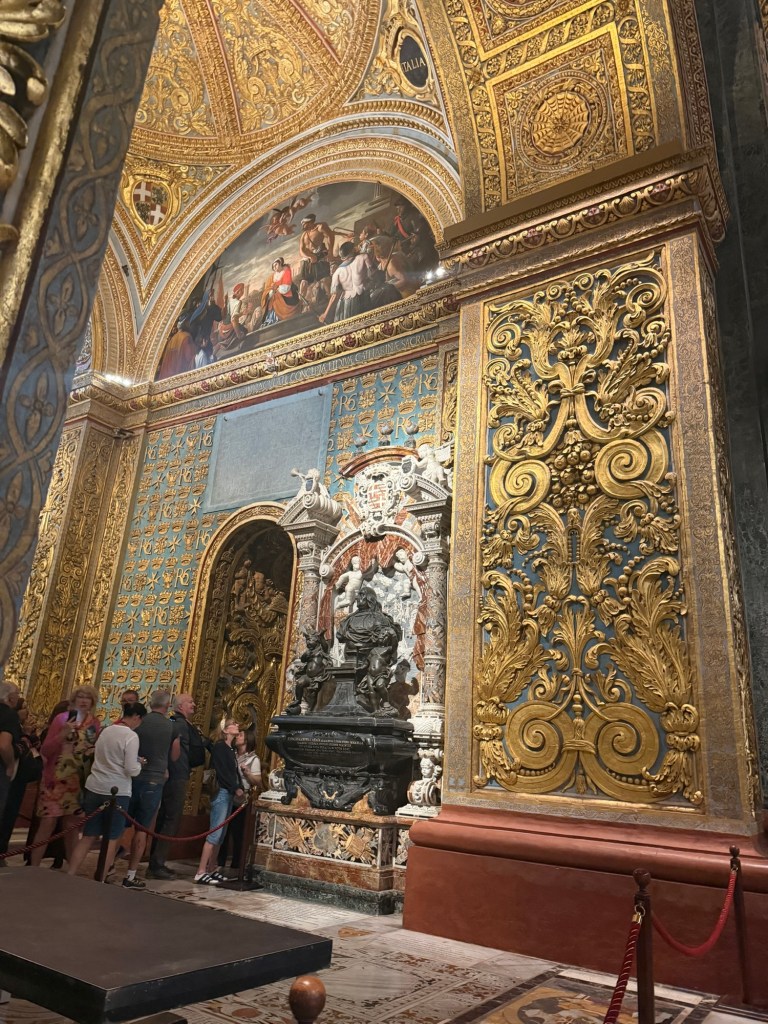
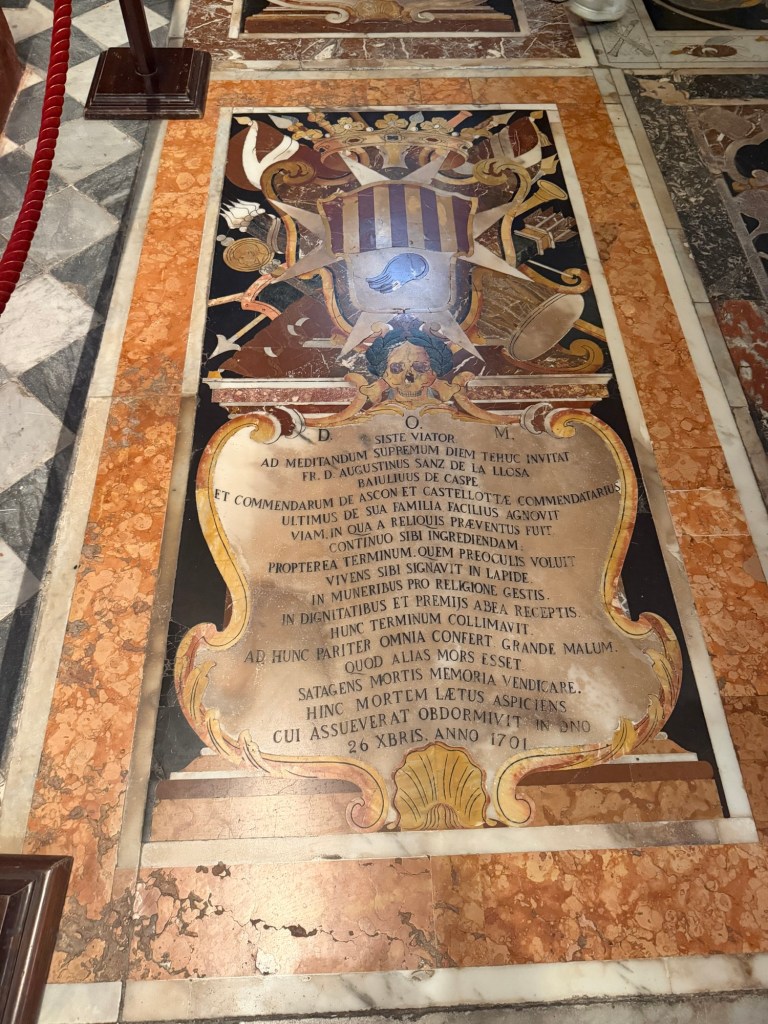
The building was built by the Knights of St. John in the 16th century, and was initially very plain, but over time they added much more decoration to the interior once that was the style of the time. This created a mismatched look between the plain exterior and ornate interior that is pretty unique among many other cathedrals. Going around to all the chapels I learned that each one was dedicated to a different division of the Order of St. John. There was a French area, a German area, an Italian area, etc., and each was decorated with symbols representing the country, as well as monuments for various Grand Masters of the Order. You can also see the eight pointed cross many places, which is the symbol of the Knights of St. John.

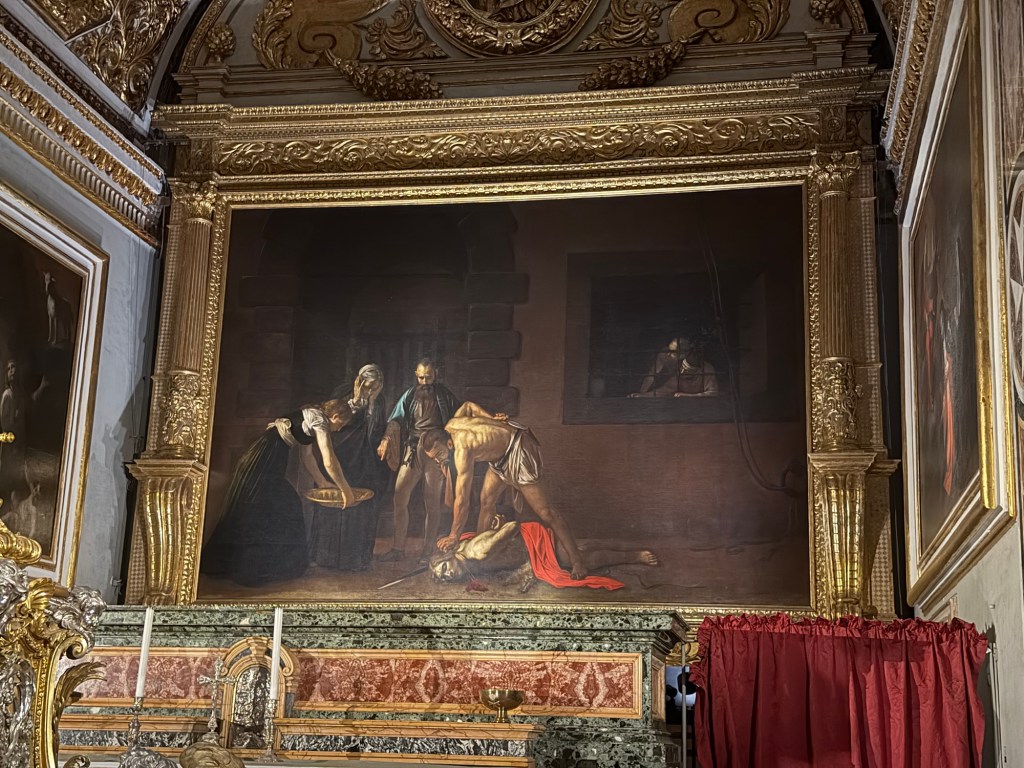
In addition to the beautiful architecture and decoration, the co-cathedral is also well known for having a couple Caravaggio paintings, including the Beheading of Saint John the Baptist, which was his only work that he signed. There was a whole section set up more like a museum with an exhibit and video about Caravaggio which was really interesting. He had quite a temper and killed a man in Italy, so was sentenced to death in Rome, but once the Knights of St. John heard about his amazing painting they offered for him to come live there (and pardon him) if he would paint for them. However, he soon got in another fight and was arrested and expelled. But, he did leave behind some amazing works of art!

Caravaggio’s Beheading of Saint John the Baptist

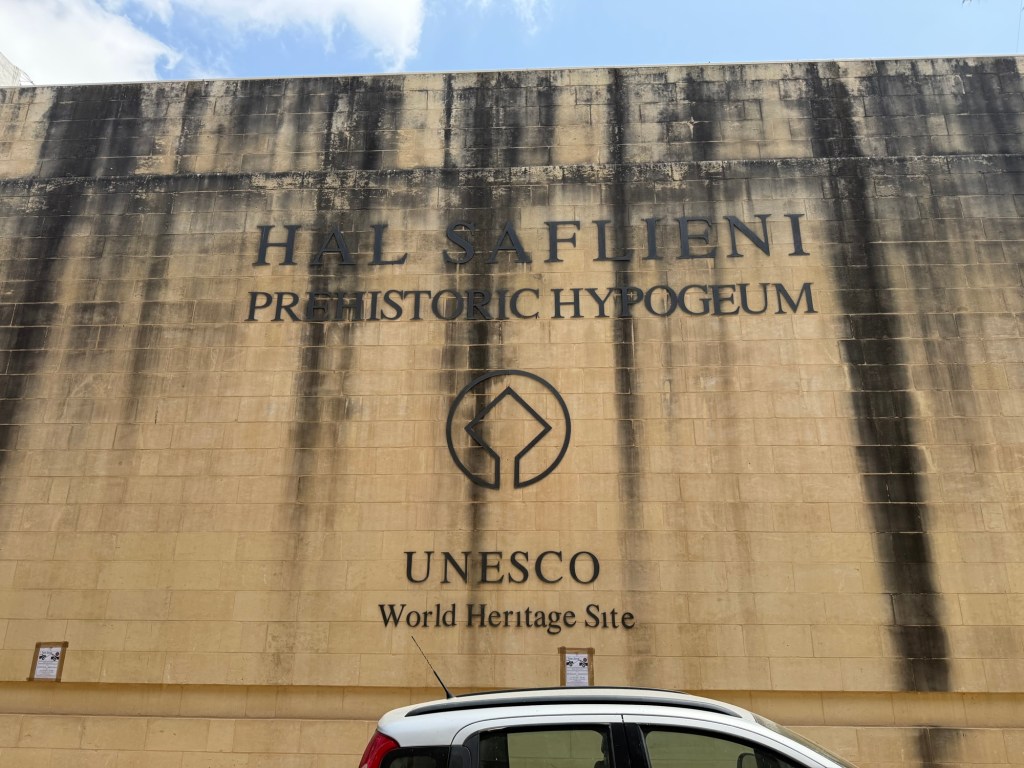
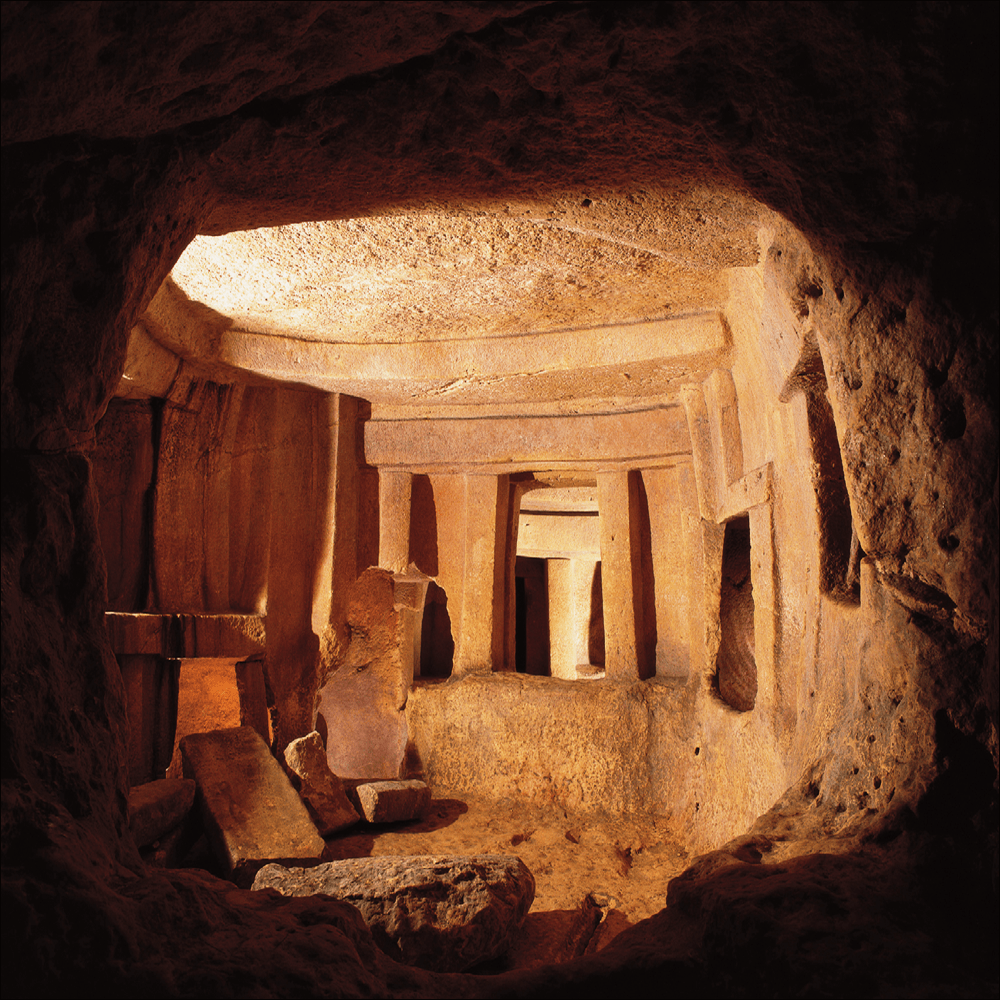
After leaving the co-cathedral I needed to make my way to the Hypogeum for my tour that I had booked the day before. It was only a short drive away, and the building was hidden amongst normal shops and houses. I really had no idea what to expect, and they did not allow any photos inside so you’ll have to trust my description. They only take about 10 people into the tour at a time, several times a day, which is why it sells out so quickly. When we got inside they had us put on shoe covers and we watched a short introduction video about when the Hypogeum was discovered. There were houses built on top and when a worker was cutting down into the ground below he found a large network of underground rooms and caves that were built over 5000 years ago (older than the pyramids)!

They explained that when it was discovered the archeologists found lots of human remains and bones that showed that parts of it were most likely used for some sort of burial rituals. Now those have been taken out, but we could walk on elevated walkways through multiple levels of the caverns, looking at some remaining paintings, carvings, and structure that was created so long ago. There was an audio tour that played as we were ushered from room to room and it pointed out some of the unique features that we were seeing and gave some possible explanations for what the structure was used for, but of course no one knows for sure. One of the things that I found most interesting was that they created doorways and ceilings completely underground that are similar to other Neotlithic structures, but much better preserved. They also did not have metal tools at the time, so it is even more impressive to understand how much skill and time it would have taken to create these structures. There was also a room that was designed to resonate at a certain frequency, which was very interesting and also gives more possible context as to what these types of structures were used for.

A photo from their website showing one of the rooms with doors and ceilings carved into the stone

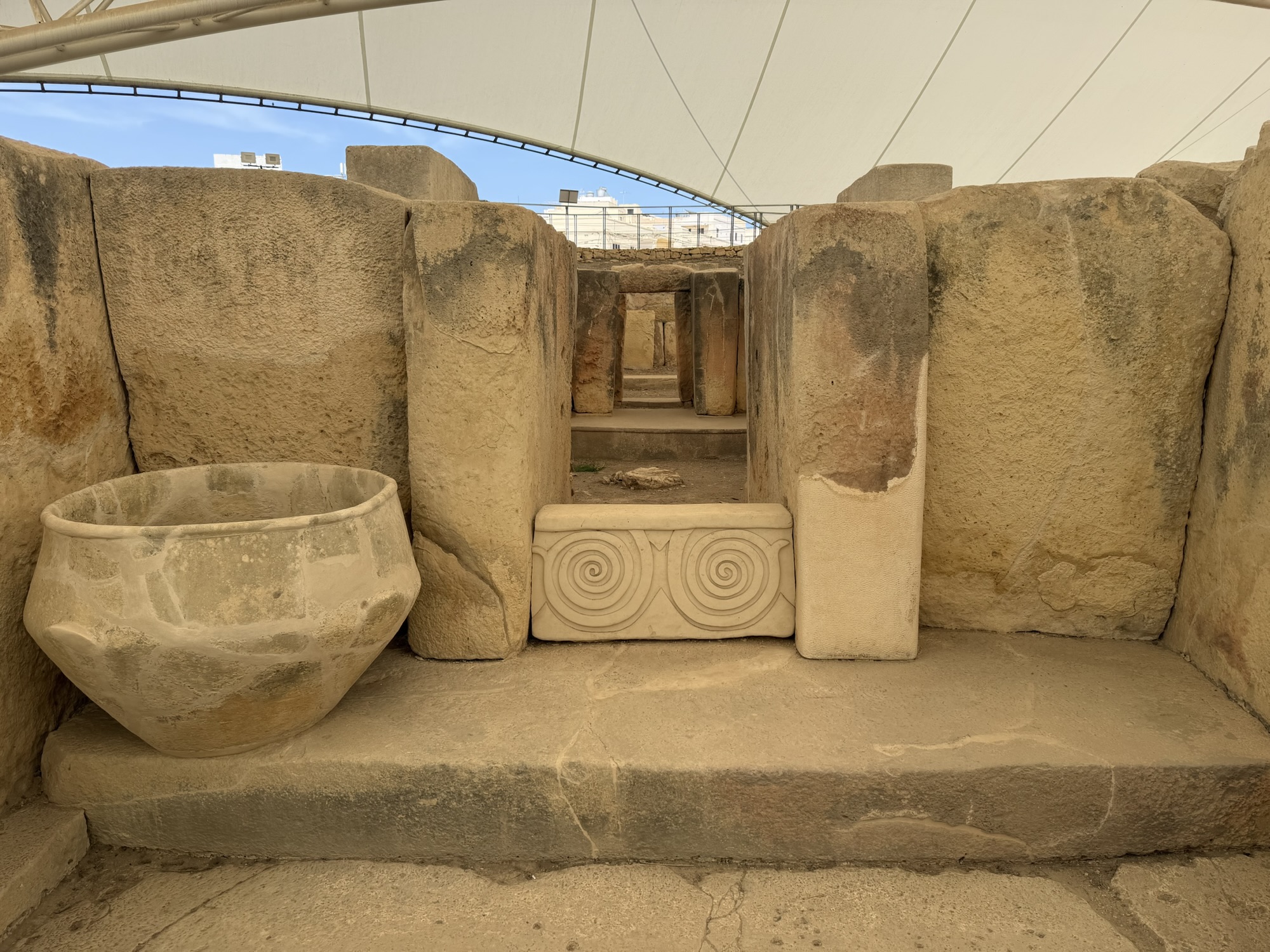
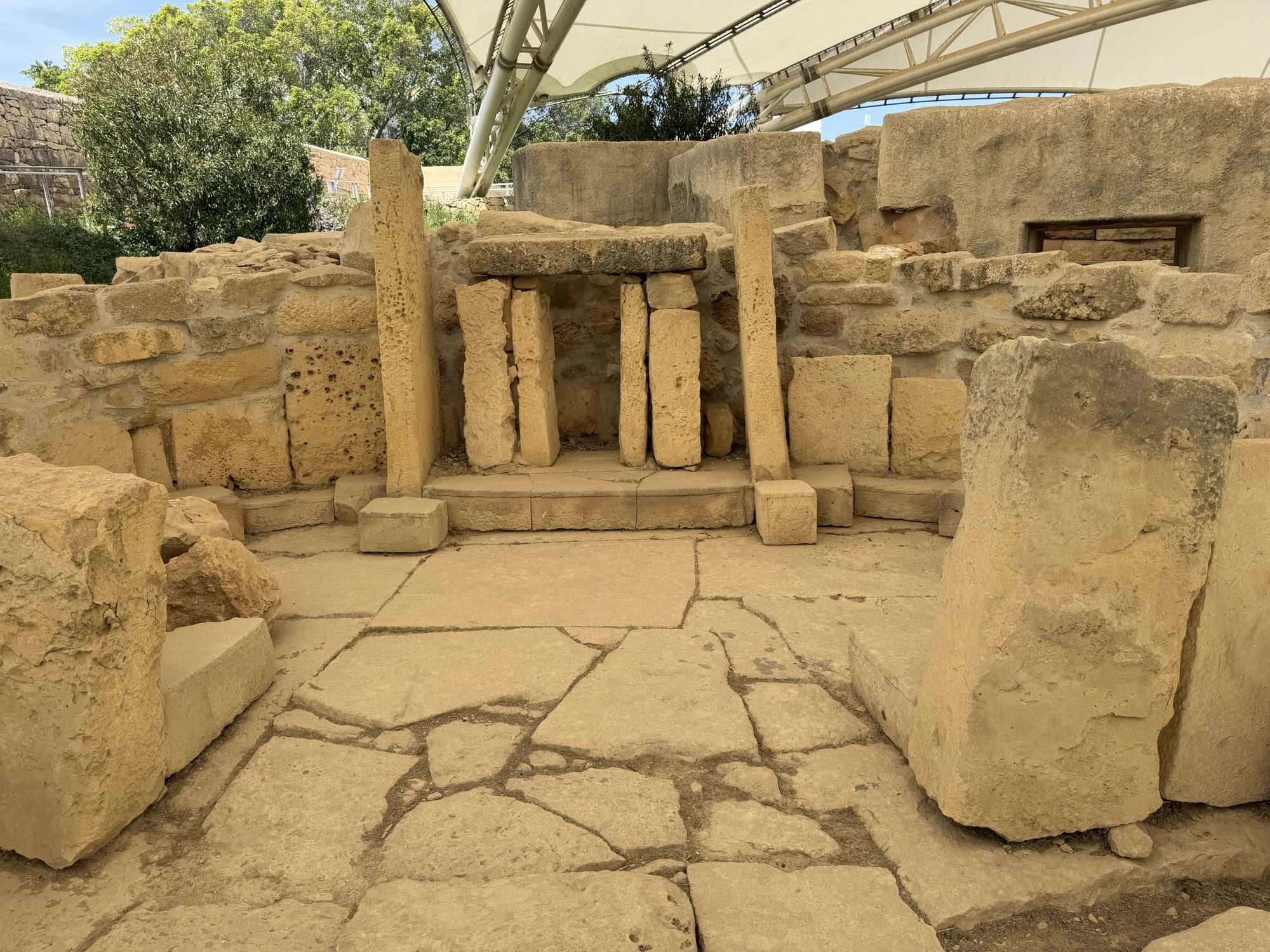
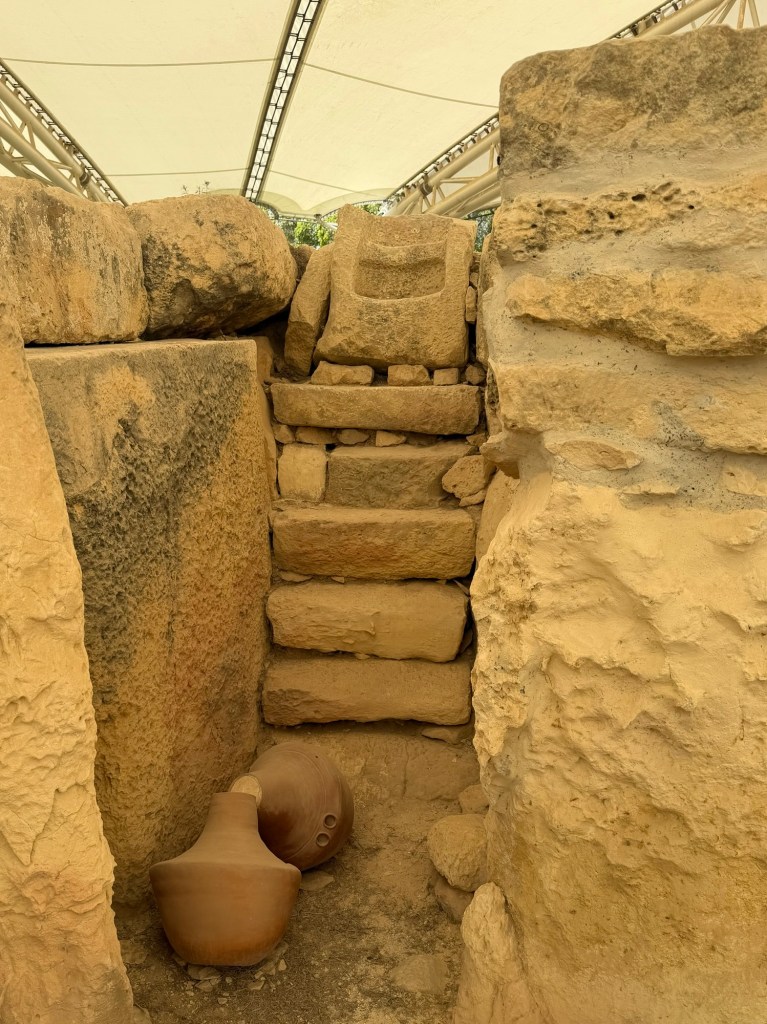
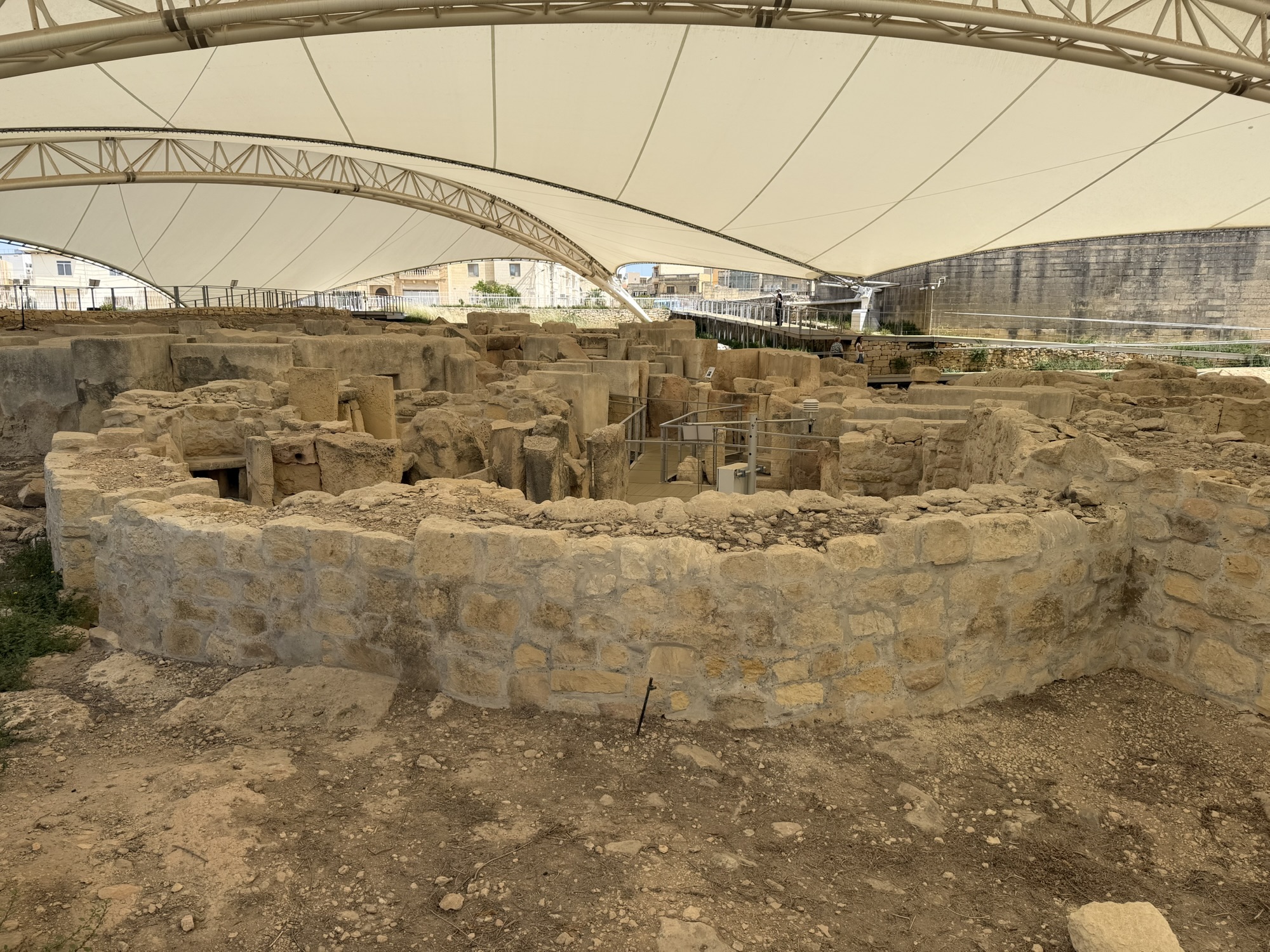
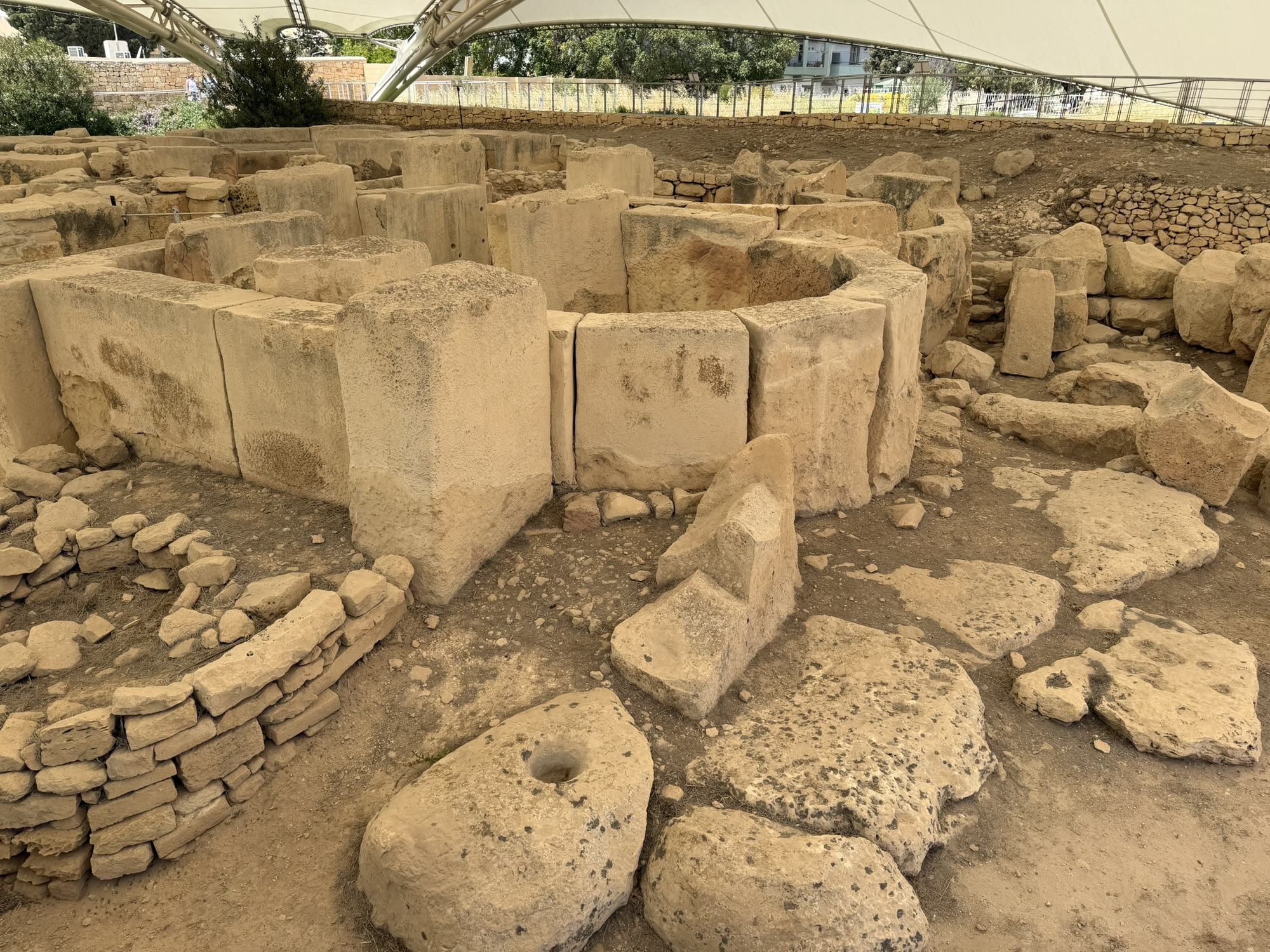
After this tour I walked to a nearby cafe for a quick lunch with a view of the local church, then I walked to the nearby Tarxien Temples, which is another Neolithic site built around 3400 BC. This time it was completely outdoors but covered with large tents. This also had an audio tour, so I walked around the site and listened to that which was also fascinating.

After finishing up there I took the bus back to Sliema, did some souvenir shopping, and of course got a bubble tea! At night I found a local restaurant that served fried shrimp and had a delicious dinner to round out day 2 in Malta.

Categories: Malta - May 2026 | Tags: , , , , , , , , | Leave a comment

Day 1 in Malta – Exploring Valletta and Crafting

At the same time that Mom and Dad left for England, I went on my own trip to Malta. I’m a little behind but now that I’m back home I’m going to try and get my blog posts up too and hopefully it’s not too confusing!

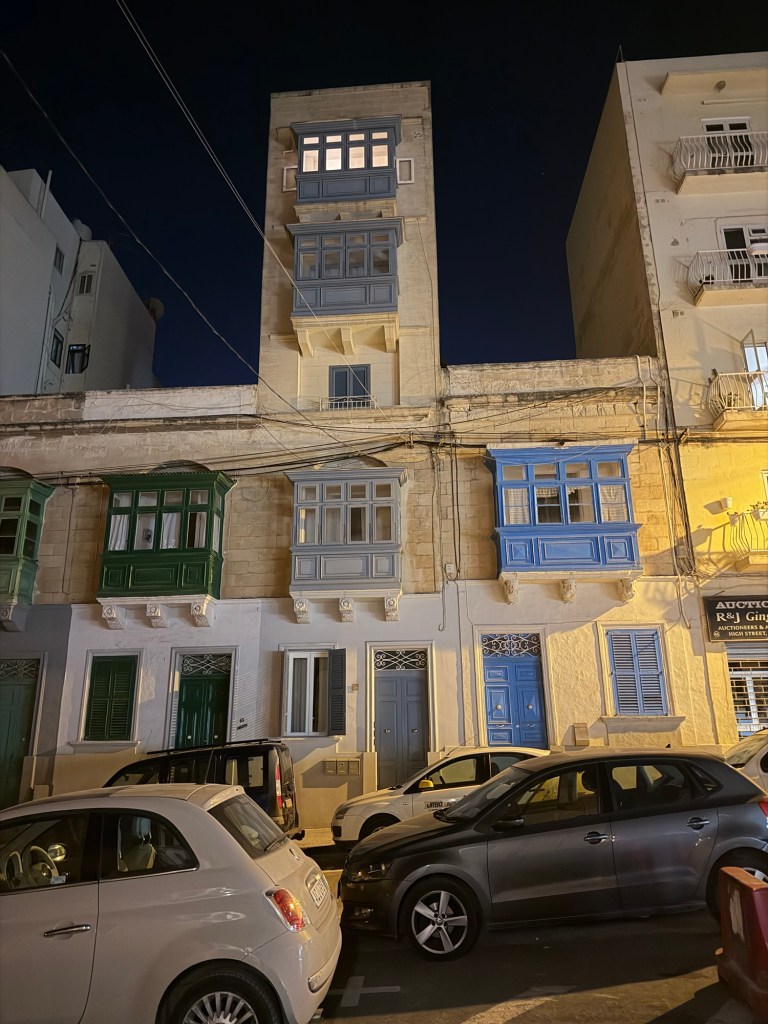
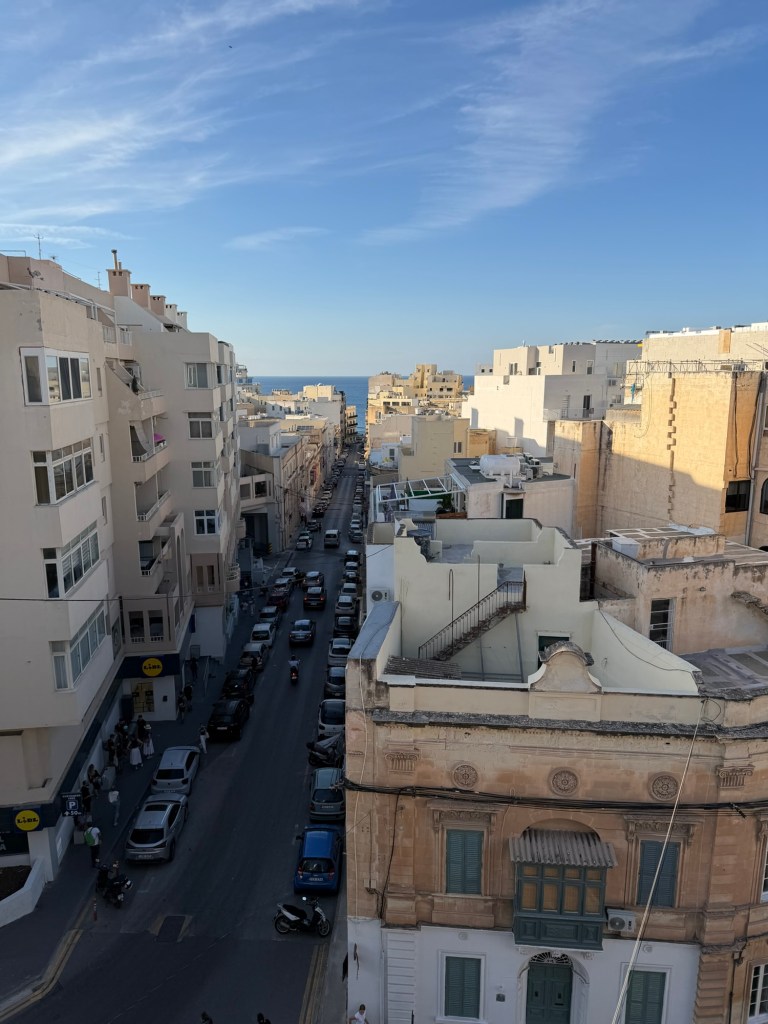
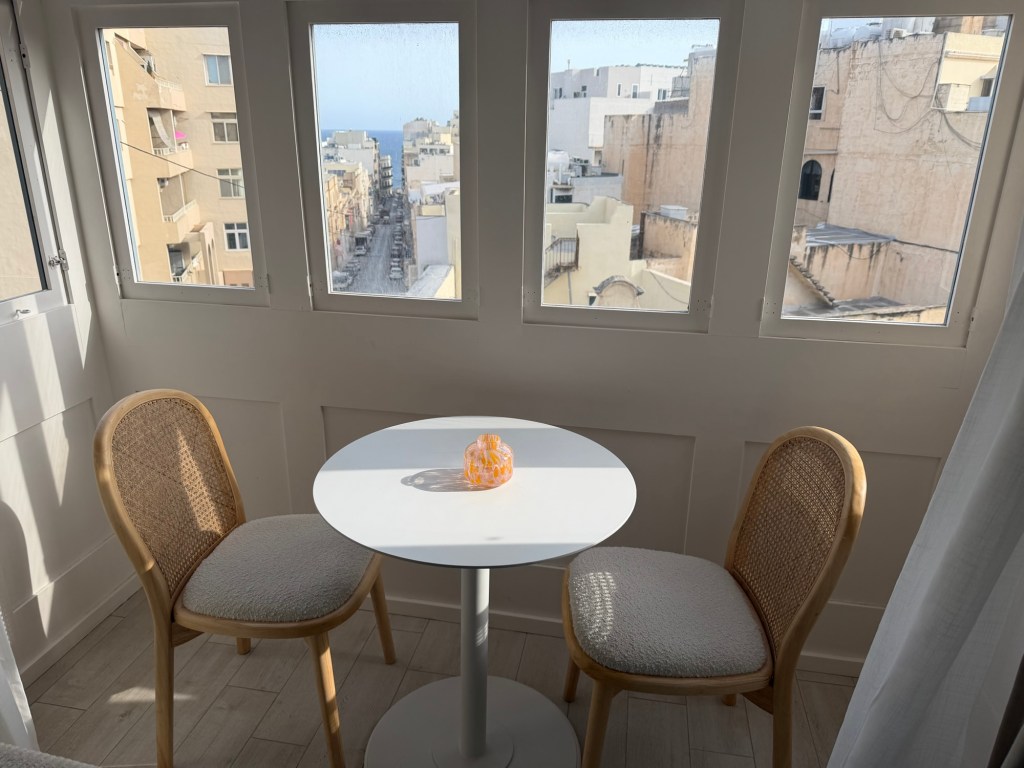
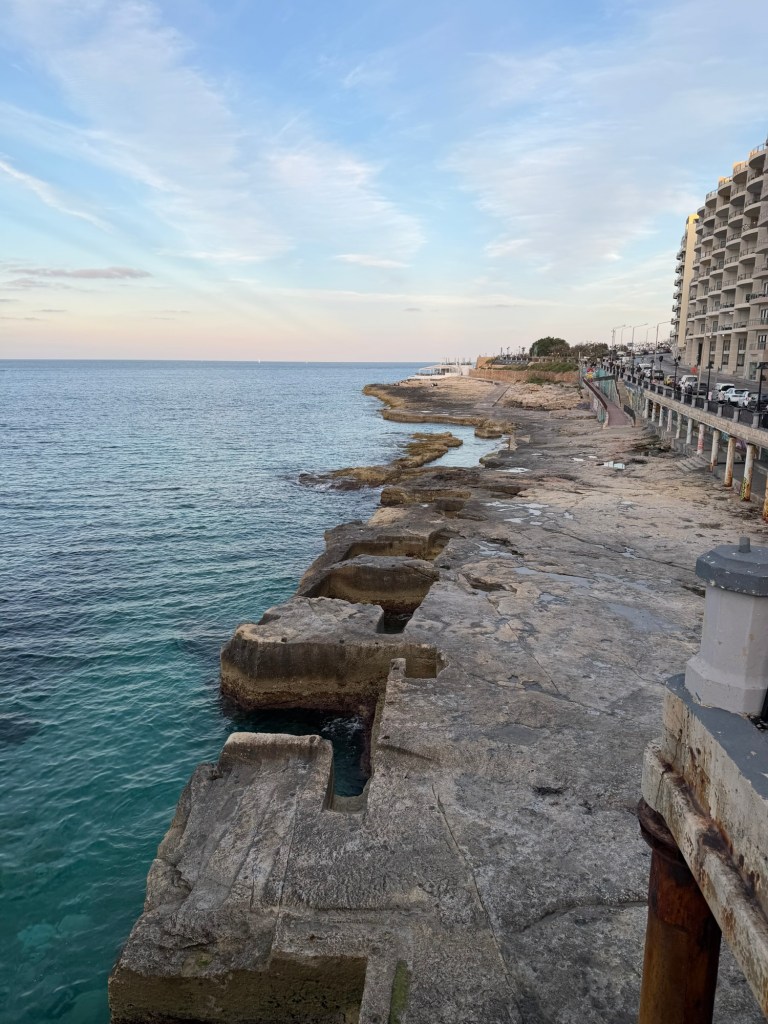
After a long travel day (Atlanta to Copenhagen to Malta) I got to the apartment I was staying in Monday evening. It was the top floor of a traditional Maltese building, complete with one of their iconic covered balconies and a rooftop with amazing views of the sea. I went out on a short walk to explore Sliema, the town I was staying in, and got a great initial view of Valletta, the capital, across the harbor. I was pretty tired, so I went to sleep with plans to get up early and really start sightseeing the next day.

I stayed at the top floor where the light is on!
The view from my apartment

On Tuesday I got up and took the ferry from Sliema to Valletta, which is just a short 10 minute journey. I always enjoy being out on the water, so I was excited that this is the easiest and fastest way to get there from where I was staying. Once in Valletta I walked to Fort St. Elmo, at the far end of the peninsula where Valletta is located. Here, I waited to get tickets to the Hypogeum, which are extremely limited and sold out online months in advance. But, you can go to this location to buy next day tickets first thing in the morning if they are available. Luckily, I was successful so I will share more about my visit to the Hypogeum in the next post.

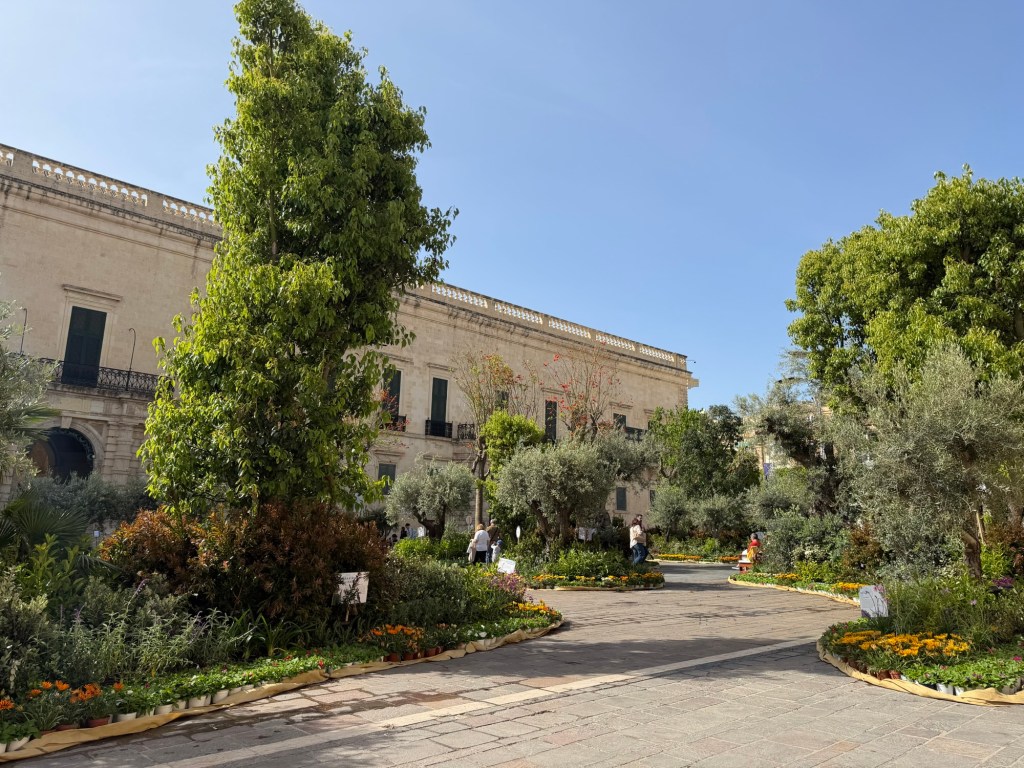
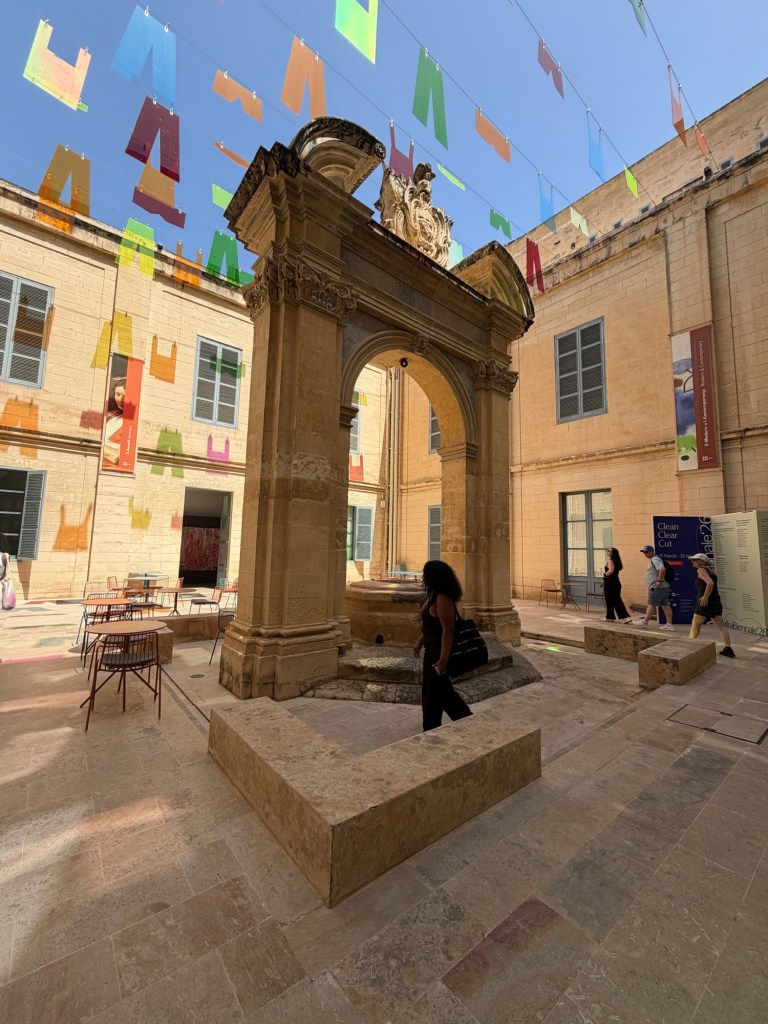
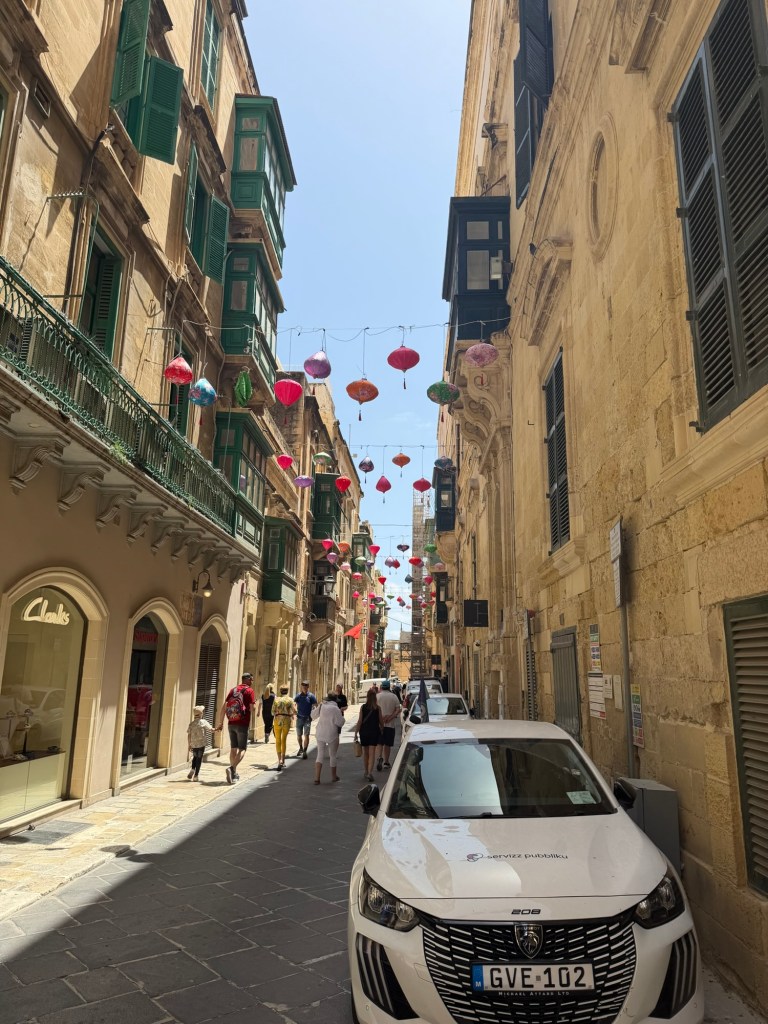
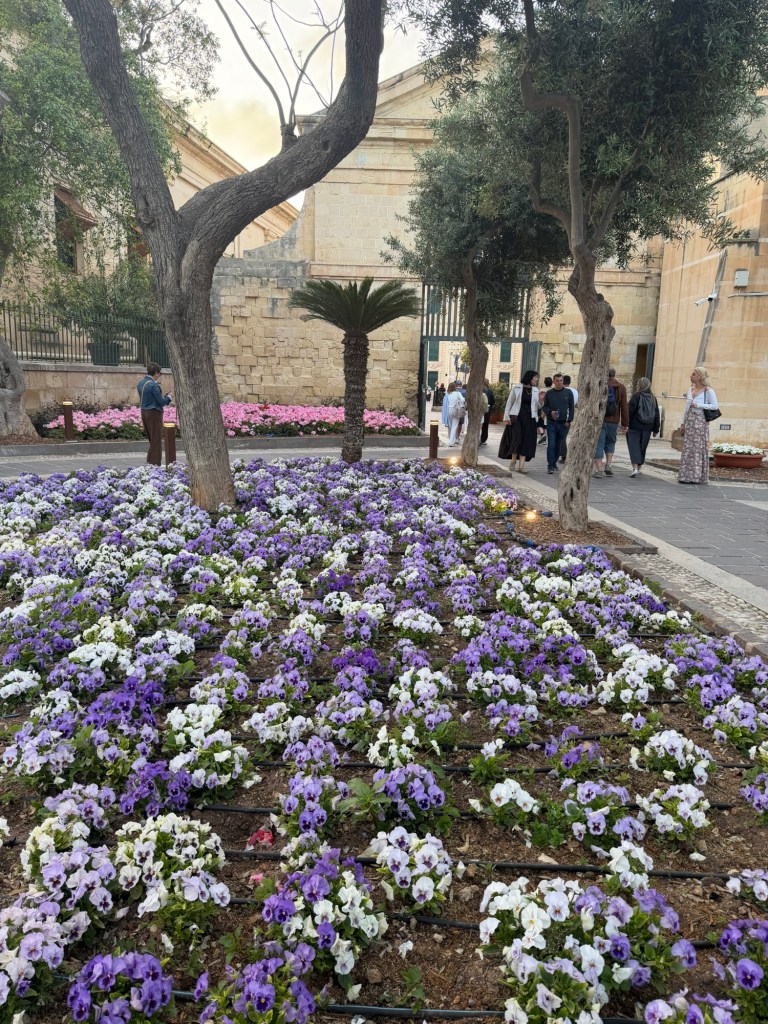
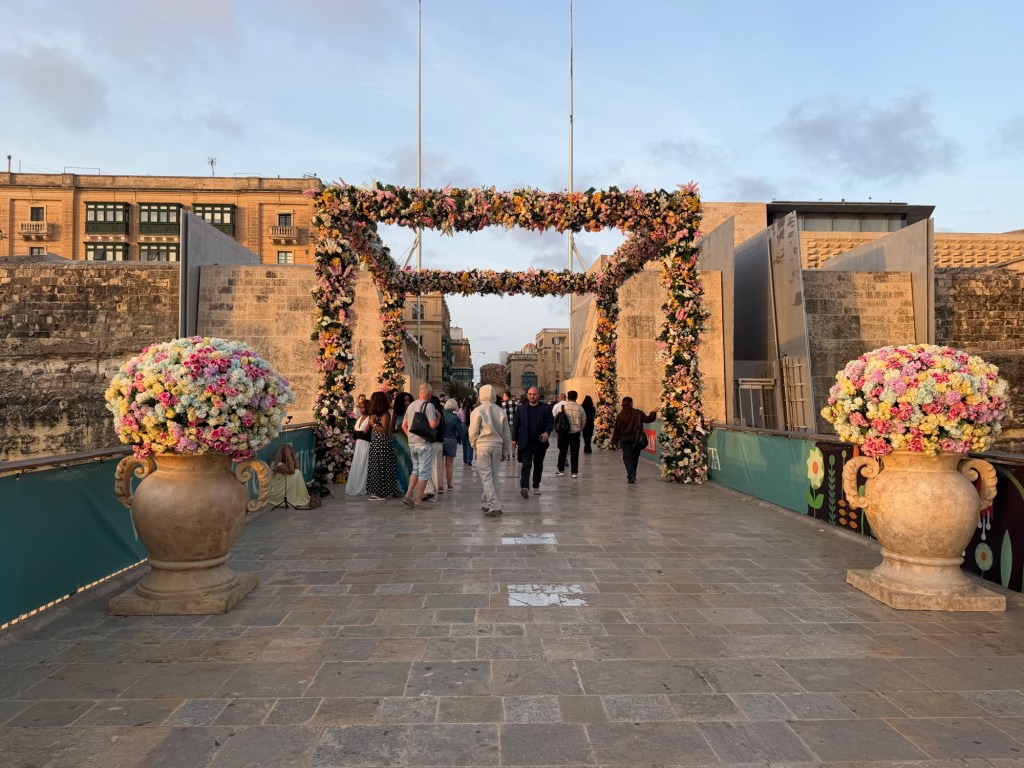
I then strolled through the city and grabbed an iced tea and pastry to eat while I killed a little time before my walking tour. I found a square where there was a really nice temporary installation of tons of flowers and trees and sat on a bench to enjoy this pseudo botanical garden. I learned later on that historically plants were not allowed in Valletta as they have a problem with getting enough water. It rarely rains in Malta and their only source of fresh water is groundwater from that rain. Now, they also desalinate sea water to supplement that. At 10:30 it was time to meet my free walking tour to get my introduction to Valletta.
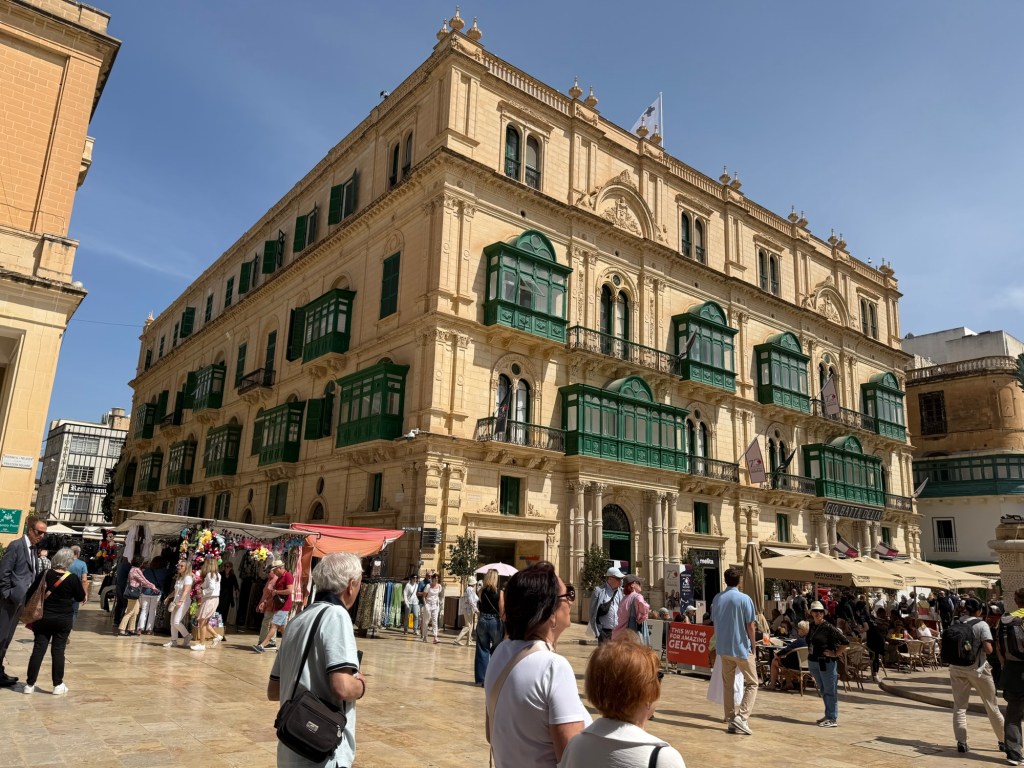
Walking towards the tour I was shocked by how many more people there were. I clearly had found the busy tourist area, and quickly learned that Valletta sees up to 50,000 people a day (cruise ships dock here as well as it just becoming a more popular travel destination in the last few years). This is particularly impactful once you learn how small the city is. The entire city is only 0.6 miles long and 0.4 miles wide, making it the smallest capital city in Europe. There are only about 5,000 residents, so 50,000 people coming in every day is quite a lot!

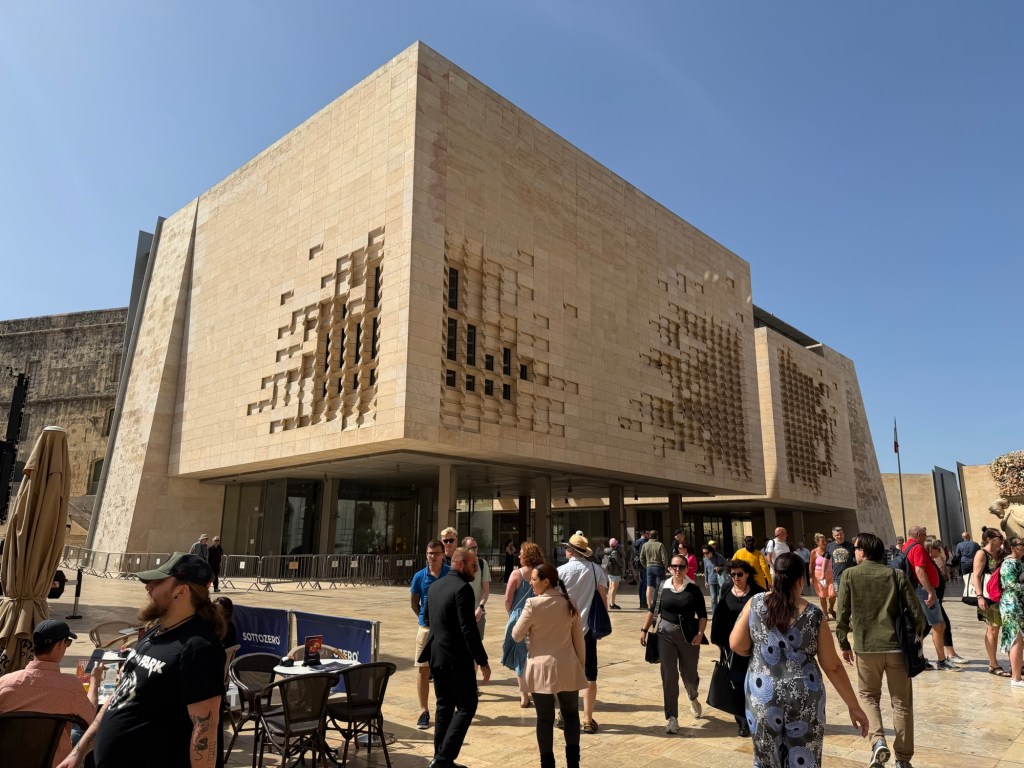
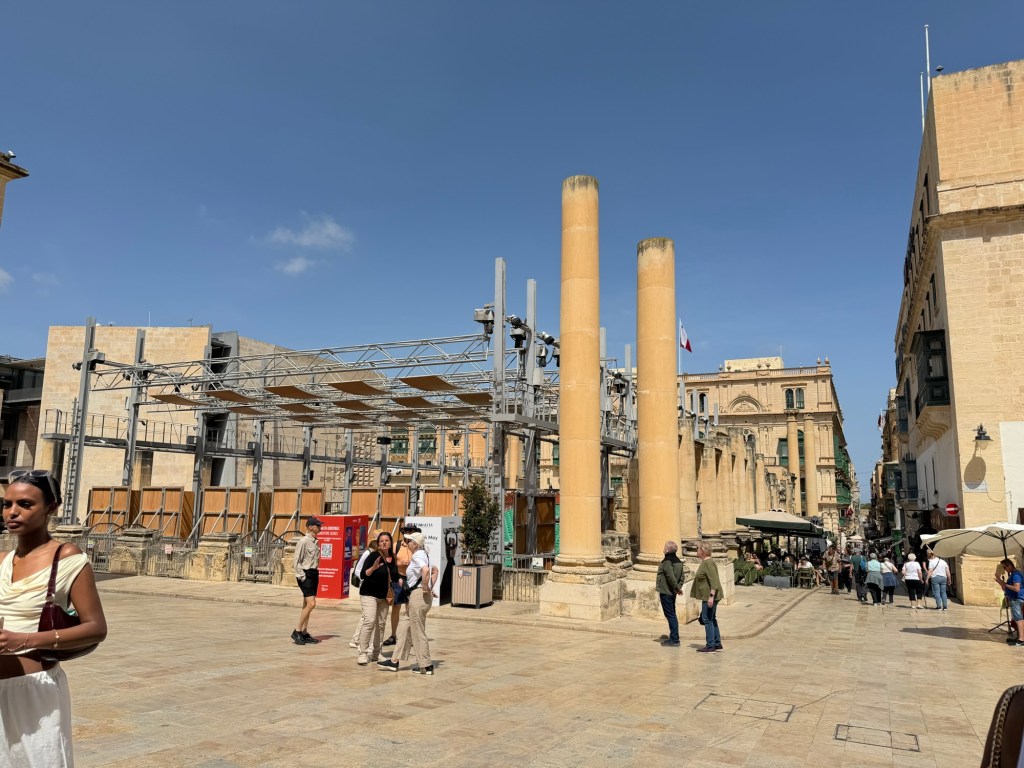
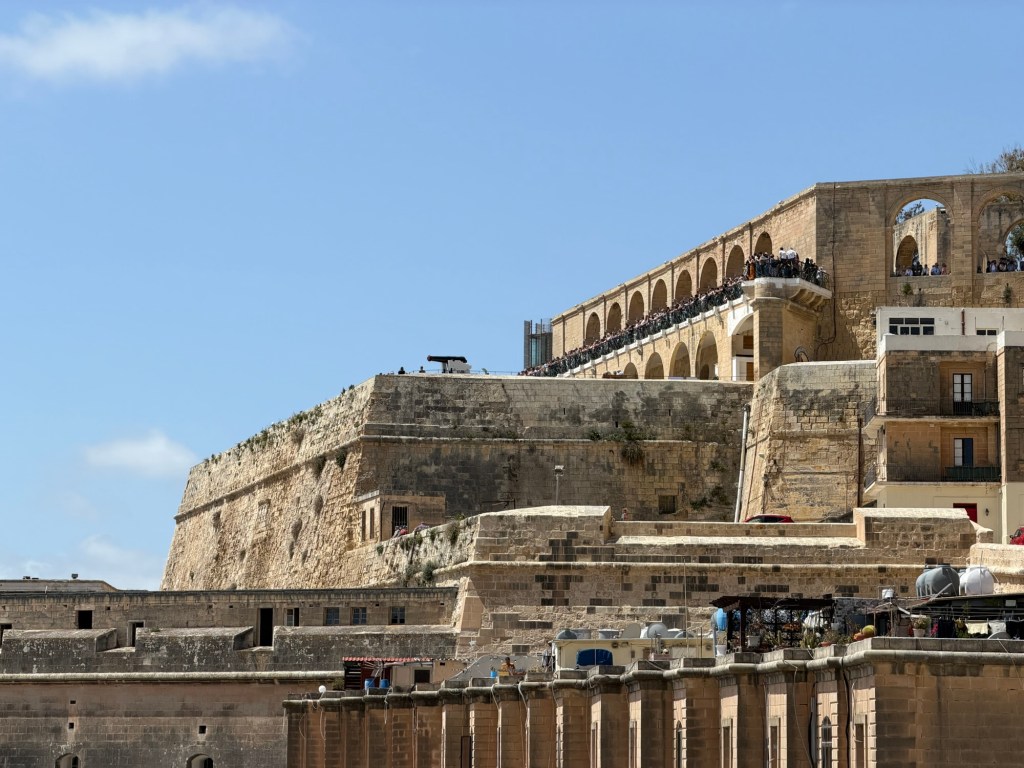
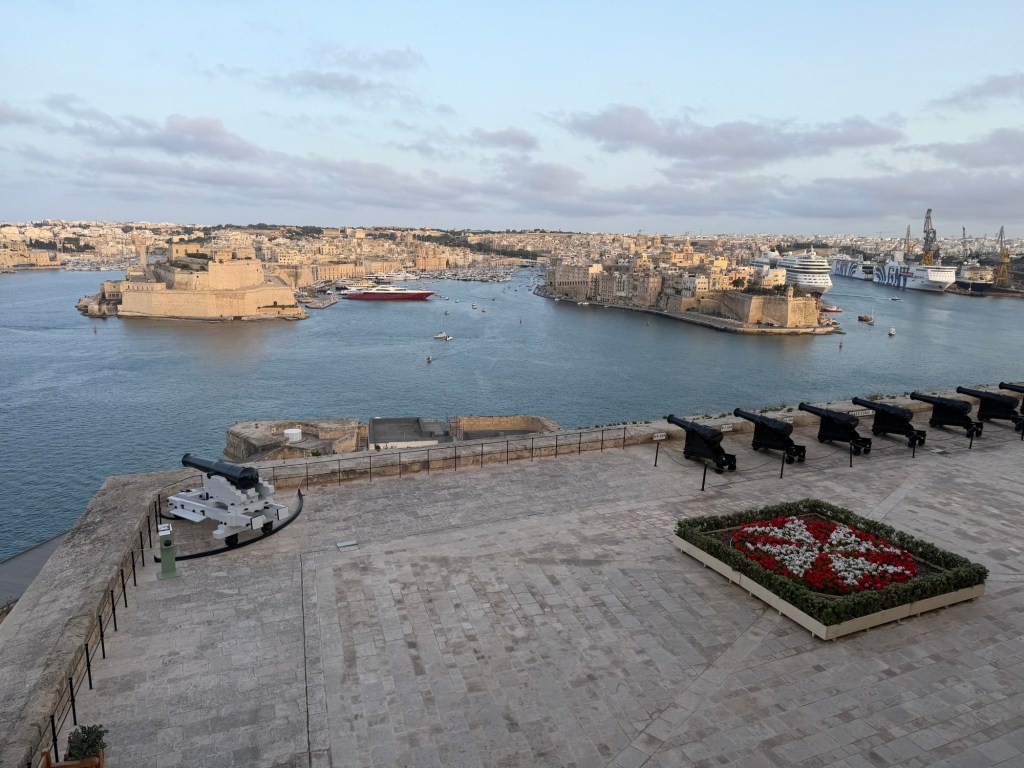
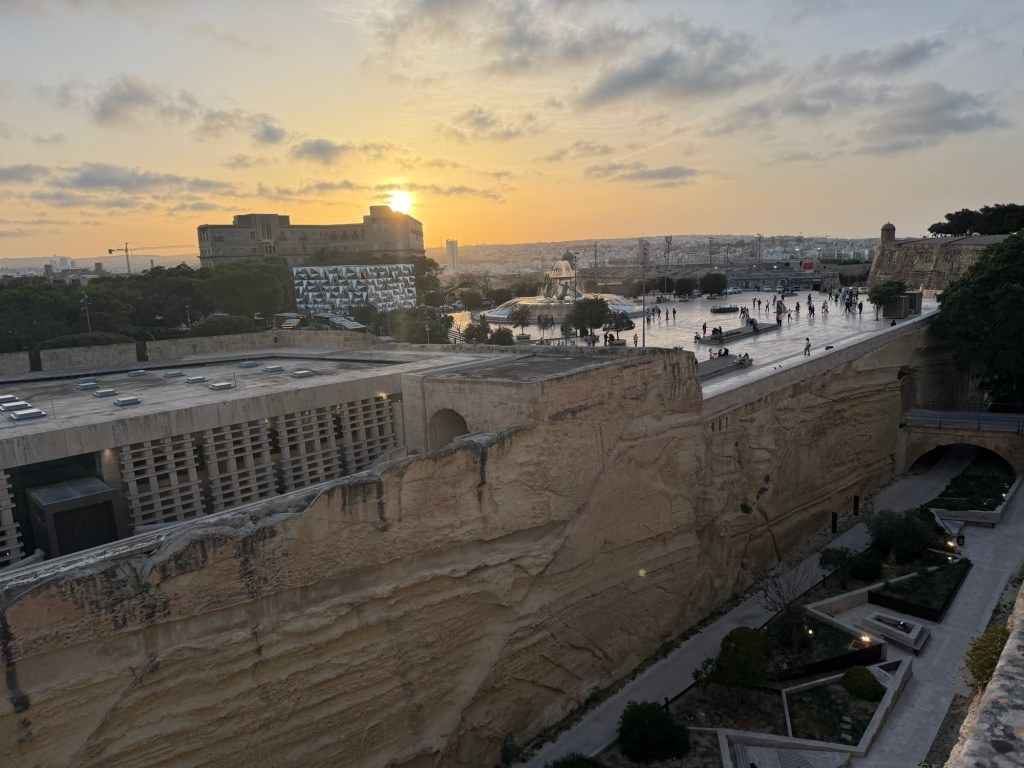
The walking tour was great and I learned a lot of context about the history and culture of Malta. Valletta was built by the Knights of Saint John, who created the fortified city in order to protect the island that they called home. The city has a grid layout and a lot of the buildings we saw could be attributed to the Knights. We started the tour at the new Parliament building, which was made in the same yellow limestone that most buildings in Malta are made out of, but with an interesting texture to represent how these stones wear away over time. Next to it was the opera house, which was mostly destroyed during WWII, but now has been reopened as an open-air theater. We ended the tour with a view of the Upper Barrakka Gardens, where they fire a canon twice a day. Our tour guide had timed it so that we could watch the canon go off, and it was a little underwhelming.

The tour also gave some great information about what Malta is like today. It has two official languages, Maltese and English, and both have equal importance, so most signs would have both. The tour guide also explained that Maltese is a mix from several other languages, primarily Arabic with some Italian, French, and English thrown in, which makes a lot of sense based on Malta’s location between Sicily and Africa. She also told us how before 2018 Valletta really run down, but was then designated as a European Capital of Culture, which gave a lot more funding and led to a huge resurgence of development and tourism. Now, the real estate in the city is super expensive, many of the buildings have been restored, and they see millions of tourists each year.

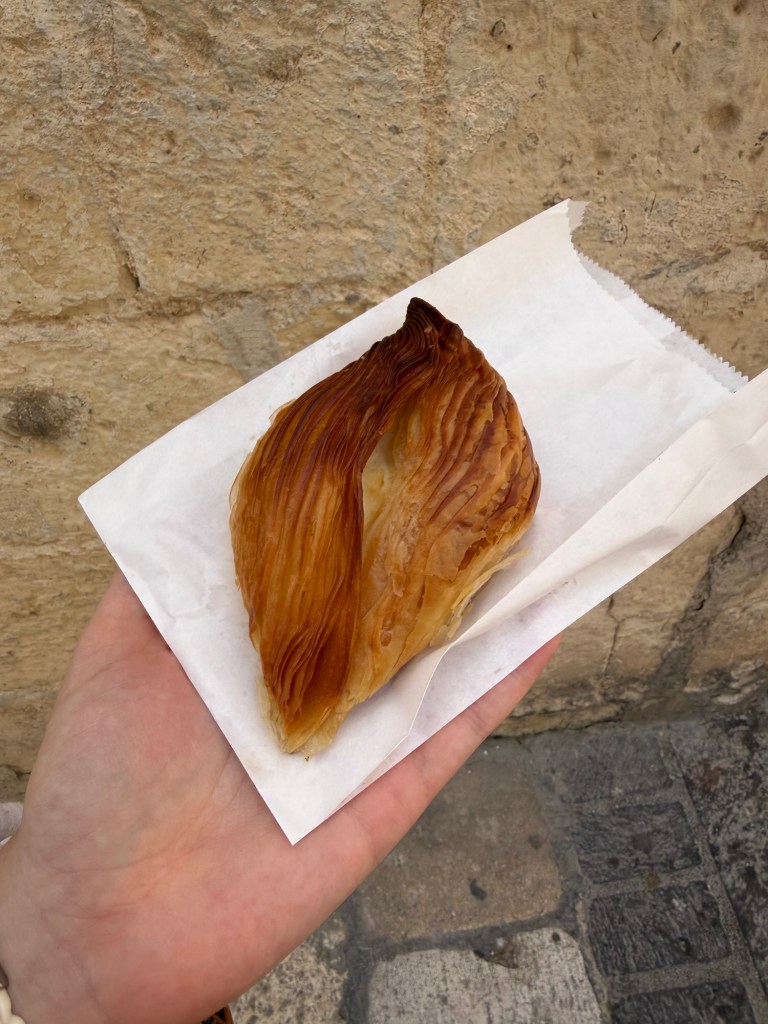
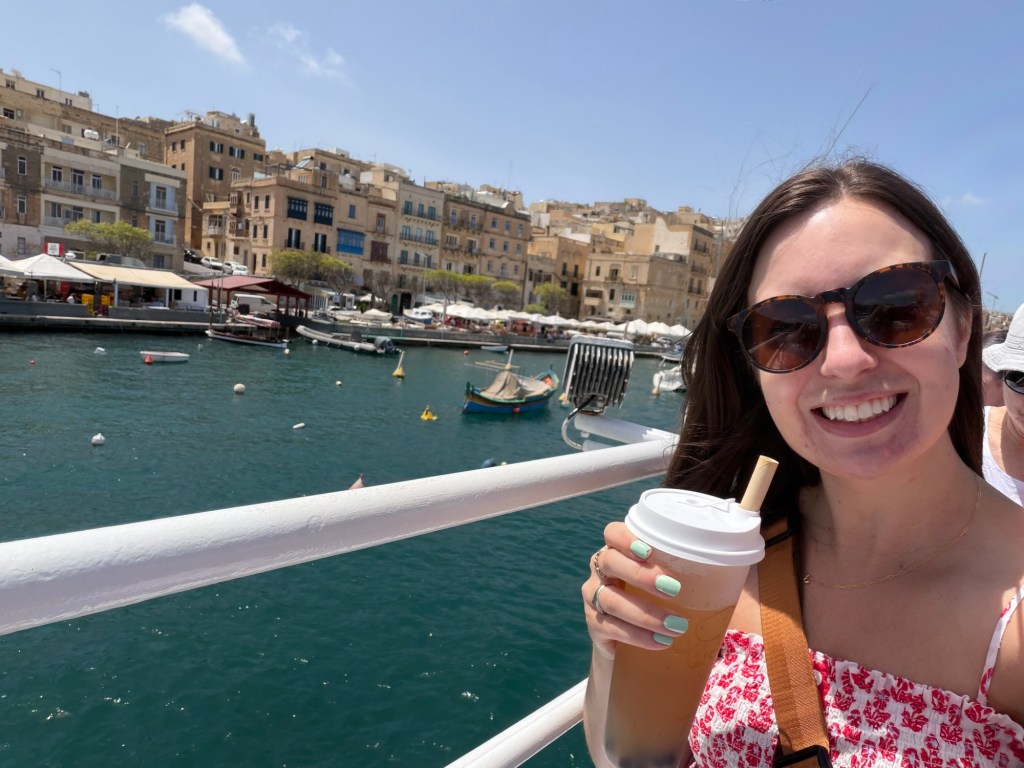
After the walking tour I needed a snack so decided to try a pastizzi, one of the traditional Maltese pastries recommended by the tour guide. They are filled with either ricotta or mushy peas, so I definitely went with the ricotta. I don’t know that I’d want to eat it every day, but for a quick and cheap snack it was pretty good. Then I quickly stopped to get a bubble tea before catching another ferry to the Three Cities, which are located on the harbor on the other side of Valletta.

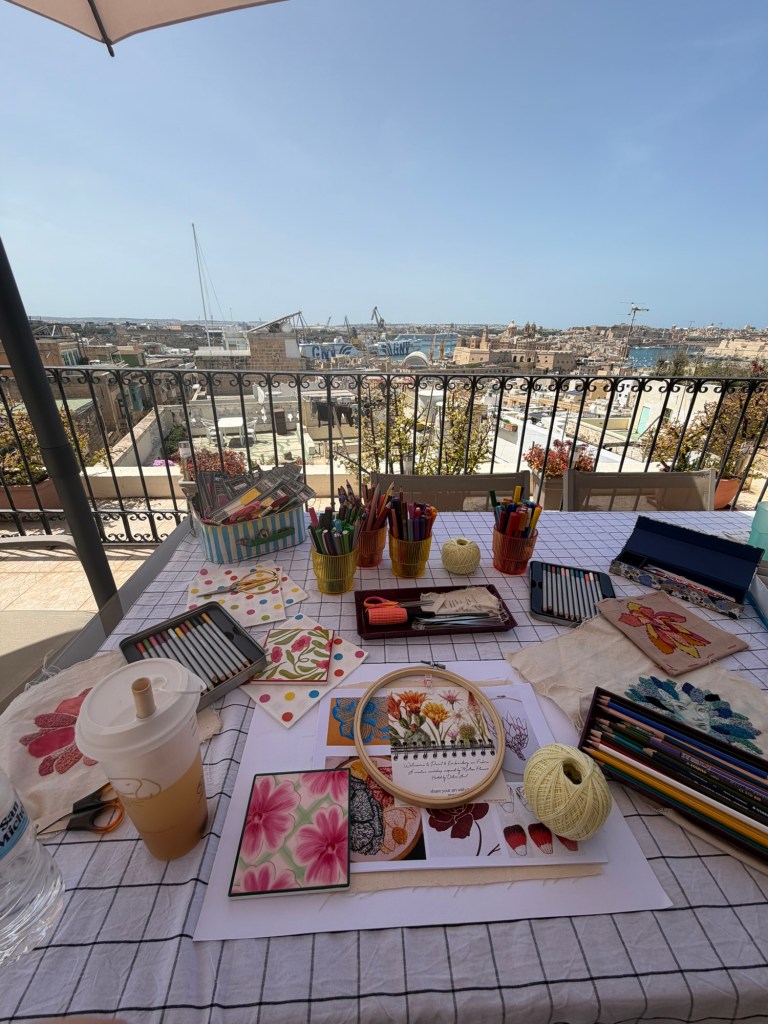
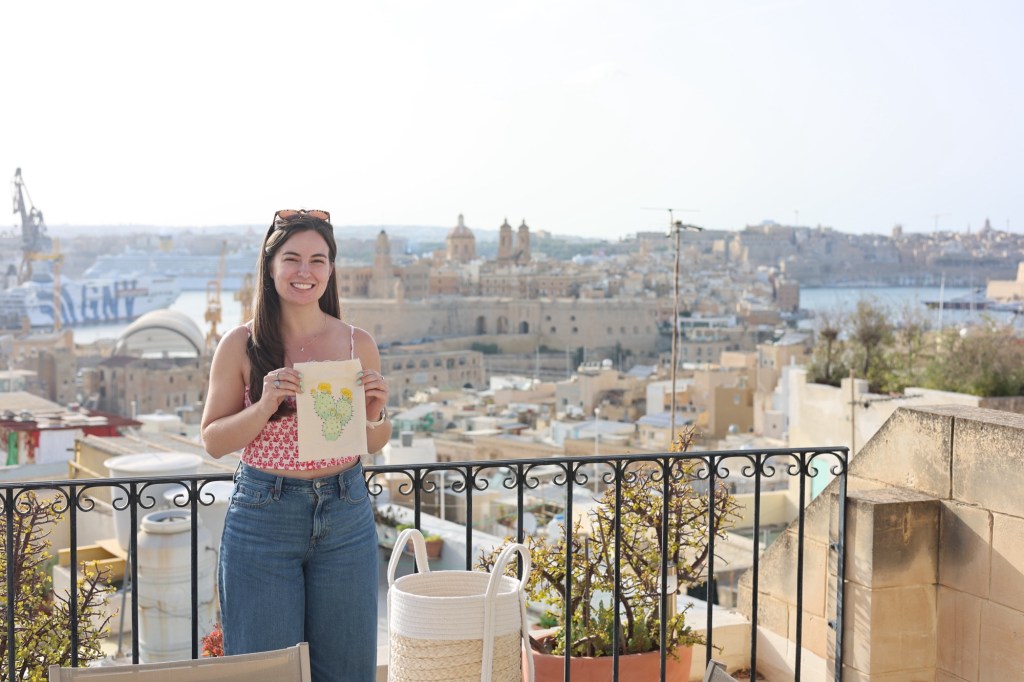
The Three Cities are known for being quieter, more residential areas and the streets I walked down were definitely that. I made my way to a crafting class, which I had booked through Airbnb Experiences. It sounded like a fun way to spend an afternoon and make a souvenir in the process. I met Dilara, the host of the class, at her apartment and she showed me to her balcony with an amazing view of Valletta, where she had laid out all the supplies needed for our drawing and embroidery class. It turns out I was the only one signed up that day, so I had a private class and it was nice to chat and get to go at my own pace. Dilara had printed out pictures of different Maltese flowers to use as inspiration, and I was able to trace and color, and then embroider over the image to add some texture. I asked her which one she thought I would most likely see while I was there and she recommended the Prickly Pear, since they are everywhere (I can confirm this!). I had a great afternoon working on the project and was happy with the finished product that I could take home and frame.

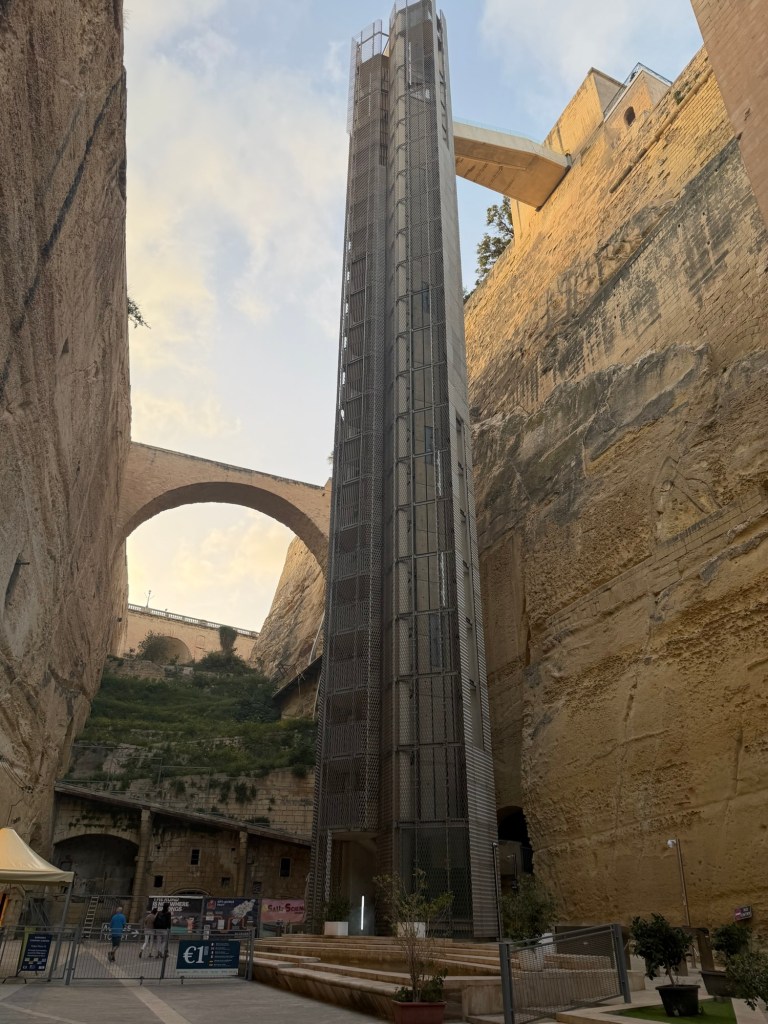
After I finished that up it was getting towards evening, so I took the ferry back to Valleta, walked through the Upper Barrakka Gardens and back through to the ferry to Sliema, which I took back to where I was staying. Overall, a great first day out getting the lay of the land and seeing what Malta is all about!

Categories: Malta - May 2026 | Tags: , , , , , , , , | Leave a comment

Blog at WordPress.com.