DAY 2 – Tuesday, May 5, 2026
I can’t remember the last time I slept for 11 hours, but after a good night’s sleep and a late start to the day, we are officially on London time. We headed out for breakfast at a local café before hopping on the Tube into Central London.
For the day, we decided to follow the Rick Steves City Walk Tour through historic Old London. It turned out to be a great decision. The weather was lovely, the city was buzzing, and we learned a tremendous amount while wandering through streets that have existed for centuries.
Our first stop was St. Clement Danes Church. While we didn’t go inside, we learned more about the Great Fire of London in 1666, which destroyed 13,200 houses, 87 parish churches, the Royal Exchange, Guildhall, and even St. Paul’s Cathedral. At just 37 years old, Sir Christopher Wren was commissioned to oversee the rebuilding of St. Paul’s Cathedral along with 51 of the city’s churches after the fire.
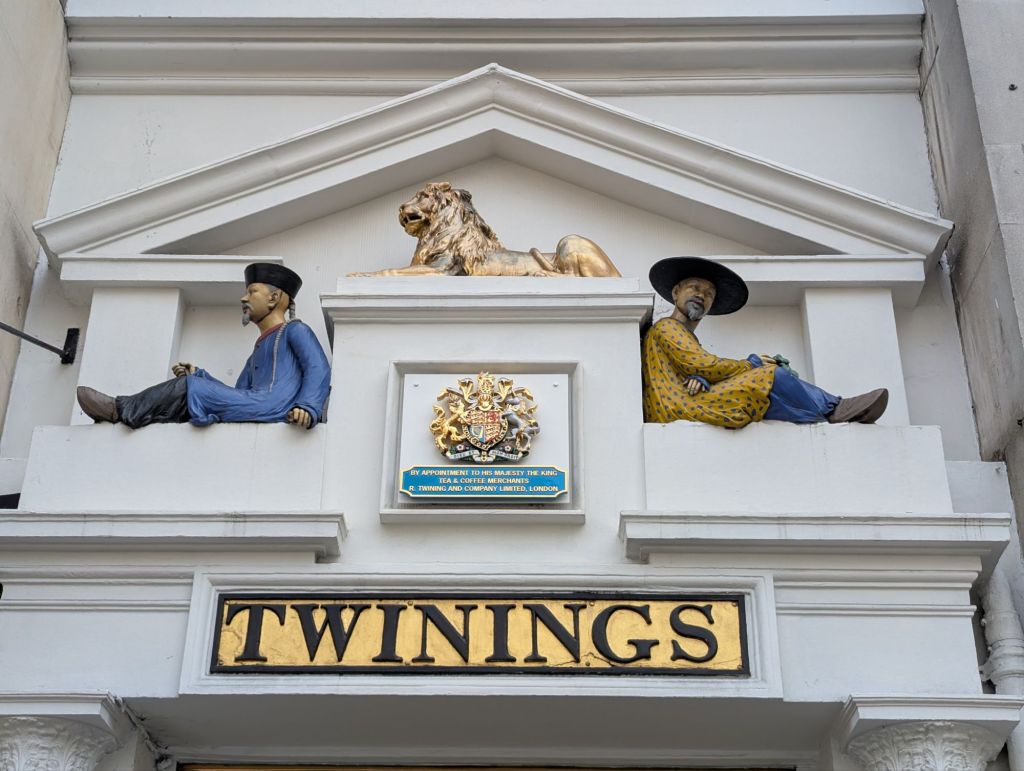
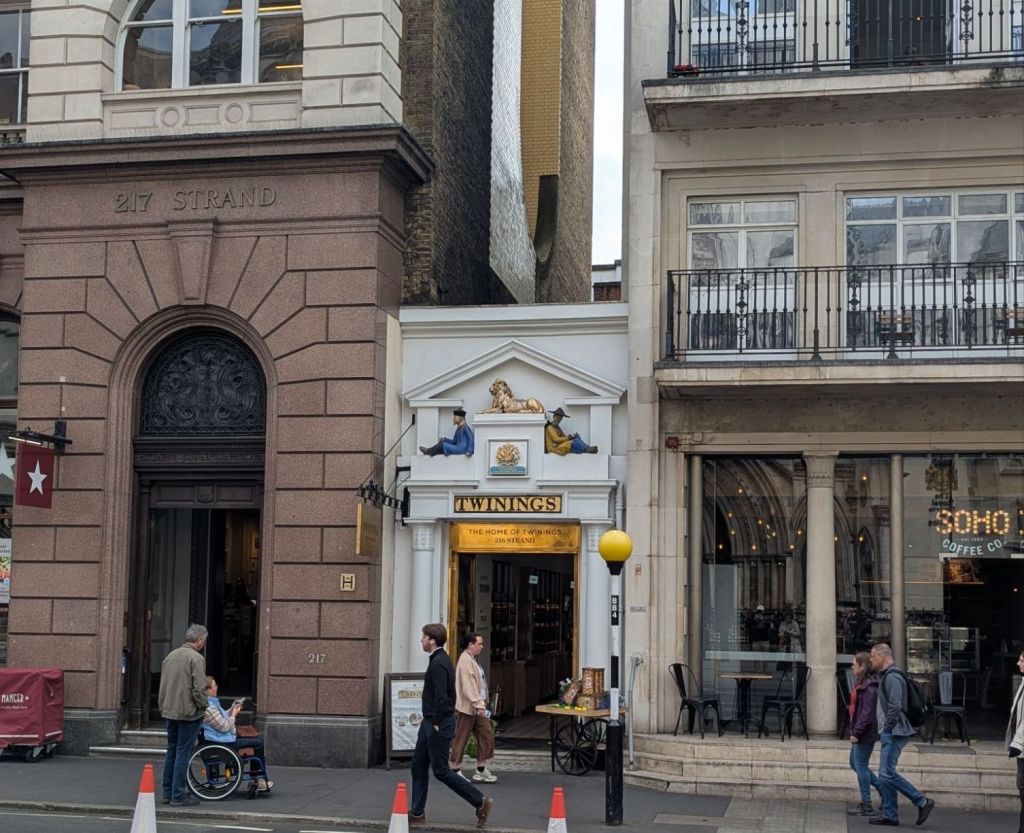
Located just down the street is the original Twinings tea shop. We made a quick stop and a mental note to return later after our Cotswolds walking tour. It seemed dangerous to start buying tea this early in the trip unless we wanted to haul it around England for the next two weeks.
As we walked along Fleet Street, we passed several churches designed by Sir Christopher Wren. It was fascinating to see the different architectural styles he used for each one. St. Bride’s Church was the first to feature a tiered steeple. Legend has it that the church inspired a London baker to create the first tiered wedding cake. (The name St. Bride’s is apparently just a coincidence, though it certainly worked out well for their marketing department.)
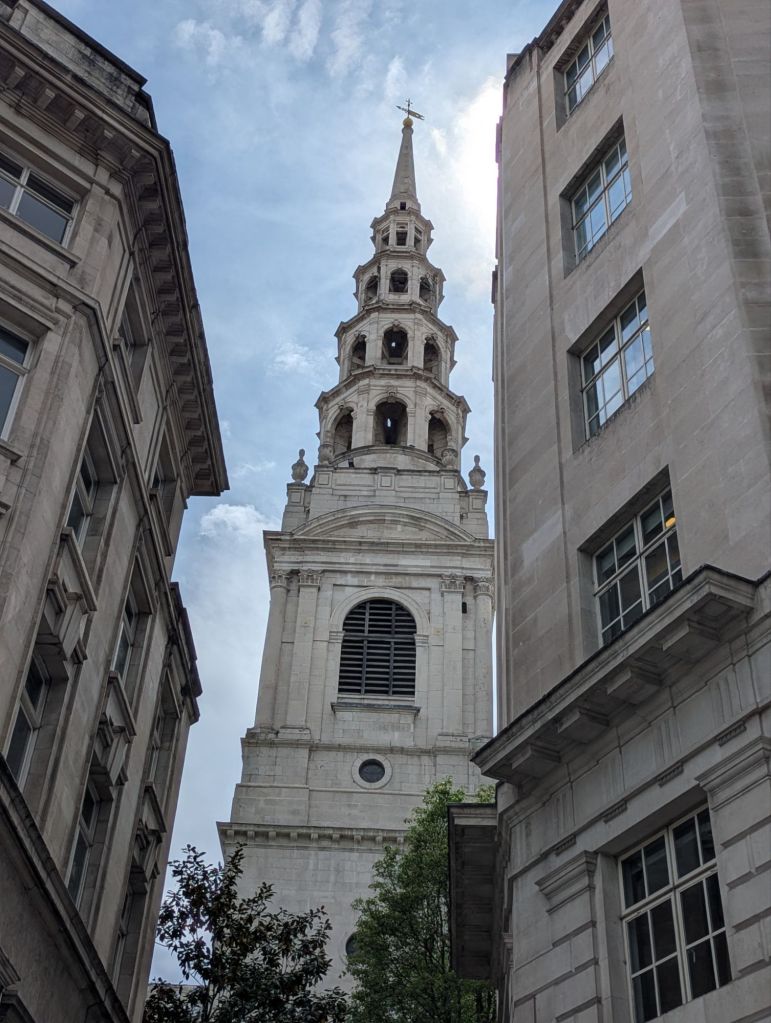
After the Great Fire, Londoners realized rebuilding with brick and stone might be preferable to watching the entire city burn down again. Despite the devastation, the rebuilt city maintained its maze of narrow alleyways and hidden courtyards, which gives this part of London so much character today.
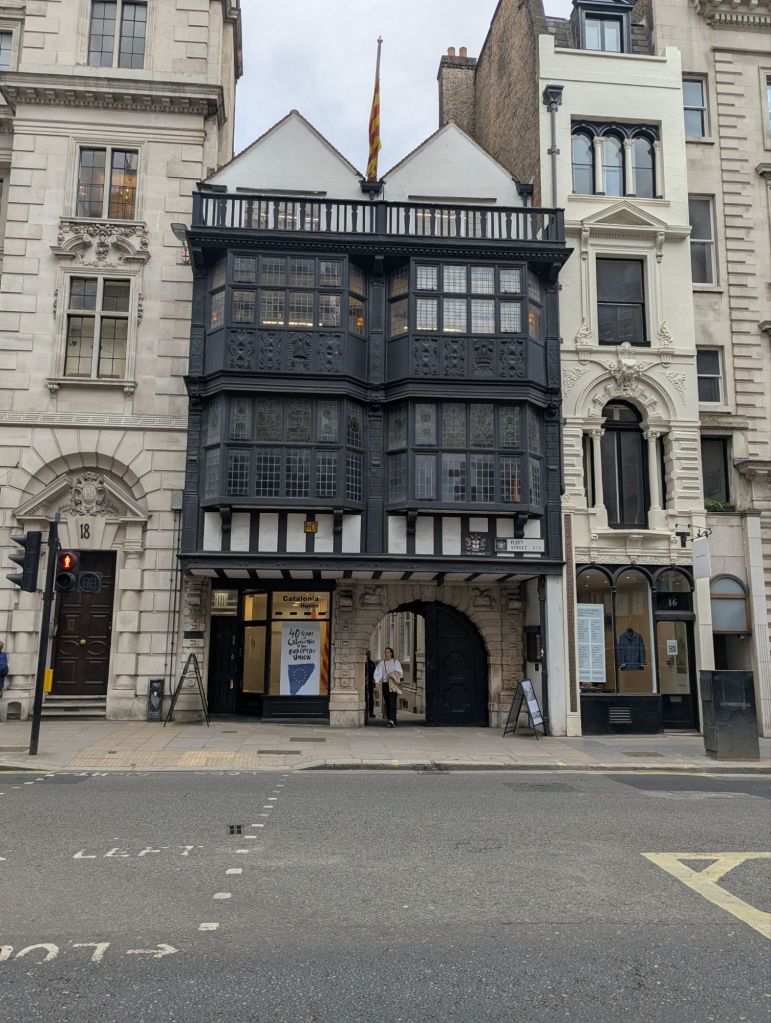
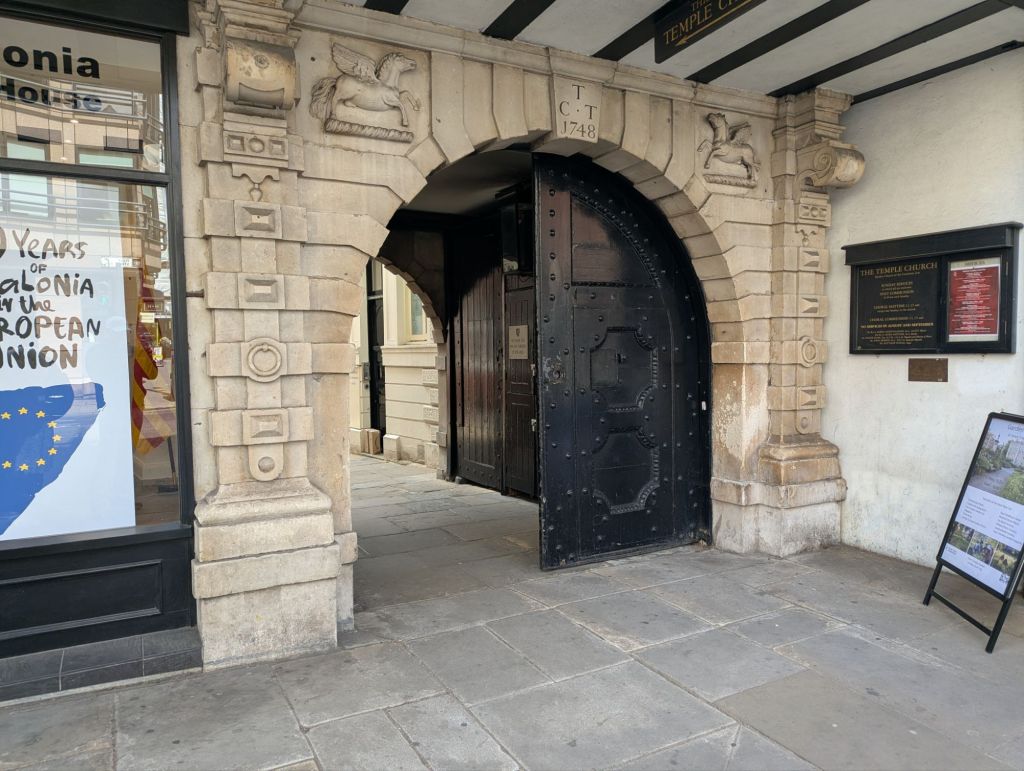
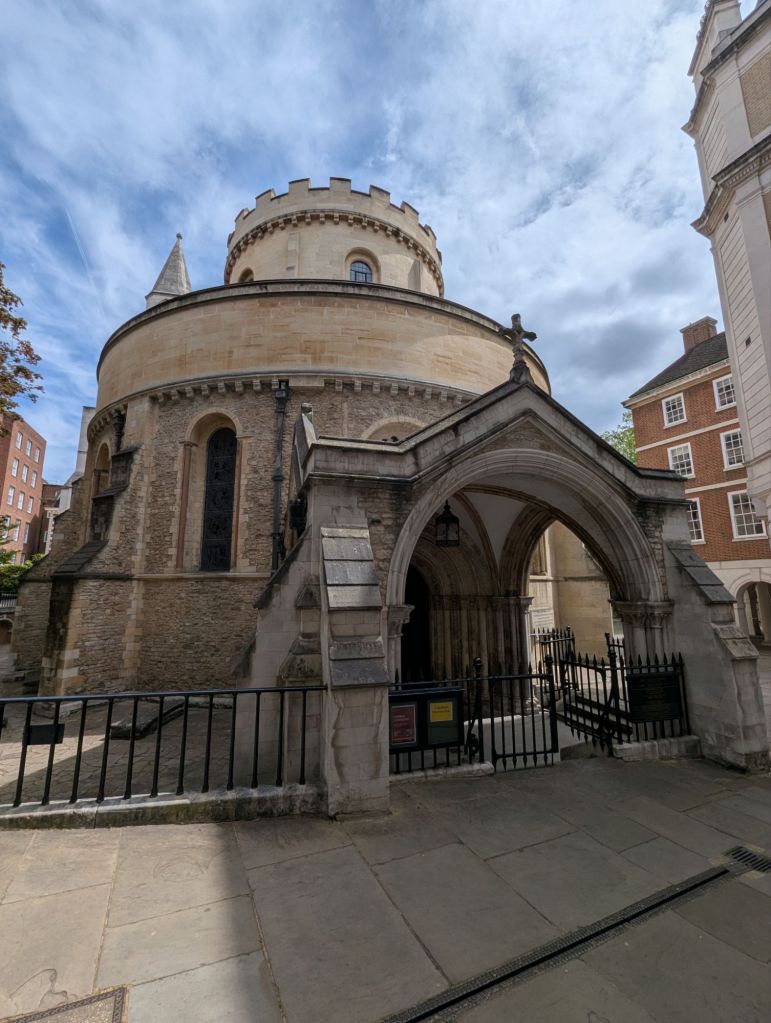
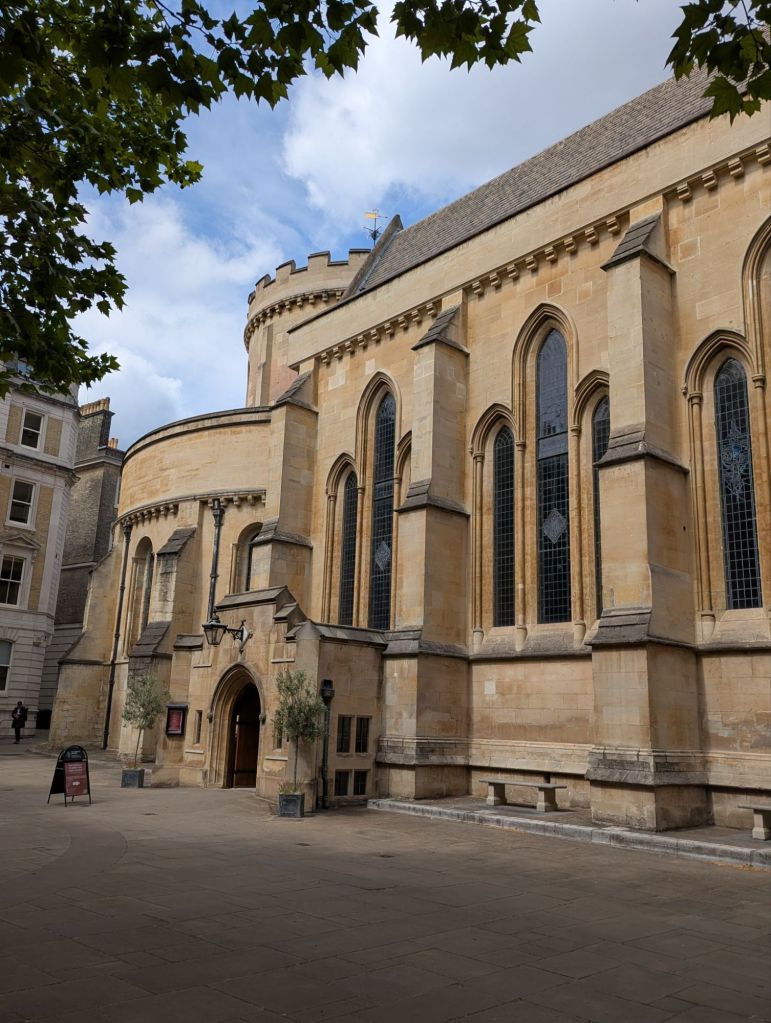
Along our walk, we saw one surviving Tudor-style wooden house, Prince Henry’s Room, which somehow survived the fire. You actually pass through an archway beneath the building to reach Temple Church, built by the Knights Templar and made famous in Dan Brown’s book The Da Vinci Code. Several of the knights are entombed inside the church.
As we moved closer to the city center, the architecture changed dramatically. Much of Central London was heavily damaged during the Blitz of World War II, so many of the buildings constructed afterward are taller, sleeker, and far more modern looking than the older sections of the city.
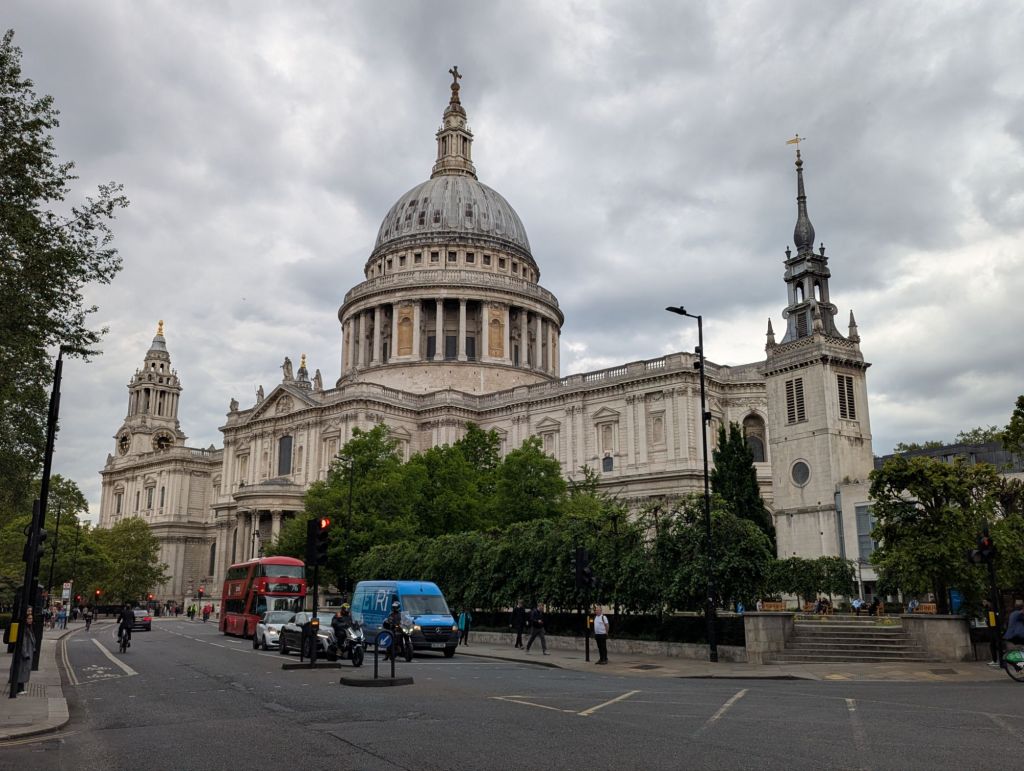
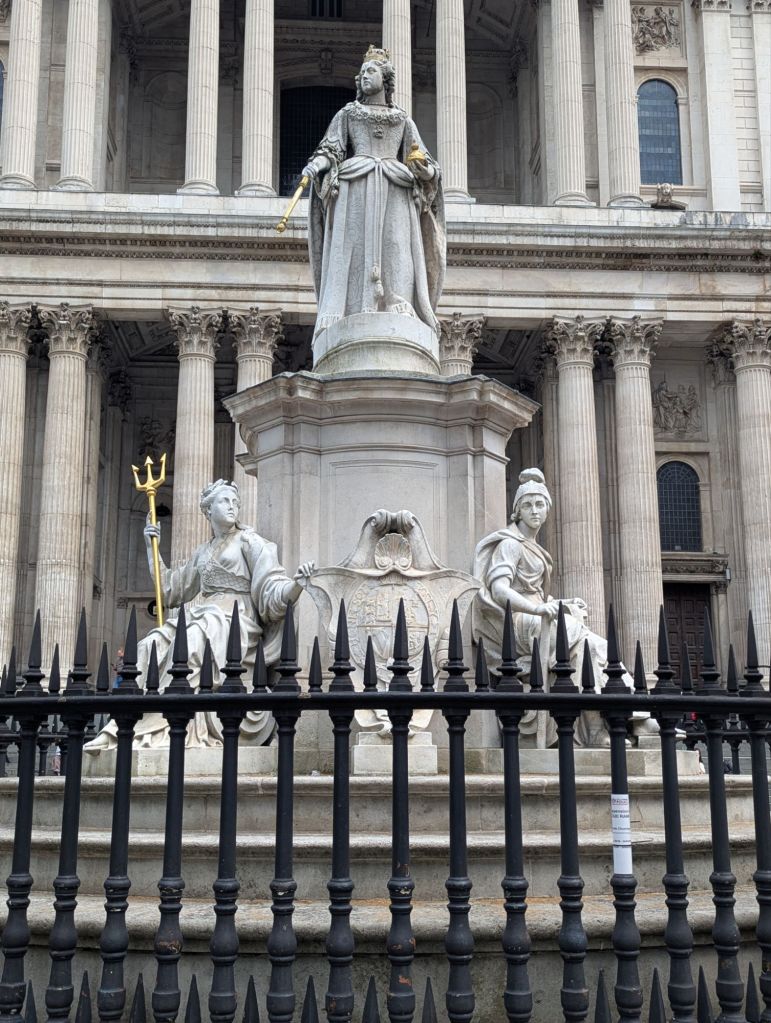
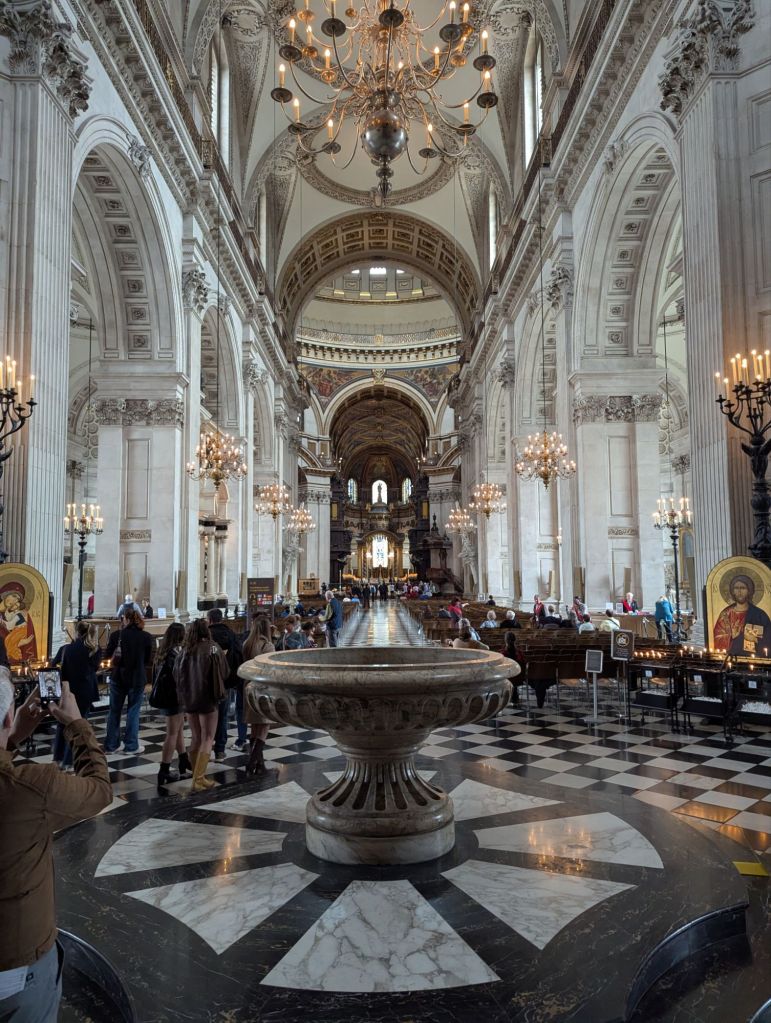
Along the way, we stopped for a quick lunch before making it to St. Paul’s Cathedral just in time for our 2:00 PM timed-entry tickets. Rather than using the cathedral’s official audio tour, we listened to another Rick Steves tour and really enjoyed exploring this incredible cathedral at our own pace.
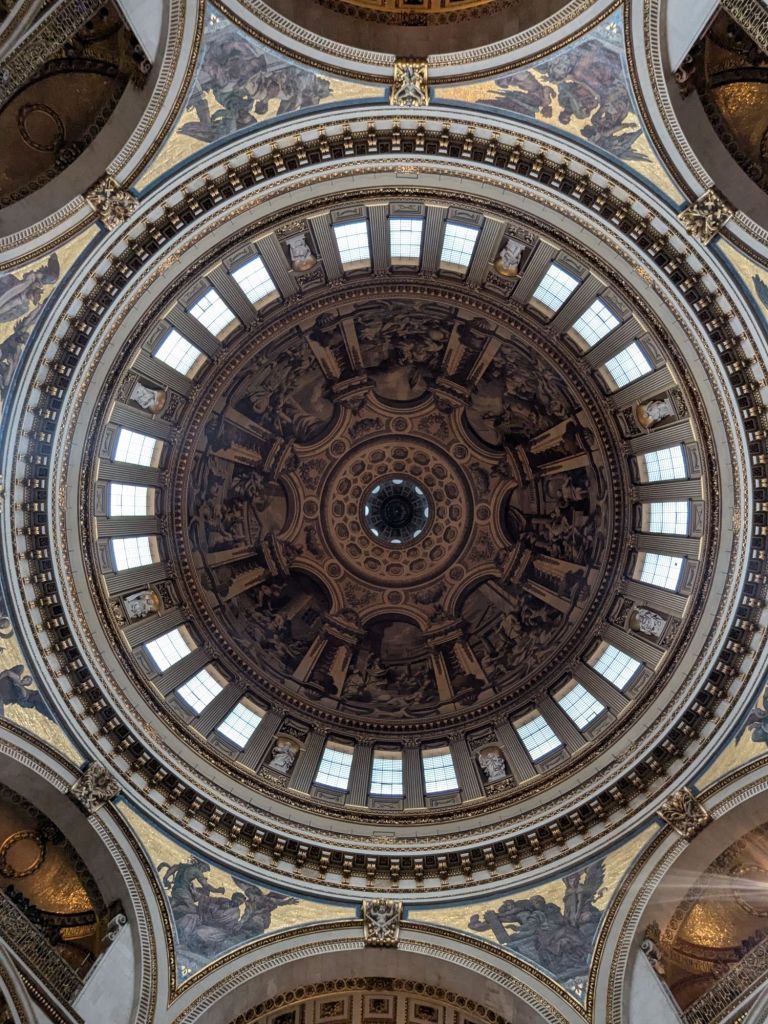
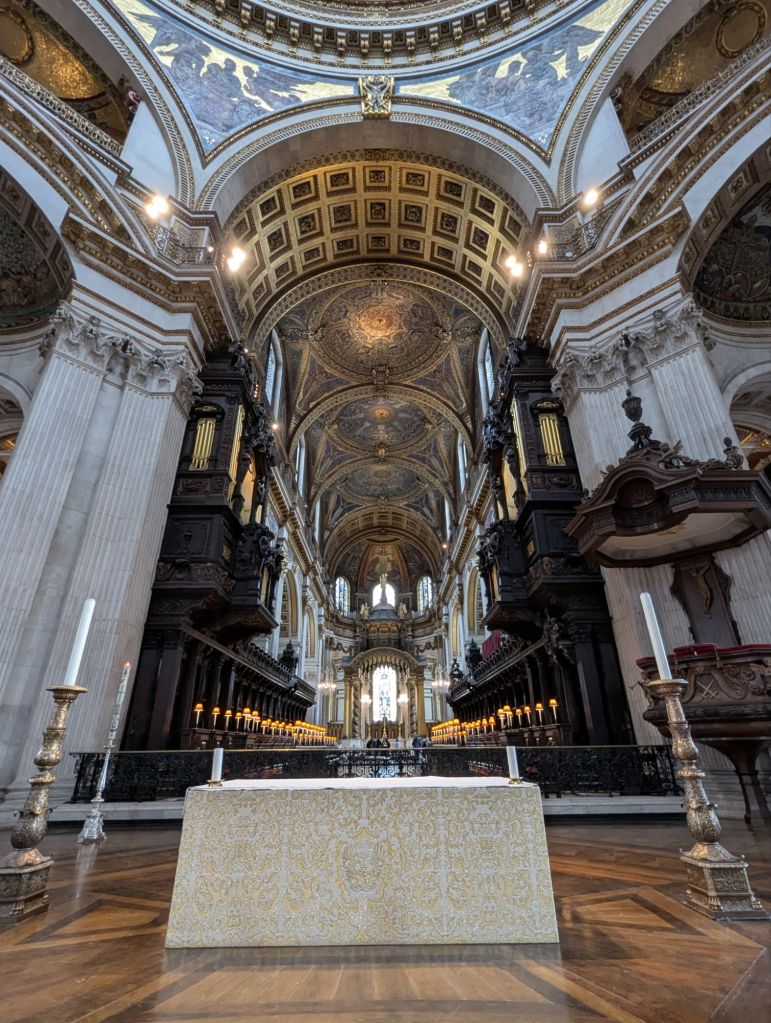
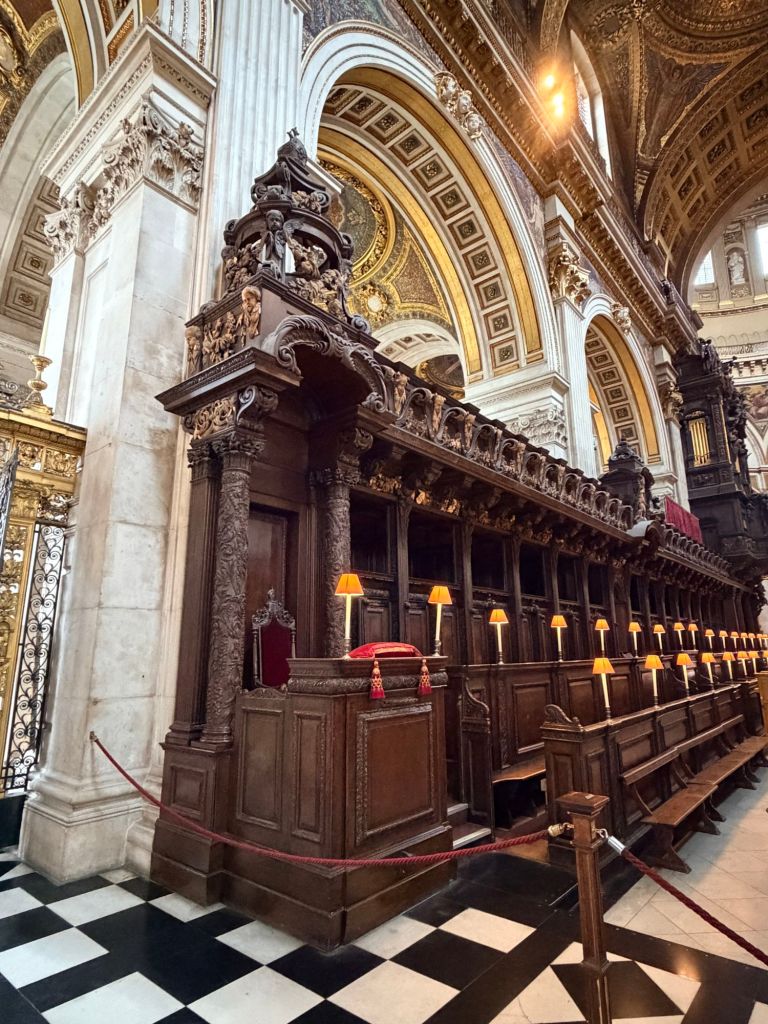
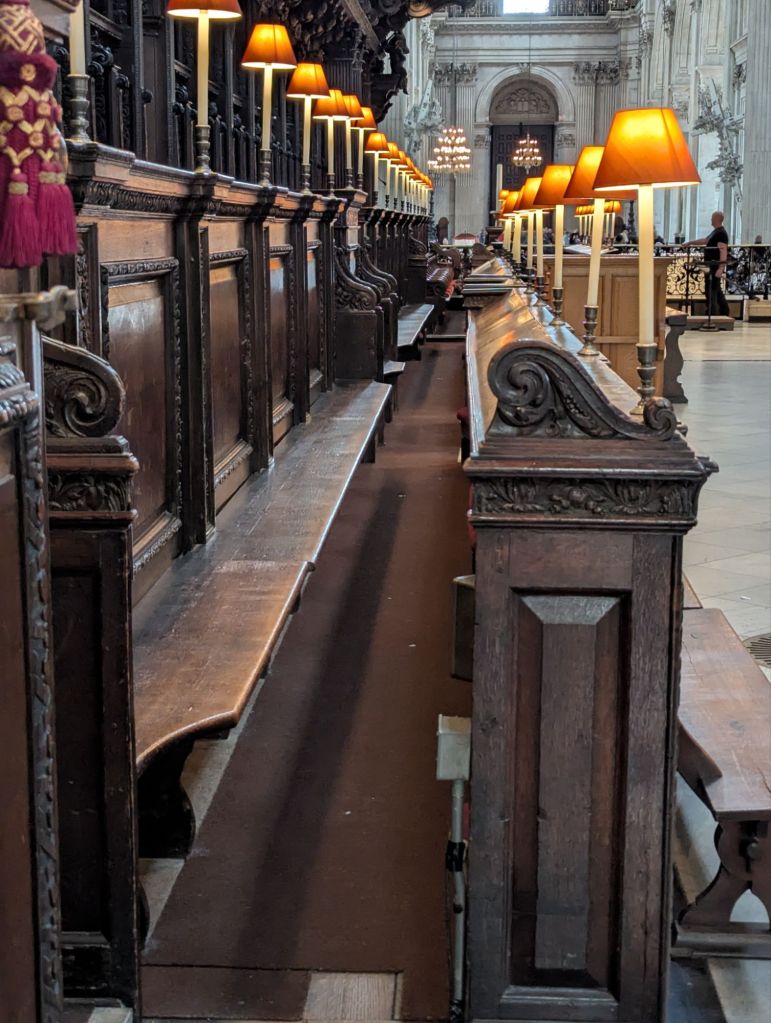
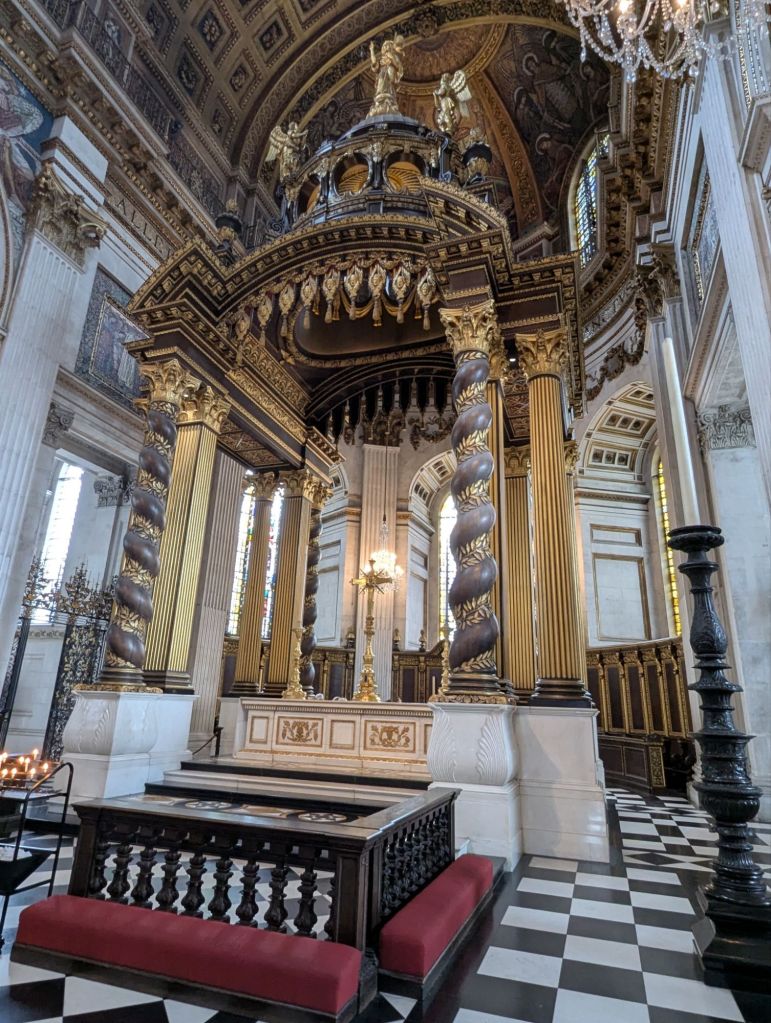
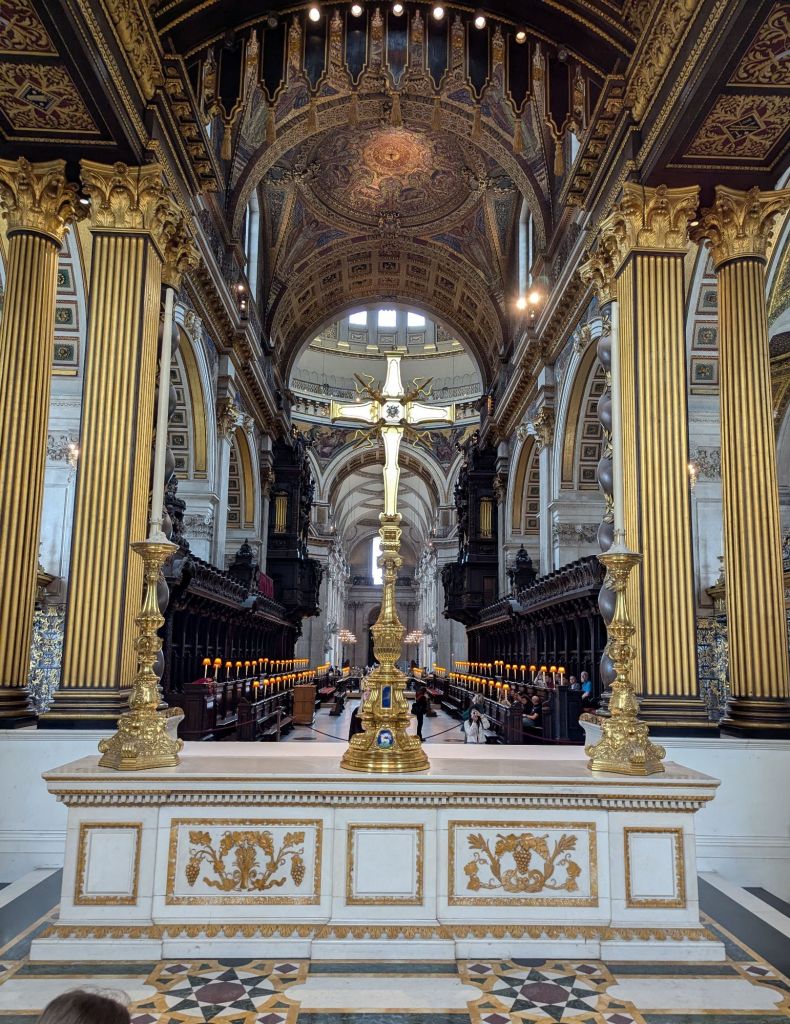
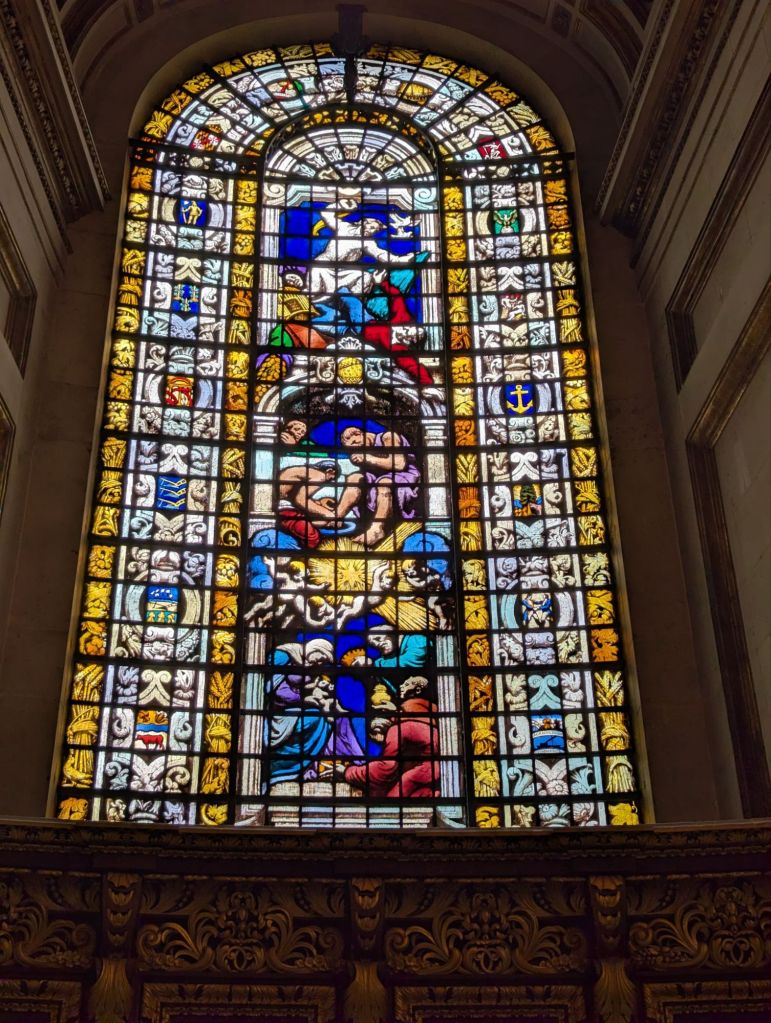
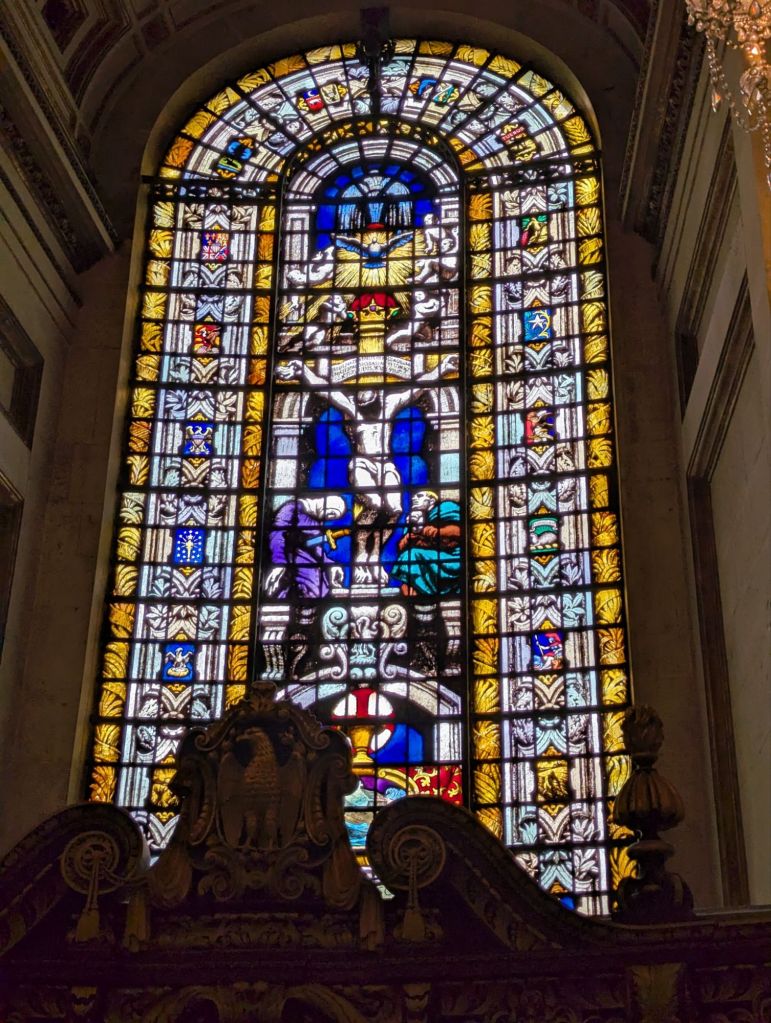
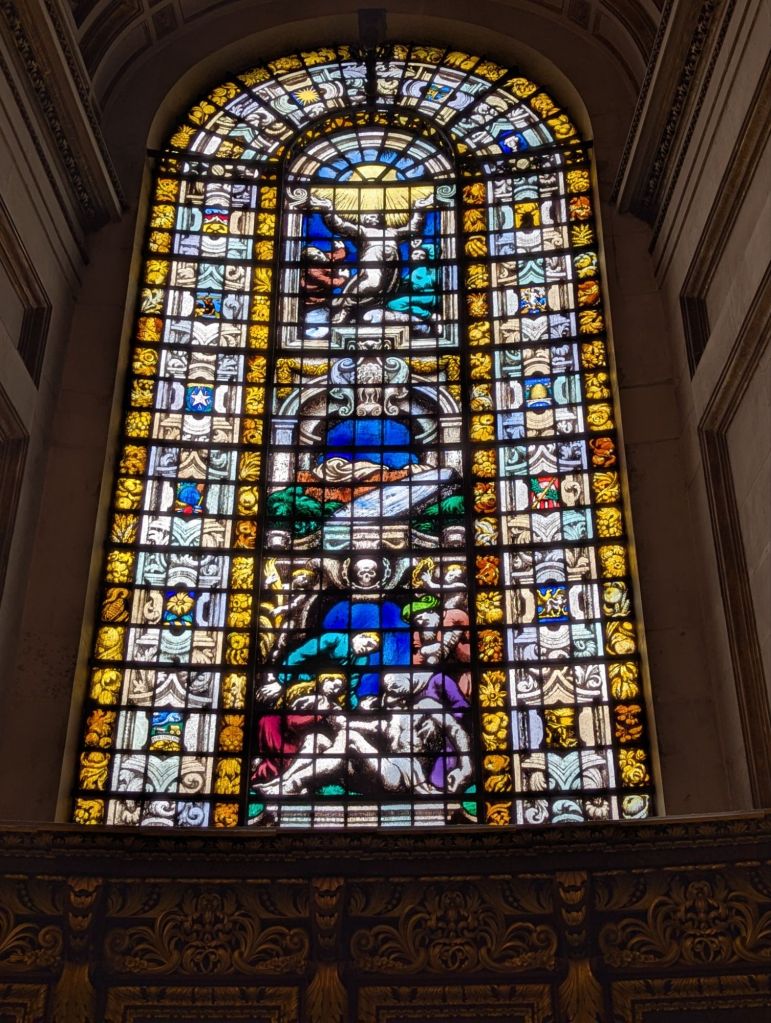
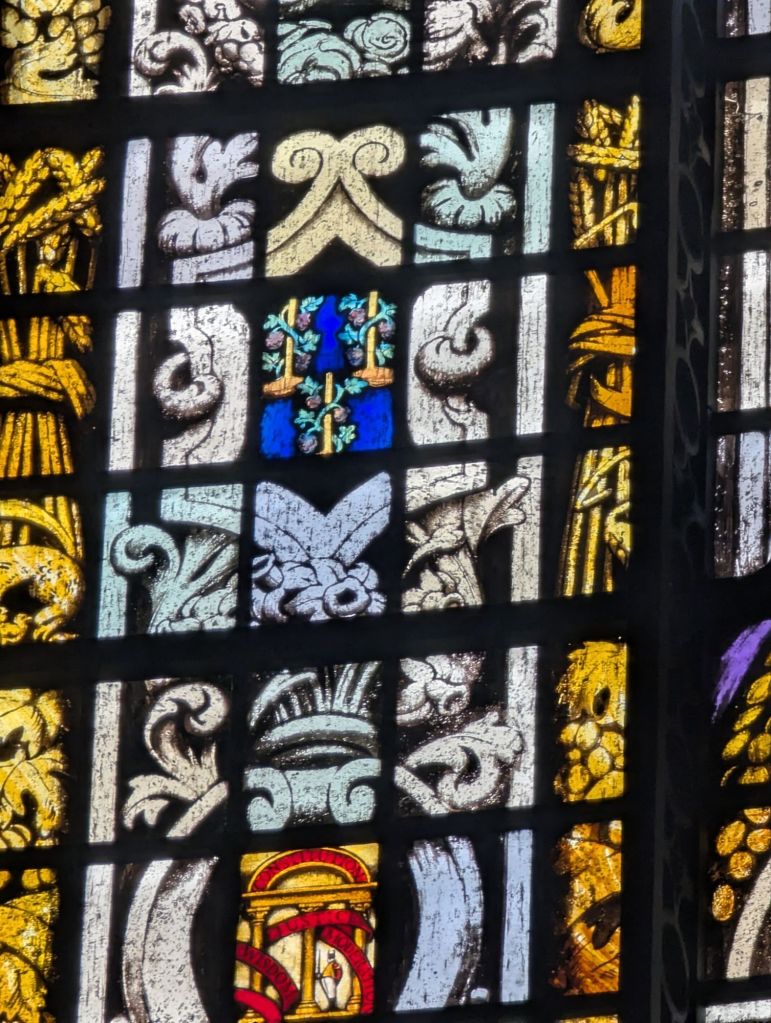
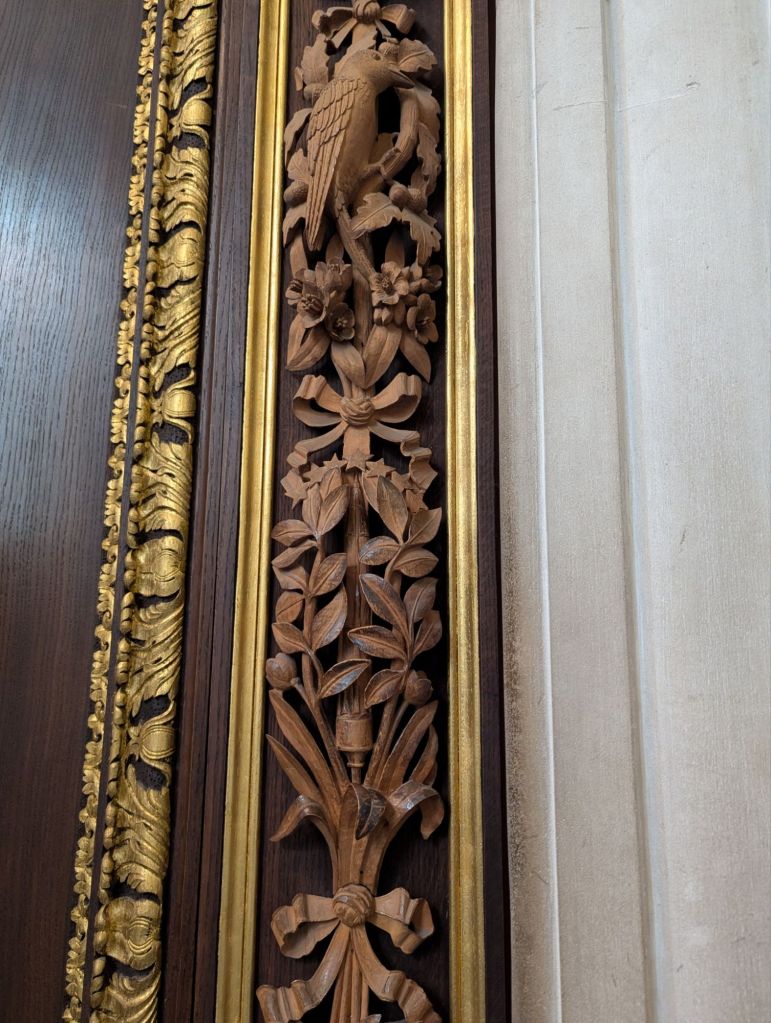
One particularly meaningful part of the cathedral is the American Memorial Chapel located behind the high altar. The memorial includes three large stained glass windows featuring biblical scenes surrounded by images representing the U.S. President and the 48 states and four U.S. territories that existed in 1958. Below the windows are wood carvings of American birds and plants. If you look closely at the far-right panel, you can even spot a NASA rocket tucked behind the leaves.
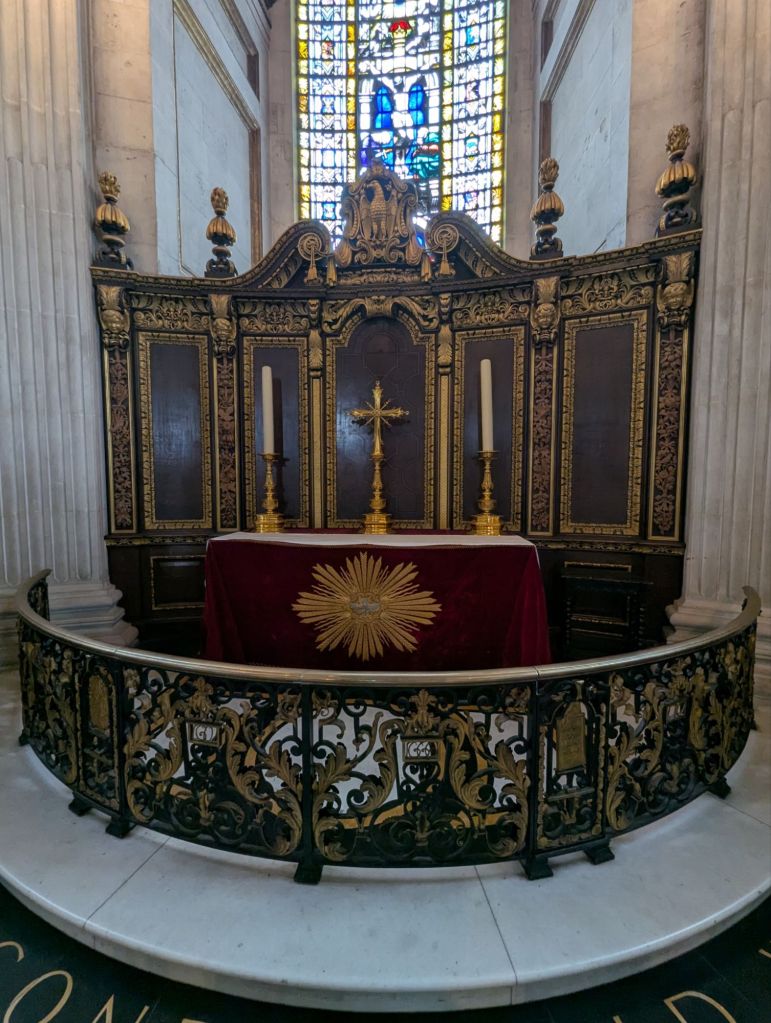
Directly behind the altar sits a 473-page memorial book containing a personal message from General Eisenhower along with the names and information of the 28,000 American soldiers who died in Britain during World War II. It was an incredibly moving reminder of the long-standing partnership and shared sacrifices between our countries.
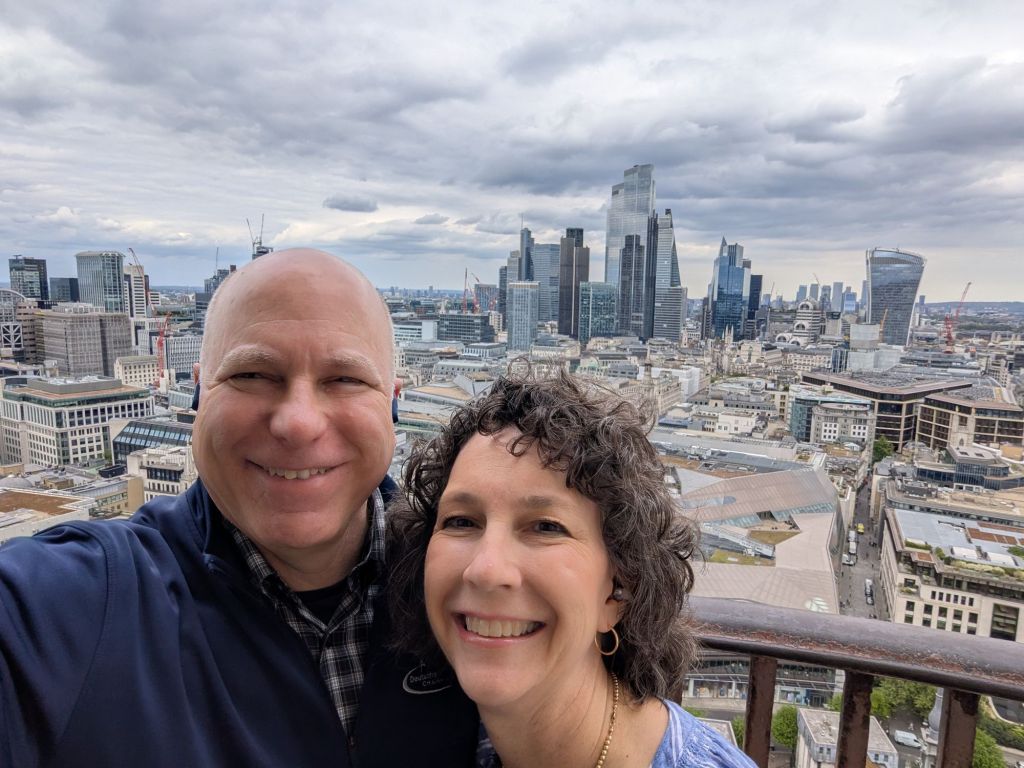
Our tour also included a substantial climb to the dome. First came the interior Whispering Gallery, followed by even more stairs through increasingly narrow passageways to the outdoor Stone Gallery, and finally the Golden Gallery at the very top. By the end, our legs were questioning our life choices, but the 360-degree views of London were absolutely worth it.
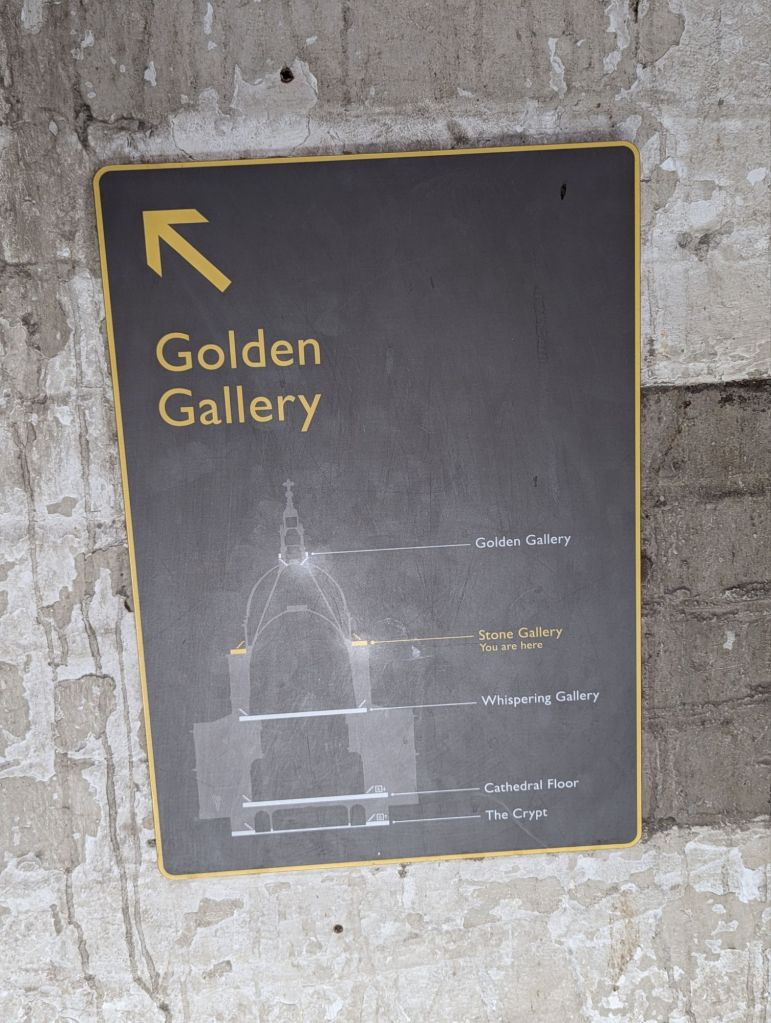
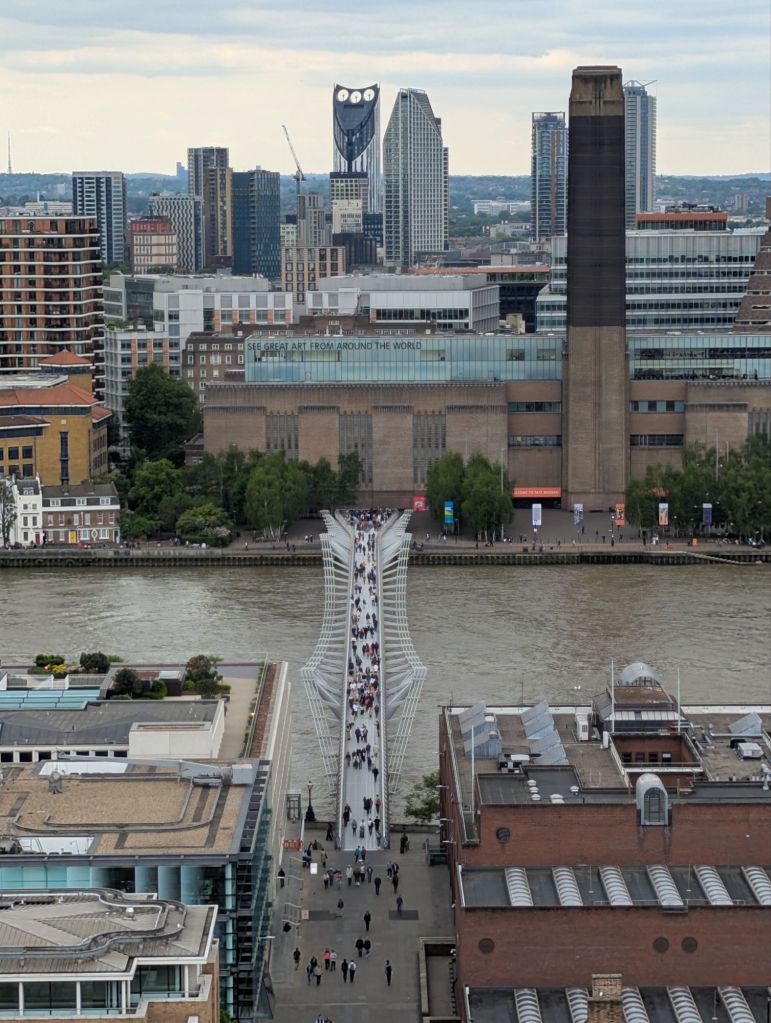
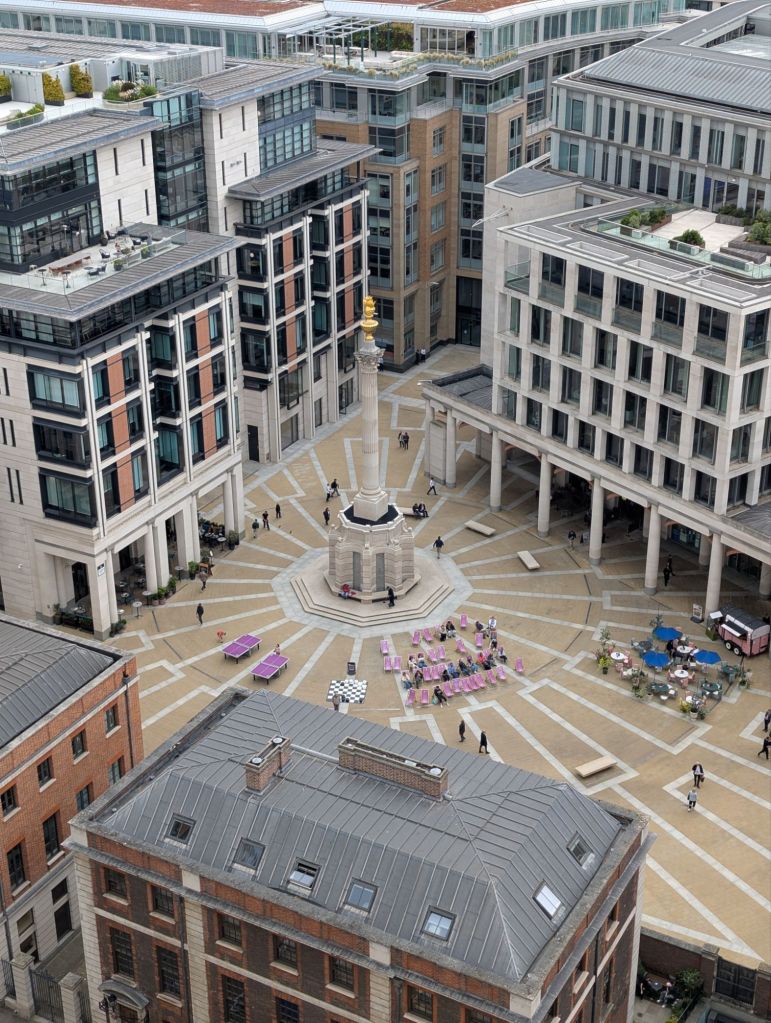
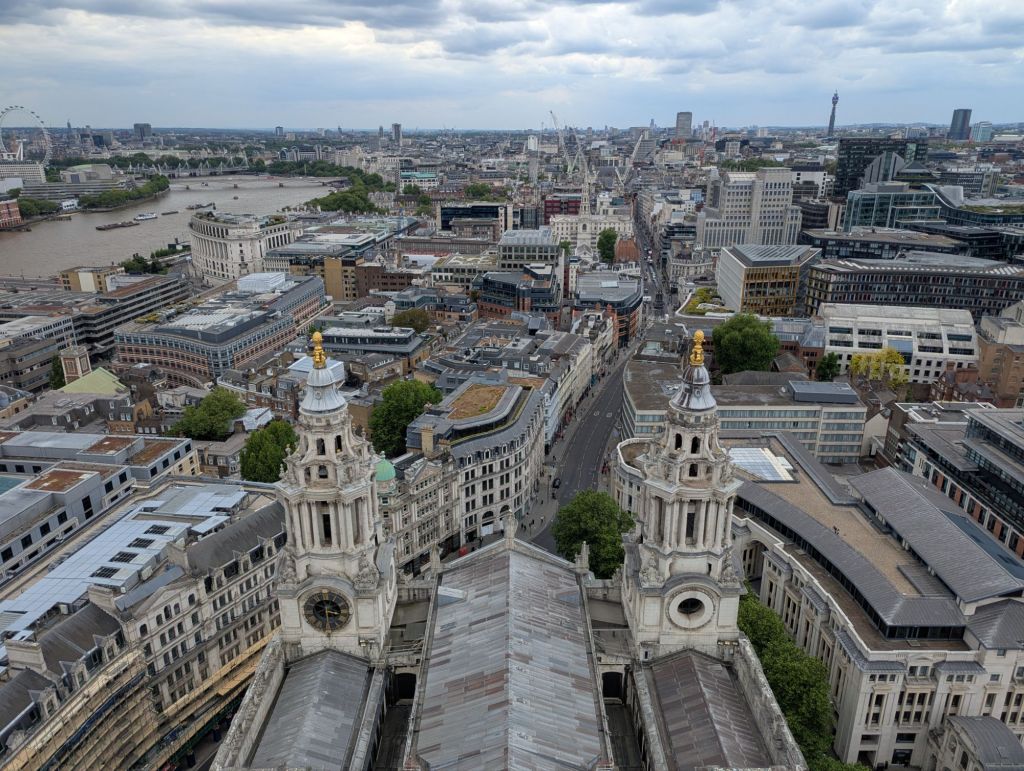
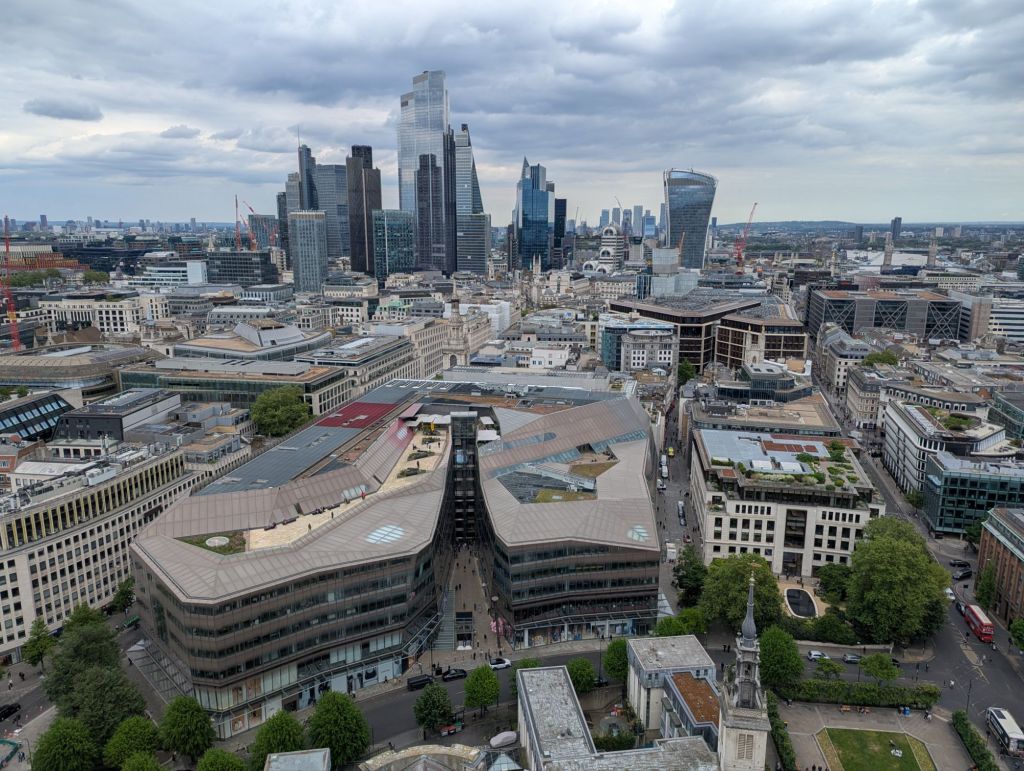
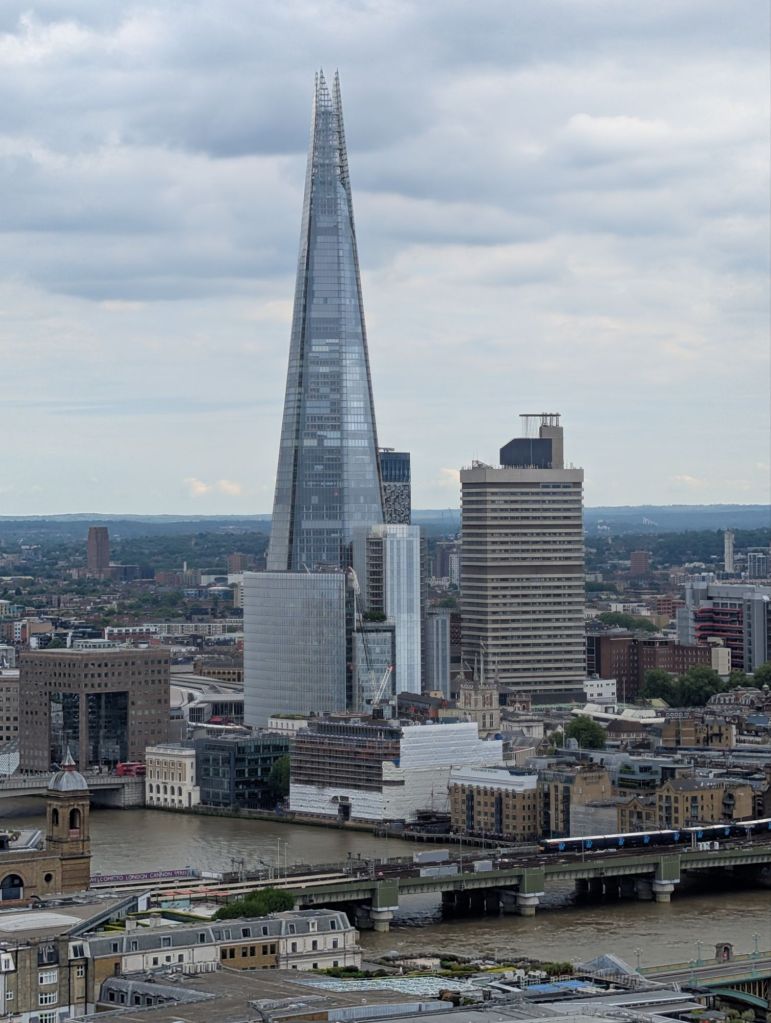
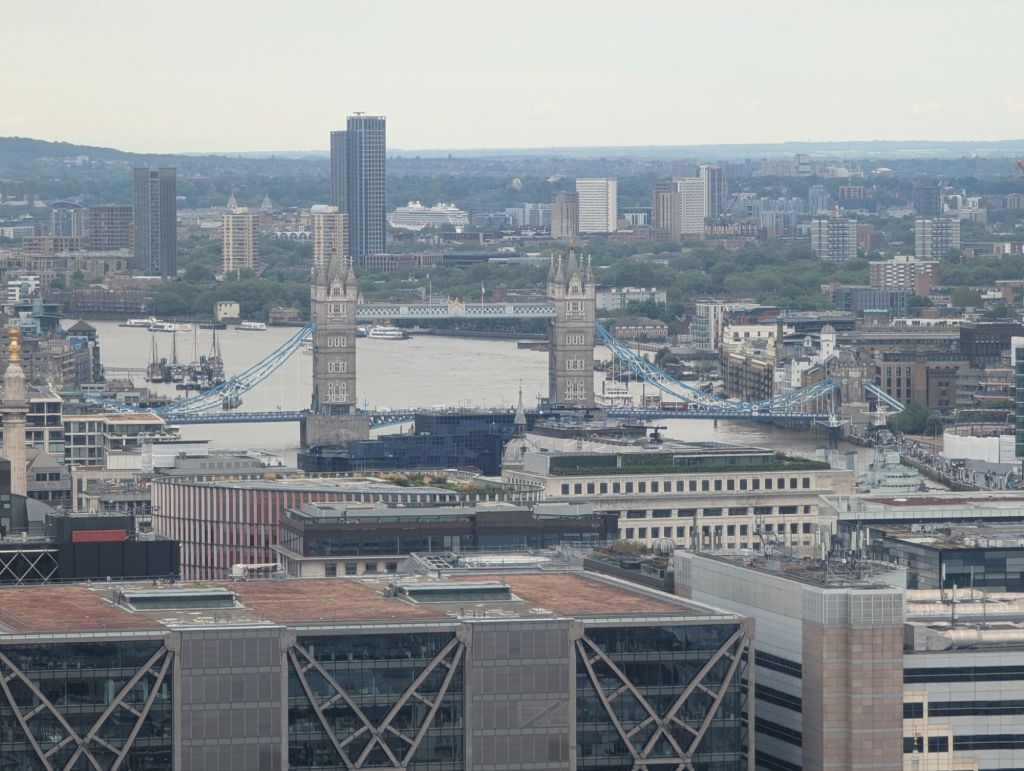
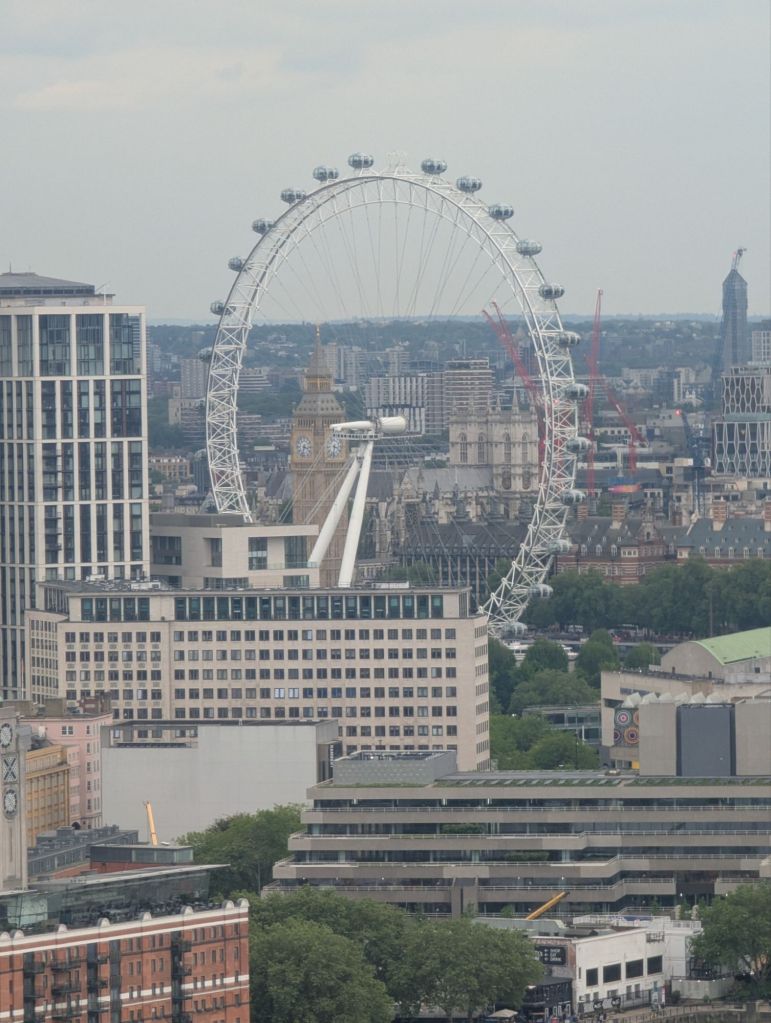
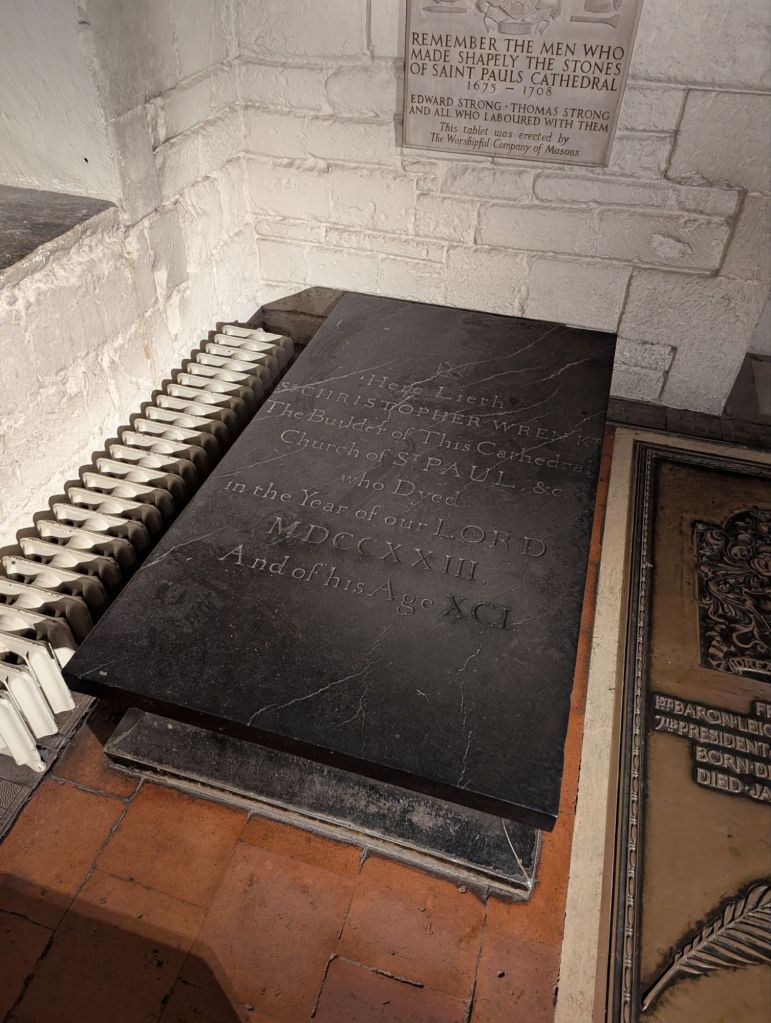
The final stop on our cathedral tour was the crypt. Among those entombed there is Sir Christopher Wren himself, who spent more than 30 years completing the restoration of St. Paul’s Cathedral. His tomb is marked with the fitting inscription: “If you seek his monument, look around you.”
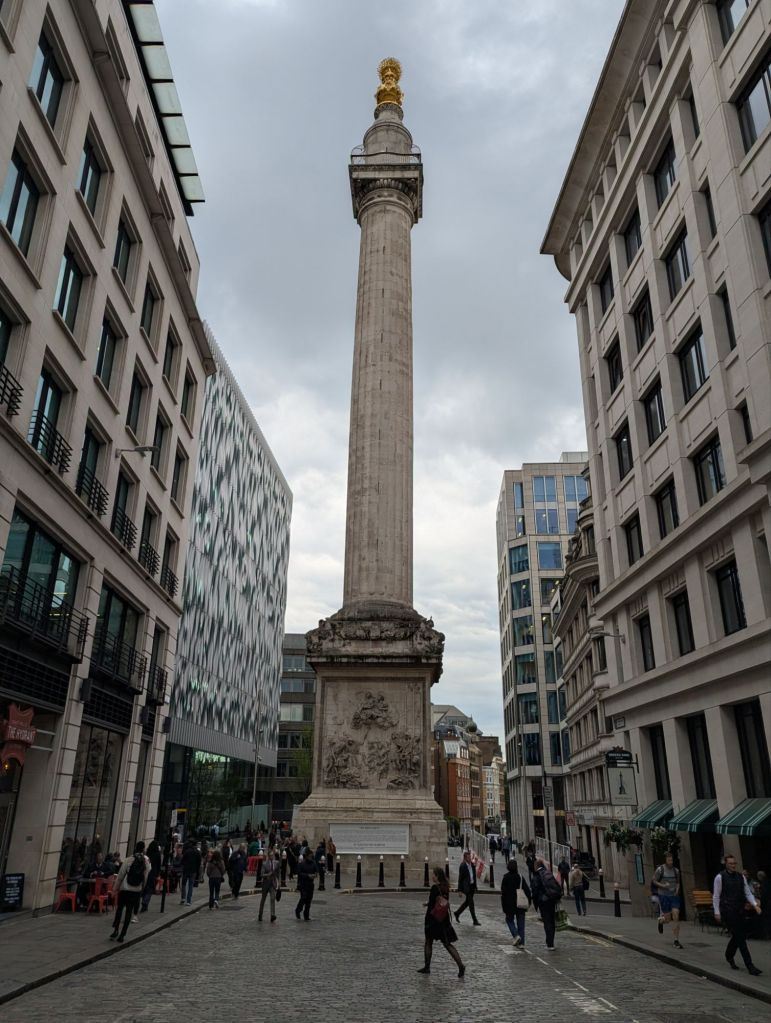
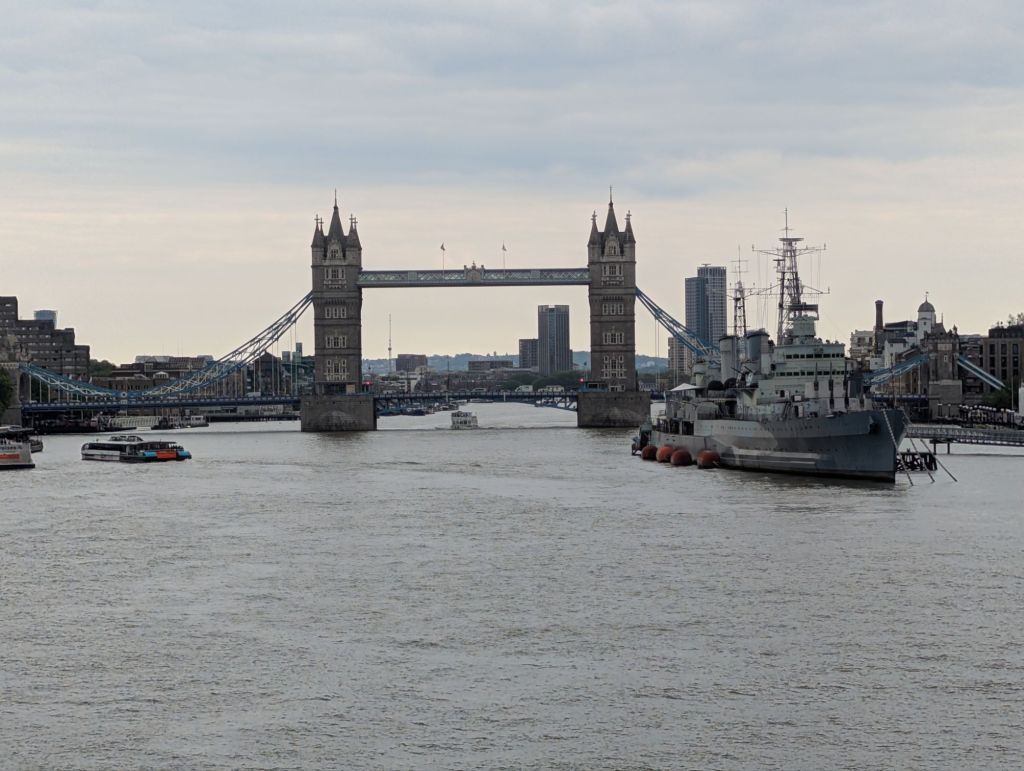
After completing our cathedral visit, we continued our city walking tour through London’s financial district, past the Monument to the Great Fire of 1666, which stands near the spot where the fire reportedly began in a bakery, and across London Bridge. We are happy to report that it was not falling down, although it did provide a great view of nearby Tower Bridge.
We had just enough time to double back past St. Paul’s and meet our daughter Kelsey’s Smith College bestie, Aditi, for dinner. Aditi and her husband now live in London. While we were sorry James couldn’t join us, we had a fabulous evening catching up with Aditi and loved having the opportunity to see her again.
After dinner, we were more than ready for our Tube ride back to the hotel, where we made plans for the next day and called it a night.

