DAY 13 – SATURDAY, MAY 16, 2026
After a week of packing our bags every morning in the Cotswolds, it felt wonderful to wake up knowing we were staying put for two nights. We happily slept in a bit, still catching up on rest after our hiking adventure.
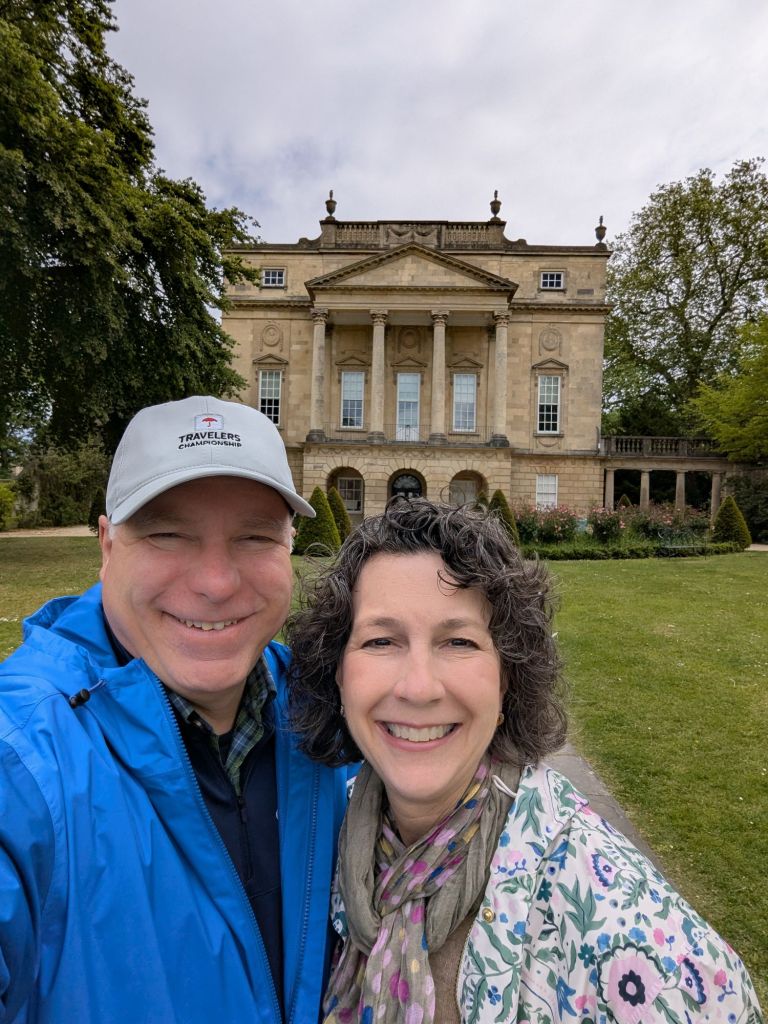
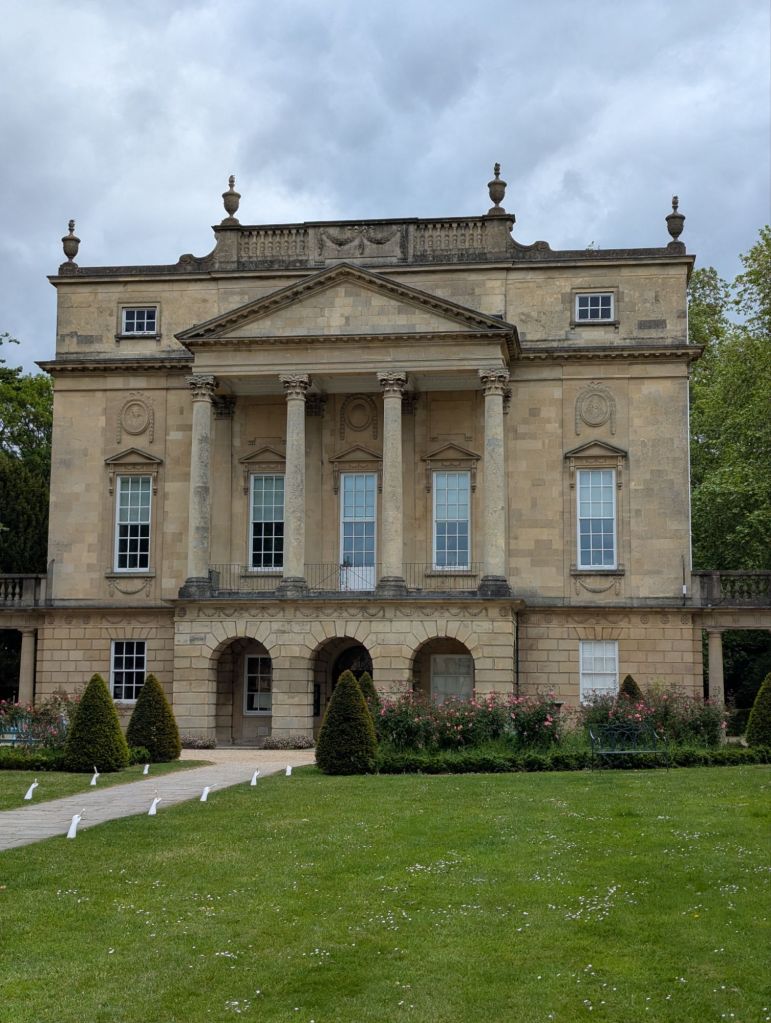
Our first stop of the day was one final Bridgerton filming location. The beautiful Holburne Museum is just a block from our hotel and serves as the exterior of Lady Danbury’s house in the series. While we did not tour the museum itself, we did enjoy breakfast in the lovely café.
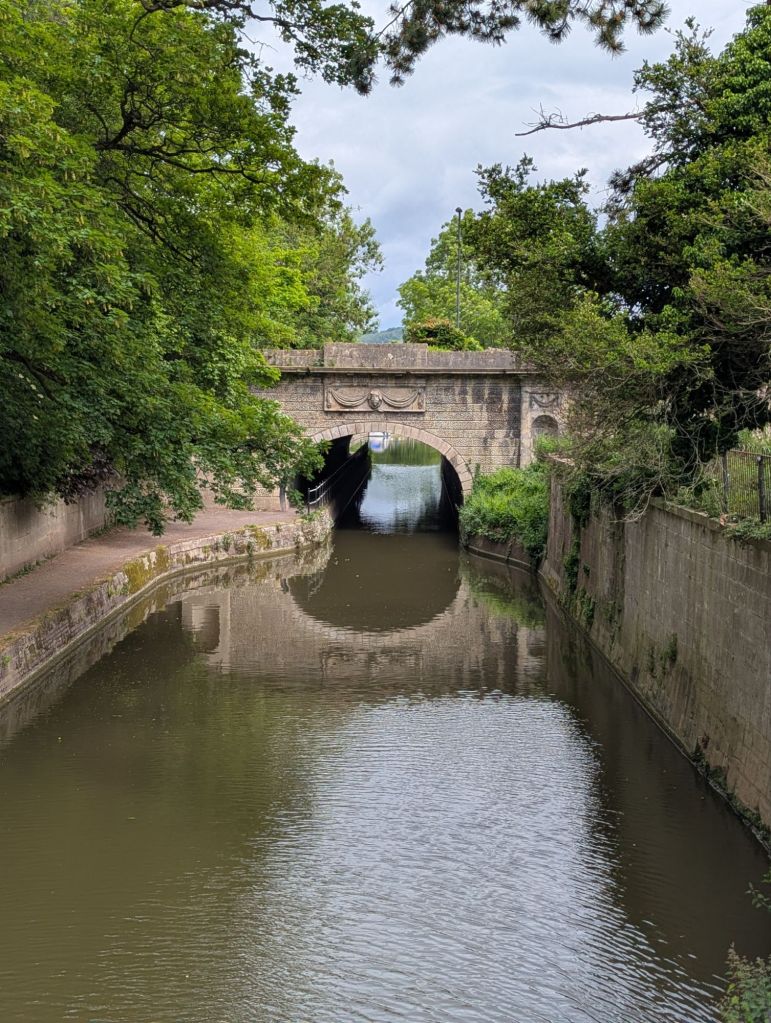
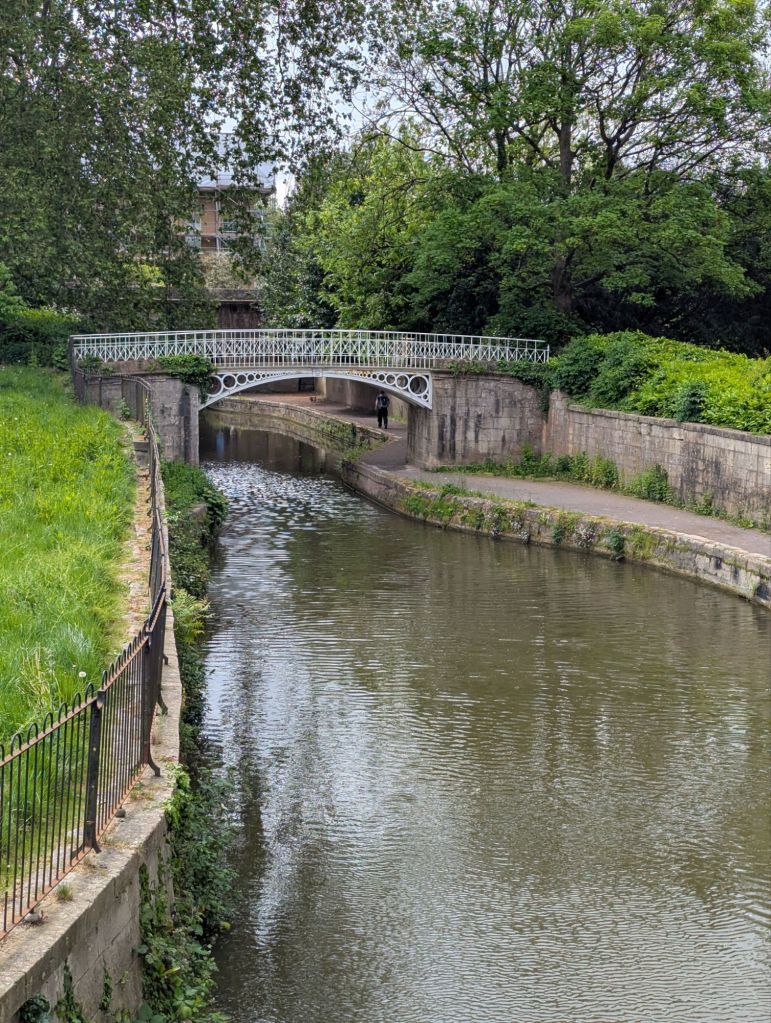
After breakfast we wandered through Sydney Gardens, the historic park located just behind the museum. Dating back to the late 1700s, it is one of England’s few surviving Georgian pleasure gardens and was a favorite walking spot of Jane Austen during the years she lived in Bath. With tree-lined paths, flowers blooming, and the Kennet & Avon Canal passing nearby, it was easy to see why she enjoyed spending time there.
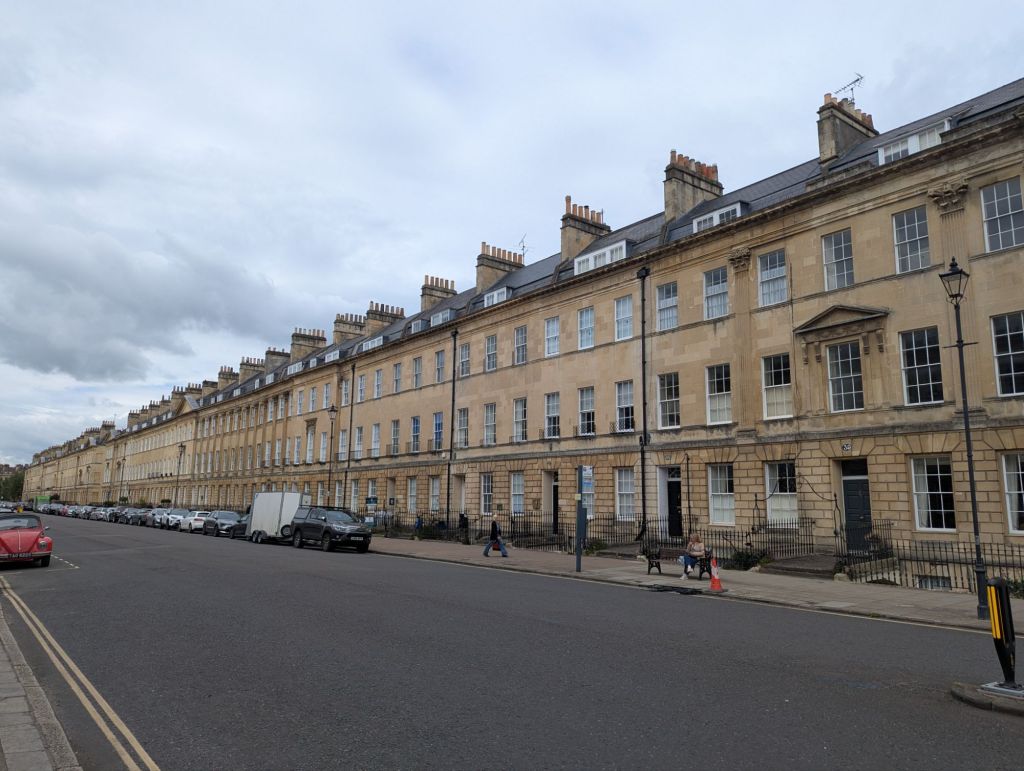
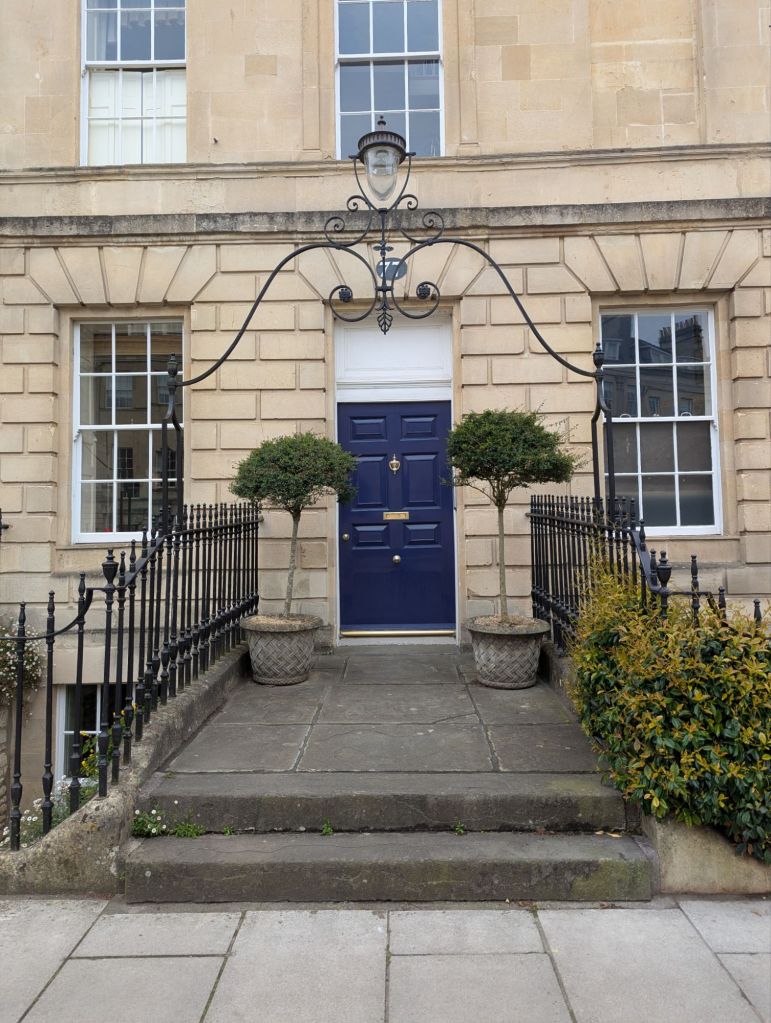
From the gardens we walked down the grand Great Pulteney Street, lined with long rows of elegant Georgian townhouses. Designed in the late 1700s to rival the grand boulevards of Paris, the street feels incredibly wide and stately compared to many of Bath’s smaller lanes. We crossed the iconic Pulteney Bridge, one of only a handful of bridges in the world built with shops lining both sides.
Our next destination was Bath Abbey. For a small admission fee, valid all day, we were able to explore the inside of this stunning church at our own pace. The soaring fan-vaulted ceiling immediately caught our attention. The stonework creates an intricate web overhead that somehow looks both impossibly delicate and incredibly massive at the same time. If you look closely at the ceiling, there really are no corners, which gives the entire space a unique appearance.
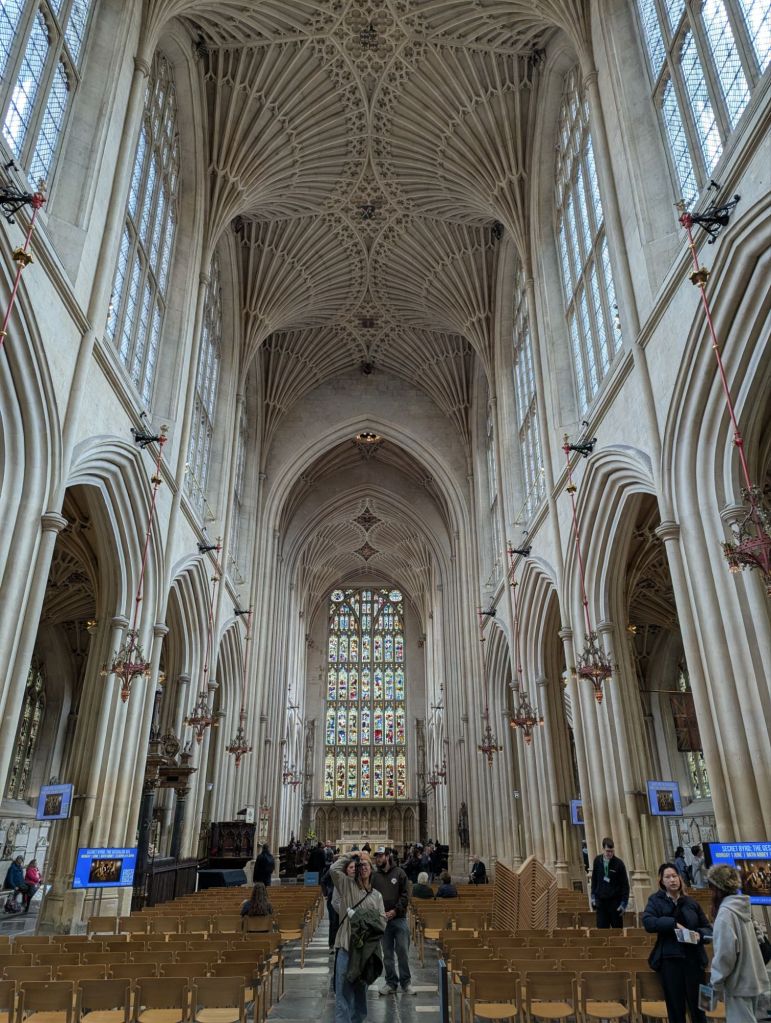
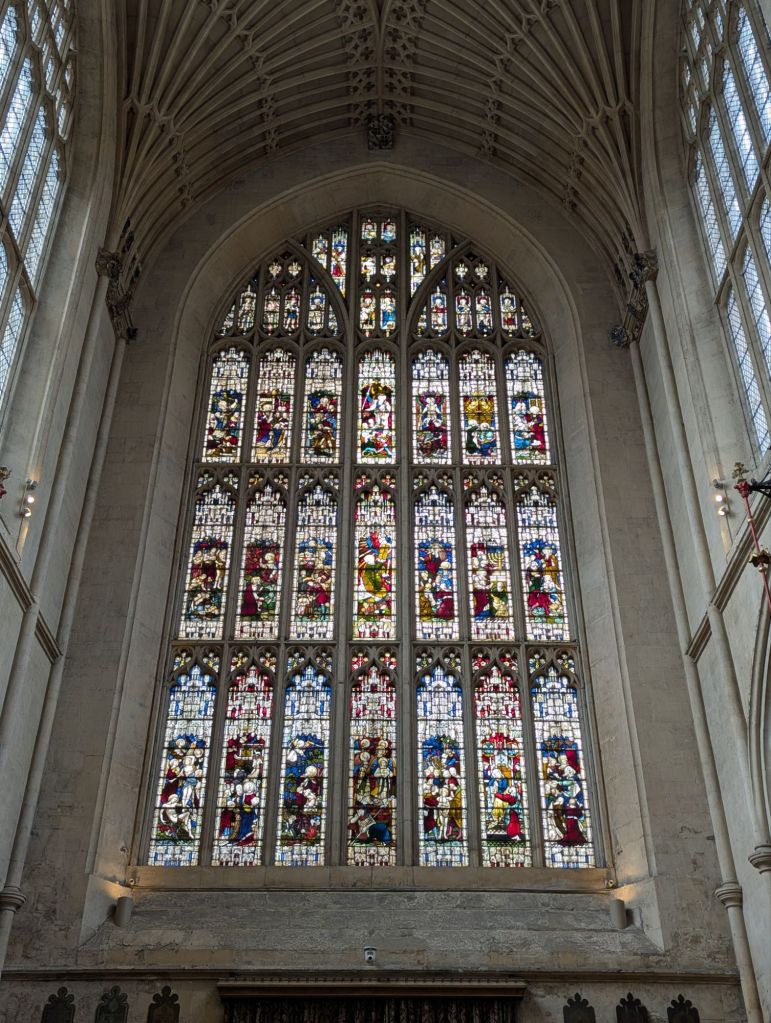
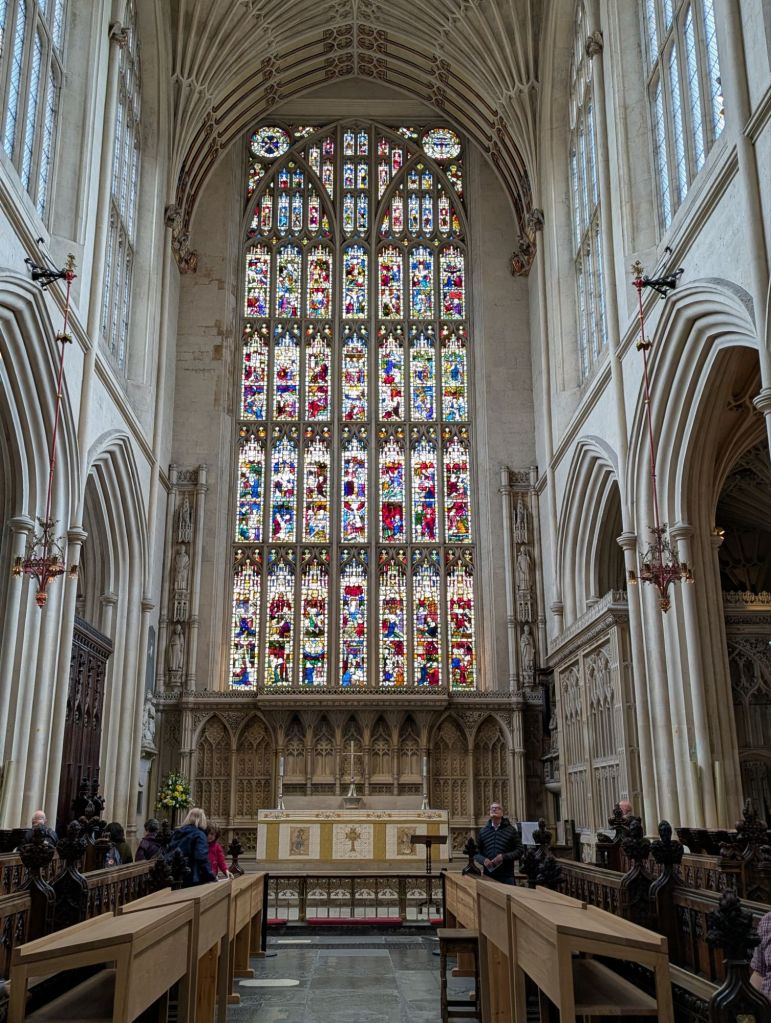
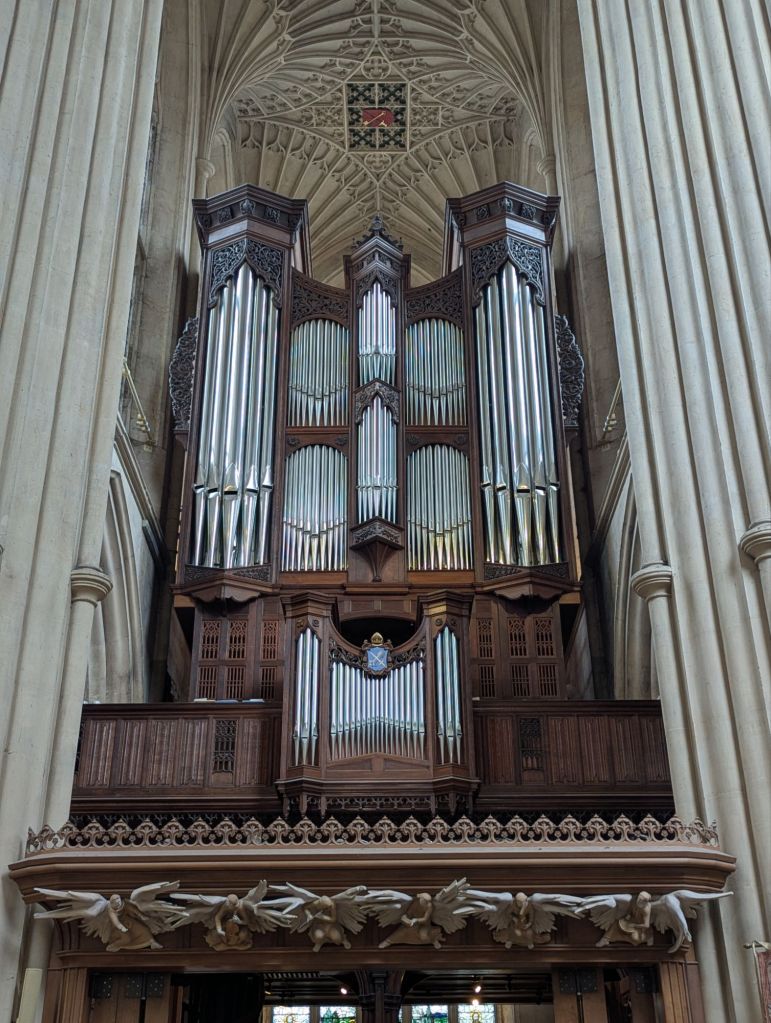
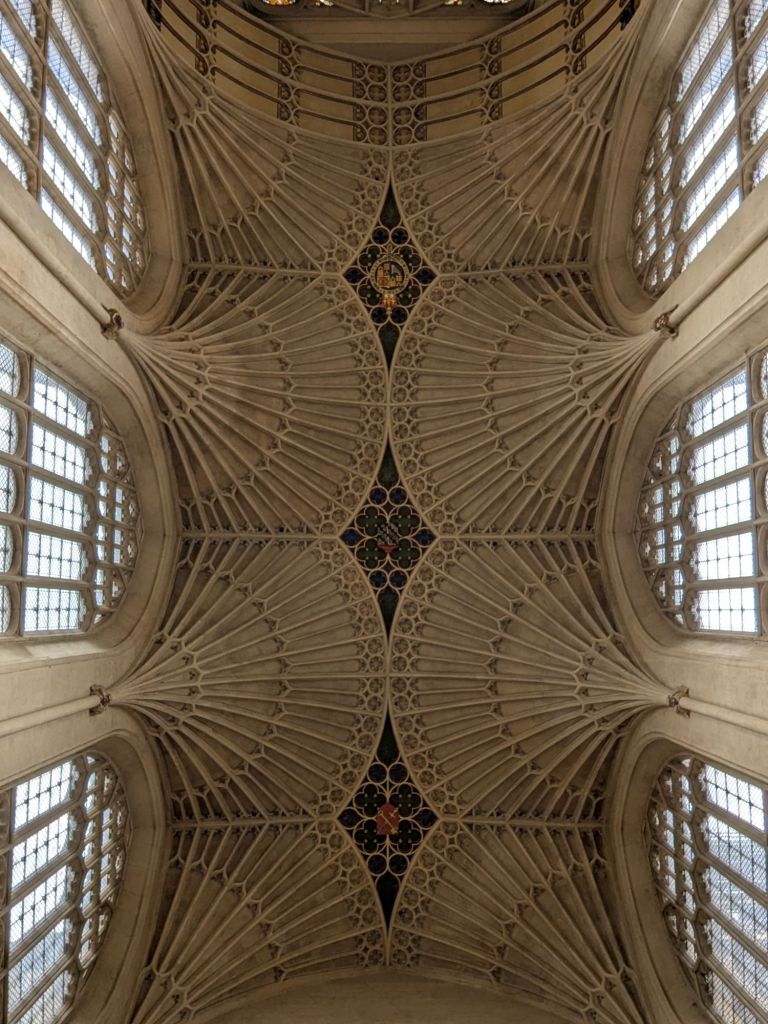
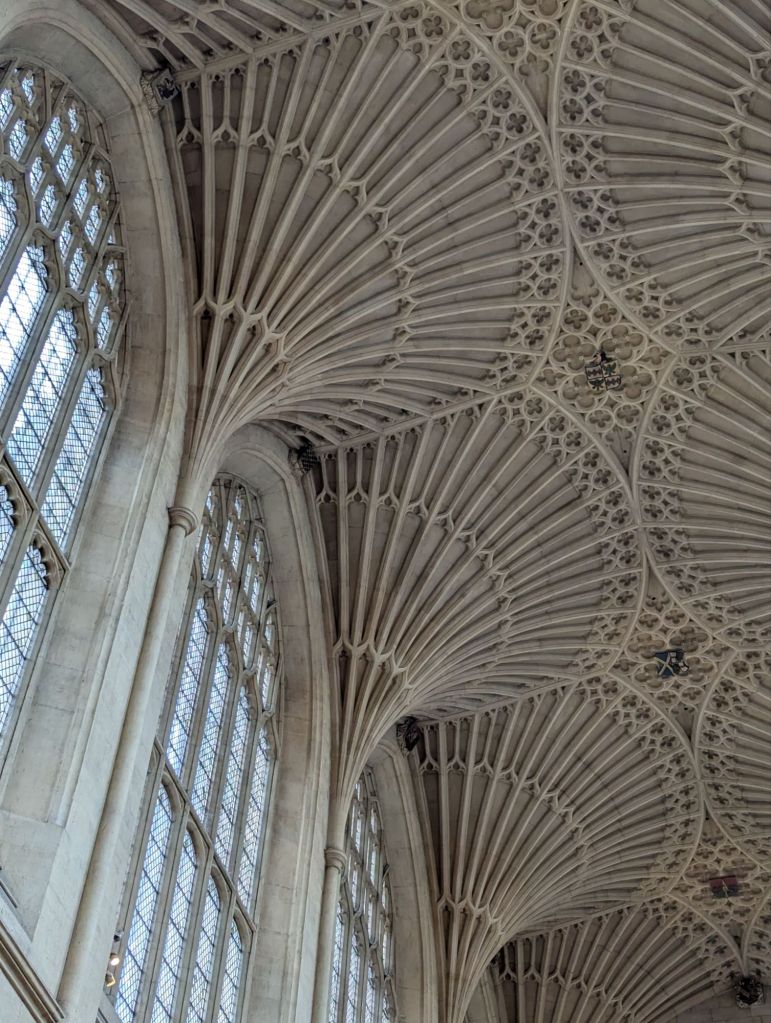
The Abbey itself has stood on this site in some form for over 1,200 years, though most of the current structure dates to the late 1400s. It is also the site where the first King of England, King Edgar, was crowned in 973 AD.
After spending some time admiring the architecture and memorials, we purchased additional tickets to return later in the afternoon for the tower tour.
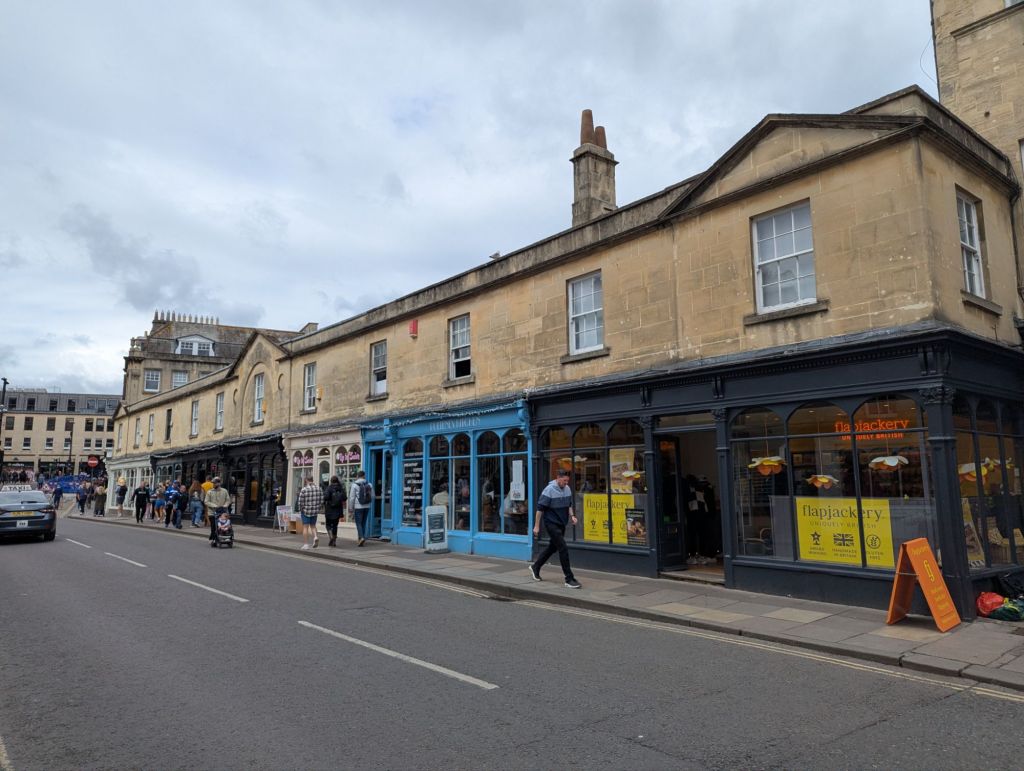
Leaving the Abbey, we had just enough time to grab a pasty, a warm savory pastry filled with meat, potatoes, and vegetables, and enjoy some people watching in the main square. Bath was bustling on this Saturday afternoon. Between tourists, street musicians, and multiple hen parties roaming through town in coordinated outfits, there was never a dull moment.
At 1:00 PM we entered the fascinating Roman Baths. The excellent audio guide walked us through three underground levels that were part museum and part ancient ruins. It is remarkable to think about the engineering required to build and maintain this enormous bathing complex nearly 2,000 years ago.
The “King’s Spring” still produces roughly 257,000 gallons of mineral-rich hot water every day. When the water emerges from underground, it is naturally heated to about 115°F (46°C). Today, the spring water helps supply modern spas and even geothermally heats local buildings, including Bath Abbey, which now has radiant heating beneath its floor.
As we toured the baths, we learned that the Romans strongly believed in the health benefits of alternating hot and cold temperatures. The complex included not only the main hot bath, but also cold plunge pools, steam rooms, heated chambers with fires beneath raised floors, and even exercise areas. Apparently wellness trends, recovery routines, and hot-cold therapy are not nearly as modern as we sometimes think.
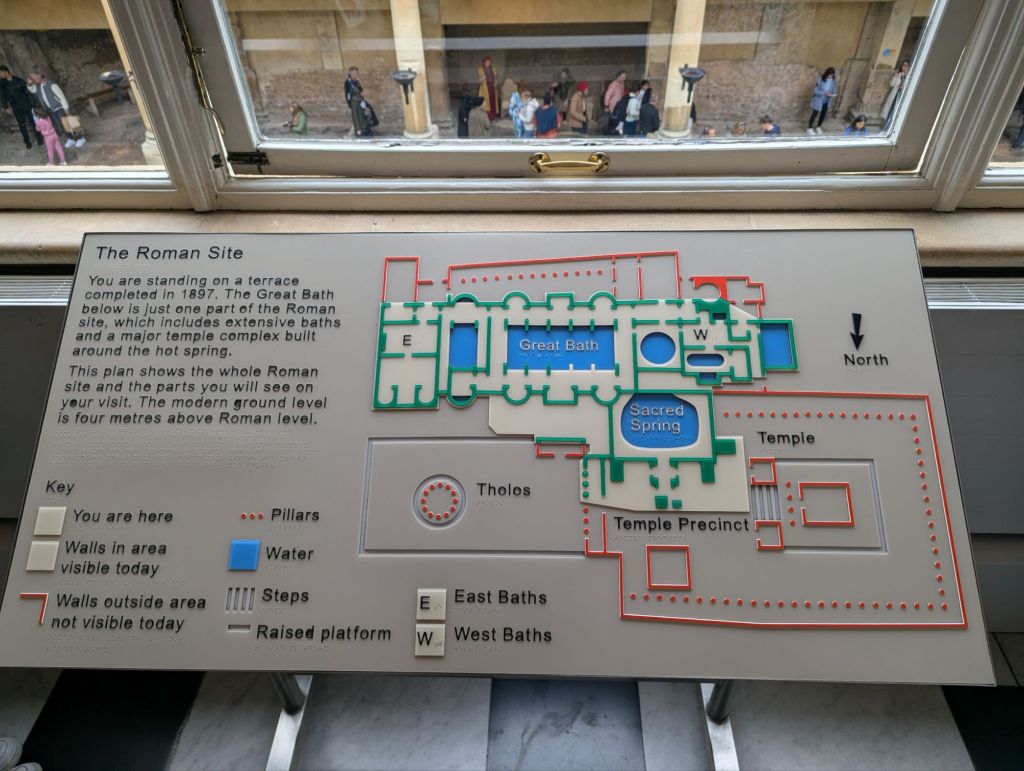
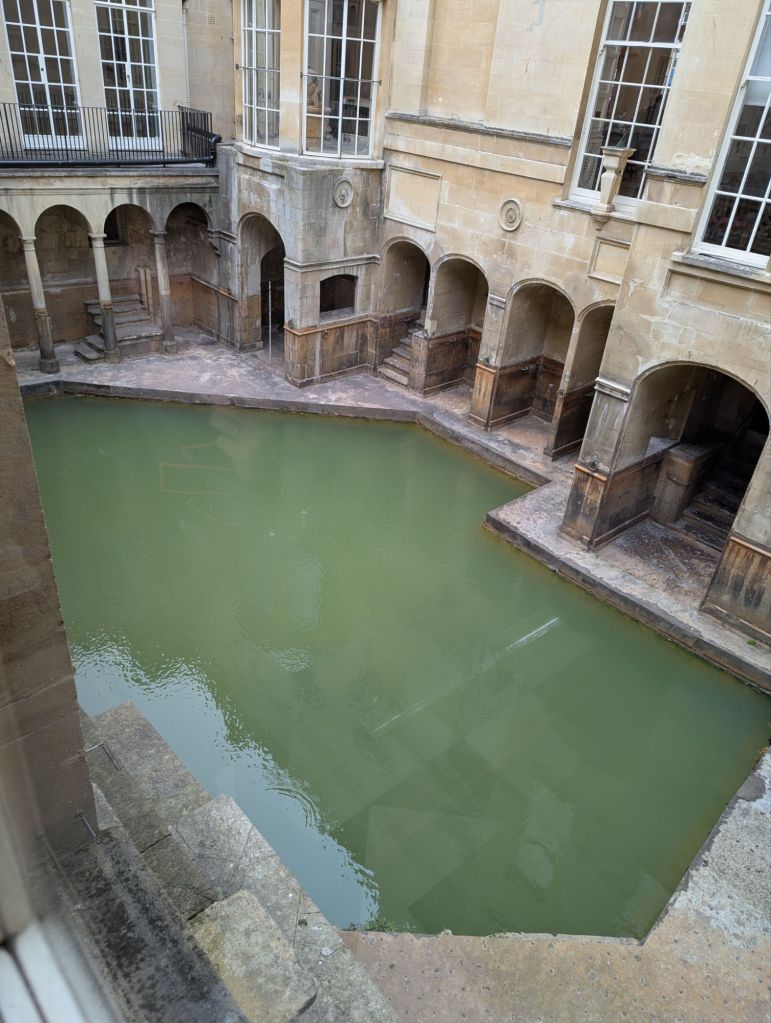
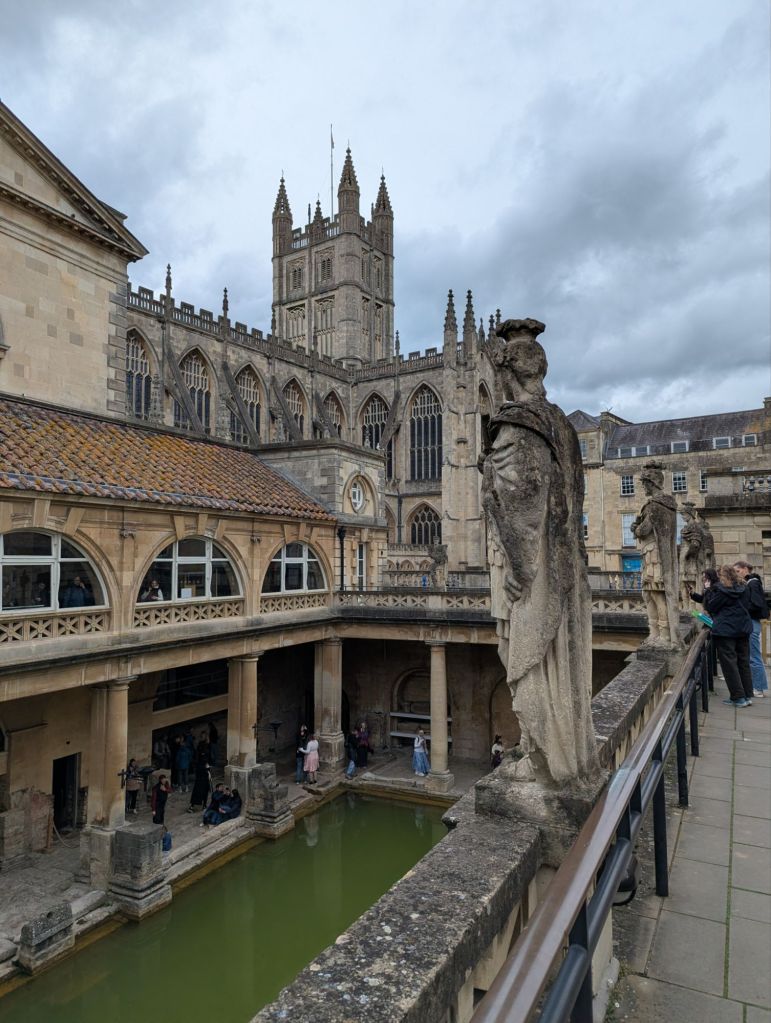
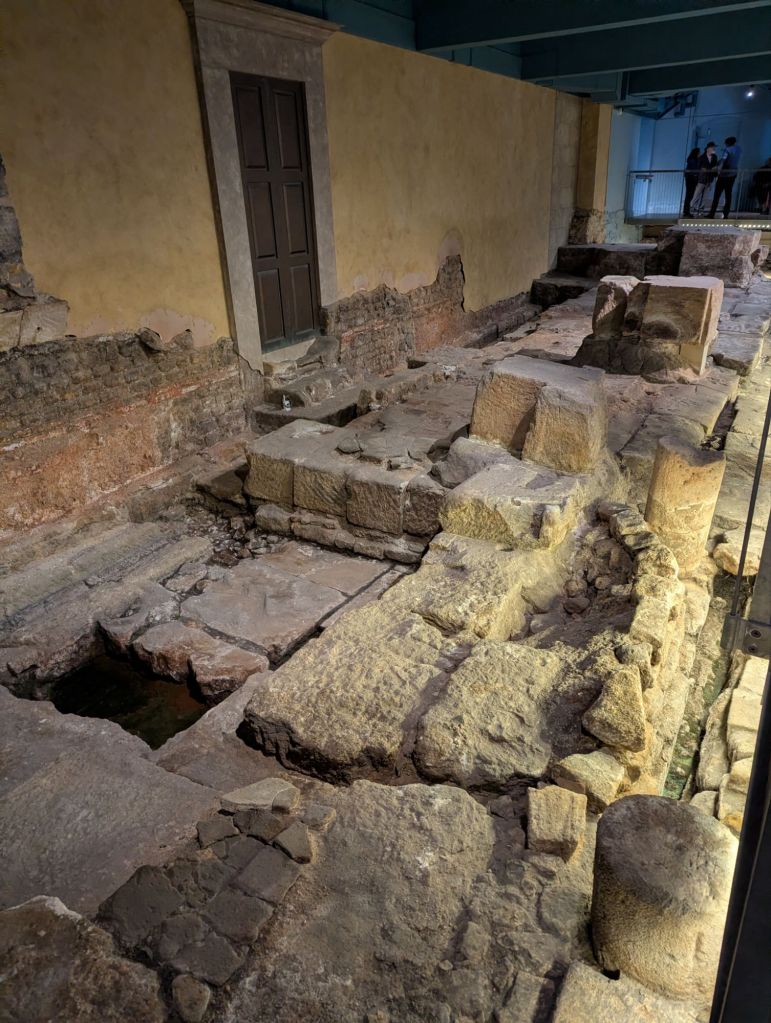
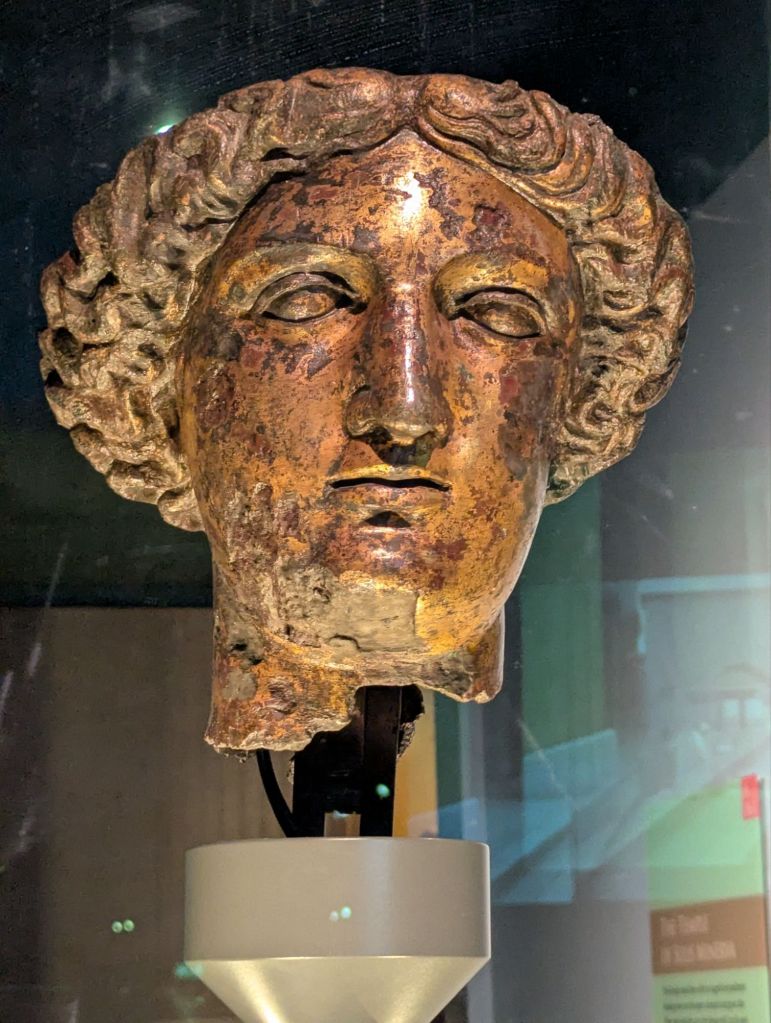
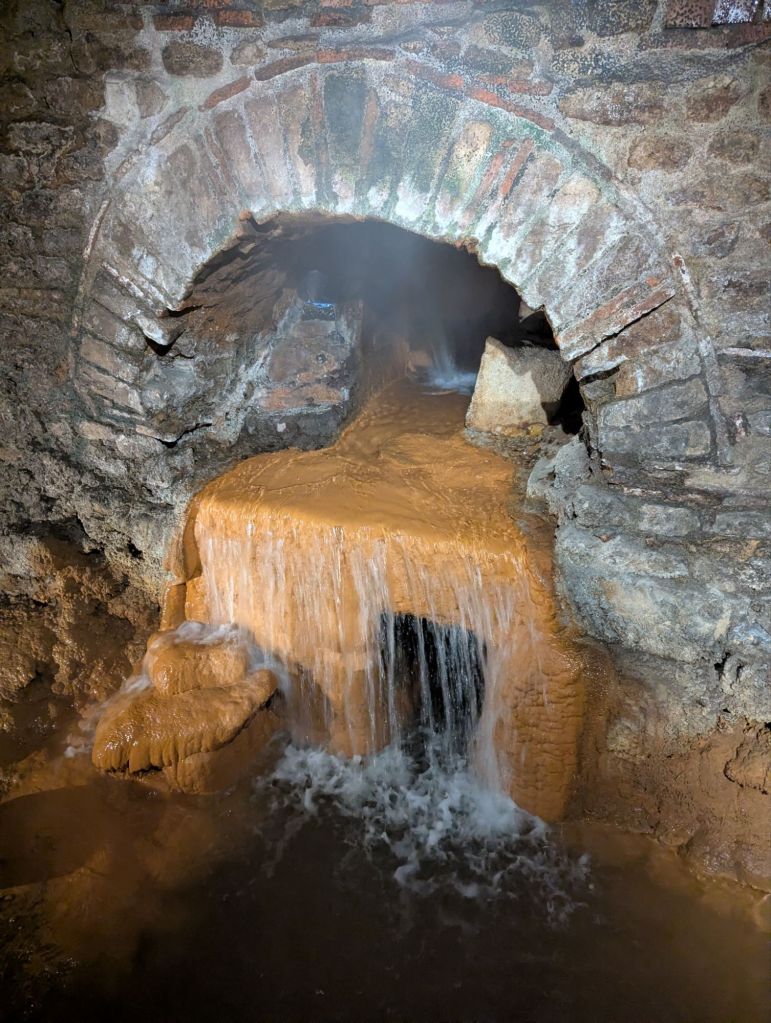
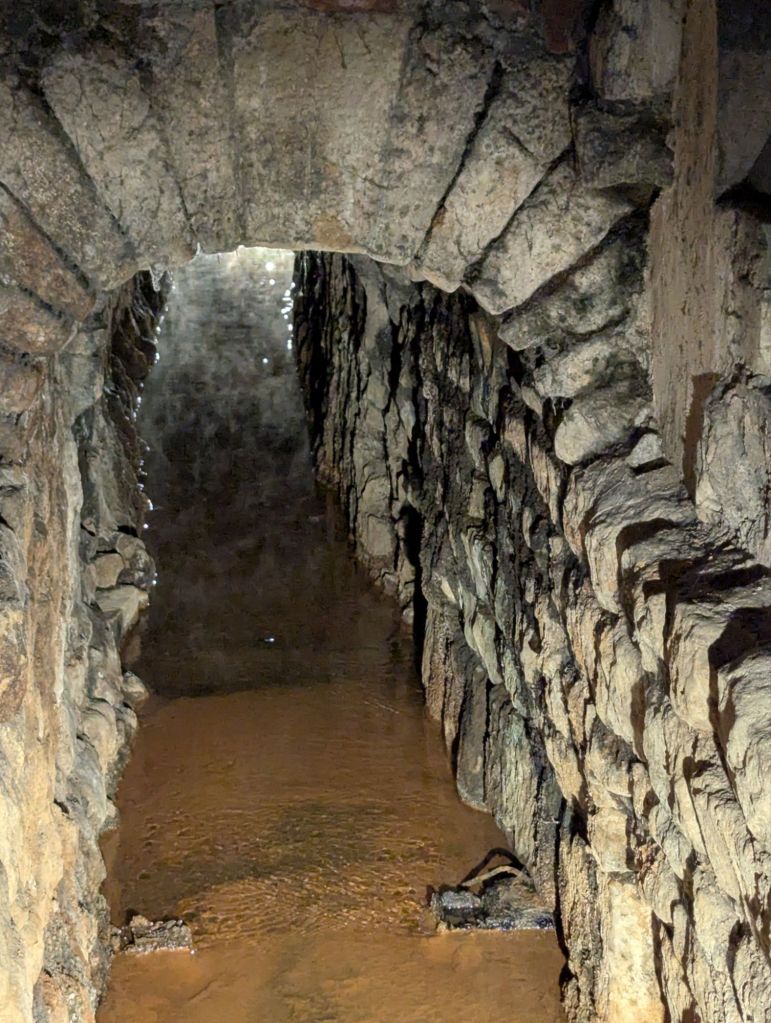
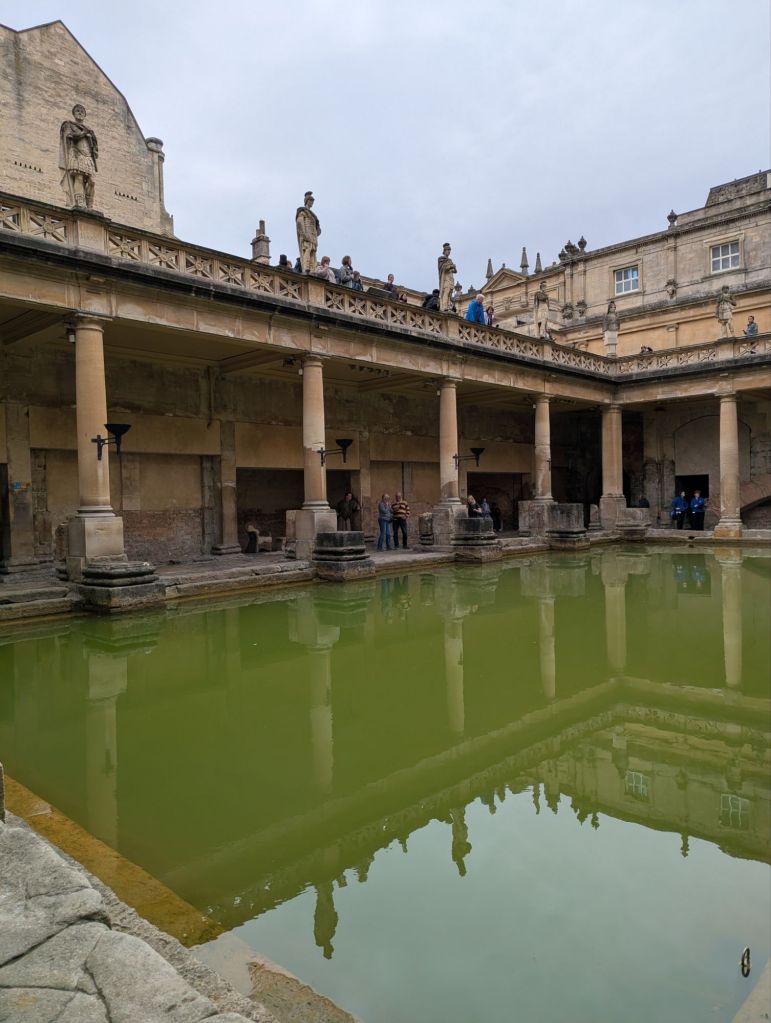
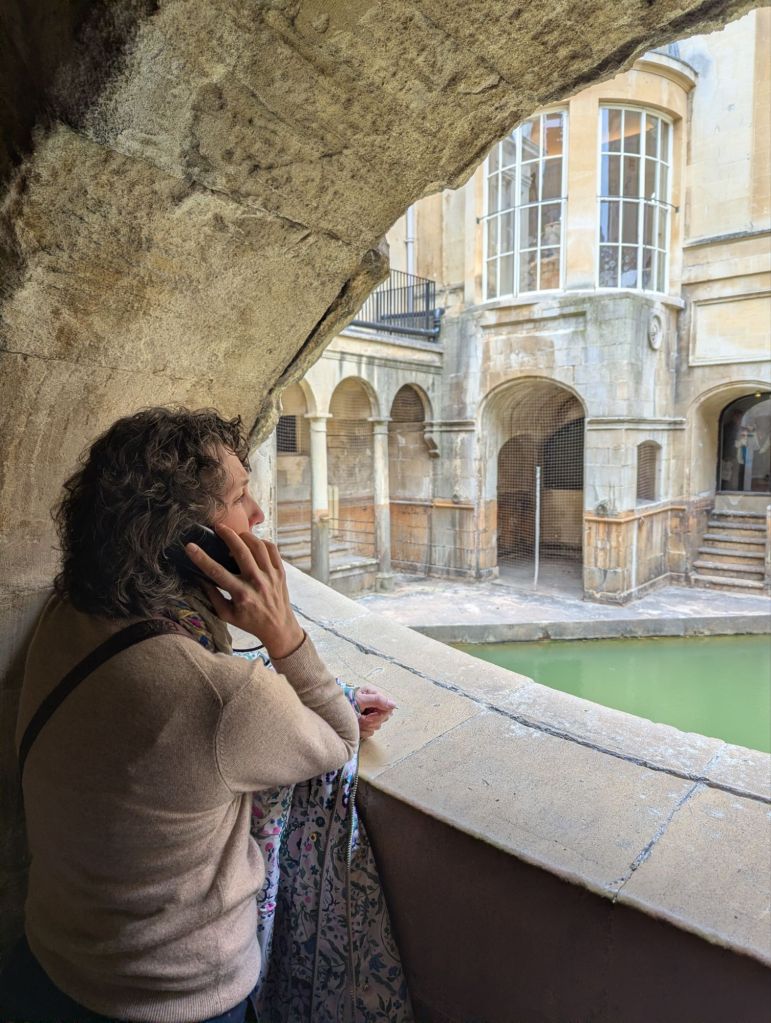
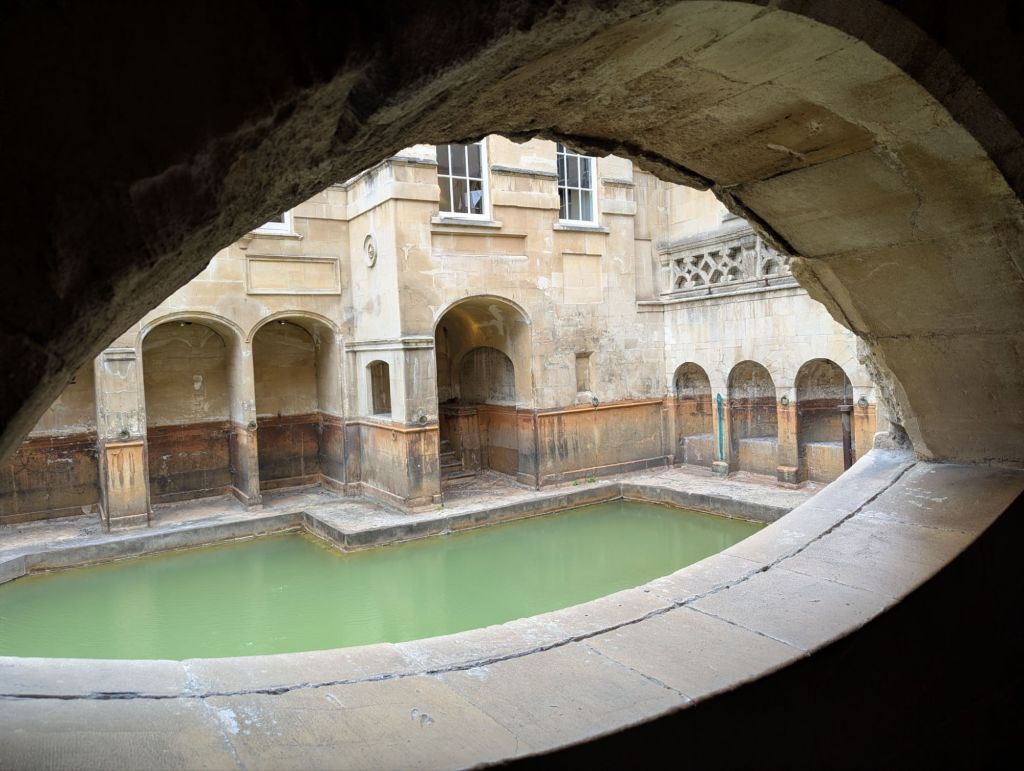
We ended our visit by tasting the mineral water ourselves. While the Romans bathed in it, many visitors in the 1700s and 1800s believed drinking the water promoted good health. We hope they are right.
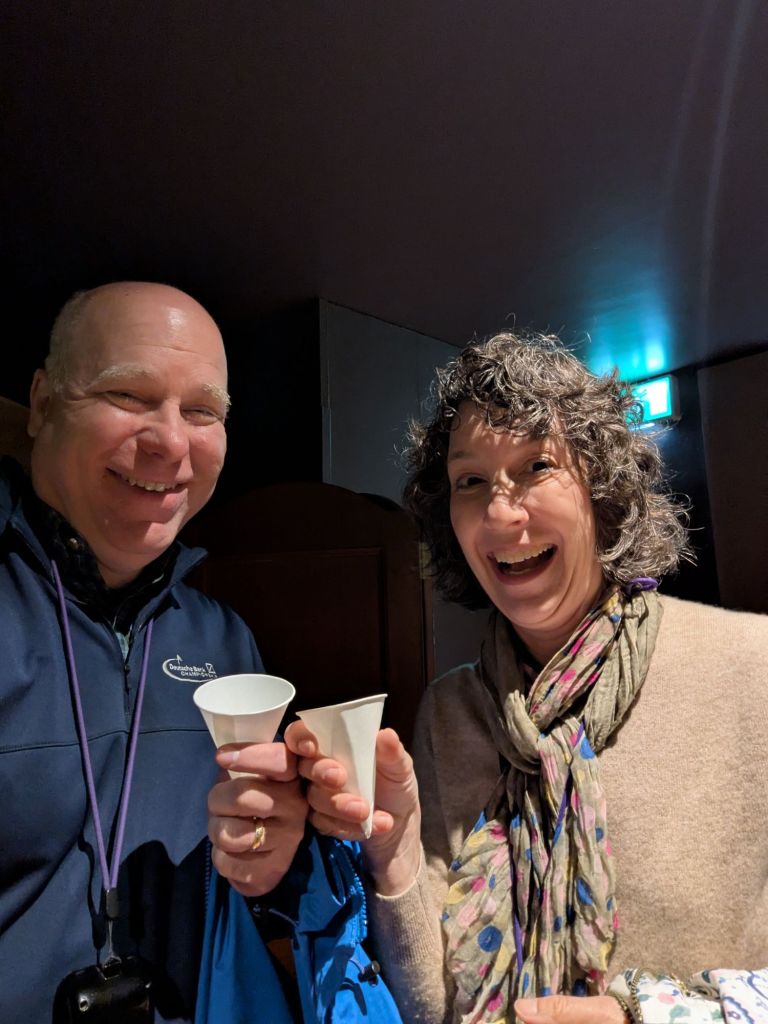
After a couple of hours exploring the Baths, we were more than ready for afternoon tea, which has quickly become one of our favorite daily routines. We found a small Georgian tea room where Karen enjoyed a traditional cream tea while Greg opted for lemon lime cake alongside his tea. Absolutely delicious.
Refreshed and renergized, we returned to Bath Abbey for our “tower tour.” Calling it a tower tour turned out to be slightly misleading because the tower itself is currently under renovation and visitors cannot actually go into it. Still, the tour ended up being one of the most unique experiences of the day.
We climbed a narrow circular staircase to the Bishop’s Gallery, where visiting bishops historically could wave to crowds gathered below. From there we continued up another spiral staircase and carefully crossed a narrow rooftop walkway with wonderful views across Bath.
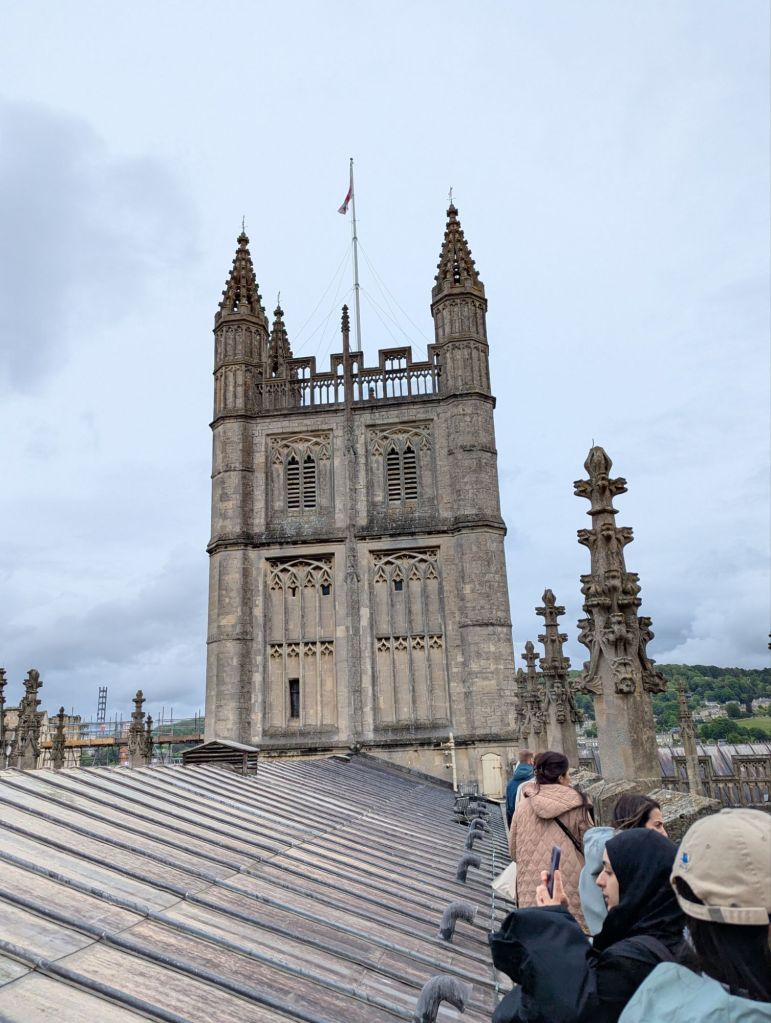
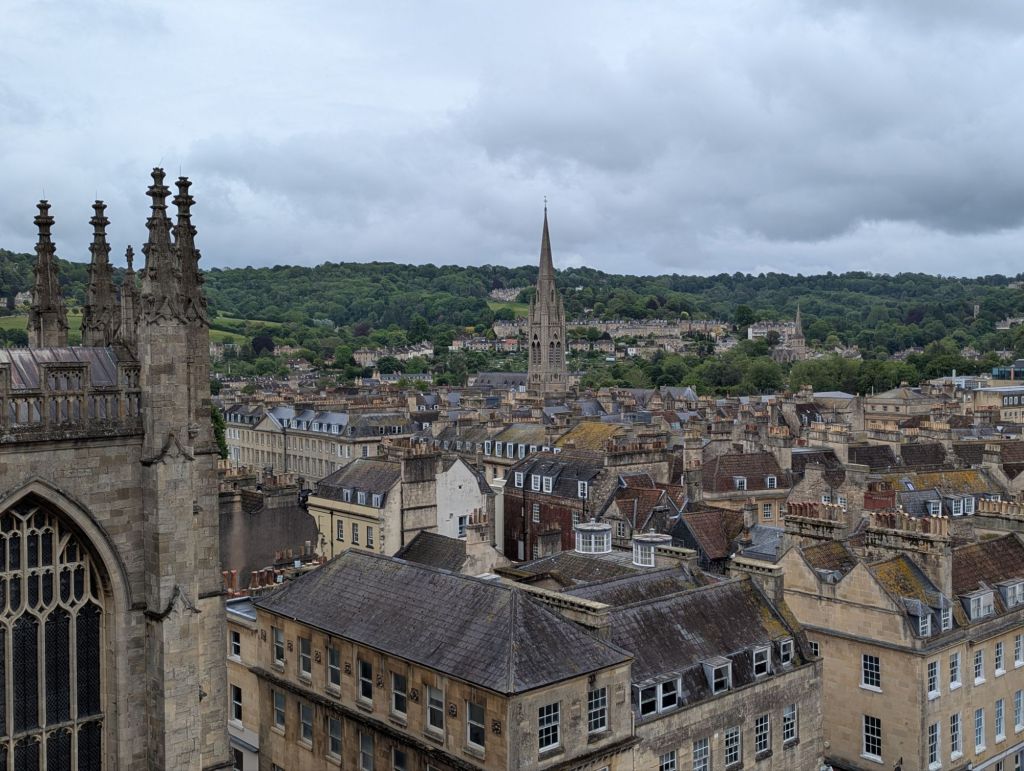
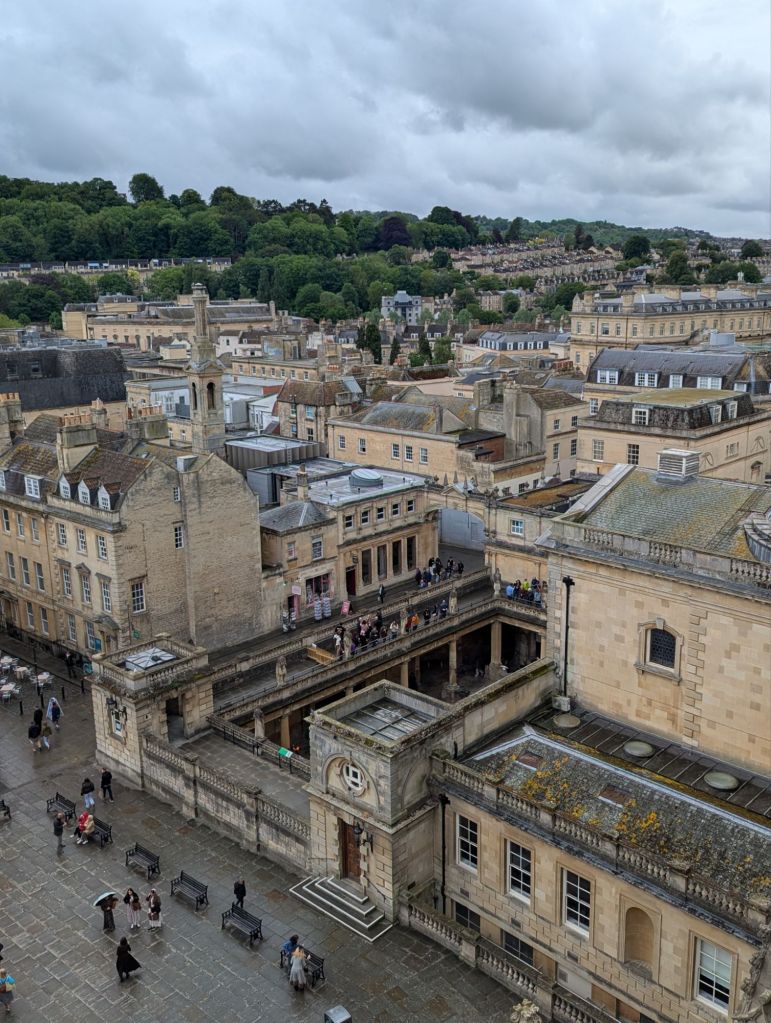
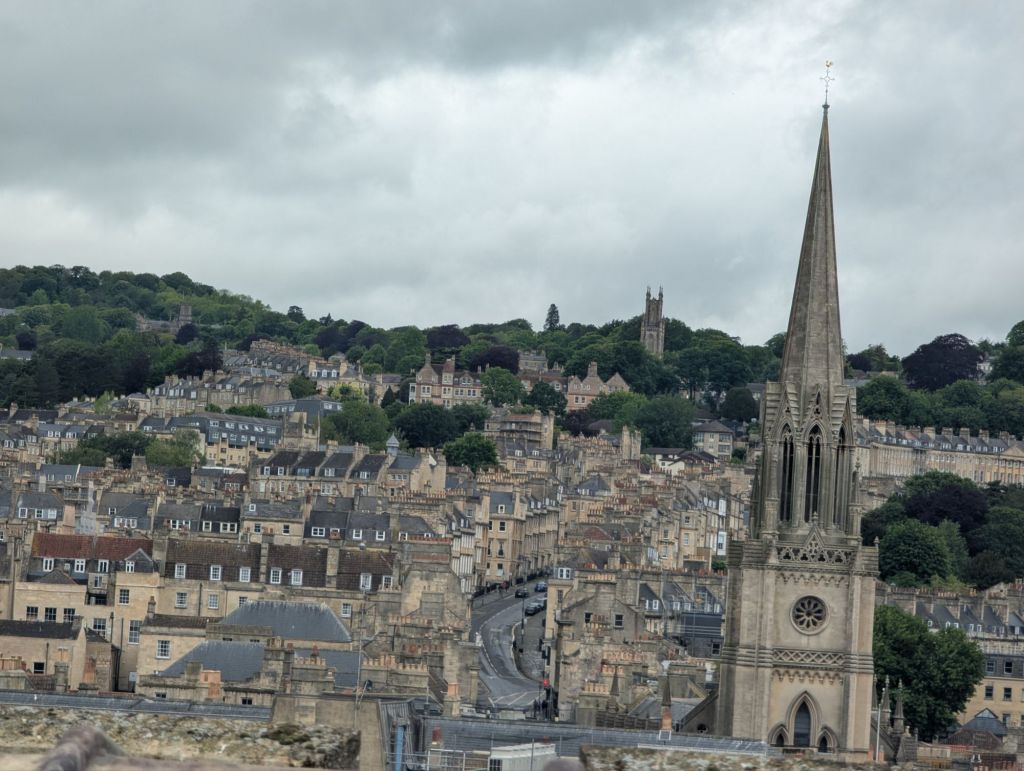
Eventually we reached the bell room. While we could not see the bells themselves because they are housed higher in the tower, our guides provided information about English change ringing, where teams of people pull ropes in precise mathematical patterns to create constantly changing bell sequences, and the various other ringing mechanisms in the tower.
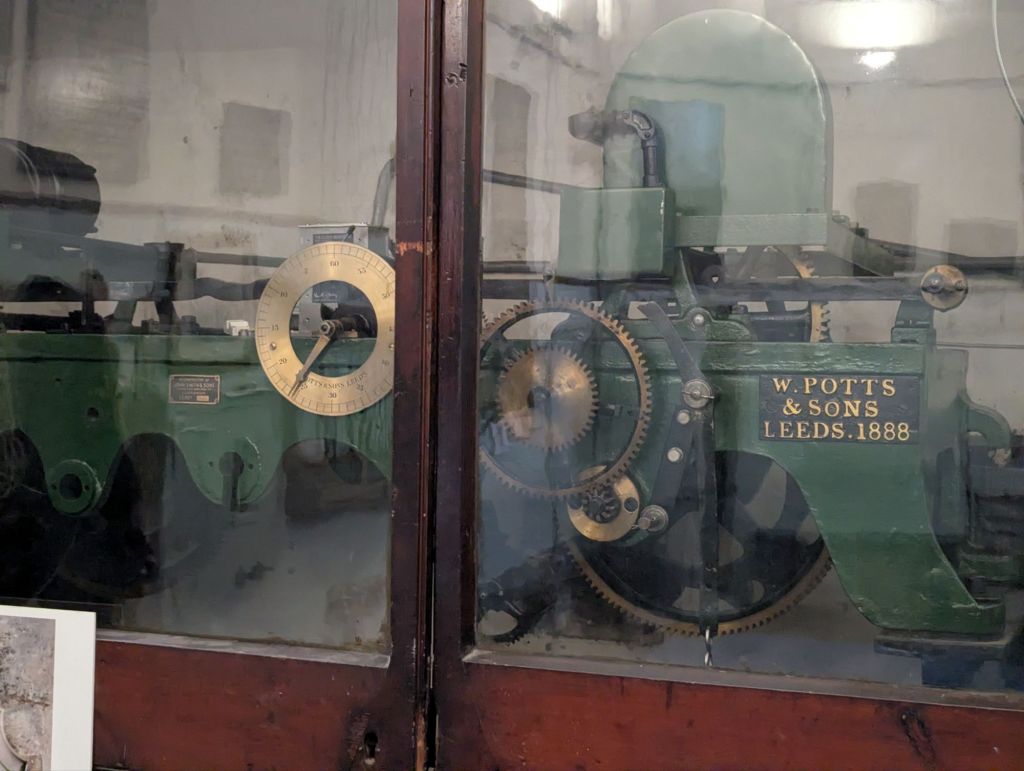
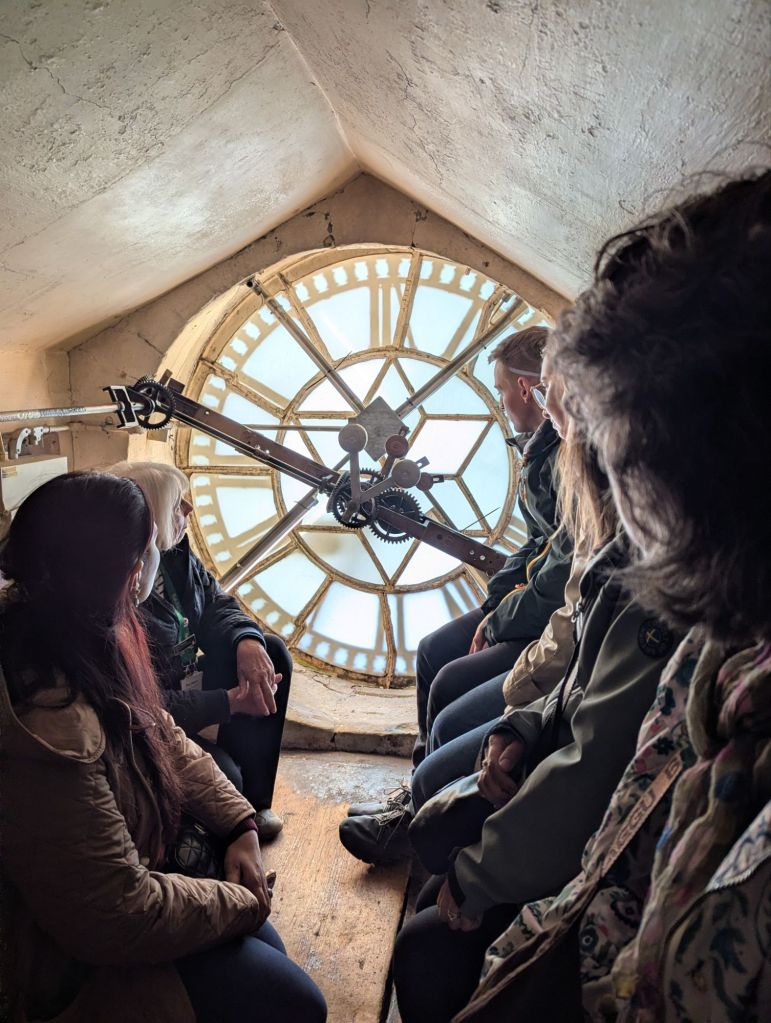
We also squeezed into tiny spaces to see the Abbey’s clock mechanism and even viewed a ventilation hole cut into the ceiling centuries ago because conditions inside the church had become, well… unpleasant. With people buried beneath the Abbey floor, warmer weather apparently created some challenges.
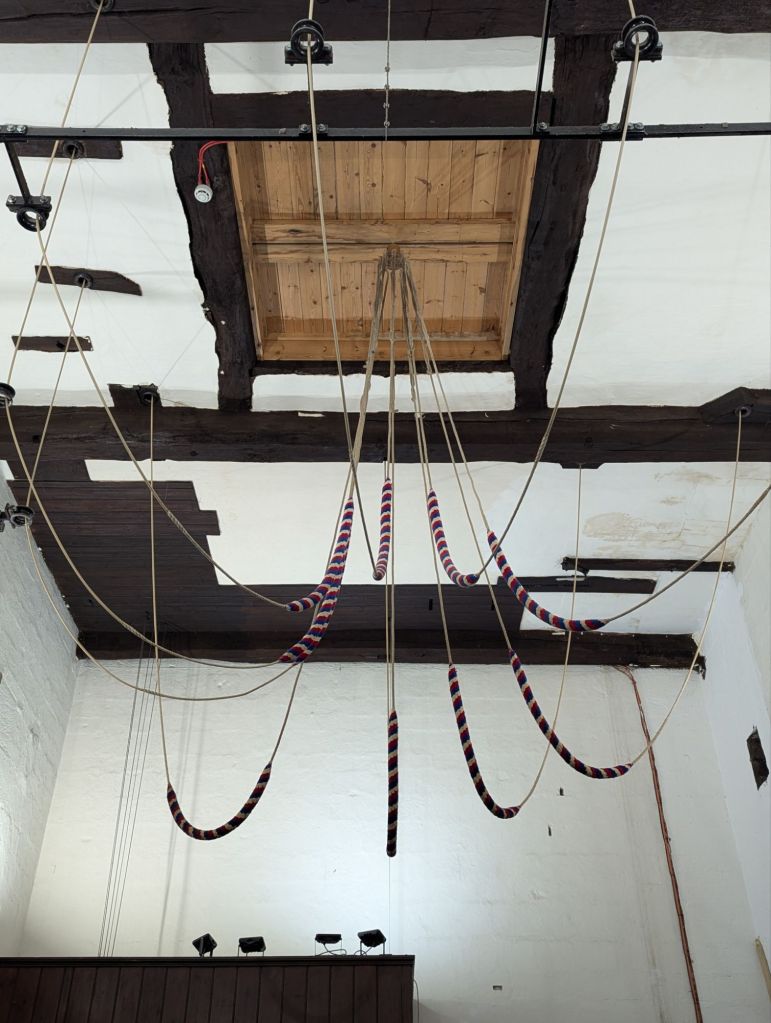
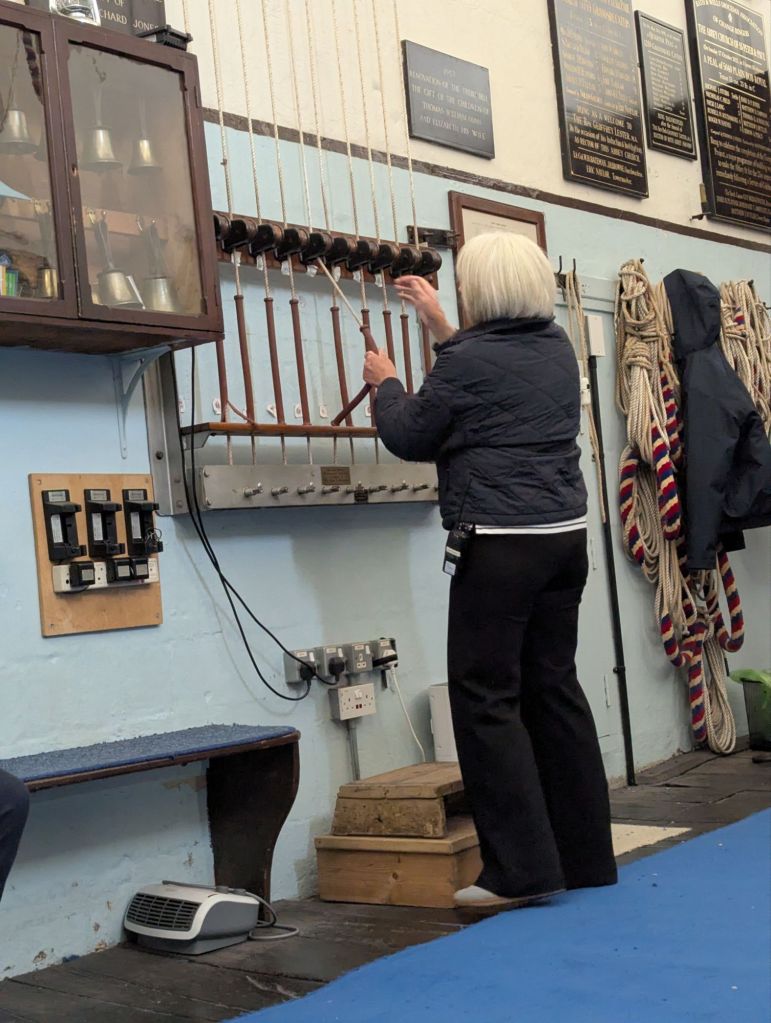
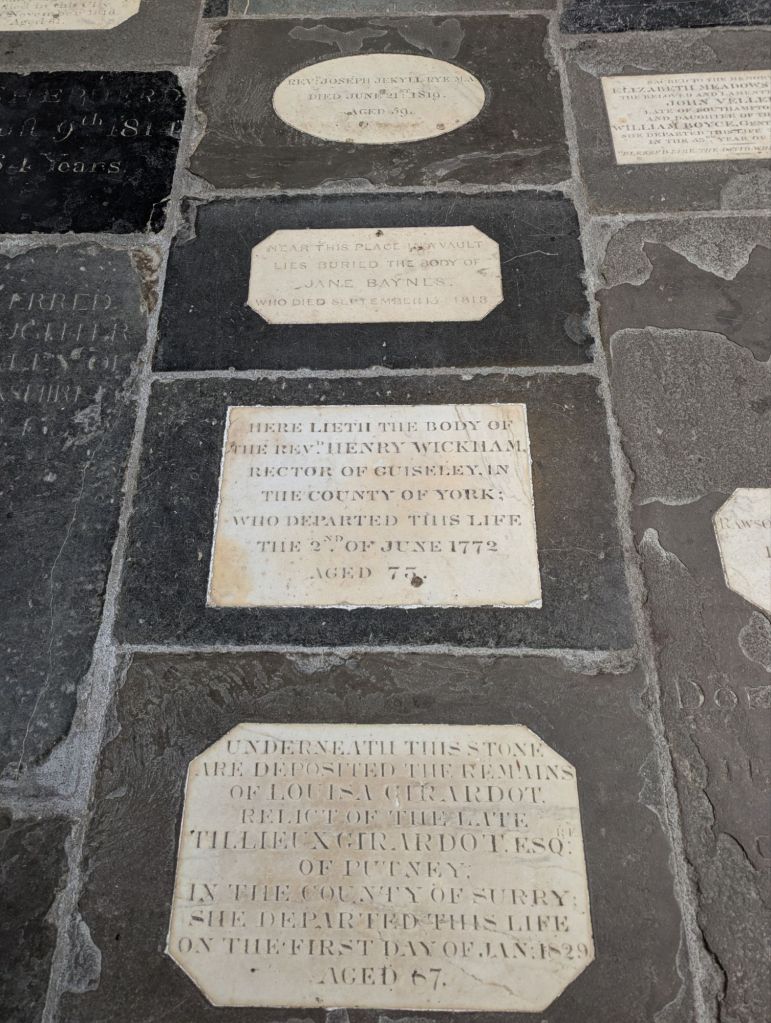
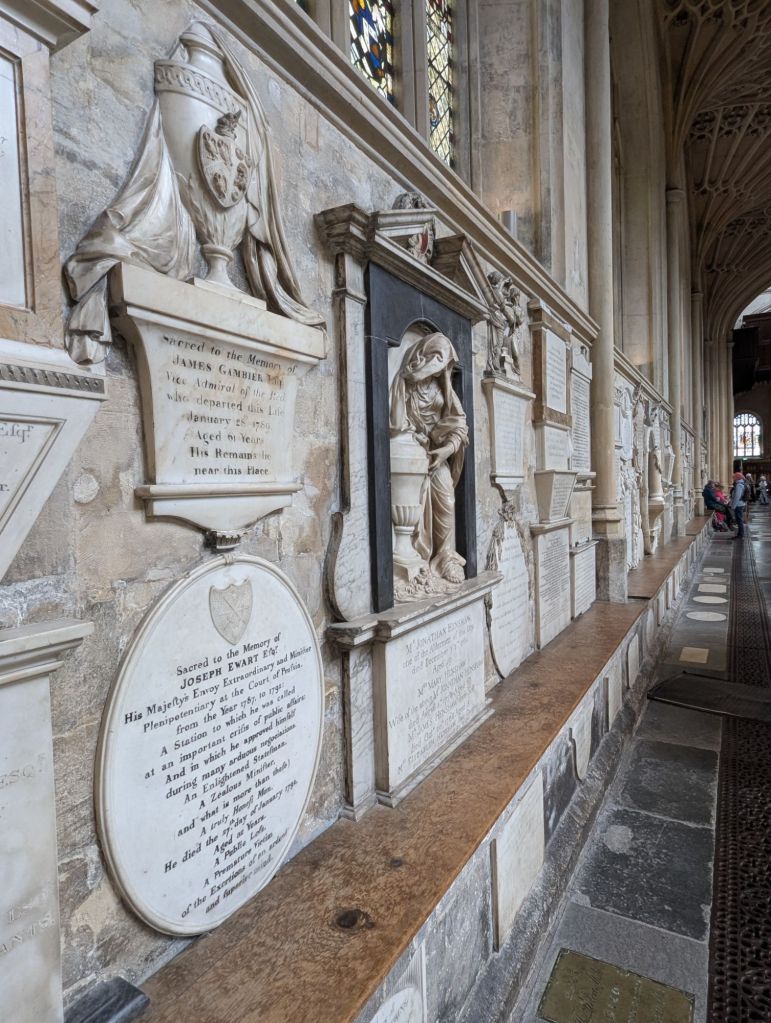
And there are a lot of people buried there. In total, more than 6,000 bodies lie beneath the Abbey floor, with over 1,500 memorials throughout the church. You could spend hours simply reading the plaques, inscriptions, and engraved floor tiles imagining the stories behind them.
Once back on the street, we wandered through a few shops before the light rain gradually became a steadier drizzle. That seemed like the perfect excuse to stop at Bath Brew House, where Greg sampled a couple of local beers while Karen tried a berry cider from Sweden.
After dinner on the way back to the hotel, we settled into our room for a relaxing evening and, naturally, watched a little more Bridgerton before bed.
Tomorrow begins Part 4 of our trip!

