DAY 11 – THURSDAY, MAY 14, 2026
Today was our final day of hiking! While we absolutely loved exploring this stunning part of England, we were also looking forward to being done with the daily routine of “bags fully packed and out the door by 8:30 AM.”
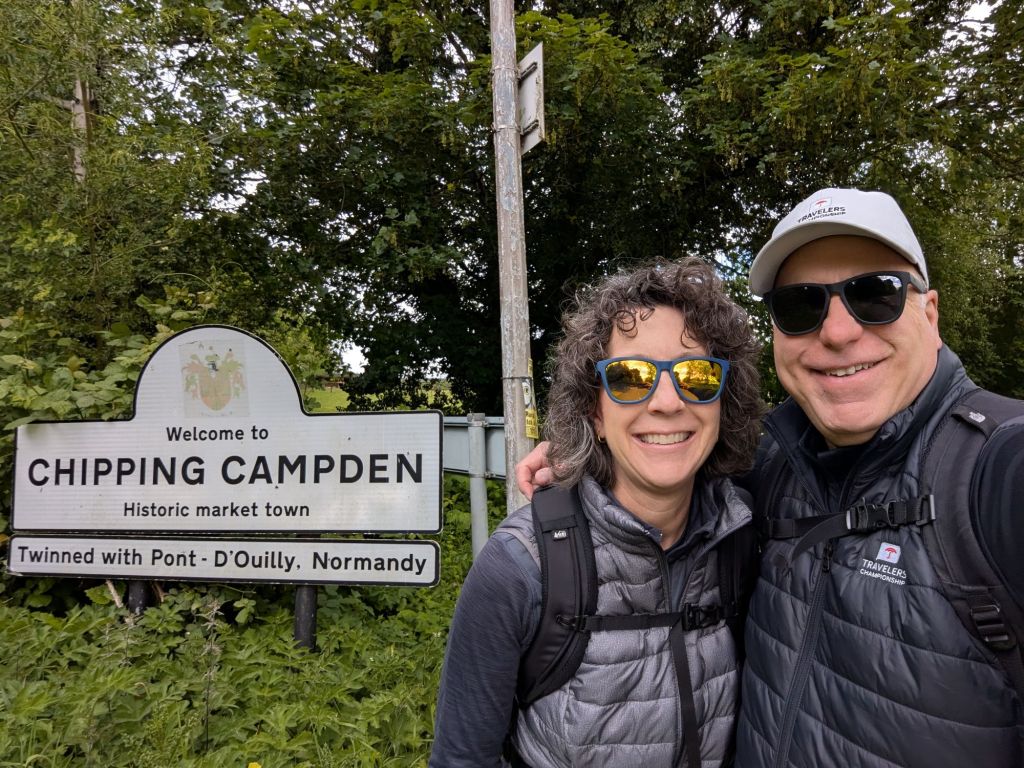
Since today’s walk was only a little over seven miles, which now somehow felt “short” to us, we enjoyed a more leisurely breakfast and spent some extra time exploring Chipping Campden before heading out on the trail.
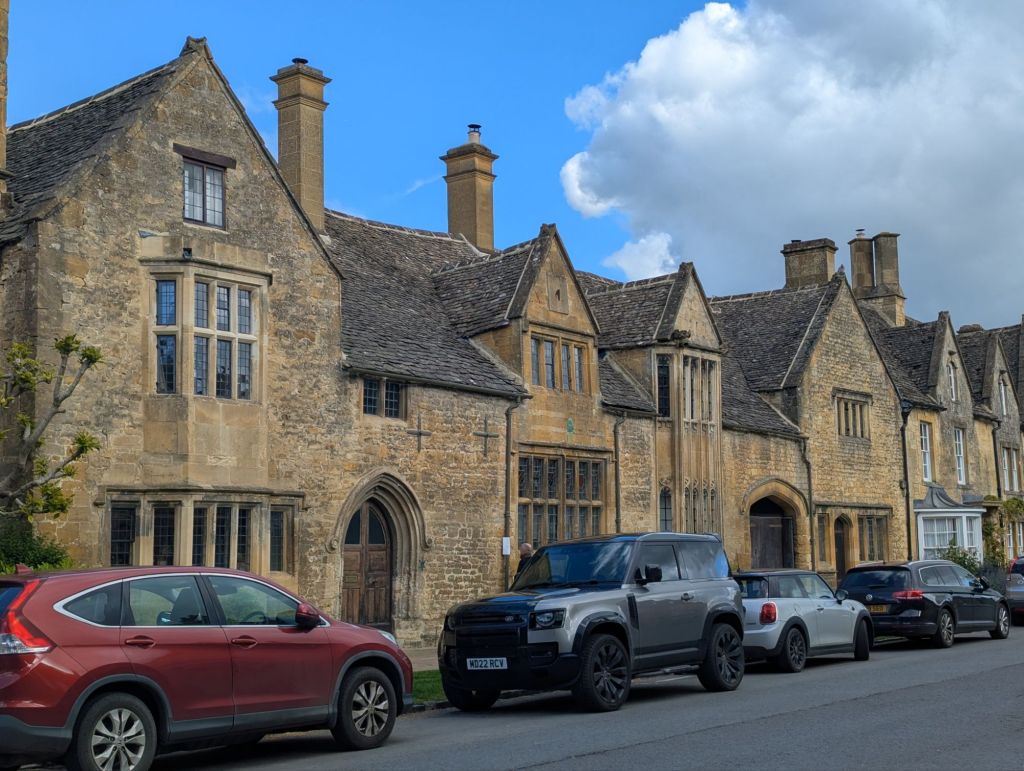
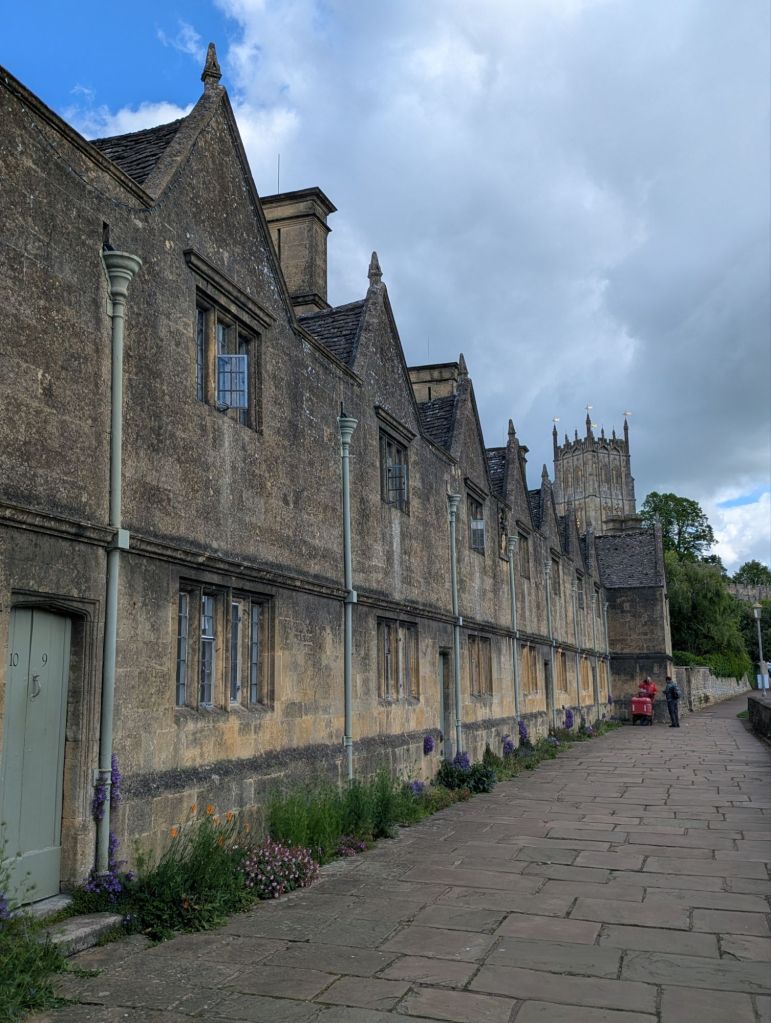
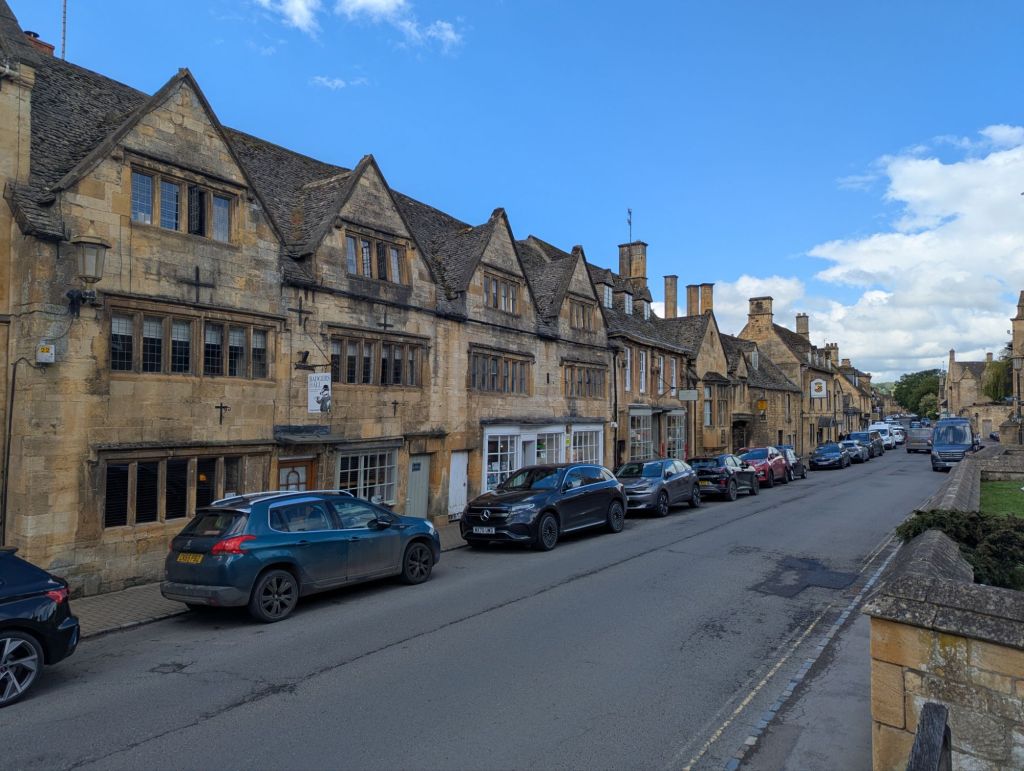
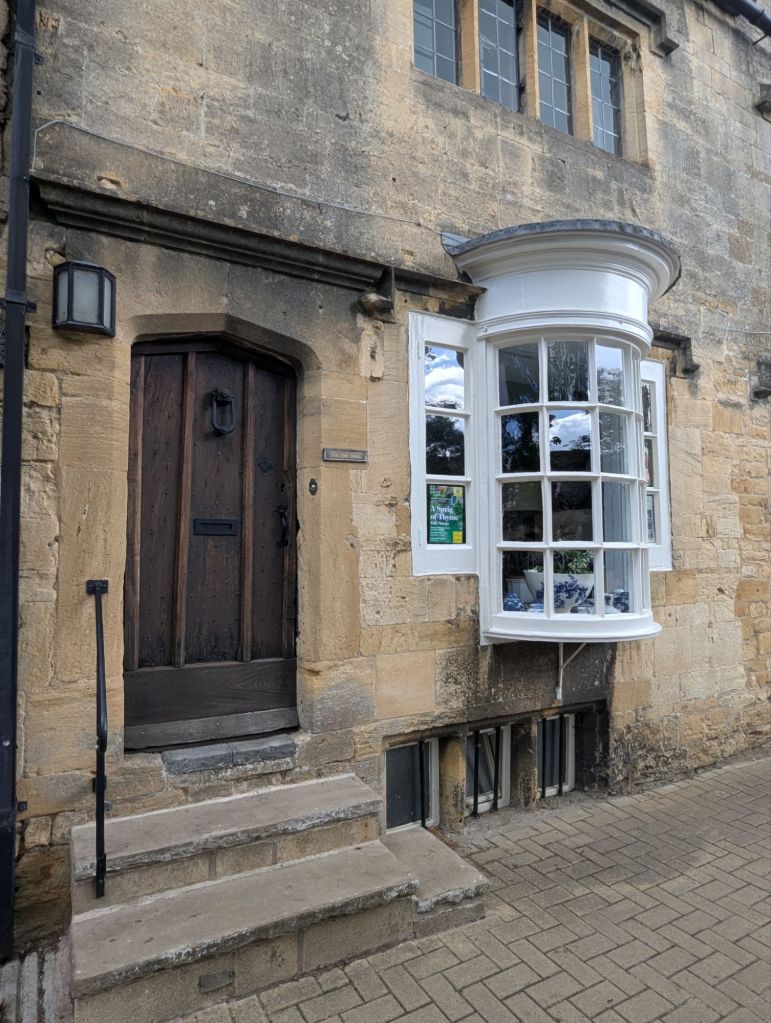
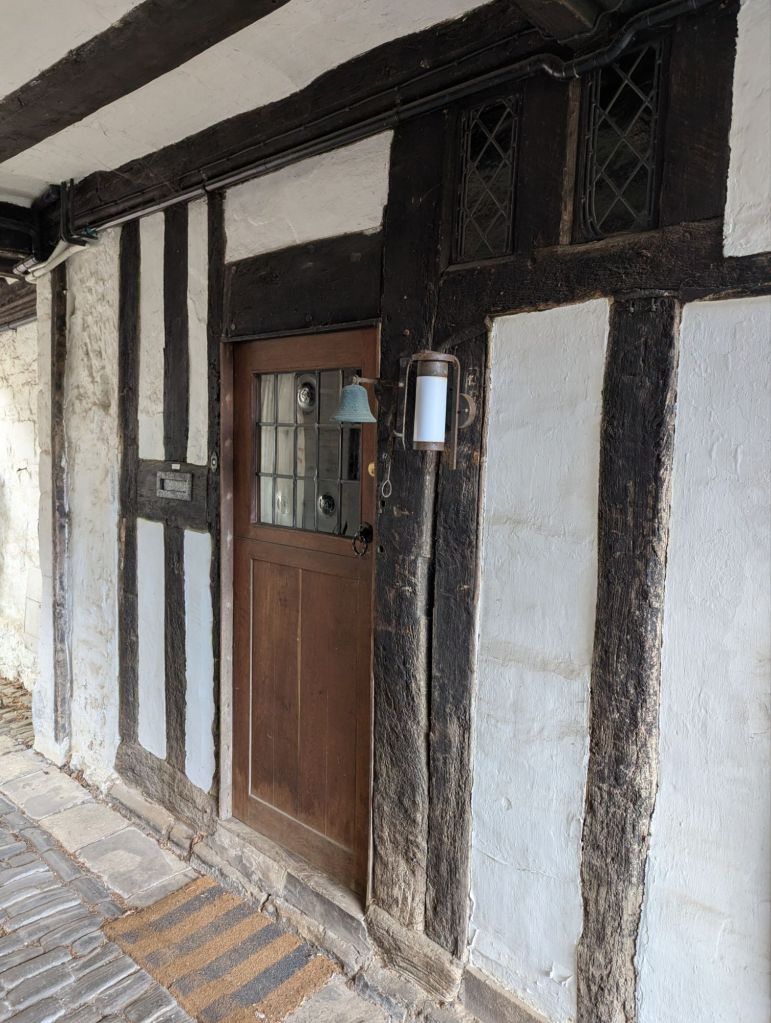
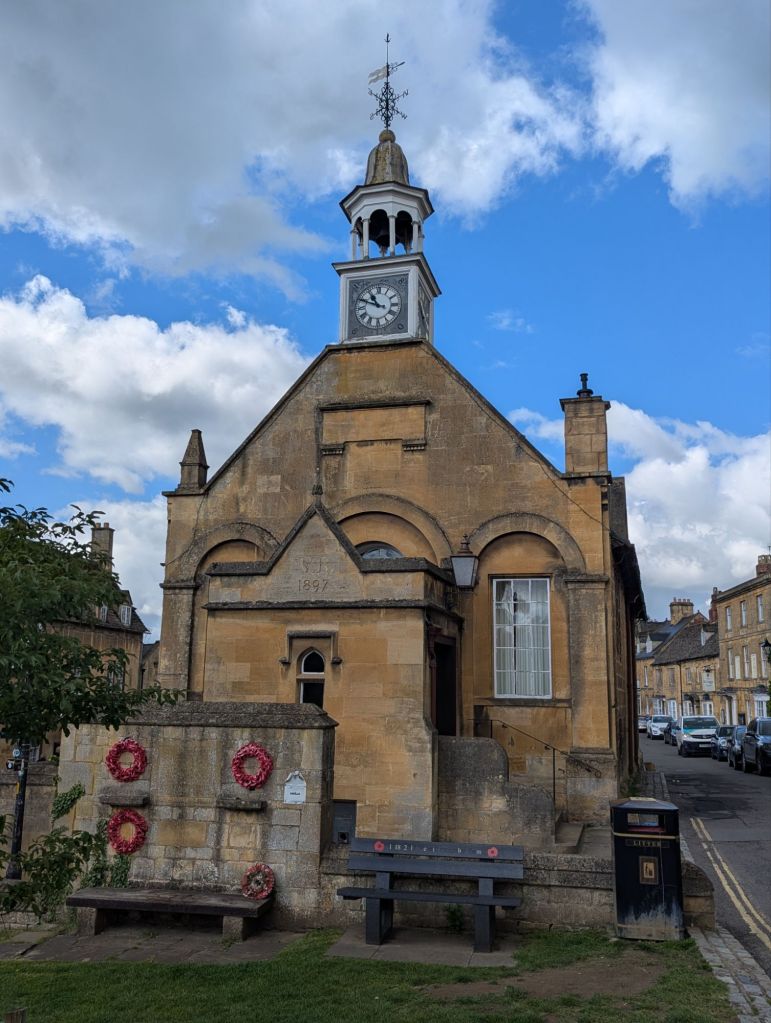
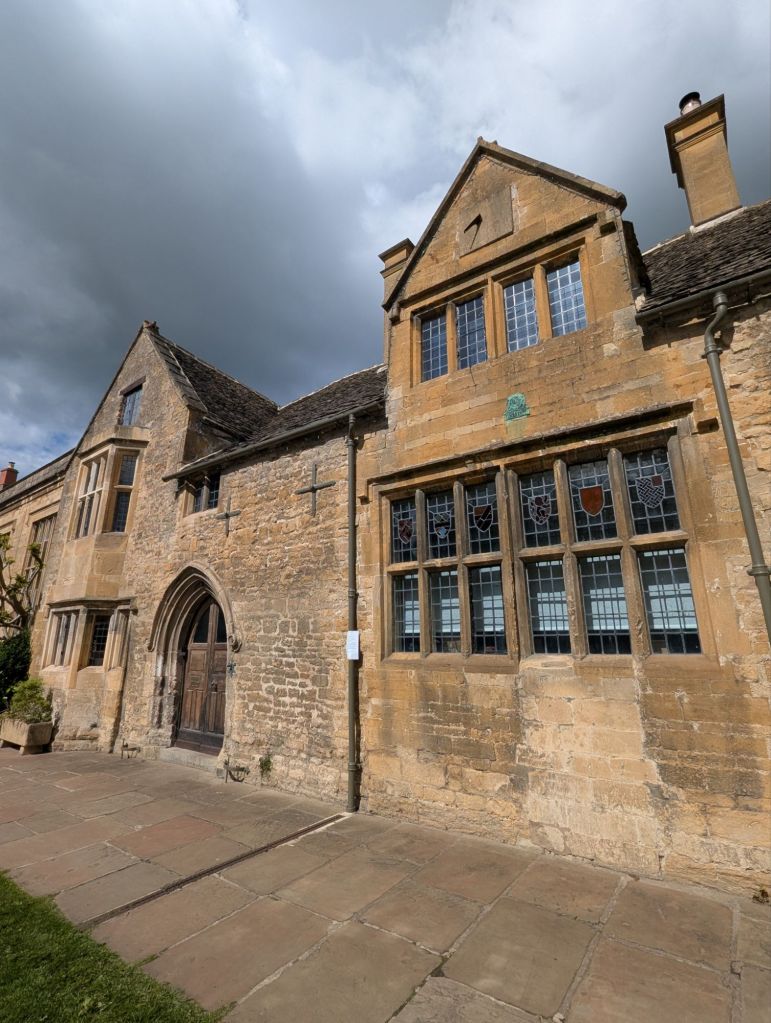
Chipping Campden turned out to be one of our favorite towns in the Cotswolds. The town became wealthy during the Middle Ages because of the wool trade, and many of the beautiful honey-colored limestone buildings still standing today were built with wool money hundreds of years ago. The broad High Street is lined with historic homes, inns, and shops, and it honestly felt like walking through a movie set.
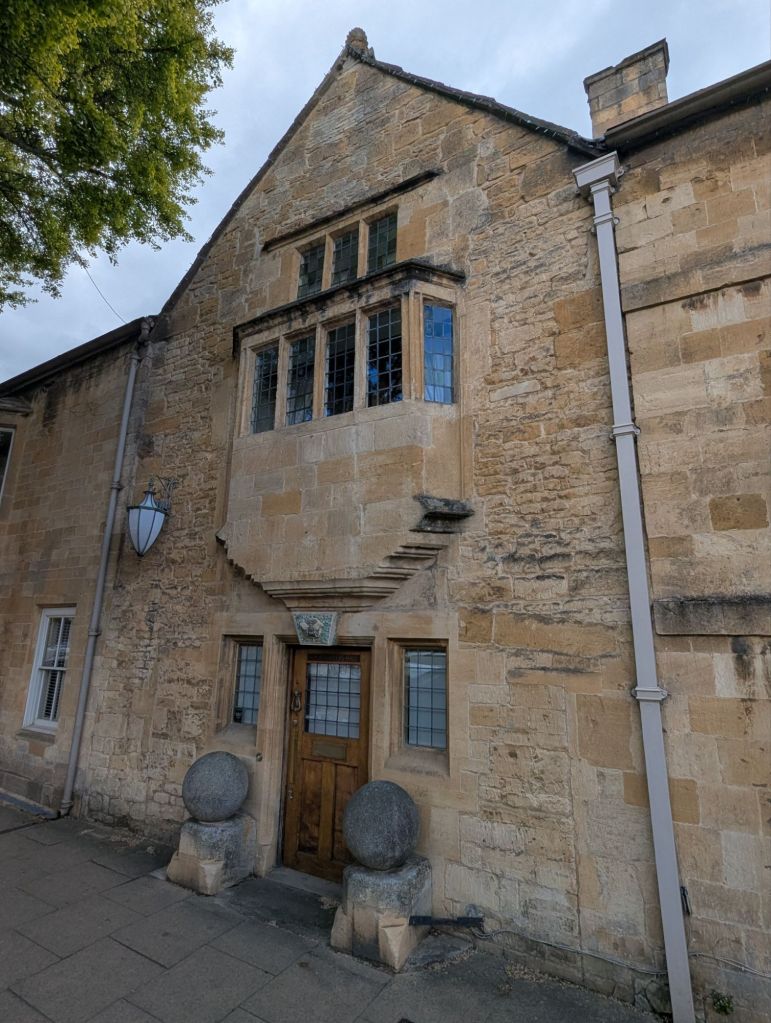
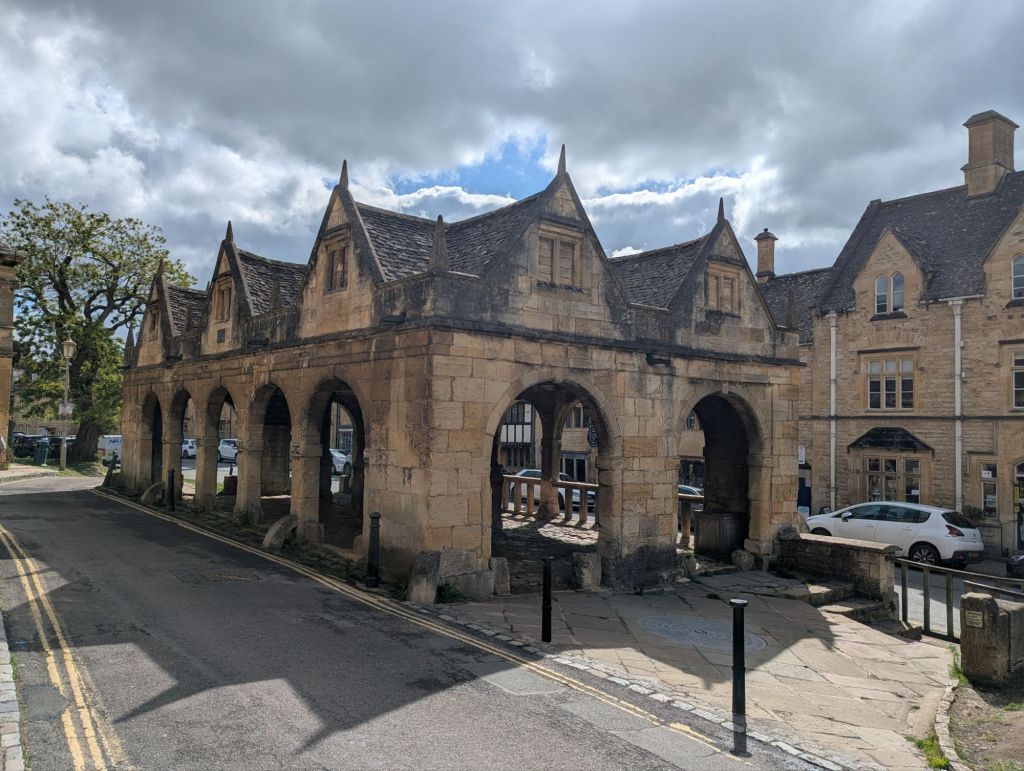
We had read about free walking tours led by the village wardens, so we headed to the old Market Hall to meet the guide. The Market Hall, built in 1627, sits right in the center of town and once served as a covered marketplace where traders sold butter, poultry, cheese, and wool beneath its stone arches while staying dry from the English weather above. It is one of the most recognizable landmarks in Chipping Campden.
After waiting there for a while with no guide in sight, we eventually learned that the tours do not begin until late May. Fortunately, the tourist information center was directly across the street and provided a self-guided walking tour booklet instead.
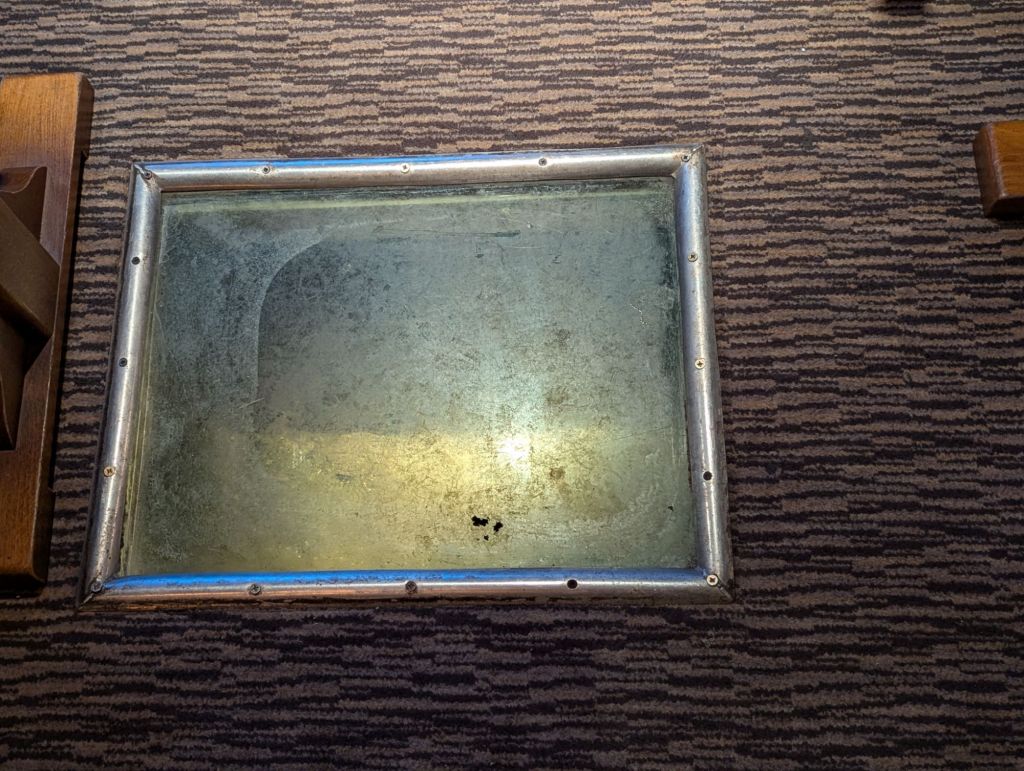
We spent the next hour wandering through town learning about the history behind many of the buildings. One interesting thing we saw was a cartwash, one of only a few remaining in England. This stone-lined trench was filled with water so wagon wheels could roll through it. The water helped keep wooden wheels from drying out and shrinking, while also washing off mud during wet seasons. It was basically the medieval version of a car wash.
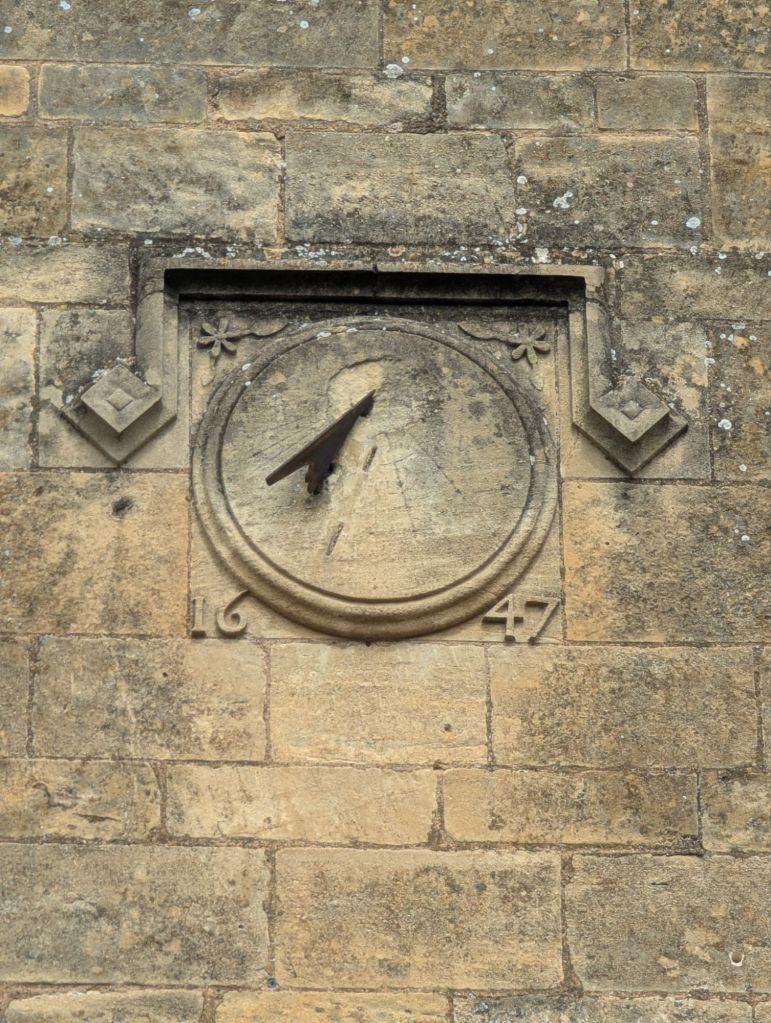
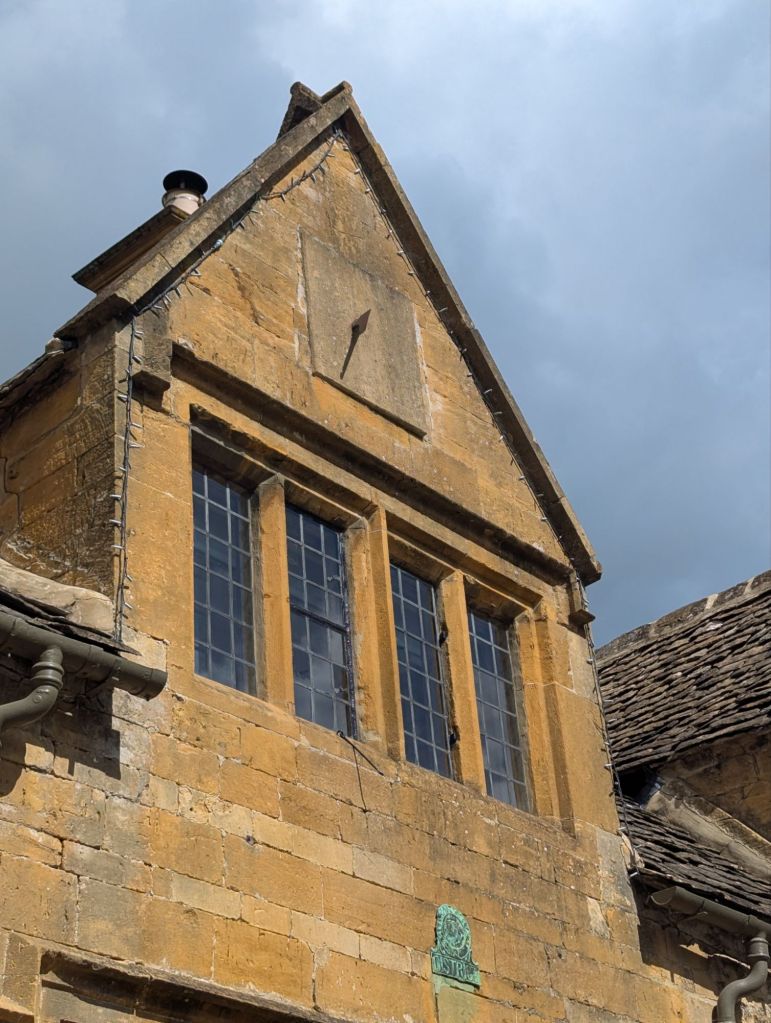
As we explored the town we also noticed several homes with sundials mounted high on the front walls. Before modern clocks became common, sundials were an important way for people to track the time using the position of the sun. Many homes in the Cotswolds still proudly display them, often with decorative inscriptions or family mottos. The one we photographed looked especially striking against the golden stone of the building, and it was another reminder of just how old many of these homes really are. It is funny to think that a house can casually have a centuries-old timepiece built into the front wall.
We also learned that William Oughtred, the inventor of the slide rule, was born in Chipping Campden. Long before calculators and smartphones, slide rules were used for complex calculations by engineers, scientists, and students. It is funny to think that something once considered cutting-edge technology is now mostly a museum piece.
Nearby we also saw the historic silk mill, a reminder that Chipping Campden became an important center for arts and crafts during the late 1800s and early 1900s. Even today the town still has a strong artisan culture with galleries, studios, and craft shops throughout the village.
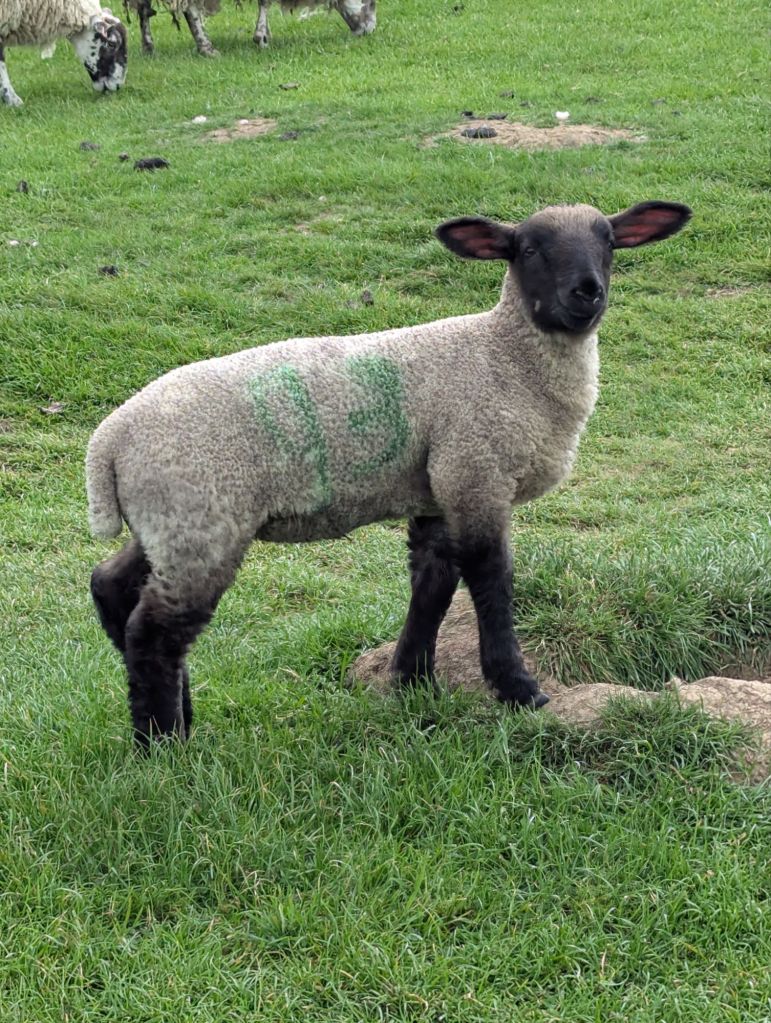
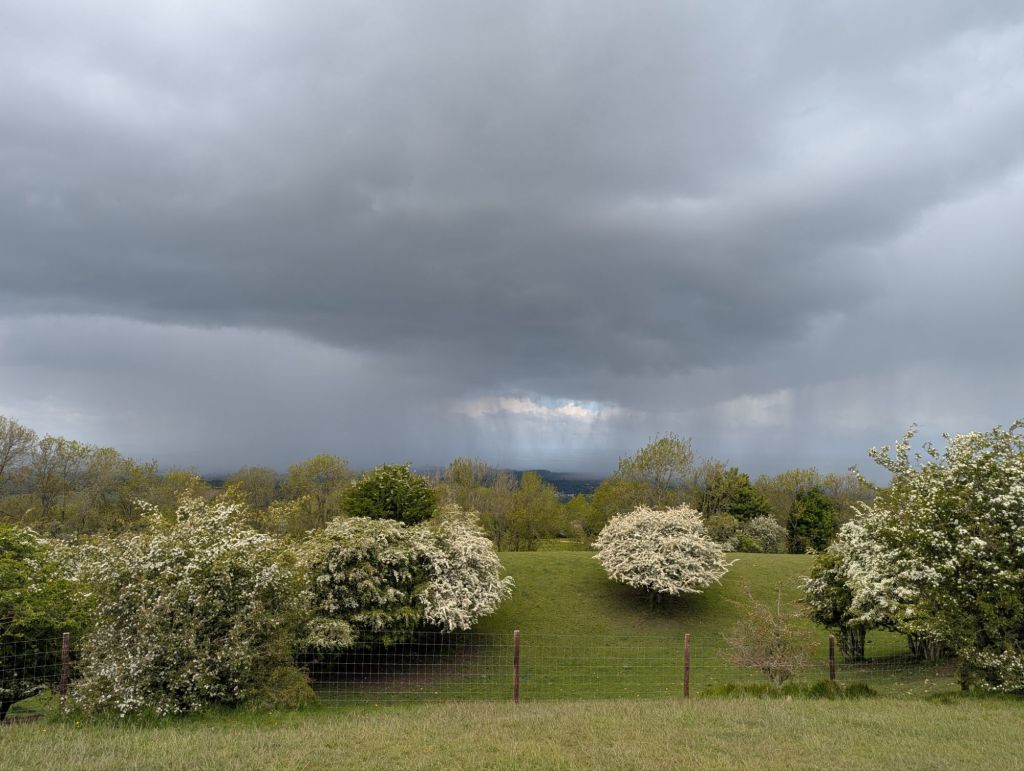
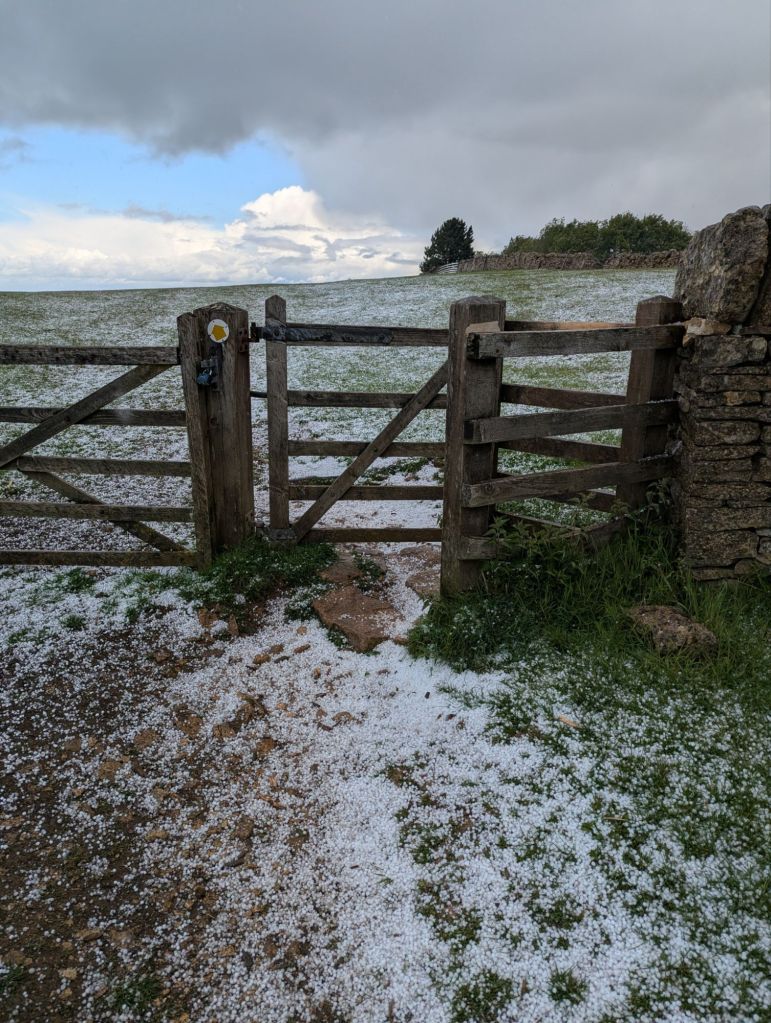
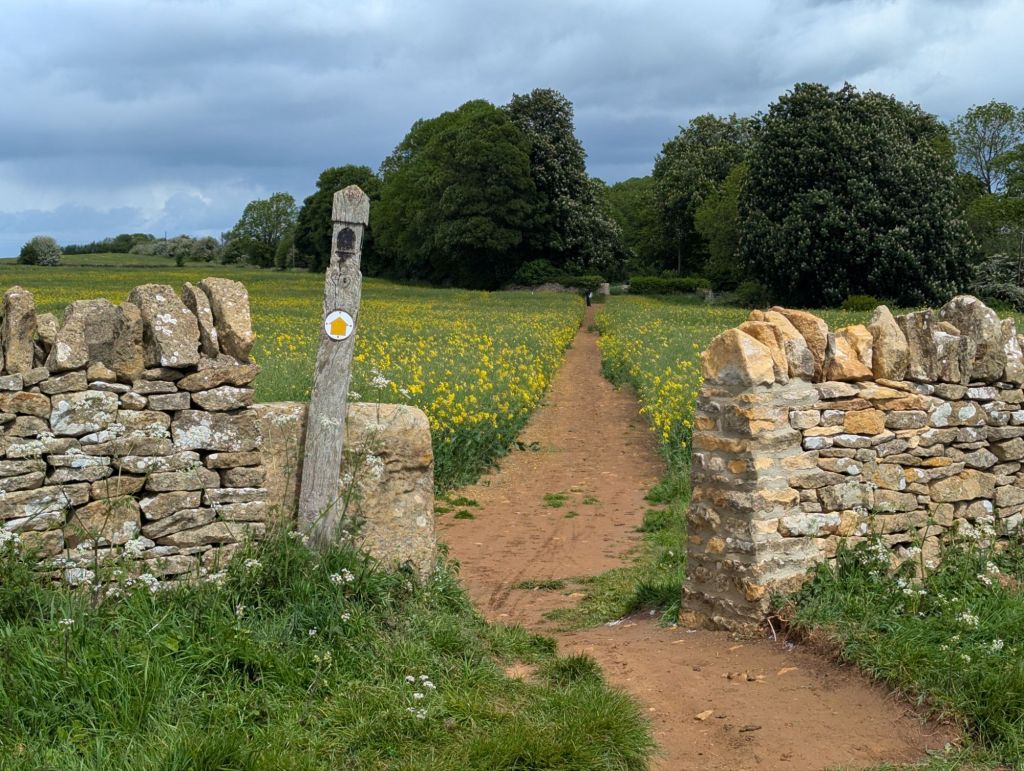
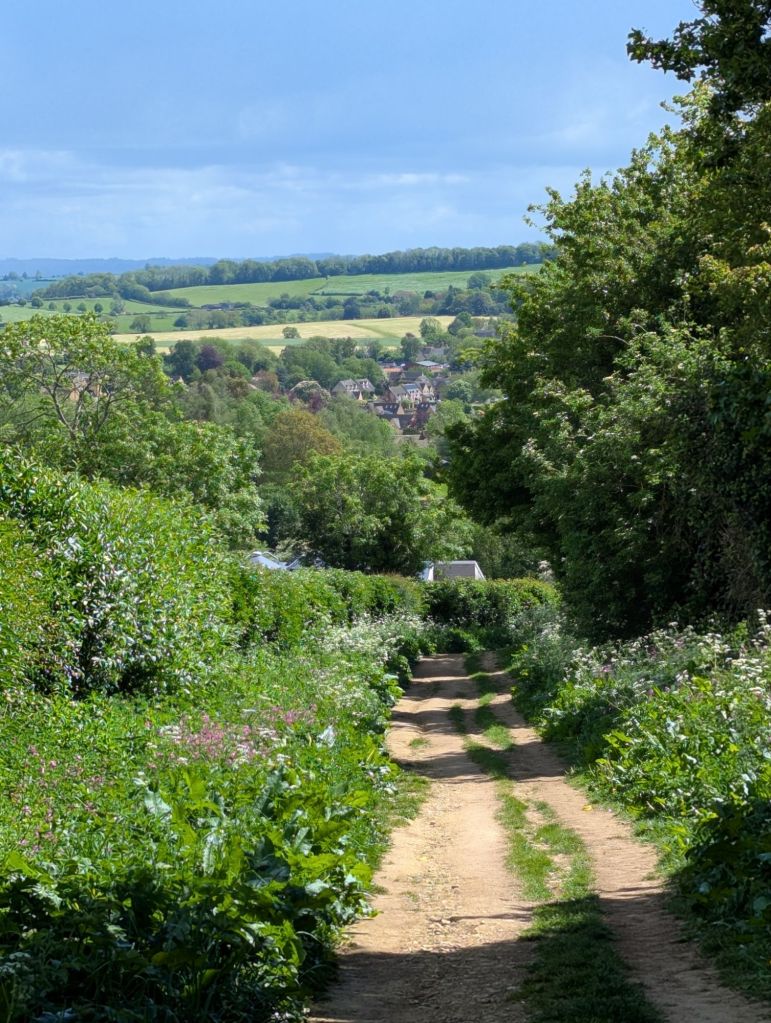
After our tour around town, it was finally time to hit the trail again. Today’s route immediately began with a long uphill climb across open fields. It was a solid workout with very few sheep or gates available to distract us from the incline.
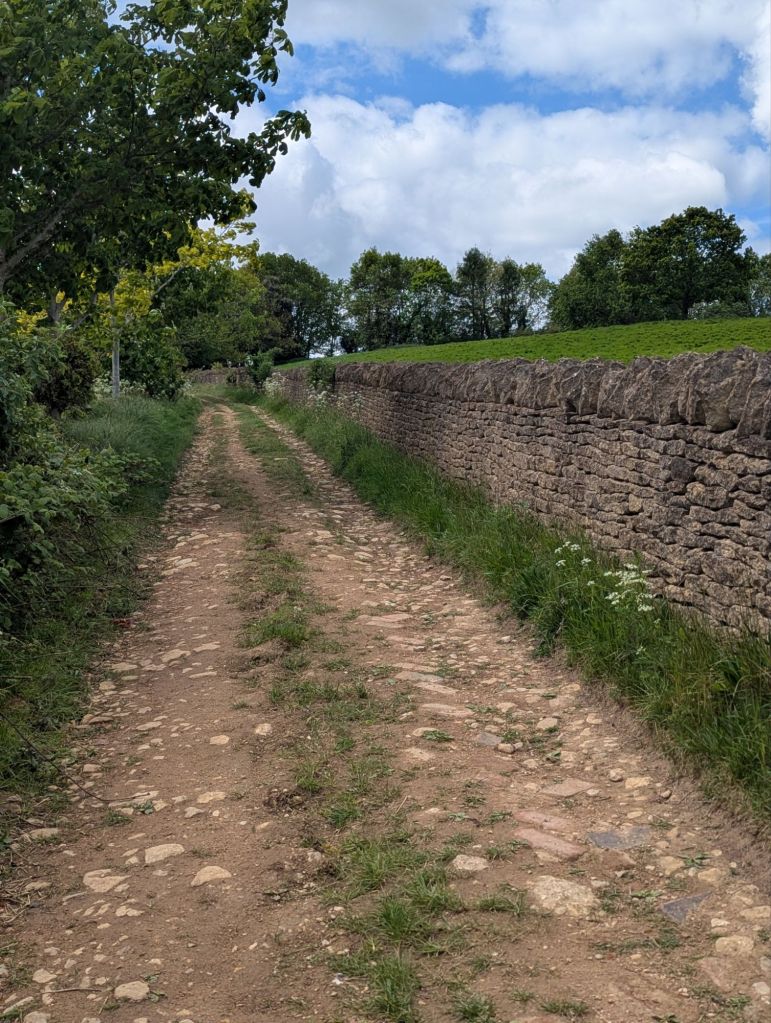
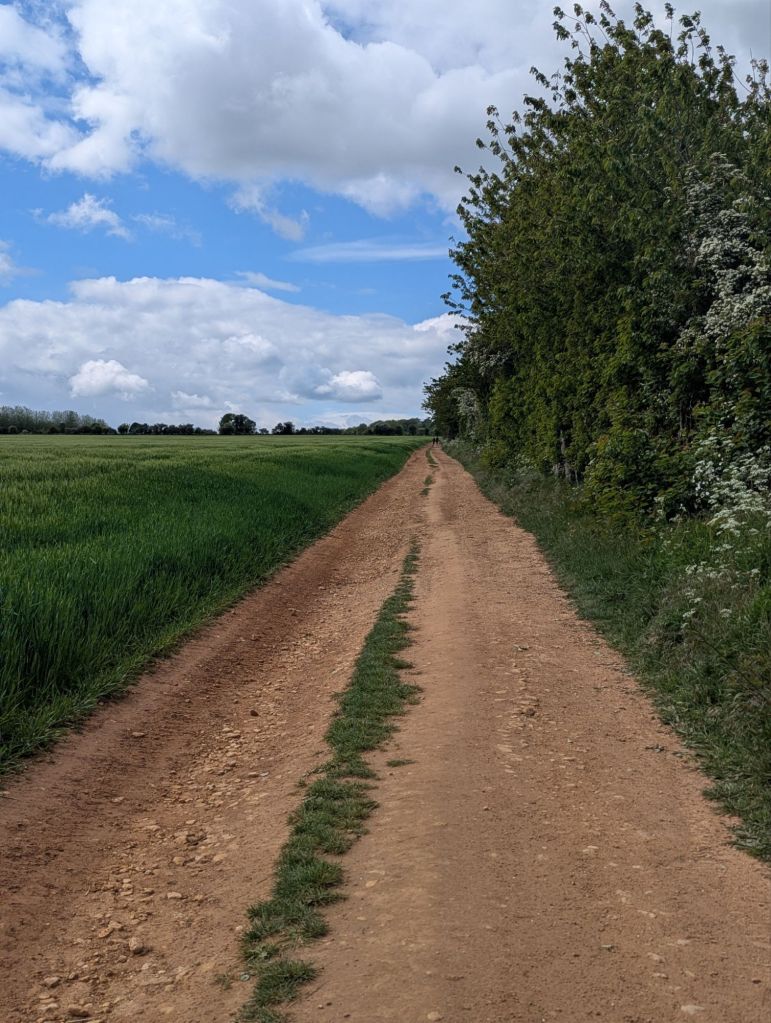
About three miles into the walk we arrived in the tiny village of Blockley. Almost immediately we noticed a lot of activity around the church. It looked like something was being filmed. We stopped into Blockley Café for lunch and learned that Blockley is one of the primary filming locations for the BBC series Father Brown.
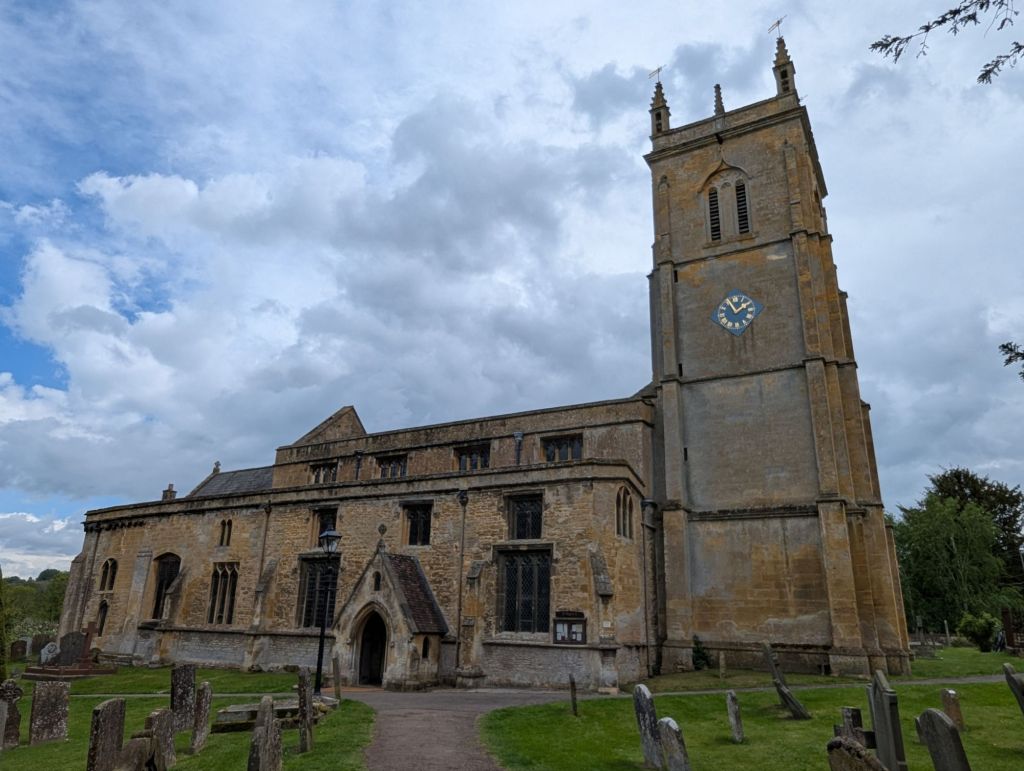
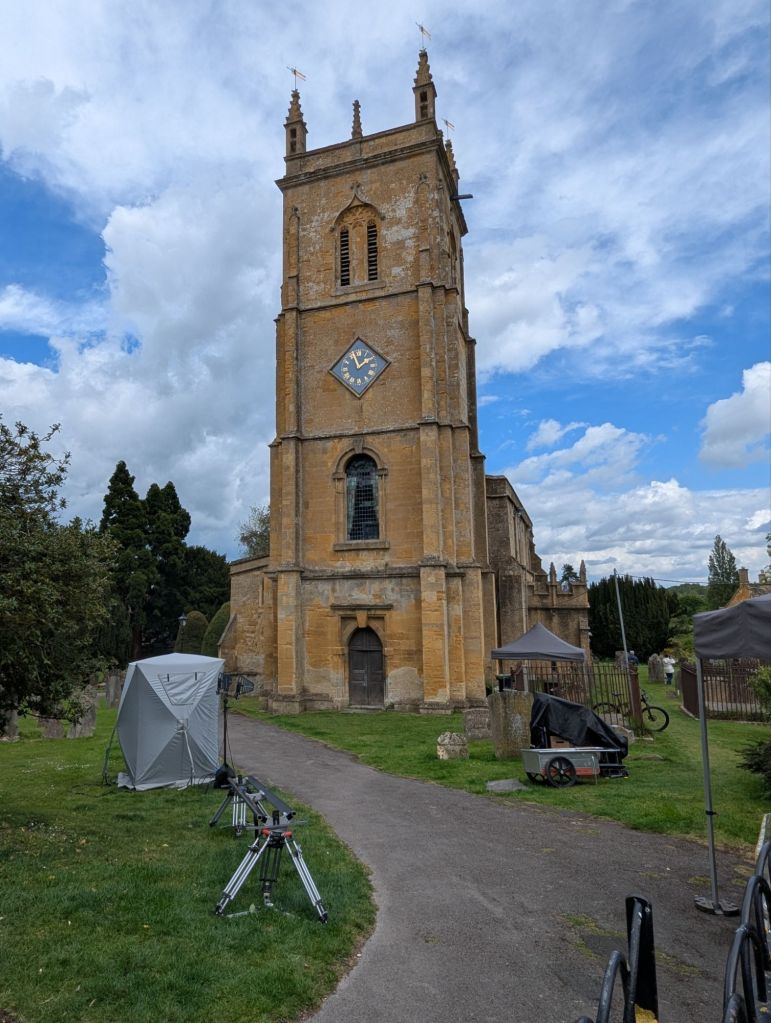
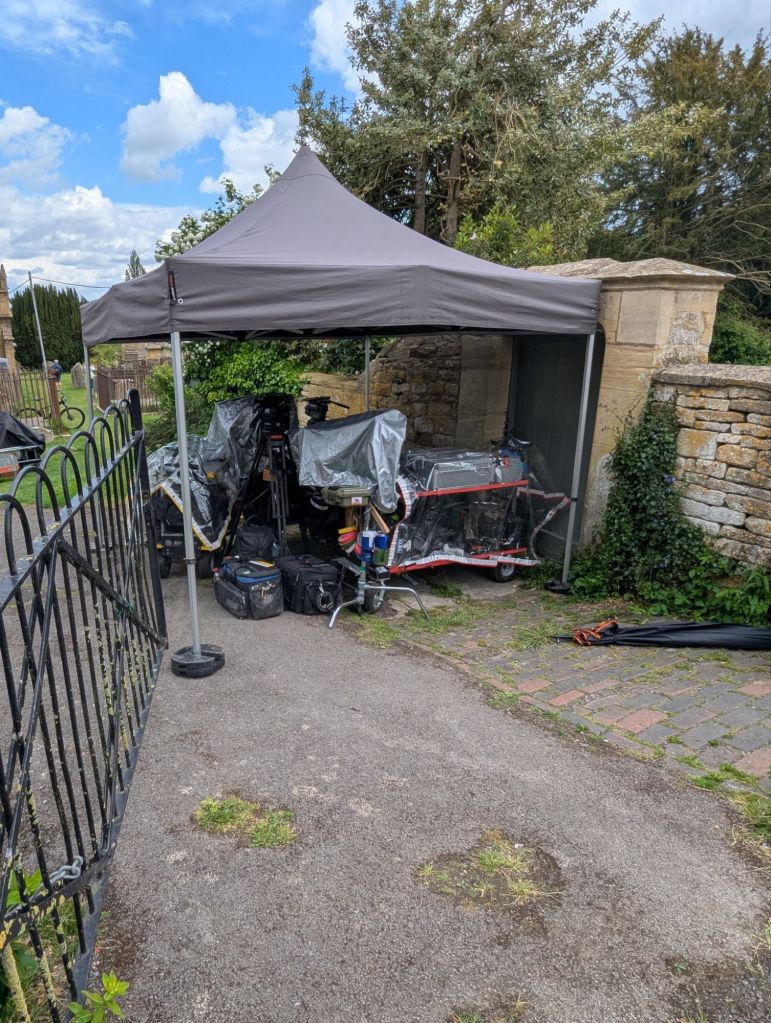
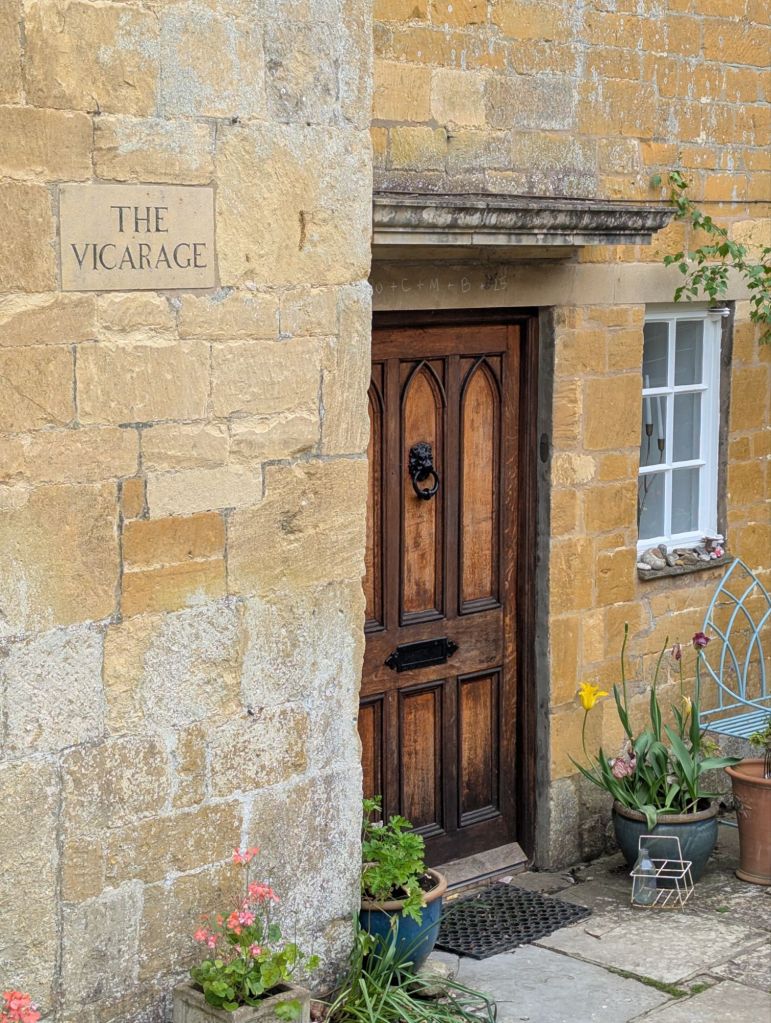
For those unfamiliar with the show, Father Brown is a long-running British mystery series based loosely on stories by G.K. Chesterton. The main character is a Catholic priest with an uncanny ability to solve crimes in small English villages during the 1950s. Blockley serves as the fictional village of Kembleford in the series, and the church is regularly featured as “St. Mary’s.” The production team has even changed some of the signage around the church to match the fictional setting. Apparently filming in the village is common enough that locals are fairly unfazed by camera crews showing up.
Now, of course, we have another British series to add to our watch list.
While in the café we stopped for lunch, which was also our only real food option along today’s route. Thankfully, this was not just a fine lunch. It was an absolutely delicious lunch and exactly what we needed before the second half of the hike.
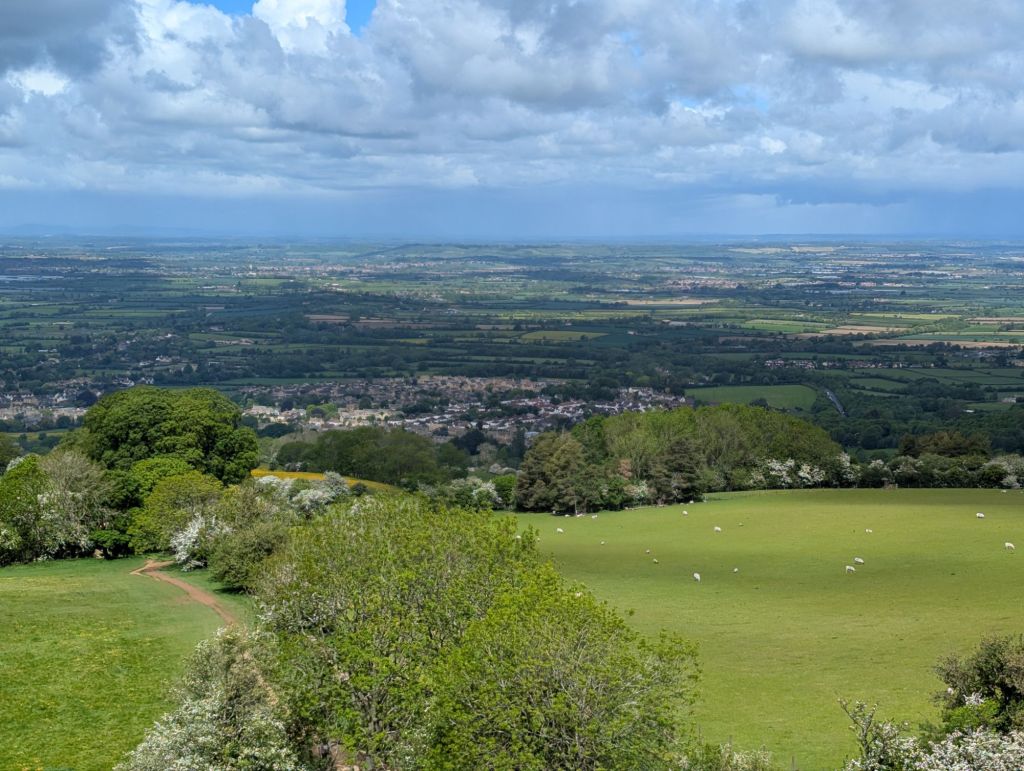
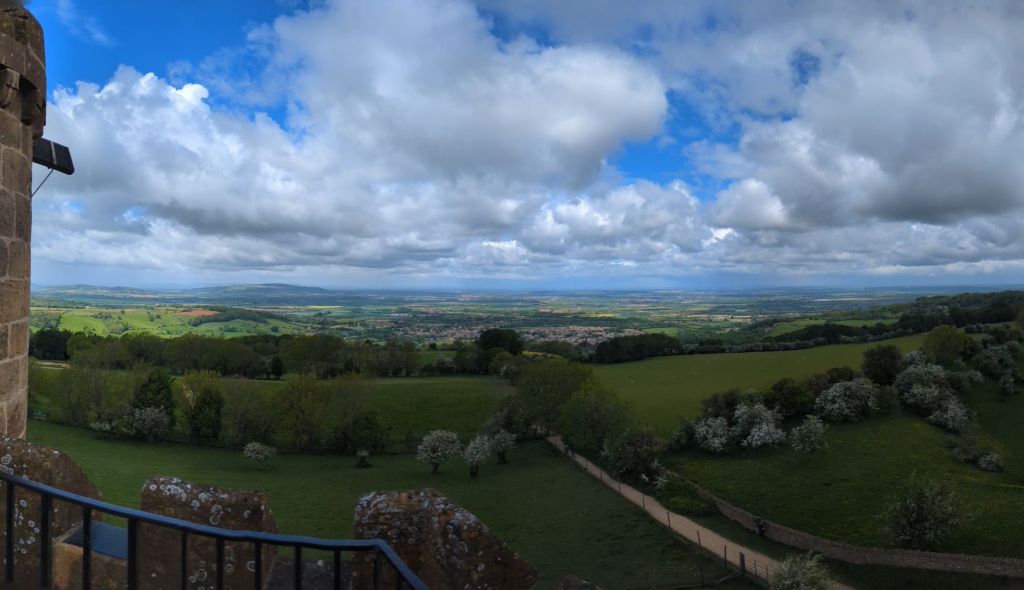
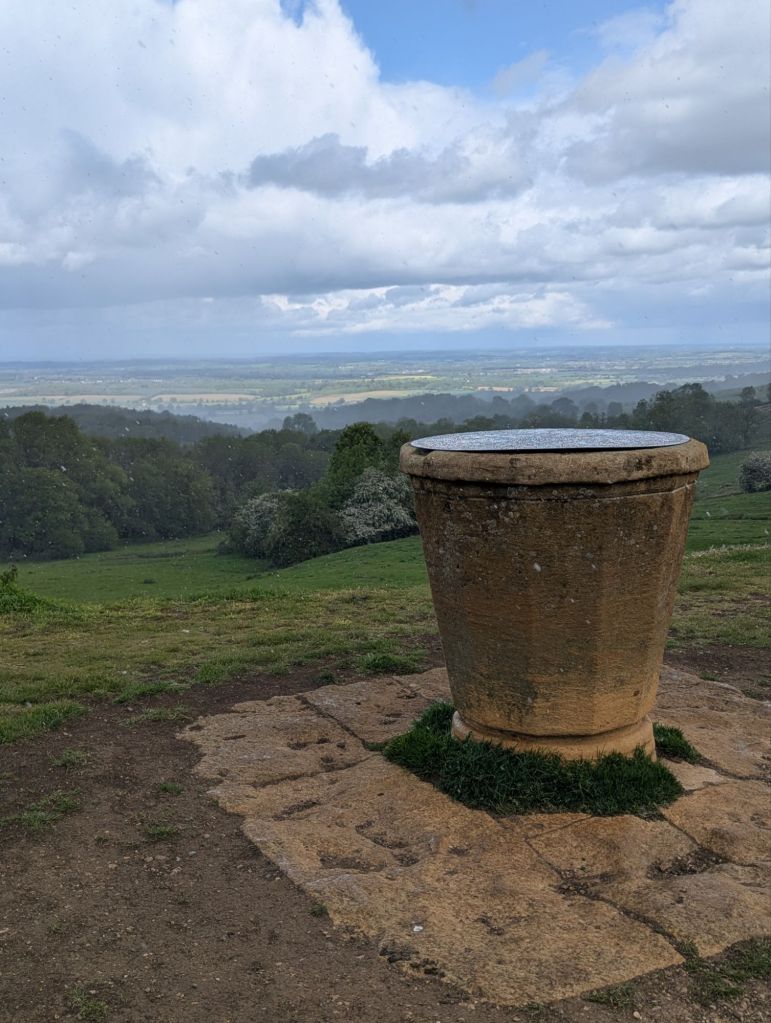
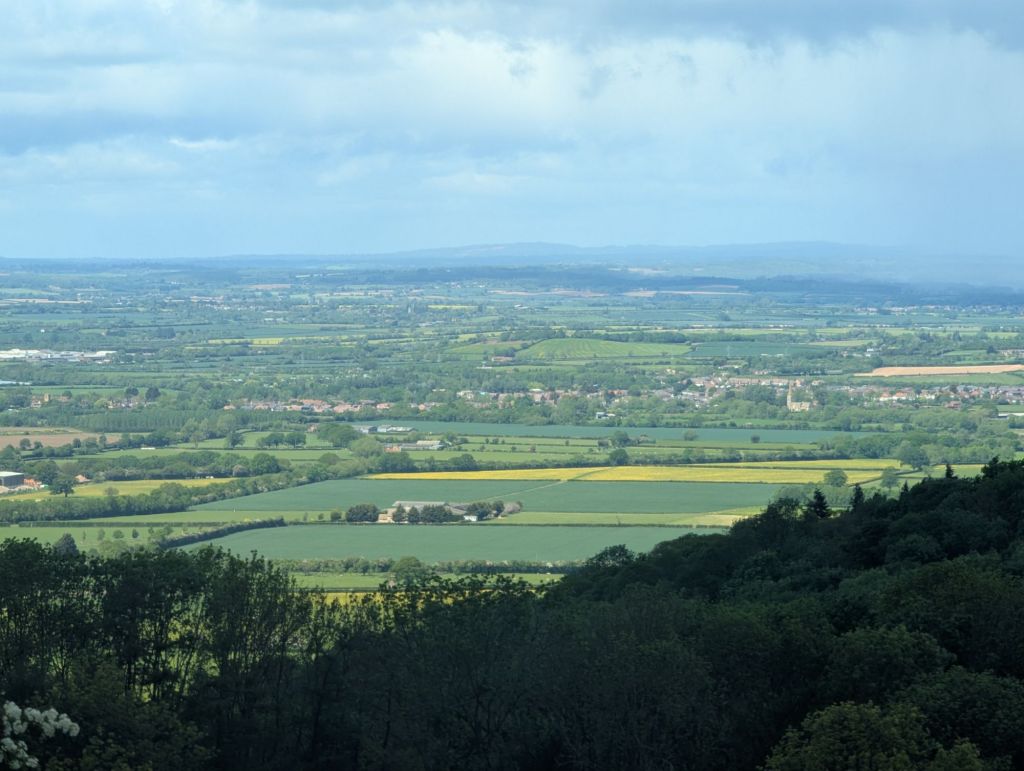
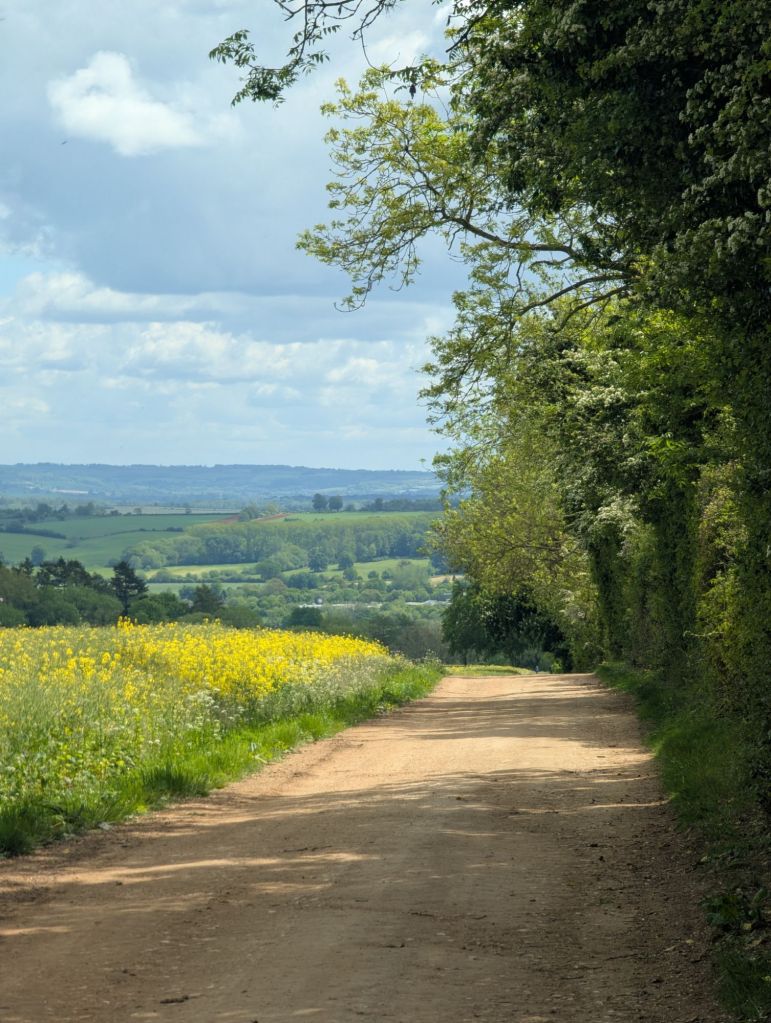
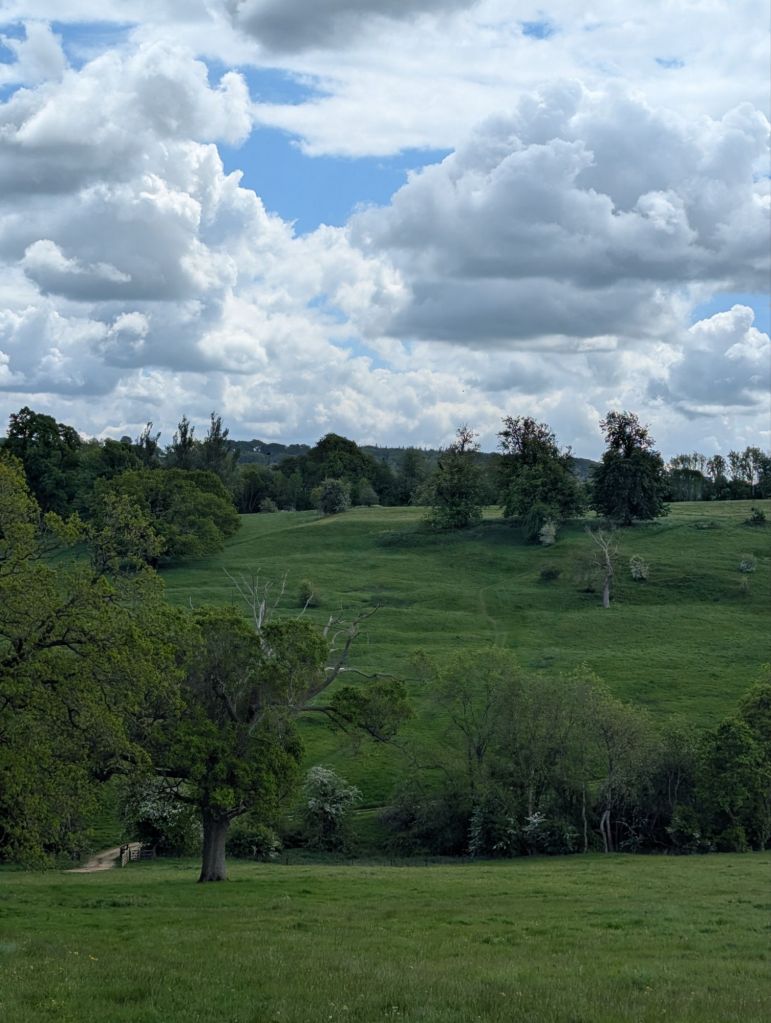
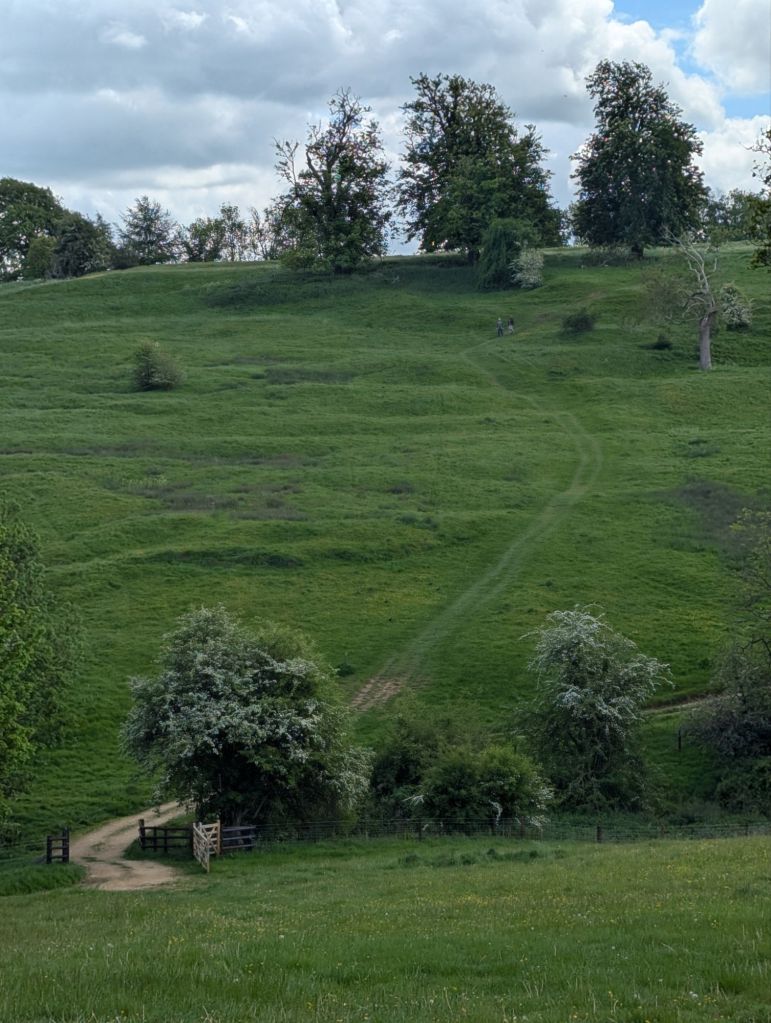
Back on the trail we were immediately greeted by another steep uphill climb through a pasture. We were so focused on leaning forward into the incline and trying not to step in the seemingly endless sheep poop that we almost forgot to turn around and enjoy the view behind us. Thankfully we did, because looking back revealed beautiful panoramic views over Blockley and the surrounding countryside.
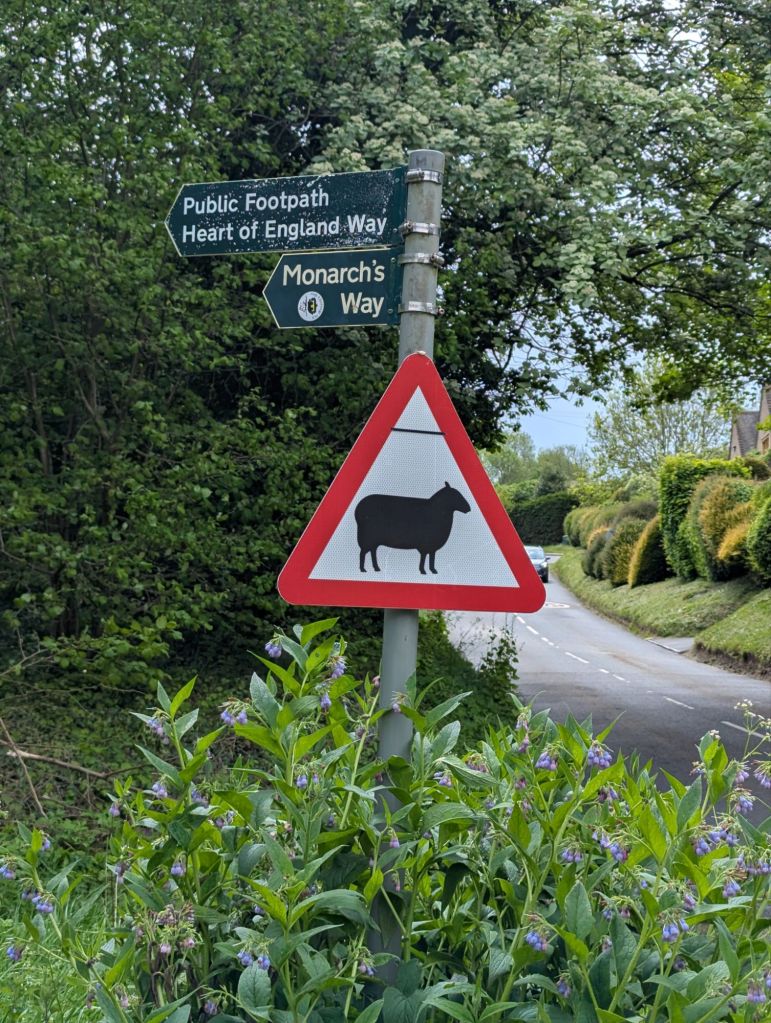
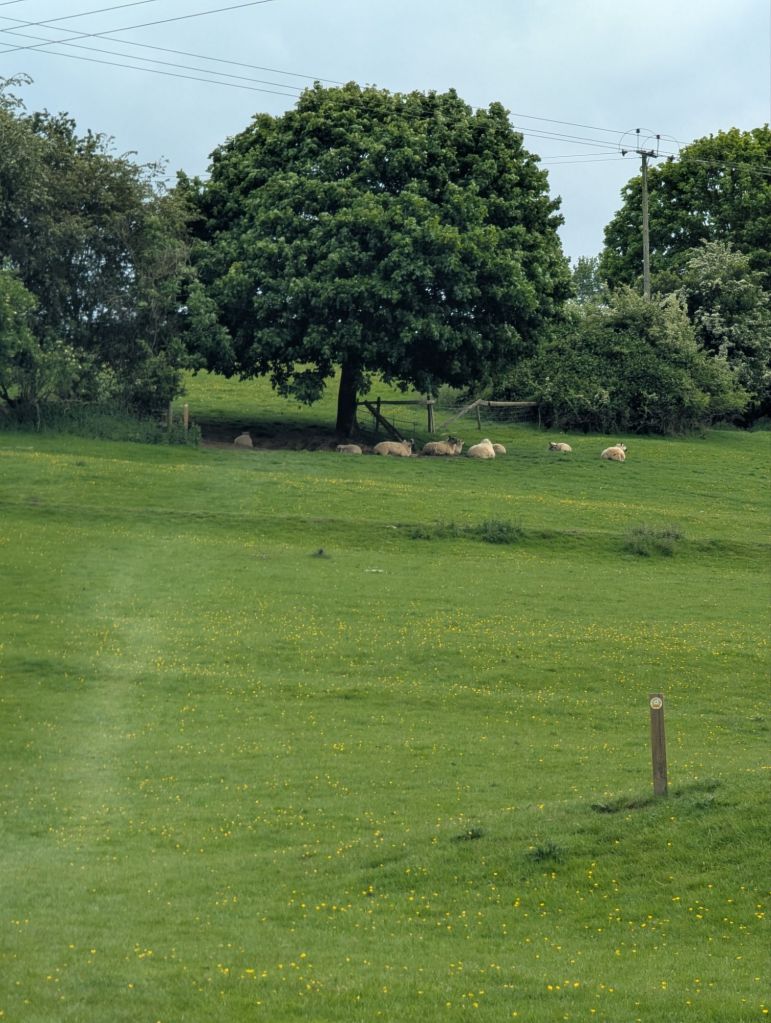
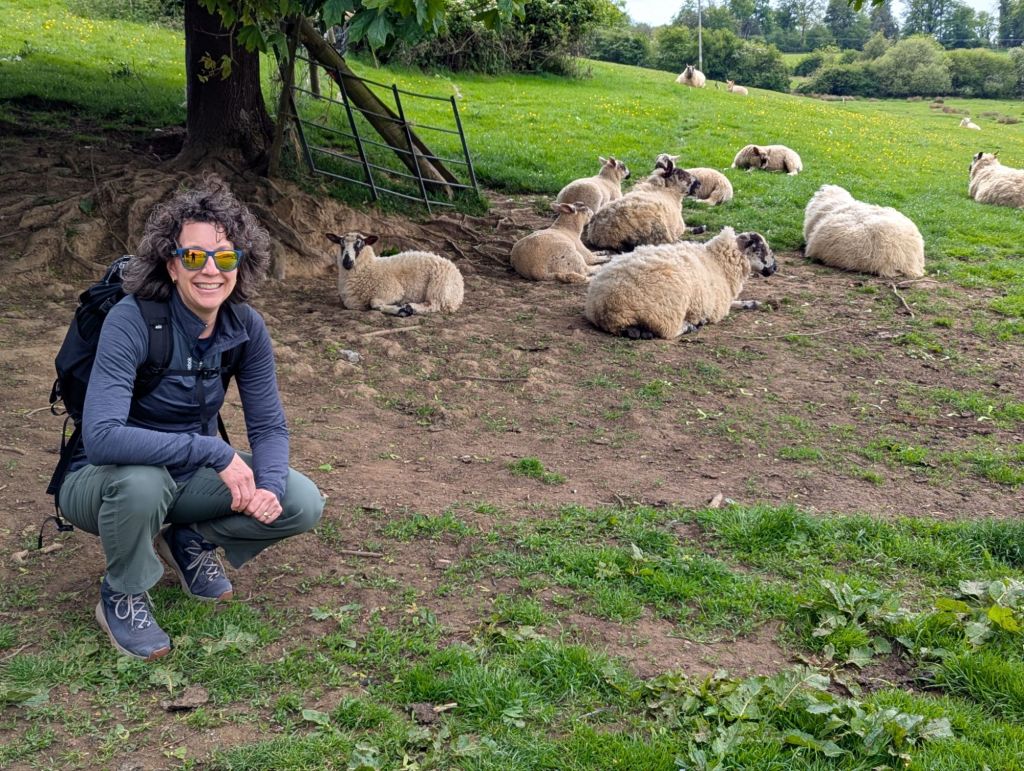
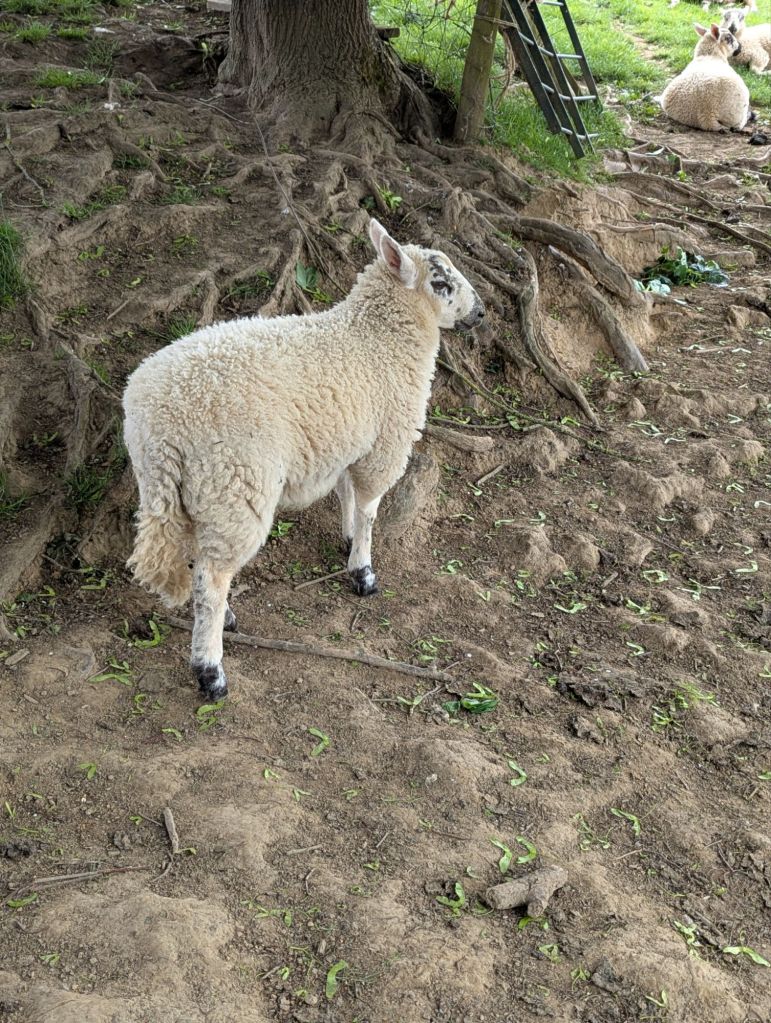
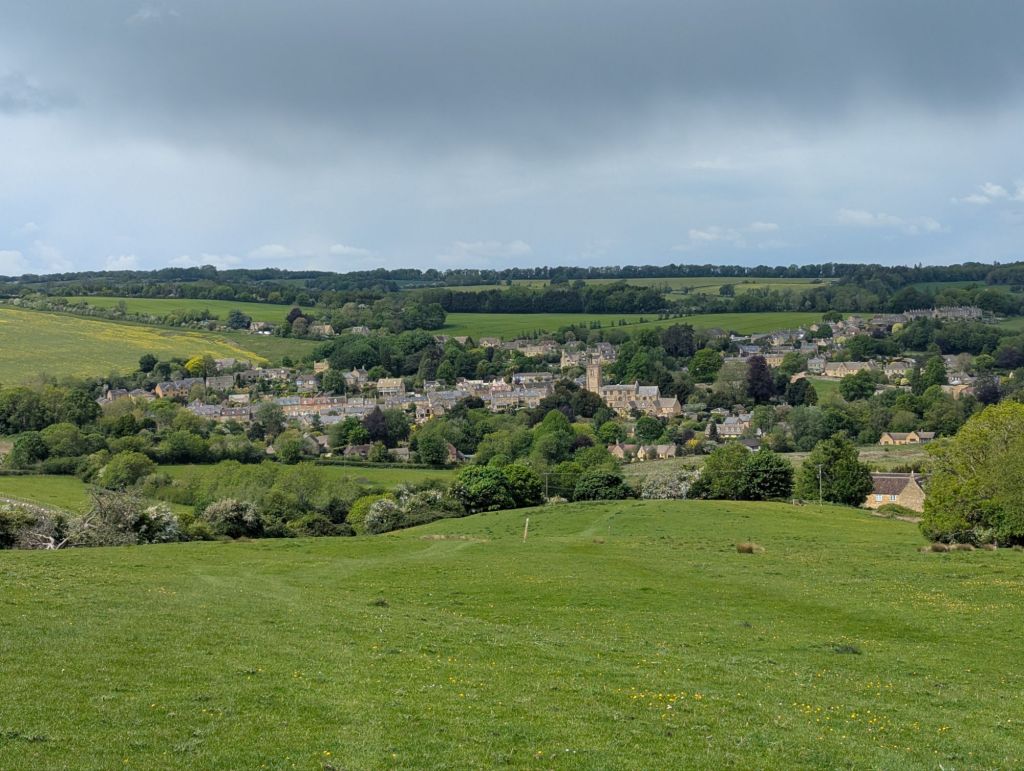
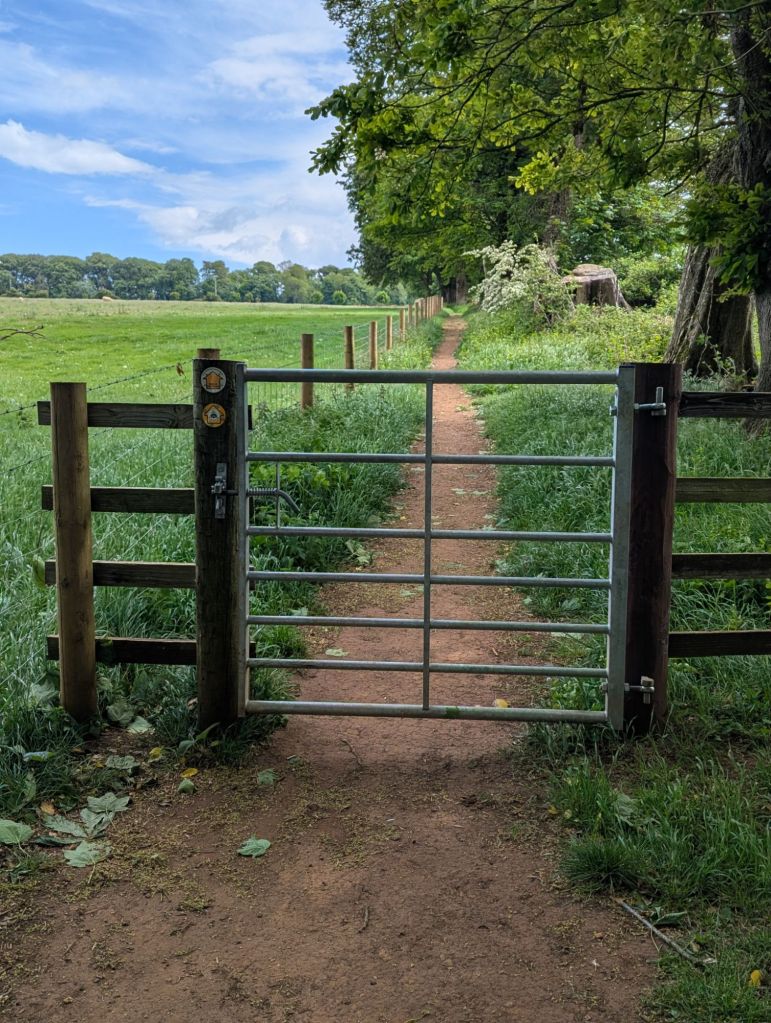
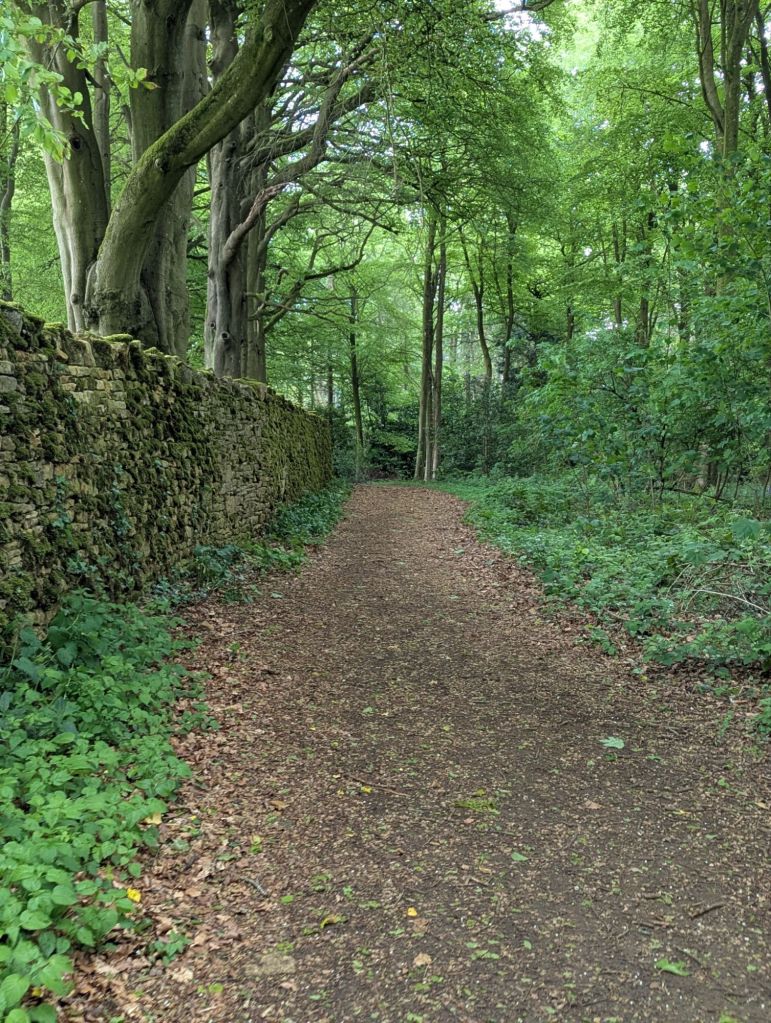
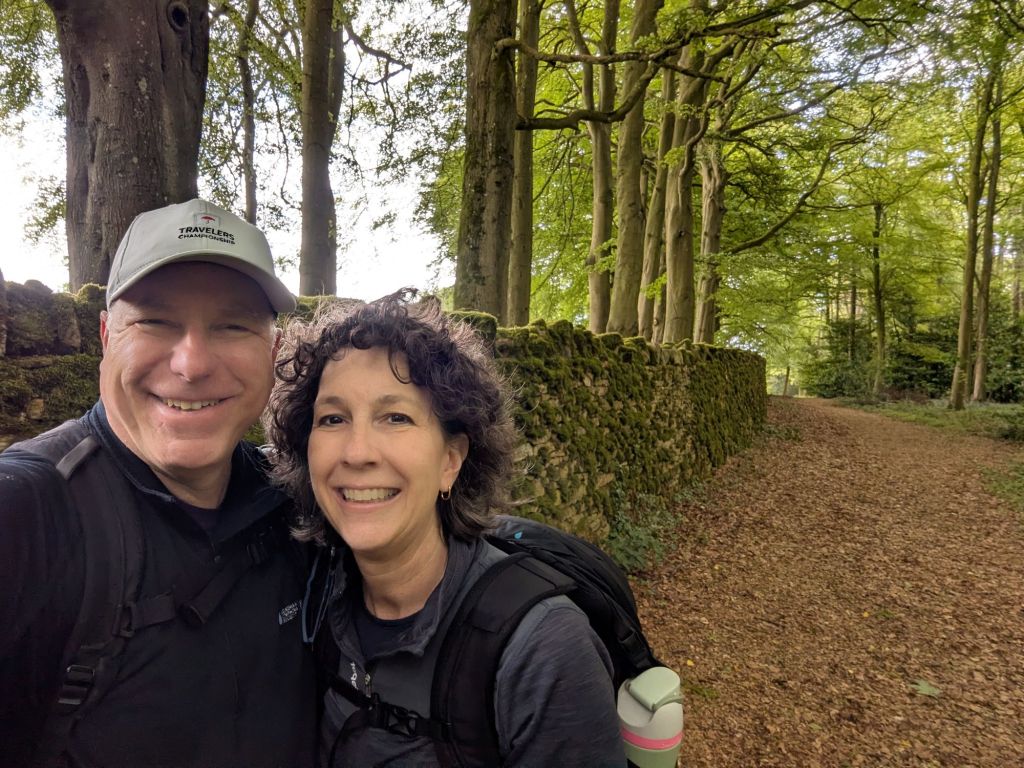
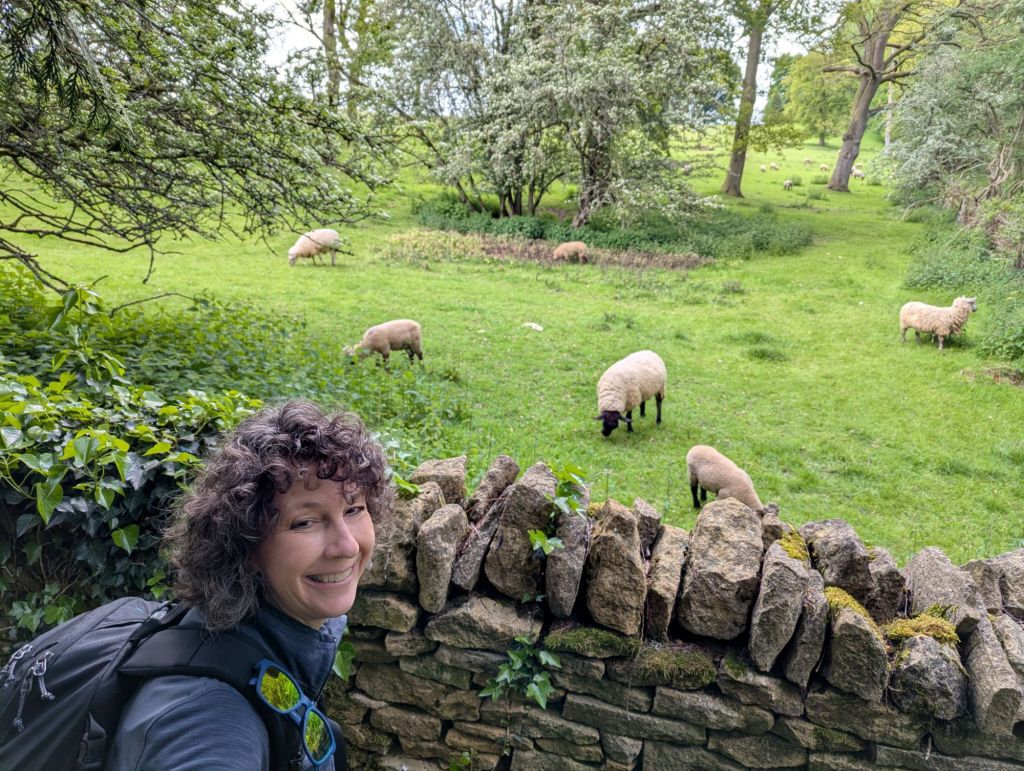
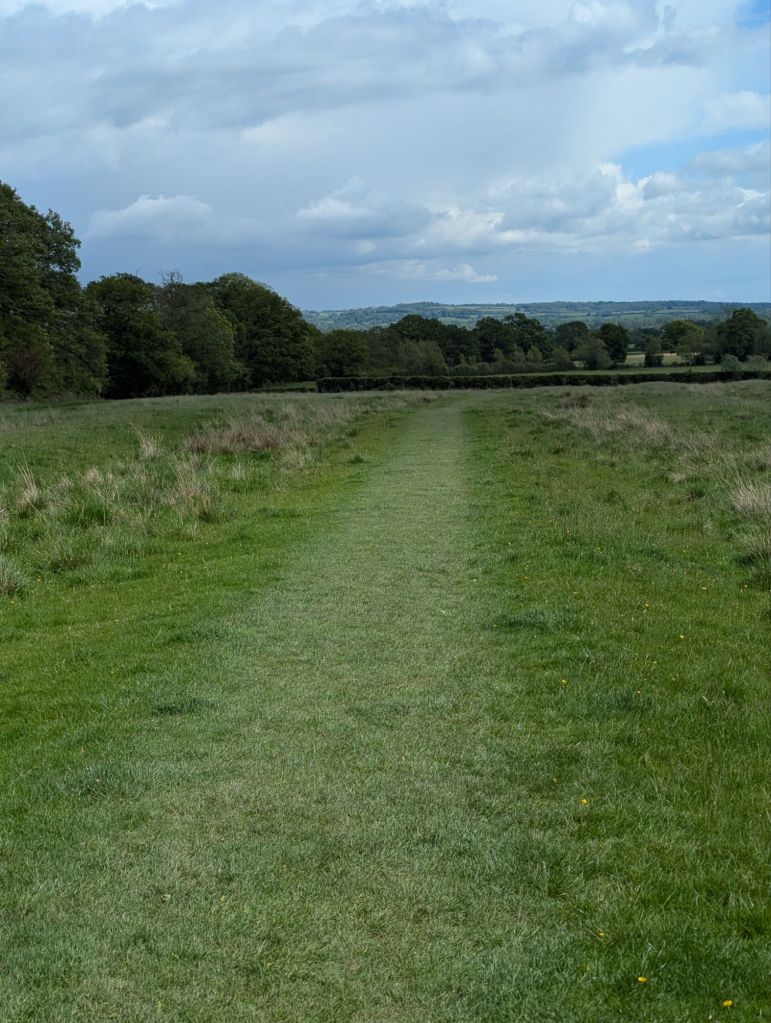
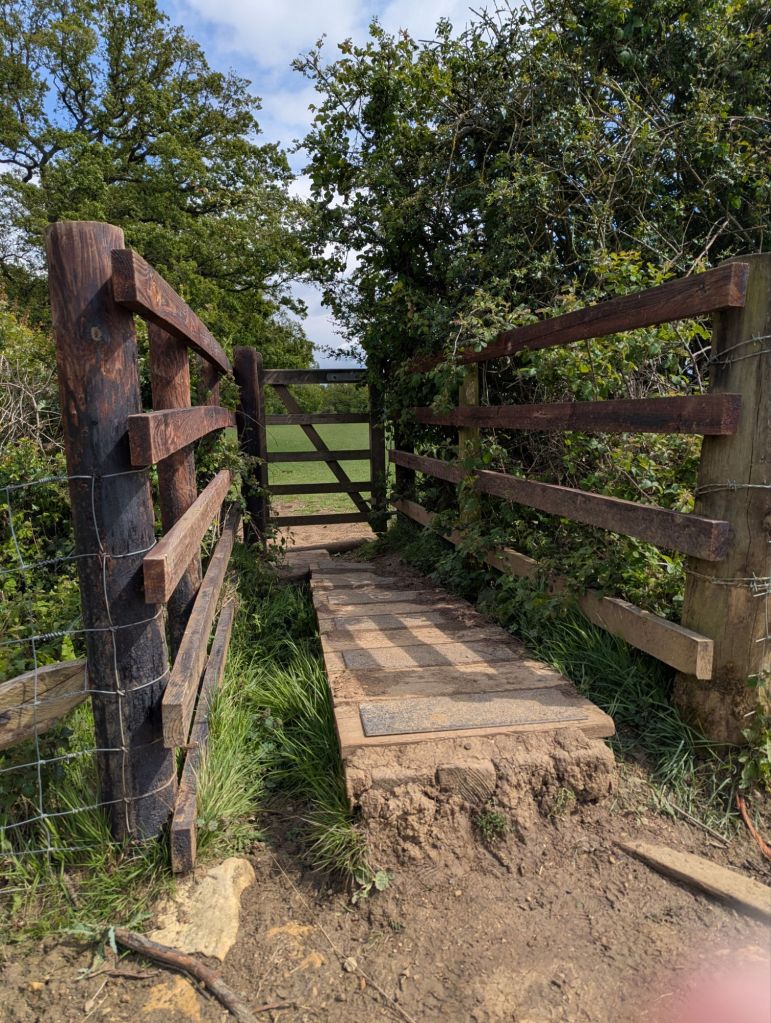
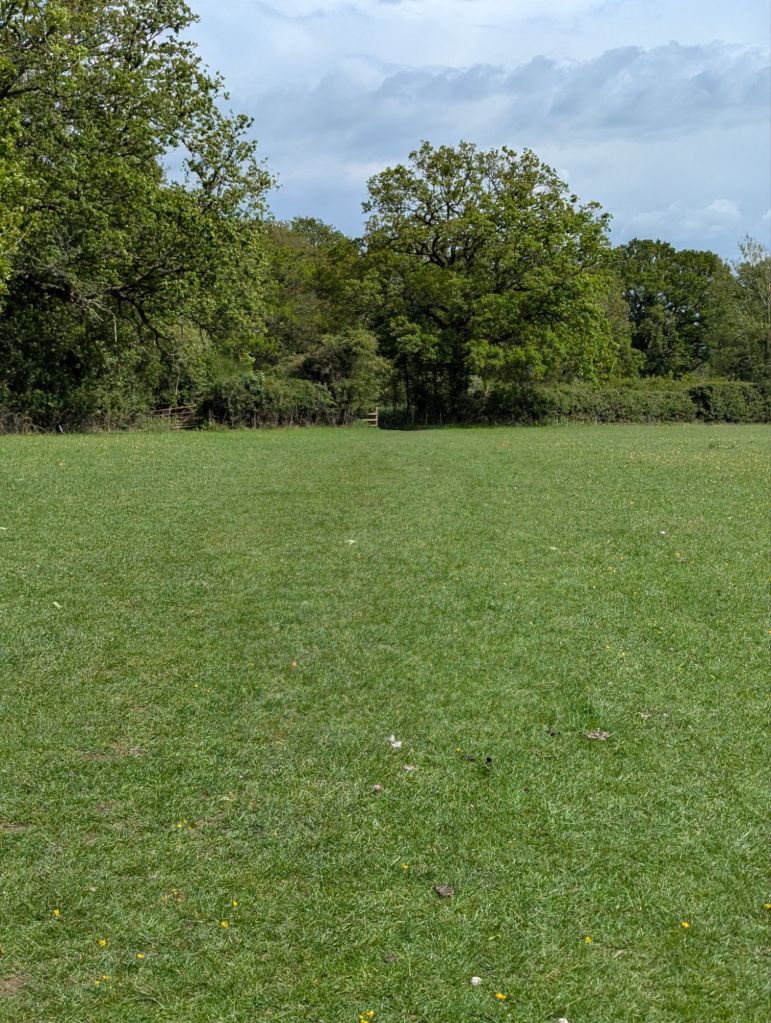
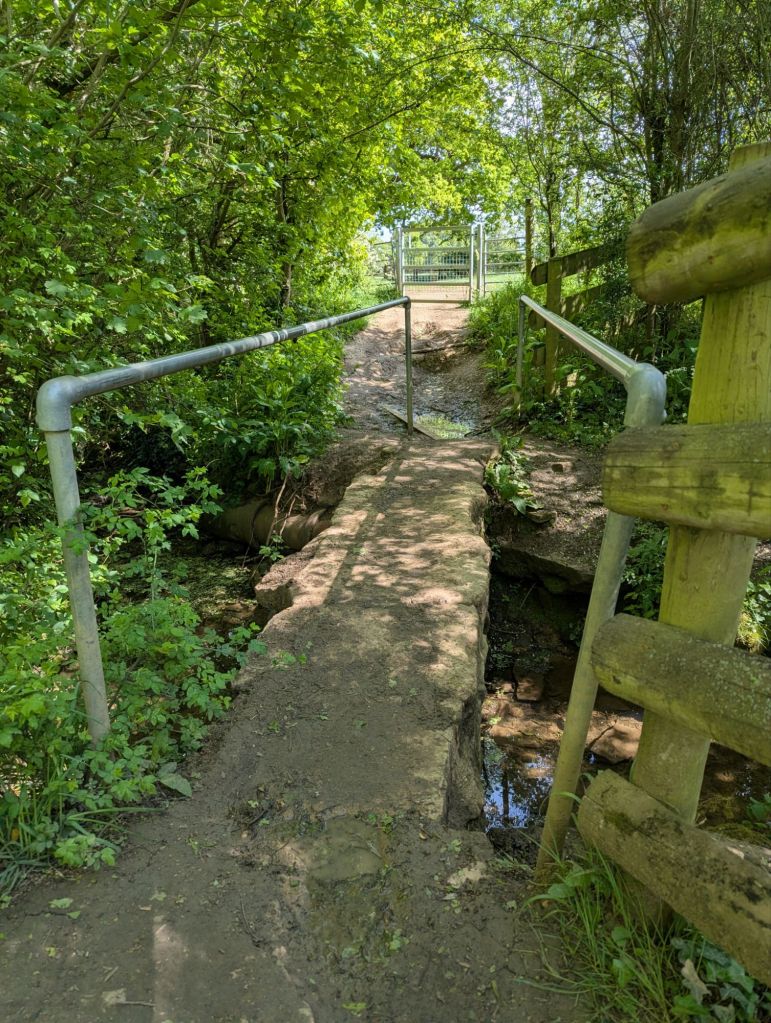
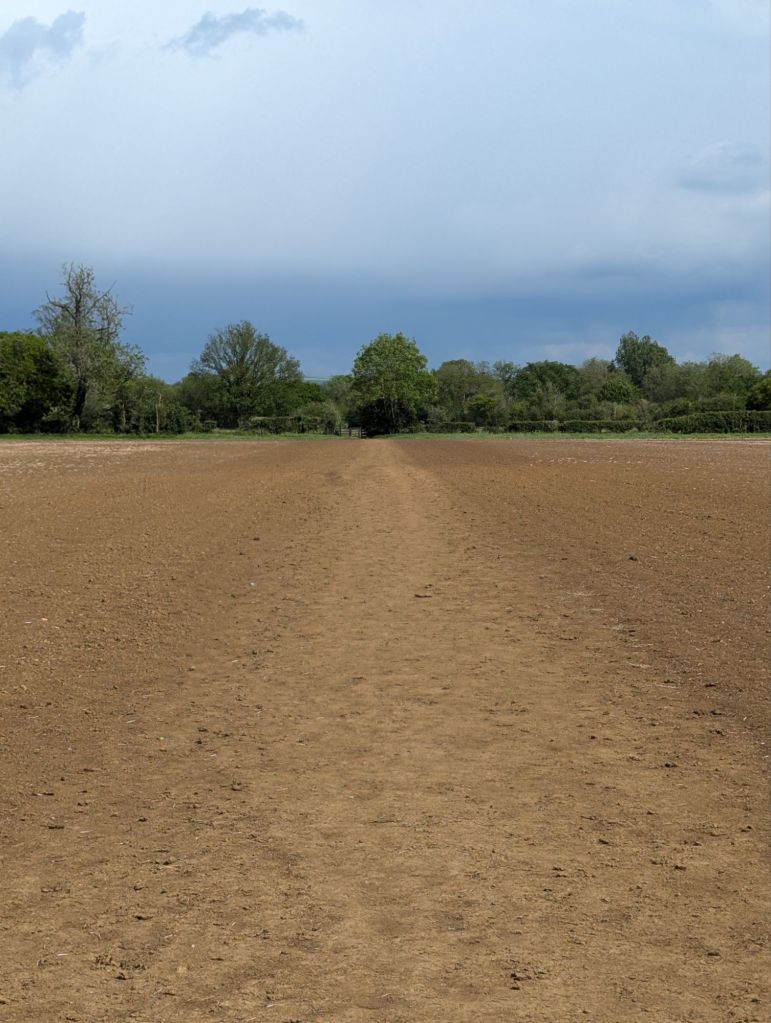
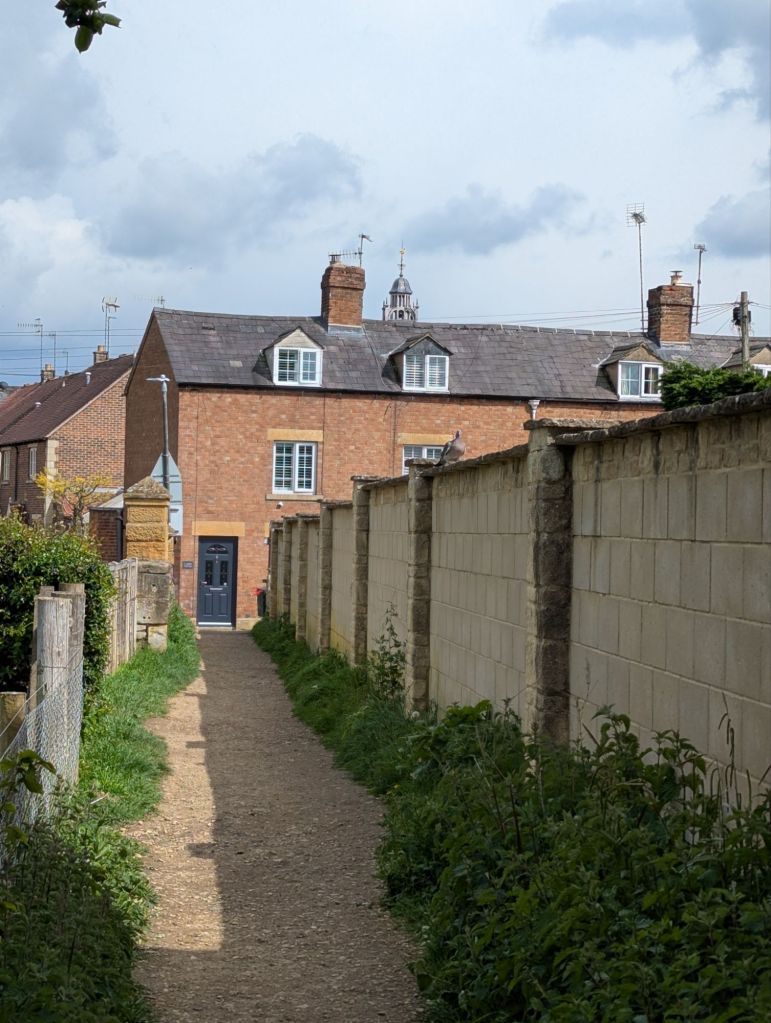
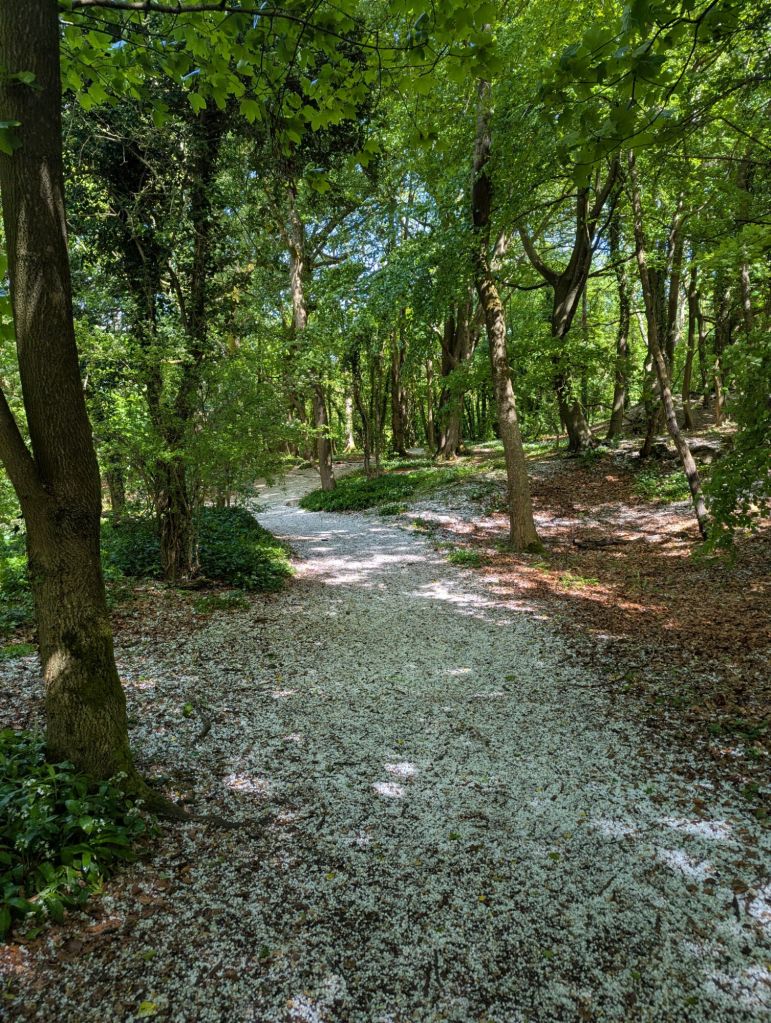
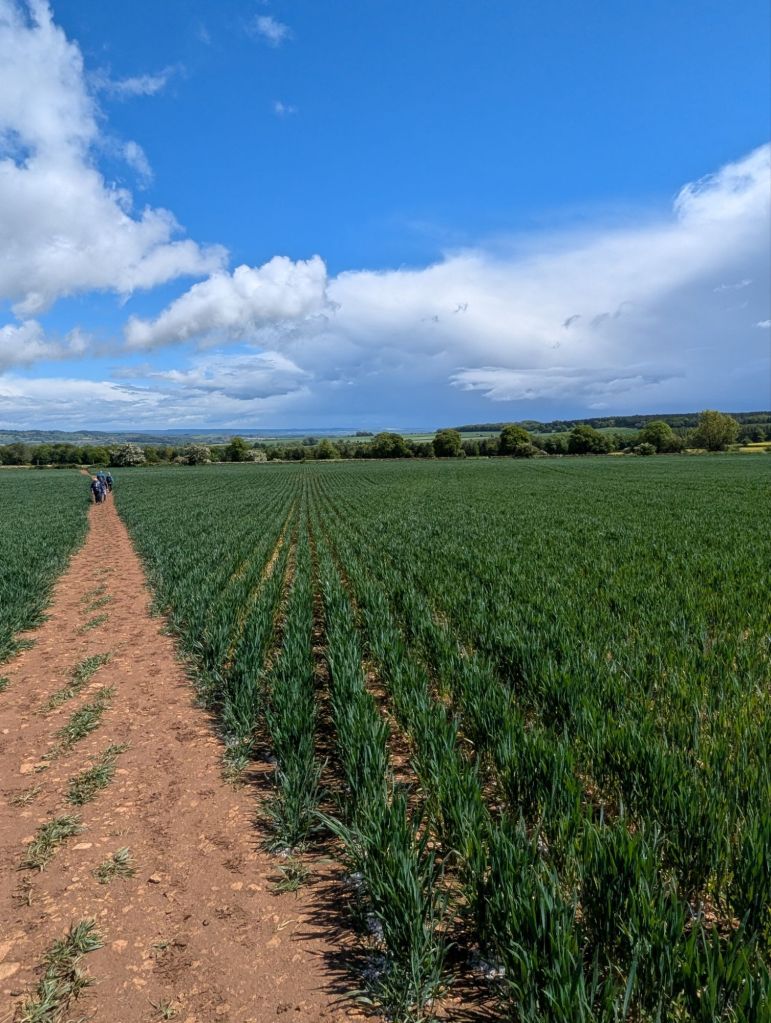
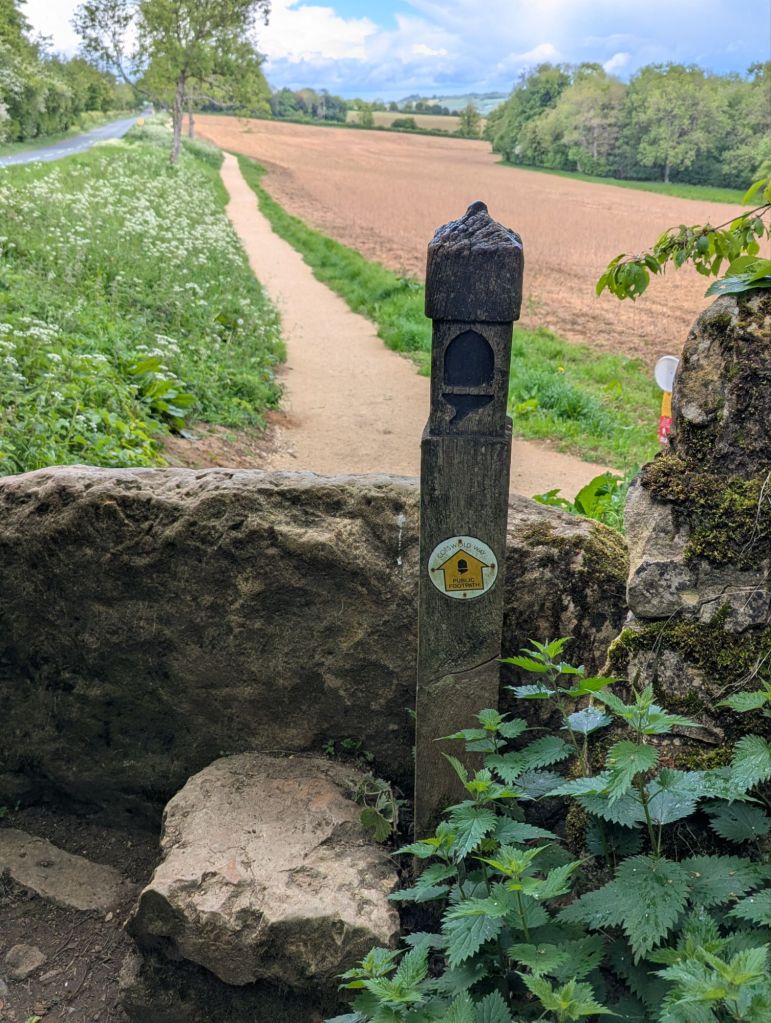
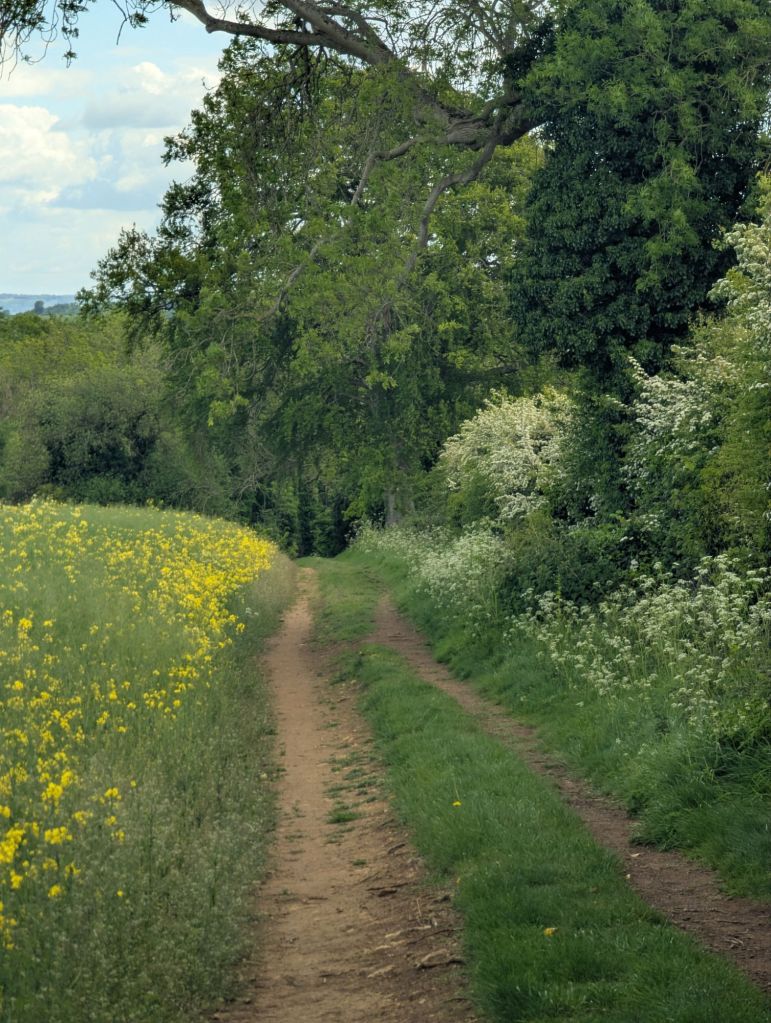
From there we pressed onward as the trail gradually descended and flattened out. After woods, farmland, sheep, rolling fields, and a grand total of 22 gates, we suddenly found ourselves back in Moreton-in-Marsh, the same town where our walking tour had begun a week earlier. Our journey had officially come full circle.
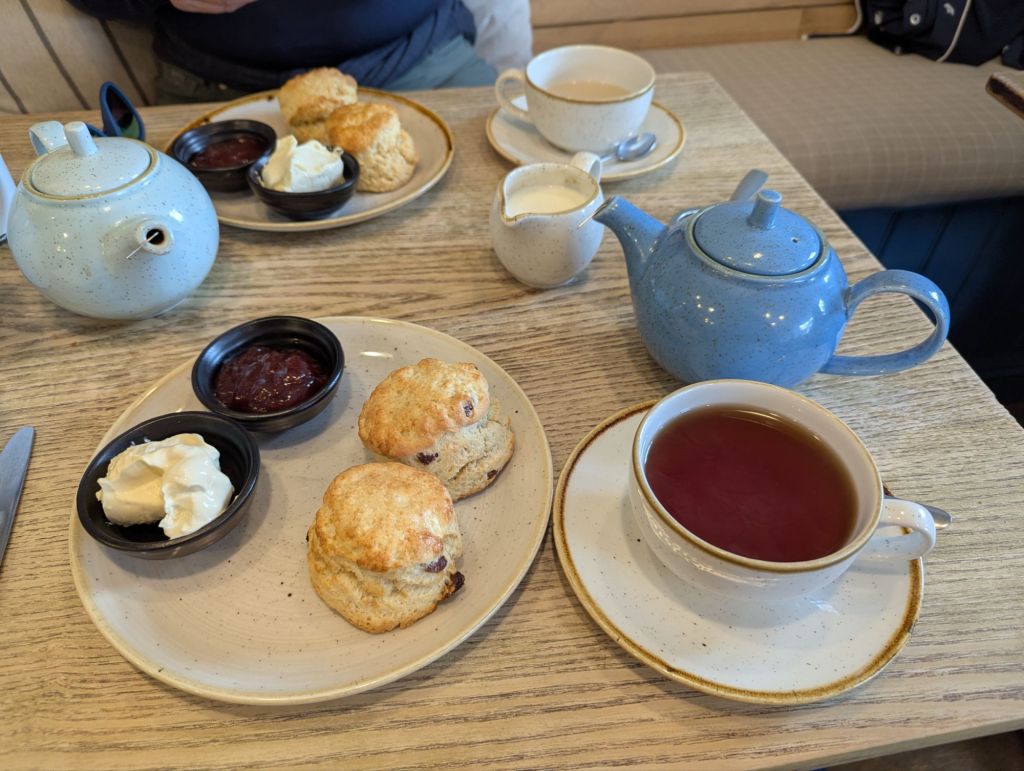
Our first stop back in town was, naturally, a tea room. We had fully embraced the tradition of a cream tea each afternoon and saw no reason to stop now. After tea we spent a little more time walking through town since we had not explored much during our first stay there, and then we headed to our hotel.
As it turned out, we were assigned the exact same room we had stayed in a week earlier, although it somehow felt like we had been gone much longer than that. The moment we opened the door, Karen immediately stretched out on the bed for a very well-earned 45-minute nap.
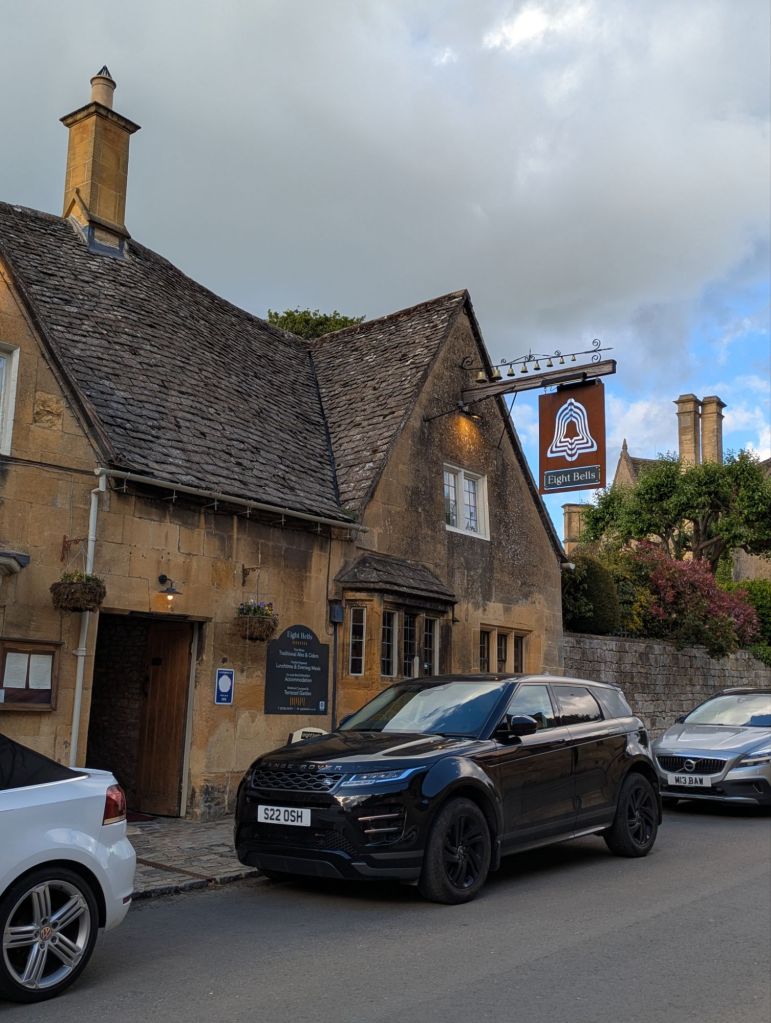
After showers, stretching, and a little recovery time, we walked down the street to the Black Bear Inn for dinner. One thing we have really enjoyed throughout this trip is the atmosphere at the local inns and pubs. Every evening they seem to fill up with locals and travelers alike gathering for a pint before dinner. There is just something cozy and welcoming about it.
Tonight, though, a quiet evening sounded perfect. So after dinner we headed back to our room to relax and enjoy the fact that tomorrow’s travel adventure would involve something very different from hiking boots.
Tomorrow: onward by taxi!