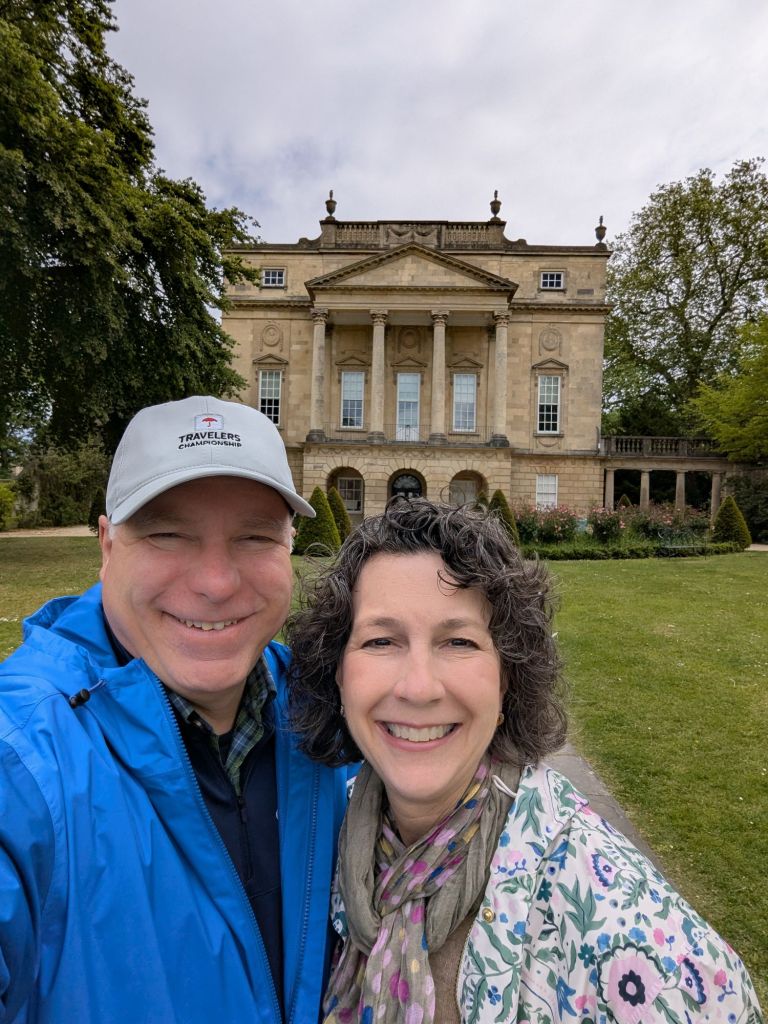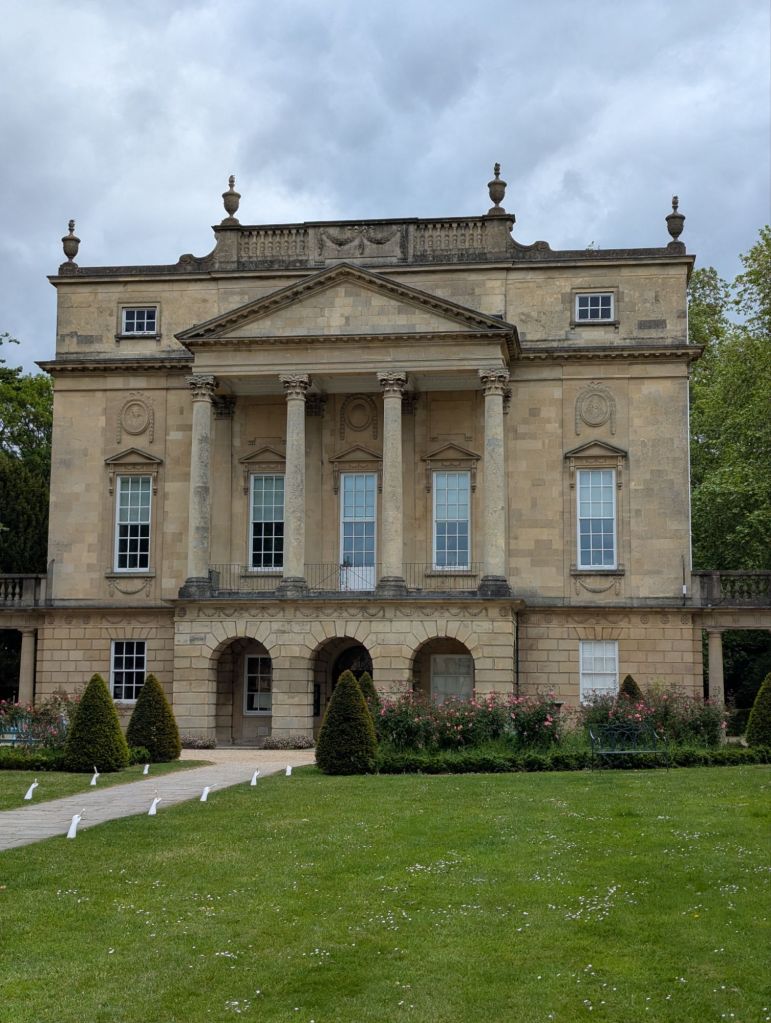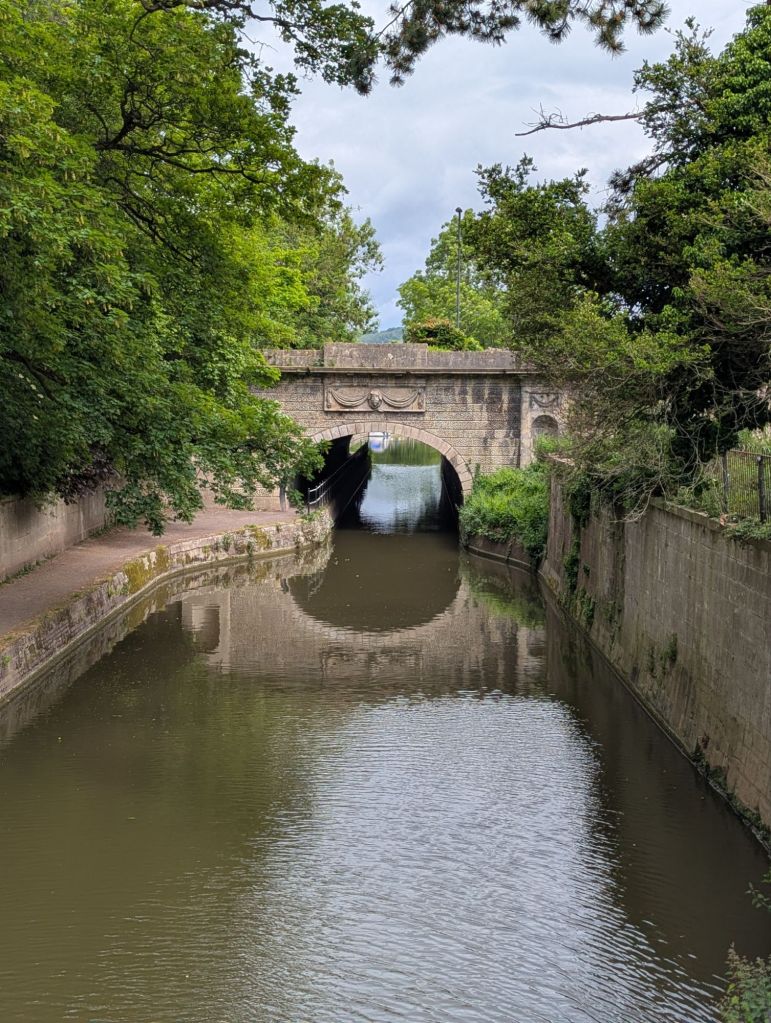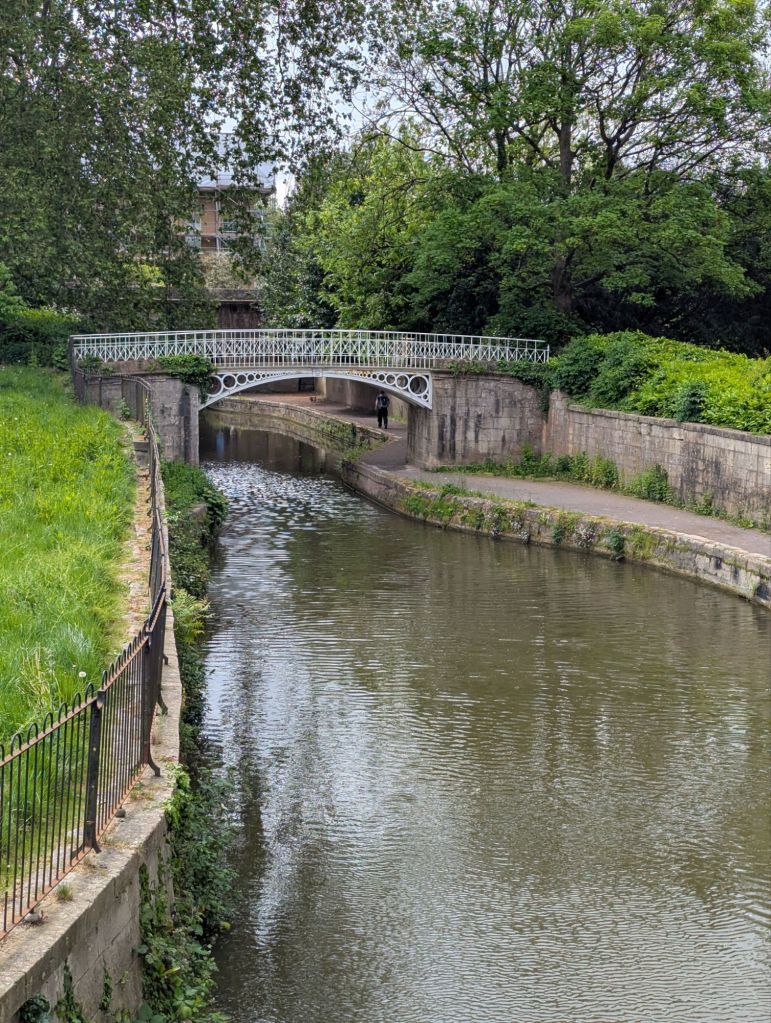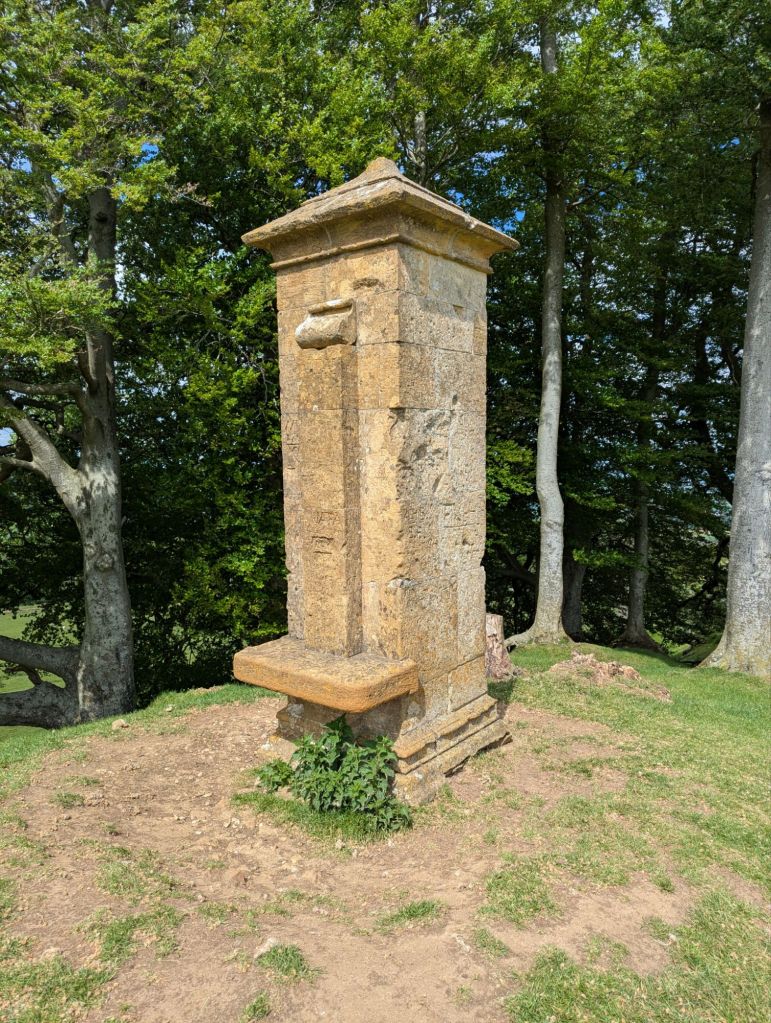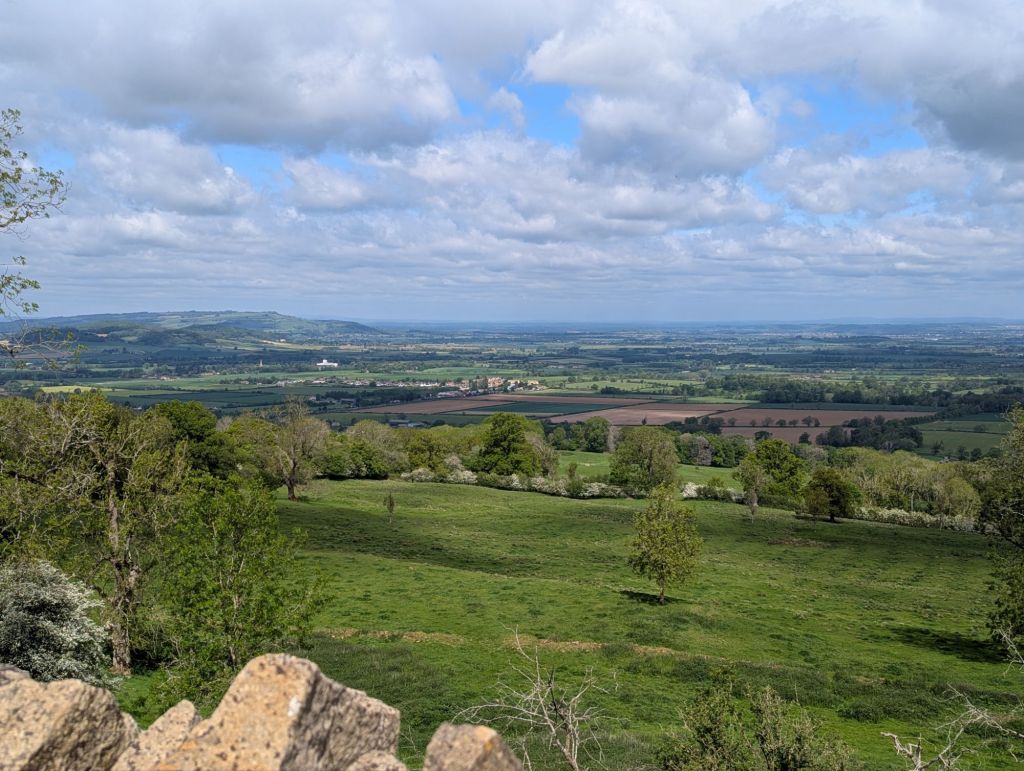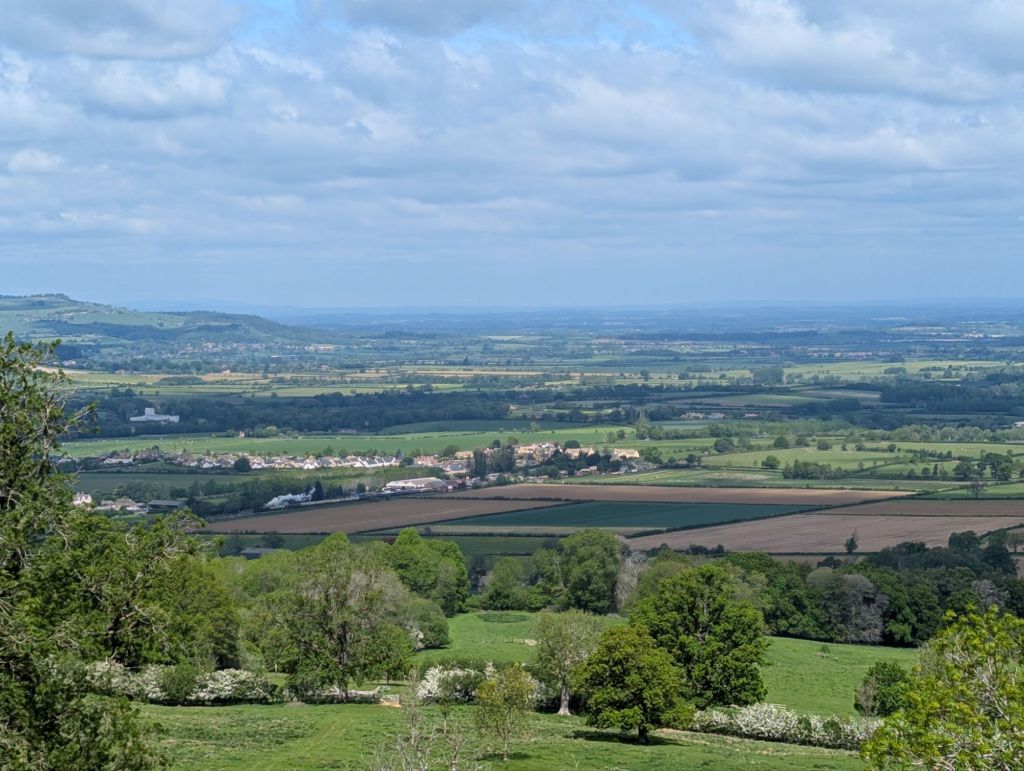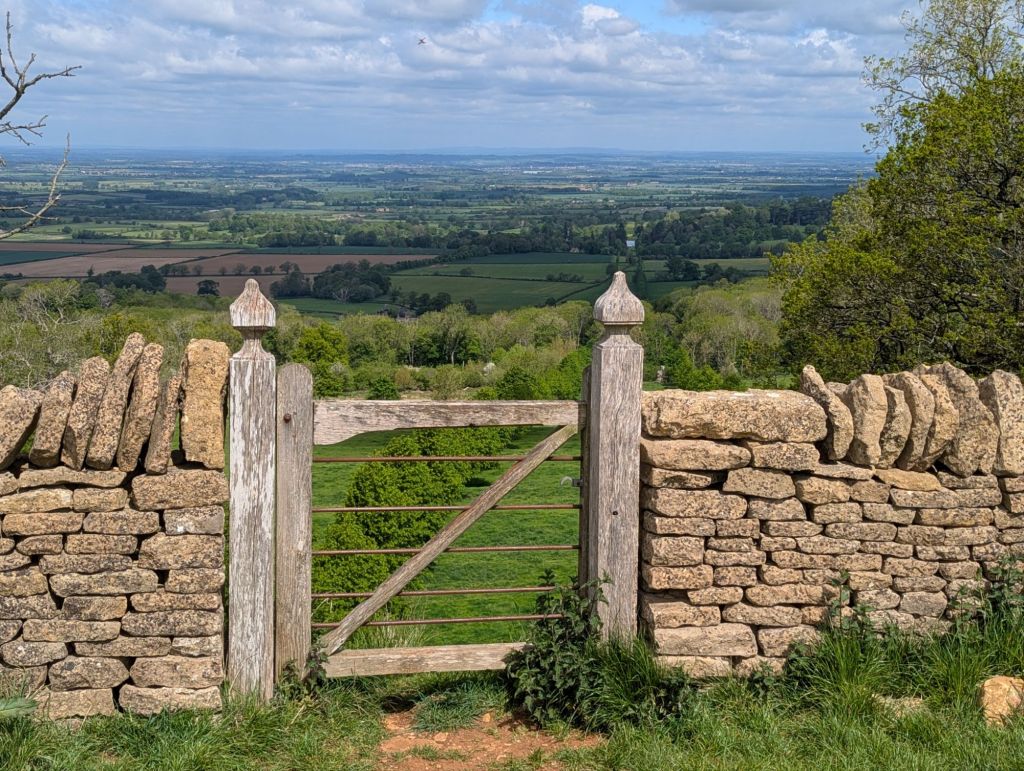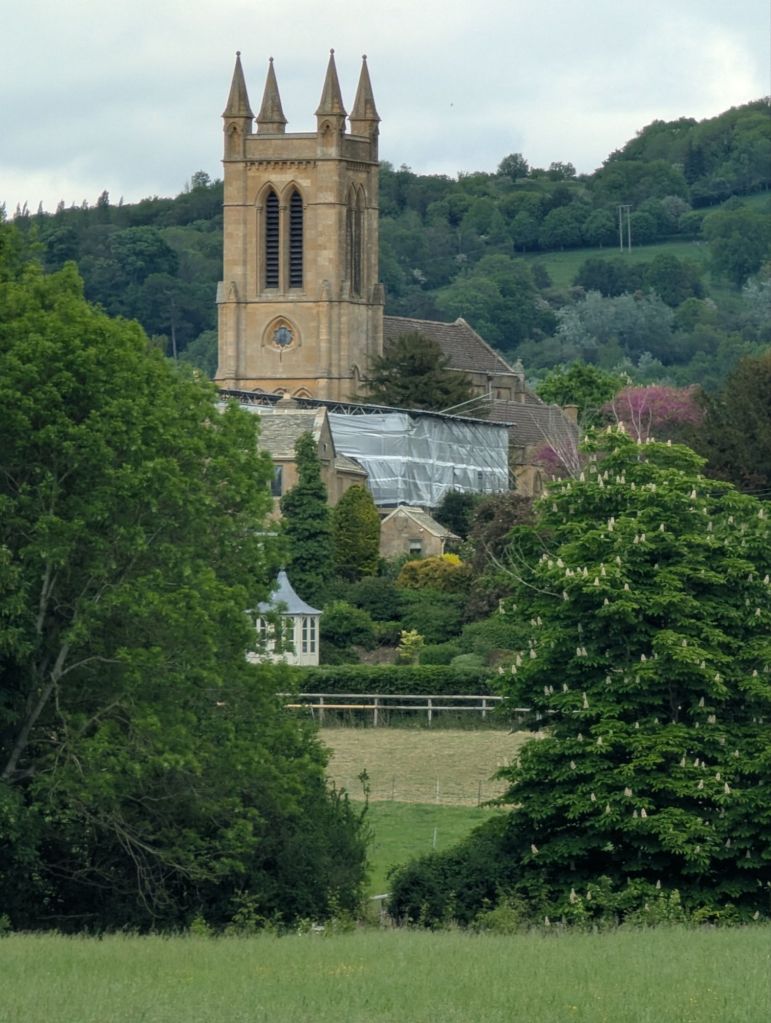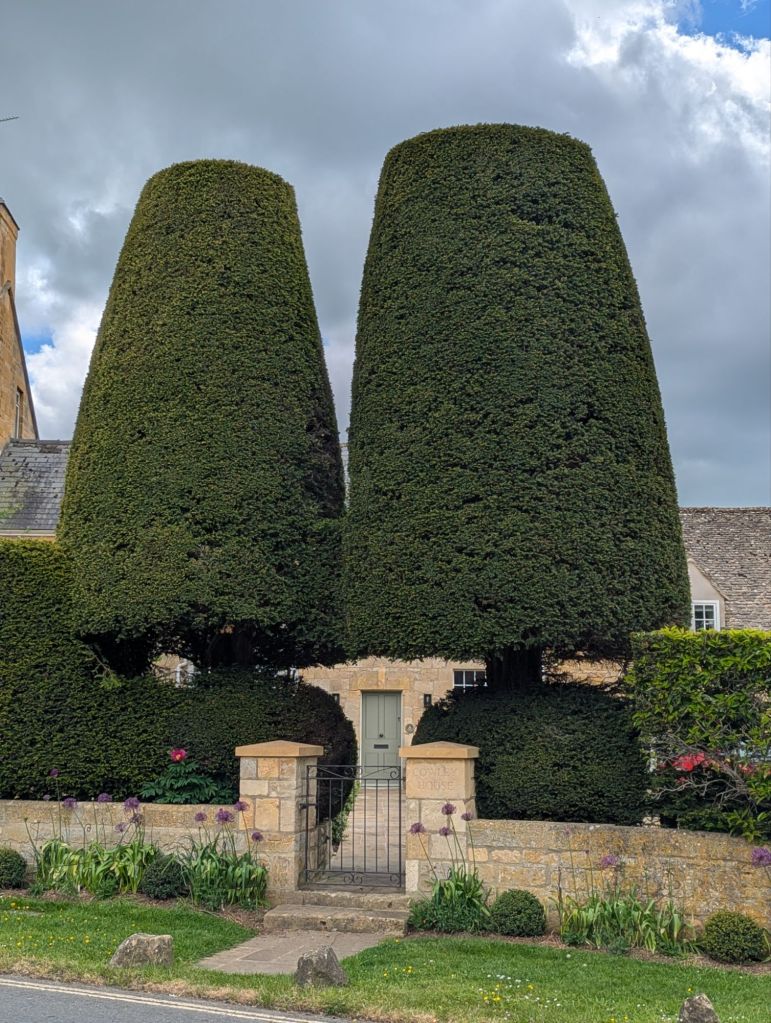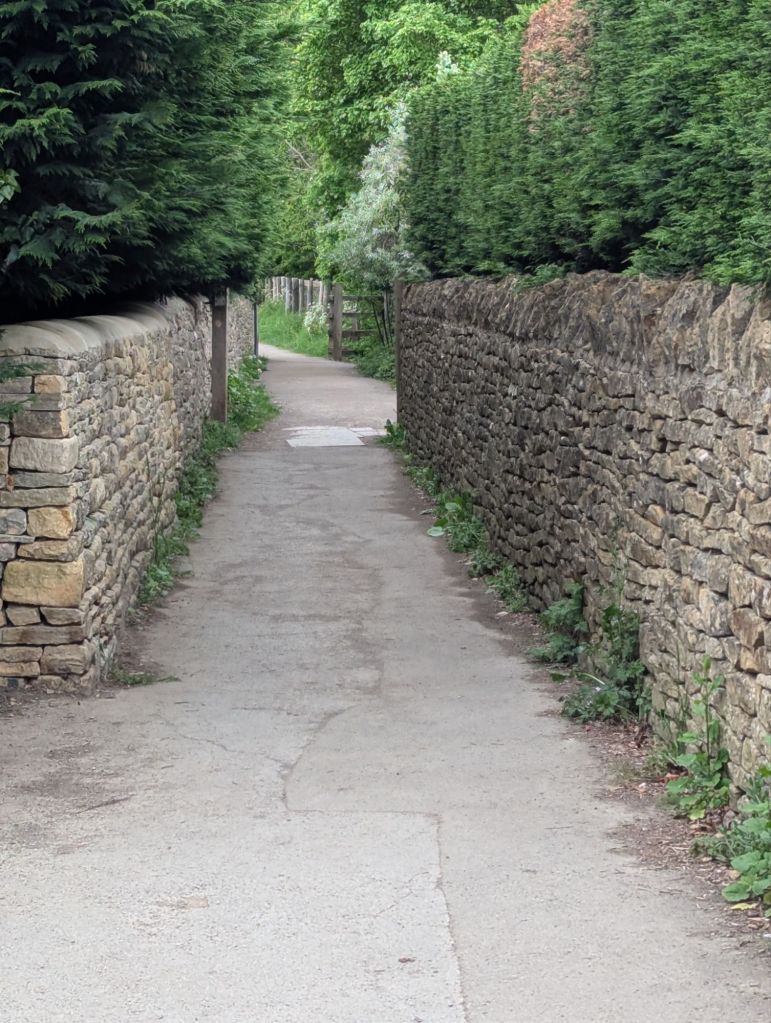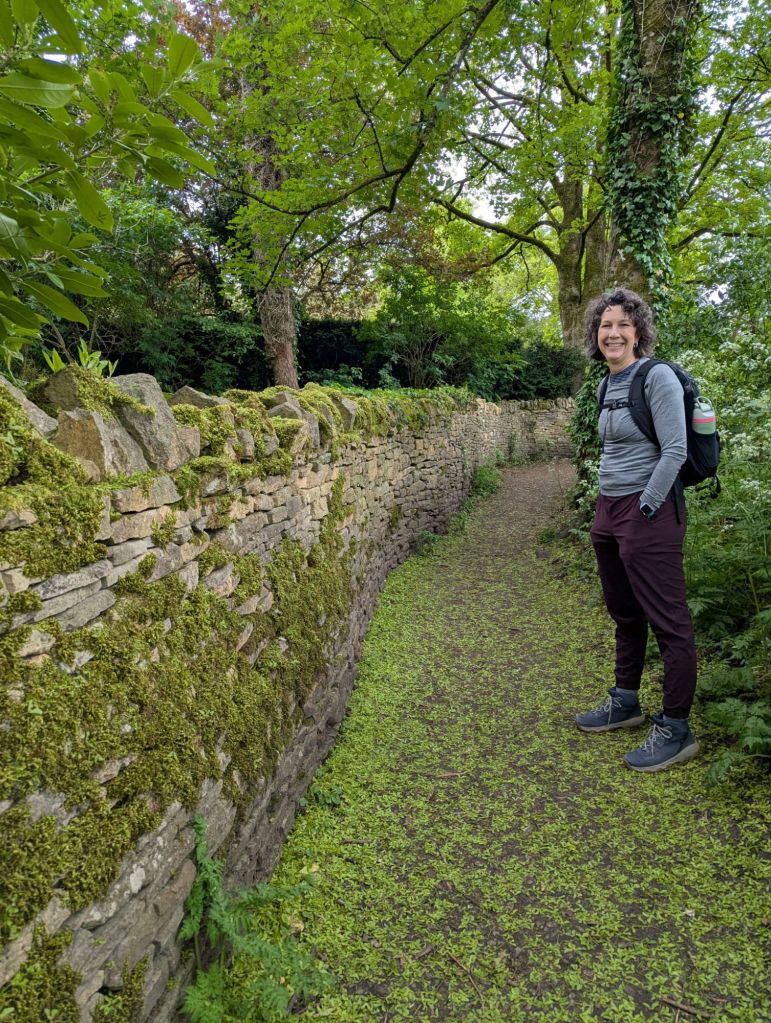
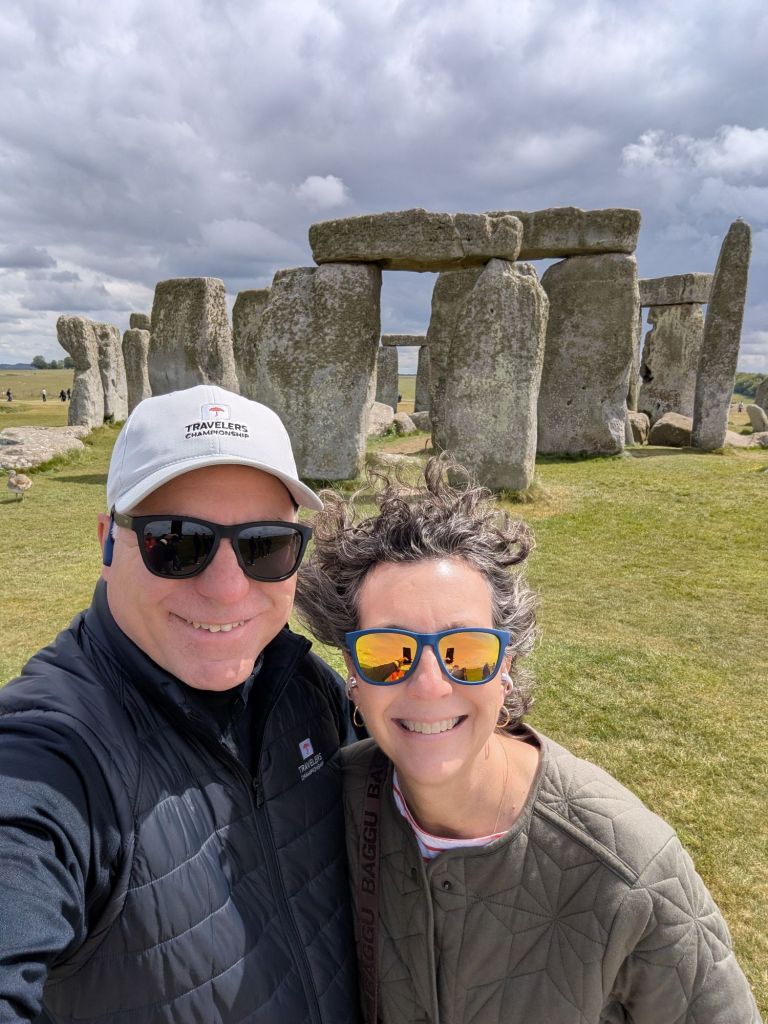
Author Archives: Greg

Day 8 in England – Walking Through Sheep Fields and Castles in the Cotswolds

DAY 8 – MONDAY, MAY 11, 2026

We were up bright and early and had our bags out by 8:15 AM. After another big breakfast at our hotel (one of the many things we are appreciating about these inns is that breakfast is always included), we packed up and got ready for the day ahead.

The tour company provided a van transfer from Lower Slaughter to Guiting Power, a tiny village about 15 minutes away. We are assuming this section was either not especially scenic, not walker-friendly, or would have turned the day into a marathon rather than a pleasant hike.

During our walks so far, we really have not encountered anyone else clearly doing the same tour as us. There was one other couple in the van this morning who we suspect are following the same route, but for reasons unknown they did not seem especially interested in making new American friends before 10:00 AM.

The driver dropped us off in a small village square with the very detailed instruction: “Go that way.”

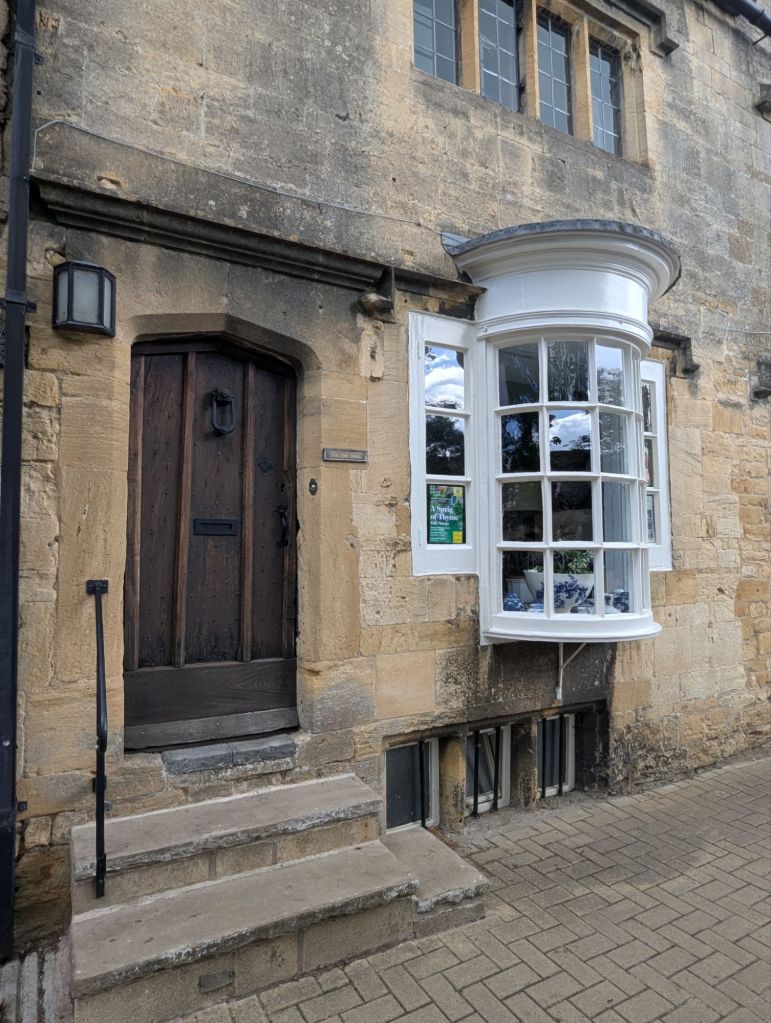
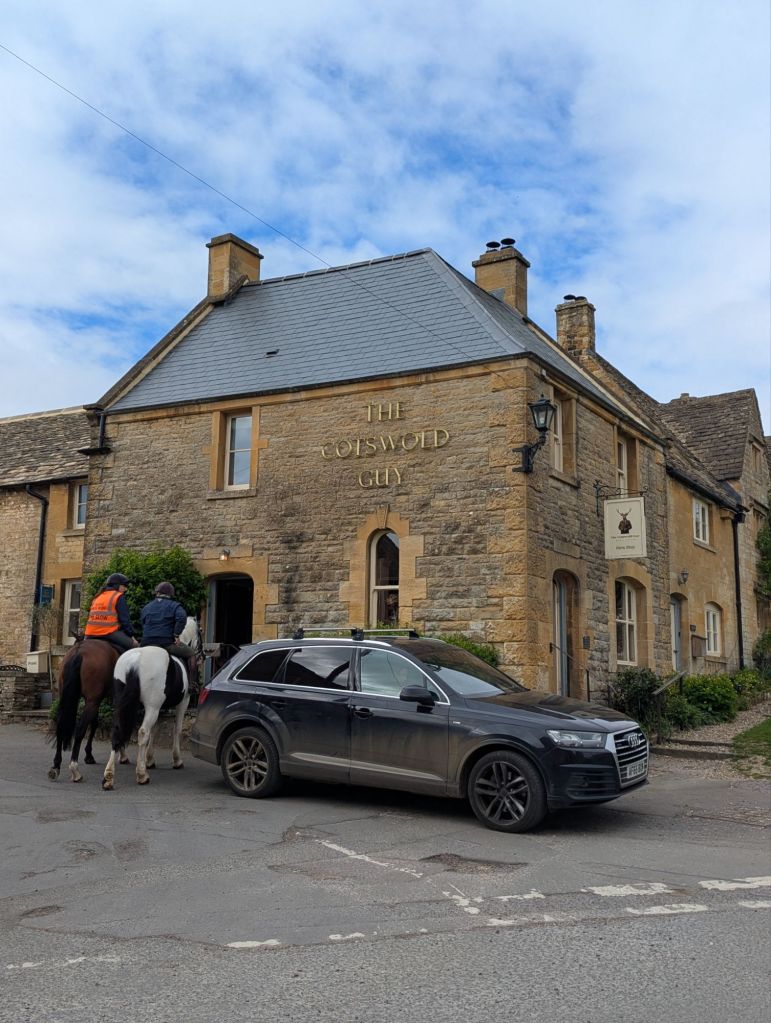
Guiting Power itself was tiny but charming. We poked our heads into a small farm shop and a cozy coffee shop that appeared to be the village’s entire commercial district. One interesting feature at the coffee shop was a raised side door for customers arriving on horseback. Sure enough, while we were there, two riders actually showed up and ordered drinks. Apparently “grabbing coffee on the way” means something a little different in the Cotswolds.

Coffee Shop in Guiting Power

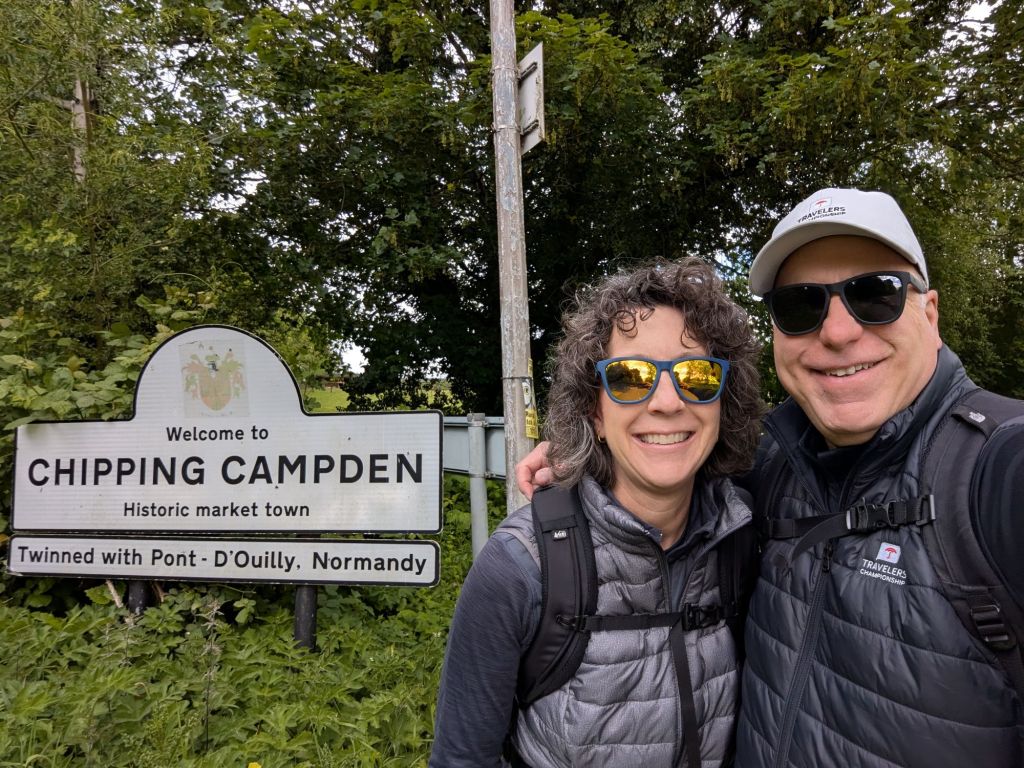
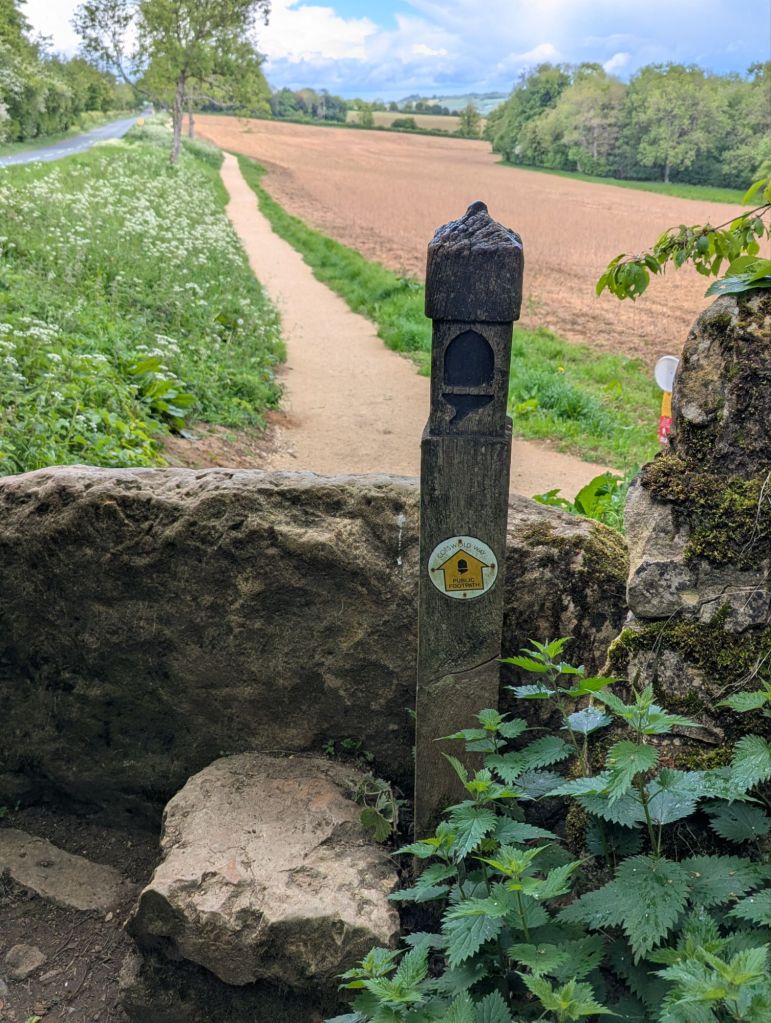
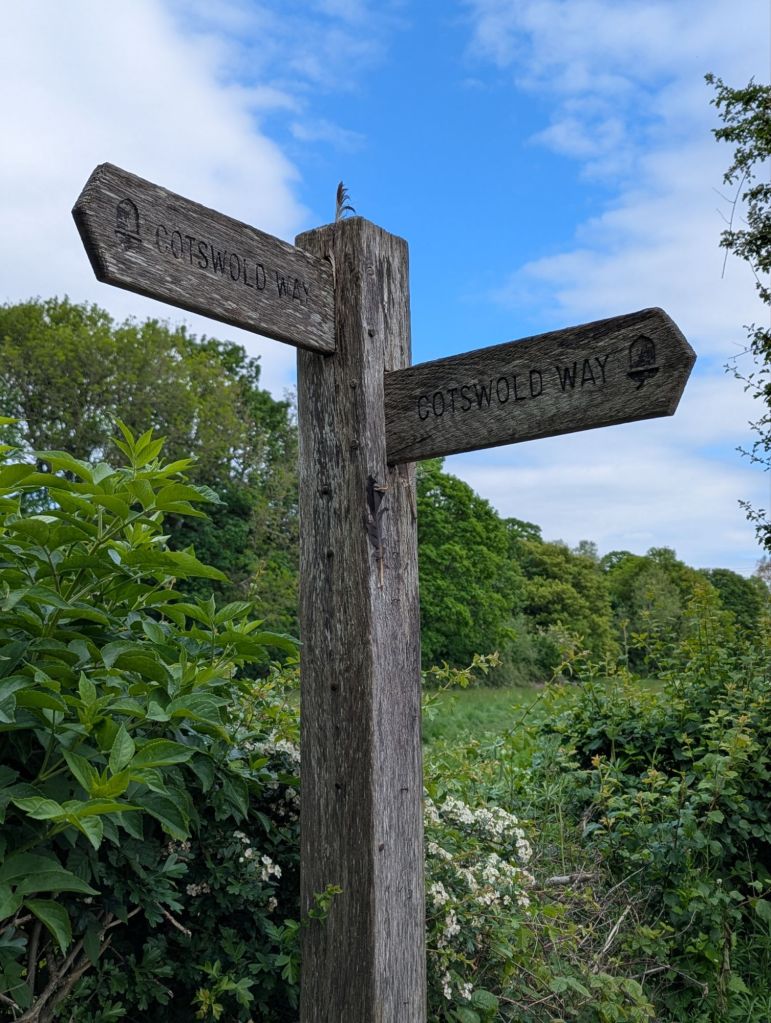
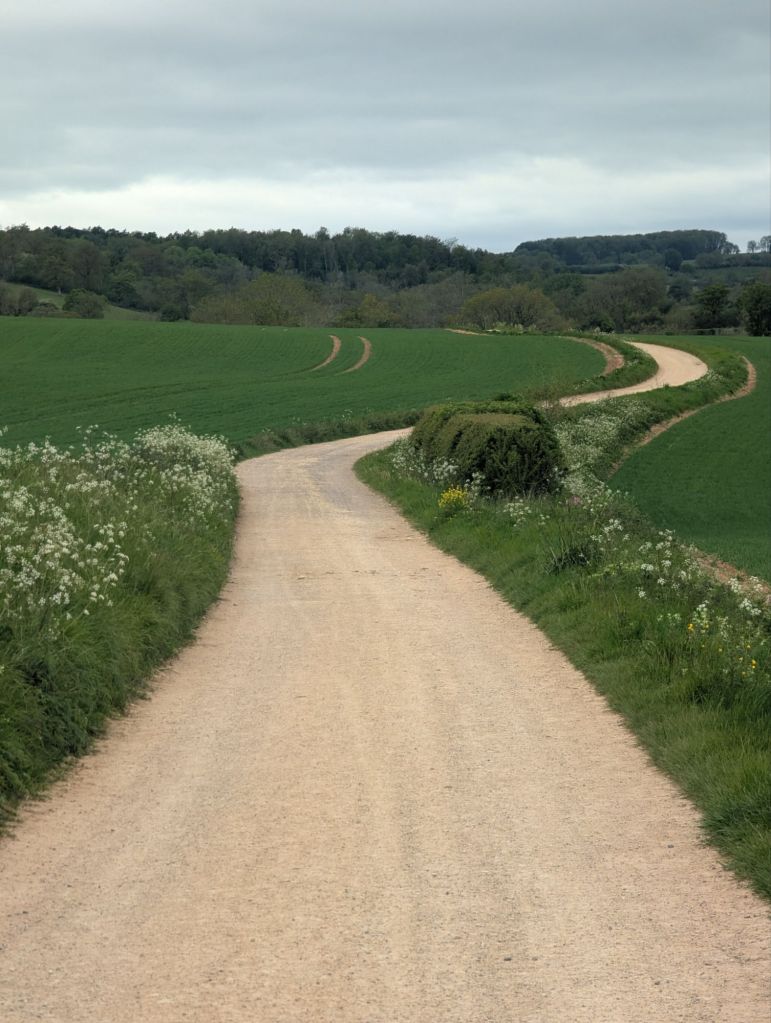
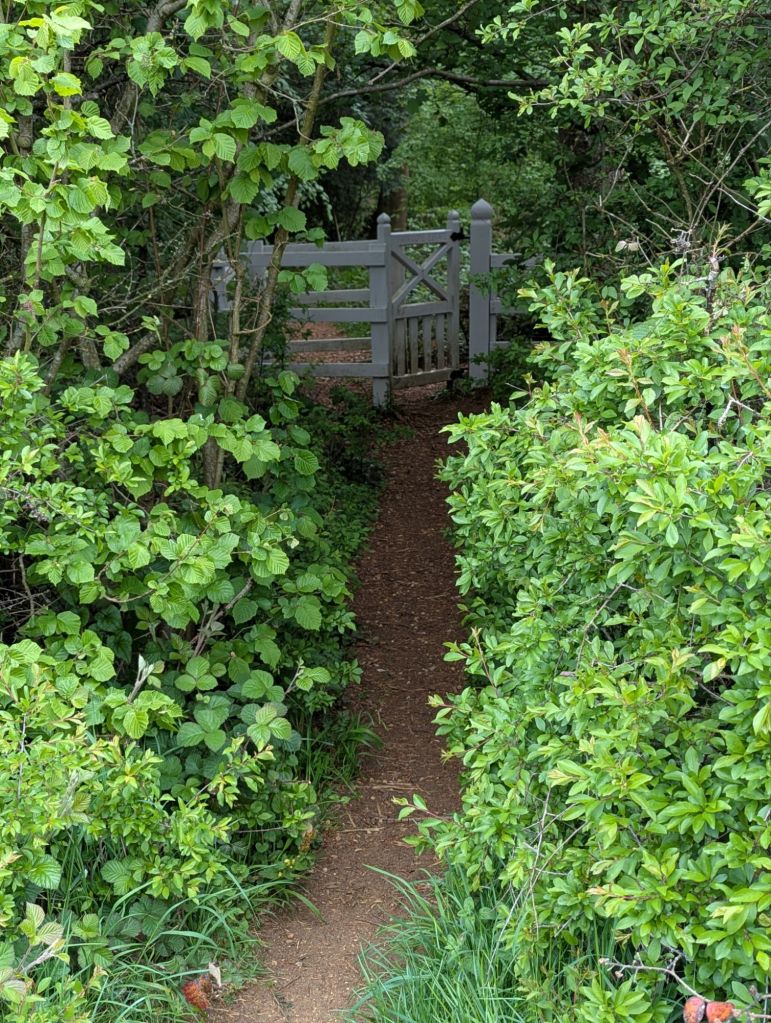
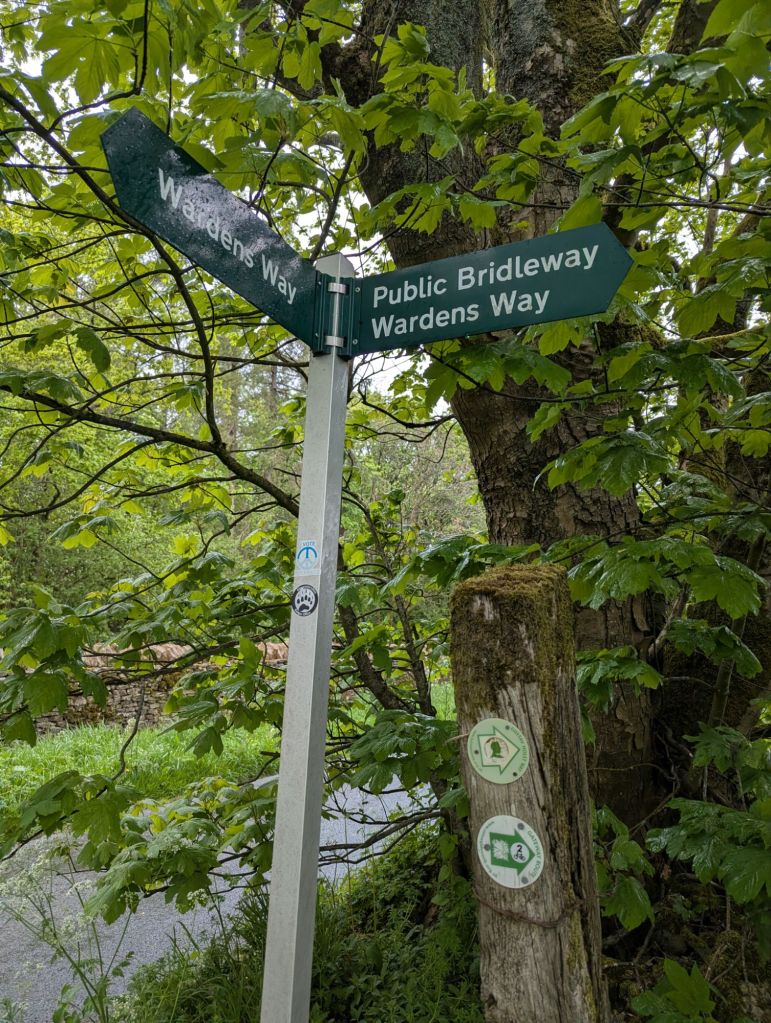
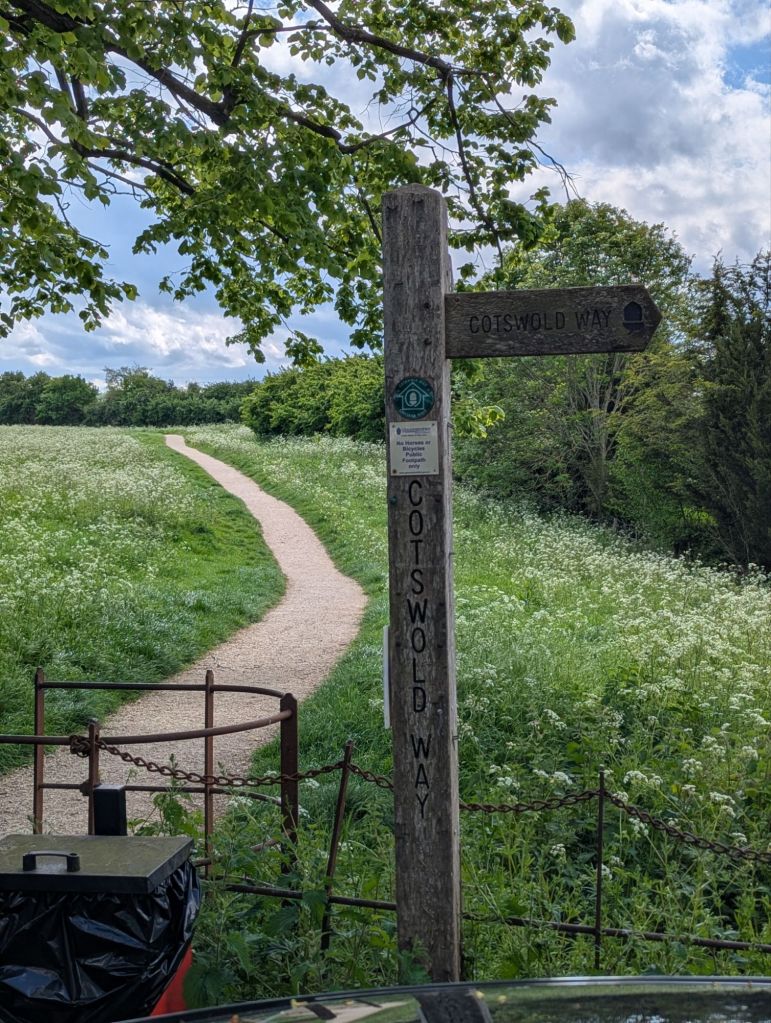
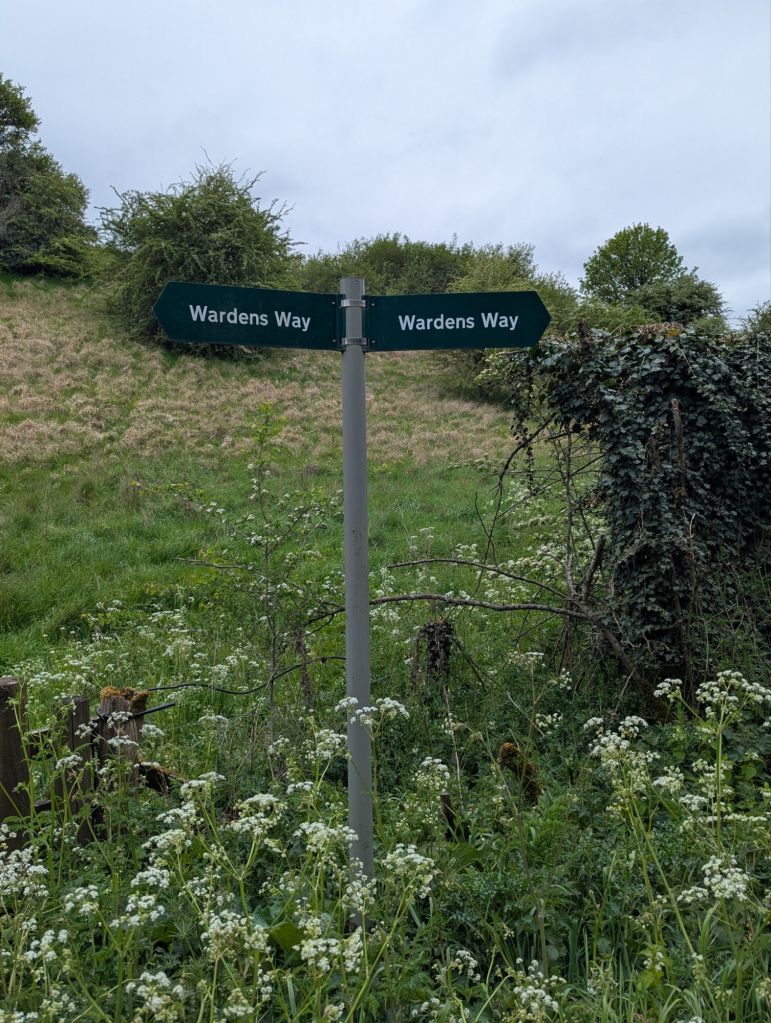
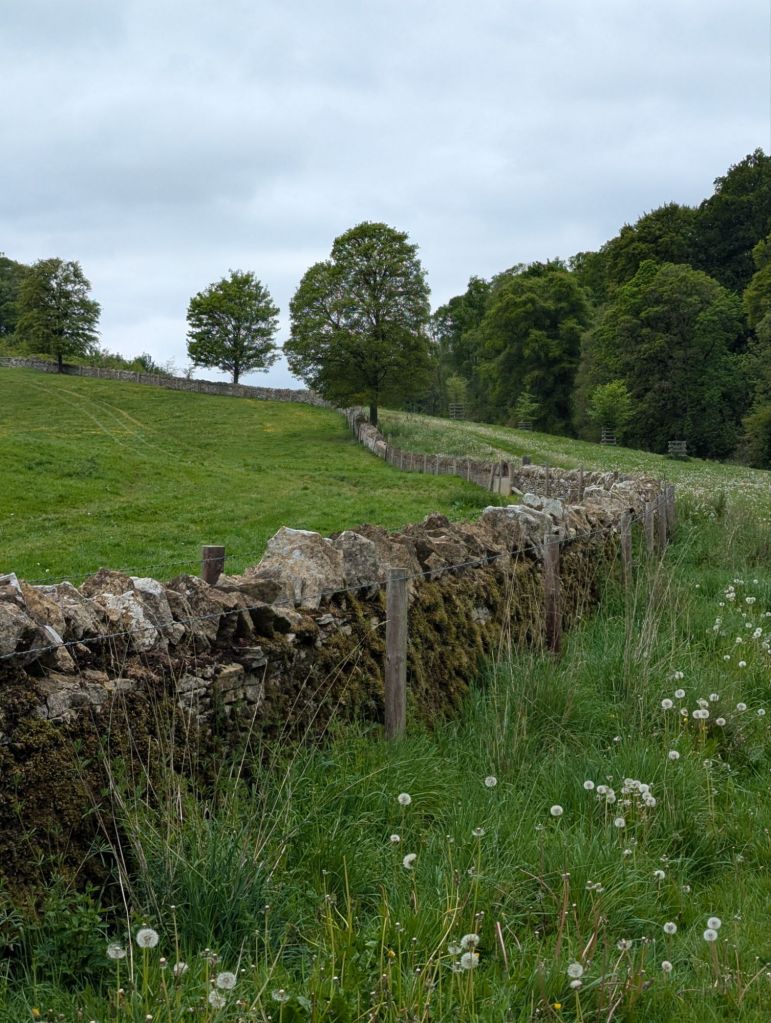
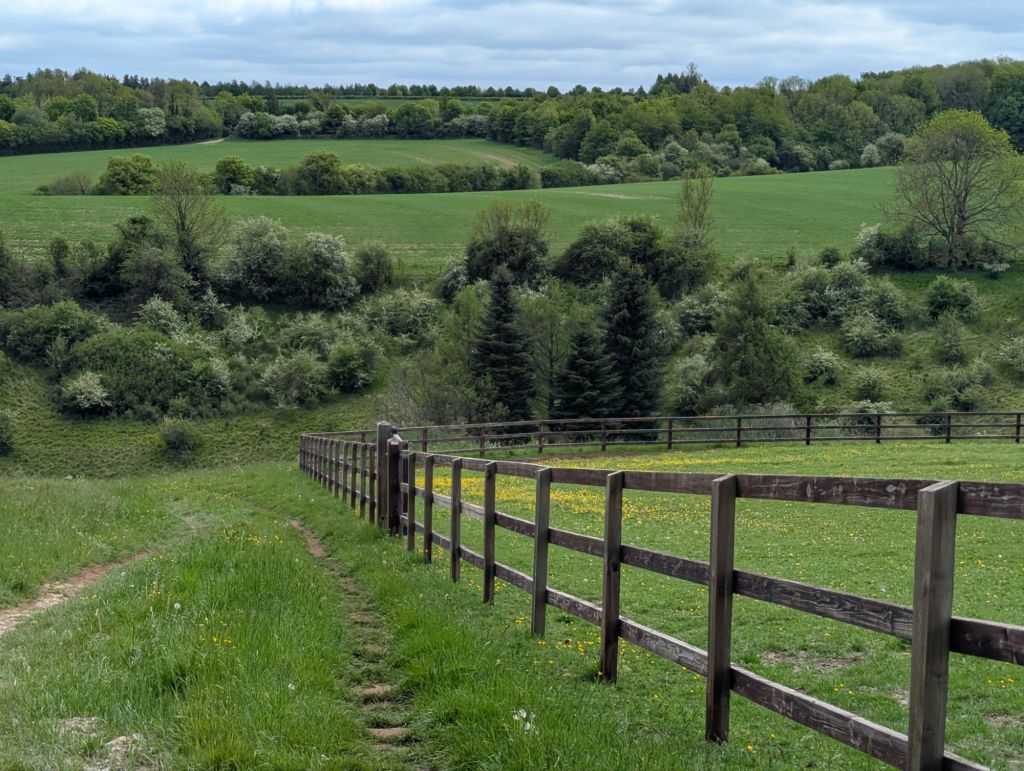
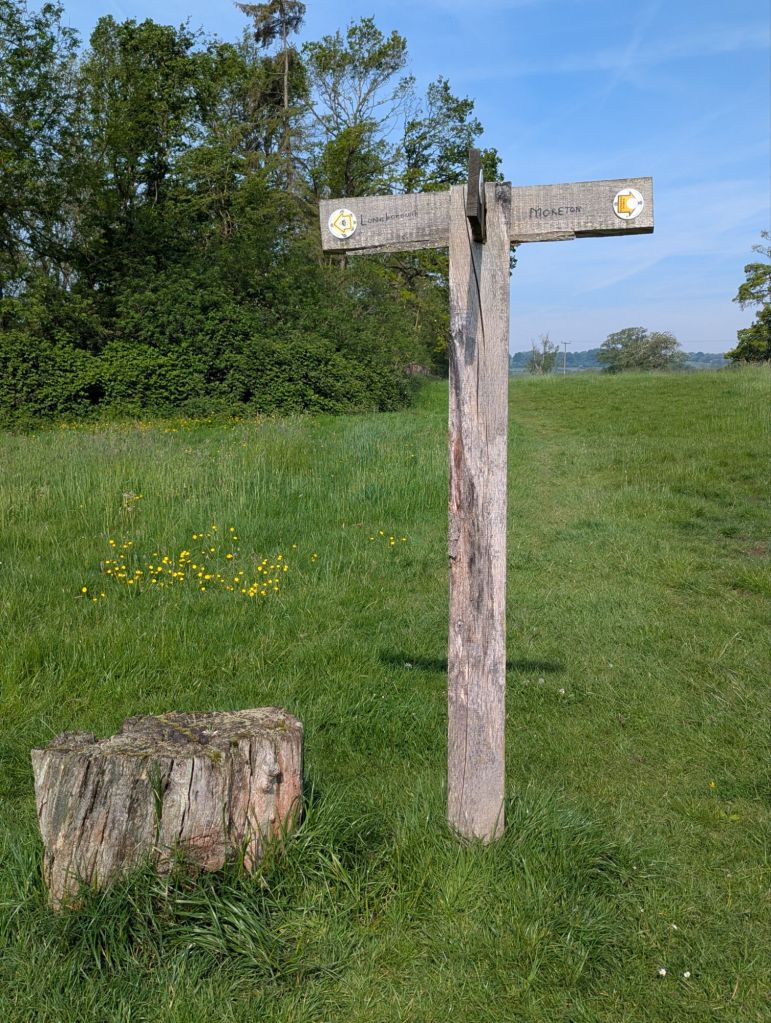
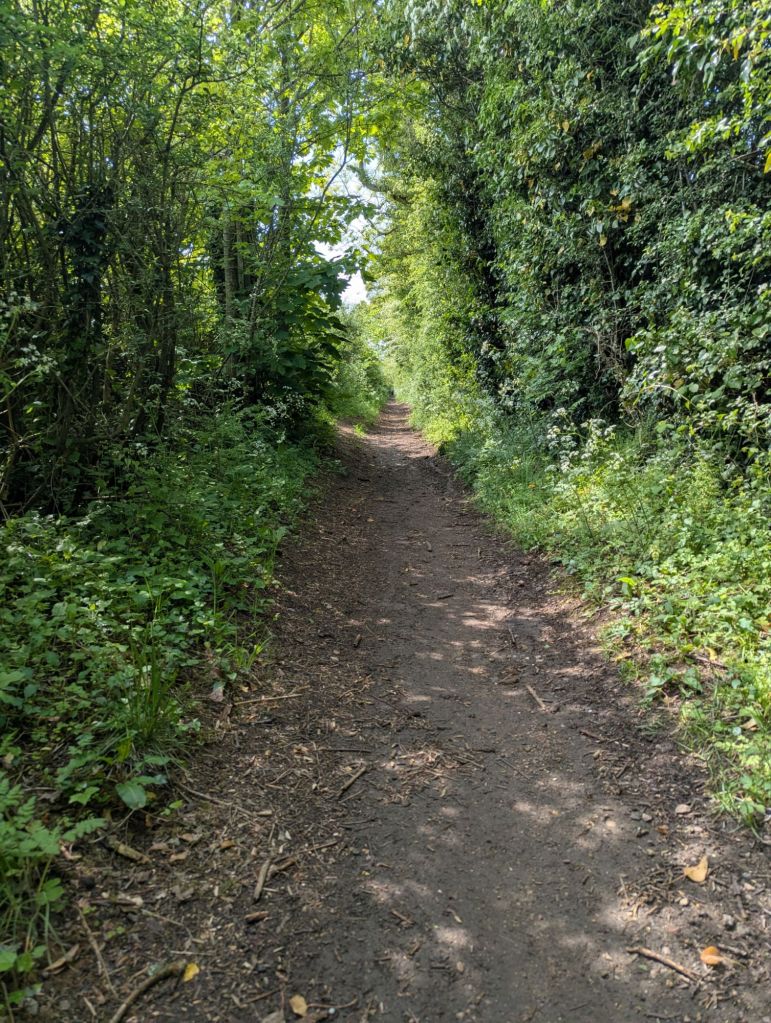
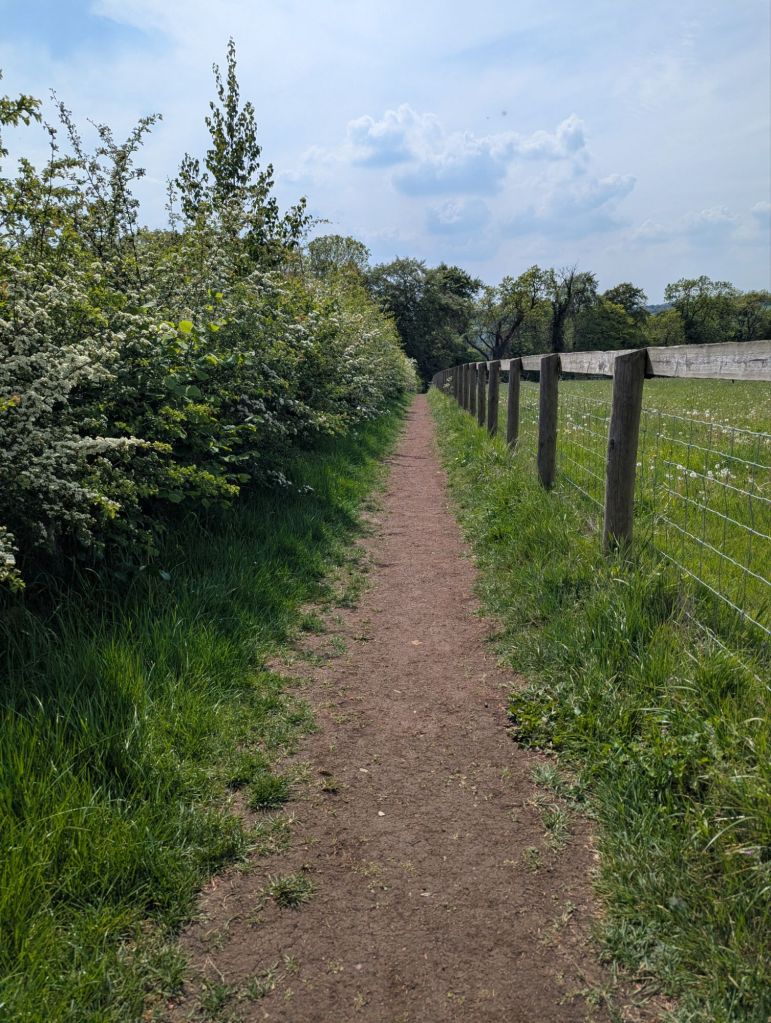
After our quick survey of the village square, we headed off on today’s 6.1-mile walk along the Wardens’ Way.

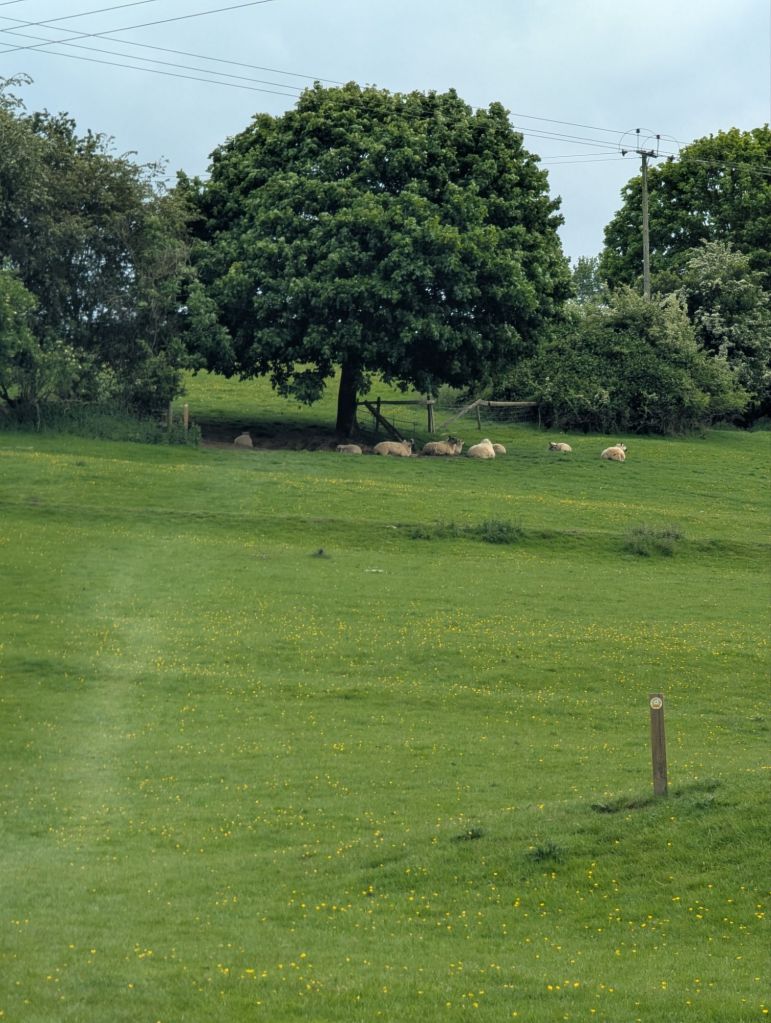
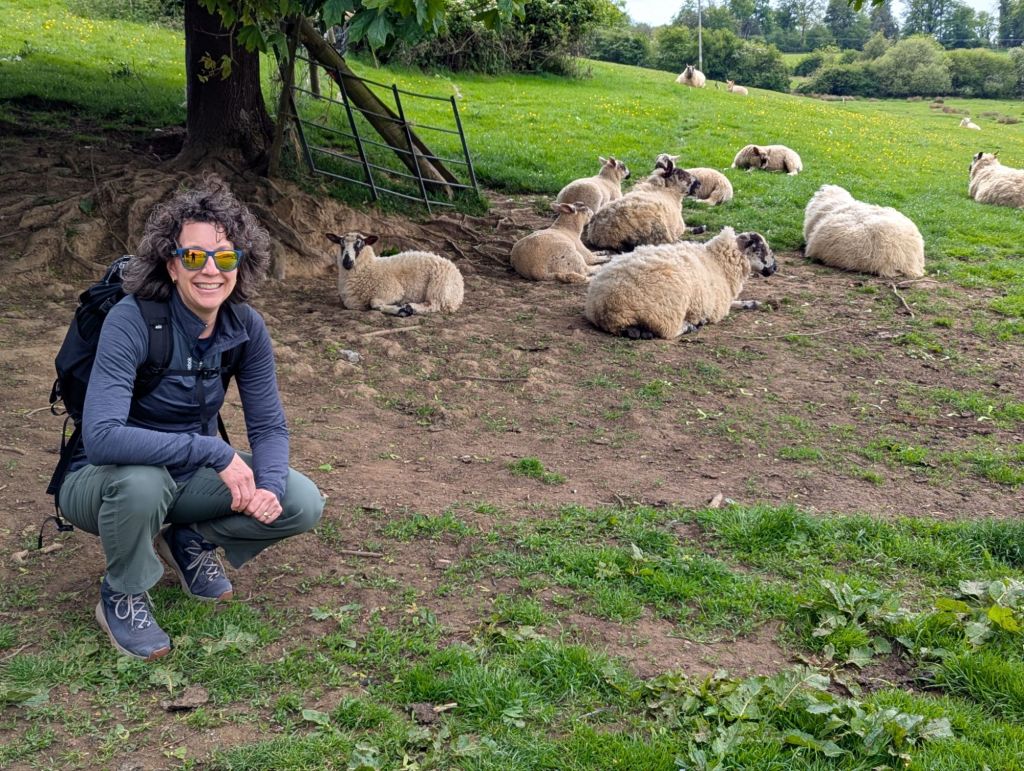
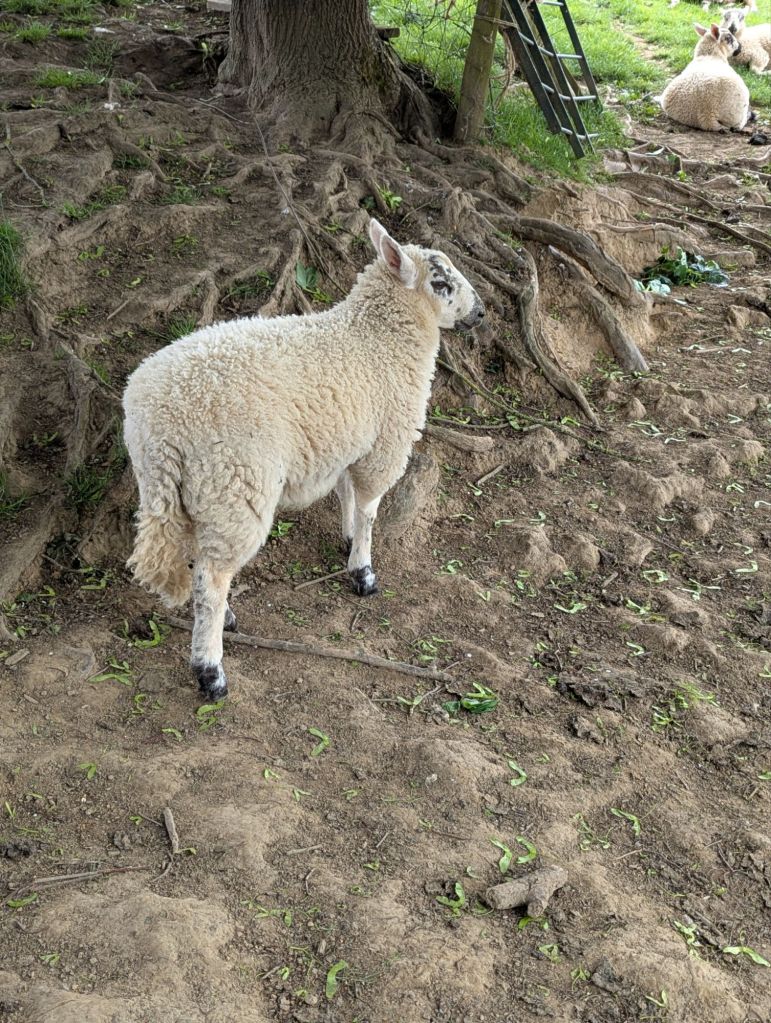
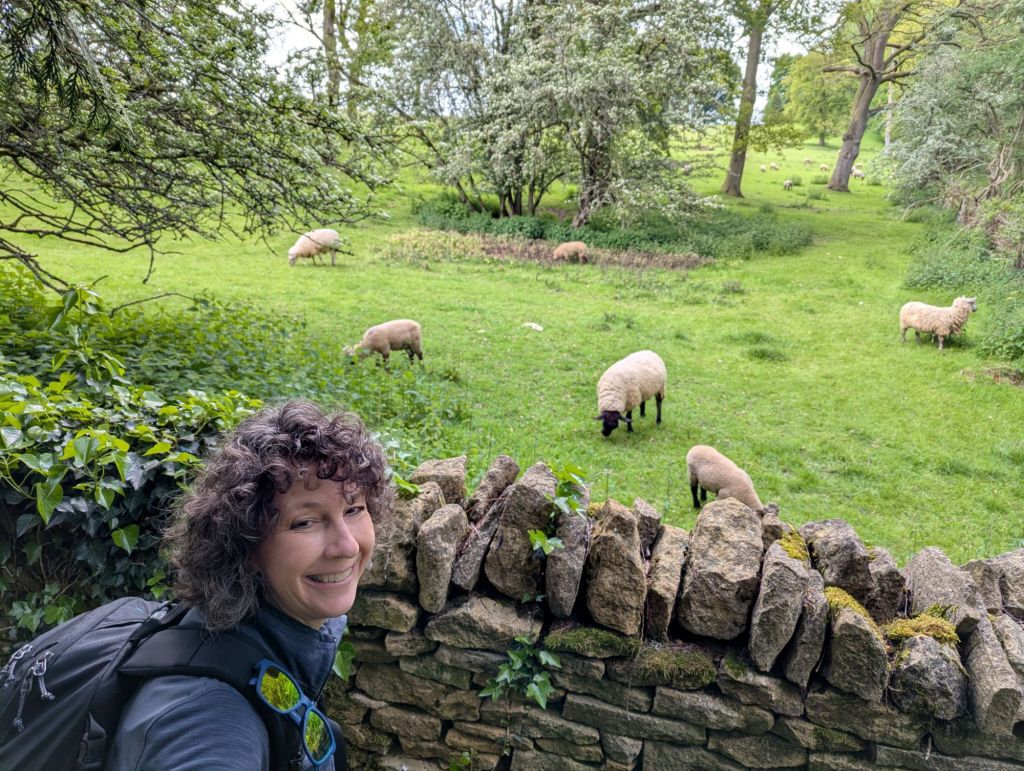
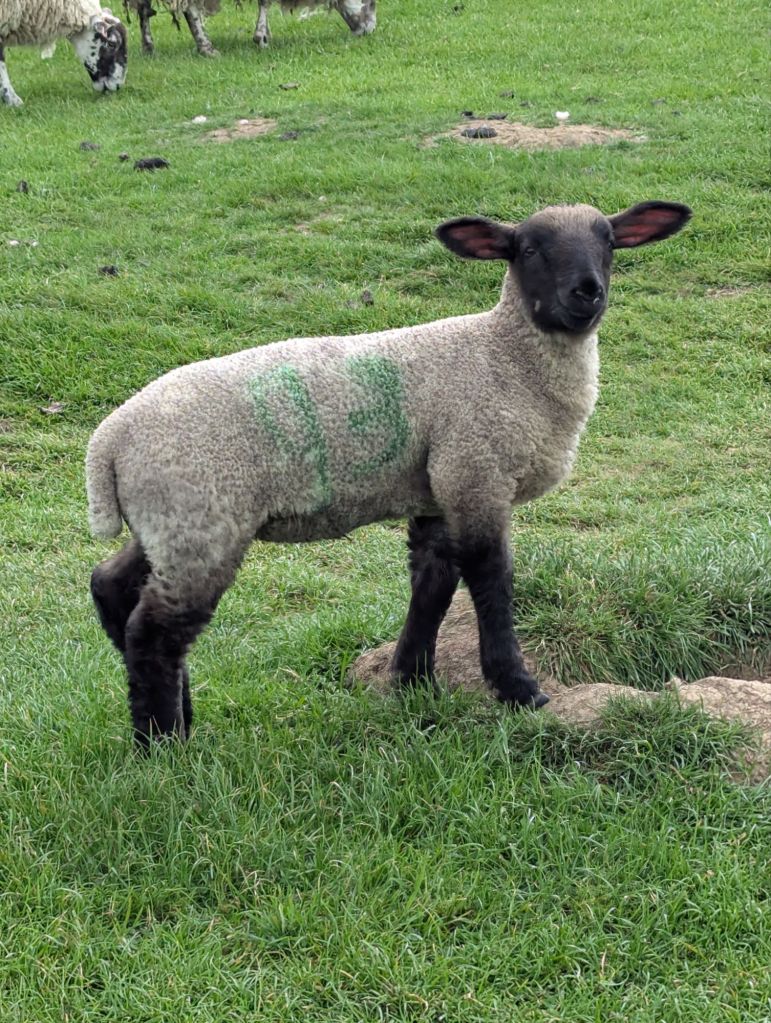
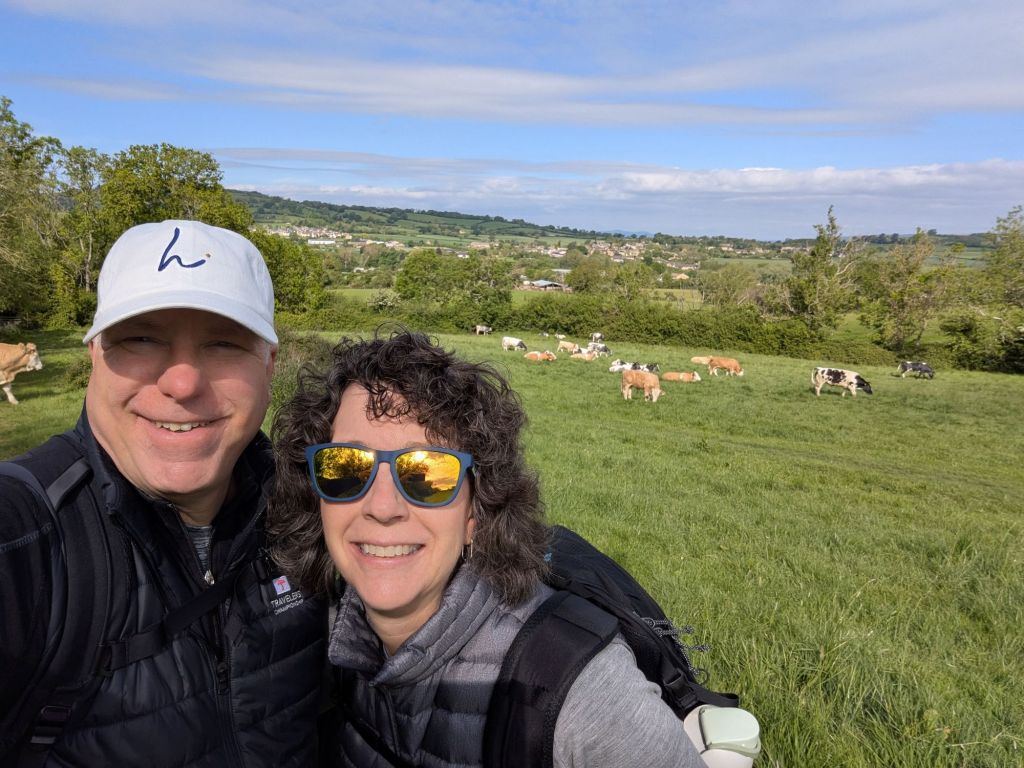
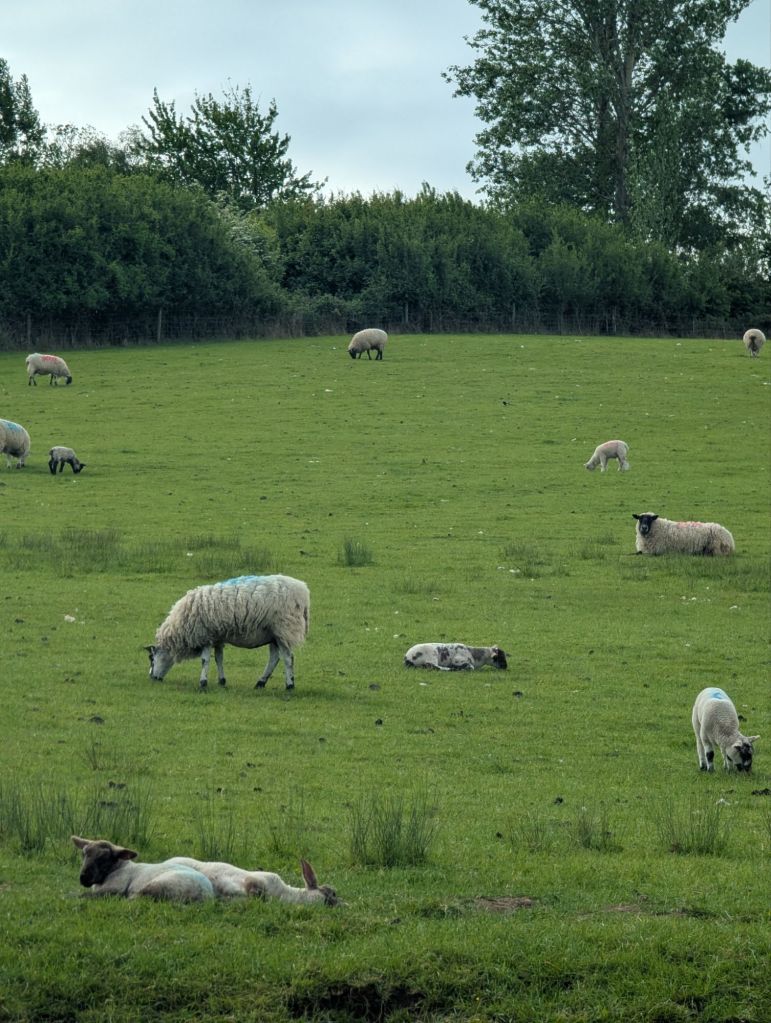
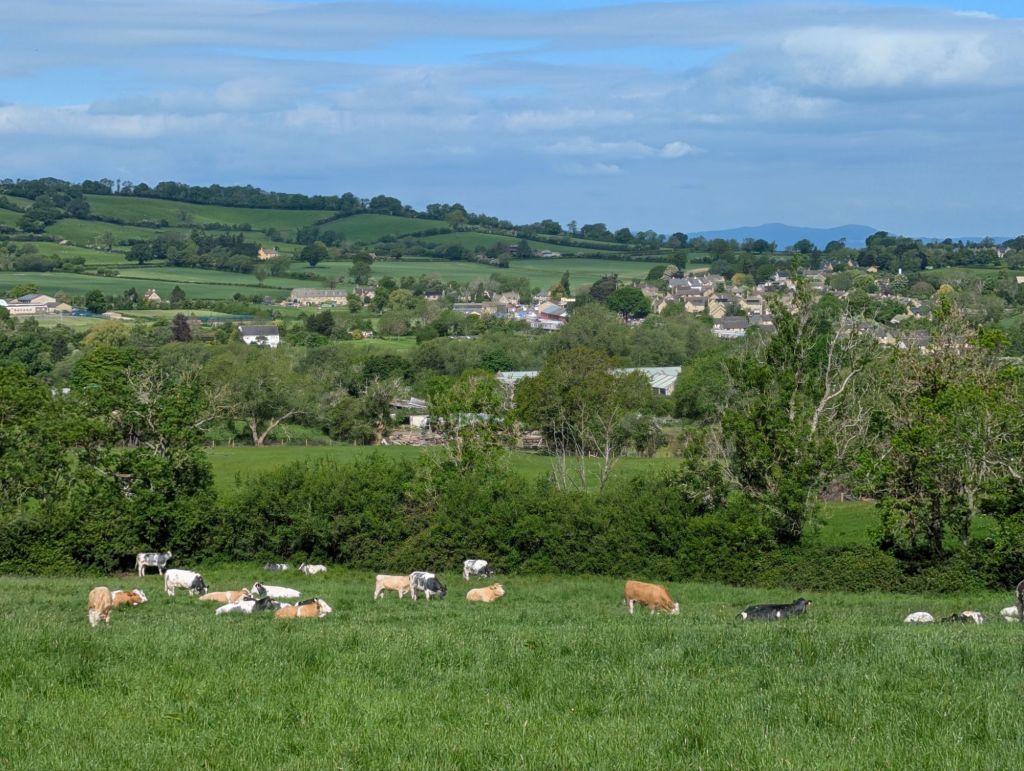
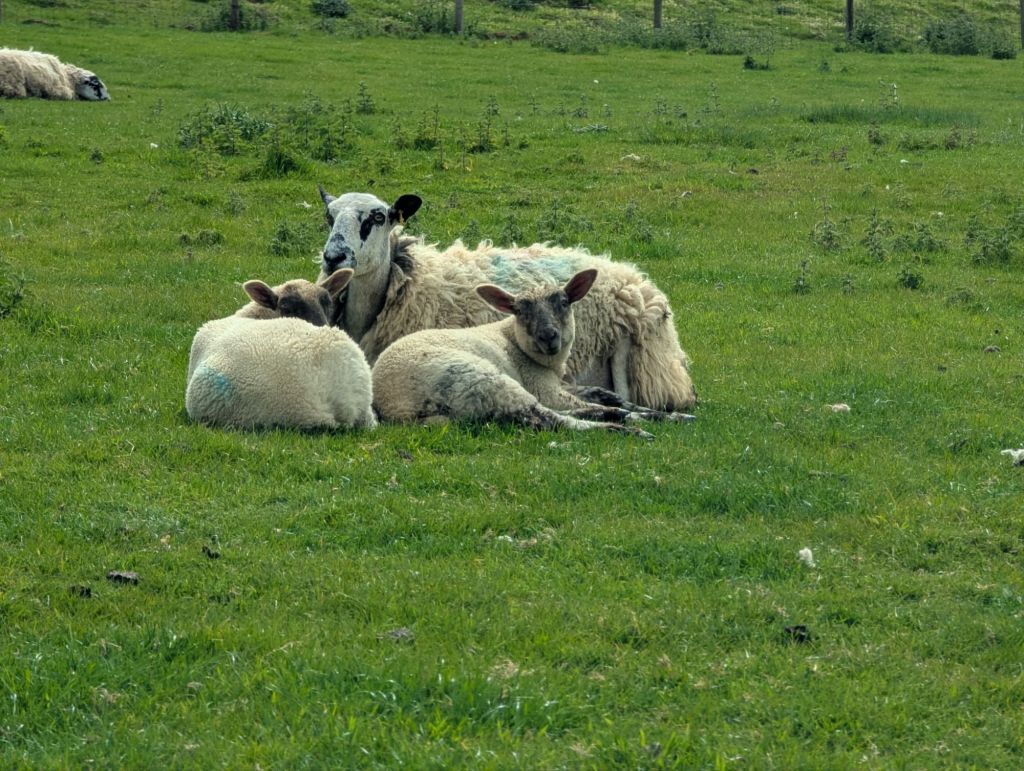
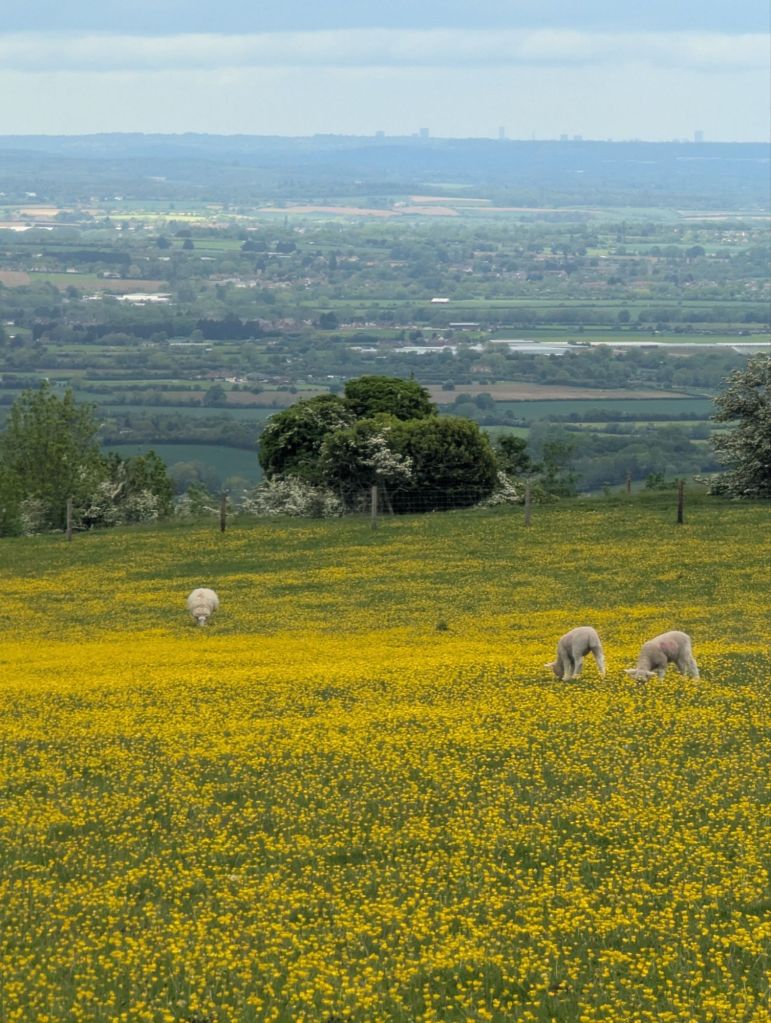
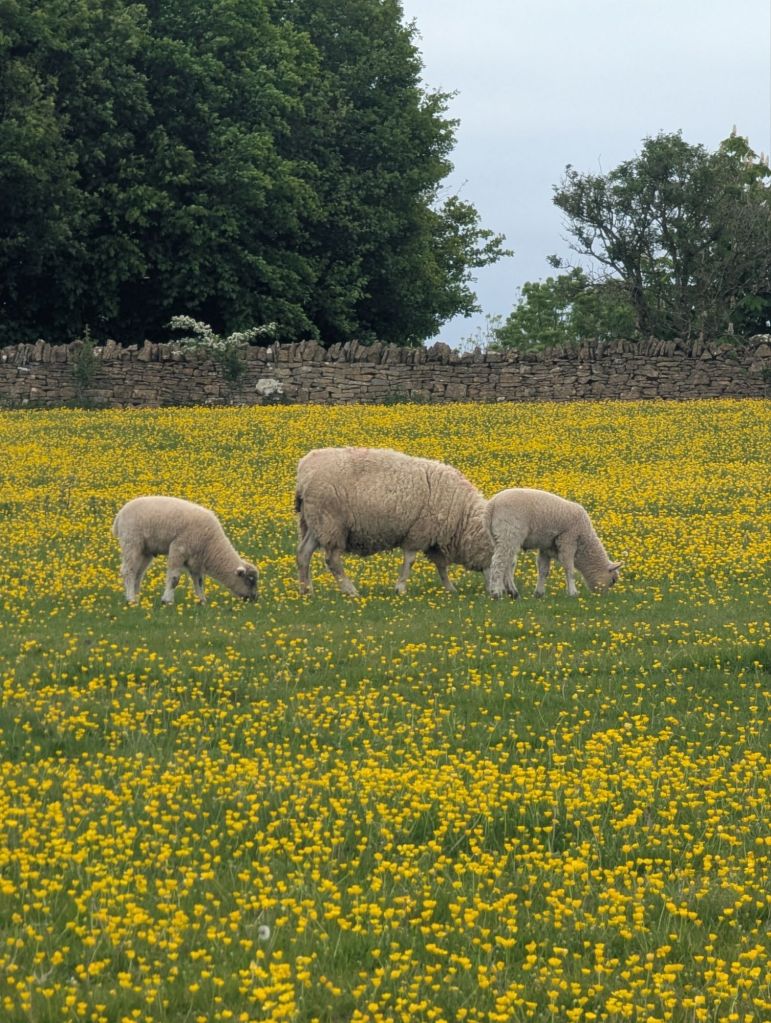
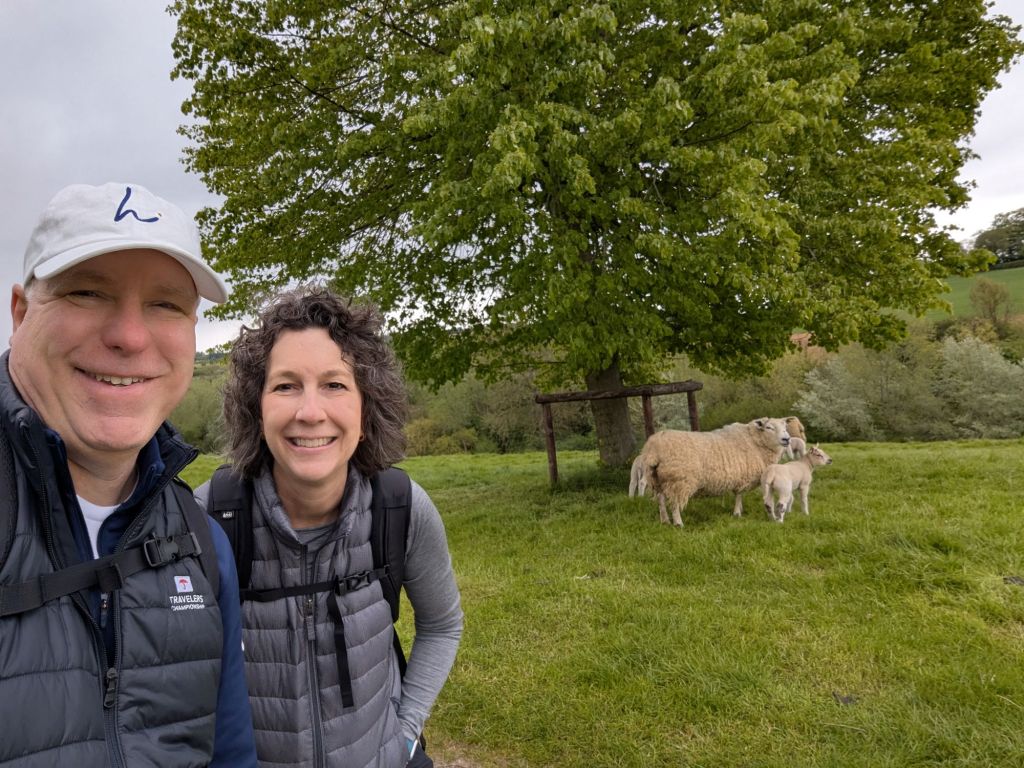
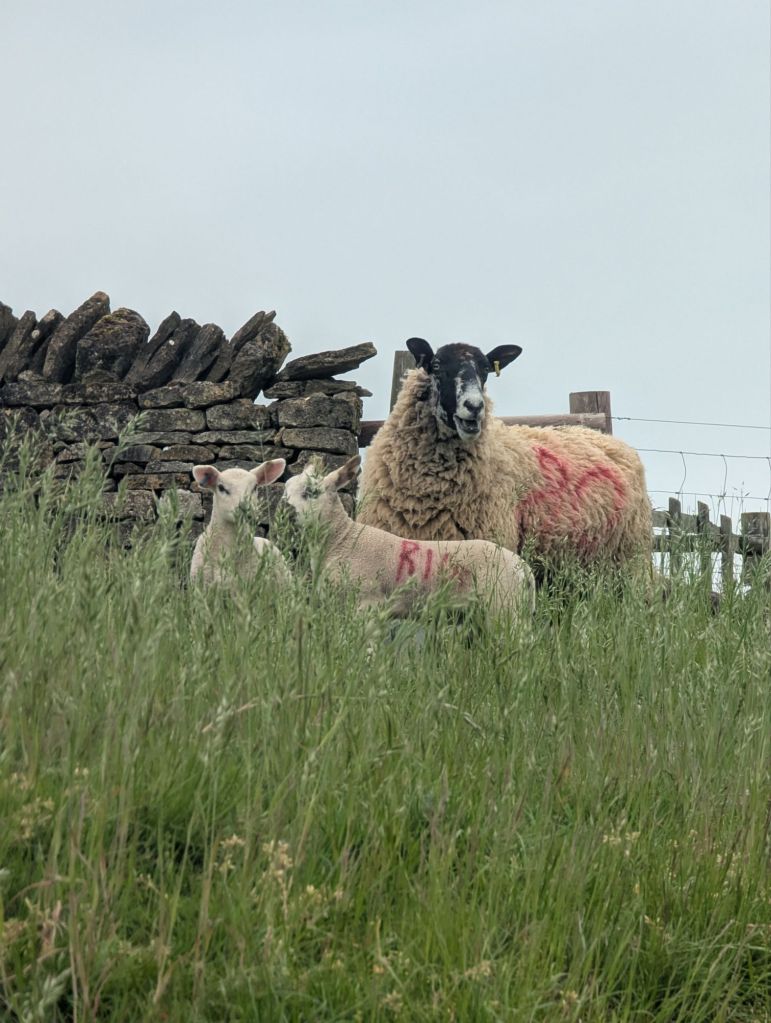
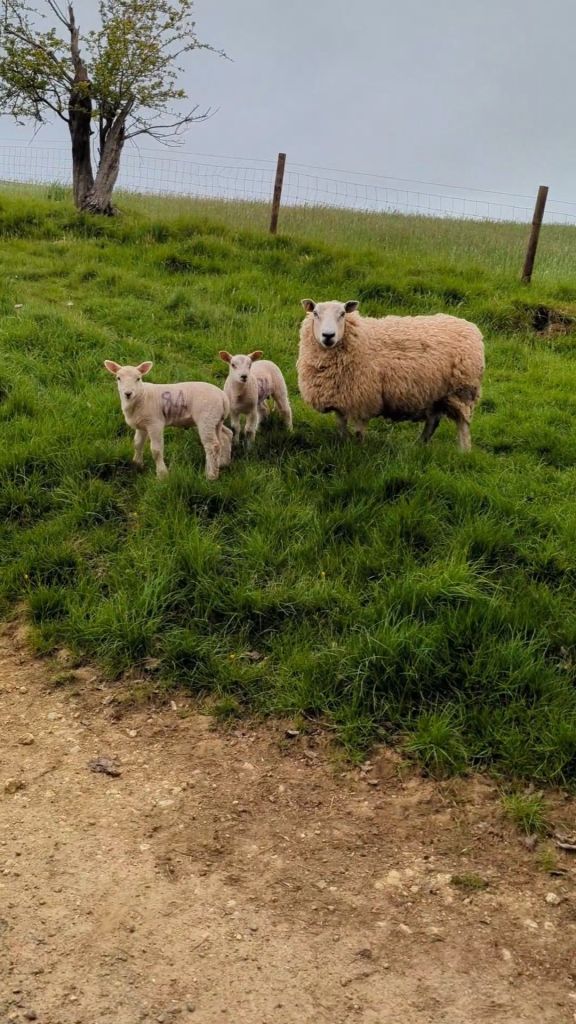
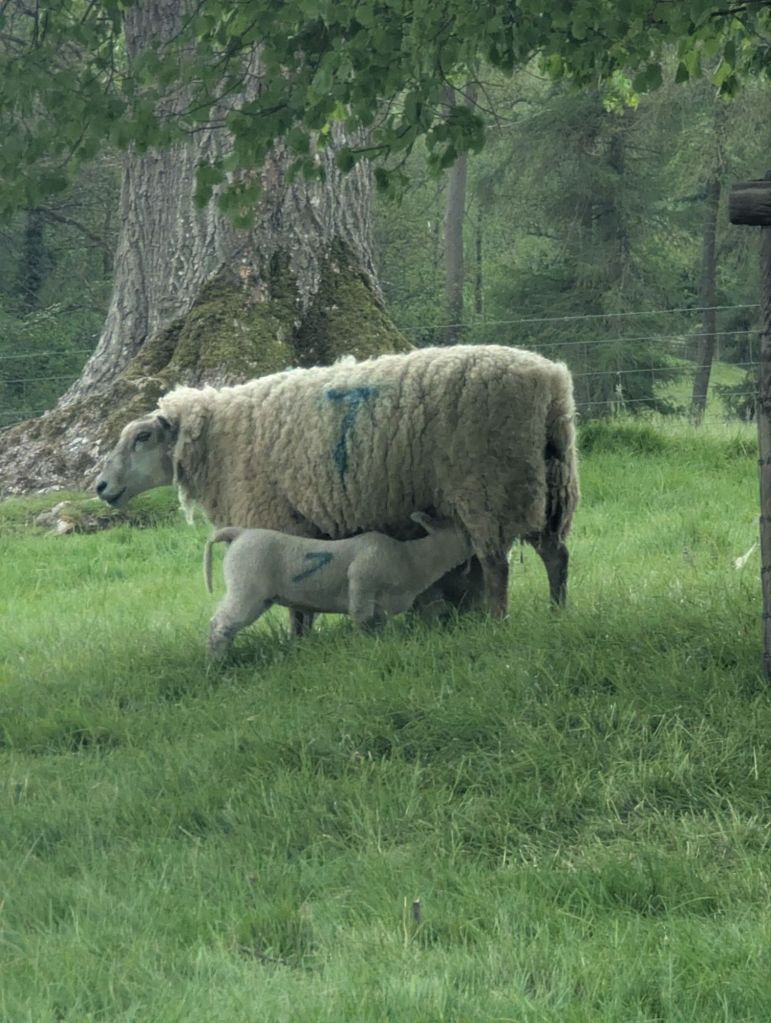
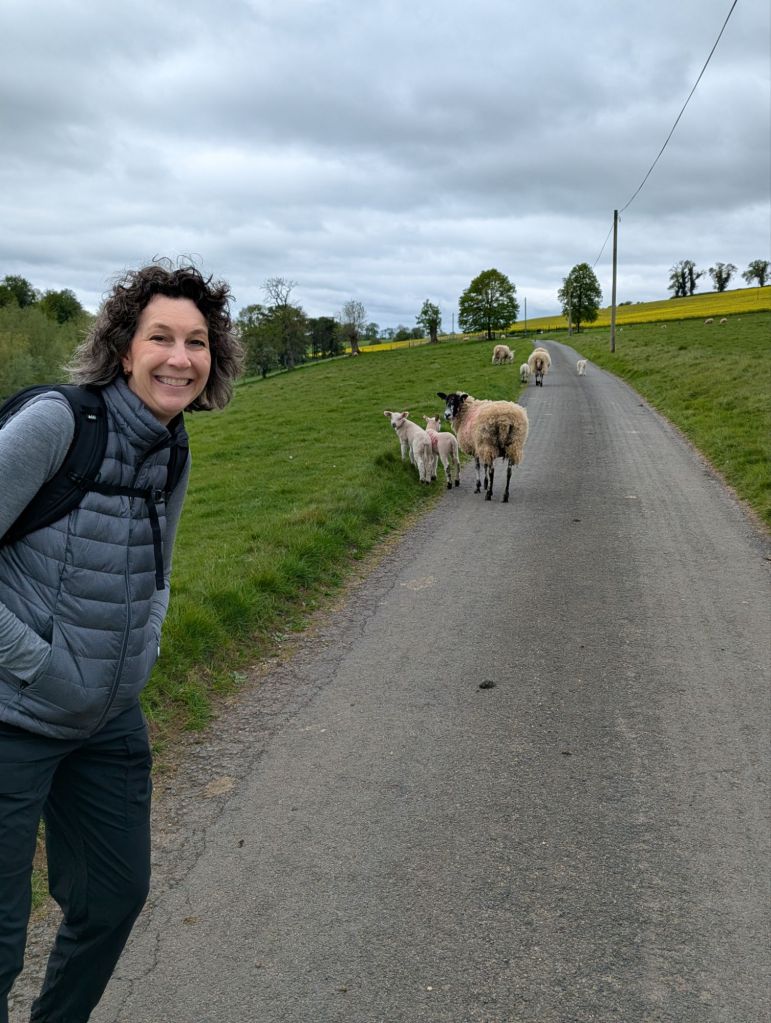
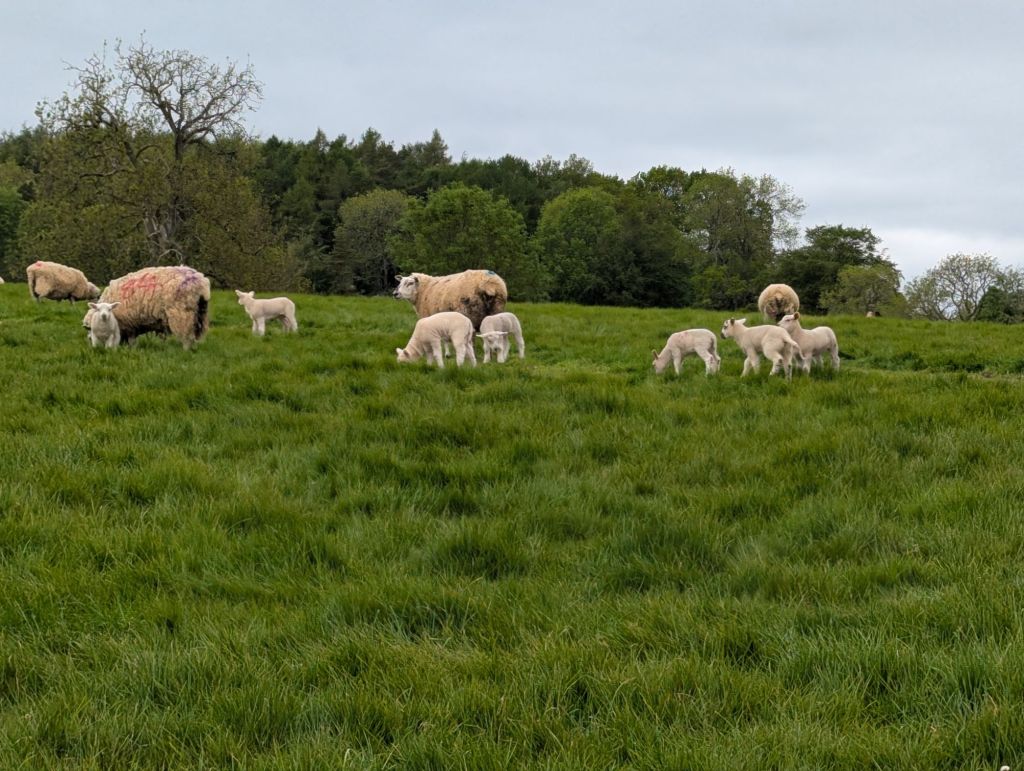
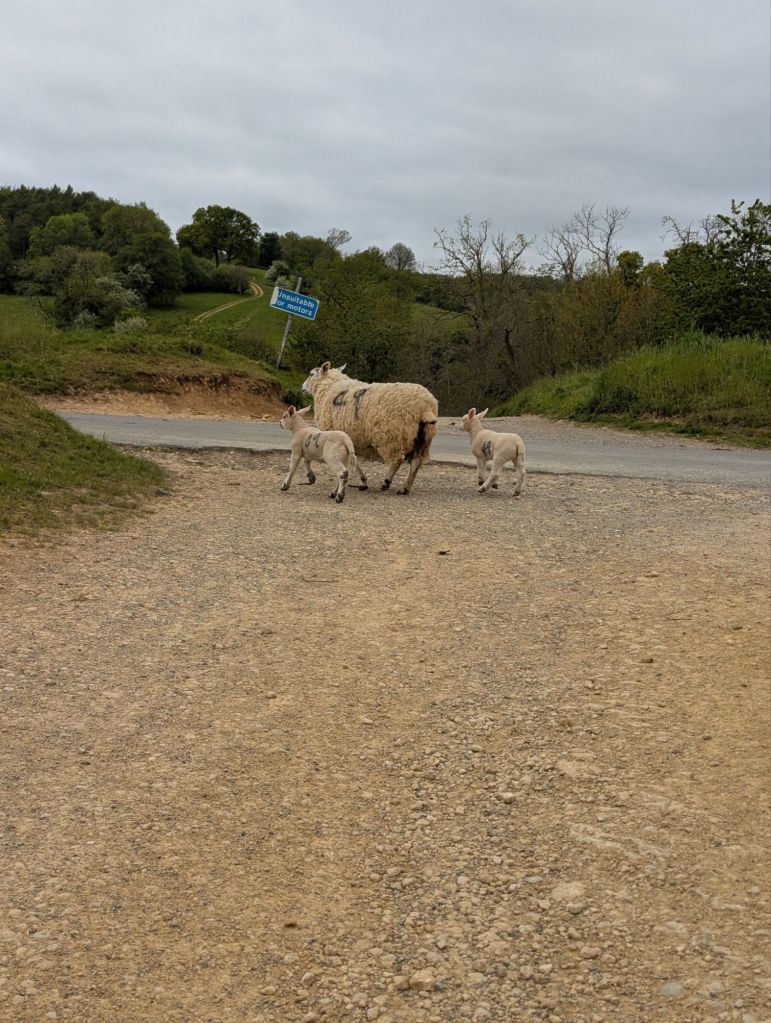
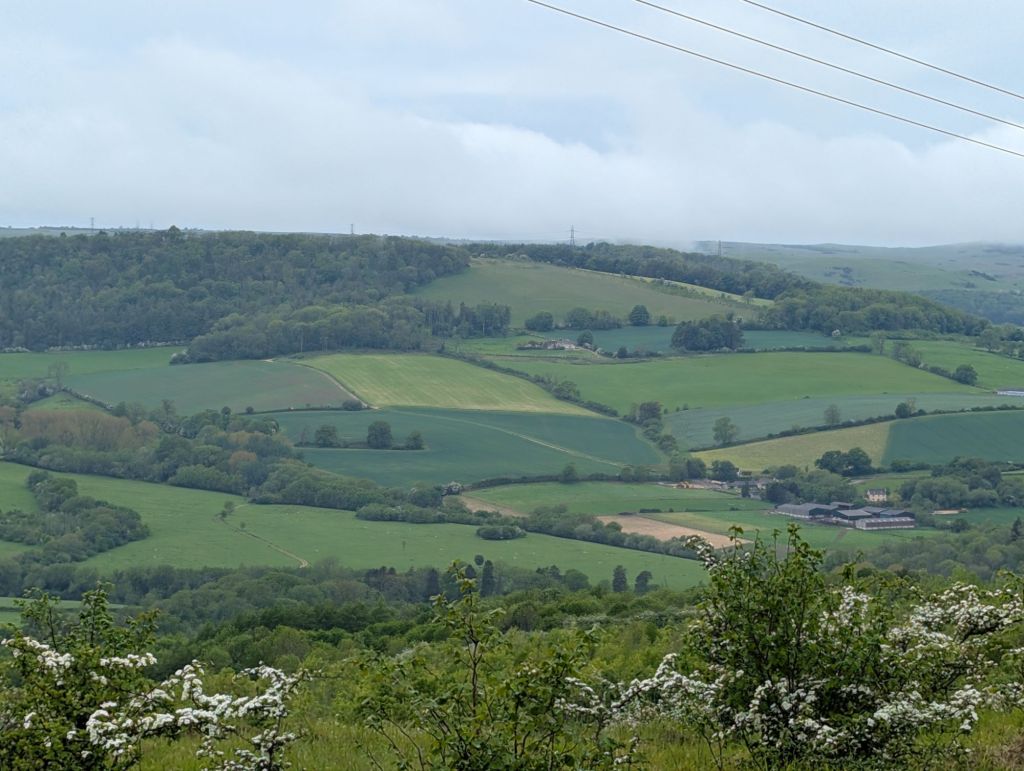
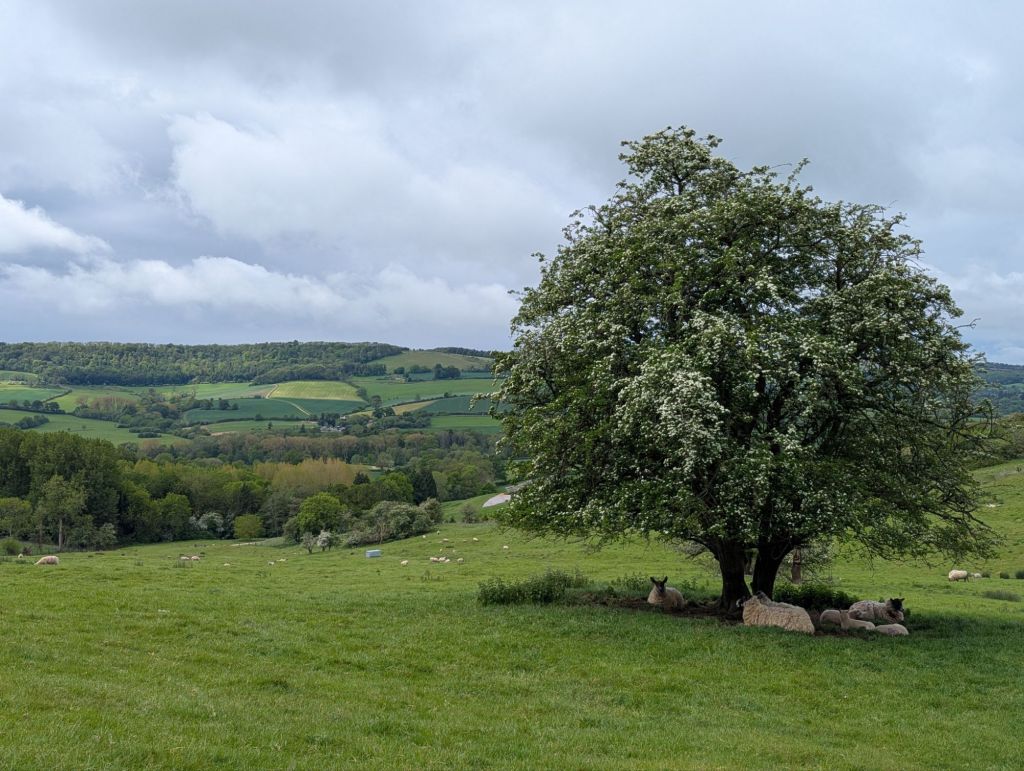
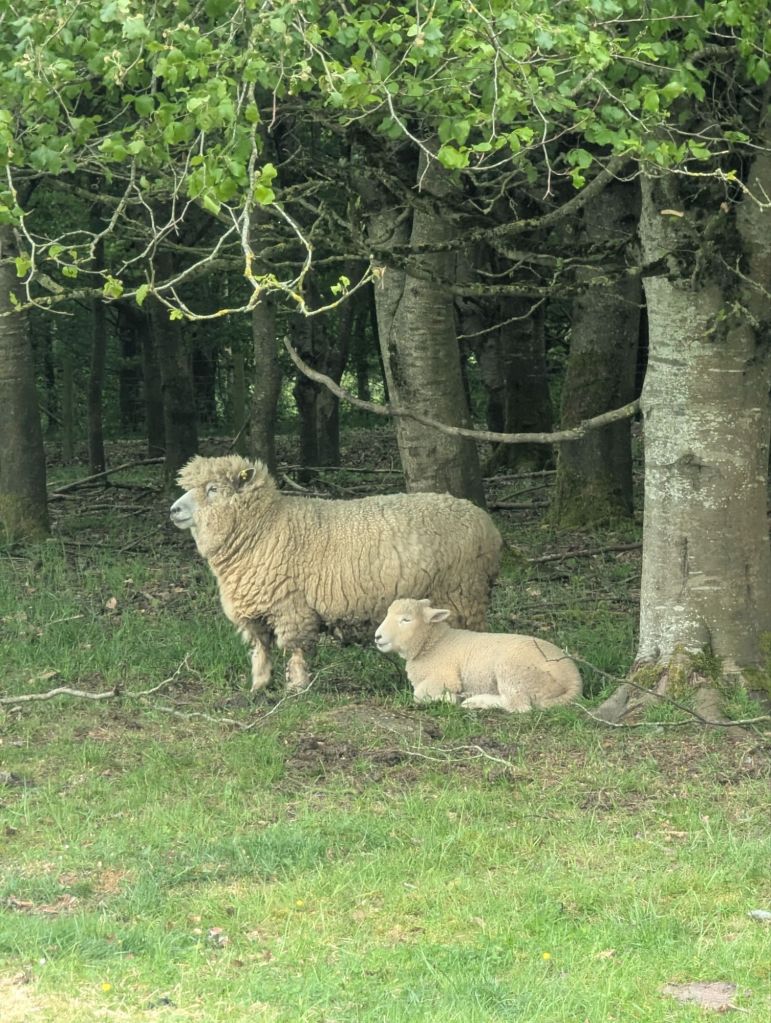
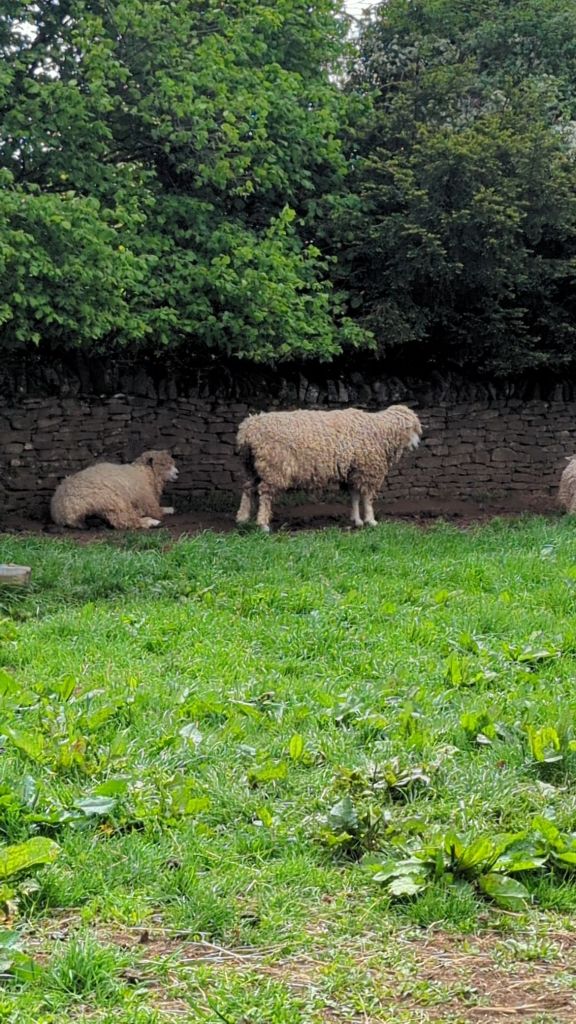
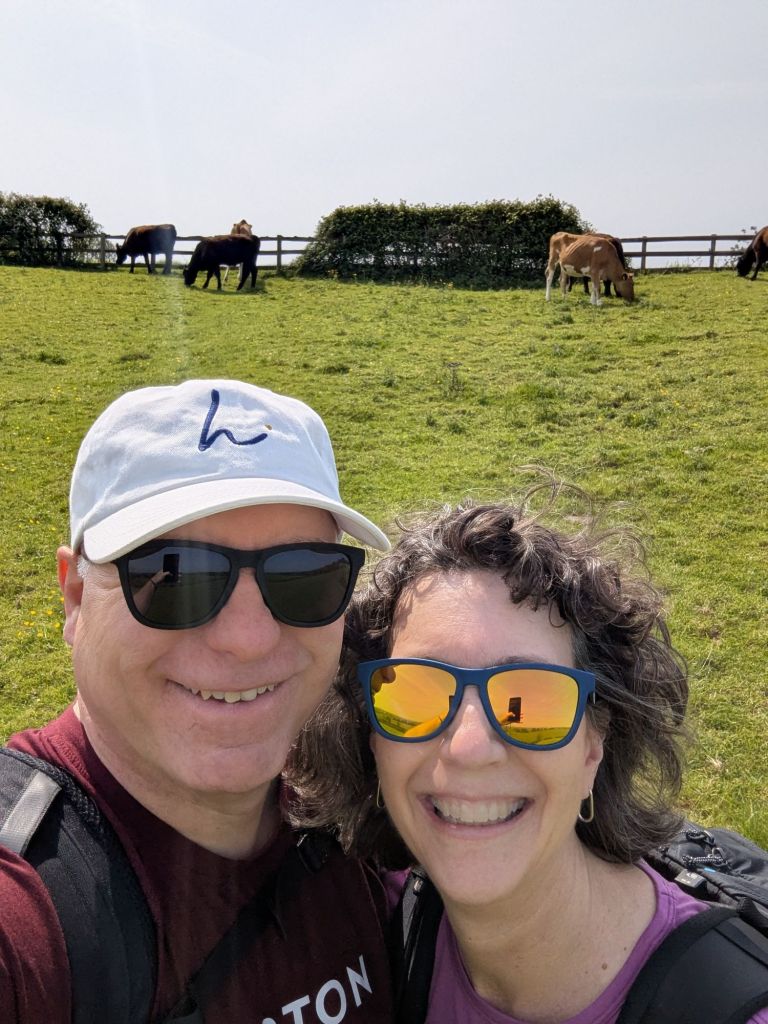
Not long into the walk we found ourselves crossing through a sheep farm filled with adorable lambs. The mothers each had large numbers spray-painted on their sides, and the lambs had matching numbers so they could easily stay paired together. It was surprisingly entertaining to watch the little lambs follow their mothers everywhere while a shepherd cruised around the fields on an ATV keeping an eye on the flock.

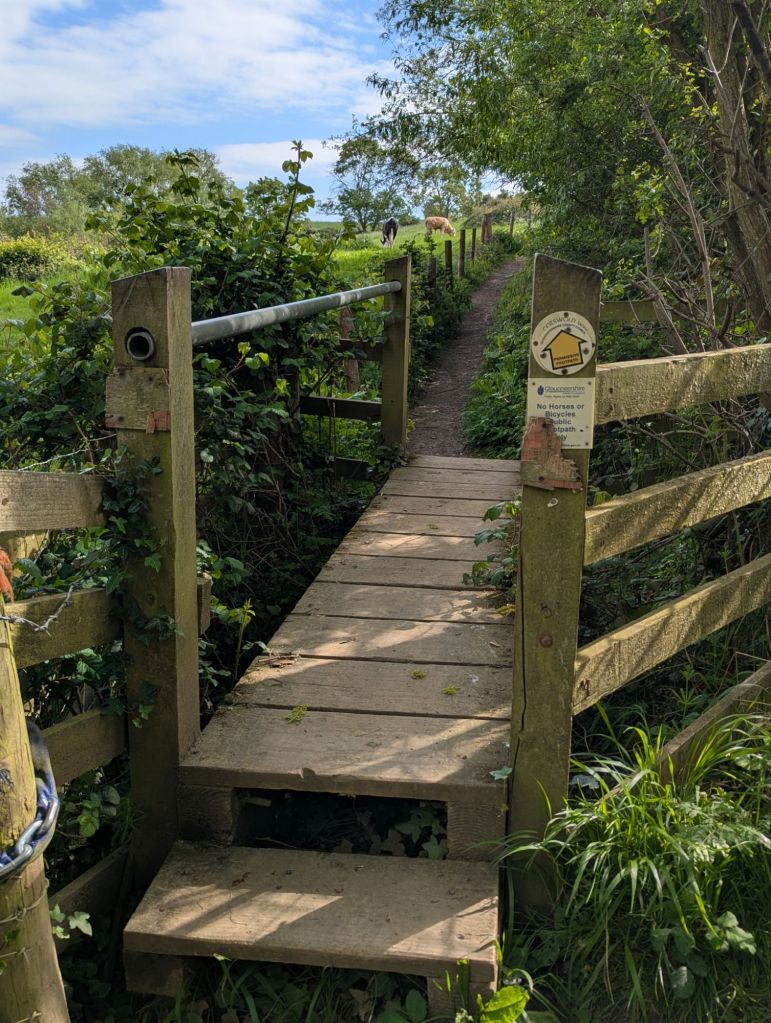
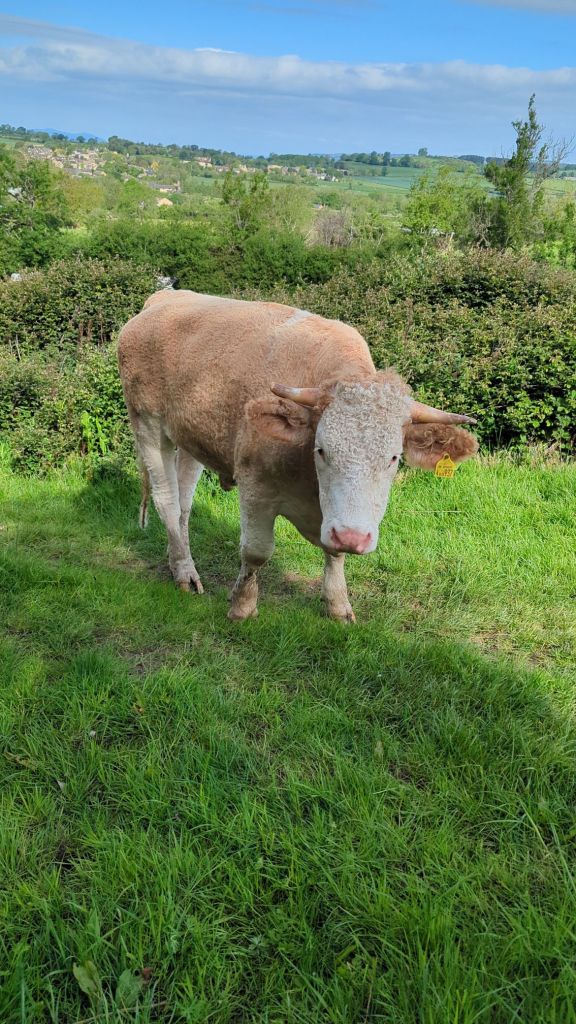
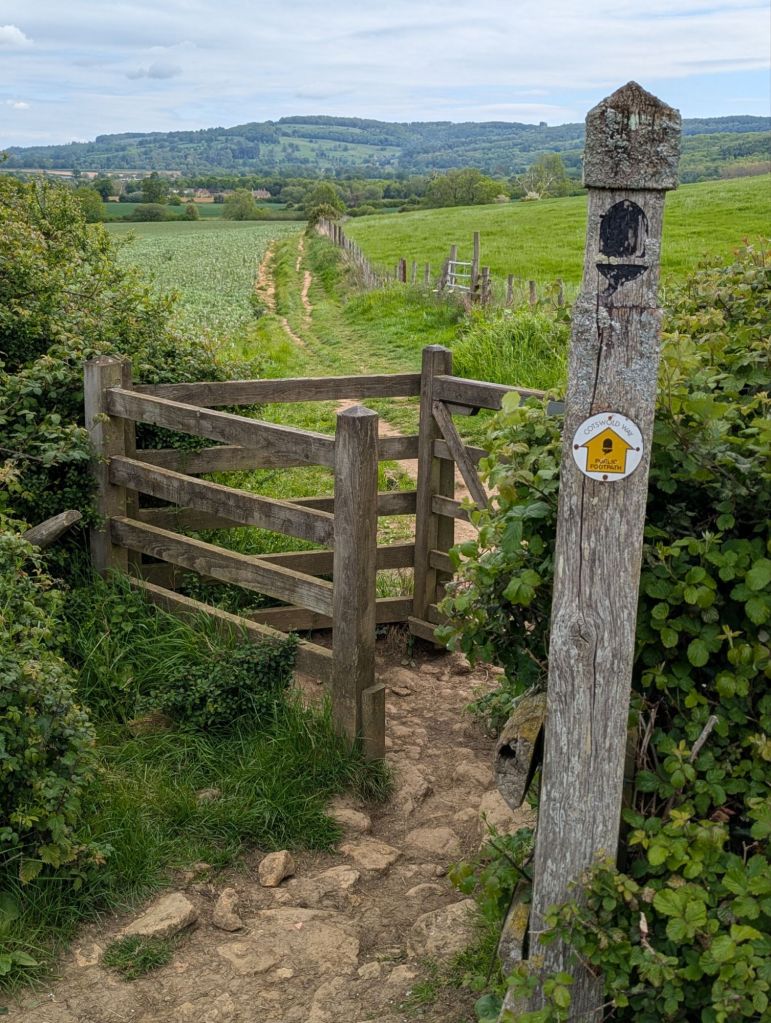
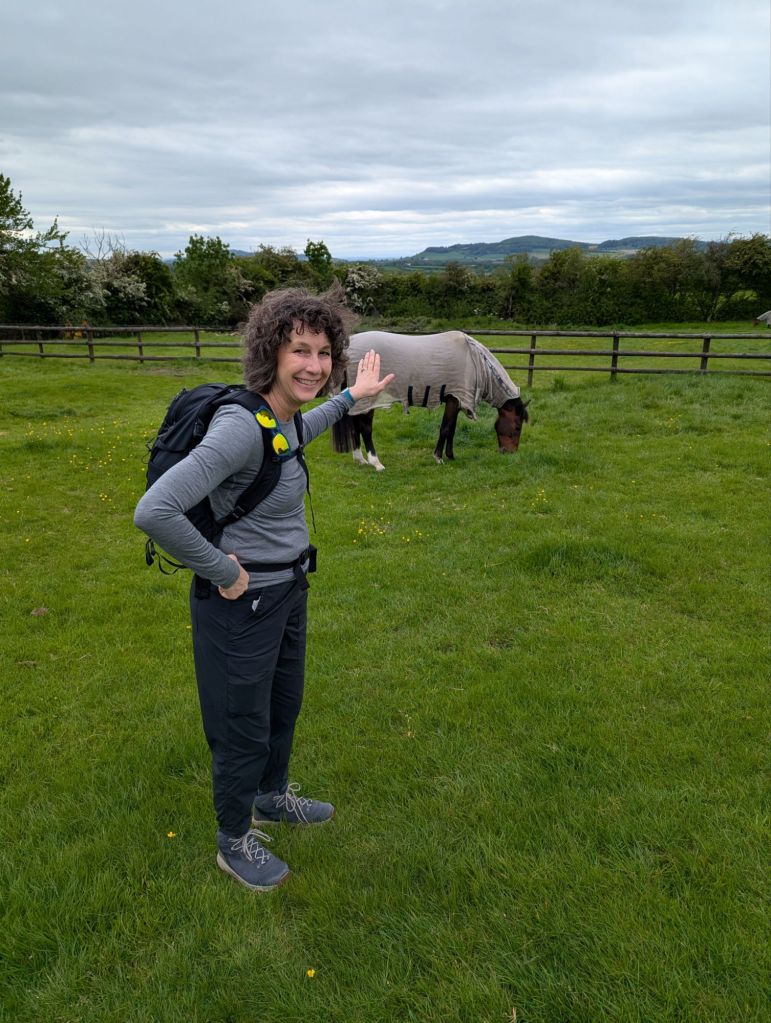
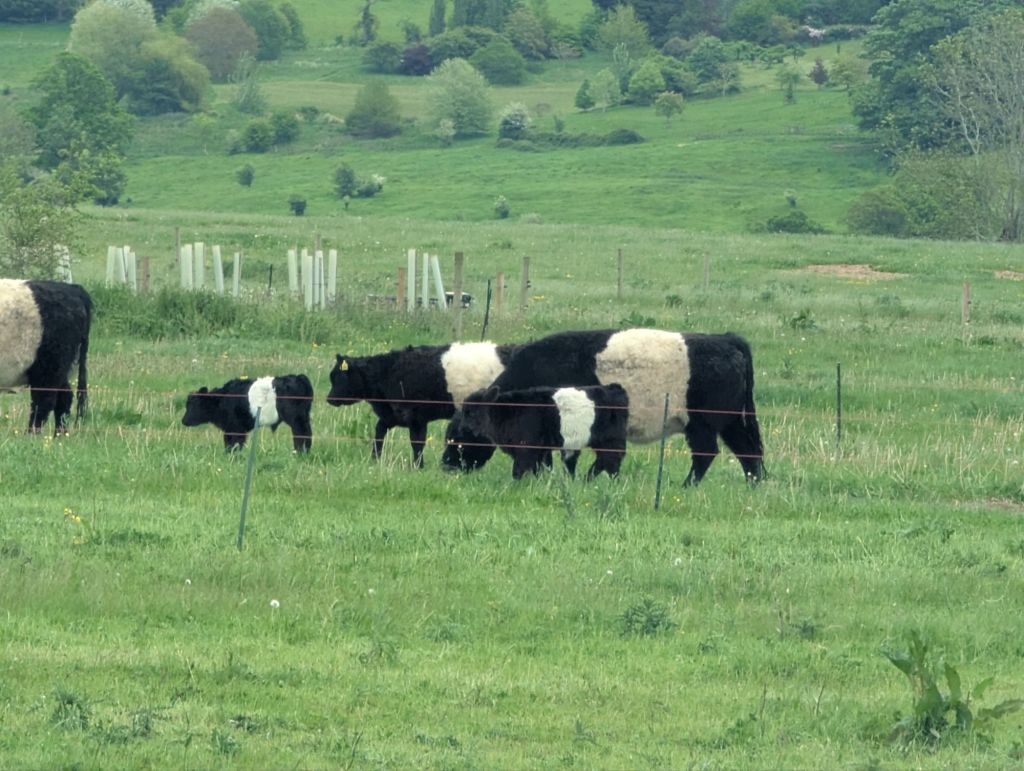
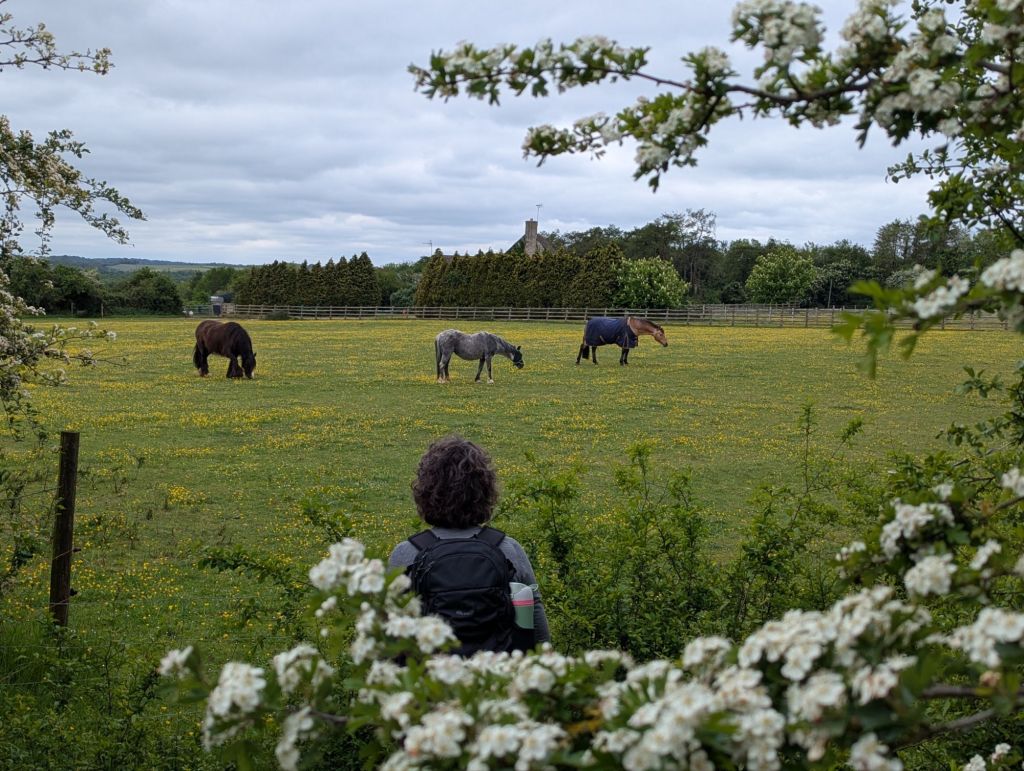
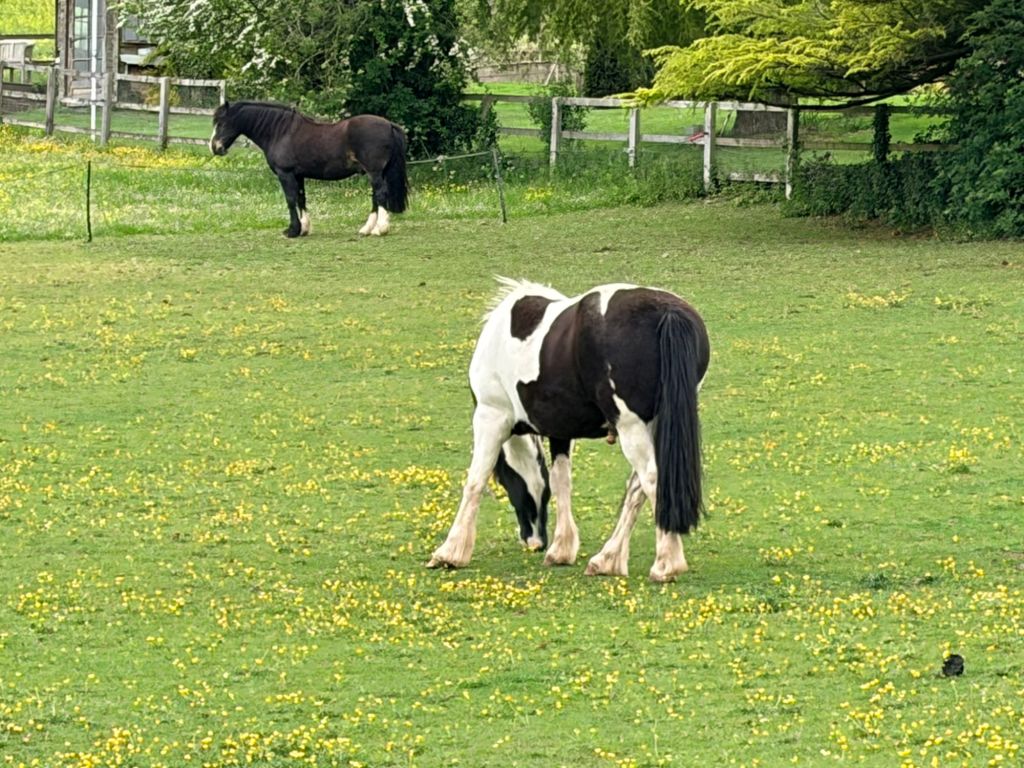
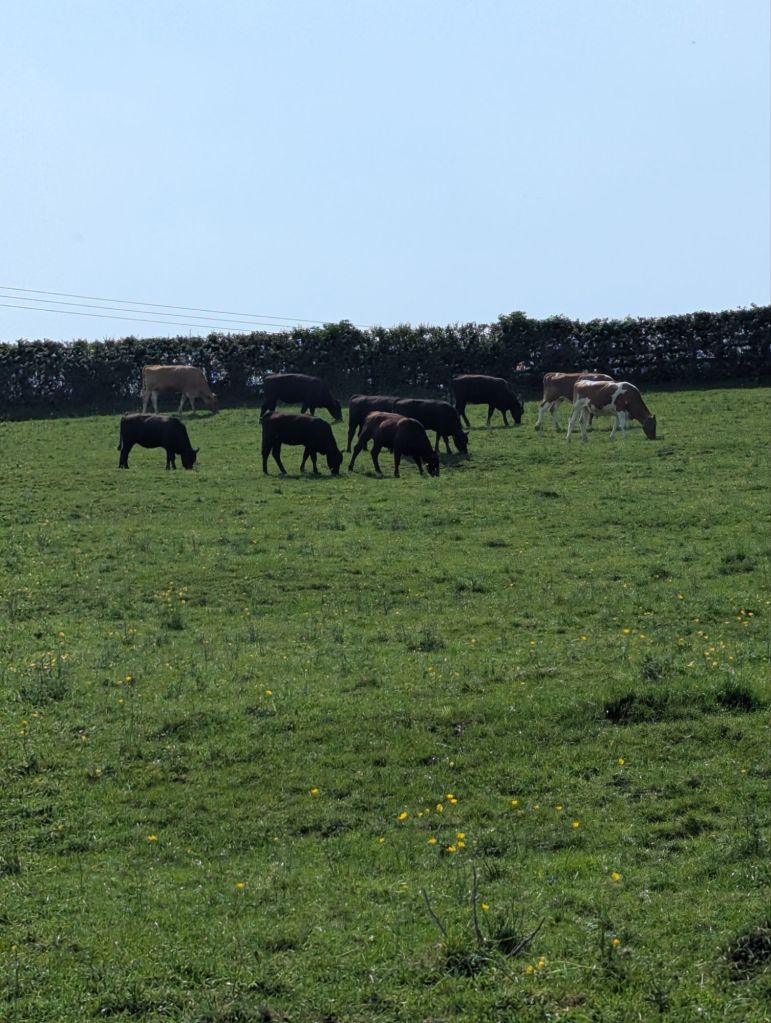
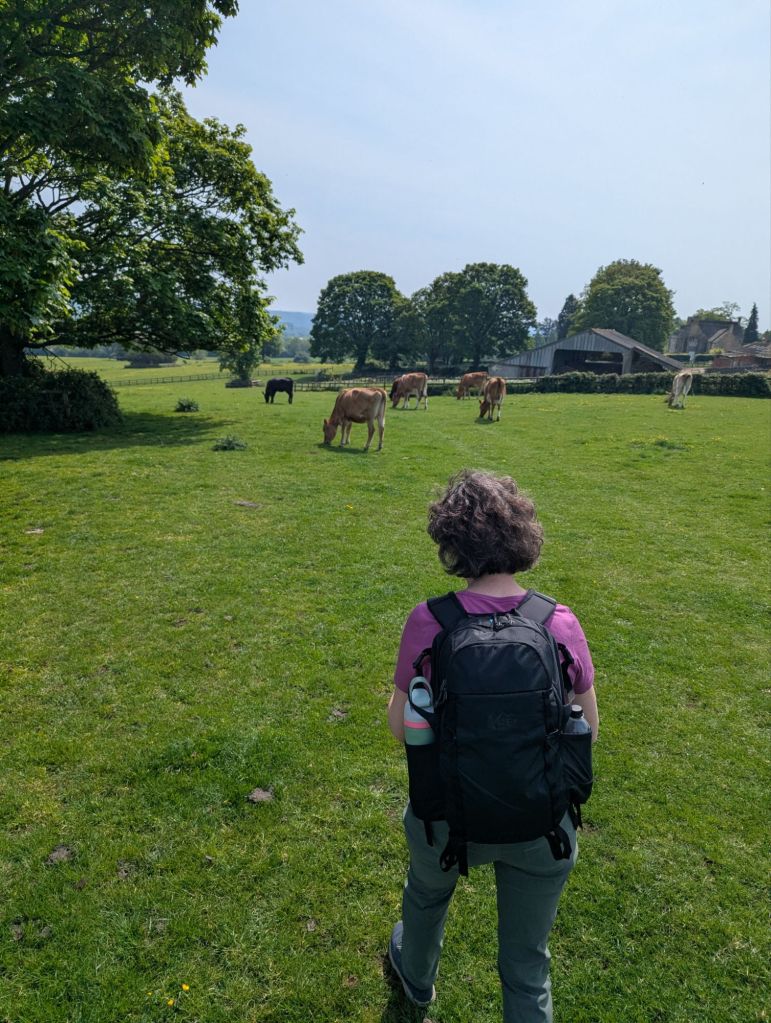
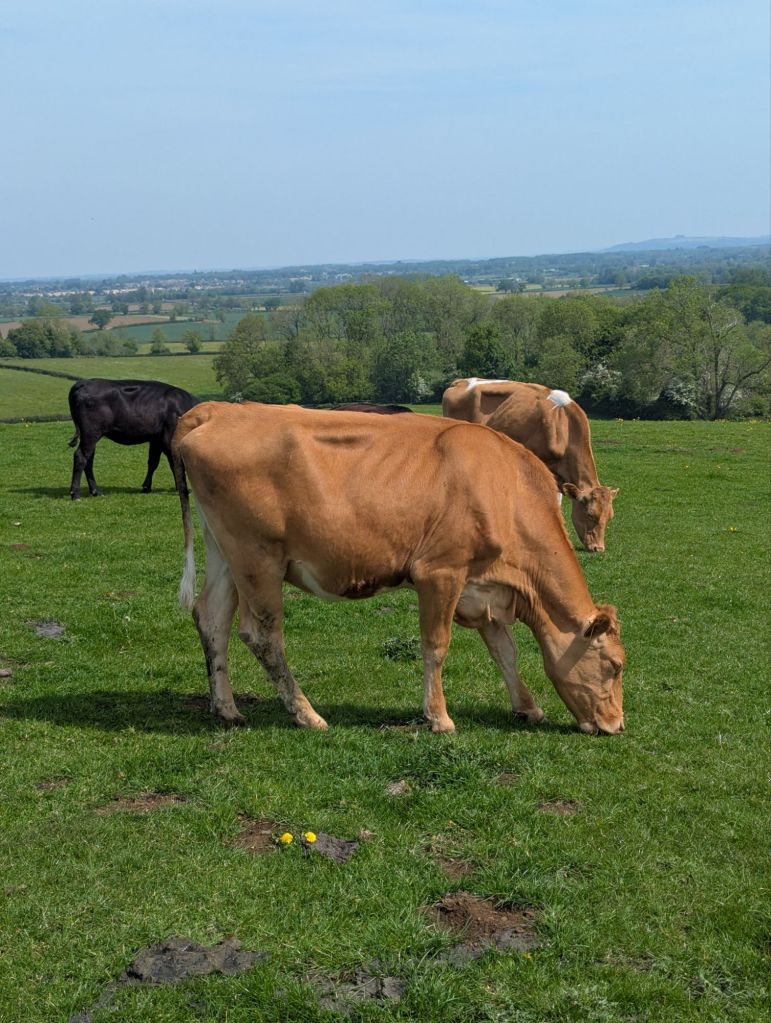
One of the things that continues to amaze us is how many public walking paths run directly through active farmland and livestock fields. We regularly find ourselves just a few feet away from sheep, cows, horses, and other animals. Signs frequently remind walkers that these are working farms and the animals are not pets, which is probably wise advice considering how tempting it is to stop and interact with every animal we see. The bigger challenge, however, is balancing the urge to admire the scenery and livestock while also paying close attention to where you are stepping.

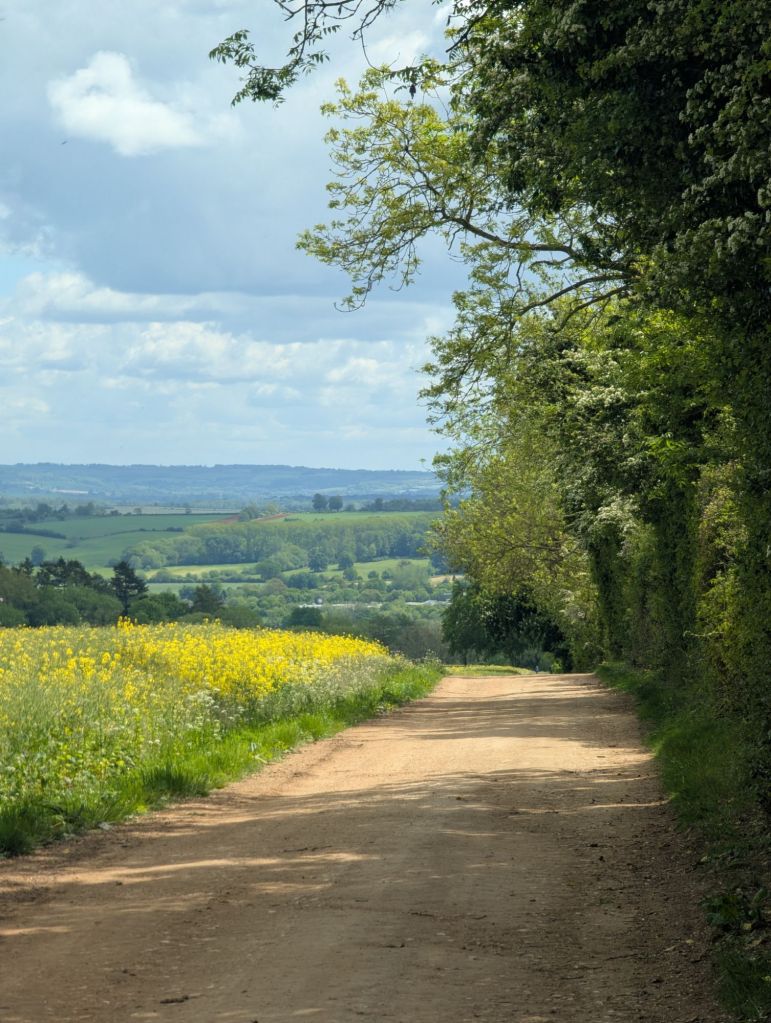
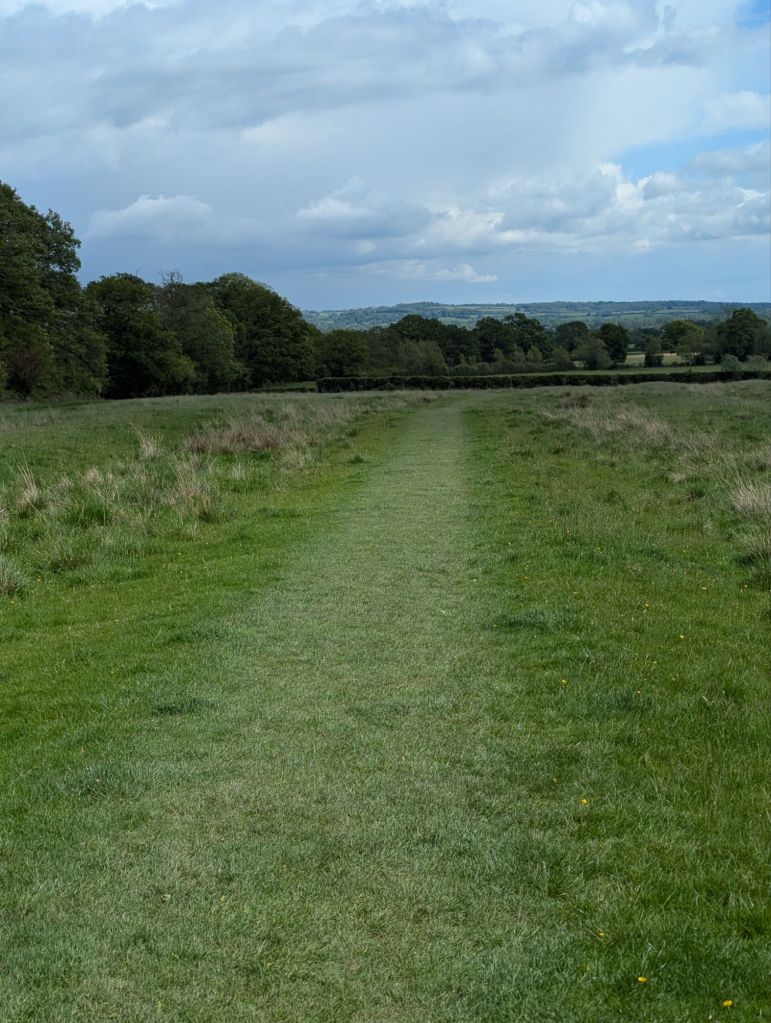
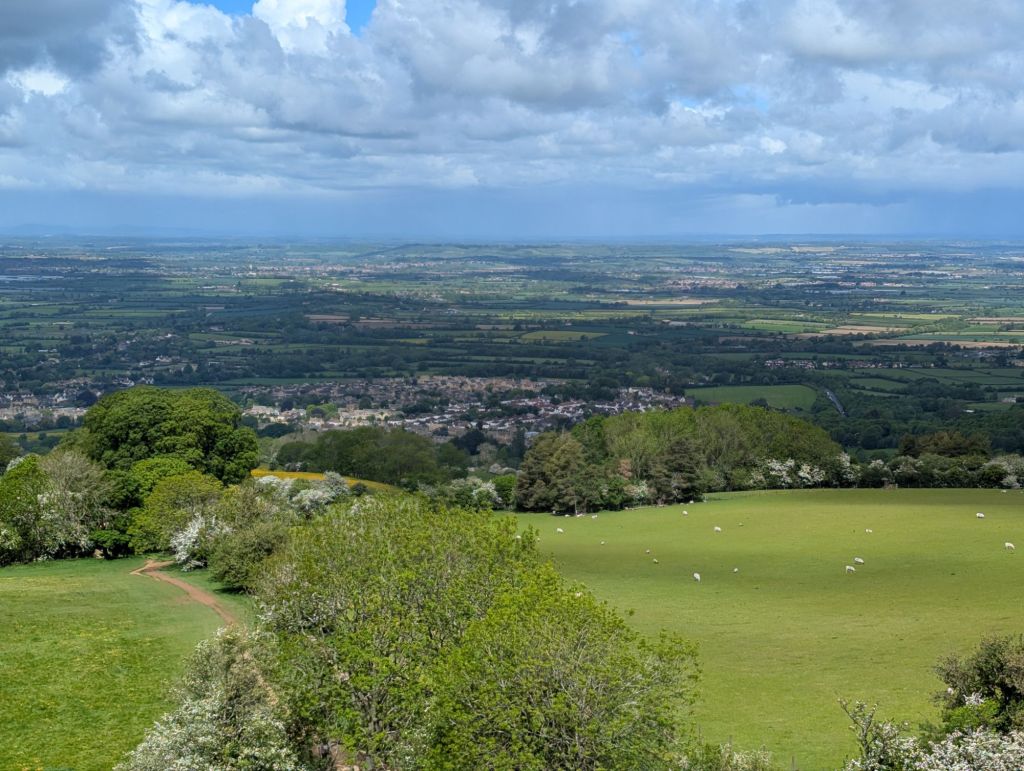
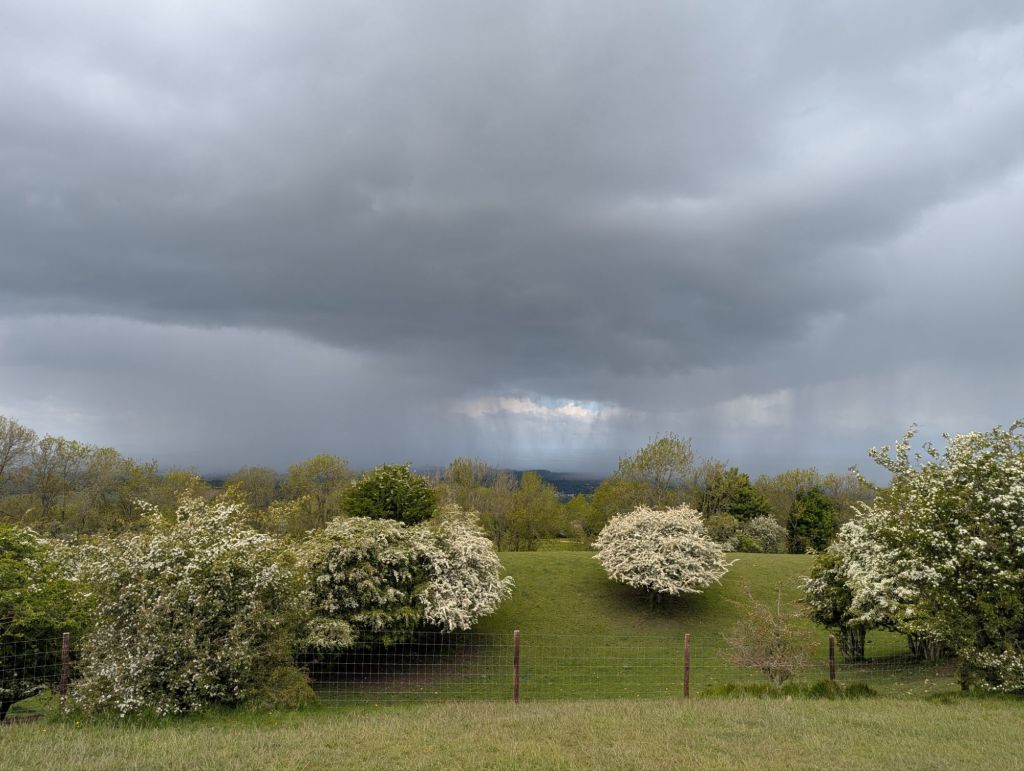
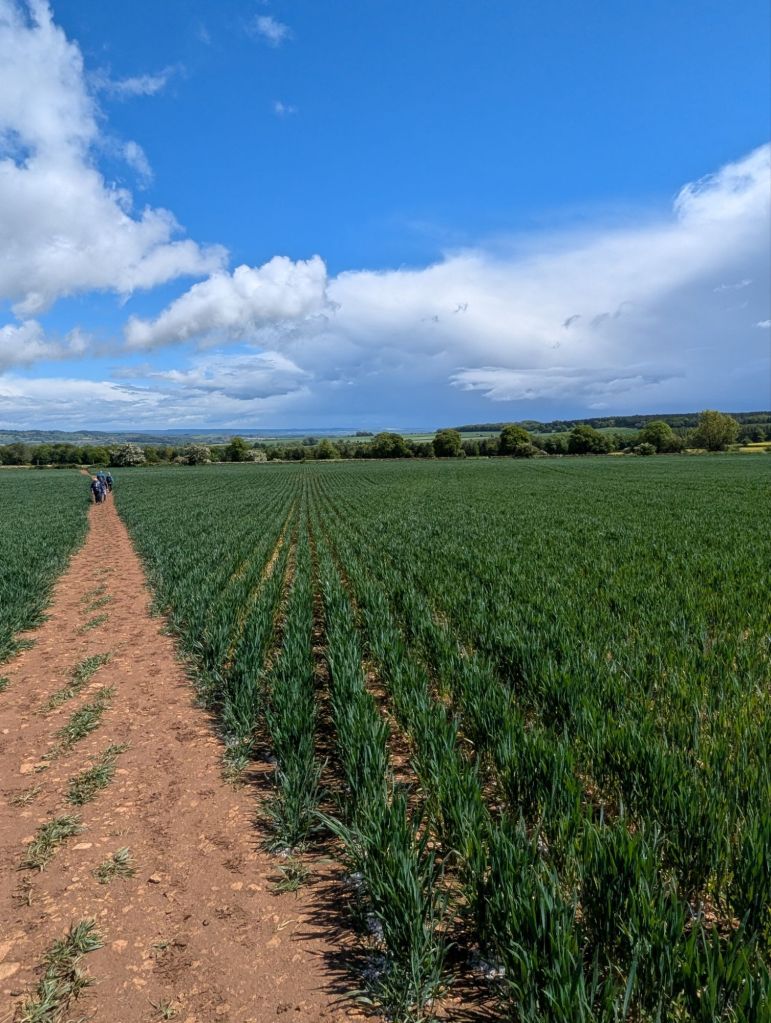
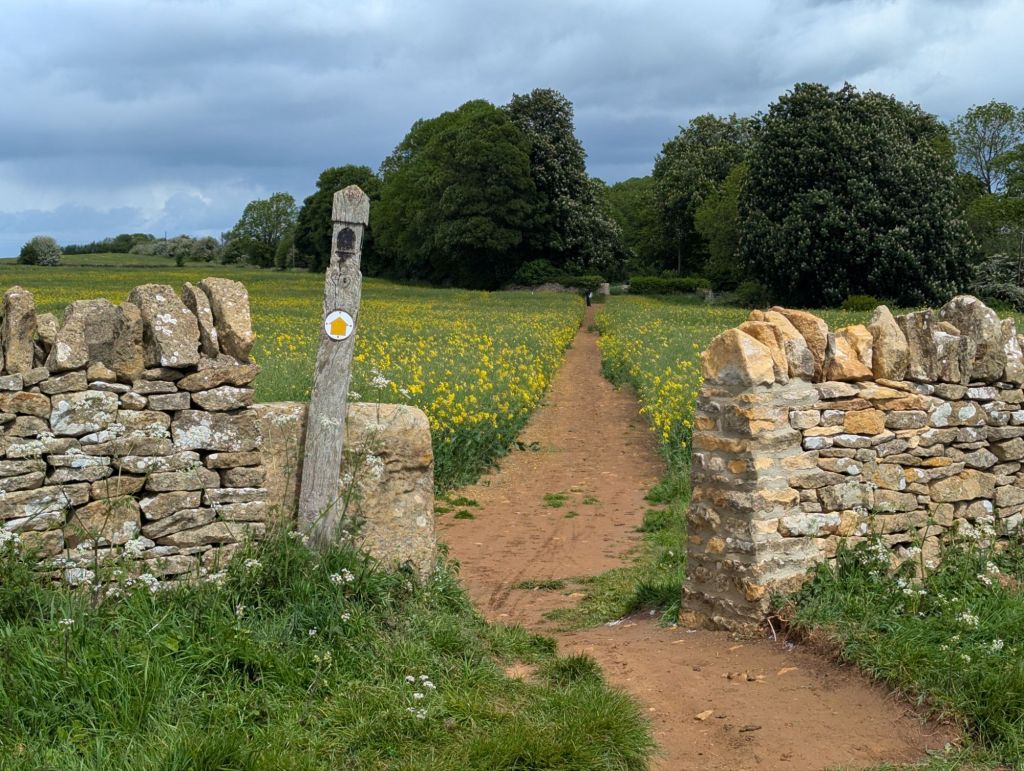
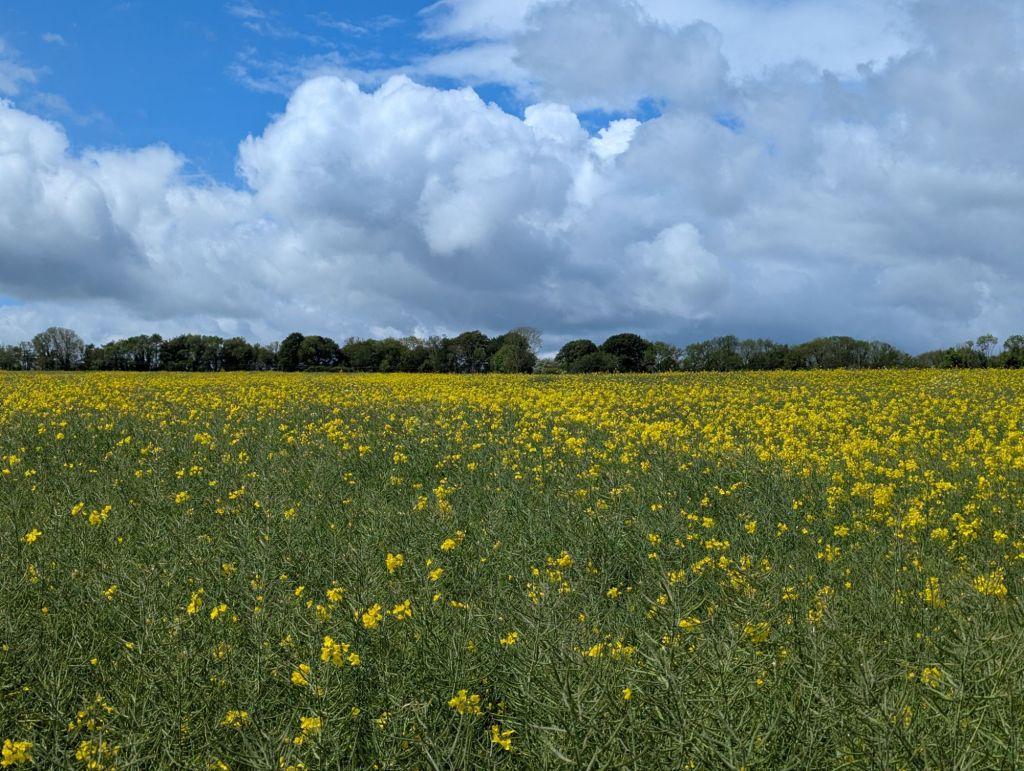
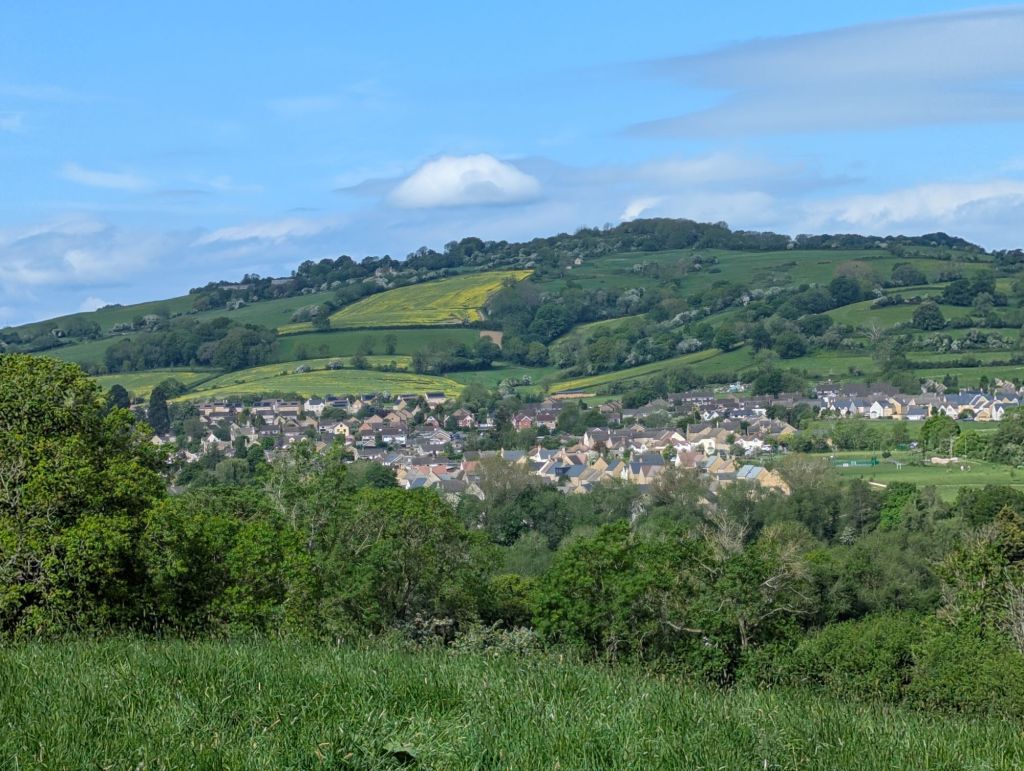
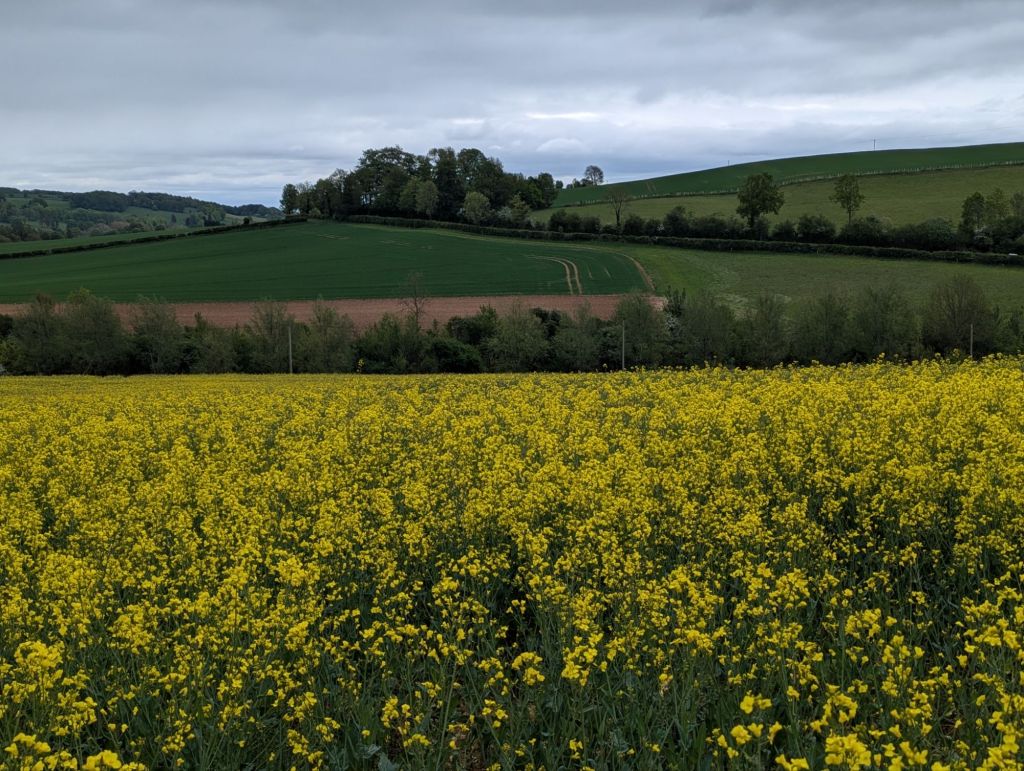
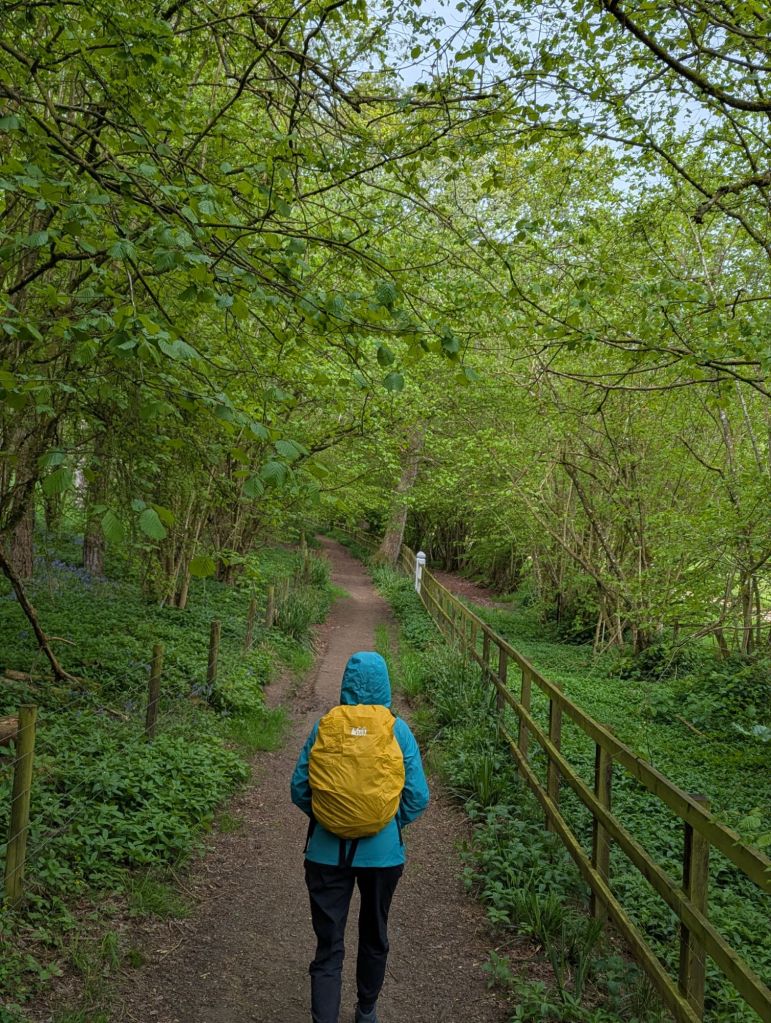
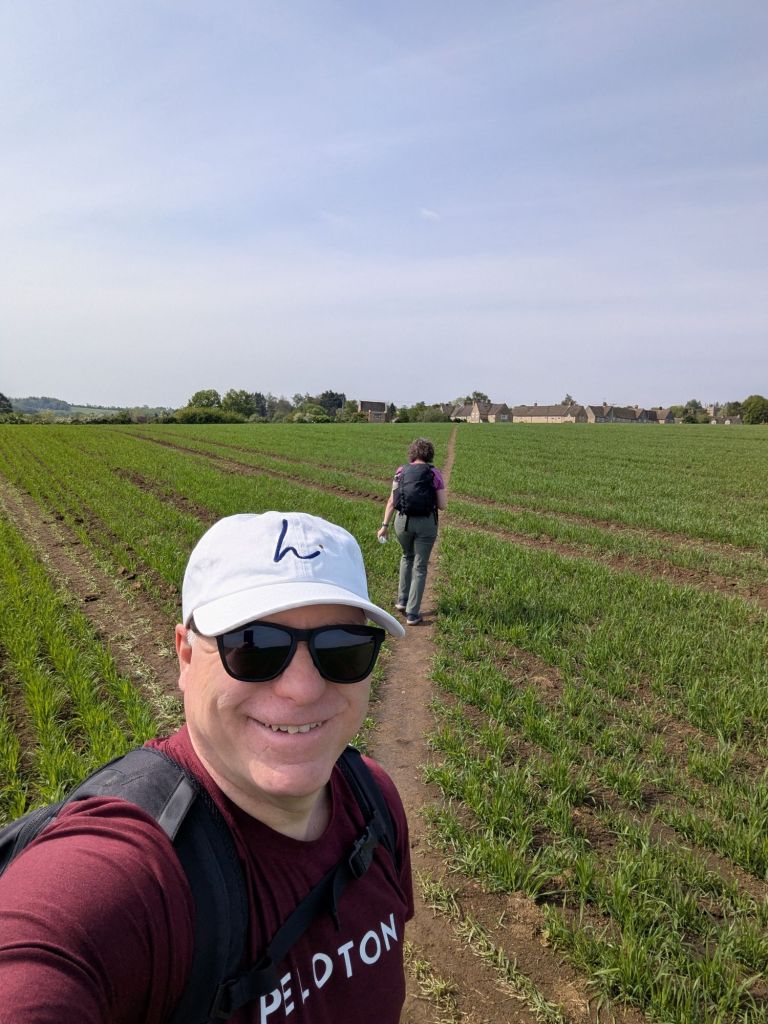
We passed bright yellow rapeseed fields, several barley fields, and eventually entered a wooded area just as rain began to fall. For the first time on the trip we had to break out our raincoats and backpack covers. Thankfully the rain stayed fairly light and only lasted about an hour, so it really did not slow us down much.

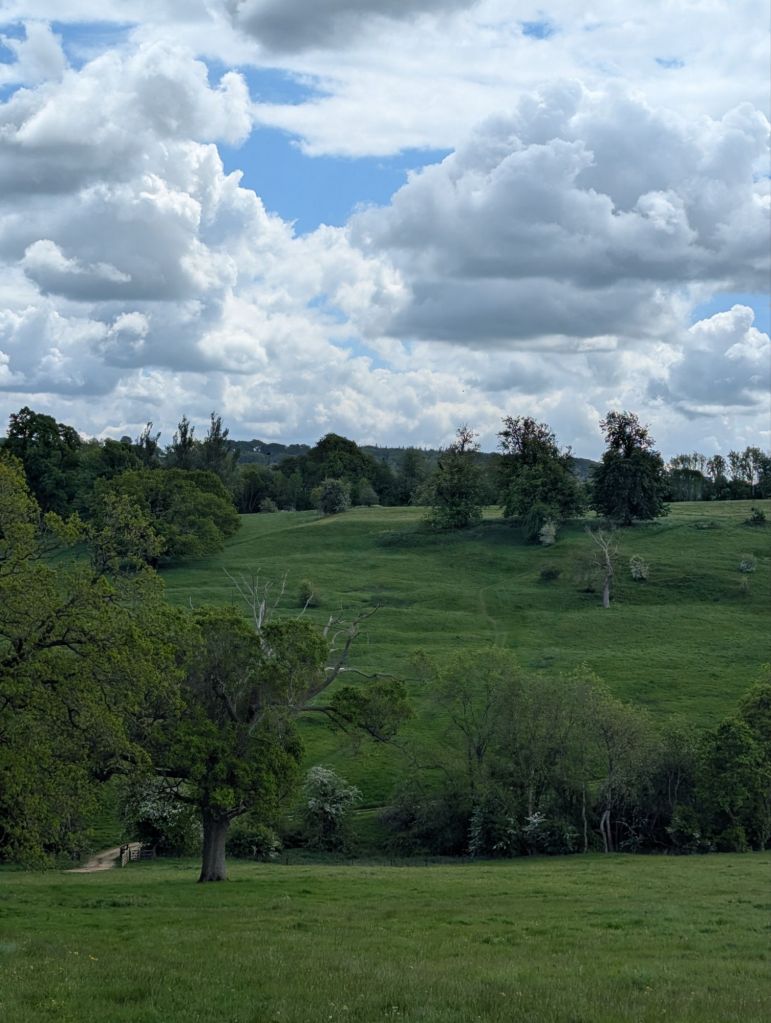
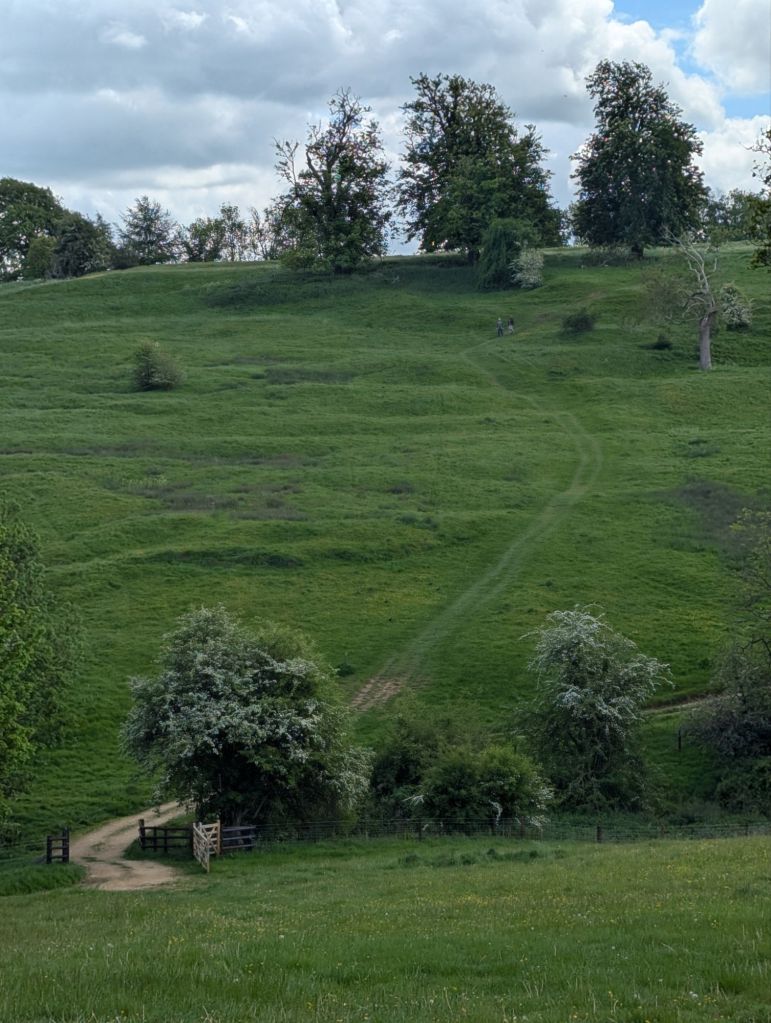
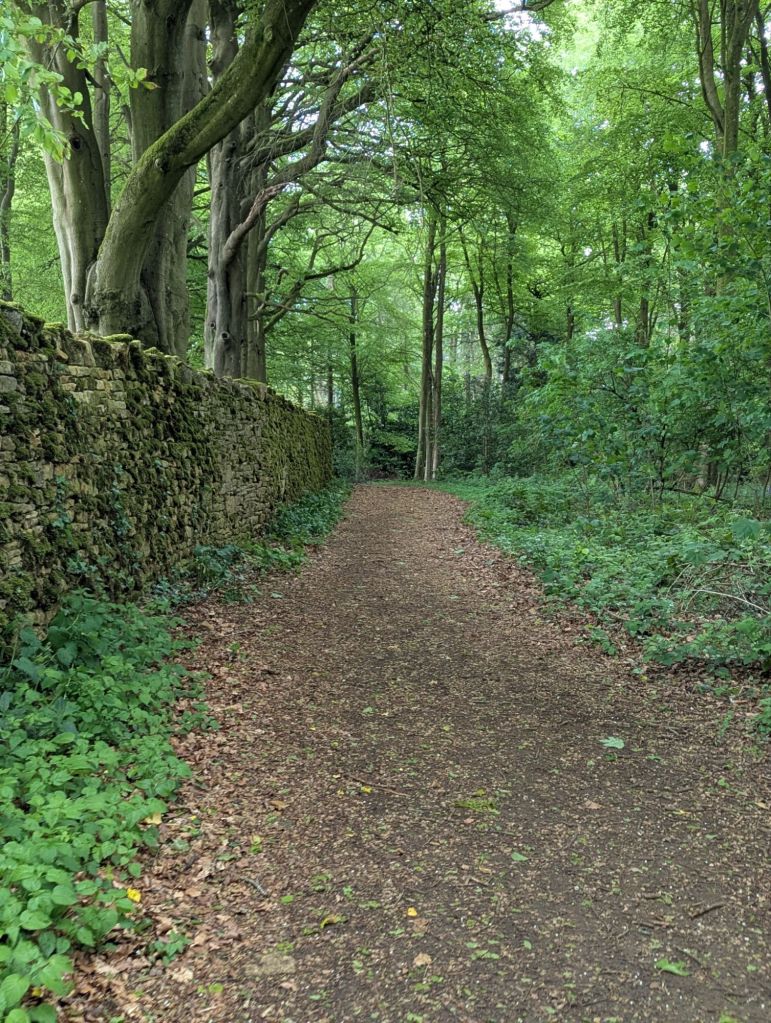
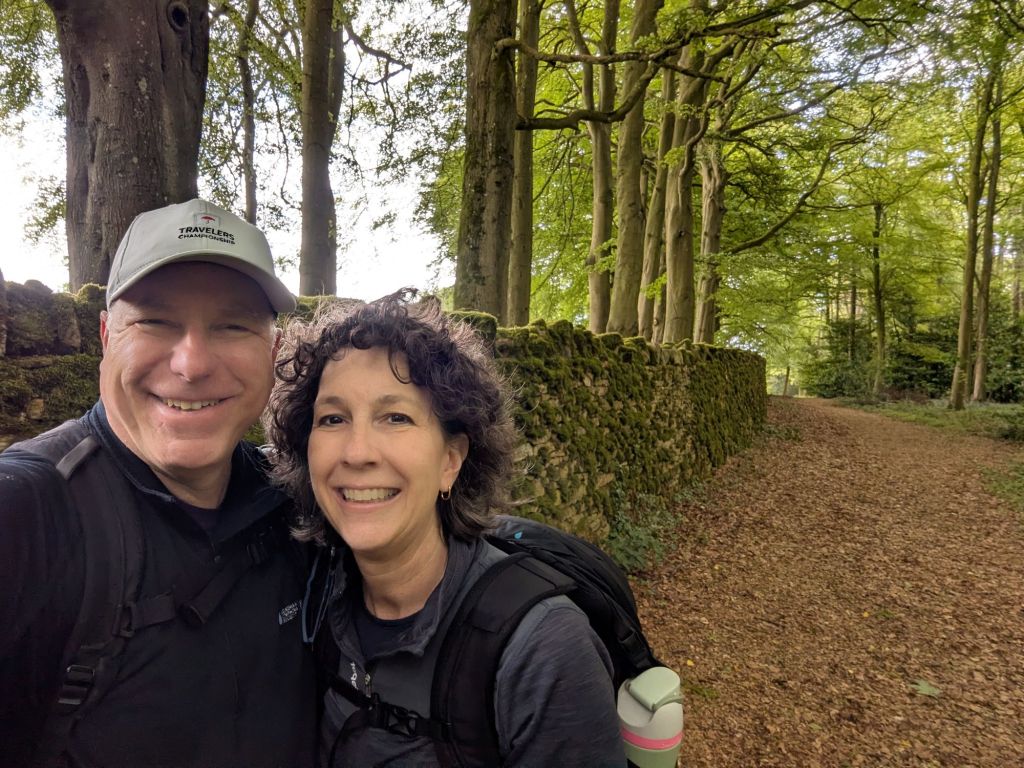
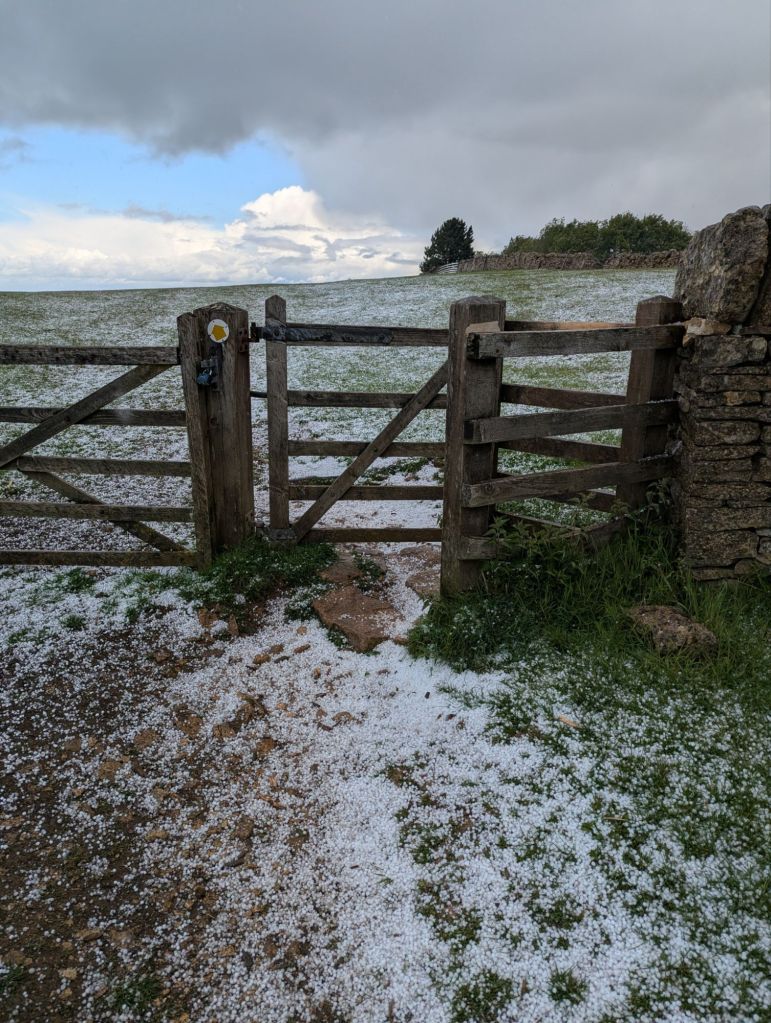
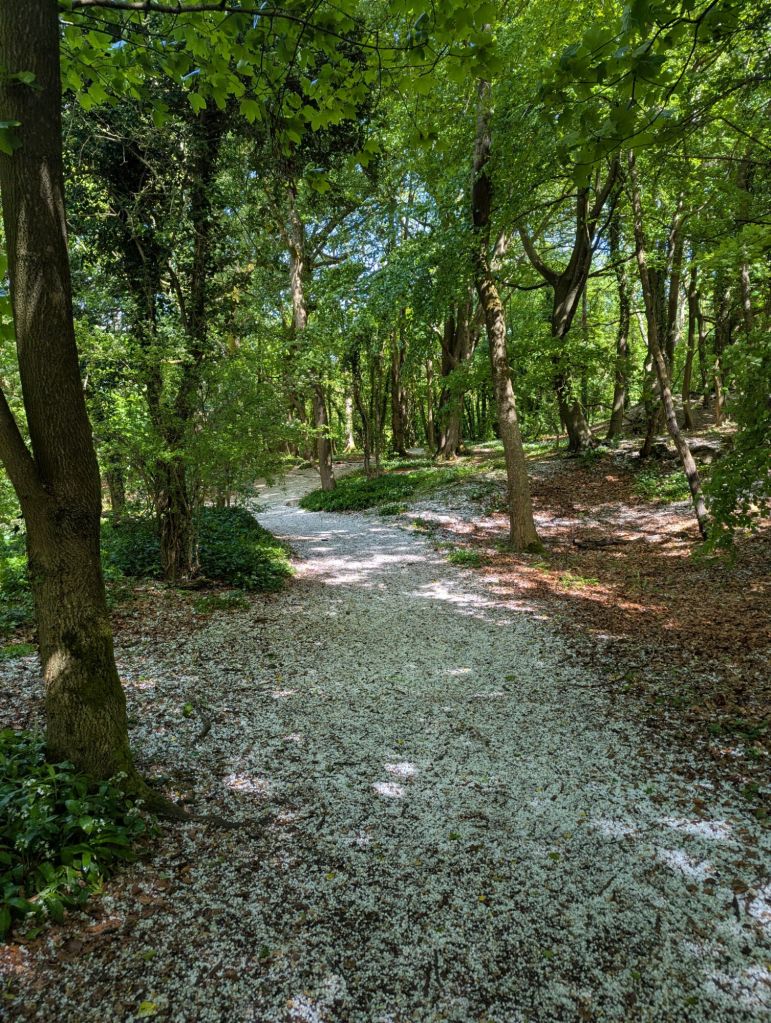
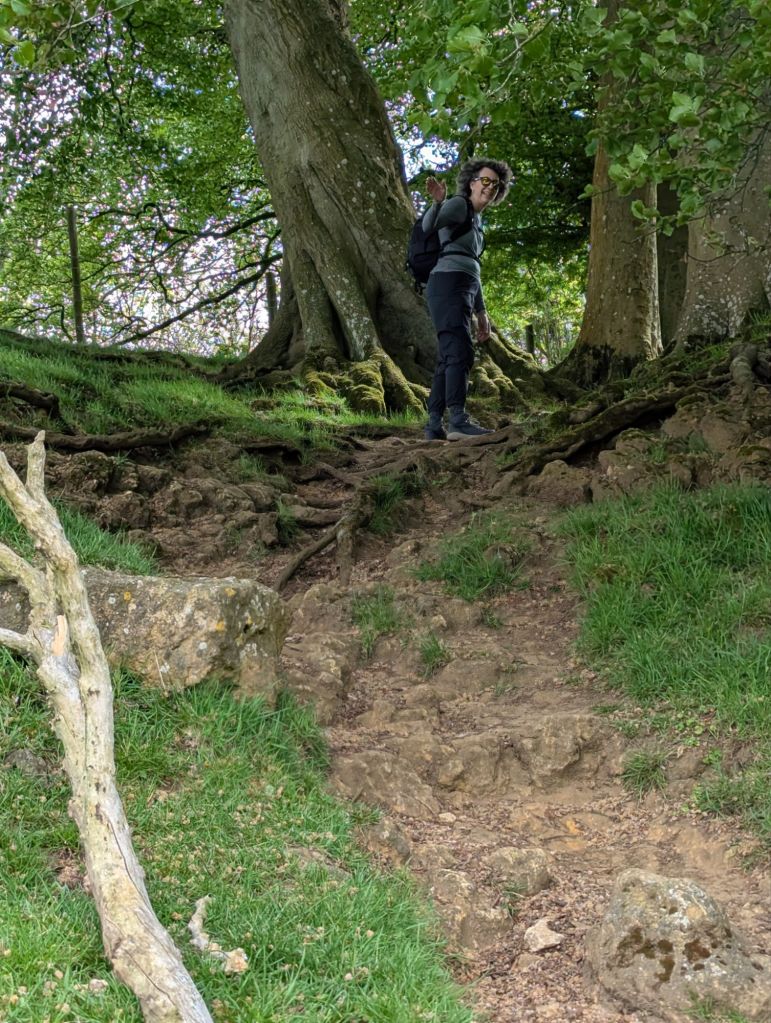
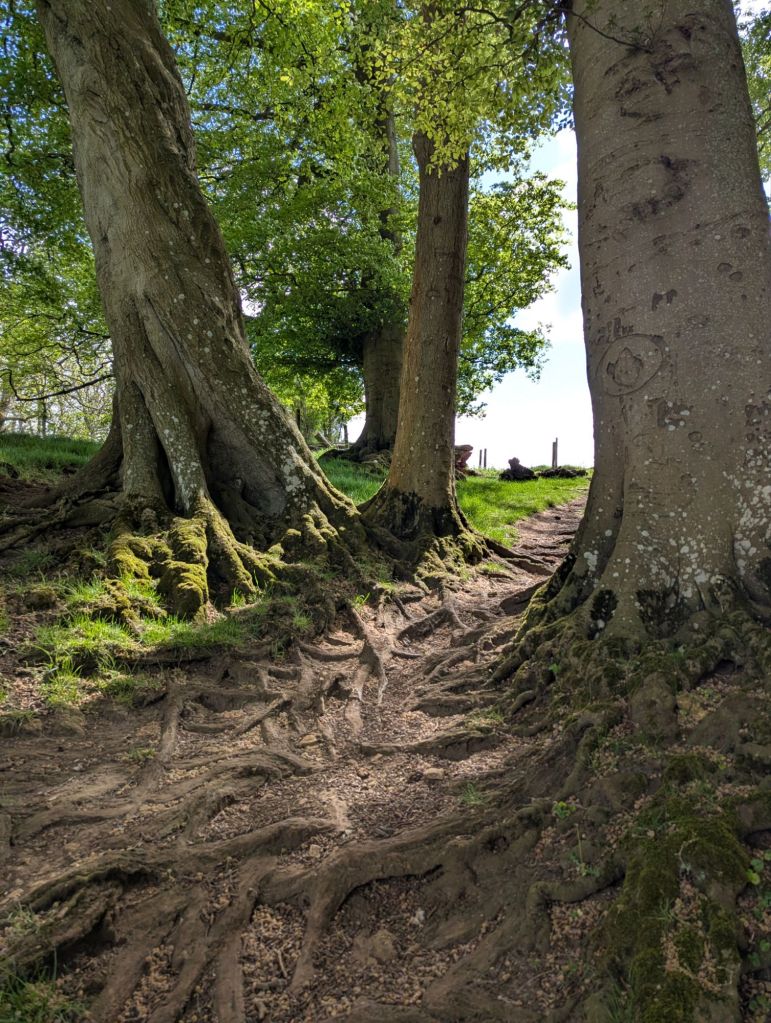
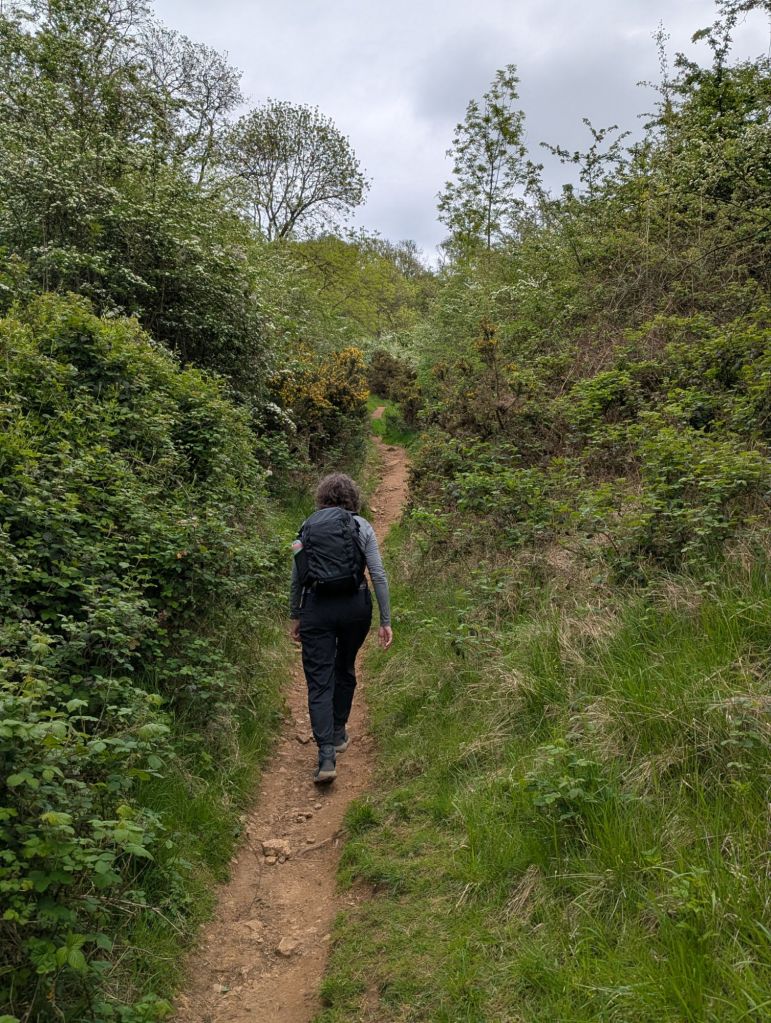
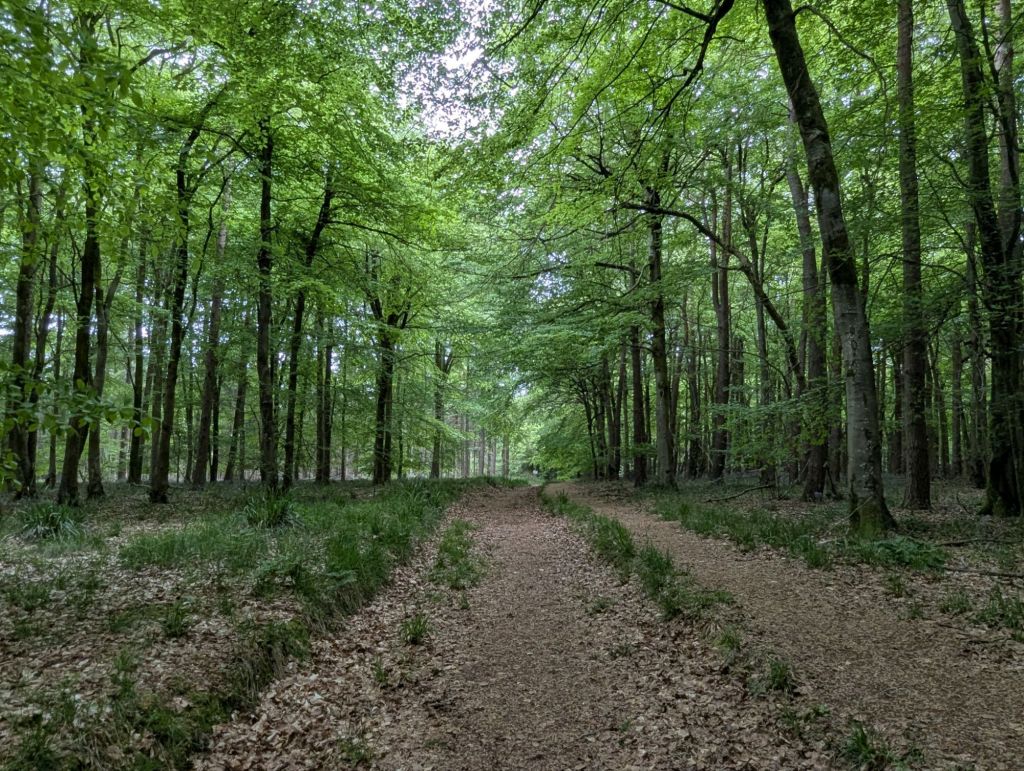
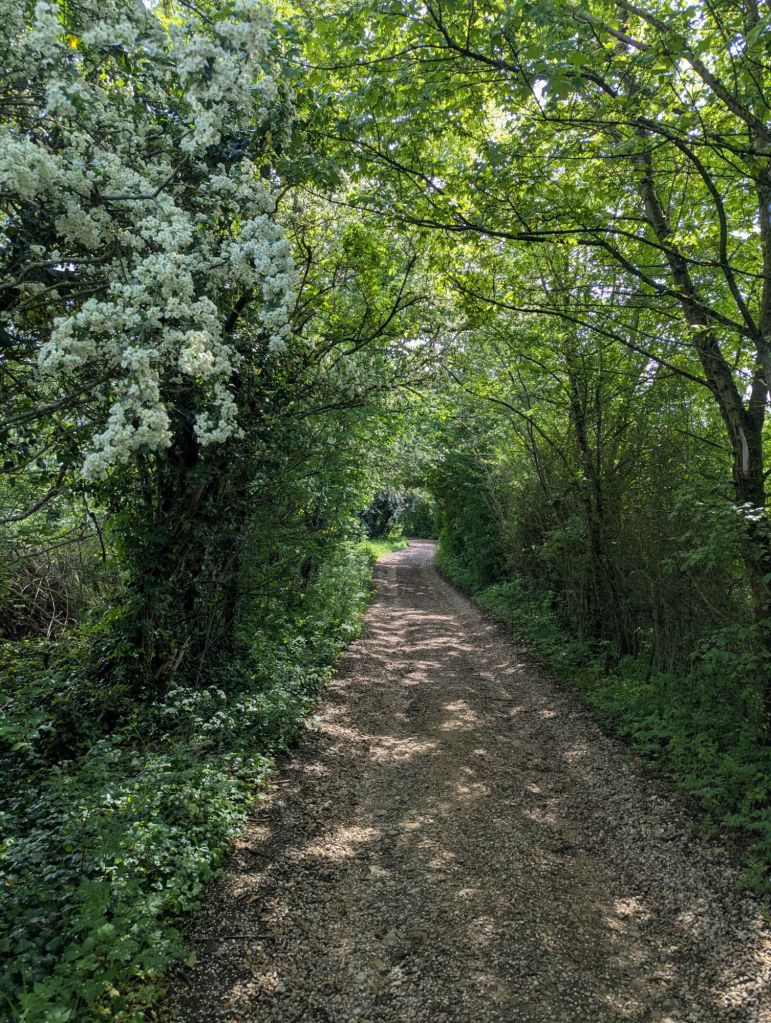
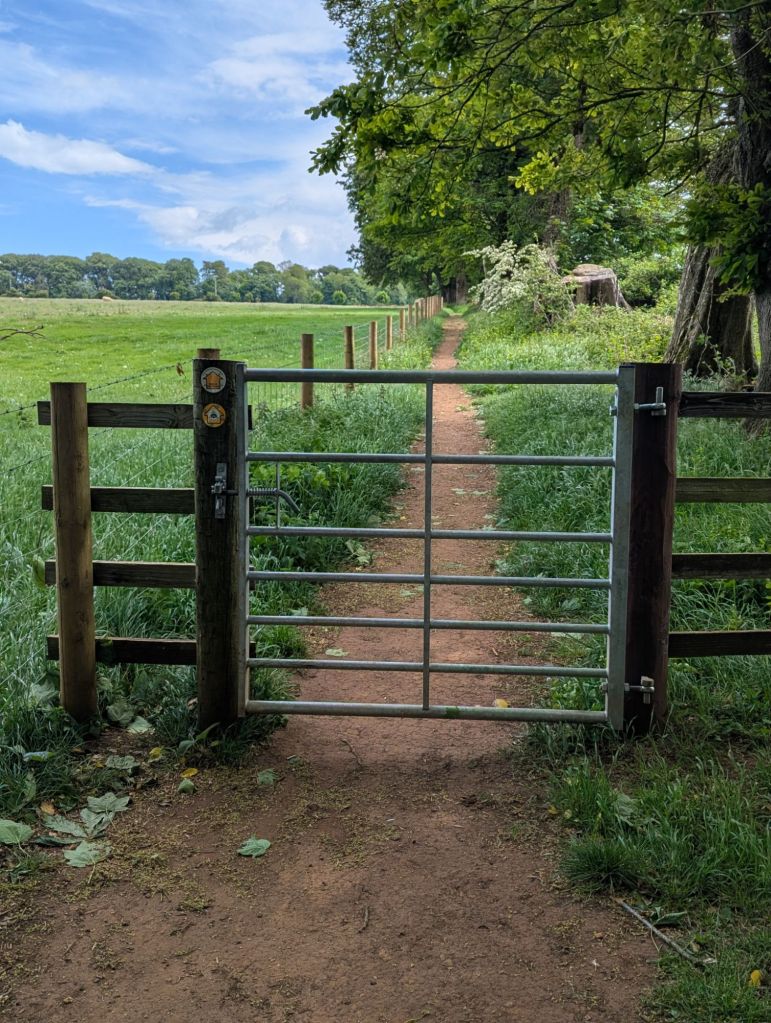
The walk then continued through two large estates, much of it beneath a canopy of deciduous forest. At times it honestly felt very similar to hiking back home in New England. We finally remembered to count the gates we passed through during the day. Since today involved fewer open farm fields, our official gate count for the day was only 11.
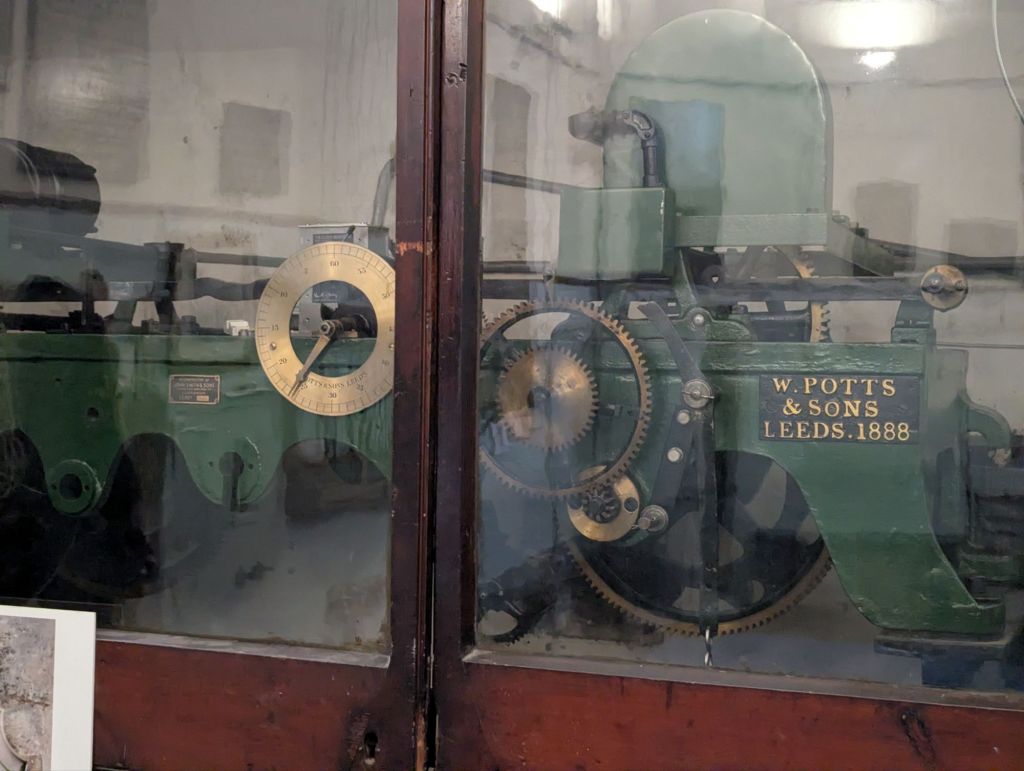
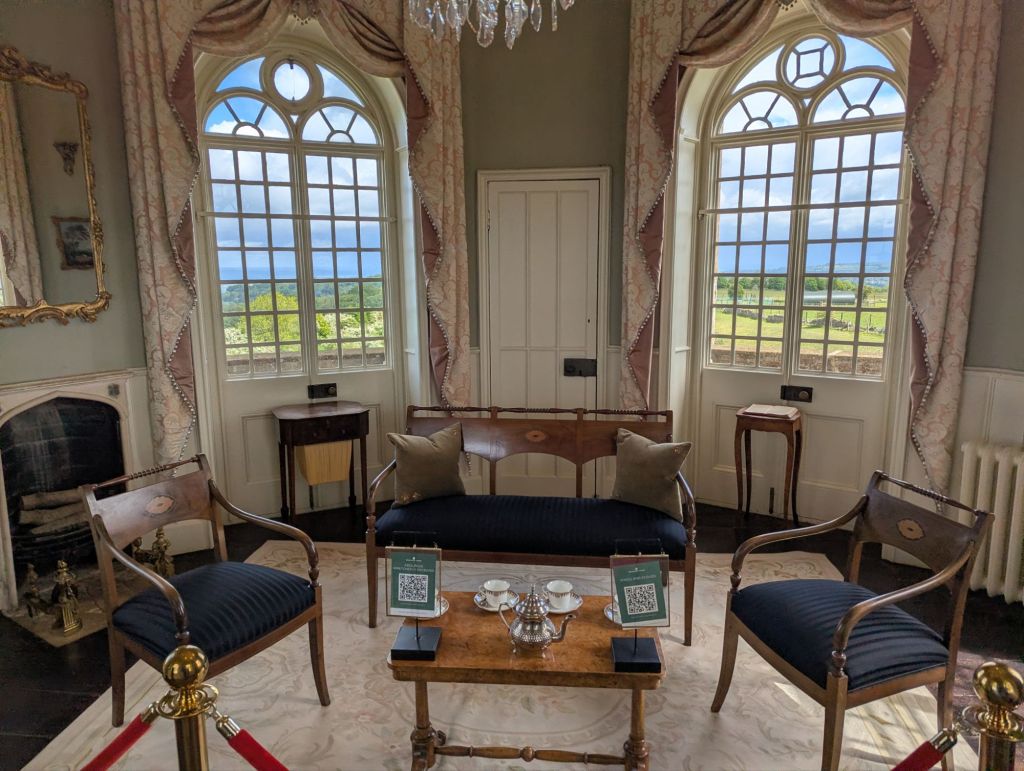
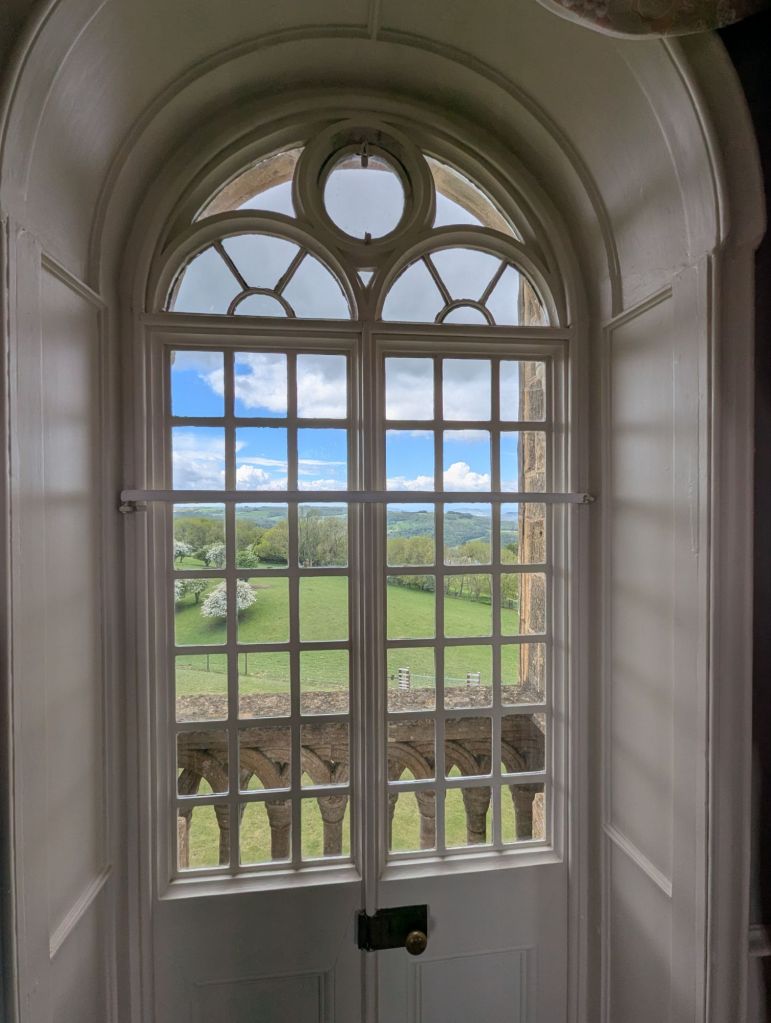
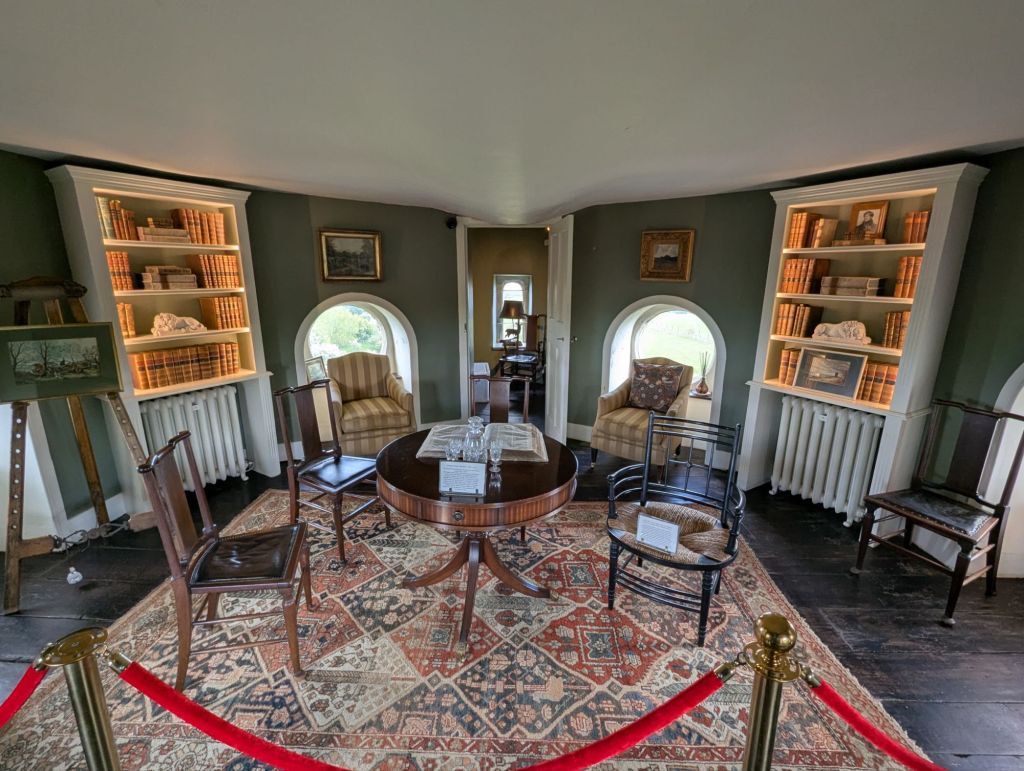
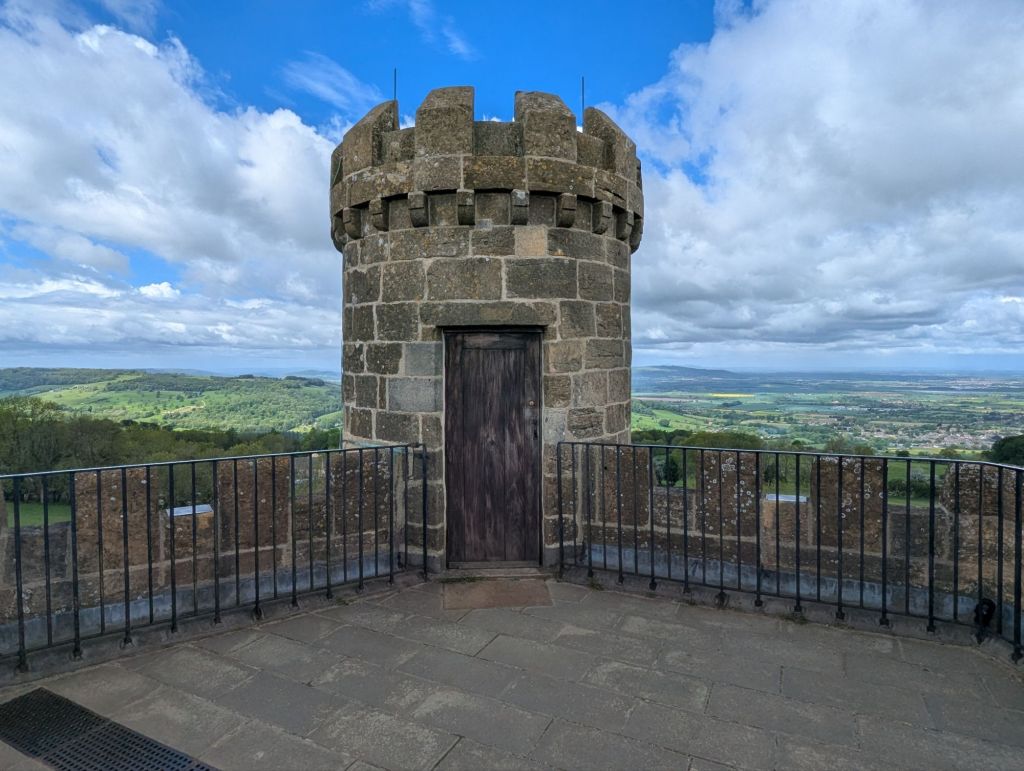
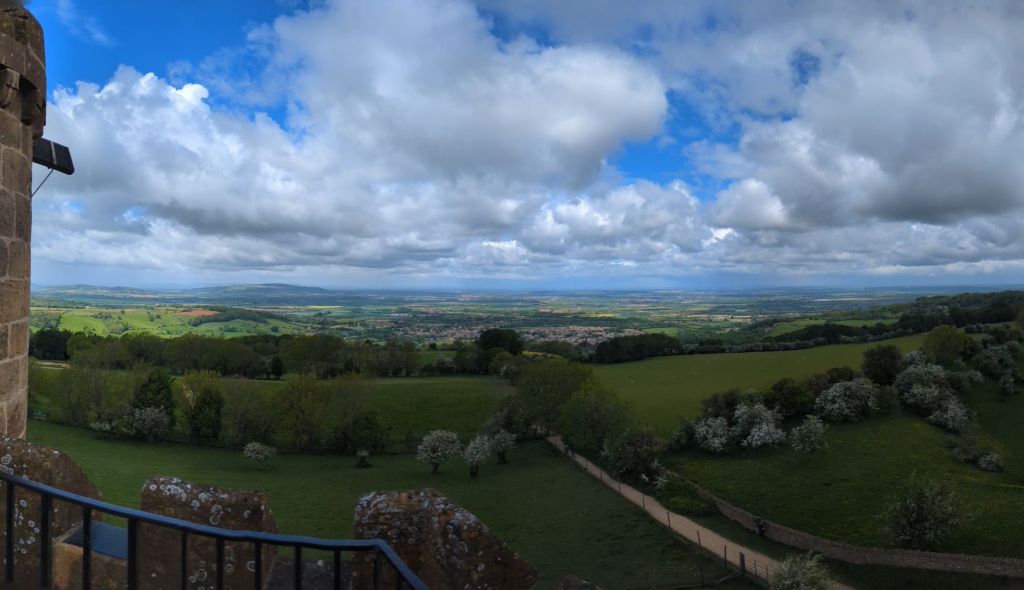
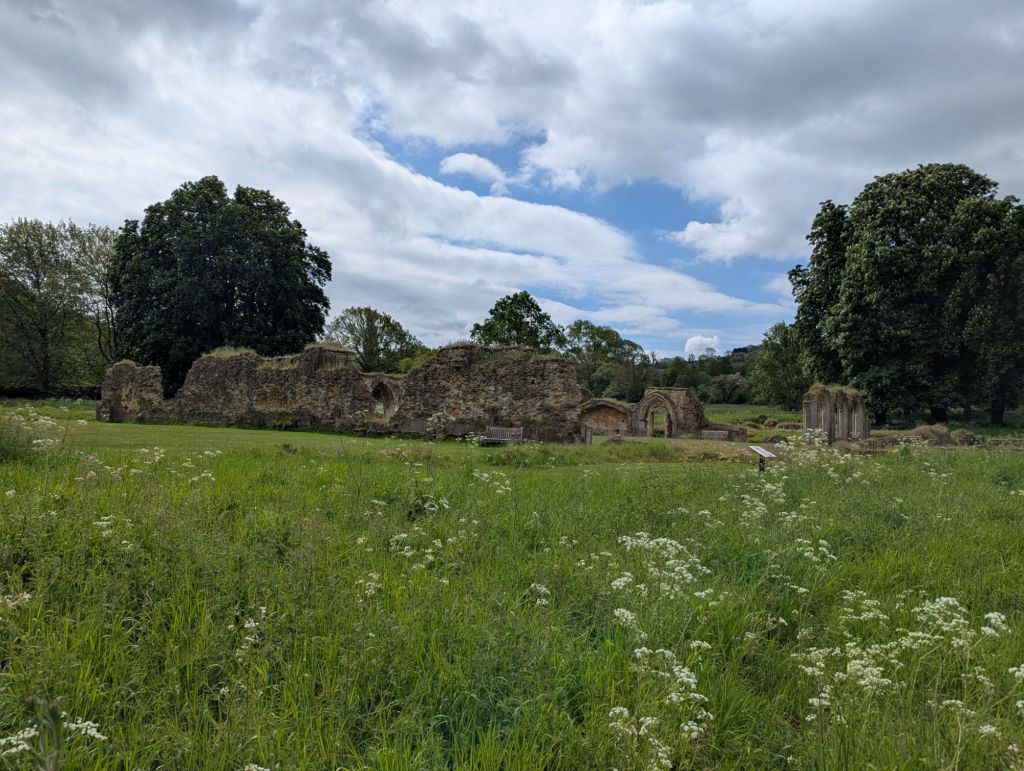
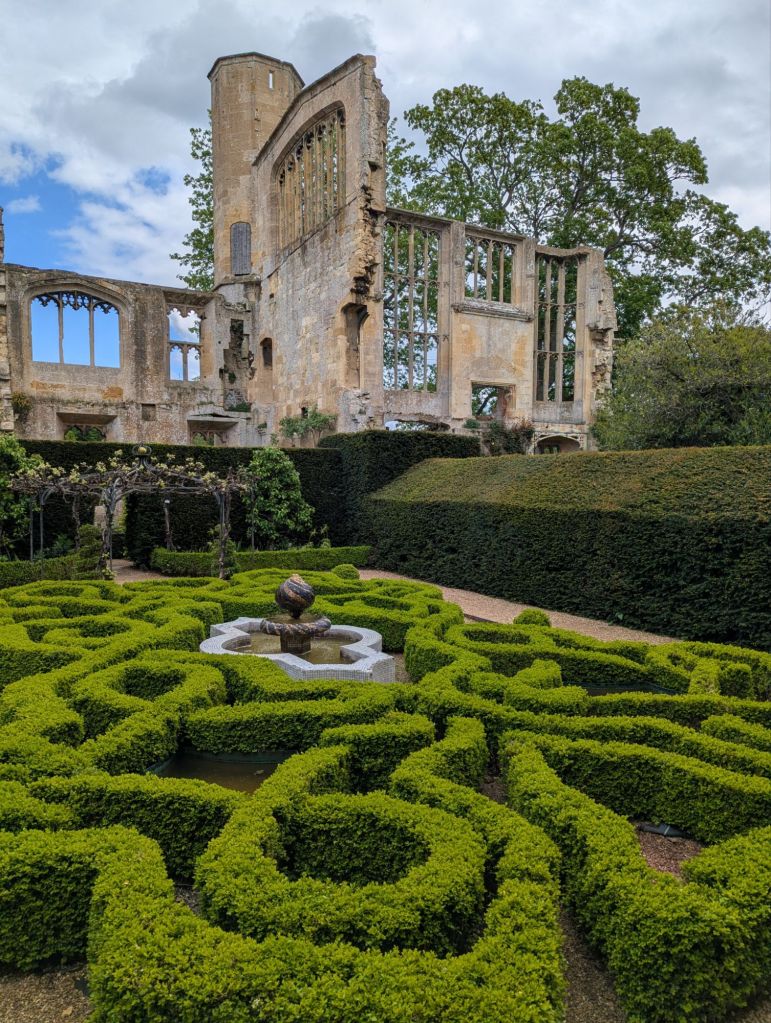
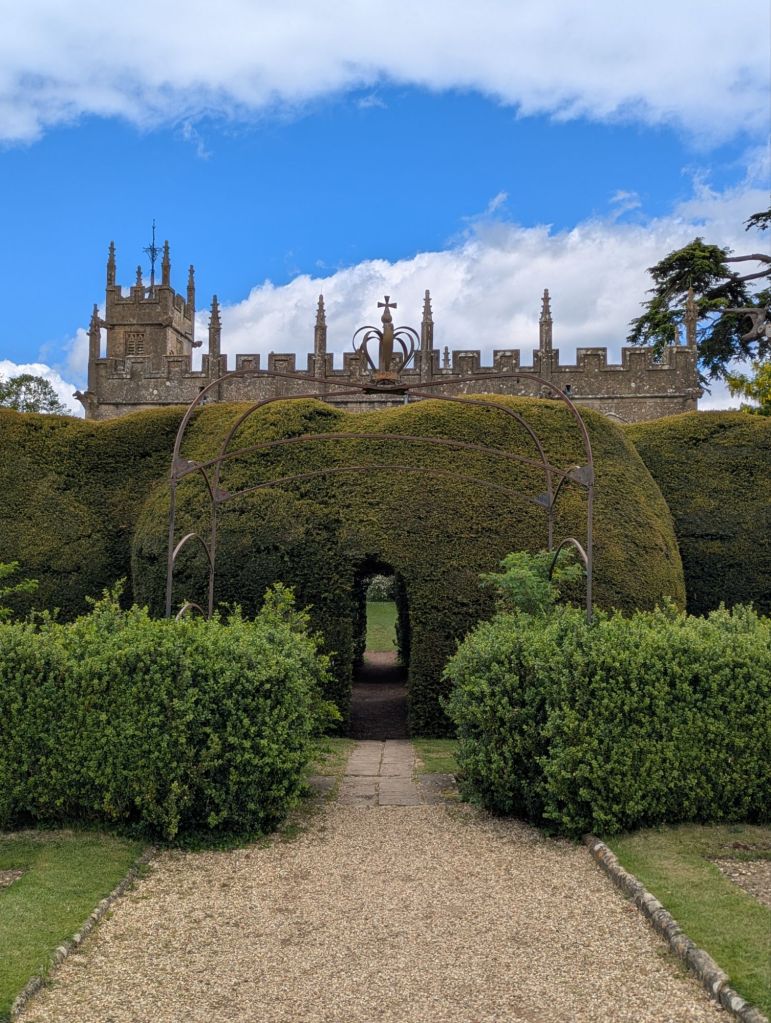
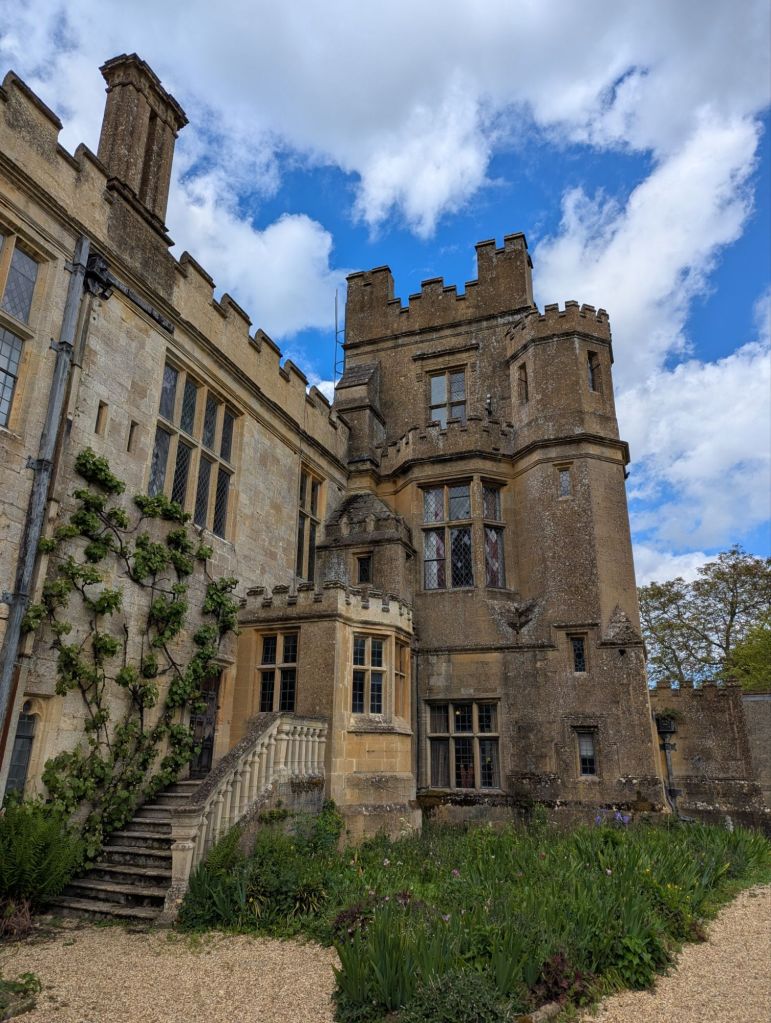
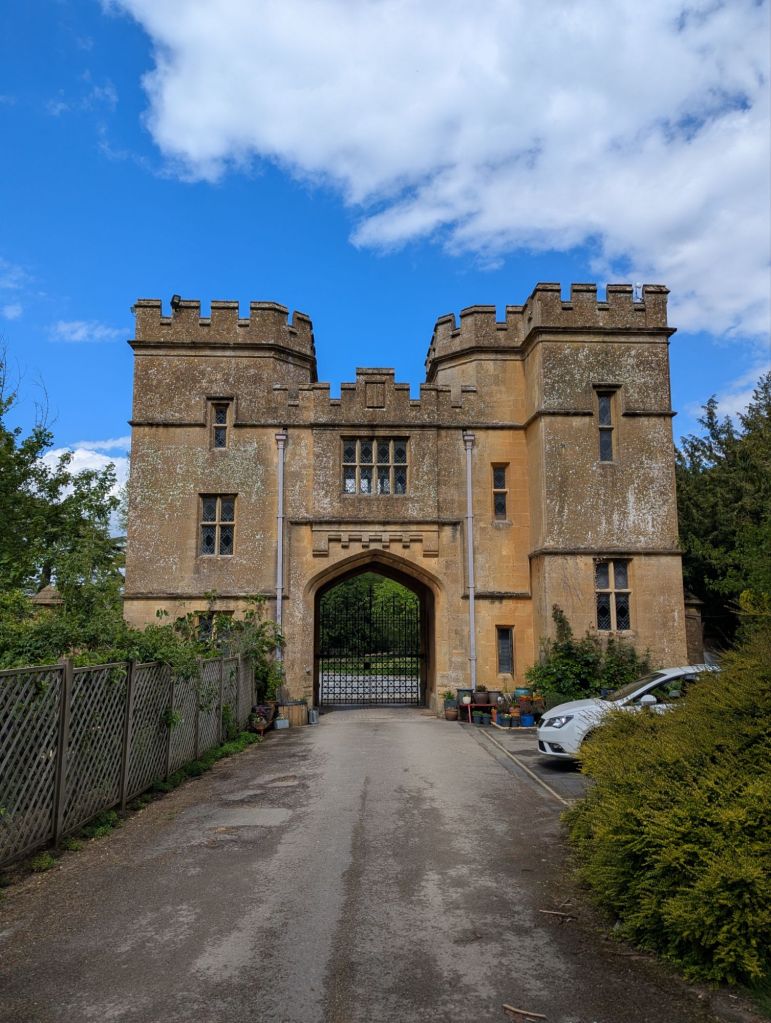
Toward the end of our walk we arrived at Sudeley Castle. We stopped first for a quick lunch at the café before deciding to tour the castle itself.

Originally established as a manor in the 11th century, the castle evolved over hundreds of years into an important Tudor estate. It hosted several English monarchs over the centuries and was heavily damaged during the English Civil War before sitting abandoned for roughly 200 years. In the 1800s it was purchased and gradually restored by a wealthy family, descendants of whom still own and occasionally live at the estate today. Opening the property to visitors, we learned, helps offset the rather significant expense of maintaining a castle. Apparently castle ownership comes with slightly higher upkeep costs than your average suburban home.

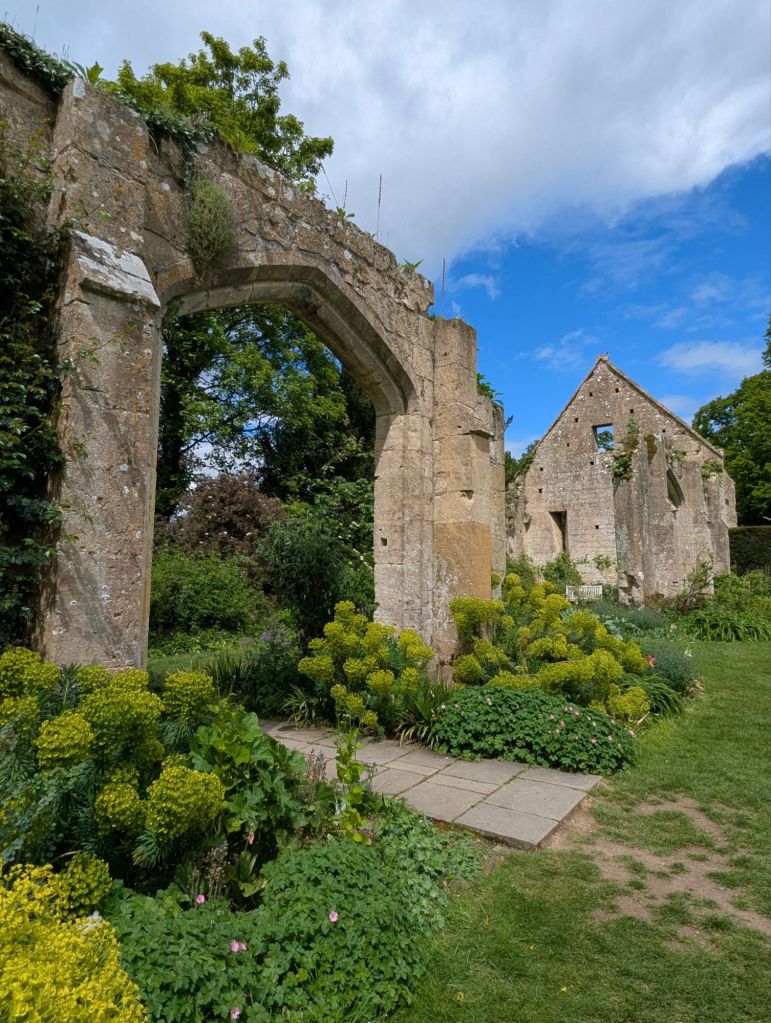
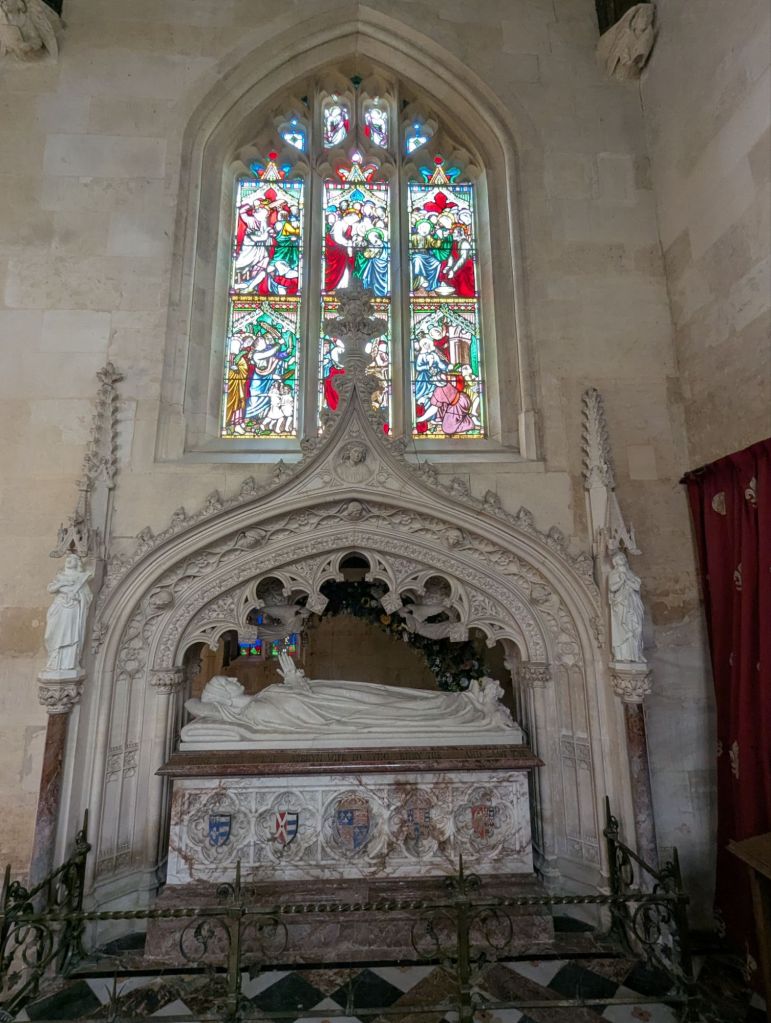
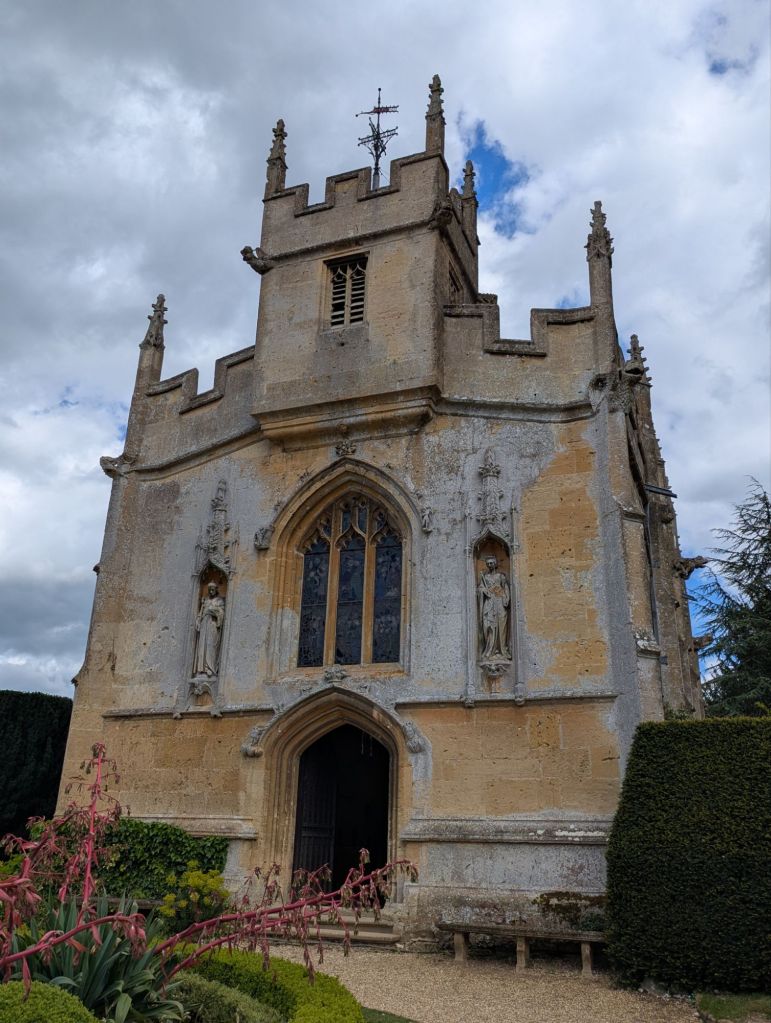
We especially enjoyed learning about the castle’s royal history and exploring the ruins of the massive Tithe Barn, where a portion of crops and estate income would historically have been stored for the church. On the grounds is St. Mary’s Chapel, the burial place of Katherine Parr, the sixth and final wife of Henry VIII. After Henry VIII’s death, Katherine lived at Sudeley Castle with her new husband. Her tomb there is believed to be the only resting place of an English queen located on private property.

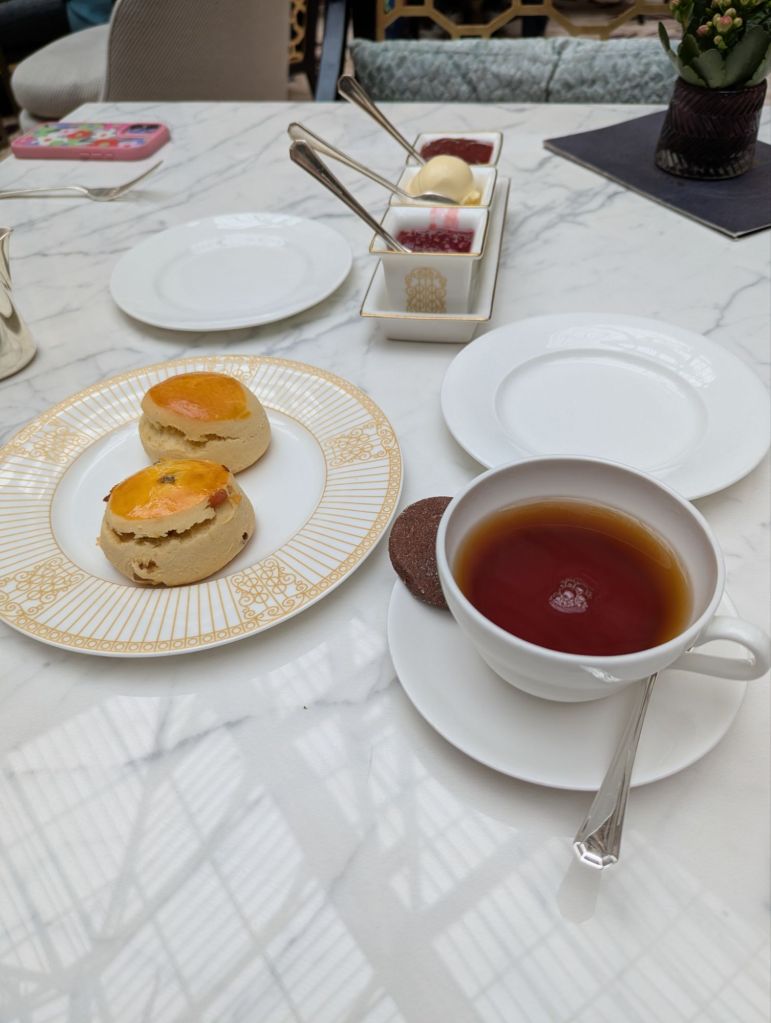
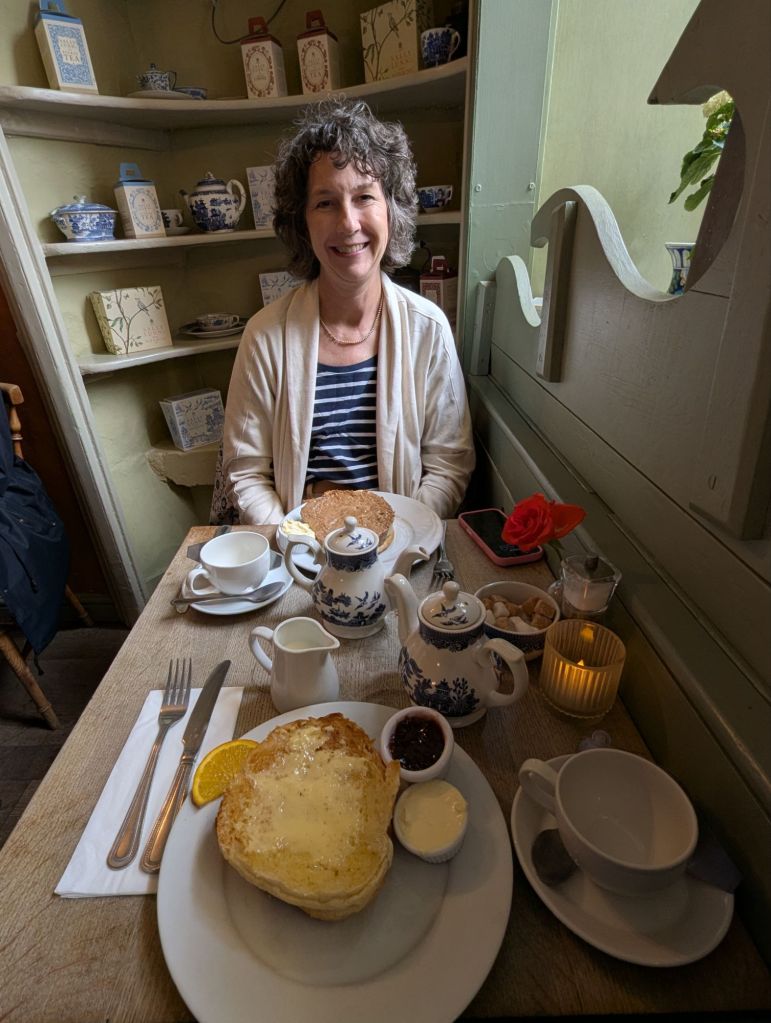
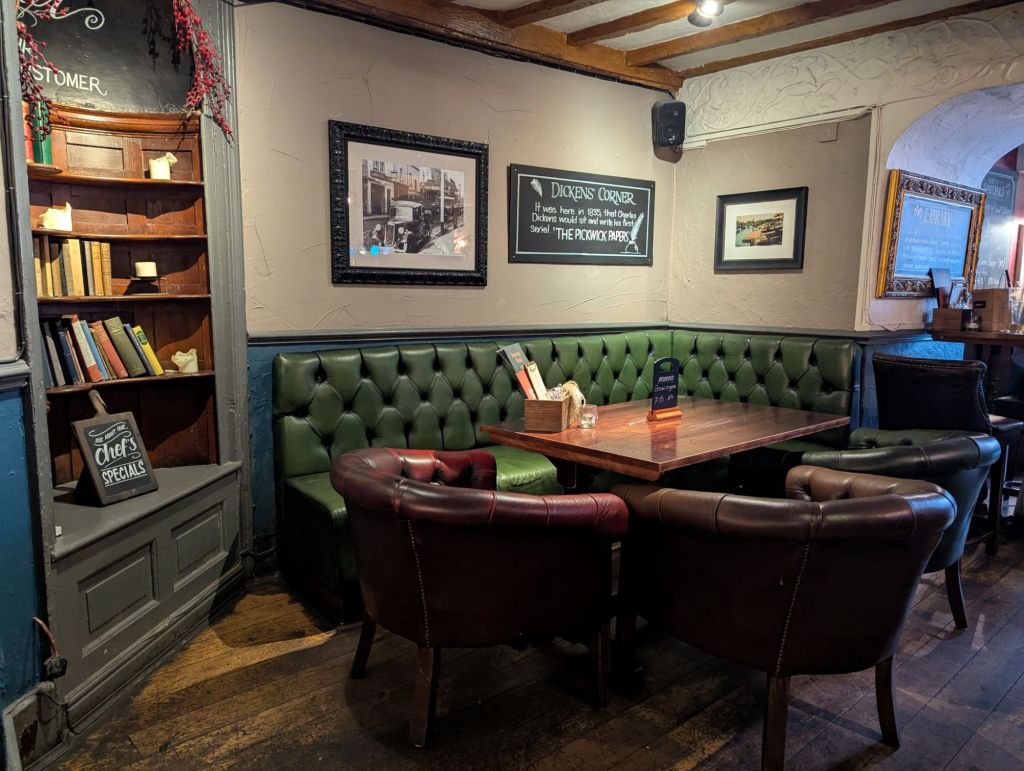
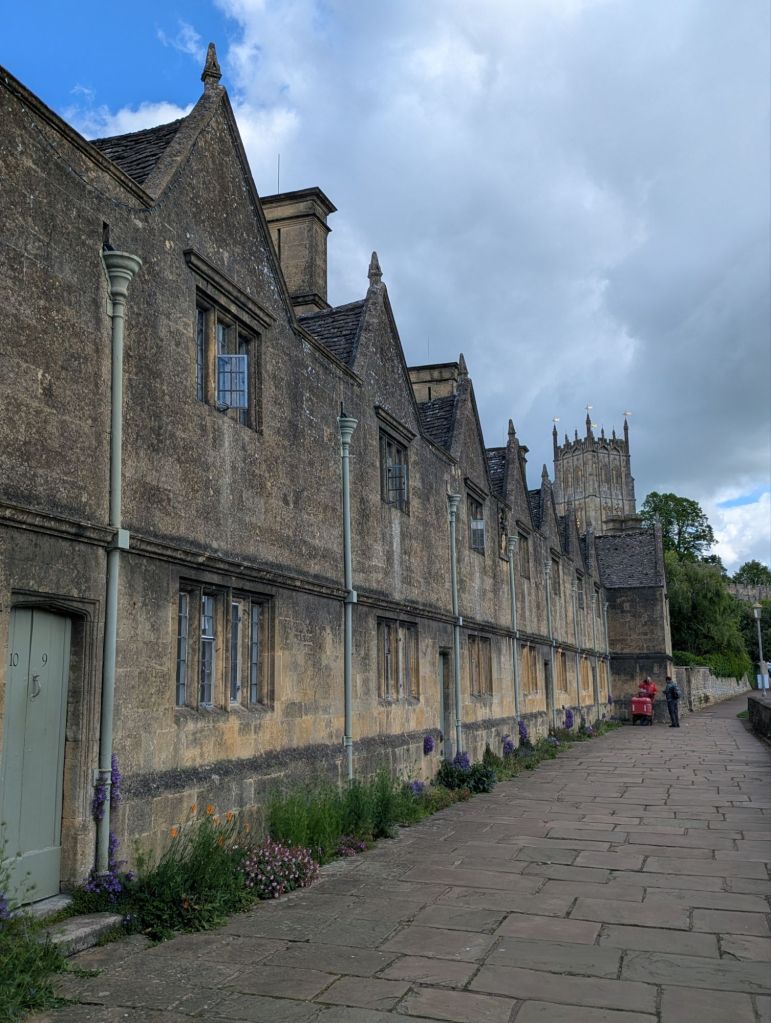
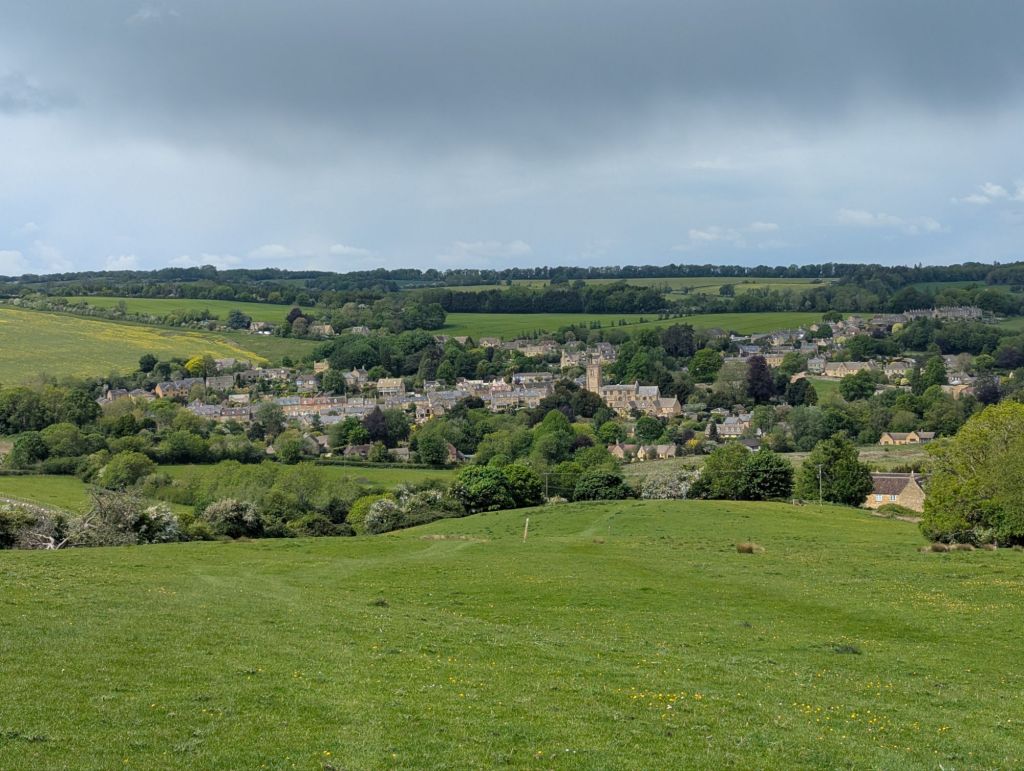
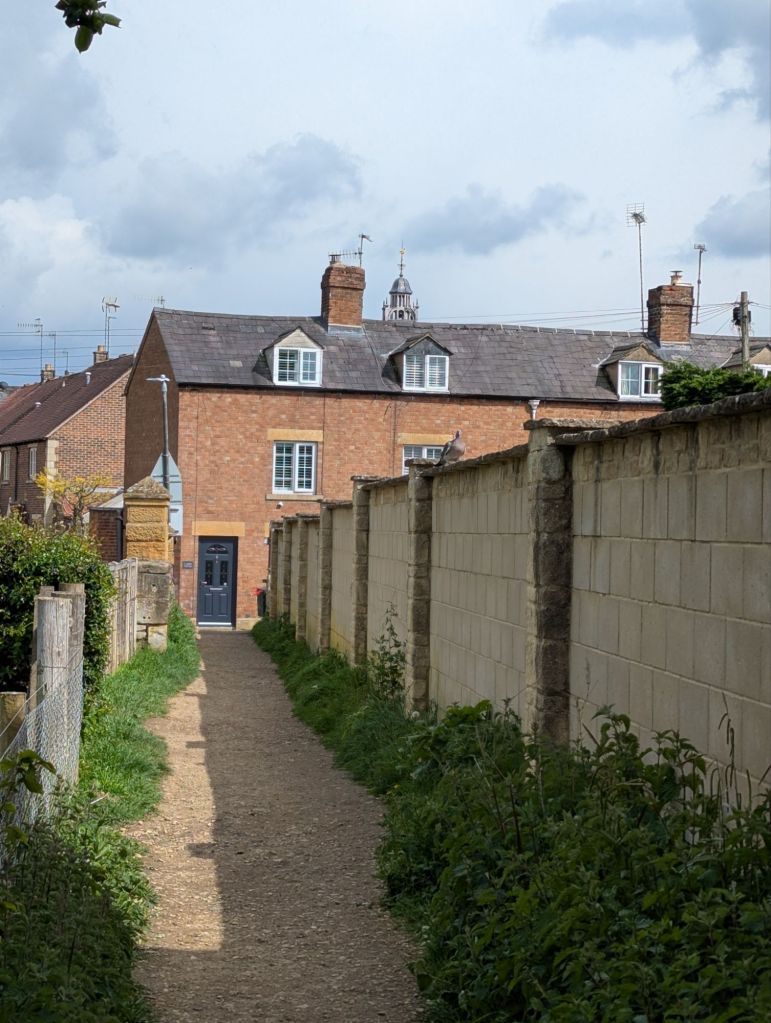
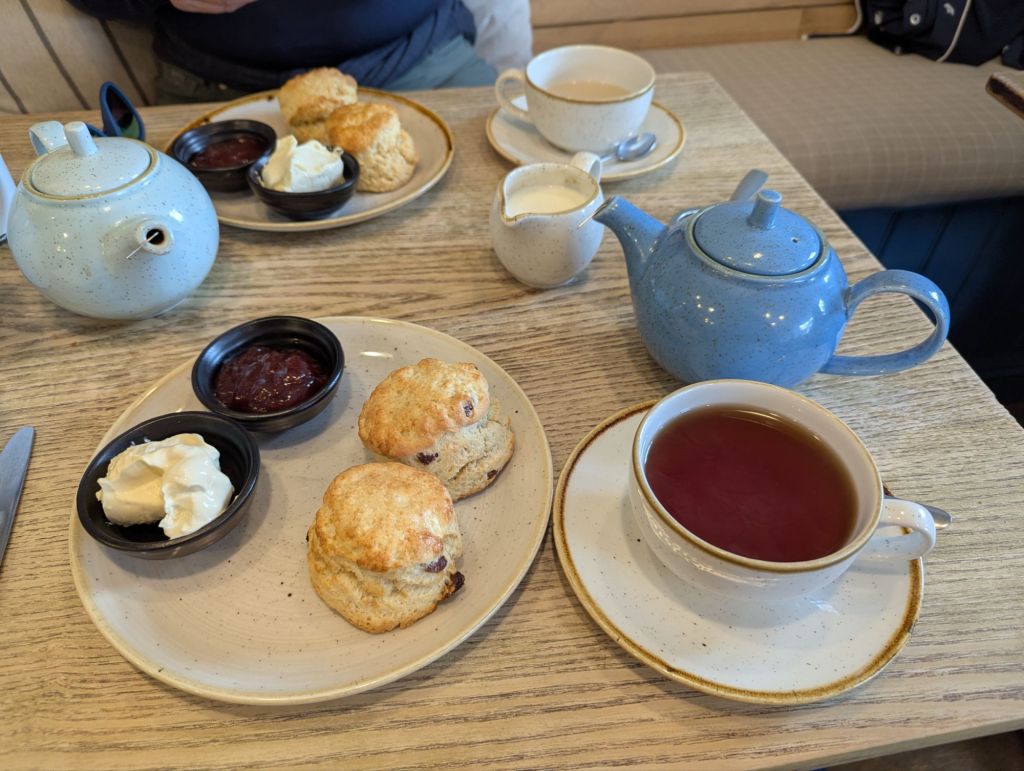
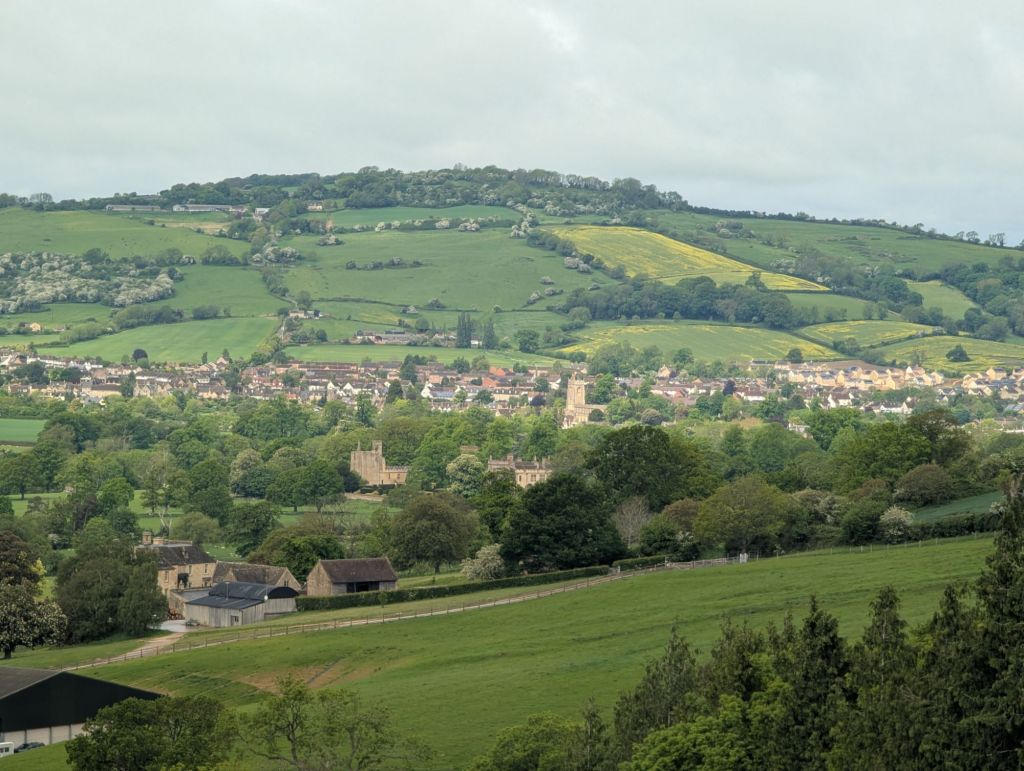
After spending about 90 minutes exploring the castle and grounds, we walked the final half mile into the village of Winchcombe, our home for the night. We stopped at a pub for an afternoon cream tea before heading to our inn to check in. Winchcombe is small enough that our short walk between the pub and hotel essentially covered the entire downtown area.

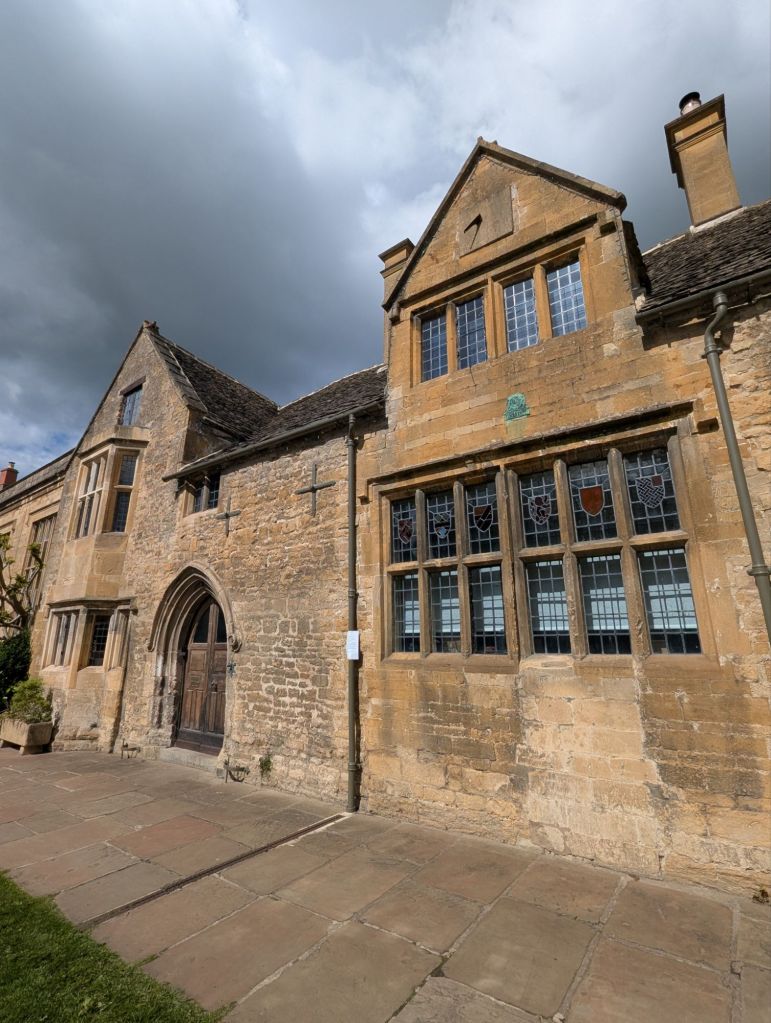
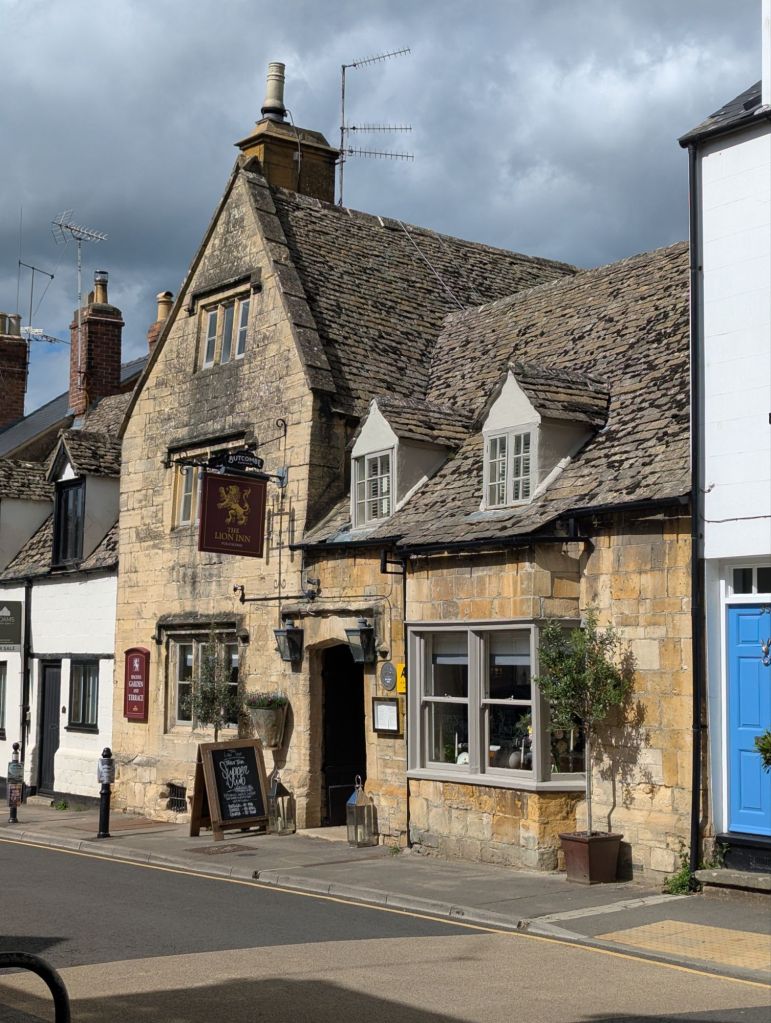
The Lion Inn in Winchcombe

Once settled in, we stretched, showered, and headed downstairs for dinner at the inn restaurant. Over dinner we debated tomorrow’s choices: an “easy” 9-mile walk or a “moderate” 12-mile walk.

By now you can probably guess which option we were leaning toward. Stay tuned.

Categories: 2026 England Adventure | Tags: , , , , , , , , , , | Leave a comment

Day 7 in England – Gates, Sheep, and Cream Tea: A Day on the Warden’s Way in the Cotswolds

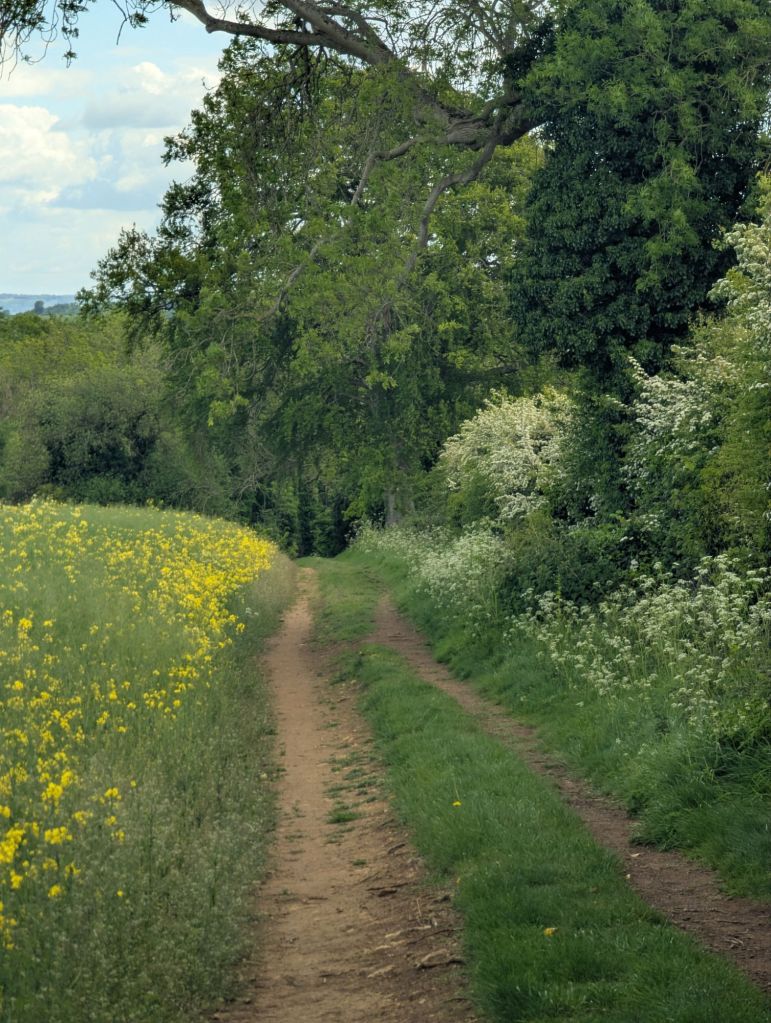
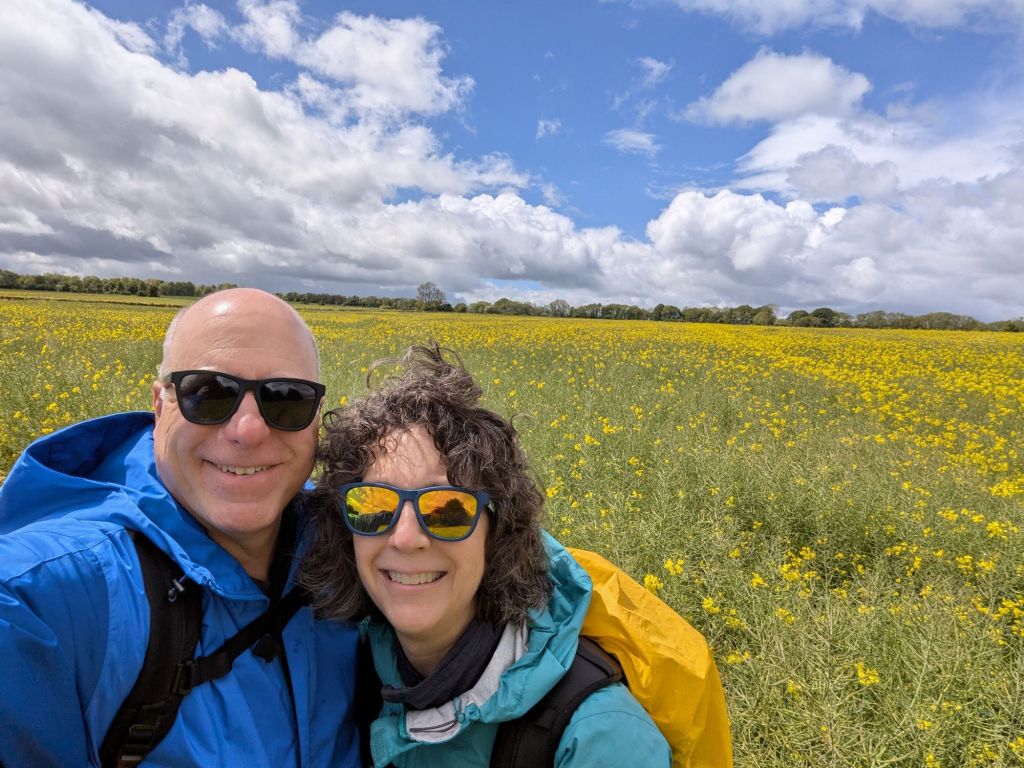
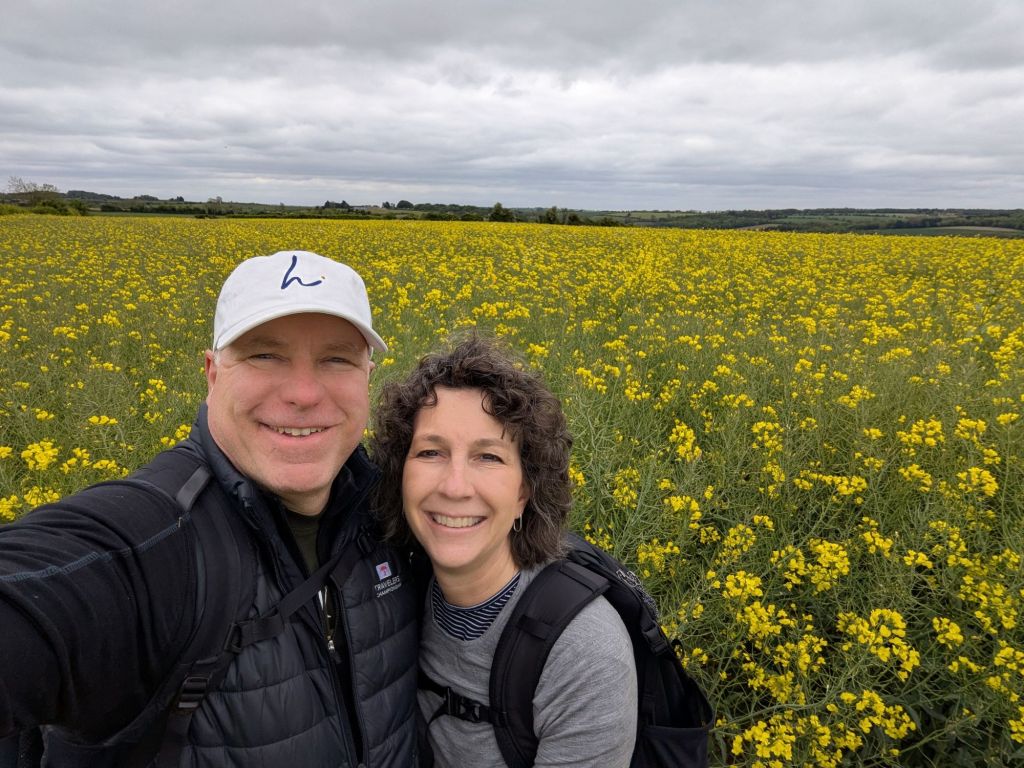
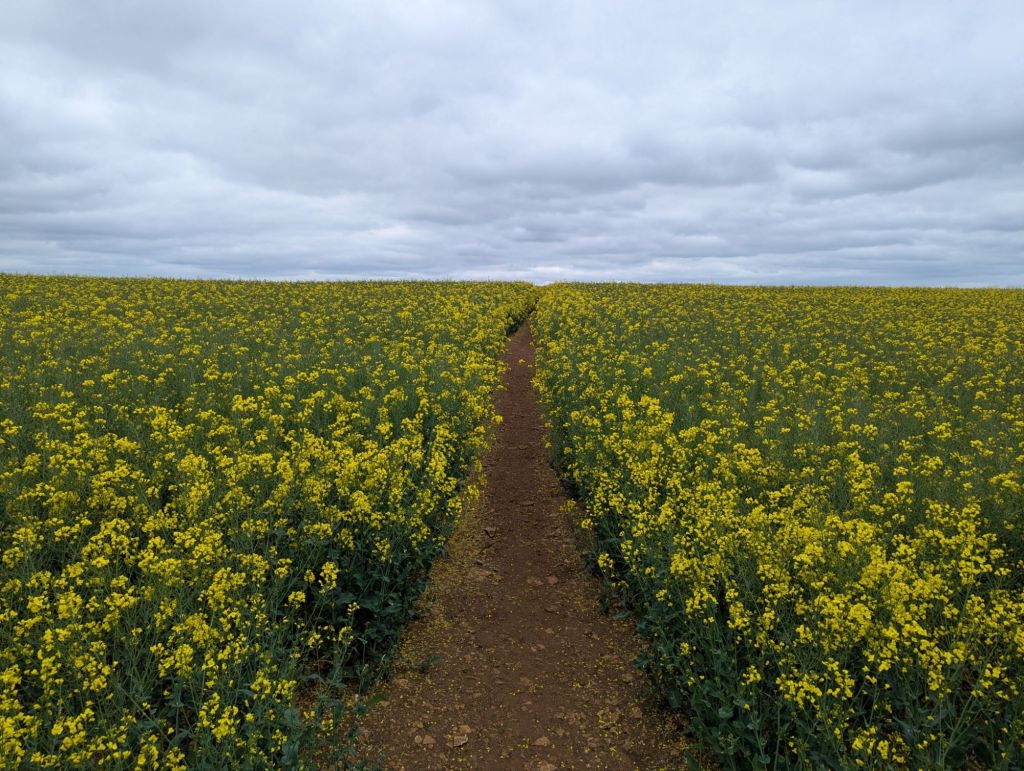
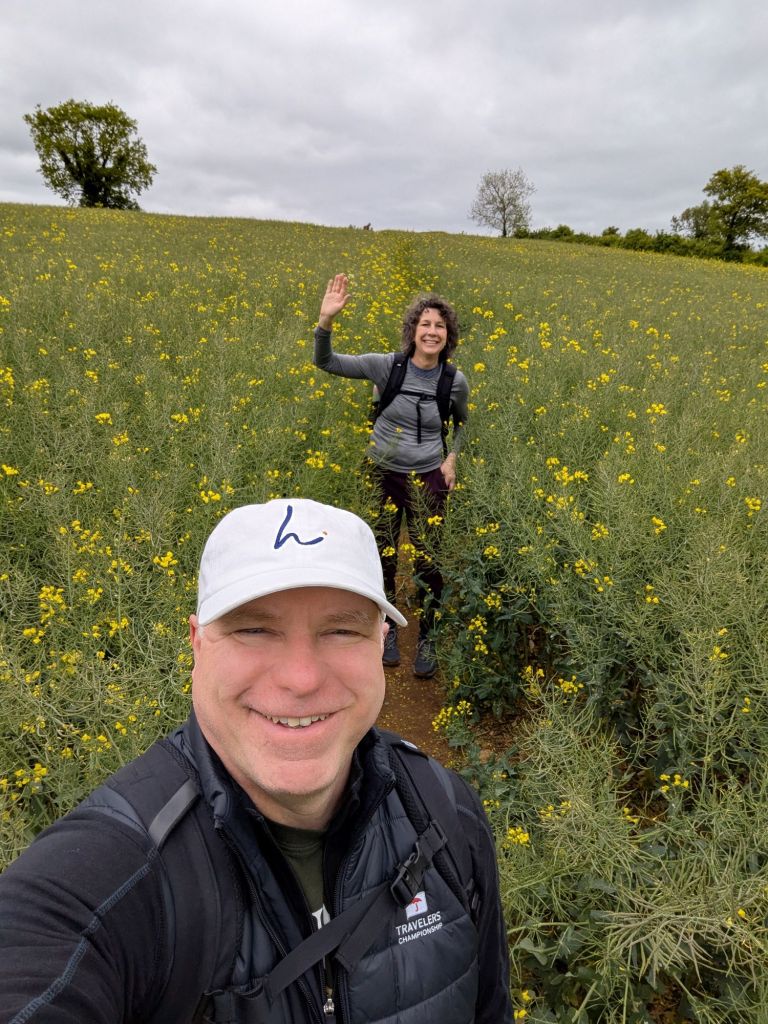
Walking across a rapeseed field

DAY 7 – SUNDAY, MAY 10, 2026

For this part of the trip we were staying at the same hotel for a second night, which felt like a luxury. Since we did not need to have our bags packed and ready for transport, we took advantage of the opportunity to sleep in a little later. After another big breakfast at the hotel, we reviewed the options for the day in our trip app: spend the day exploring a new village about 30 minutes away or tackle a 10-mile circular walk. You can probably guess which option we chose.

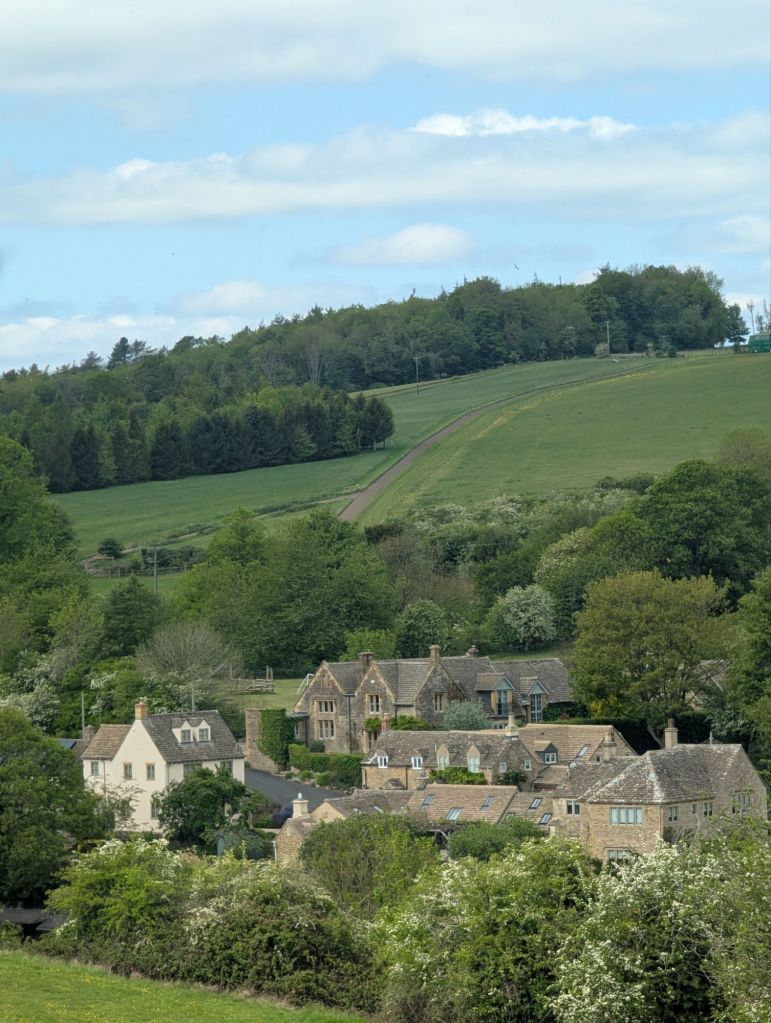
Our route out of Lower Slaughter first brought us to Upper Slaughter, a village only about a 15-minute walk away. It was every bit as charming as Lower Slaughter, though even smaller. Essentially one beautiful inn with a Michelin-rated restaurant, a handful of stone cottages.

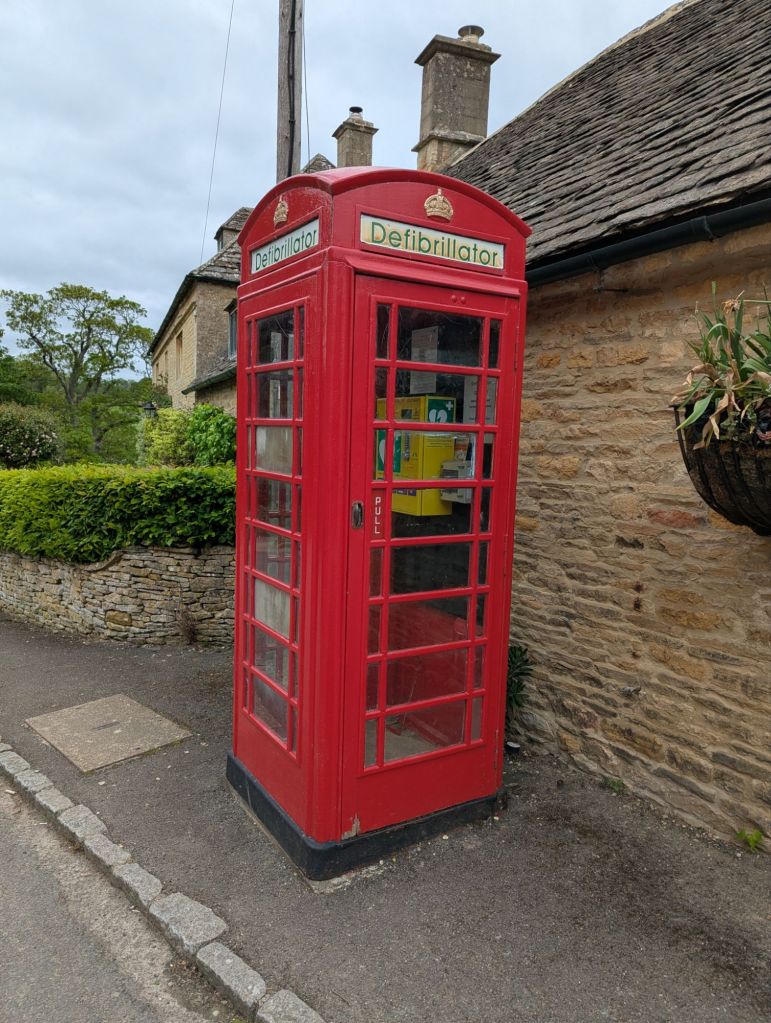
One interesting thing we noticed while leaving Lower Slaughter was how many of the iconic red British telephone booths had been repurposed. Rather than removing them, several villages have converted them into emergency defibrillator stations. With a quick call to 999, you can receive a code to unlock the machine. It was a clever and practical way to preserve a bit of British history.

New defibrillator booth

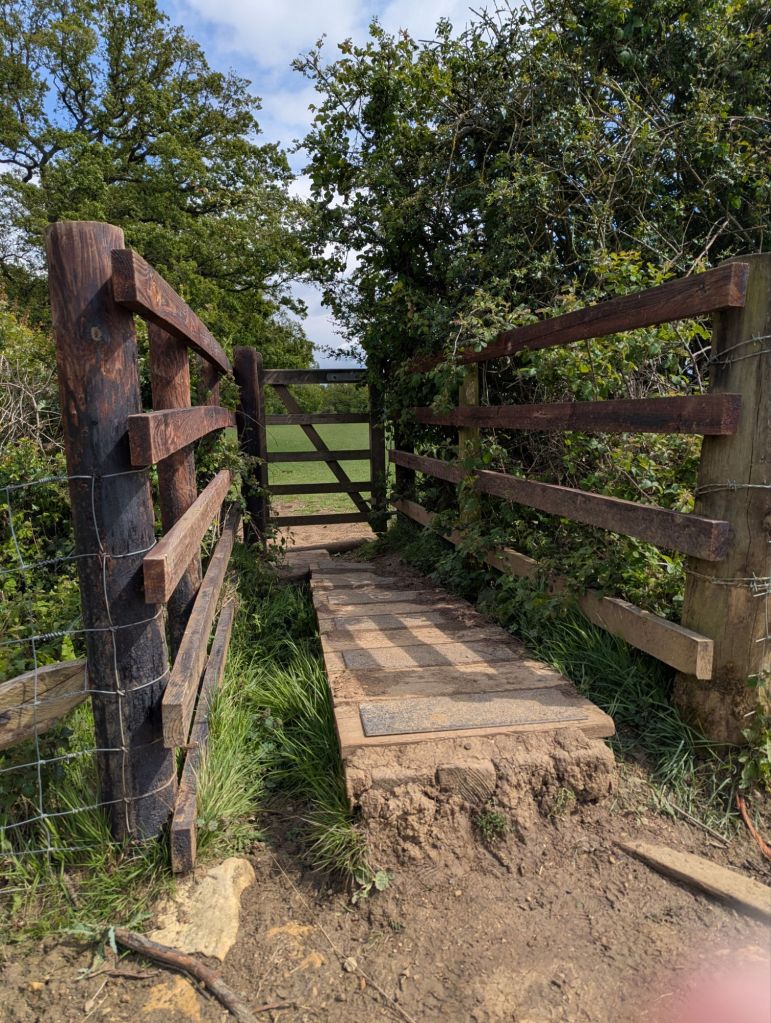
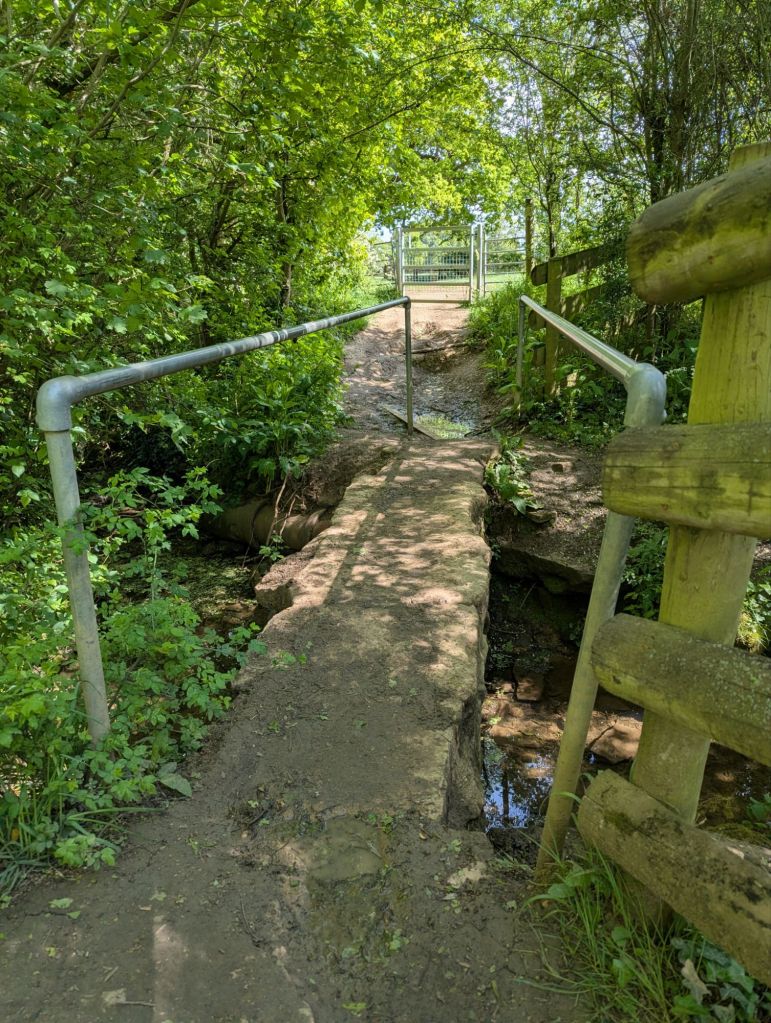
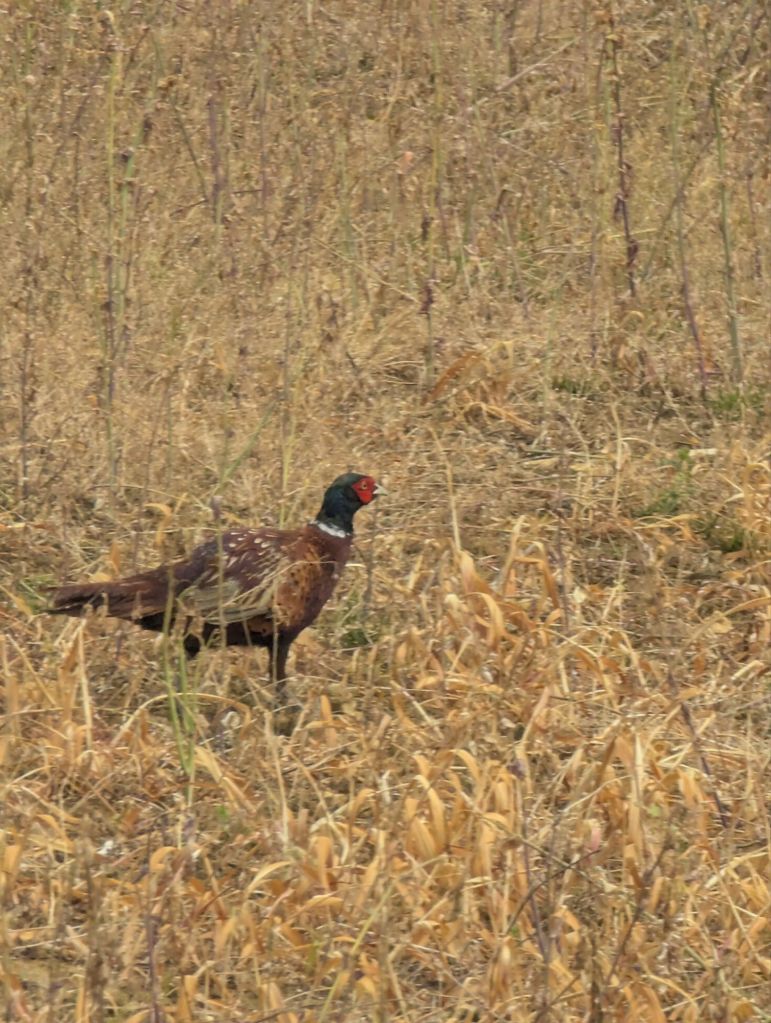
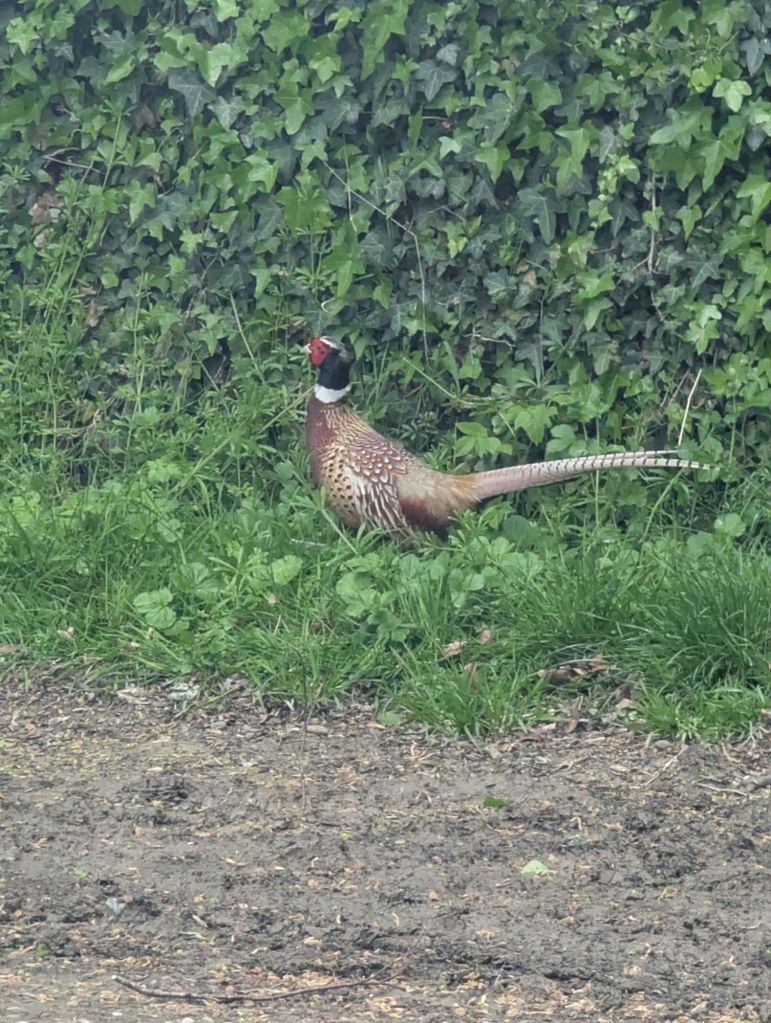
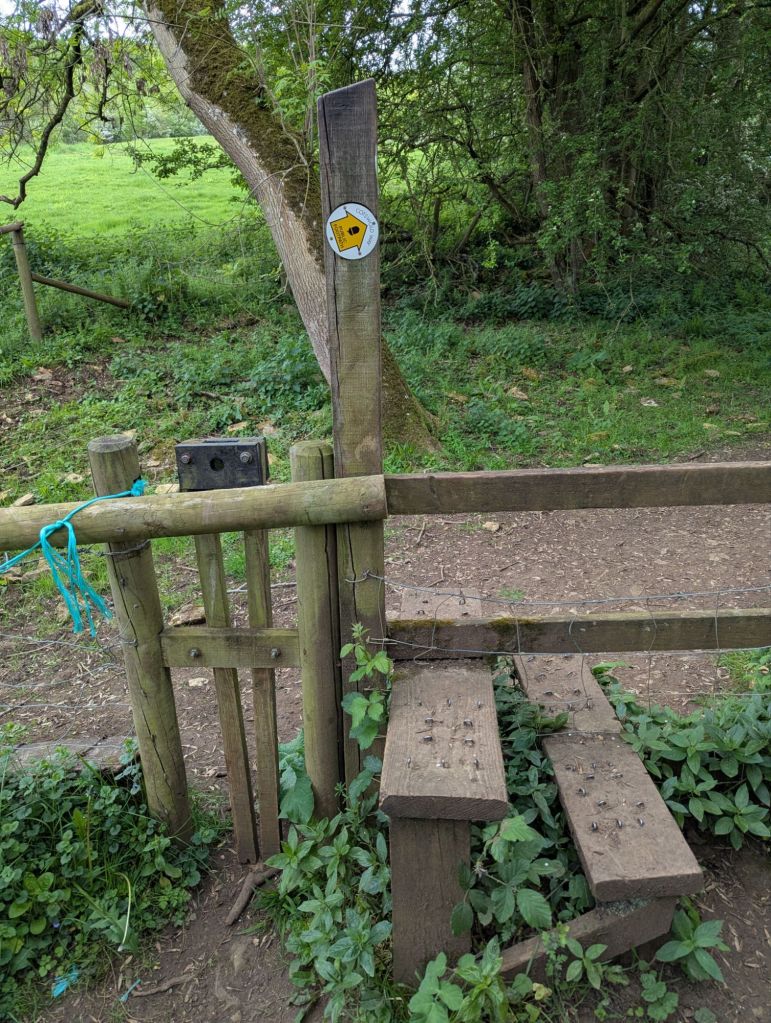
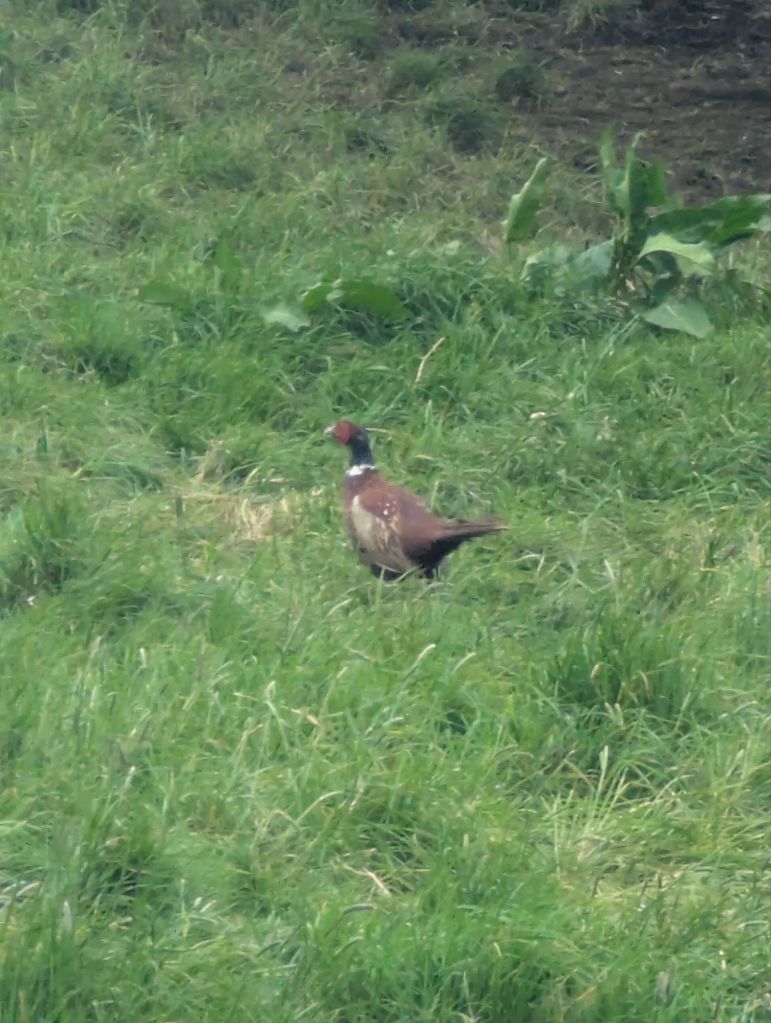
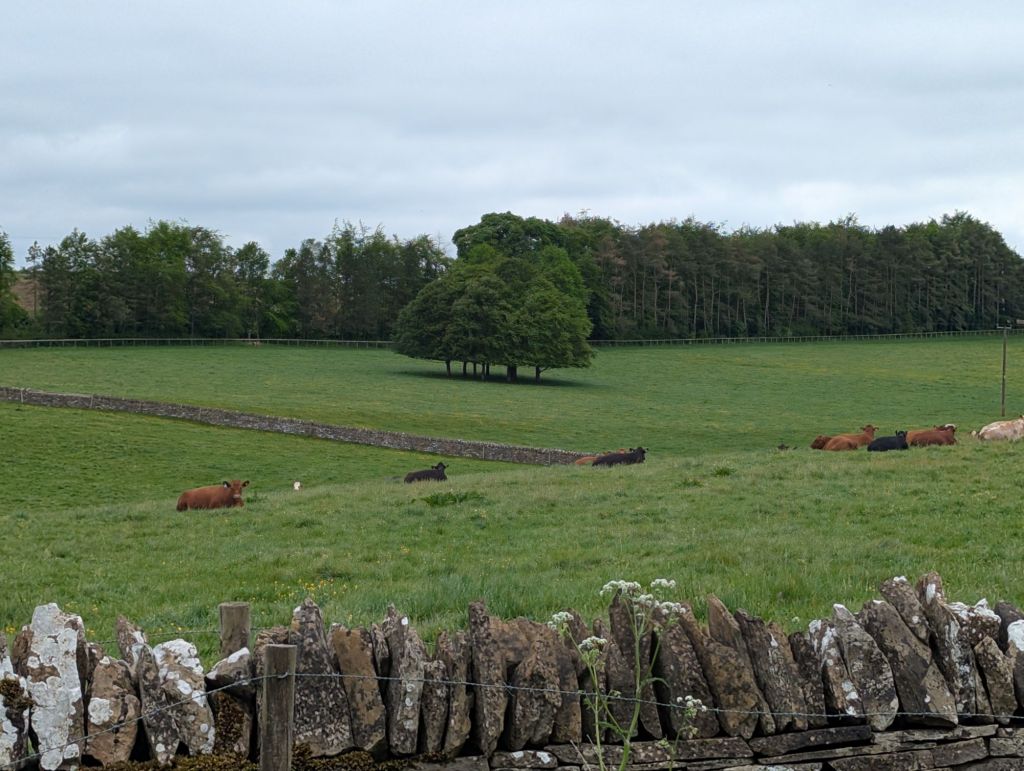
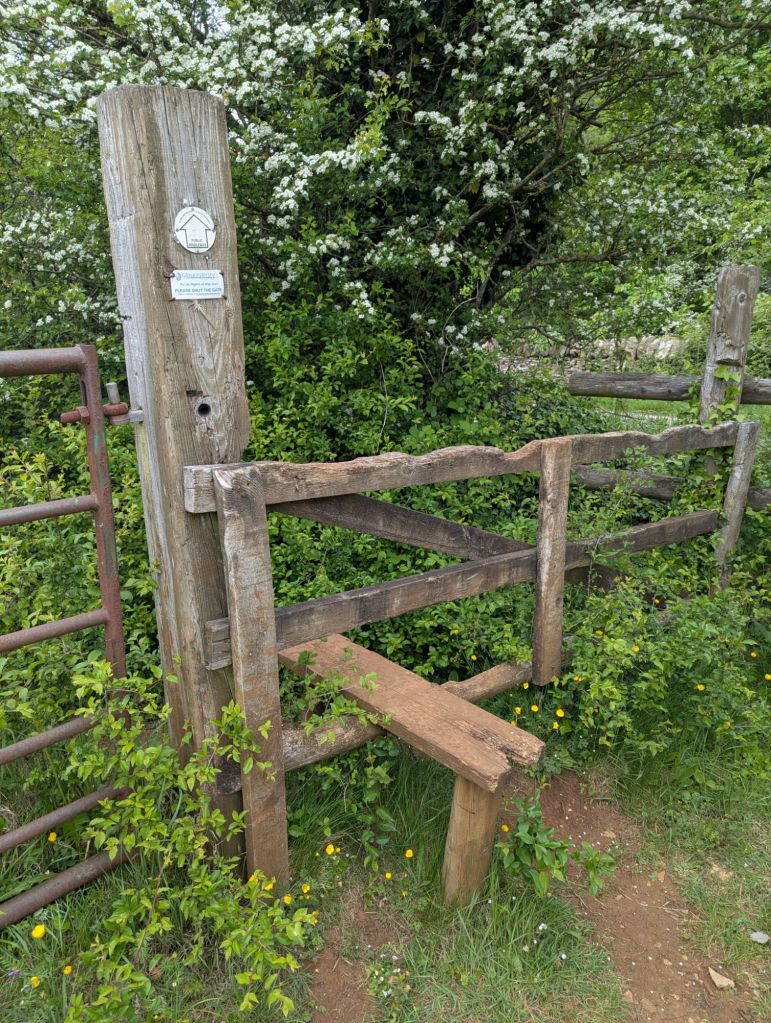
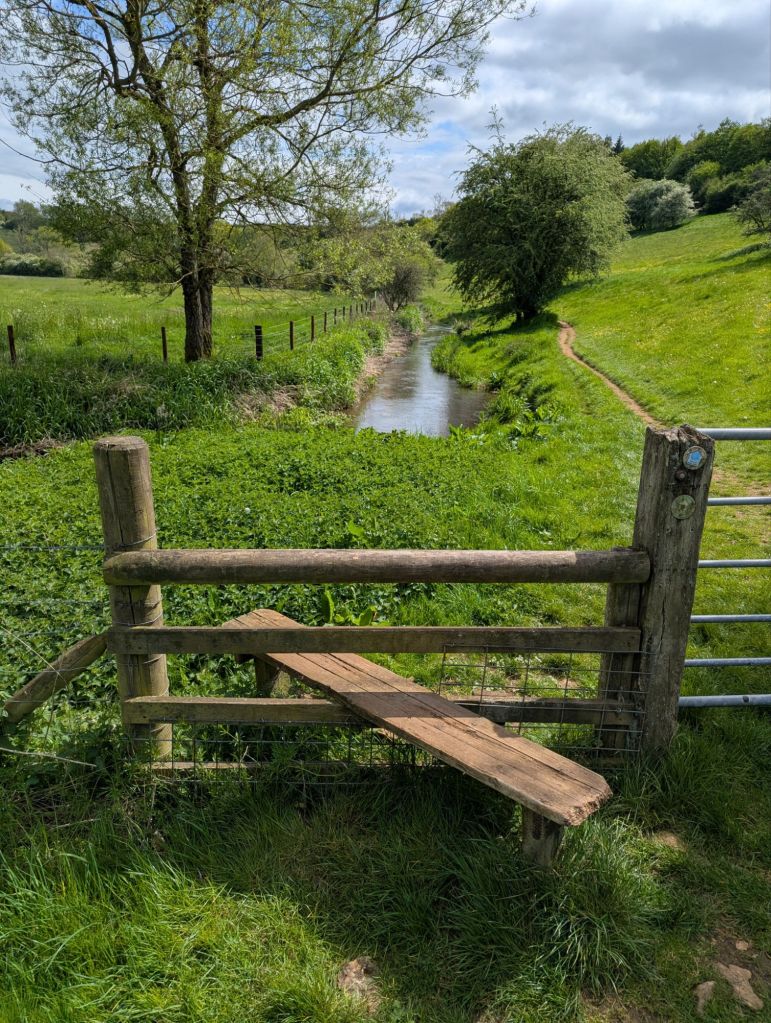
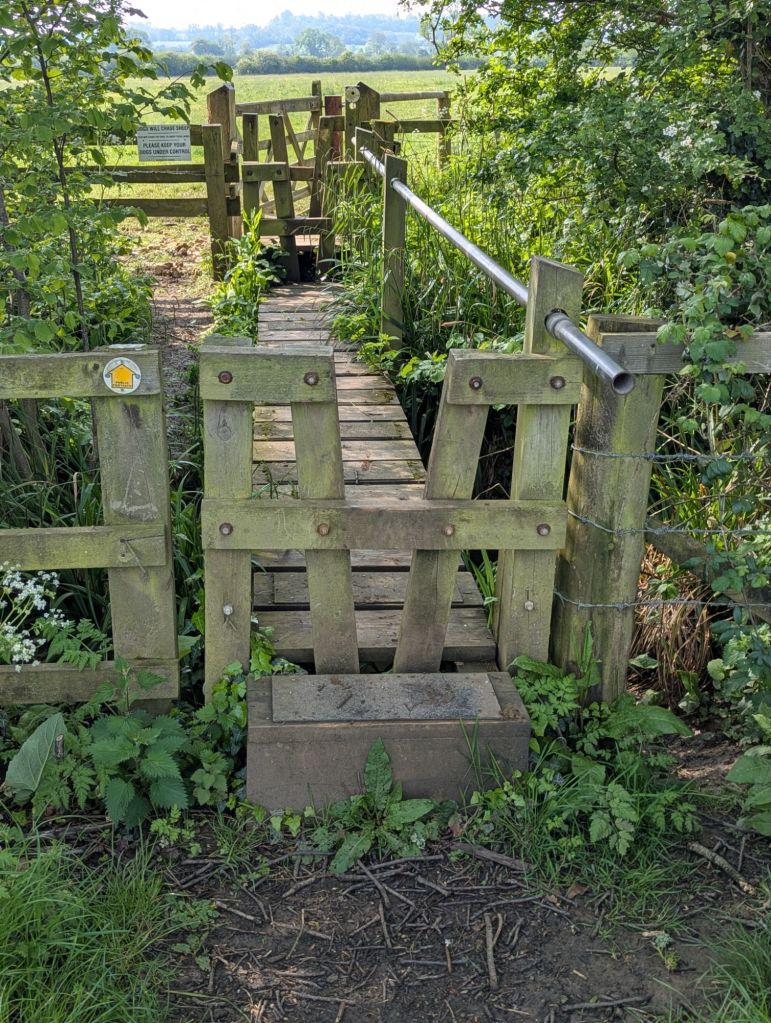
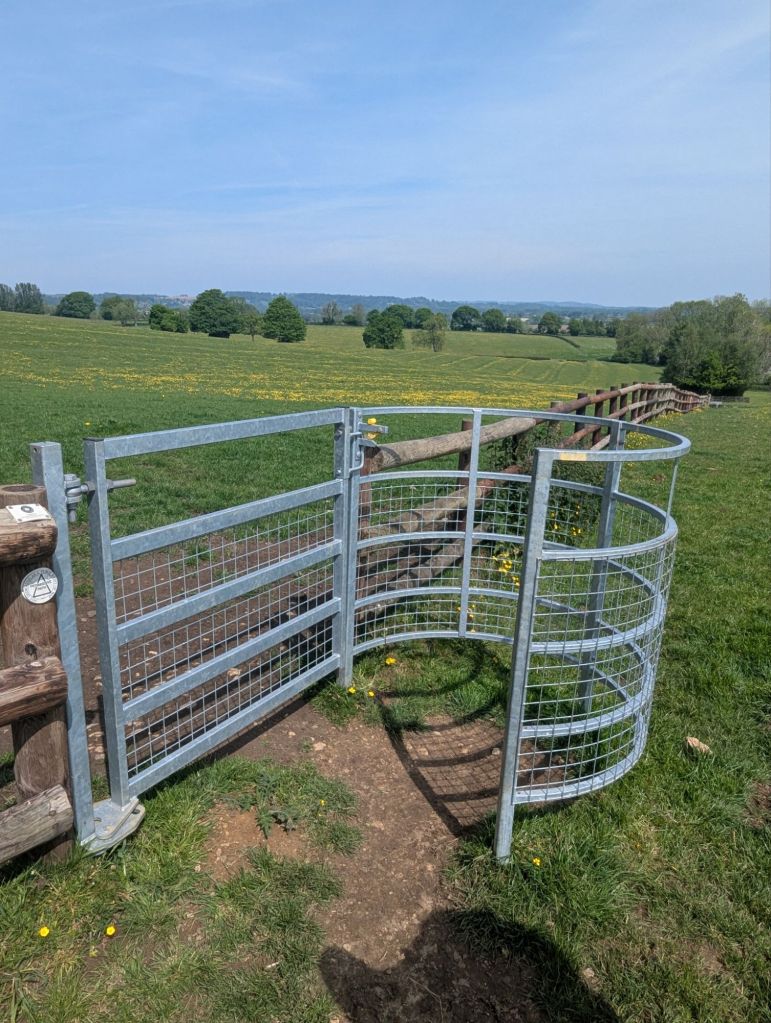
For most of the day we followed the Warden’s Way trail. Along the route we again encountered plenty of sheep, cows, and horses, along with a swan, a pheasant, and lots of doves (which sounds better than pigeons). We also passed through what felt like an endless number of gates, each apparently designed by a different engineer with a completely different philosophy on latches and steps.

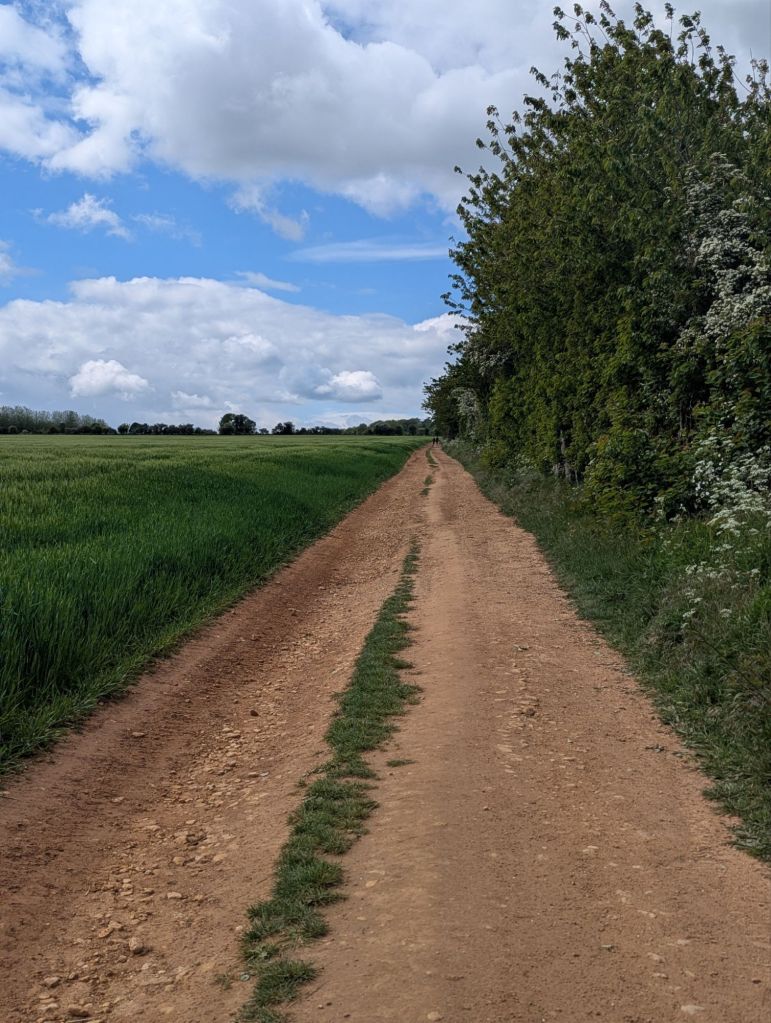
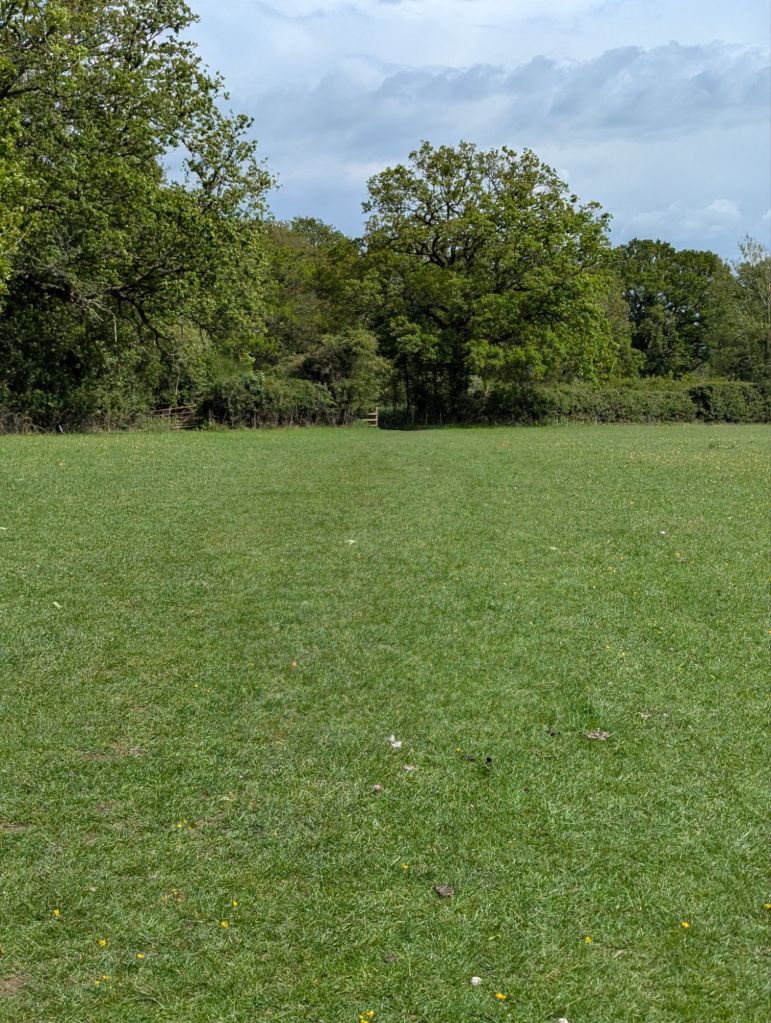
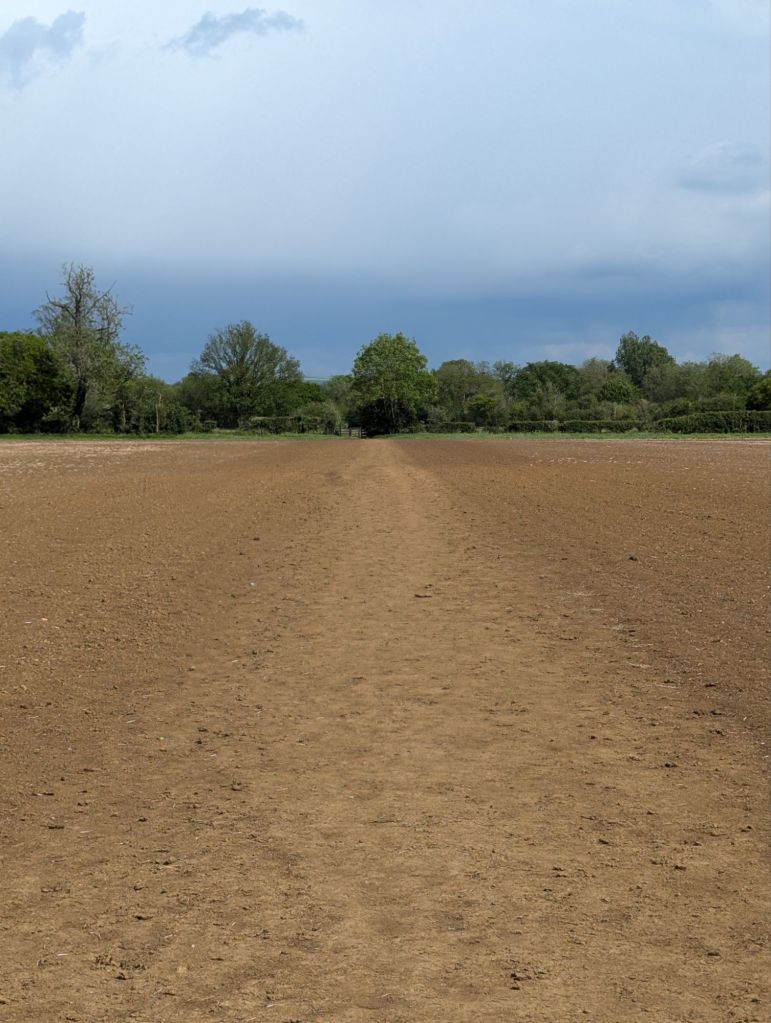
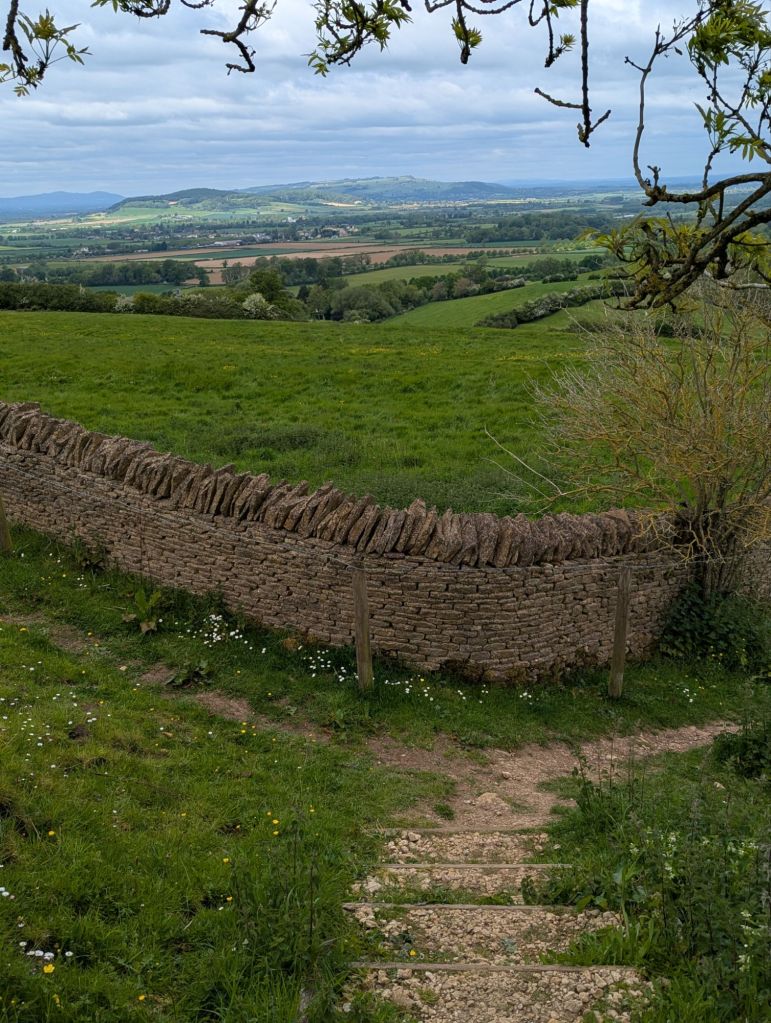
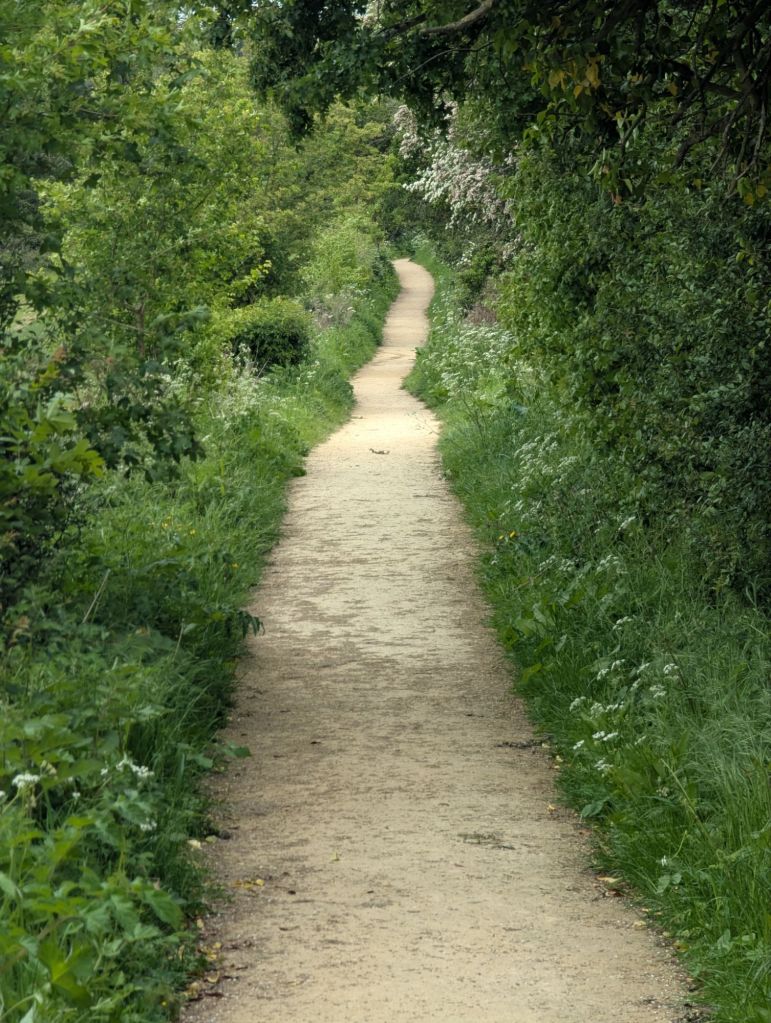
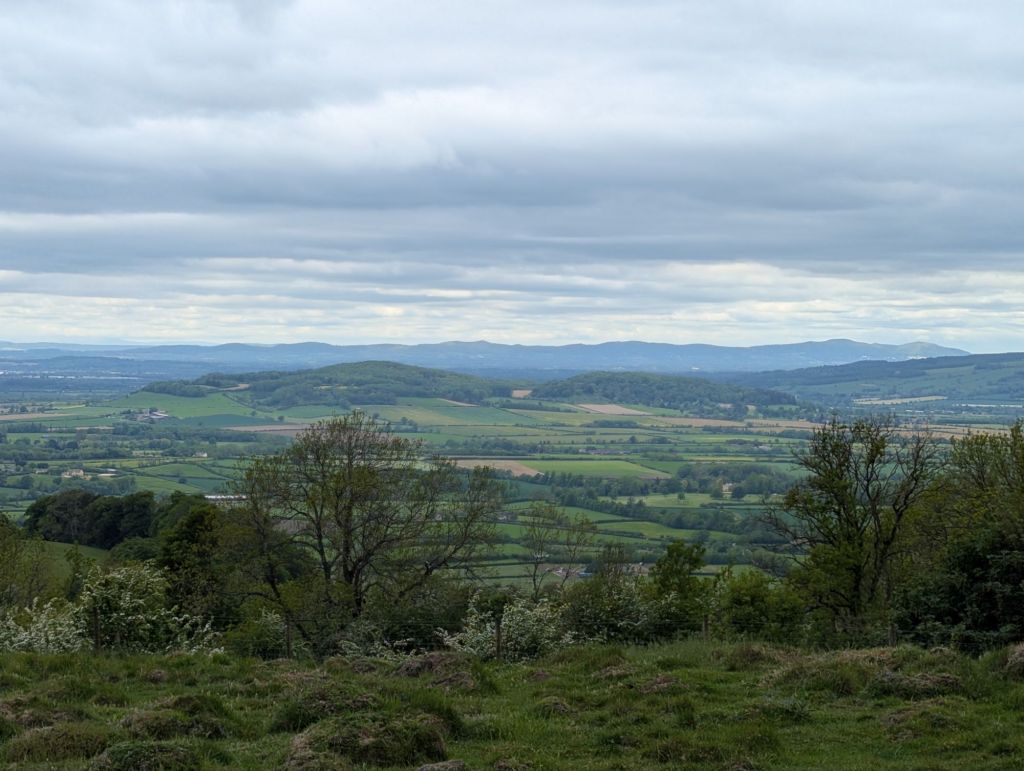
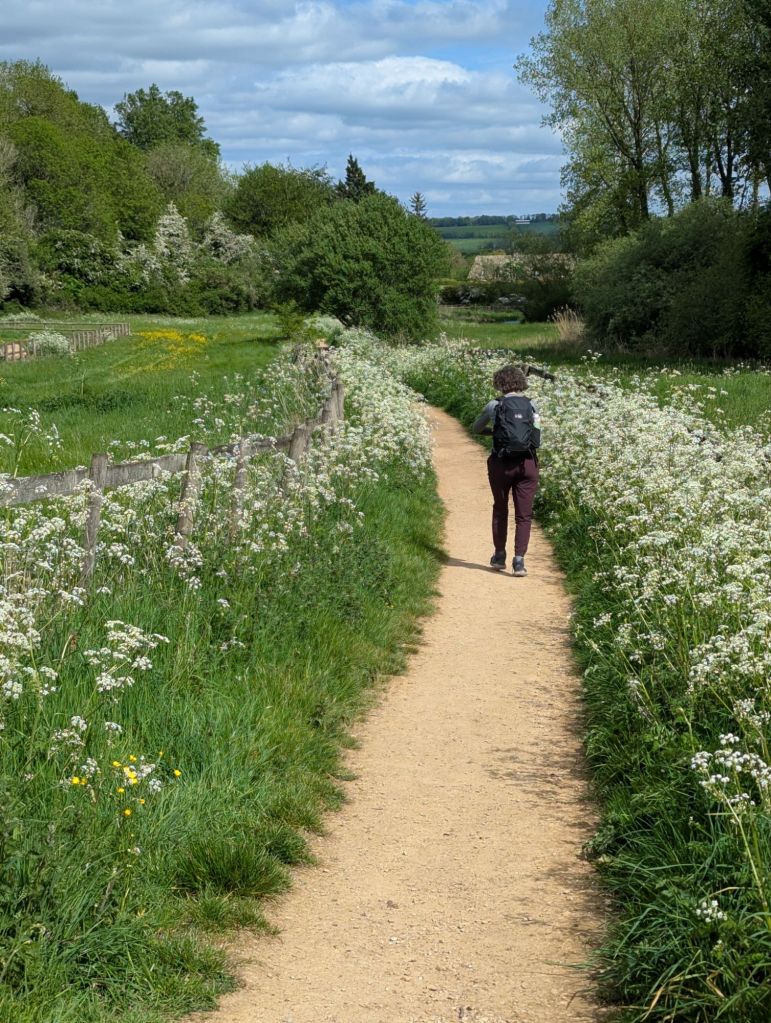
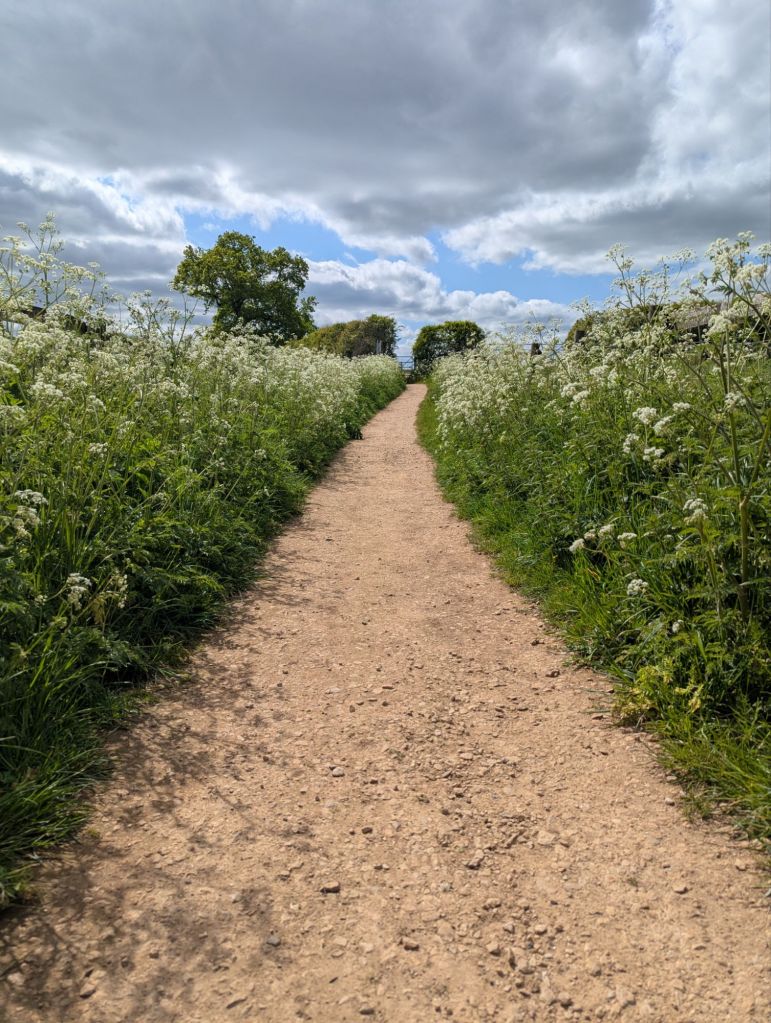
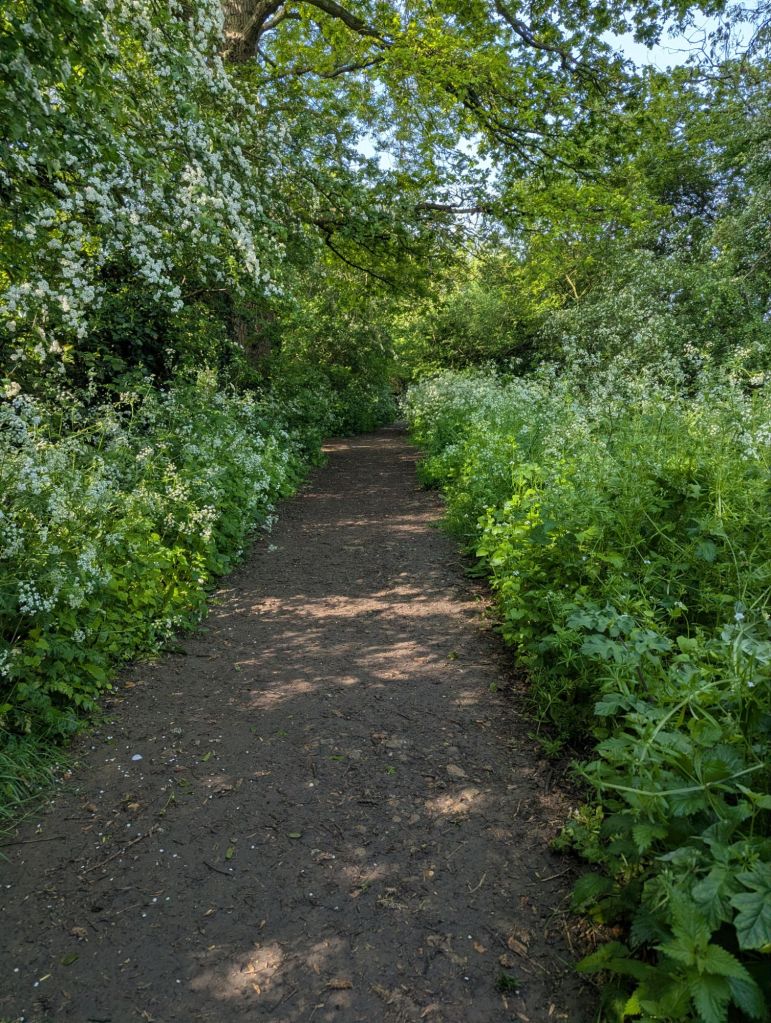
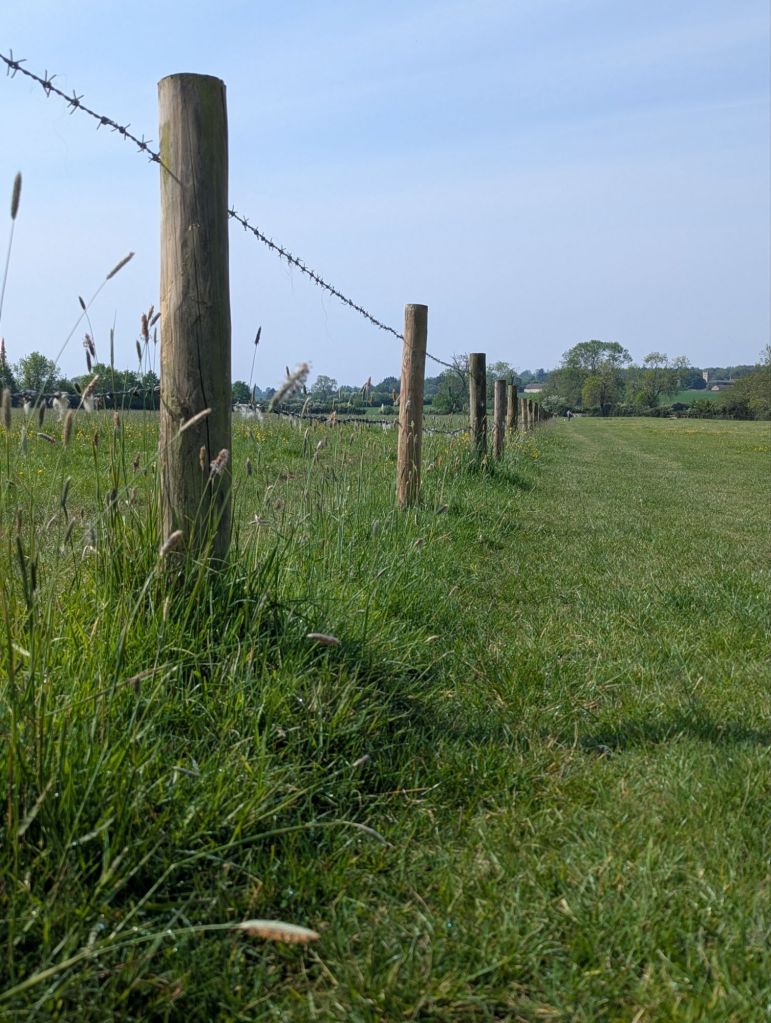
The scenery changed constantly throughout the day. We crossed farms and open fields bordered by hedges, rows of bridal wreath, and fences ranging from neat wooden rails to ancient stone walls and basic wire barriers. At one point we walked through a wooded area that felt surprisingly similar to hiking in New England back home. Some of the highlights included a narrow path lined with Queen Anne’s Lace and a massive field of bright yellow rapeseed flowers stretching across the landscape. We were proud that we recognized the crop thanks to watching Clarkson’s Farm.

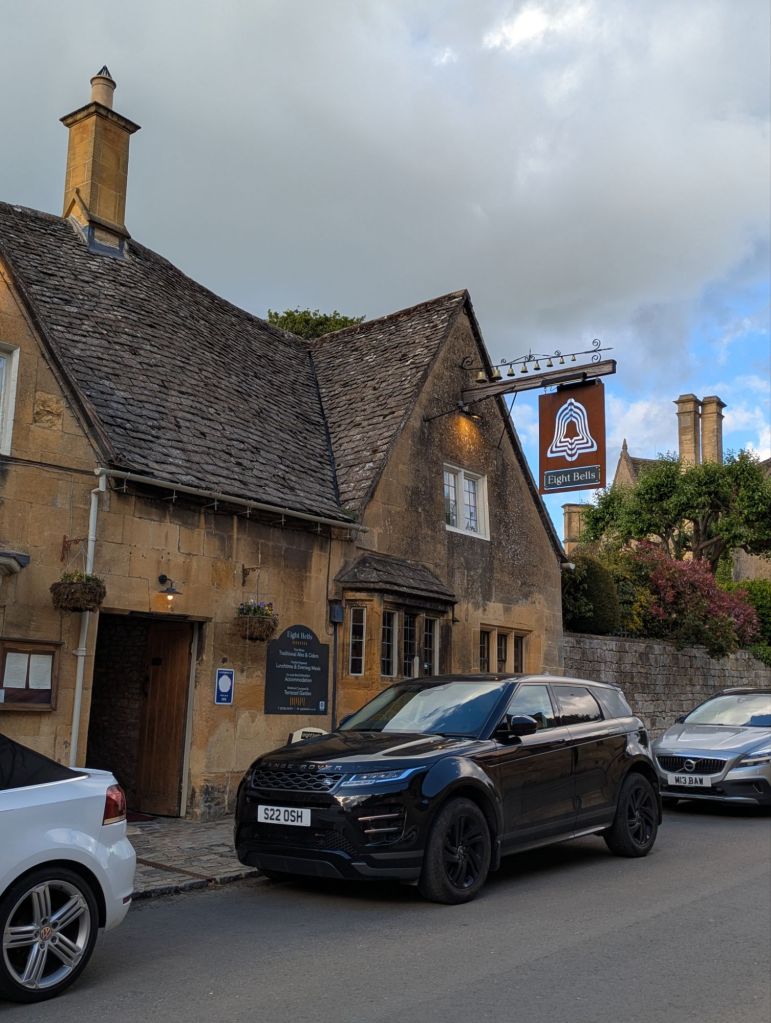
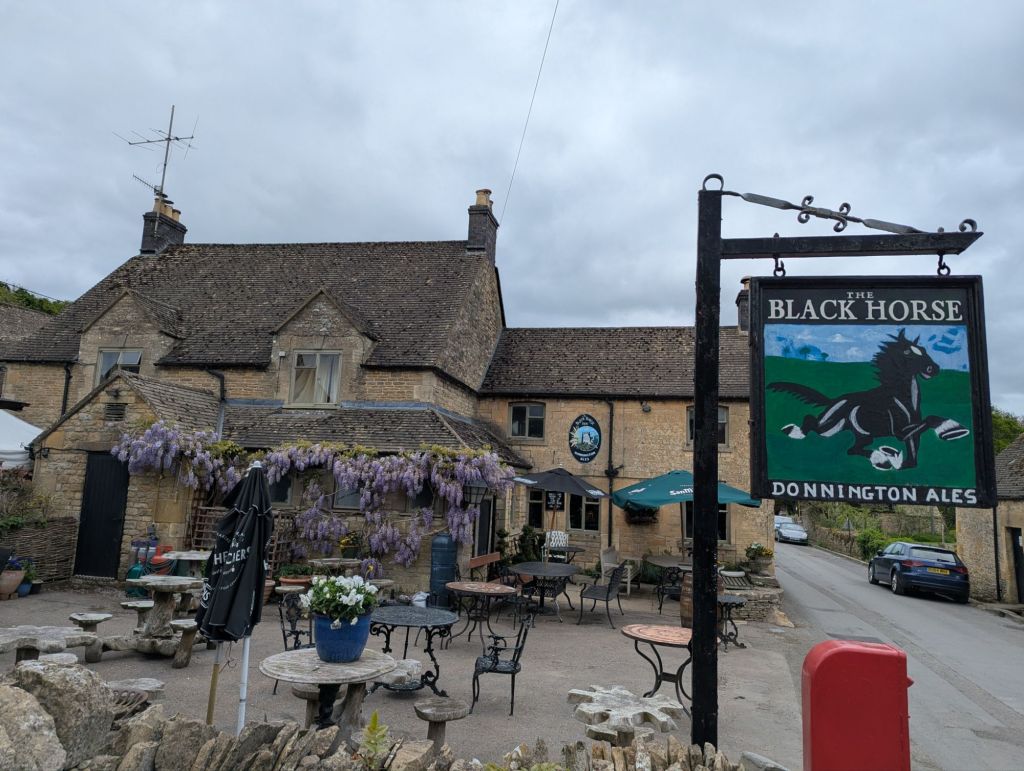
A little less than five miles into the walk, we reached the village of Naunton and stopped at the Black Horse Inn for lunch. It was exactly what you hope to find on a long countryside walk: a cozy pub serving sandwiches and chips (fries), with tired hikers gratefully resting their feet.

The Black Horse Inn

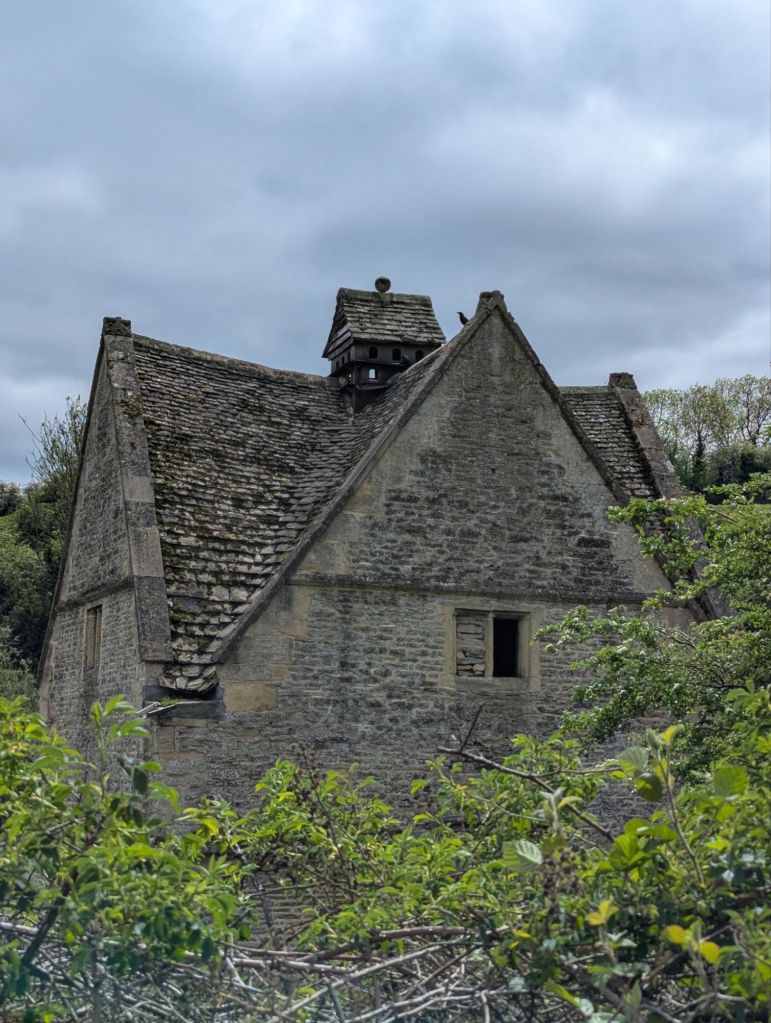
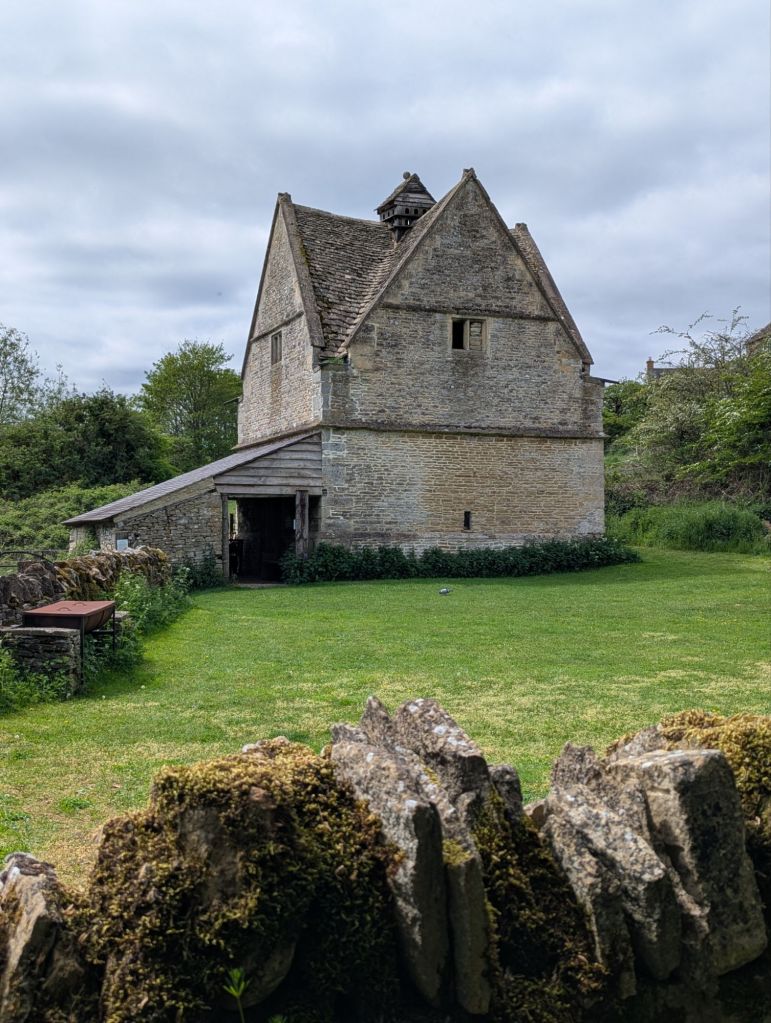
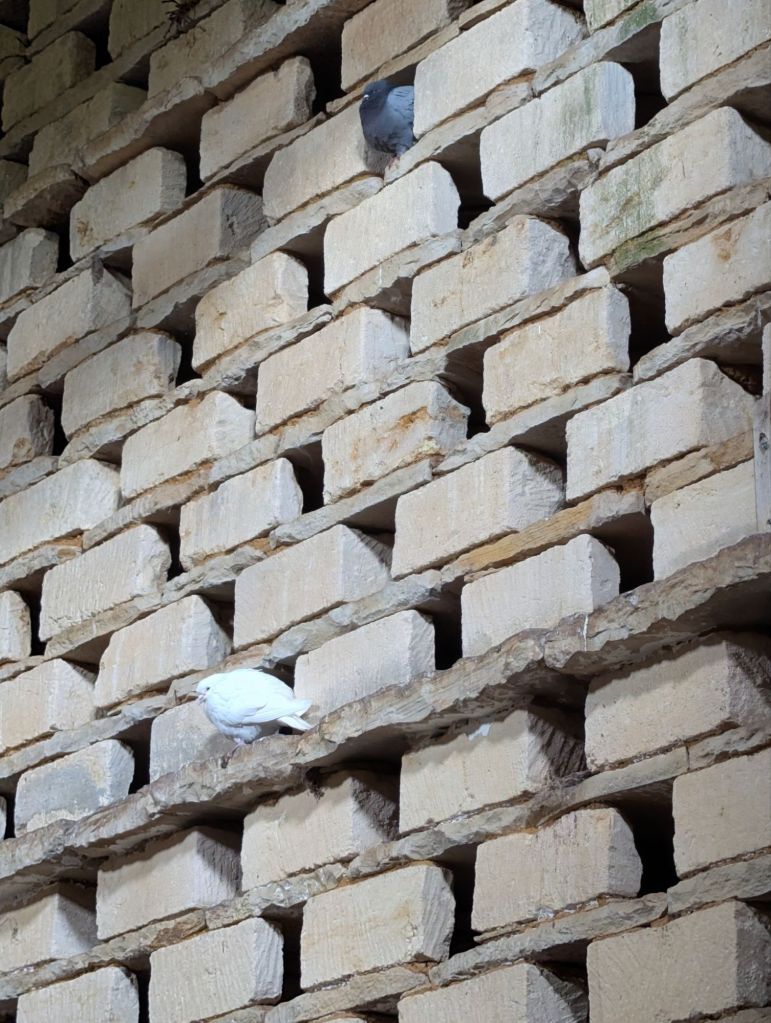
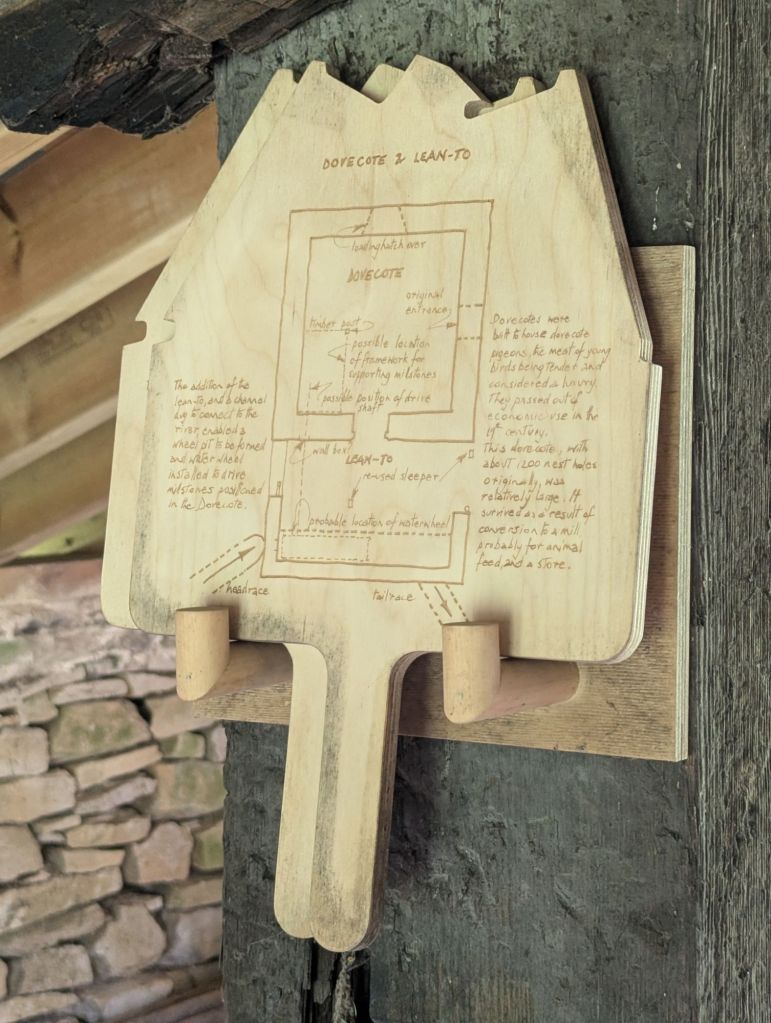
Just outside Naunton we came across a restored medieval dovecote. The structure was built centuries ago to house doves, which were once used as a supplemental food source. The dovecote is open to visitors, so we stepped inside and immediately noticed a couple of doves staring at us suspiciously, as though we were interrupting an important meeting. The design was fascinating. Openings at the top allowed the birds to enter while helping keep predators, such as hawks, out.

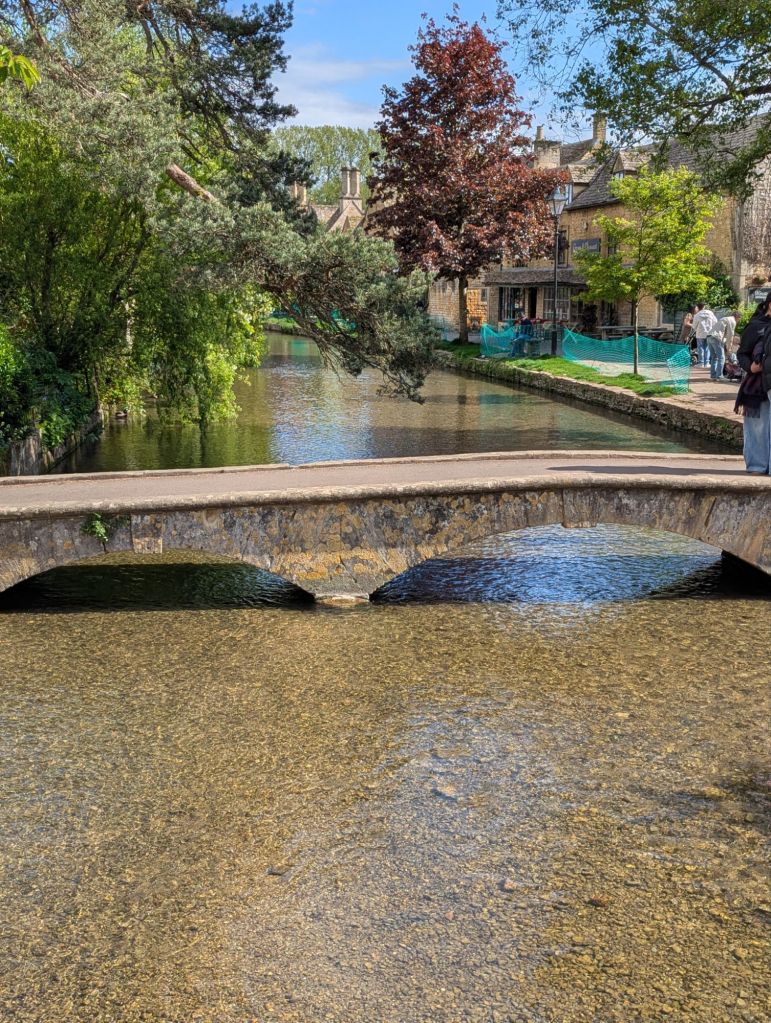
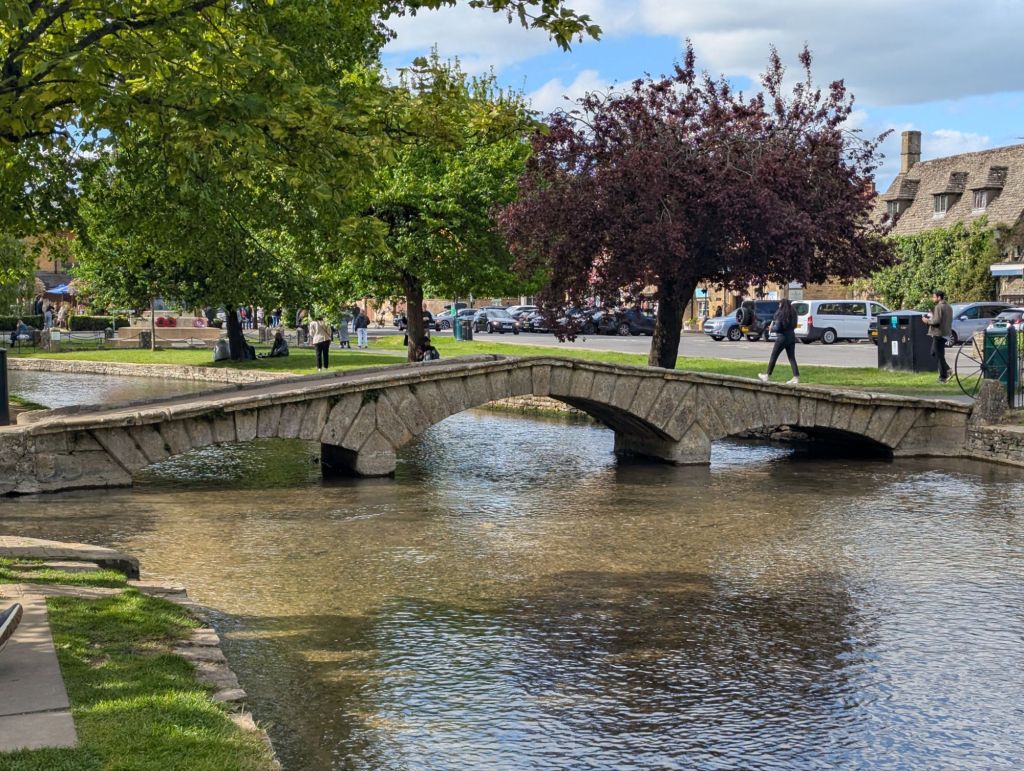
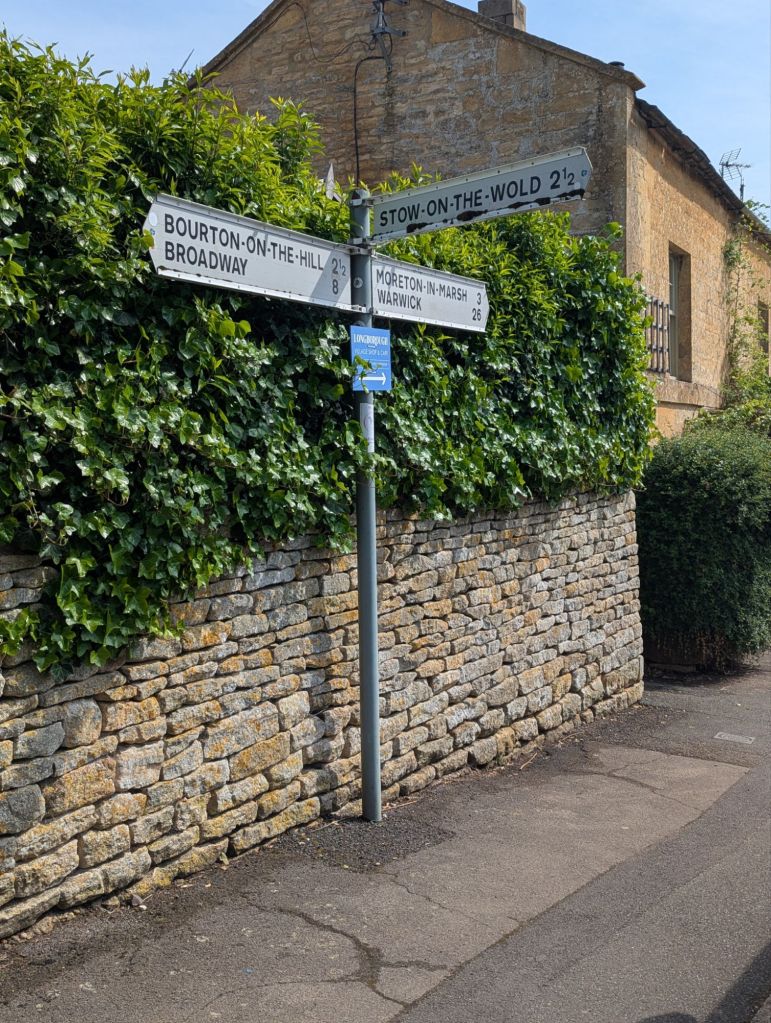
Several miles later, nearing the end of the route, we arrived in Bourton-on-the-Water, often called the “Venice of the Cotswolds.” Personally, we thought this title might be one of the greatest marketing achievements in tourism history. The Windrush River, while pretty, is really more of a shallow stream winding through the center of town, crossed by five small stone bridges. Not exactly Venice, but definitely picturesque. On a sunny Sunday afternoon, however, it was absolutely packed with tourists and tour buses.

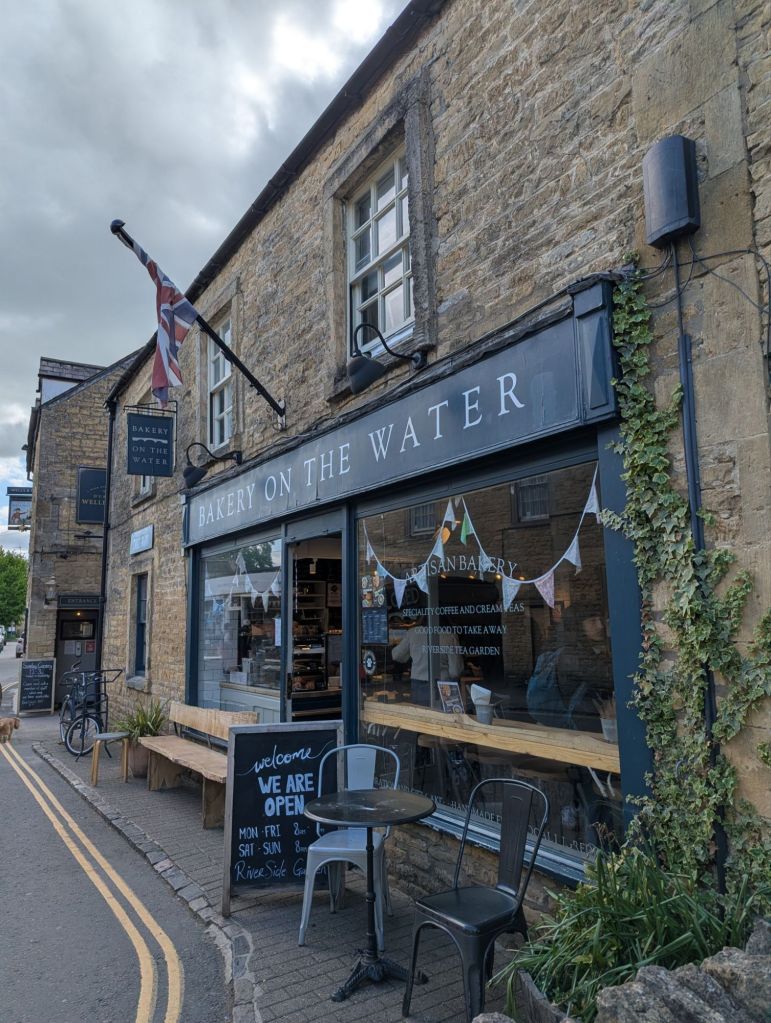
As we entered town, we stopped at Bakery on the Water for afternoon tea, which is rapidly becoming part of our daily routine. Karen enjoyed a traditional cream tea with a scone, clotted cream, and jam, while Greg opted for a Bakewell slice, an almond cake with raspberry filling, along with an iced tea.

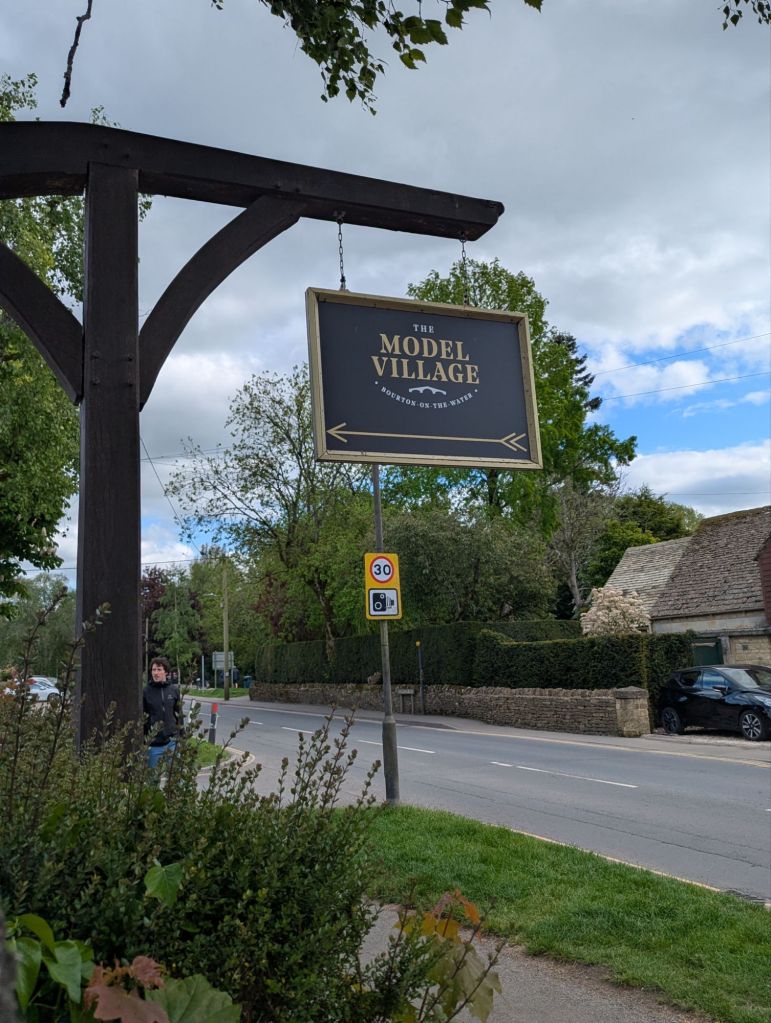
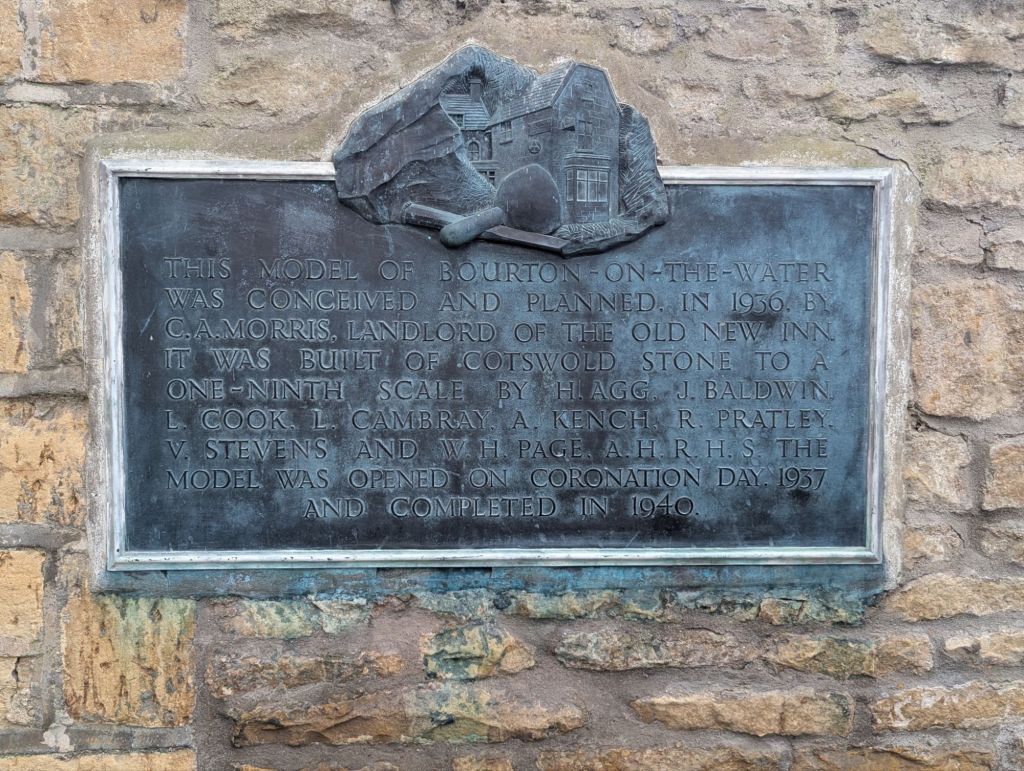
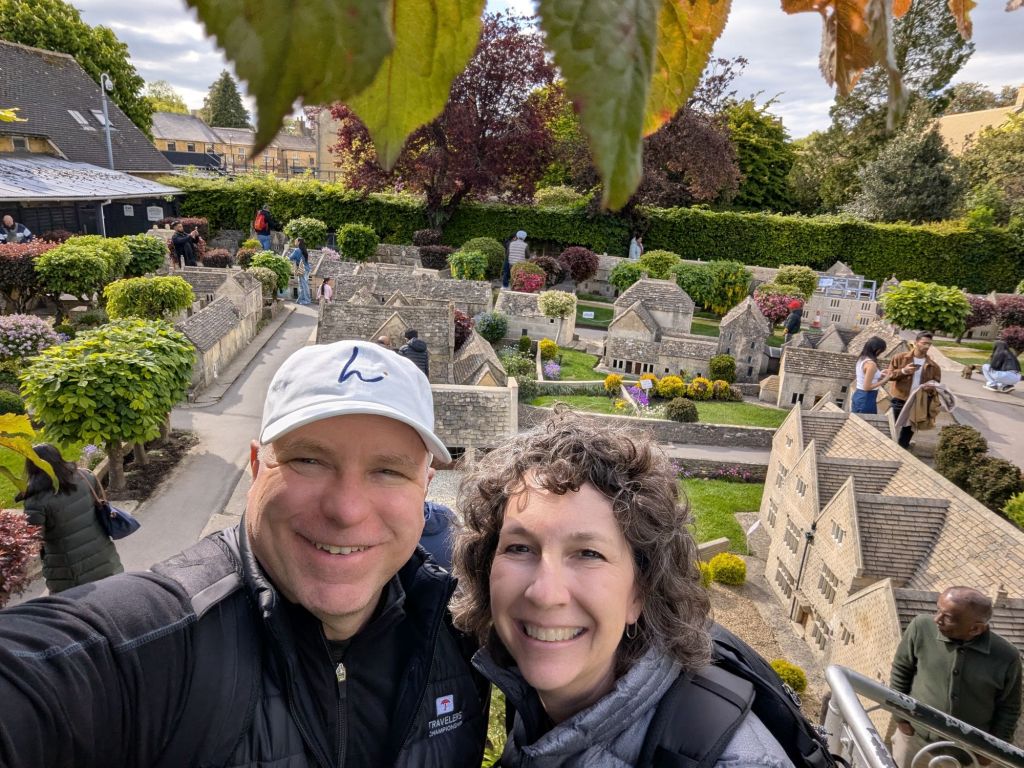
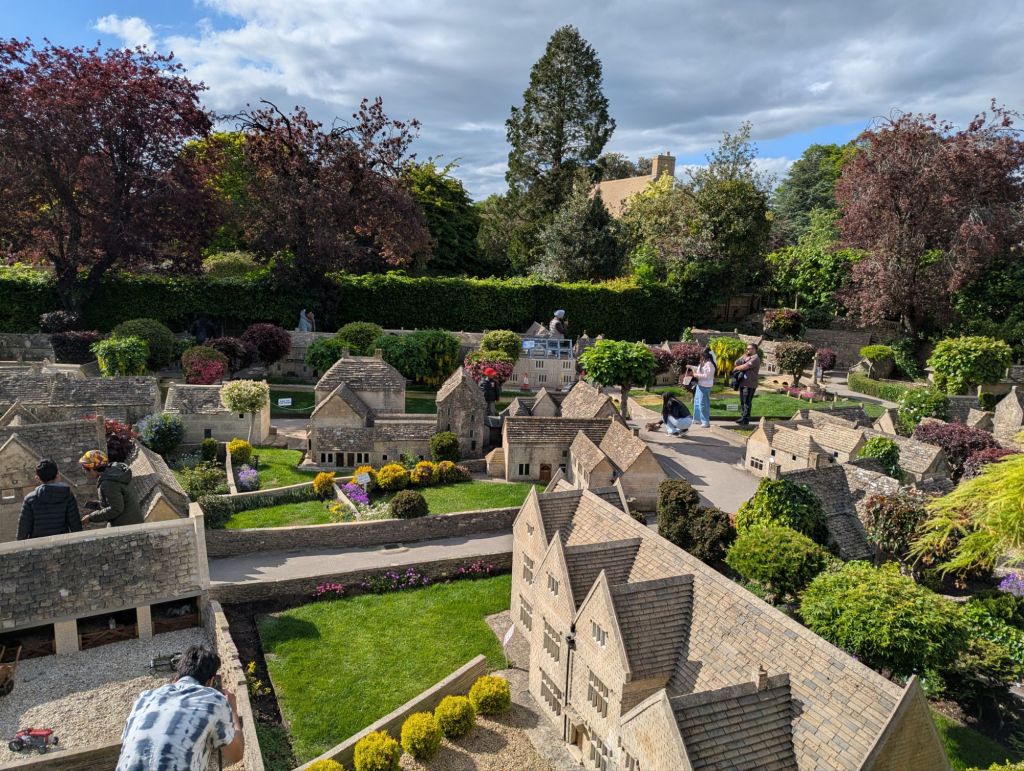
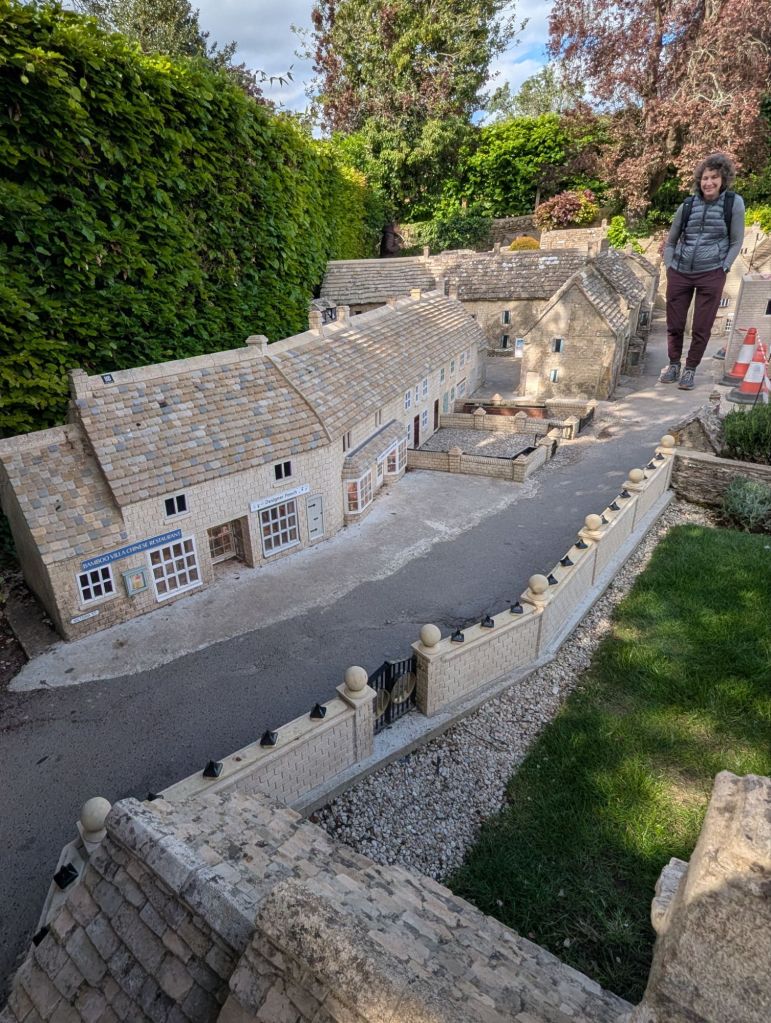
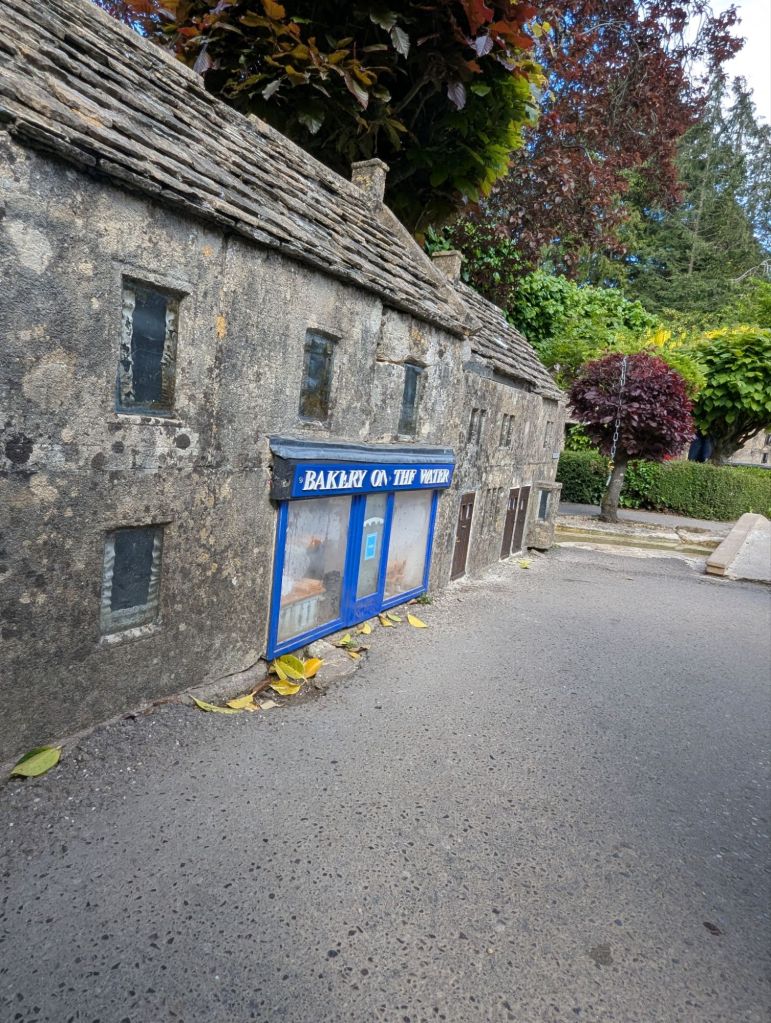
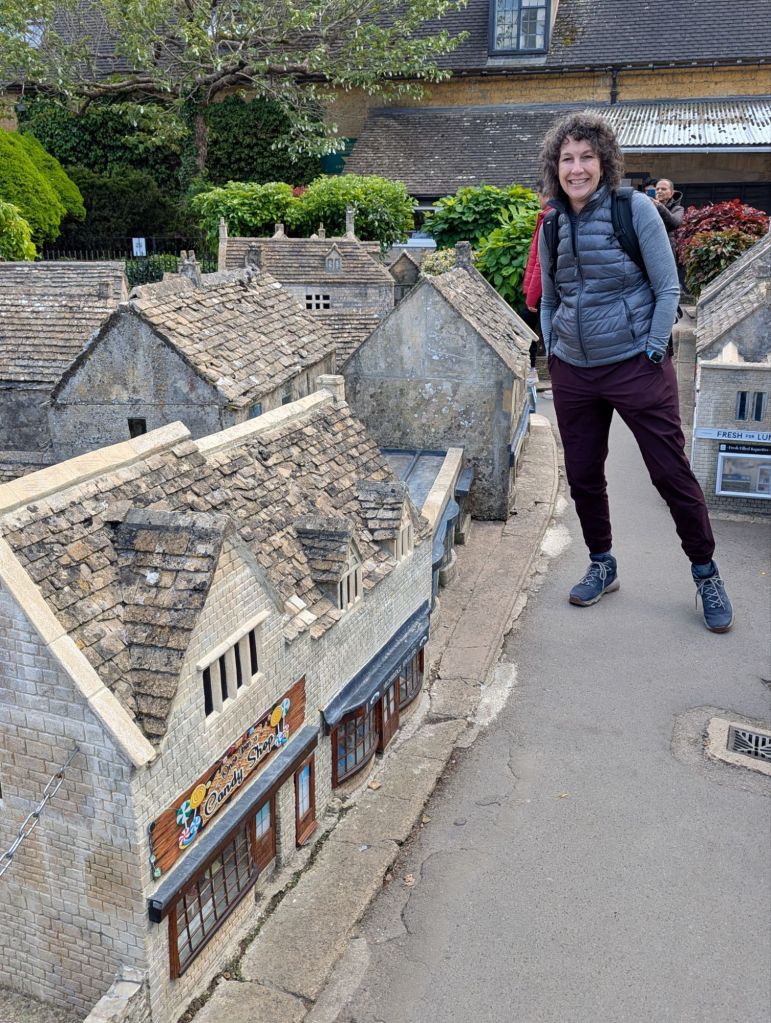
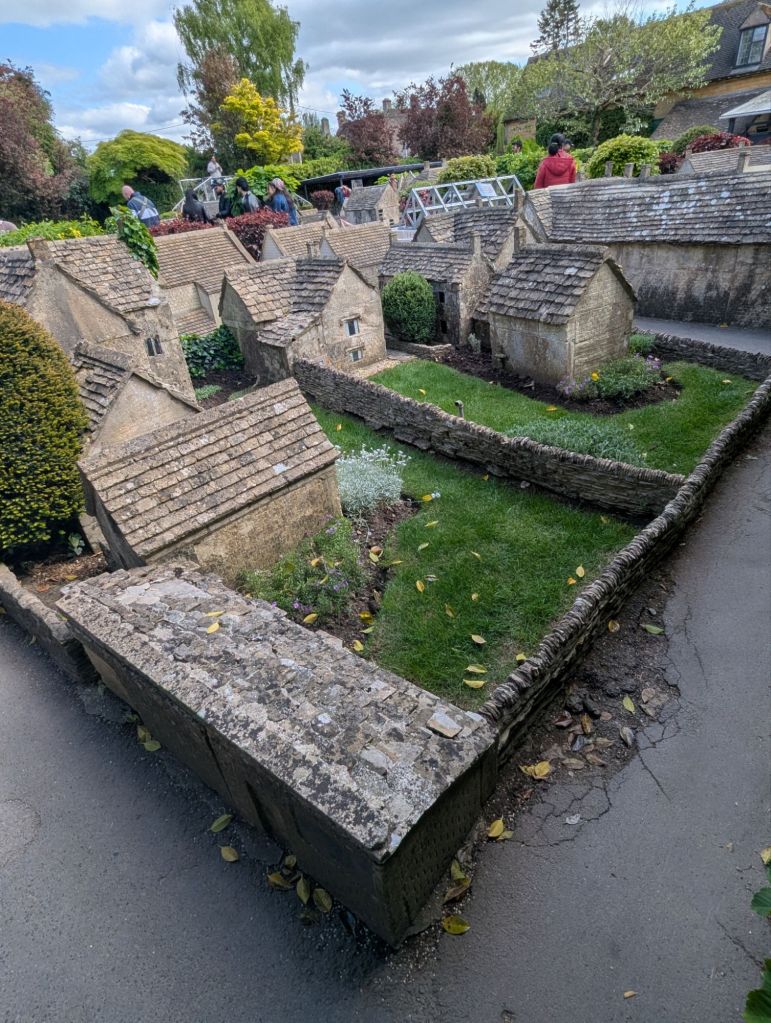
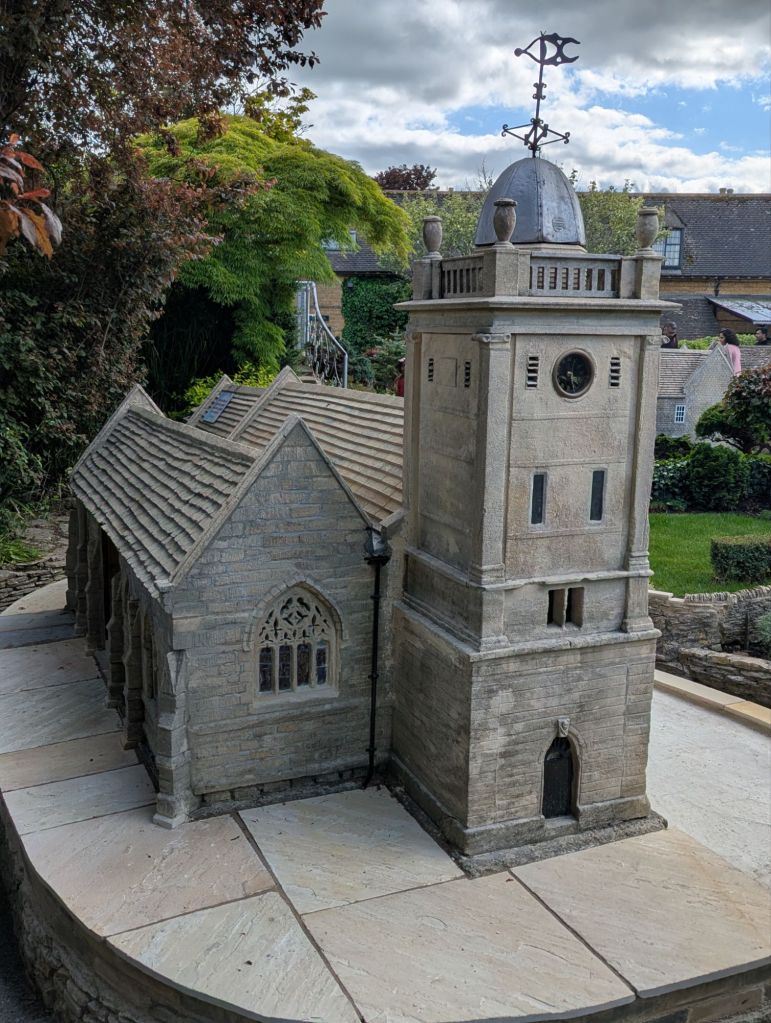
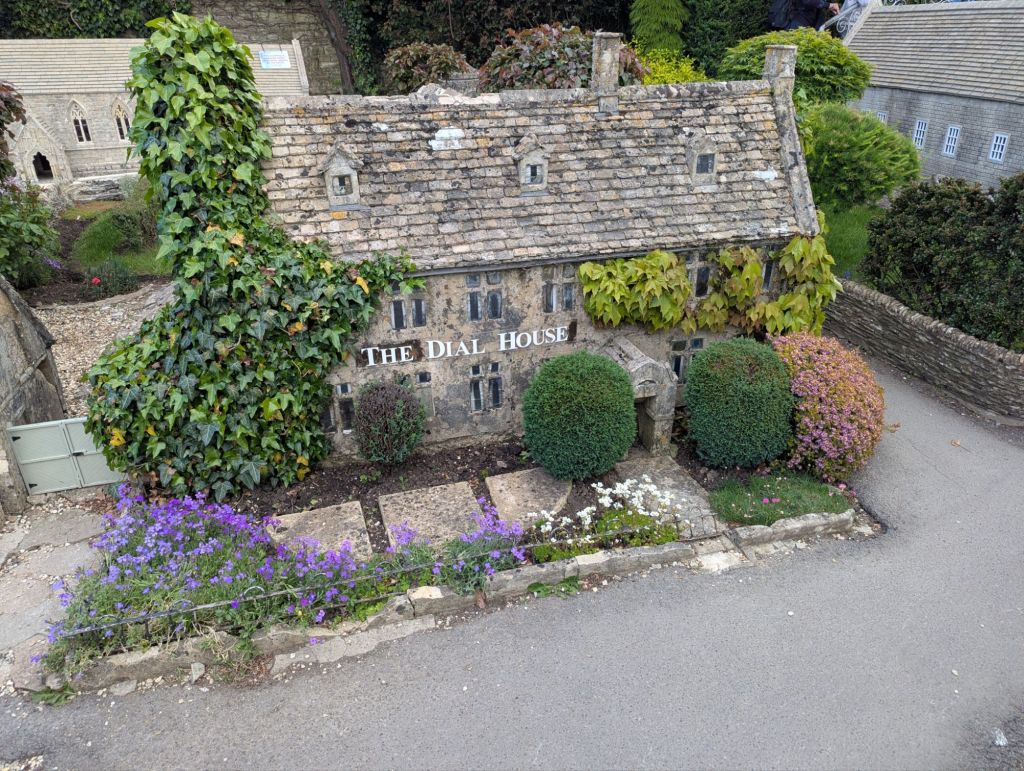
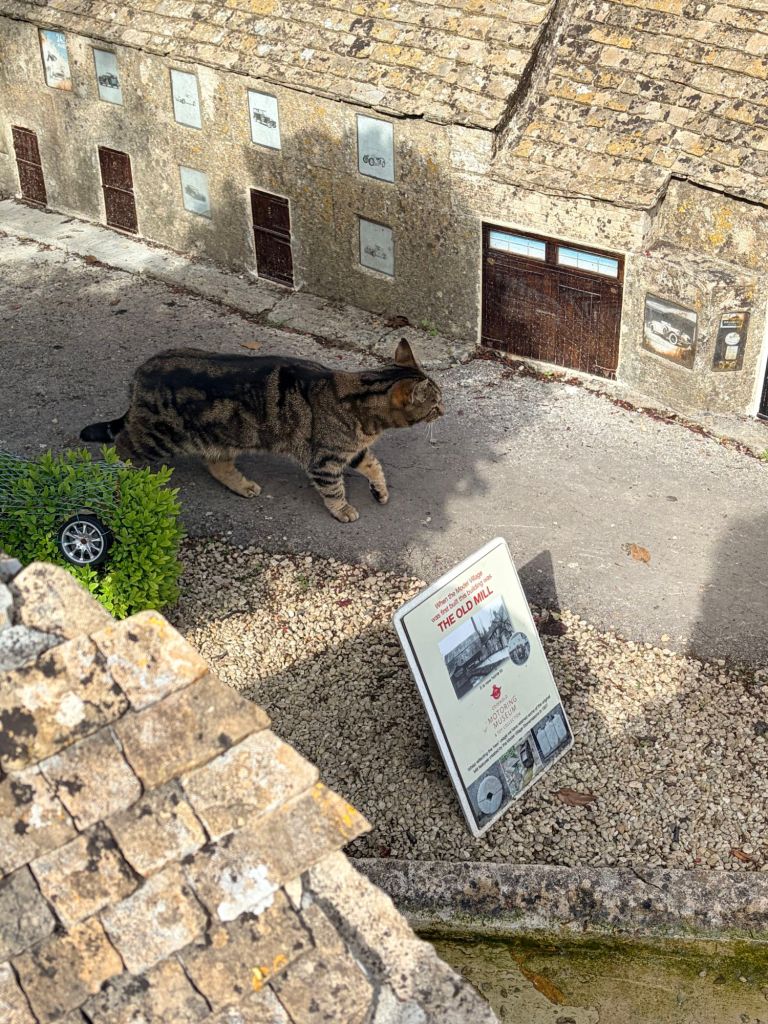
Nearby is the famous Model Village. In 1936, the owner of the Old New Inn commissioned the construction of a detailed scale model of Bourton-on-the-Water at one-ninth the size of the actual town. Completed in 1940, it remains one of the area’s most popular attractions. Despite the crowds, we enjoyed wandering through it. One of the funniest moments was watching a cat stroll through the tiny streets looking like a giant movie monster towering over the buildings. The creators also included an even smaller version of the model village within the model itself, which gave the whole thing a fun sense of humor. While Bourton-on-the-Water felt a little touristy for our taste, the Model Village was an interesting stop.

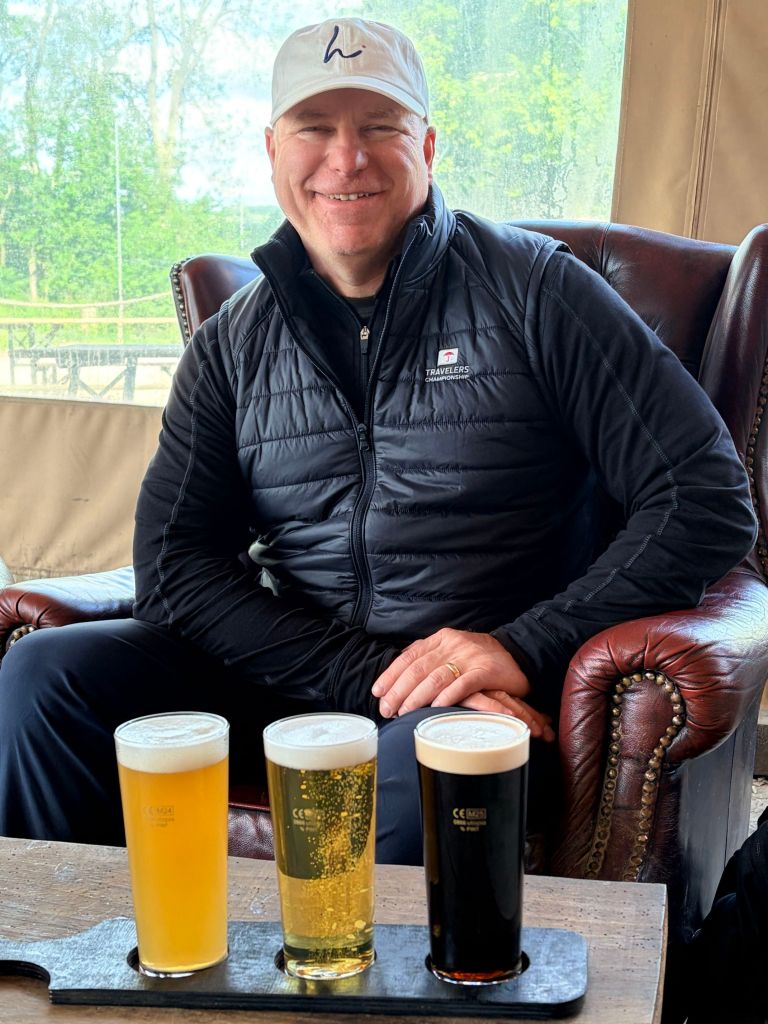
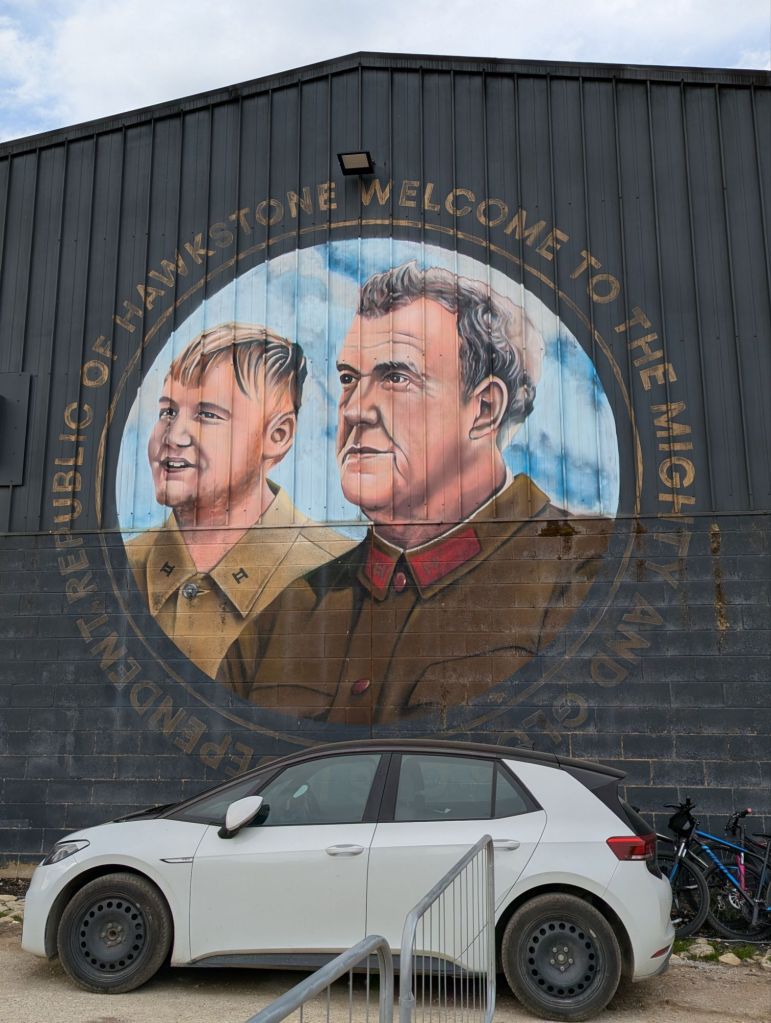
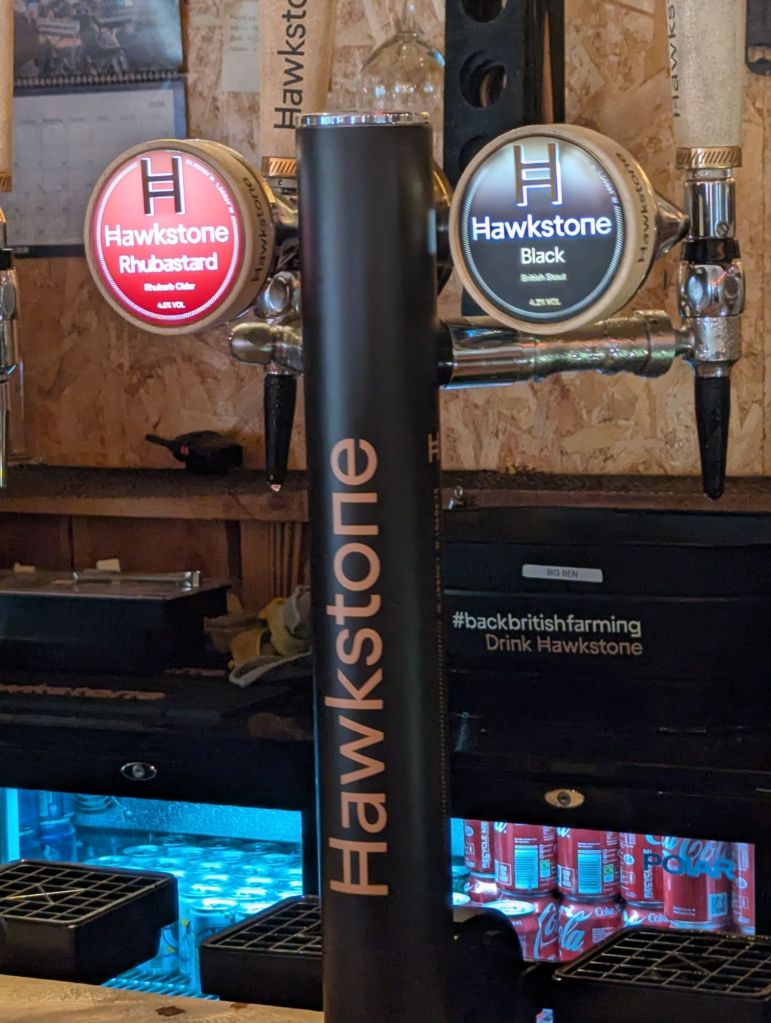
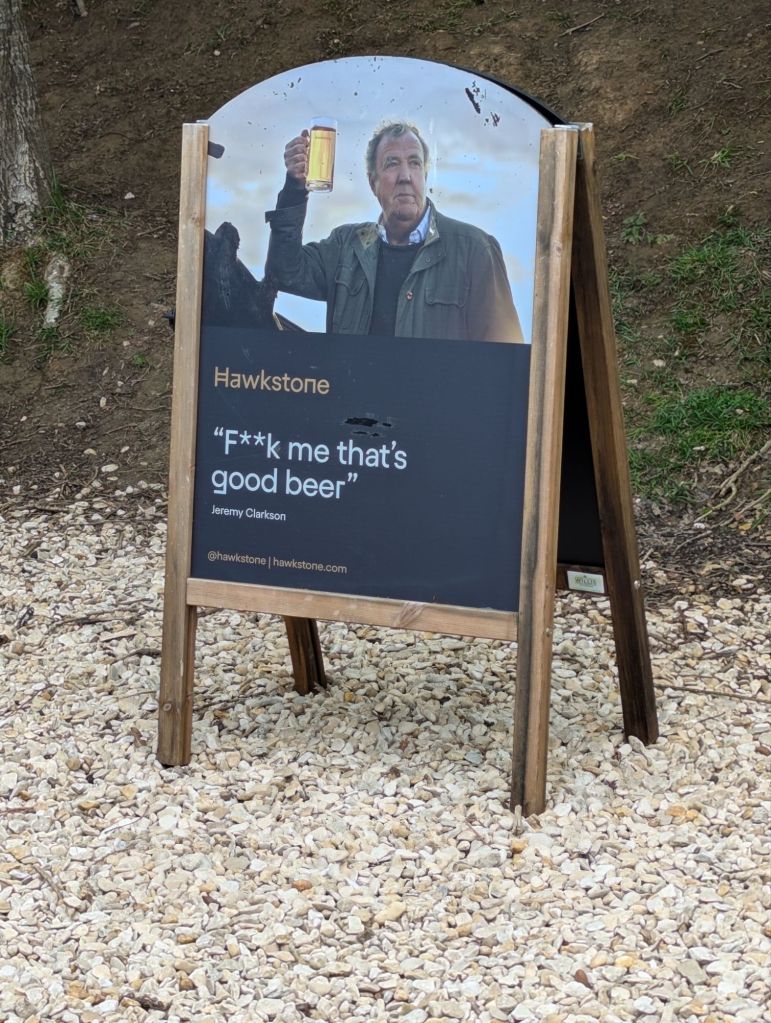
By this point we were ready for the final mile back to our hotel. Conveniently, our route passed directly by Hawkstone Arms and Brewery, Jeremy Clarkson’s pub and brewery. Since we had enjoyed it the night before, we decided an 11-mile walk had earned us another visit. Greg ordered a beer flight to sample more of the Hawkstone offerings, while Karen happily tried the berry cider. It is safe to say she has become a fan of Hawkstone ciders.

With only a short 15-minute walk remaining, we made it back to the hotel with just enough time to shower before our dinner reservation at The Slaughters Country Inn. After a great meal, we returned to our room for some stretching, a hot bath, and an early collapse into bed. Another long walking day awaits tomorrow.

Categories: 2026 England Adventure | Tags: , , , , , , , , , , | Leave a comment

Day 6 in England – From Moreton-in-Marsh to Lower Slaughter: A Cotswolds Adventure

DAY 6 – SATURDAY, MAY 9, 2026

Today was the first official day of our walking adventure through the Cotswolds. We were up early to get organized, eat breakfast, and have our luggage packed and ready for pickup by 8:30 AM. Since we’re combining time in London with a multi-day walking trip, fitting everything into one suitcase each was a challenge. Anything that didn’t fit would have to be carried on our backs for the day, so we packed very carefully.

After another hearty breakfast at the hotel, we grabbed our backpacks and headed out. The tour we booked is “self-guided,” meaning there’s no group and no tour guide. Instead, the tour company provides a smartphone app with the daily itinerary, route descriptions, historical highlights, and an interactive GPS map that shows exactly where you are on the trail. Thankfully, it also alerts you if you wander off course (yes, we did test this feature on our first day).

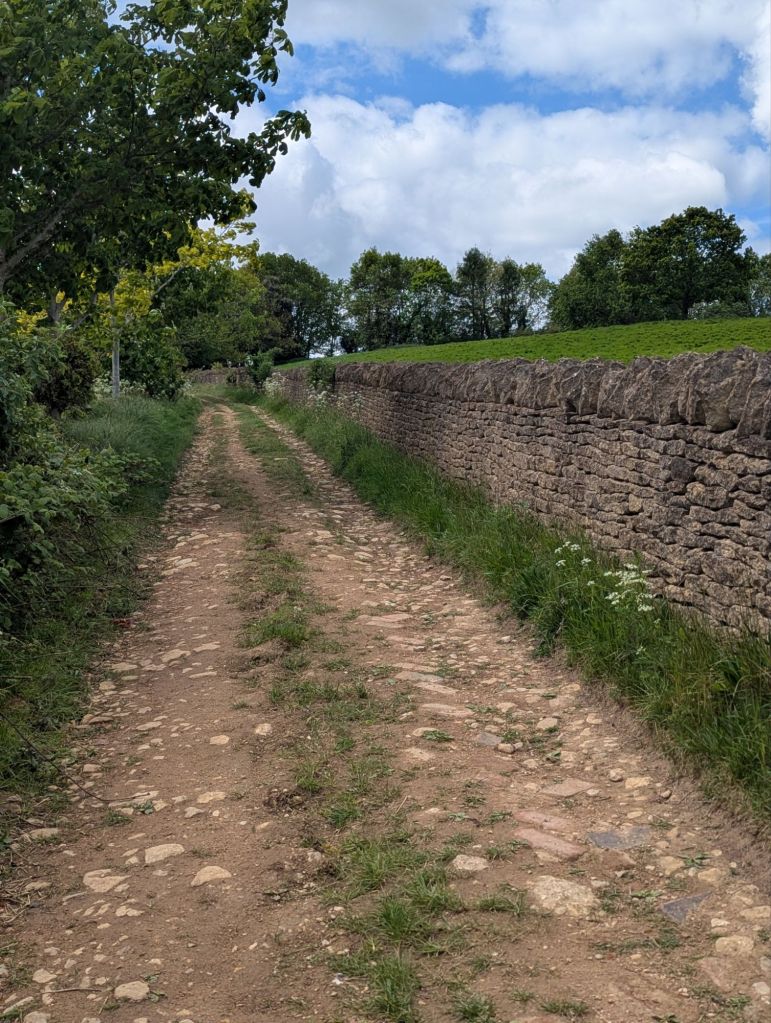
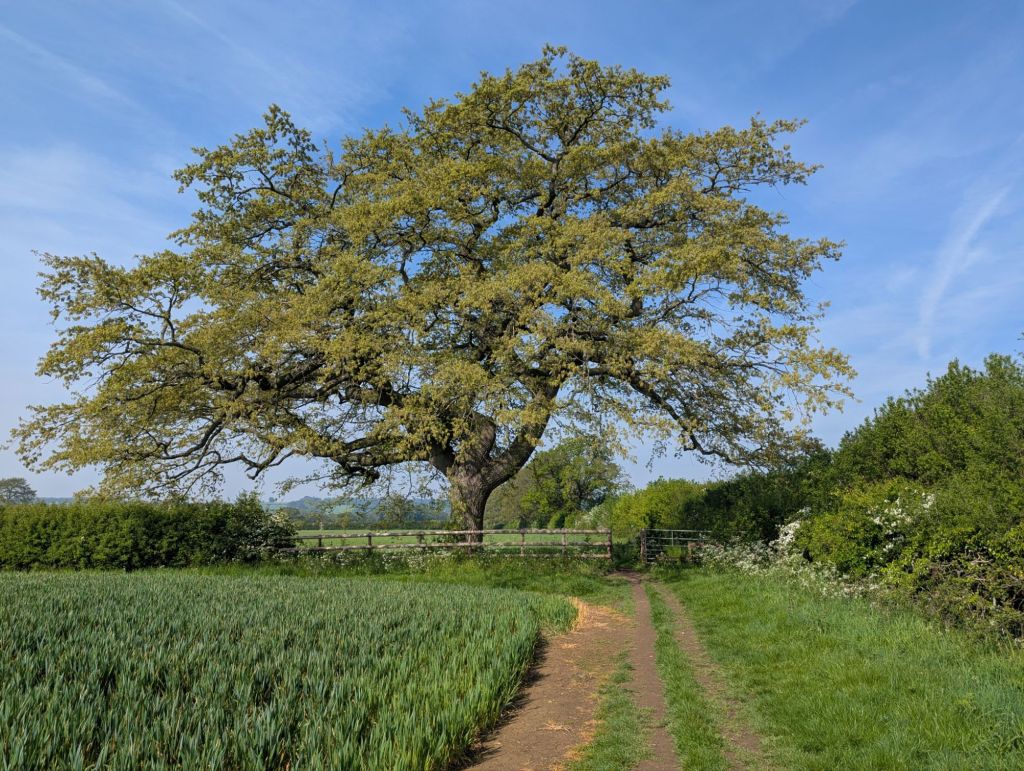
We started our walk from Moreton-in-Marsh and spent the day crossing fields, farmland, wooded trails, and quiet country lanes. Along the way we passed countless sheep, a few cows and horses, two deer, and more birds than we could possibly identify. What we really should have counted, though, was the number of gates we opened and closed throughout the day. There were a lot.

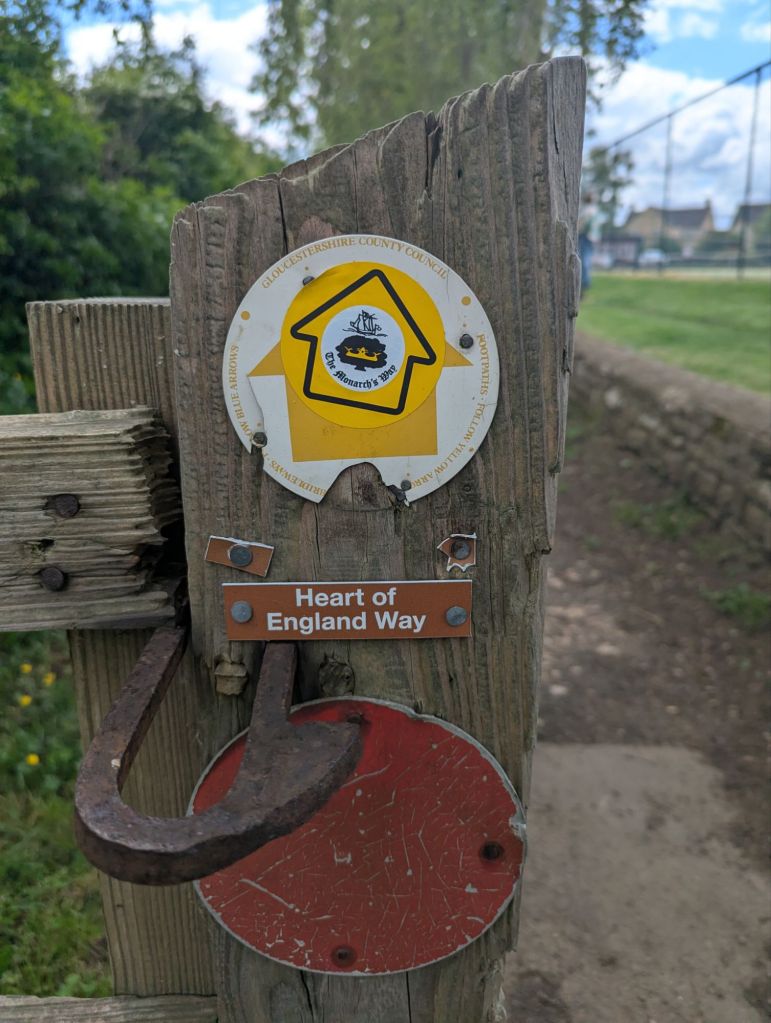
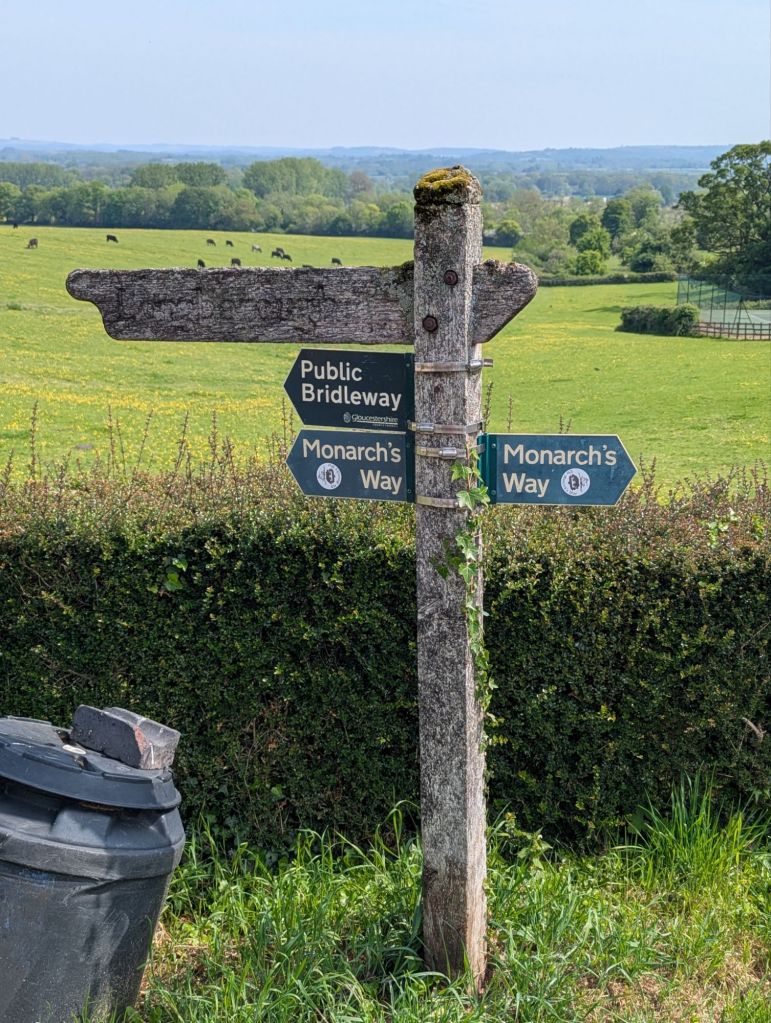
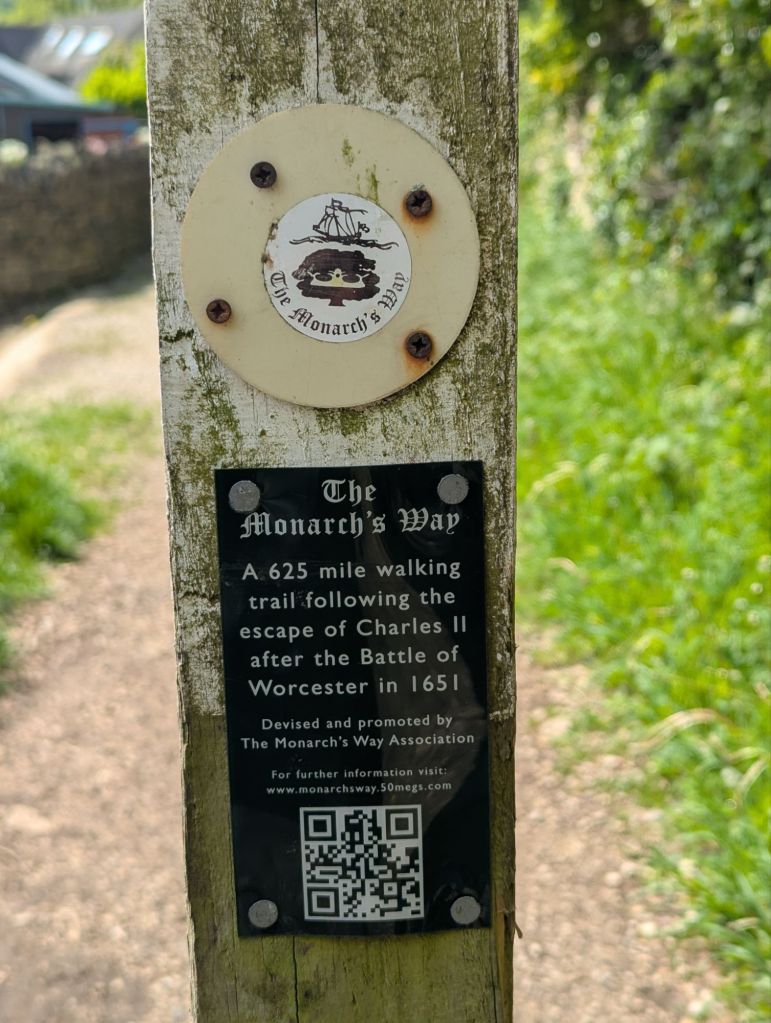
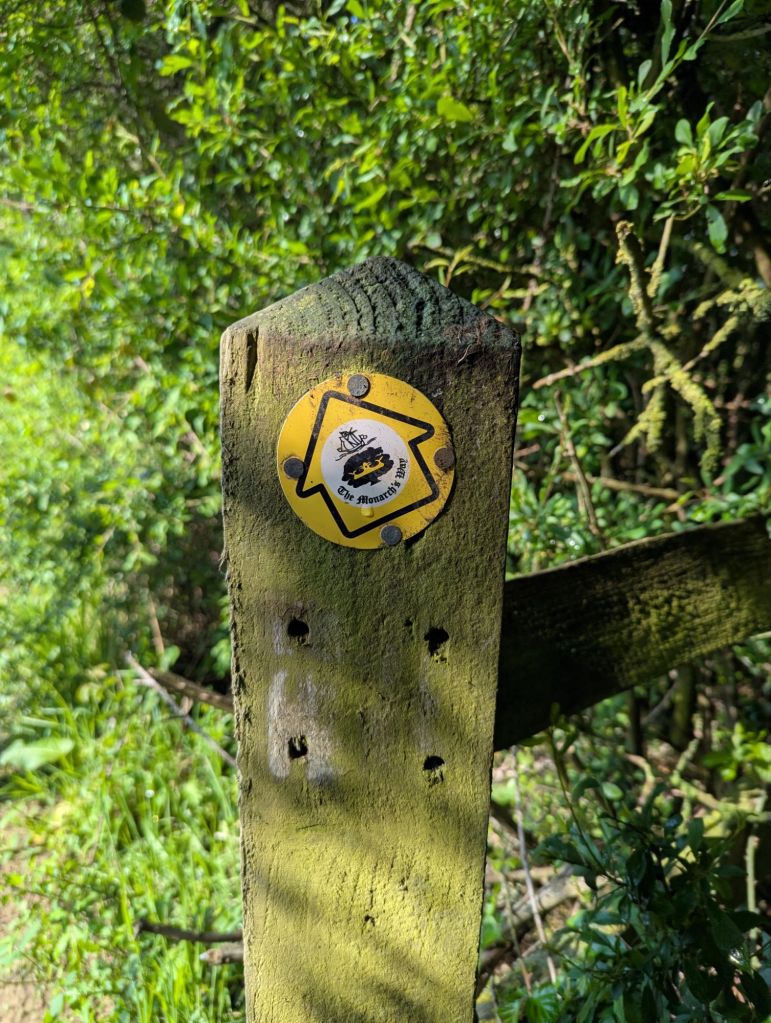
Most of today’s route followed part of The Monarch’s Way, a 625-mile footpath that traces the escape route of King Charles II after his defeat at the Battle of Worcester in 1651. Fortunately for us, we could take our time to take in the scenic countryside.

One of the things that surprised us most was the variety of landscapes we traveled through.

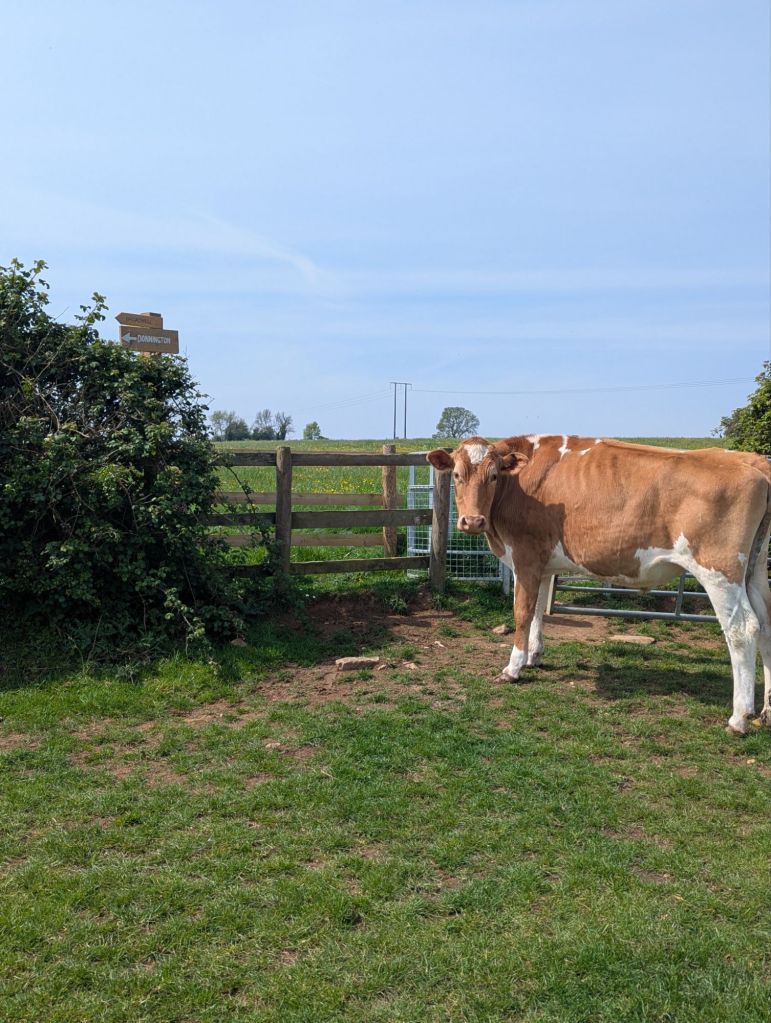
England has long-standing public footpath laws that allow walking routes to cross private land, so throughout the day we found ourselves hiking through open meadows, narrow hedge-lined paths, farmland, churchyards, wooded areas, driveways, and even directly through active cow pastures. There were a couple of moments where the cows seemed just as curious about us as we were cautious of them.

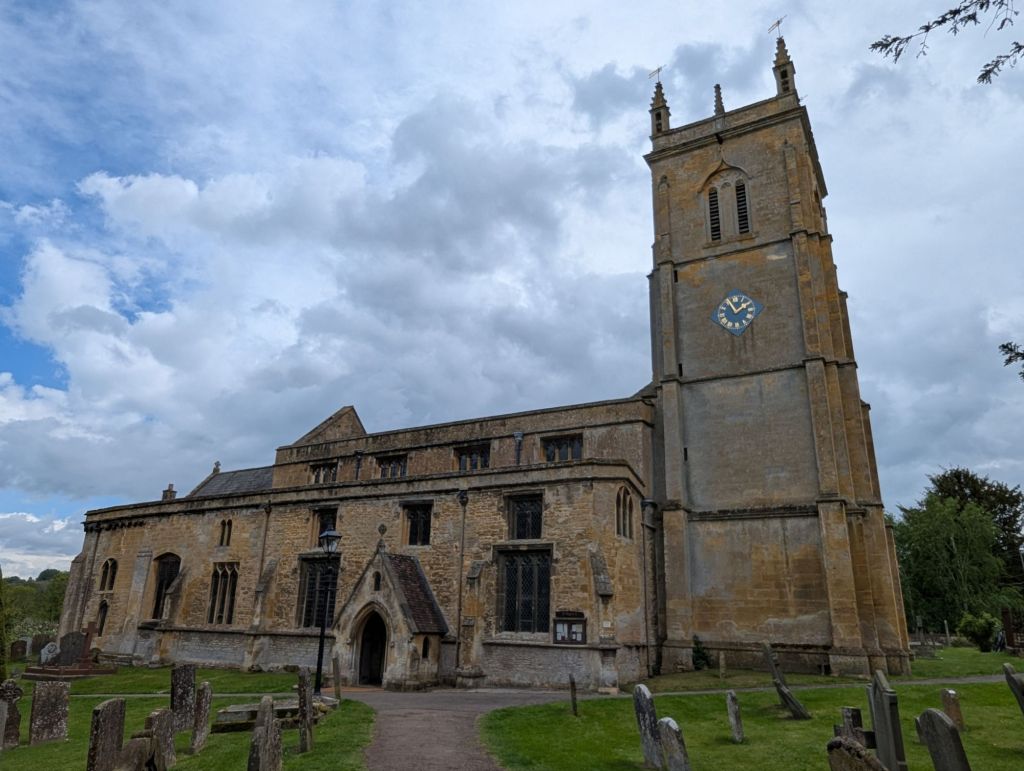
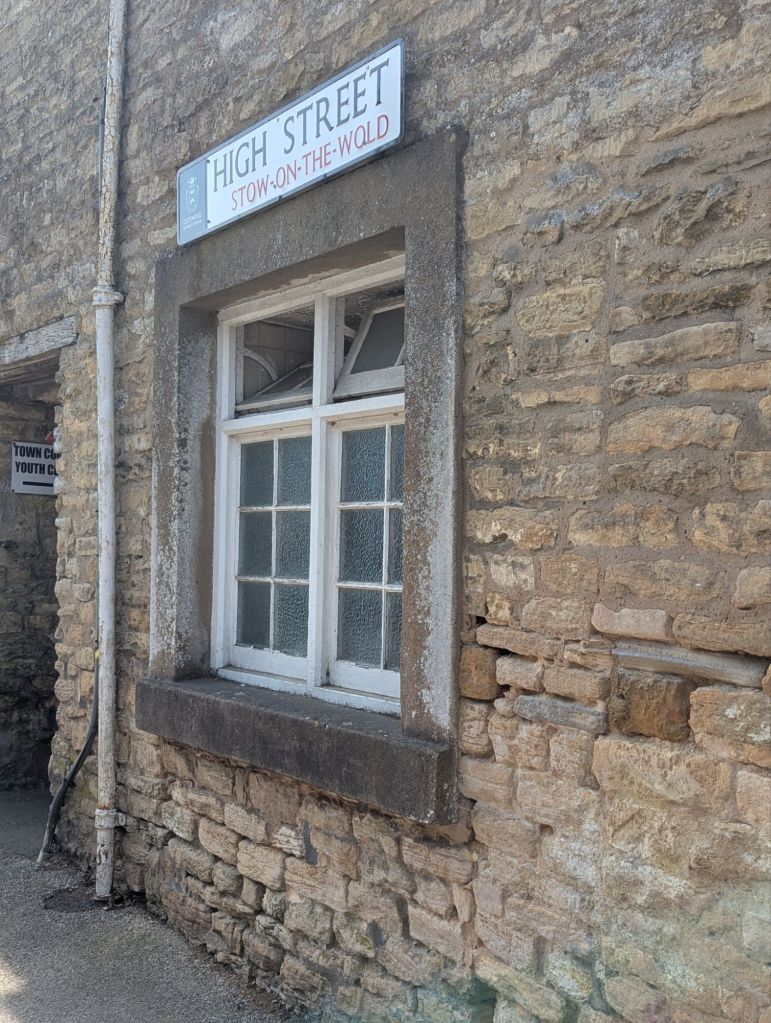
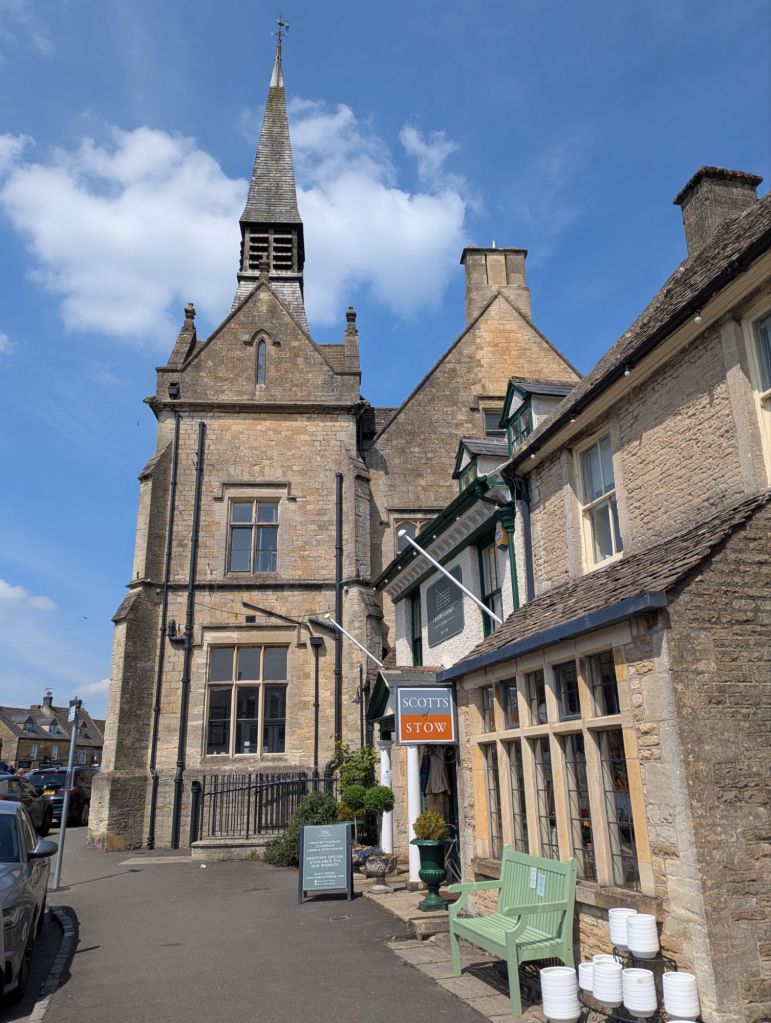
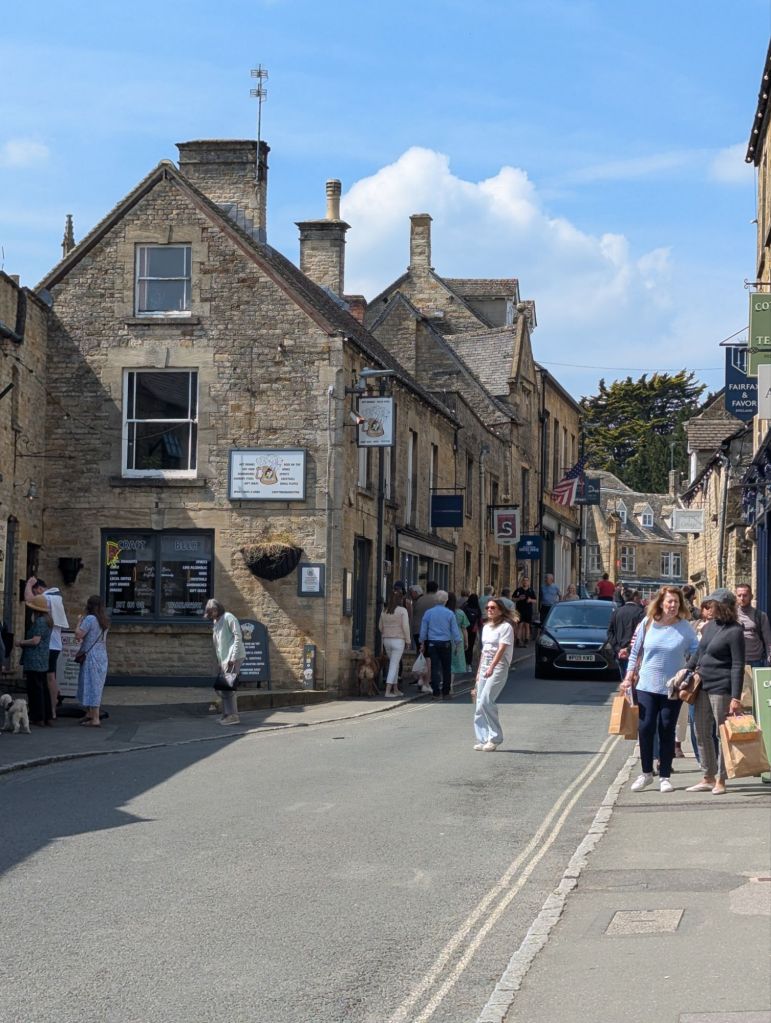
We passed through two tiny villages that seemed to consist of a handful of stone cottages and a church before eventually arriving at Stow-on-the-Wold about three hours into the walk. This was by far the busiest place we had seen all day. The town center was packed with visitors enjoying the gorgeous sunny Saturday weather, and the streets were lined with small shops, pubs, tea rooms, and restaurants.

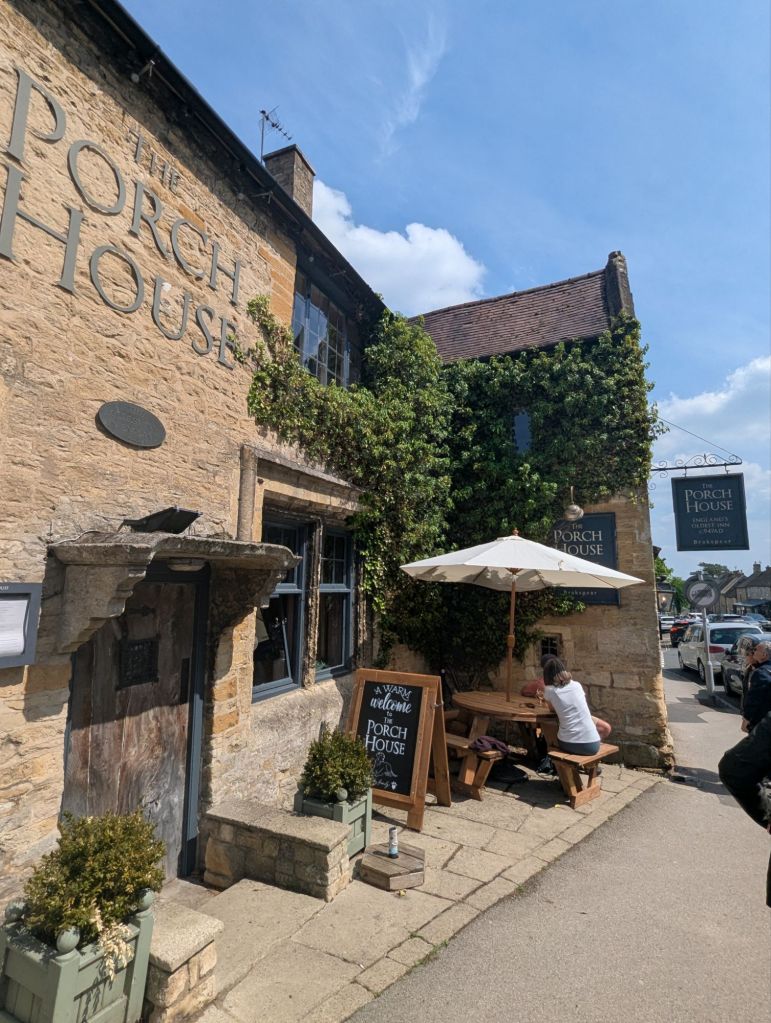
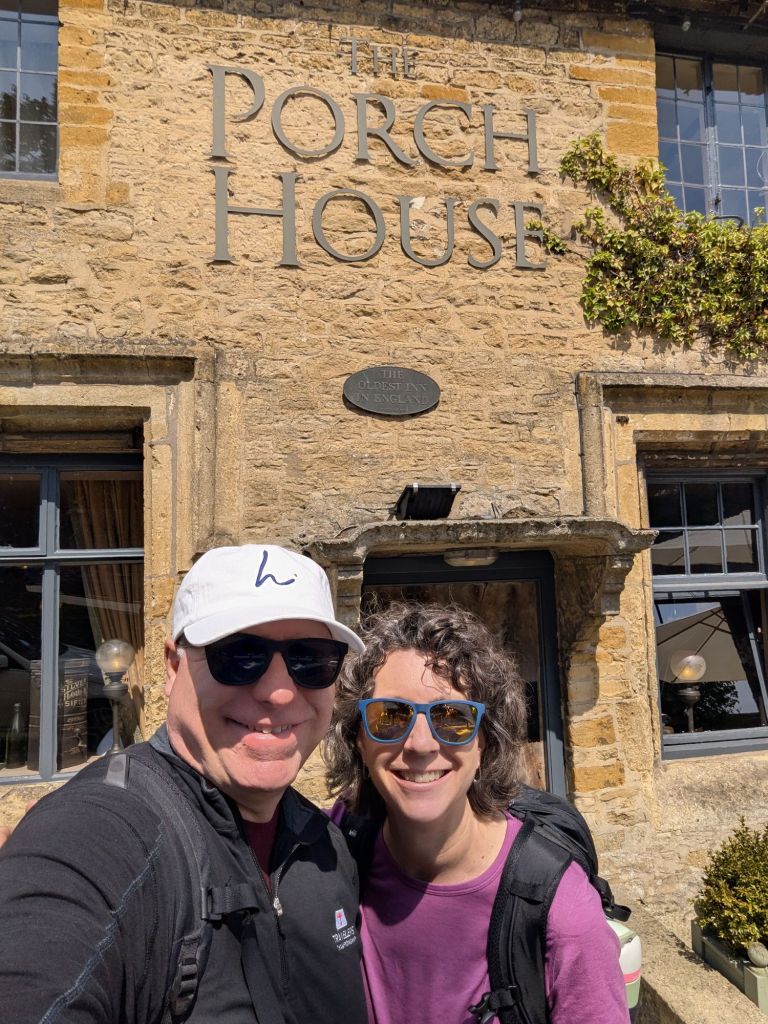
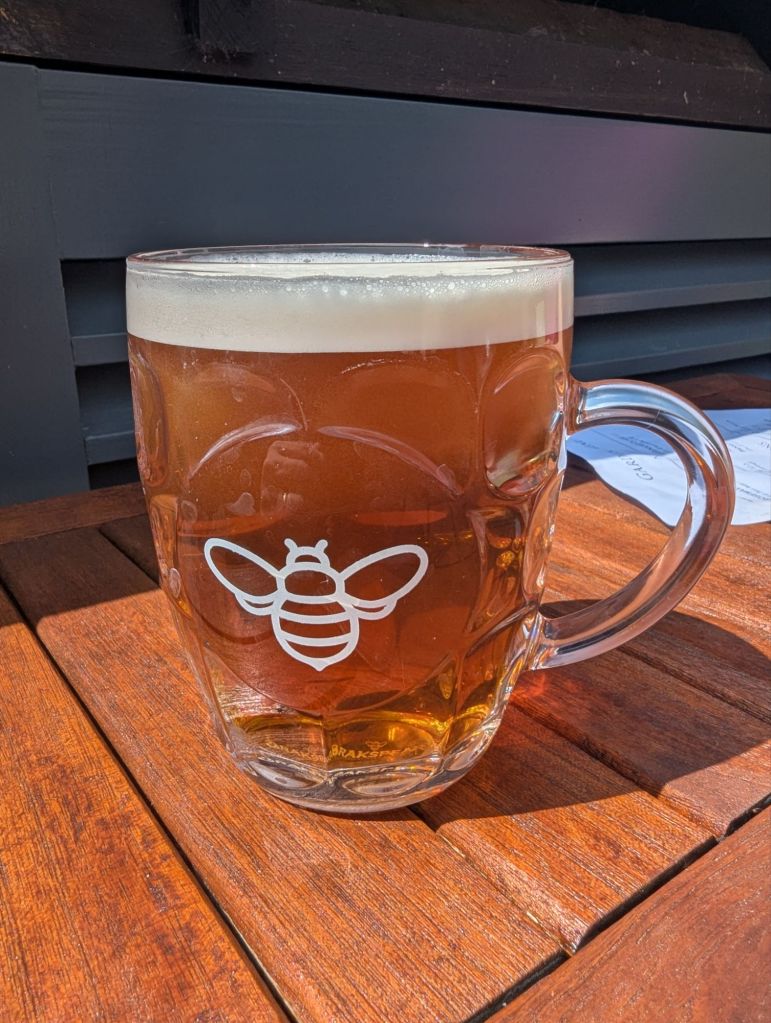
We picked up sandwiches from a small shop and enjoyed lunch outside on a bench while doing some excellent people watching and appreciating the chance to rest our legs for a bit. After lunch we wandered through a few shops and stopped by The Porch House, which claims to be the oldest inn in England, dating back to the 10th century. It only seemed appropriate to honor that history with a beer for Greg and a cider for Karen.

After our break it was time to get moving again. We continued following The Monarch’s Way for the next couple of hours as we made our way toward Lower Slaughter, where we’ll be staying for the next two nights.

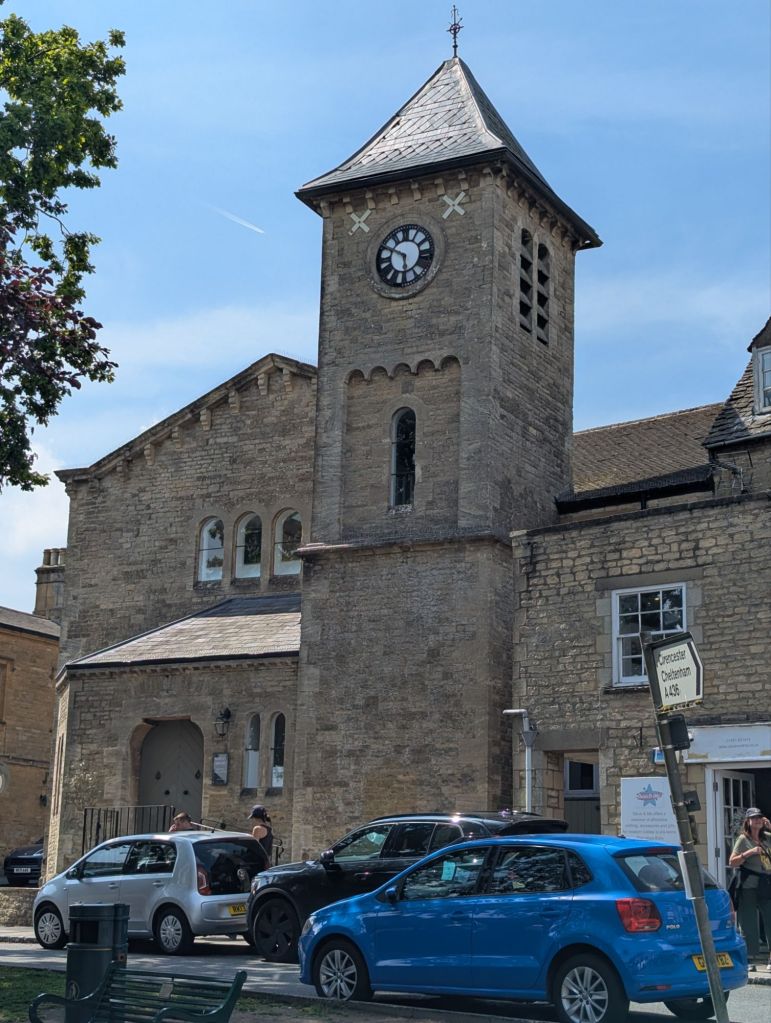
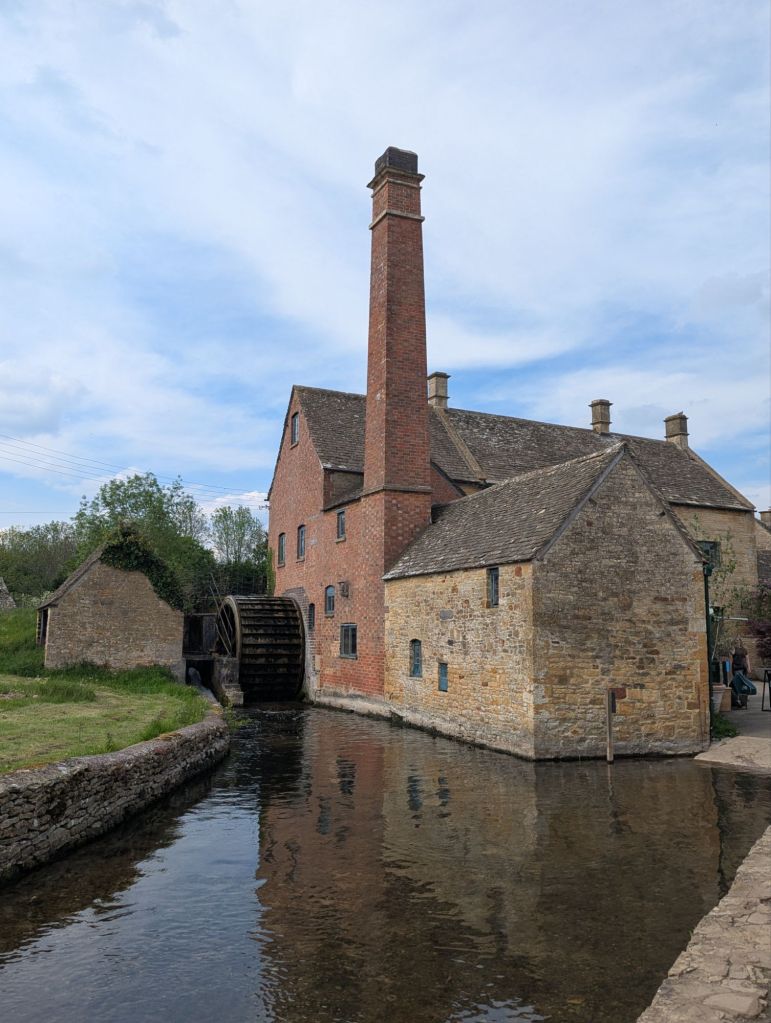
As we entered Lower Slaughter we passed the village’s famous old mill along the River Eye, one of the most photographed spots in the Cotswolds and easy to see why. We also wandered through a small arts and crafts show taking place at the village hall before finally arriving at our hotel, relieved to see that our luggage had successfully beaten us there.

The Old Mill in Lower Slaughter

After checking in, we explored the hotel grounds, which included a food truck that seemed like the perfect place for a snack after a long day of walking. Unfortunately, we quickly learned that everyone else had the exact same idea. The food truck had already sold out and closed early. Apparently a warm, sunny Saturday in England is treated as a major public event.

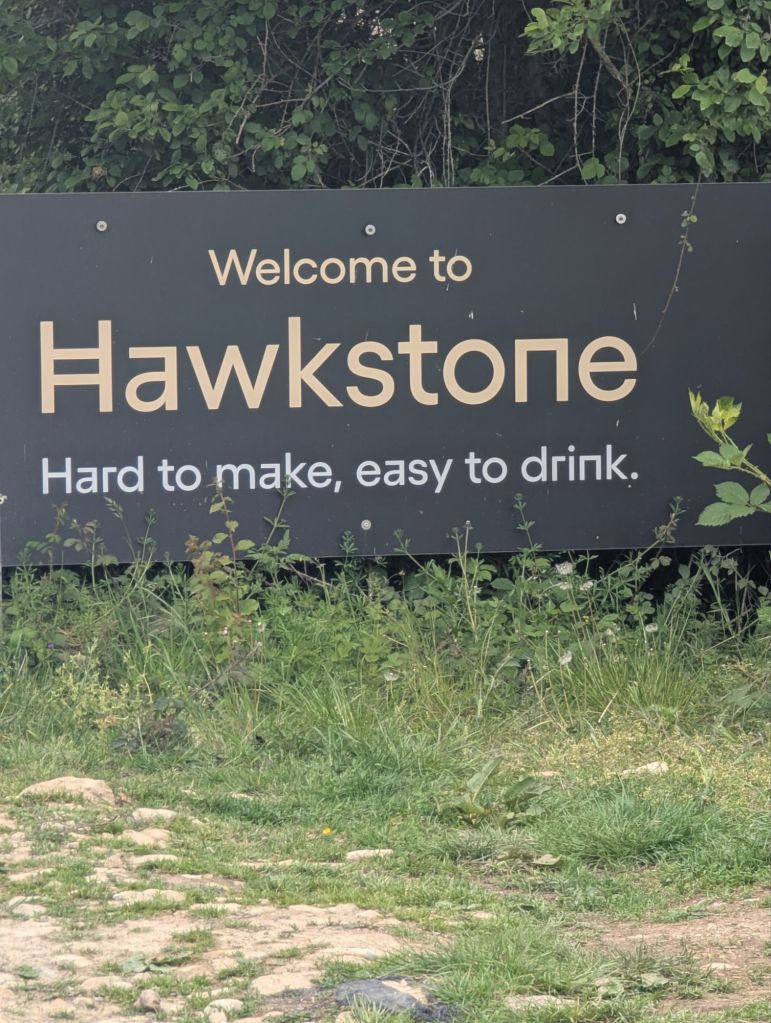
A quick Google search revealed that we were only about a 15-minute walk from the Hawkstone Arms, a large covered tent pub next to the Hawkstone Brewery. Both are owned by Jeremy Clarkson, whose farm shop we had visited earlier in the week. It seemed wrong not to go, so we headed over for another well-earned beer for Greg and a delicious rhubarb cider for Karen.

We made it back to the hotel with just enough time to shower and change before dinner across the street. Lower Slaughter is beautiful, but tiny. There are essentially two inns with restaurants, and that’s your dining scene. We enjoyed a very nice, somewhat fancy dinner at The Slaughters Manor House before returning to our hotel for a glass of wine and a smartphone card game (Play Nine) to end the evening.

Before bed, we wisely took time to stretch out sore muscles, while Karen opted for the even wiser strategy of a hot bath. After nearly 12 miles of walking, sleep came pretty easily.

Categories: 2026 England Adventure | Tags: , , , , , , , , , | 1 Comment

Day 5 in England – From Einstein to Scones: Exploring Oxford in a Day

DAY 5 – FRIDAY, MAY 8, 2026

We learned an important lesson during our first night in the “stable room” at the inn: old stone buildings may look charming in photos, but with windows that don’t easily open, they can also double as a medieval sauna. After a somewhat restless night of tossing, turning, we headed to the dining room for breakfast.

Neither of us was quite brave enough to tackle the full English breakfast complete with eggs, sausage, bacon, mushrooms, tomatoes, baked beans, black pudding, and toast. We did, however, enjoy a hearty meal that gave us plenty of fuel for the day ahead.

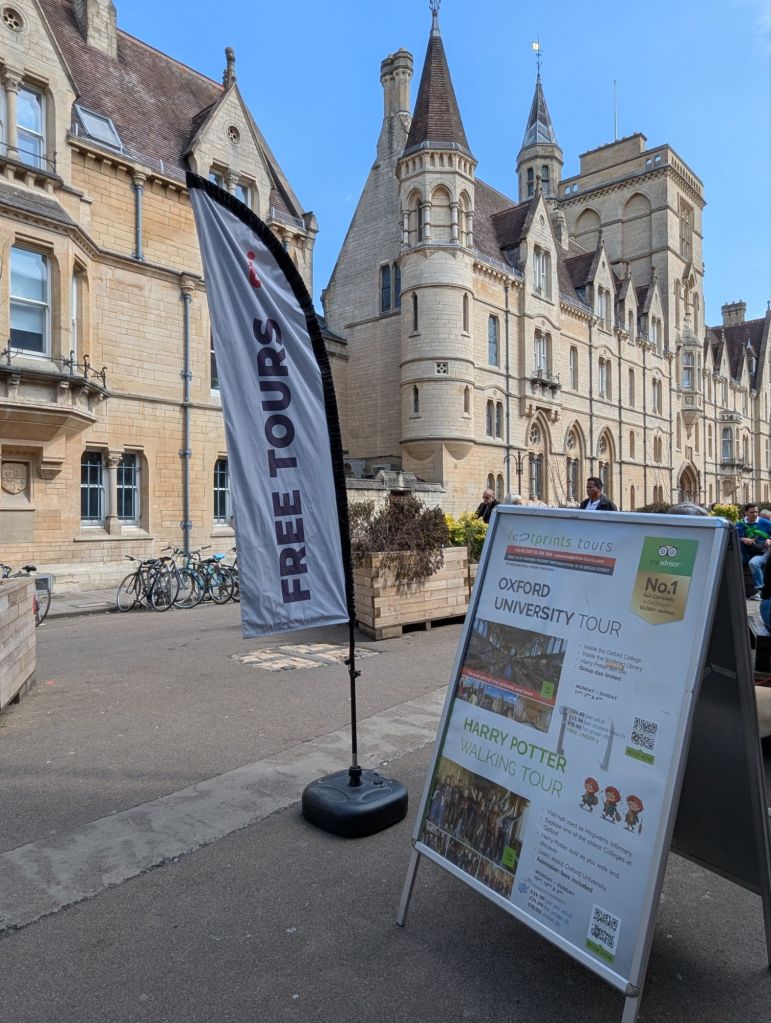
After breakfast, we walked about 10 minutes to the train station and boarded an easy 30-minute ride to Oxford. From there, it was about a 15-minute walk into the city center where we joined a free walking tour that turned out to be one of the highlights of the day.

Over the next two hours, we learned how Oxford University is actually made up of 39 individual colleges, each with its own traditions, rivalries, dining halls, and personalities. Our guide shared stories of legendary student pranks between the colleges, many of which sounded exactly like what would happen if brilliant academics had too much free time.

If you are not familiar with free walking tours, we highly recommend them. We have used them in several cities during our travels. The tours are led by knowledgeable local guides who work for tips, so you simply pay what you think the tour was worth or what fits your budget. We’ve found they are one of the best ways to get oriented in a city and figure out where you want to spend more time exploring later.

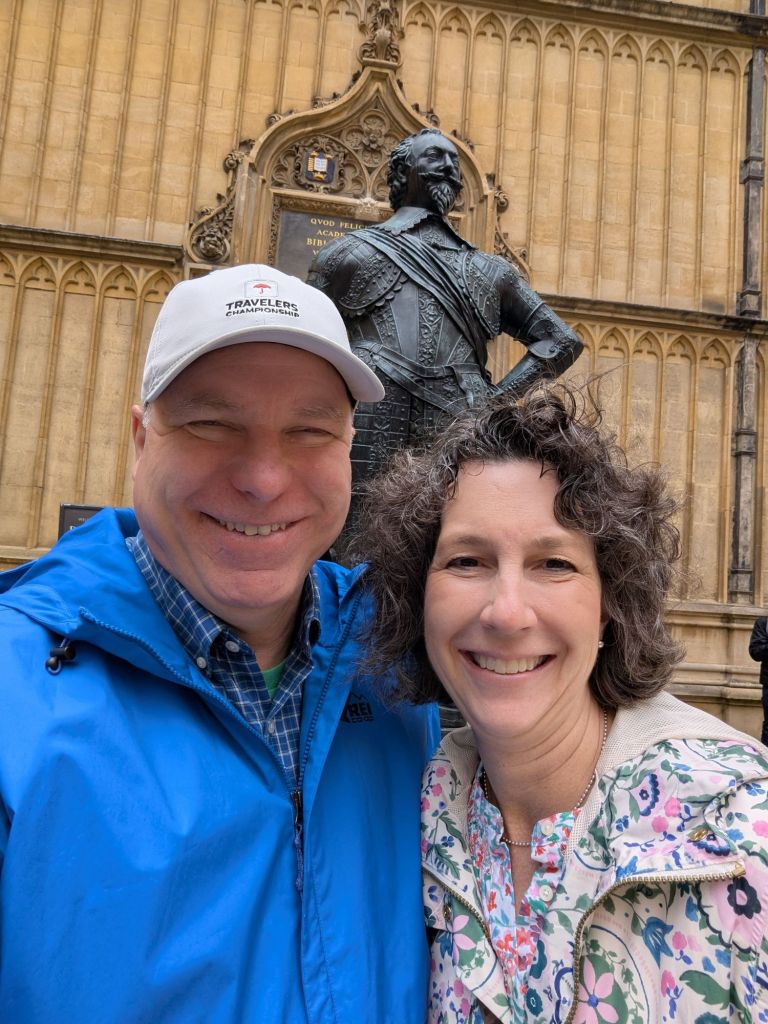
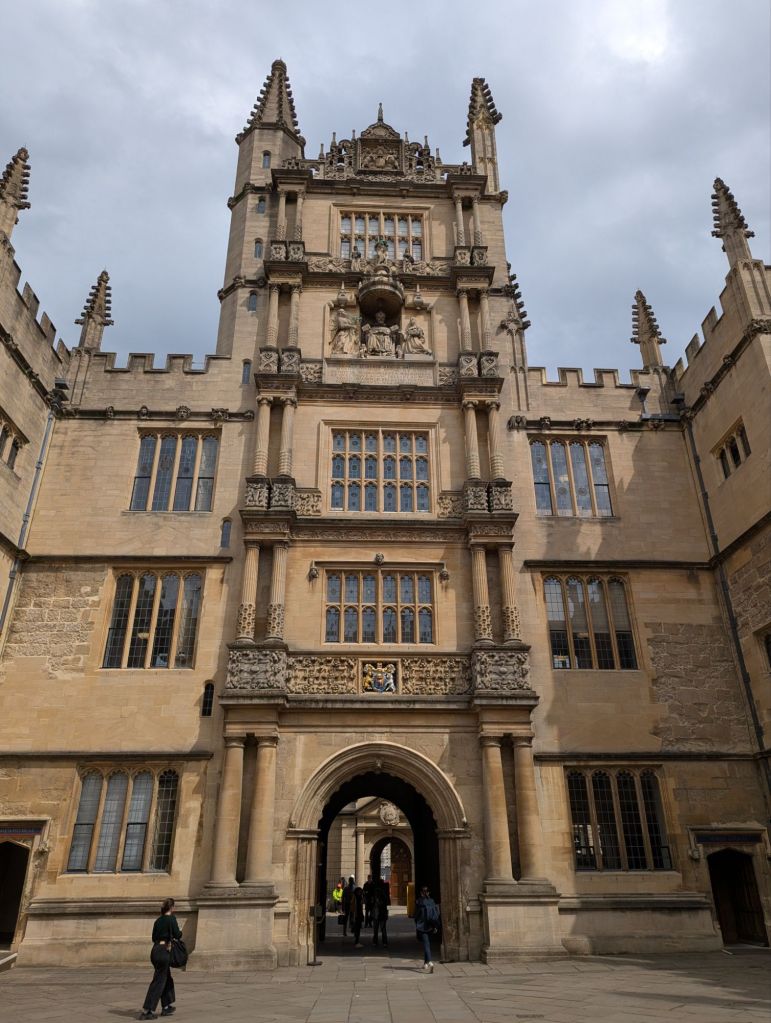
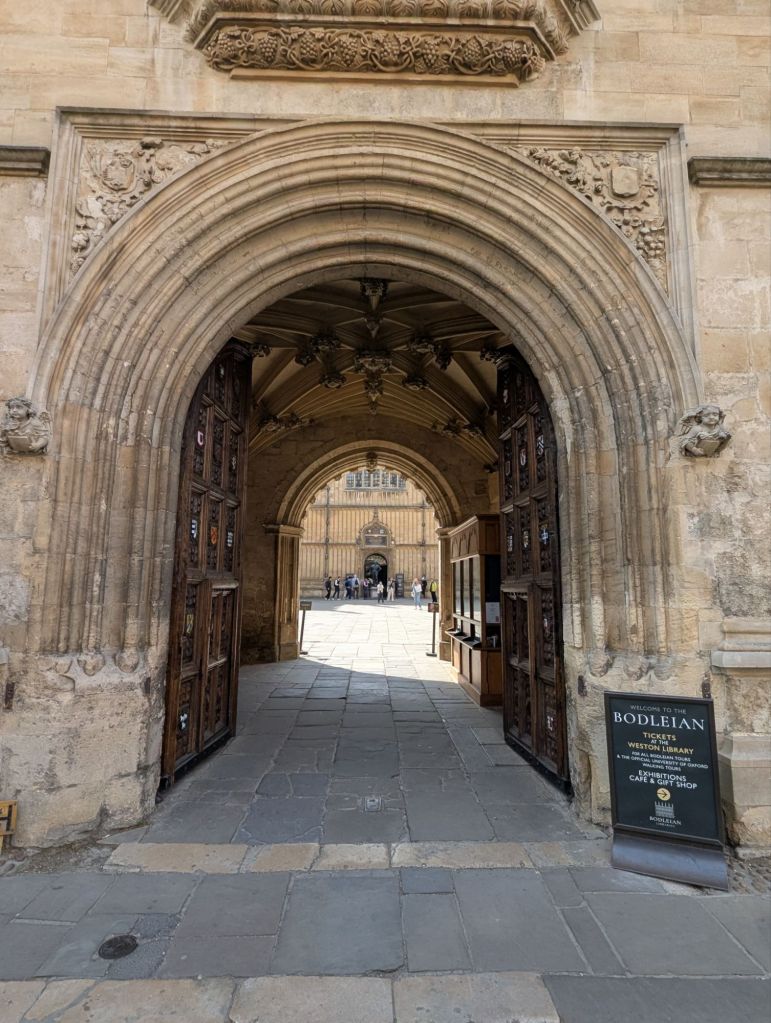
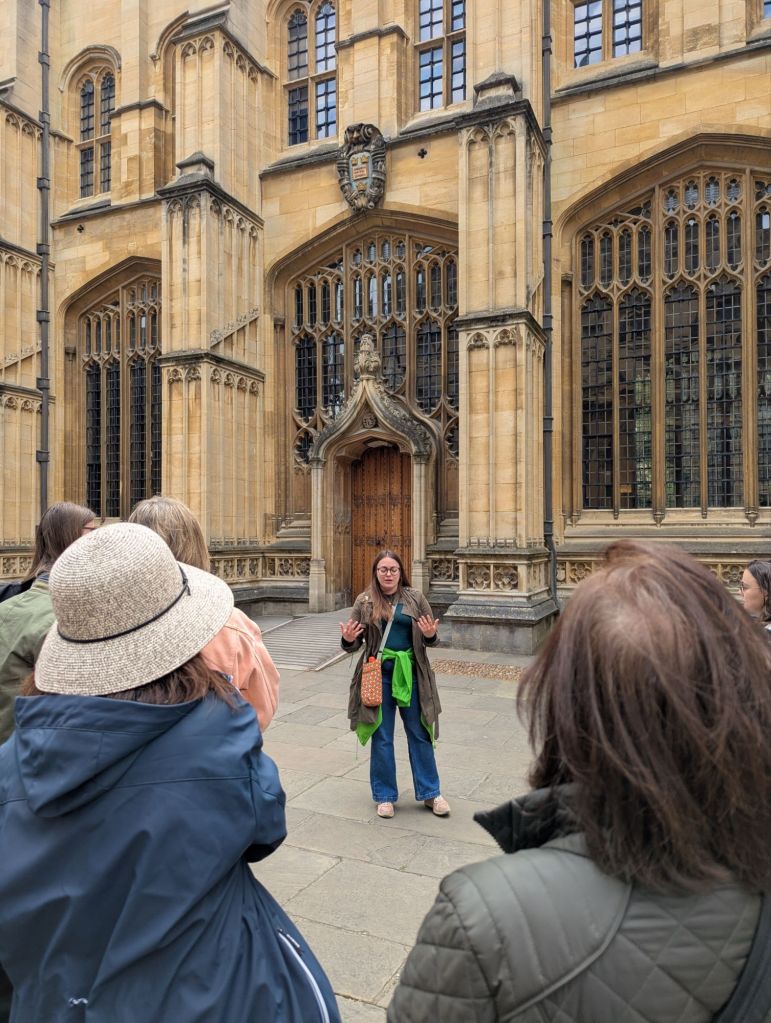
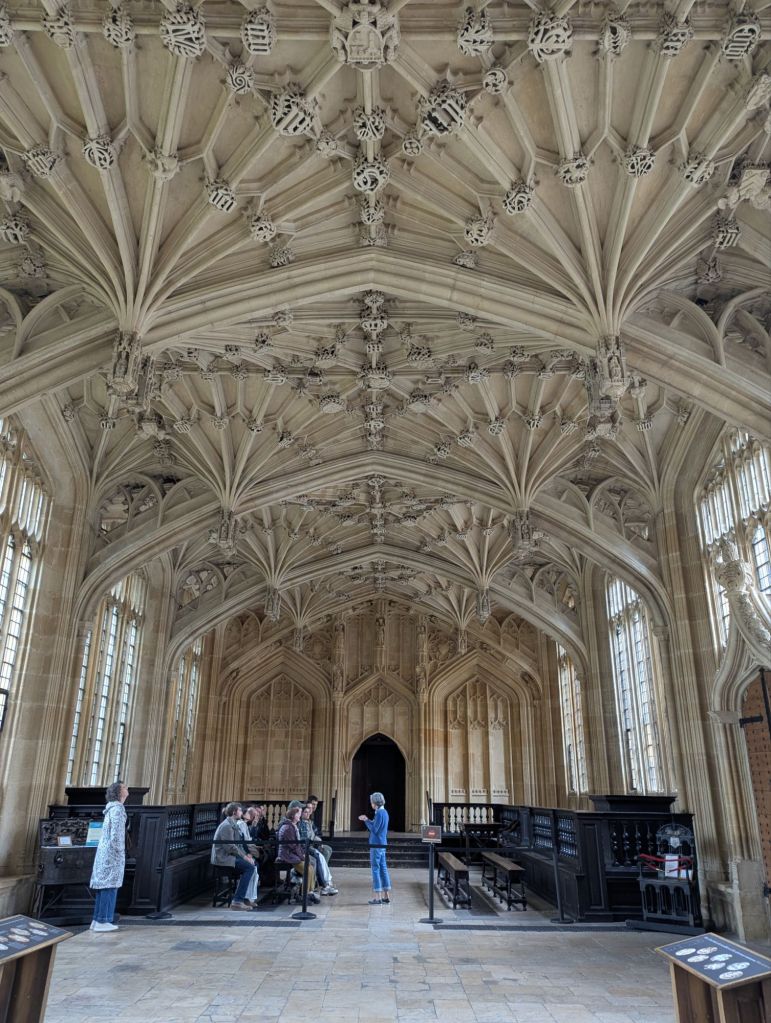
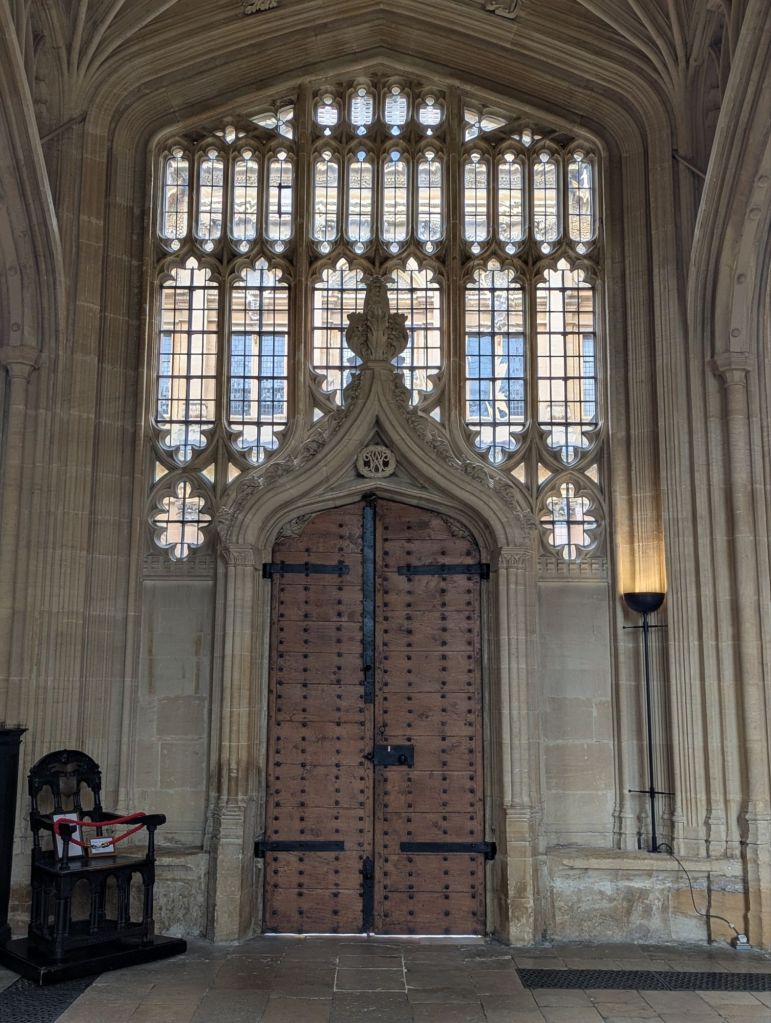
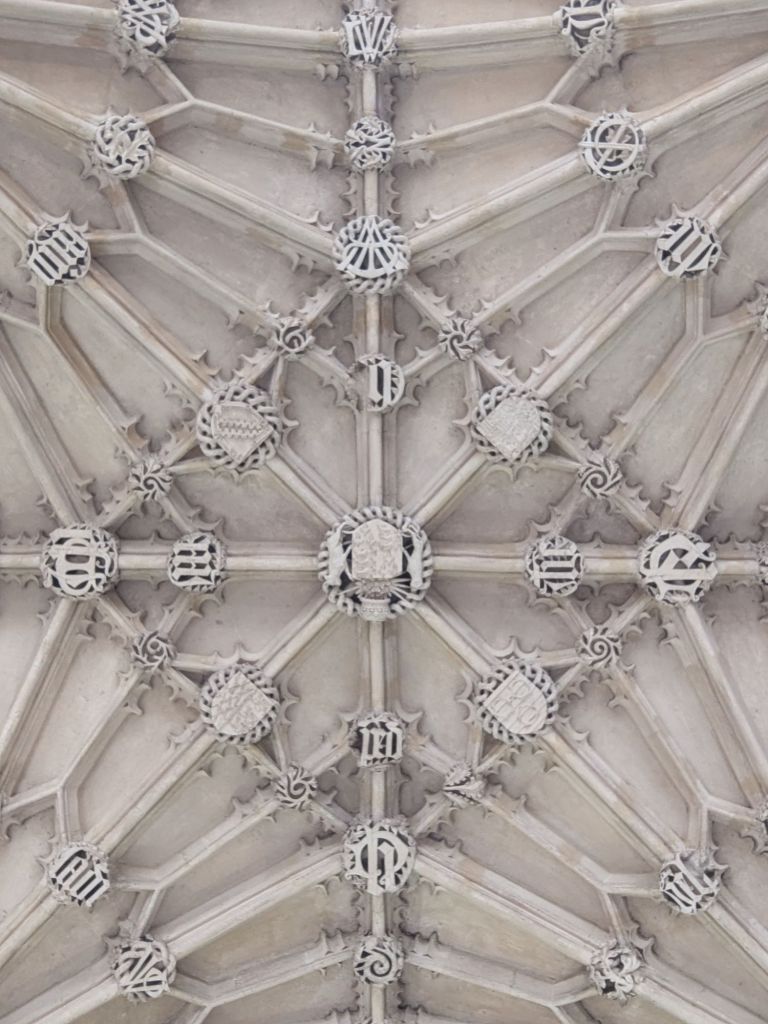
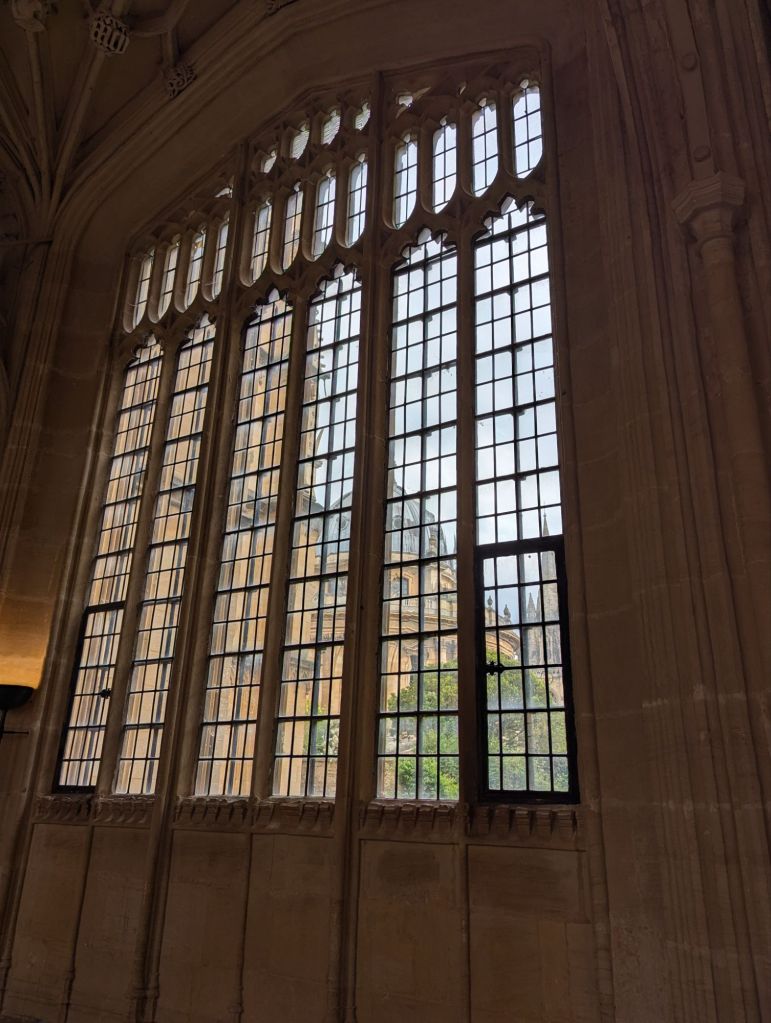
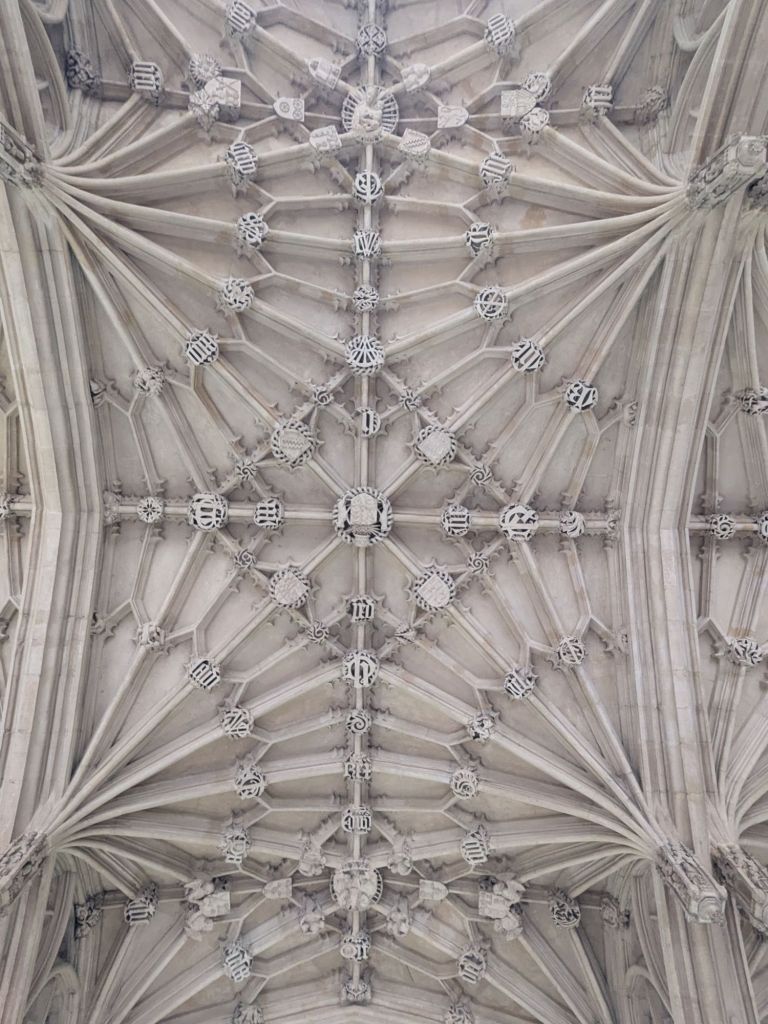
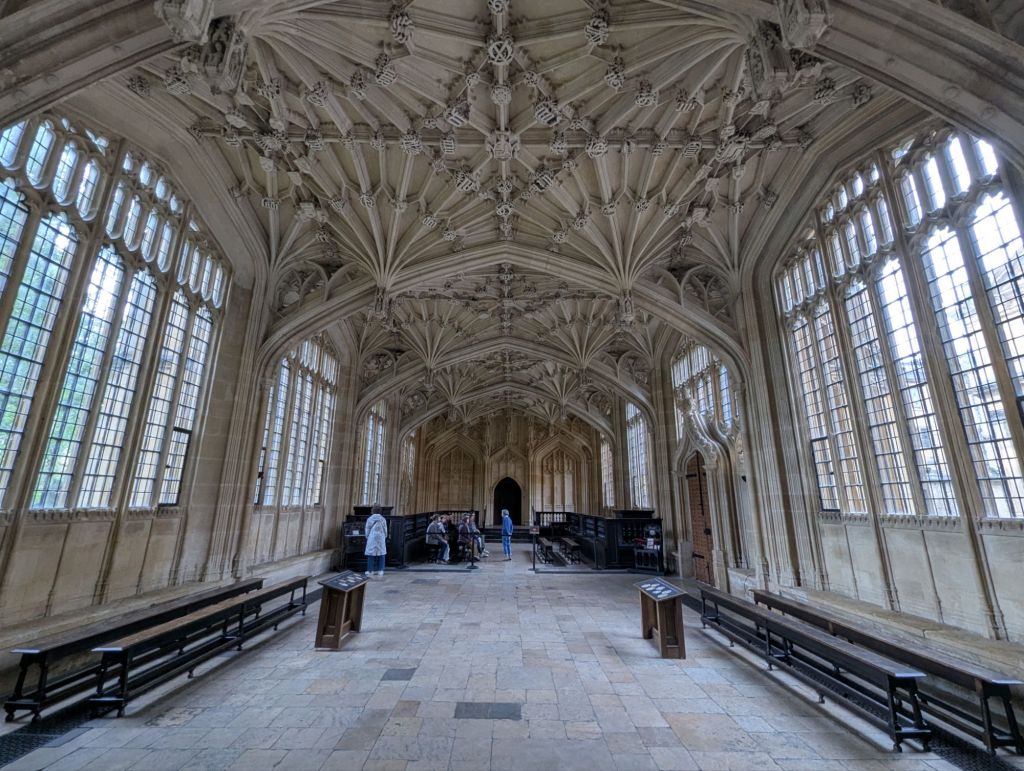
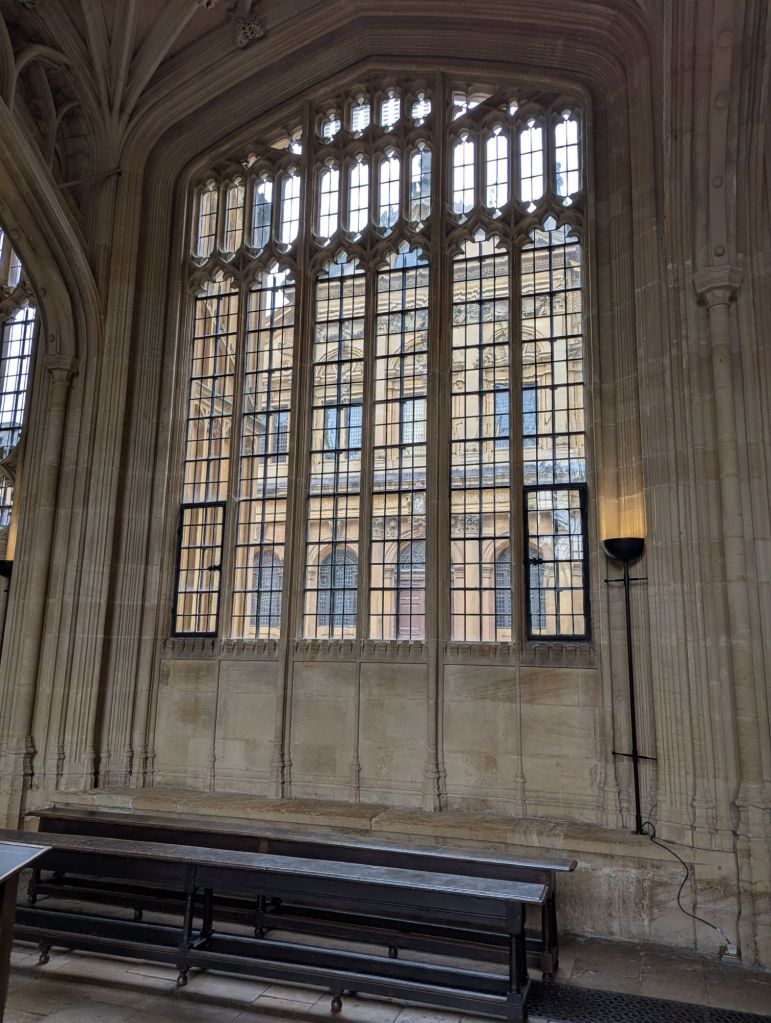
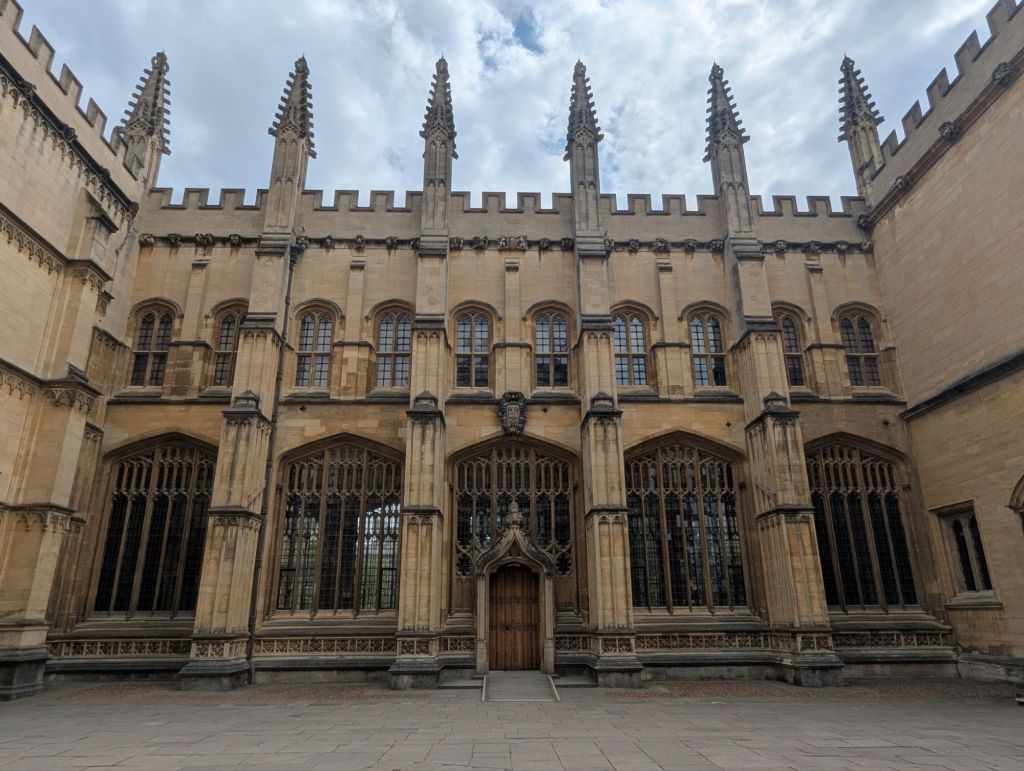
After the tour, we stopped for lunch before revisiting some of the sites that had caught our attention. One of the highlights was the Divinity School at University of Oxford. Despite the name, it is not a modern classroom building but a spectacular medieval hall completed in 1483 with an intricately carved stone ceiling that somehow looks both impossibly delicate and incredibly heavy at the same time. Originally used for oral examinations and lectures, it is now perhaps best known to many visitors as the filming location for Hogwarts’ infirmary in several Harry Potter movies.

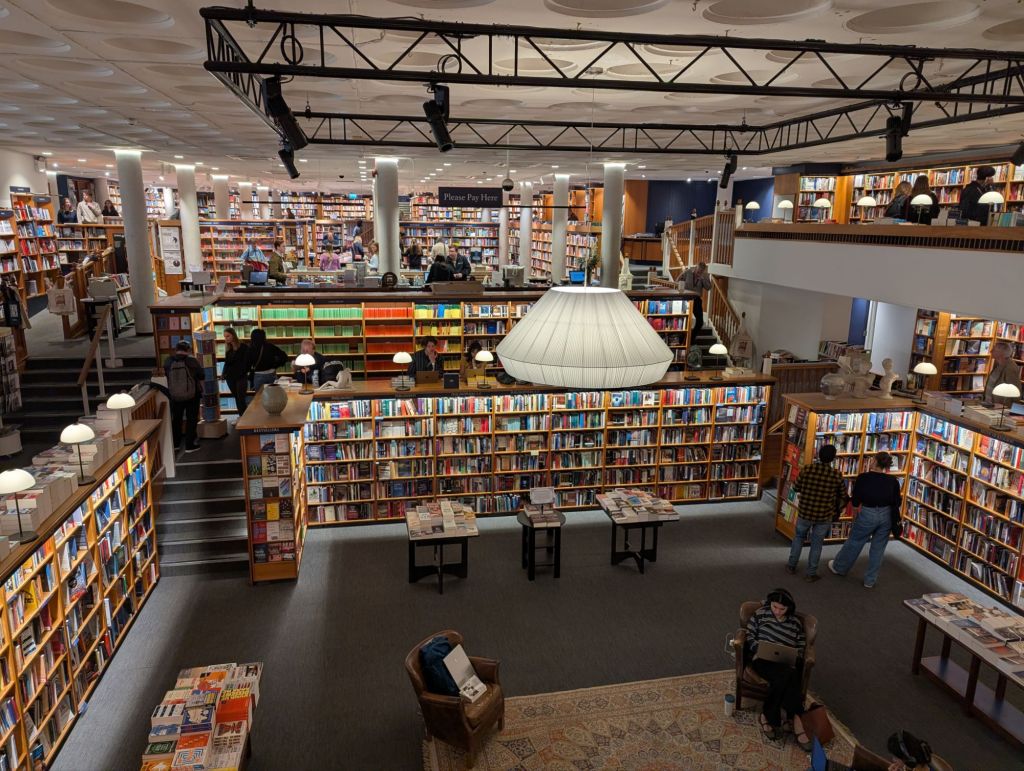
We also spent time wandering through Blackwell’s Bookshop, which first opened in 1879. Beneath the bookstore is the famous Norrington Room, a massive underground space containing more than three miles of shelving. It once held the Guinness World Record for the world’s largest single room devoted to selling books. For people who love bookstores, this place feels a little dangerous. You walk in thinking, “We’ll browse for a few minutes,” and suddenly you’re contemplating how many books can fit in a suitcase.

Norrington Room at Blackwell’s Bookshop

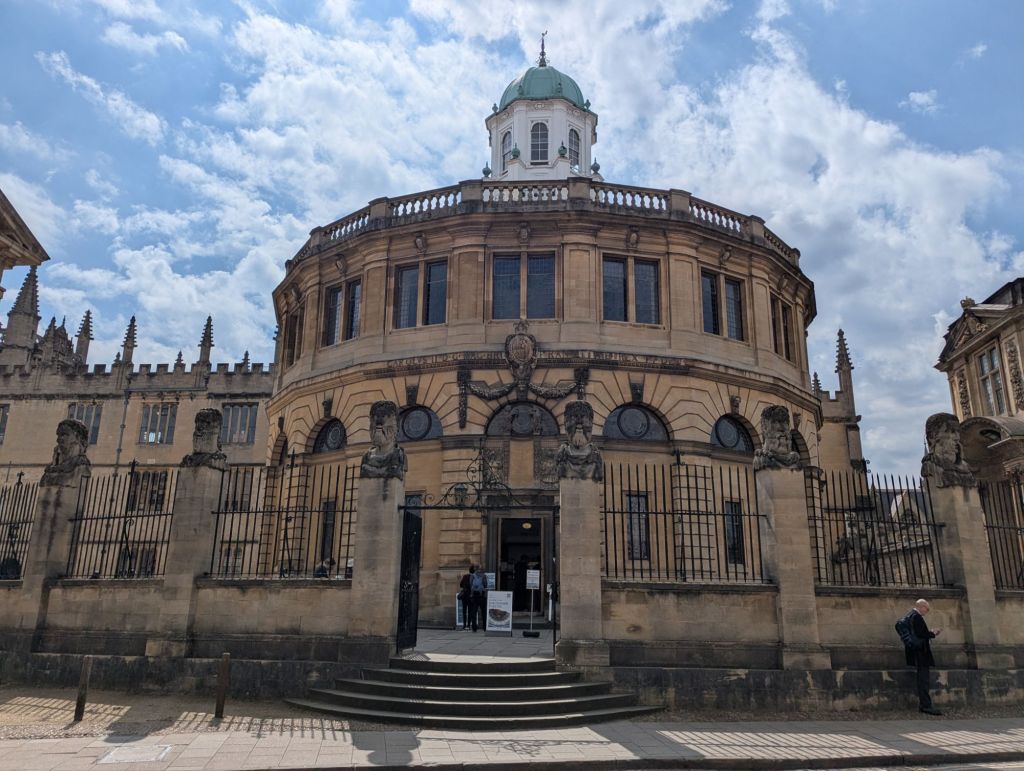
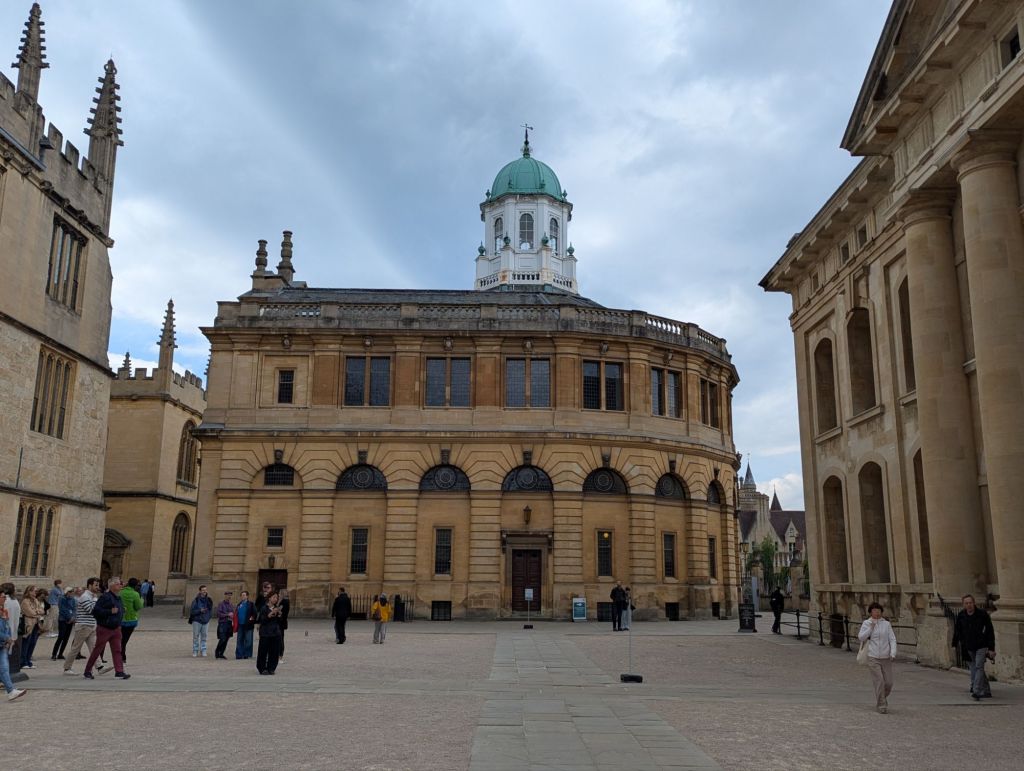
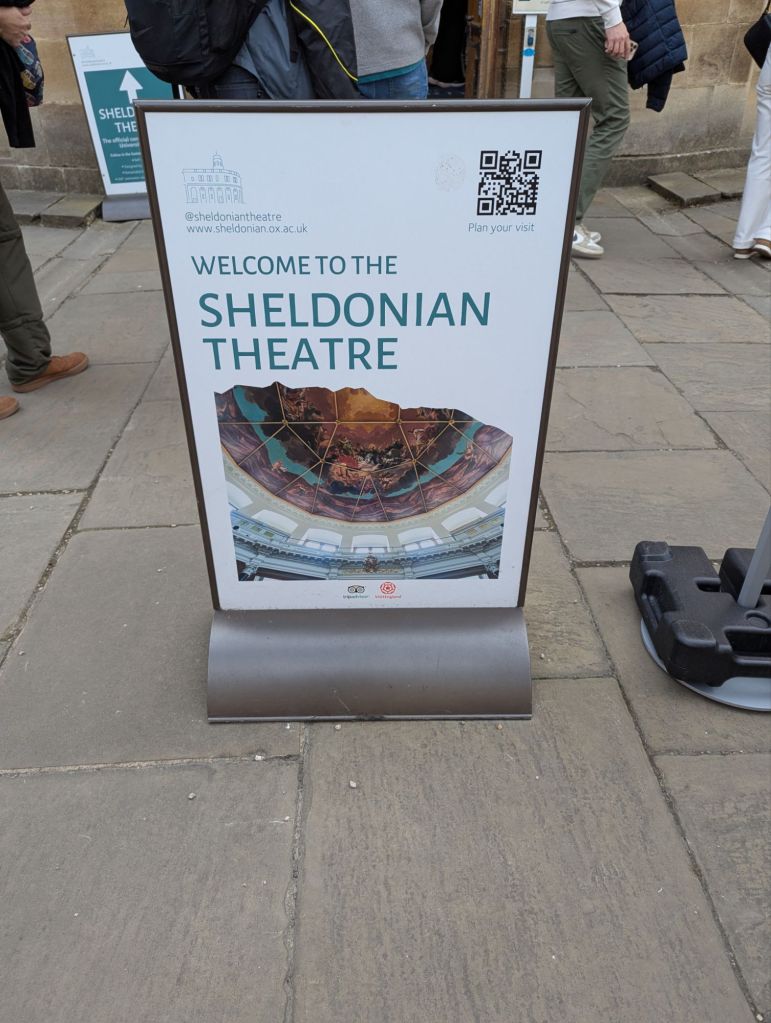
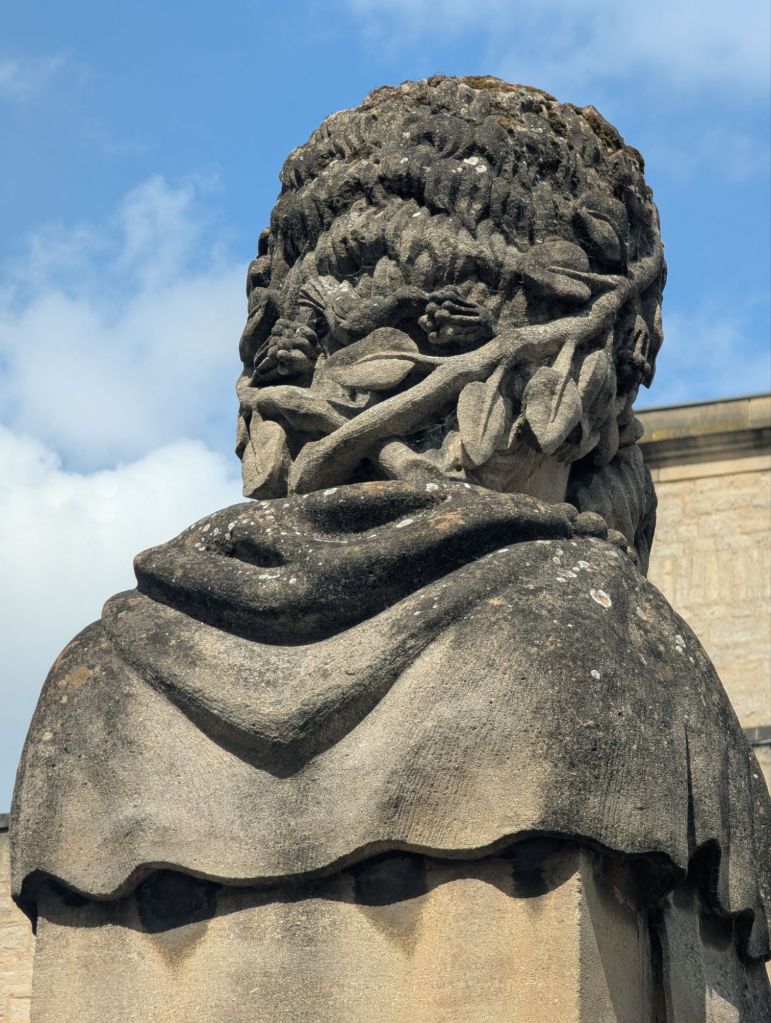
Sir Christopher Wren, whose work we had already admired throughout London, also left his mark on Oxford by designing the Sheldonian Theatre. Completed in 1669, it was one of Wren’s earliest major projects. The theater’s unusual roof design allowed for a large open interior without support pillars blocking the audience’s view, an impressive engineering achievement for the time. As a small signature detail, a tiny carved wren bird can still be spotted hidden on one of the decorative heads near the entrance.

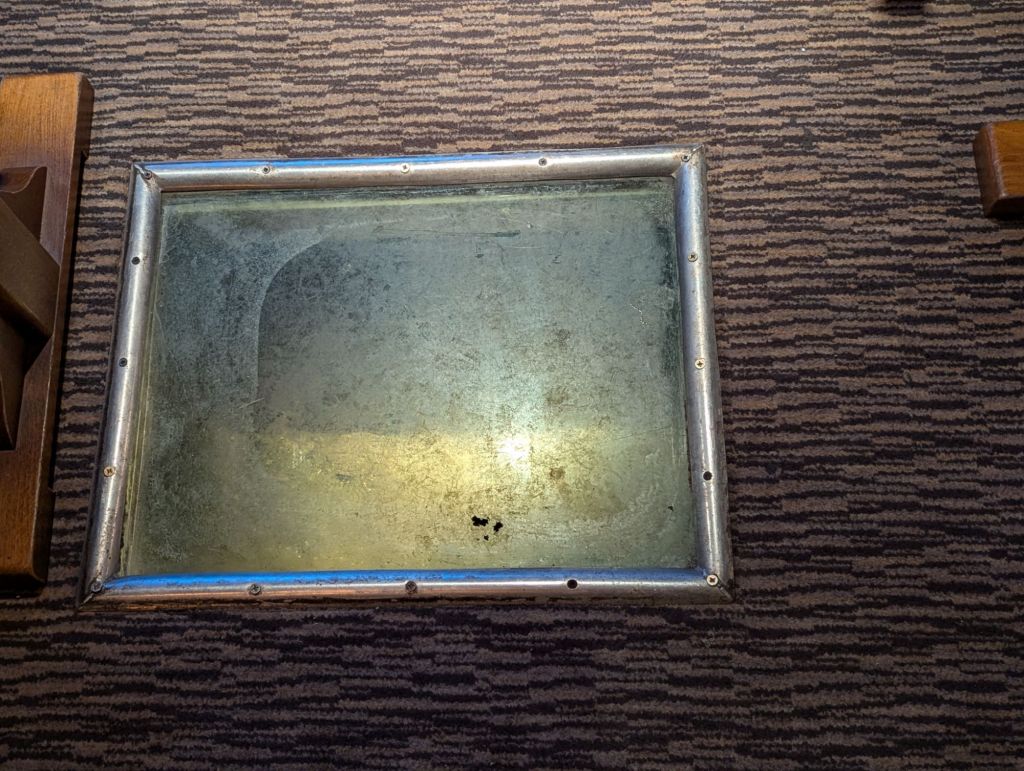
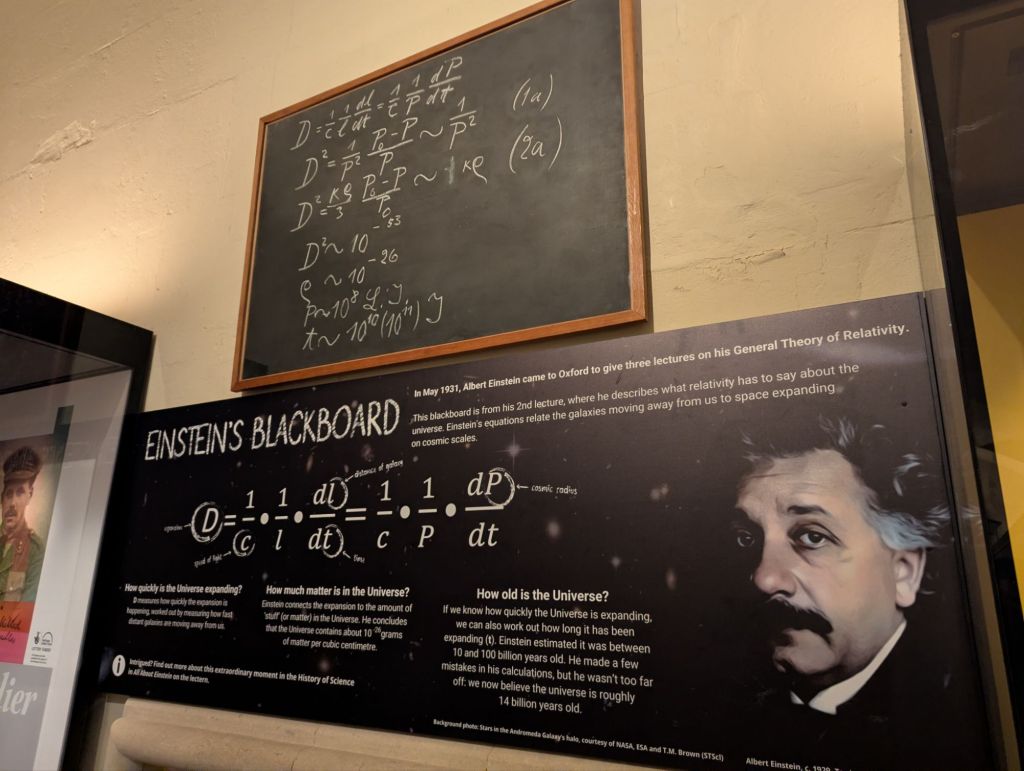
We also made a quick stop at the History of Science Museum to see one of its most famous artifacts: the blackboard used by Albert Einstein during a 1931 lecture at Oxford. Amazingly, the equations he wrote remain preserved exactly as he left them. While we could not begin to understand the mathematics, it was still fascinating to stand in front of something personally used by one of history’s greatest scientific minds. We stared at the equations just long enough to confirm that we were definitely not theoretical physicists.

Einstein’s Blackboard

When we emerged from the museum, the sun had finally decided to make an appearance, so we revisited a few spots for better photos before stopping for one of Britain’s finest traditions: afternoon cream tea. We enjoyed tea, warm scones with jam and clotted cream, and a slice of Victoria sponge cake. Honestly, the British may be onto something with this daily pause for tea and cake. Productivity might actually improve if every afternoon included baked goods.

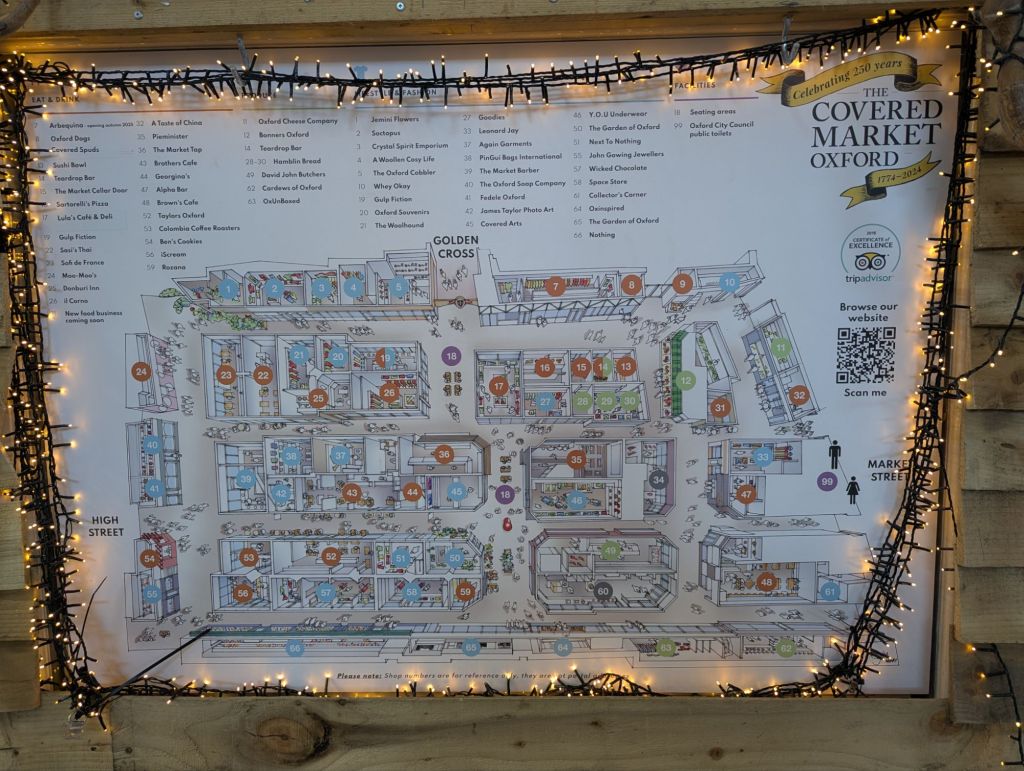
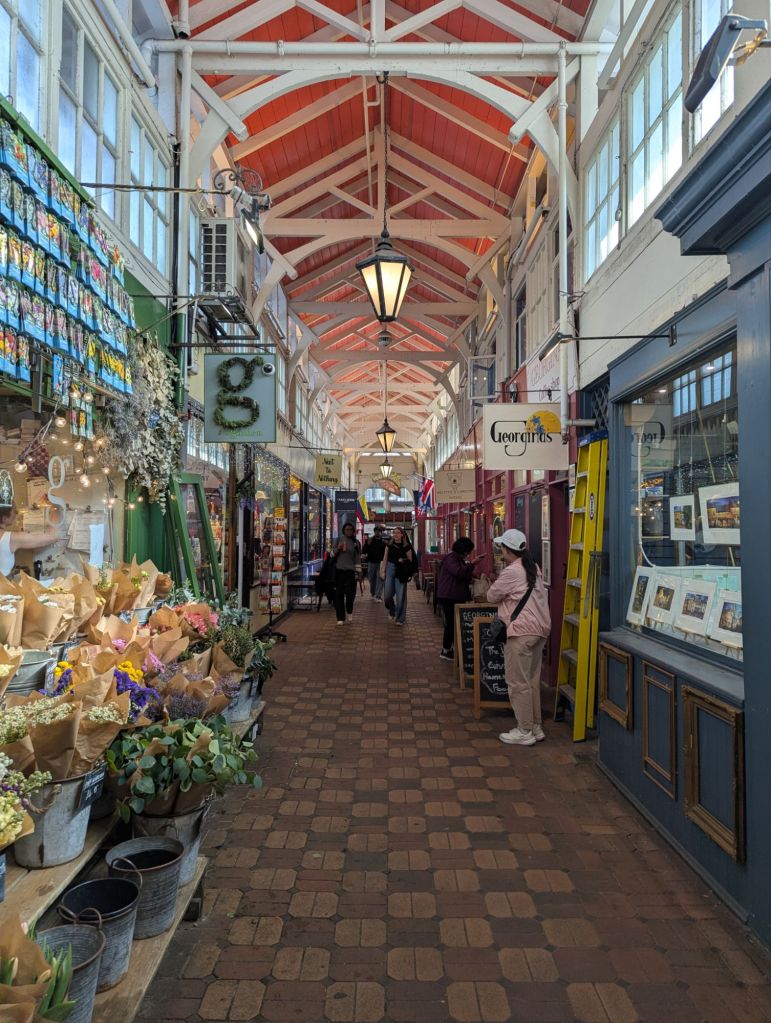
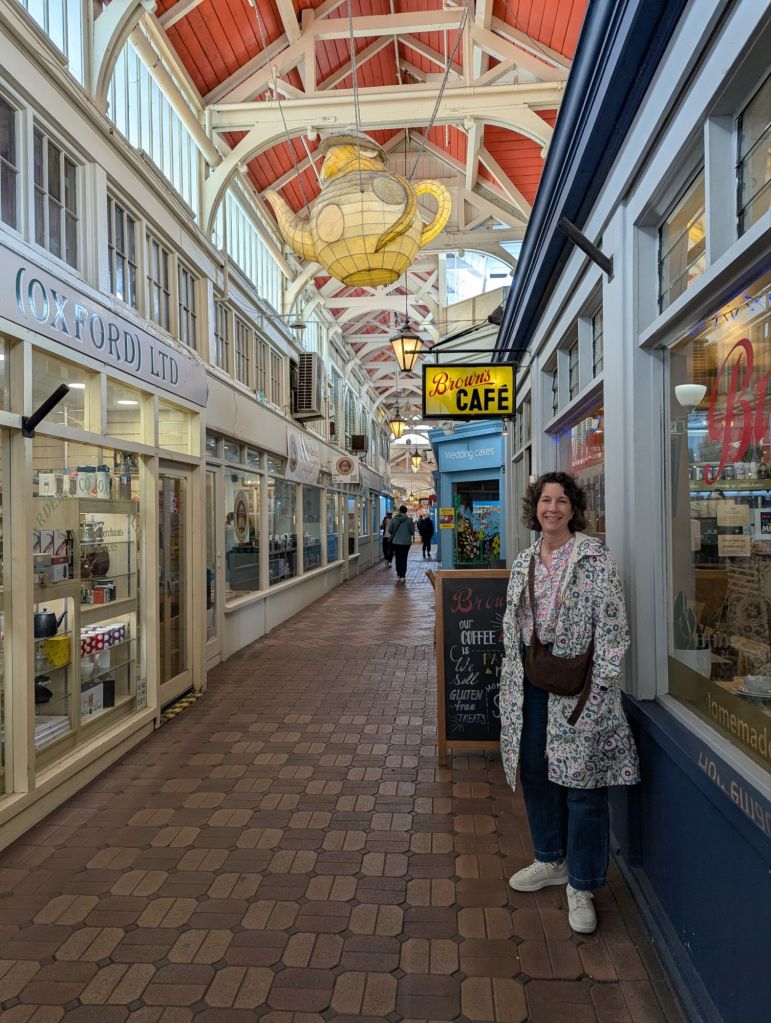
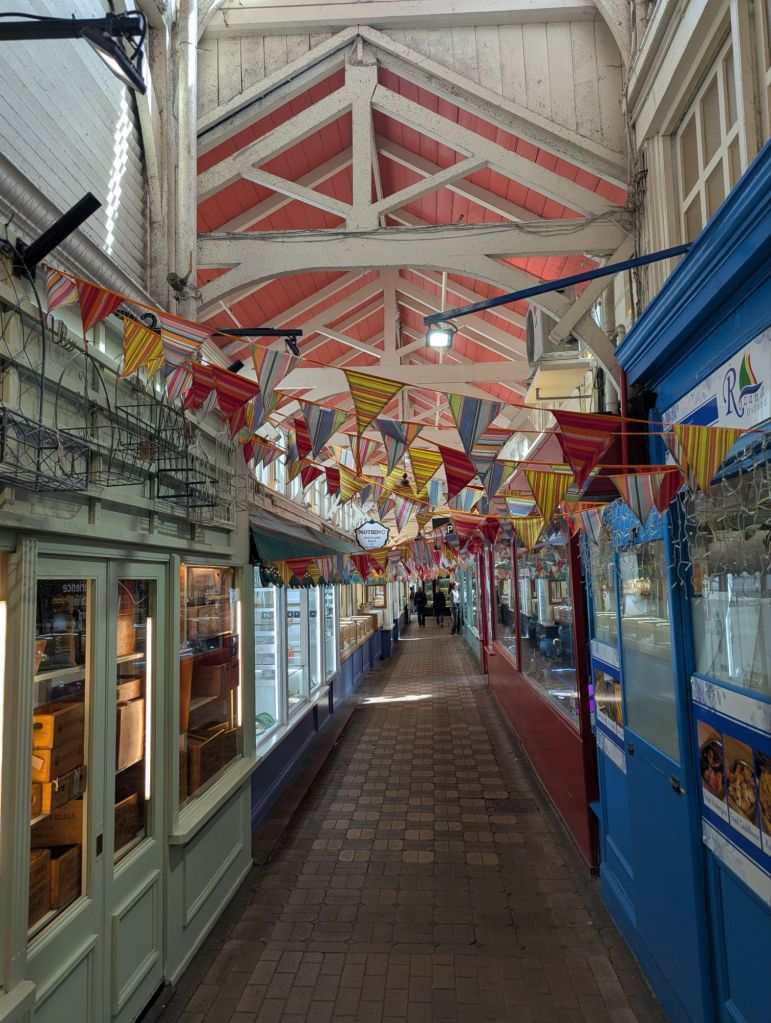
Reenergized, we continued exploring Oxford, including the historic Oxford Covered Market. Established in 1774, the market was originally created to move messy butcher stalls and street vendors off the city’s main roads. Today, it houses everything from bakeries and coffee shops to florists, butchers, and specialty stores. Walking through it, it was hard to believe this bustling space has been serving shoppers continuously for more than 250 years.

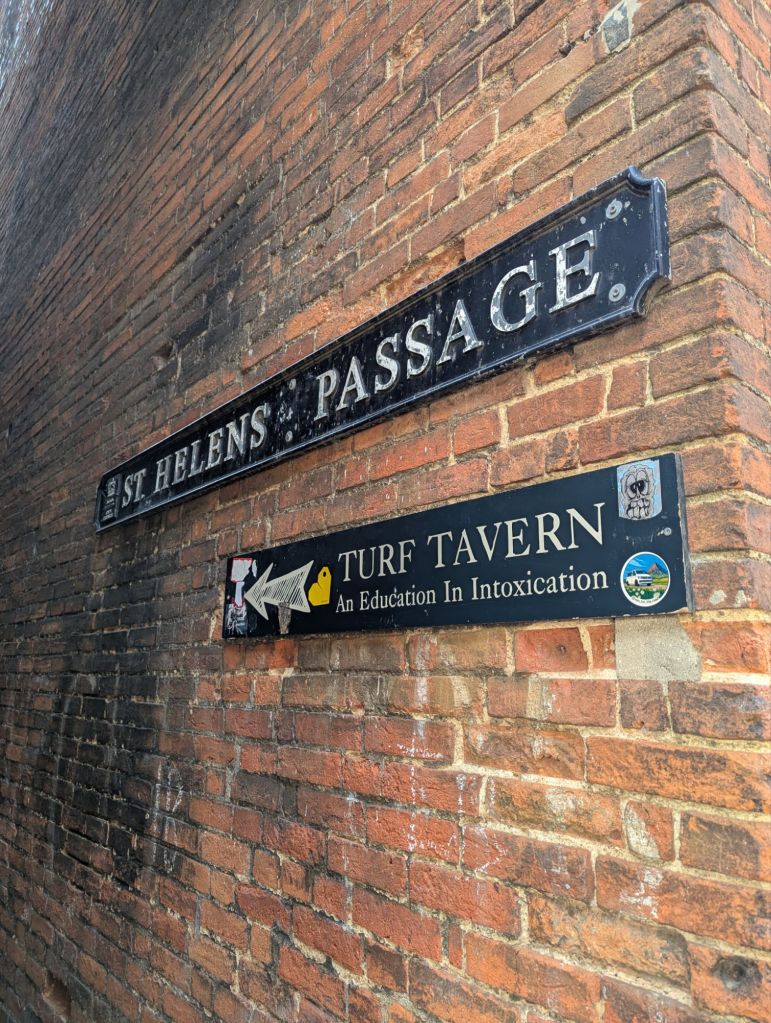
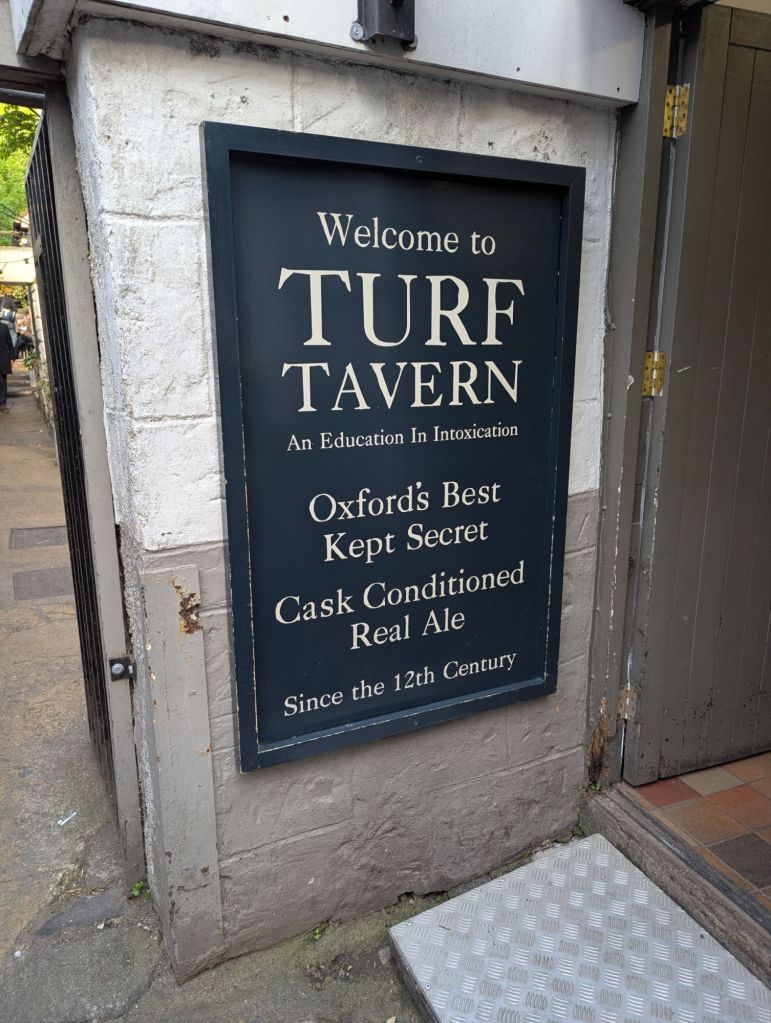
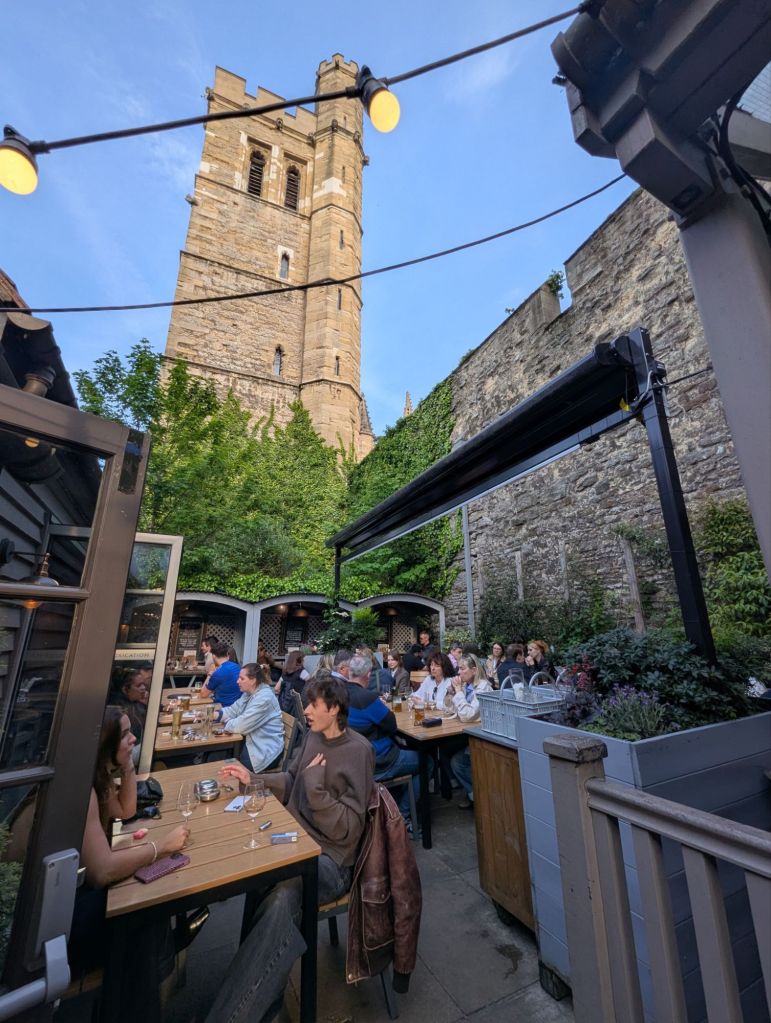
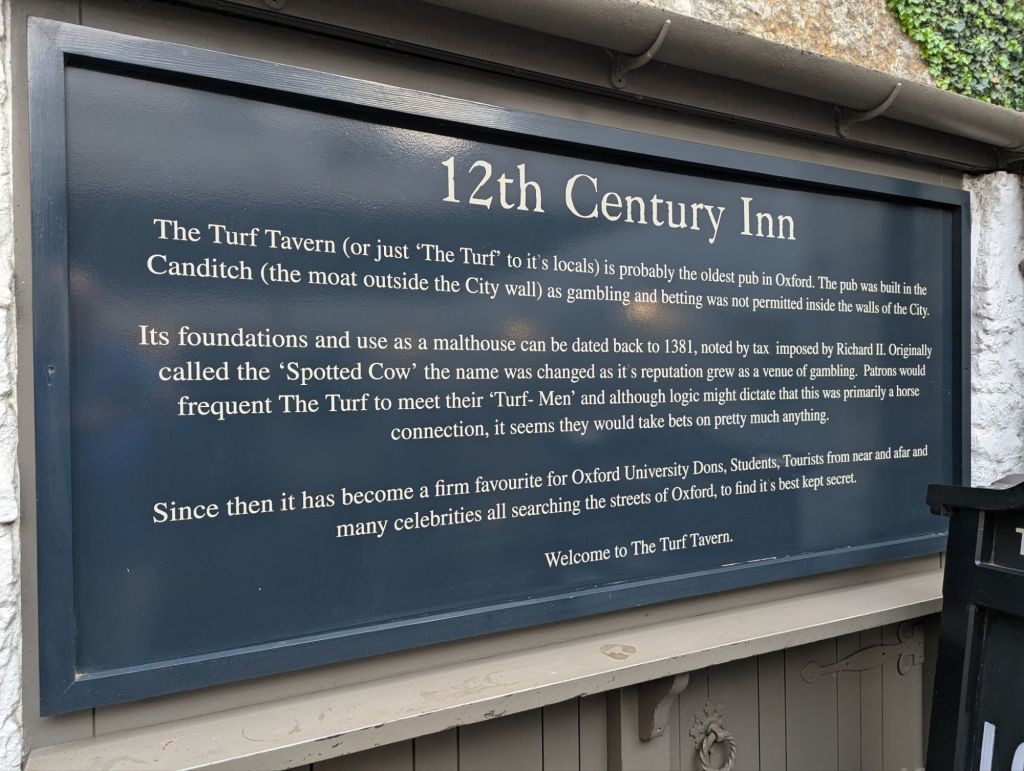
By late afternoon, our feet informed us that it was time for a break. We found a riverside bar and enjoyed a drink in the sunshine. Eventually, we wandered back into town for dinner at the famous Turf Tavern, a hidden pub tucked down a narrow alleyway that has been serving students, professors, locals, and tourists for centuries. Its secluded location makes it feel like you have stumbled upon a secret gathering place that somehow everyone already knows about.

After dinner, we made the quick walk back to the train station and caught the 7:45 train to Moreton-in-Marsh. Once back at the hotel, we got organized for the next day and headed to bed early to rest up for our first 10-mile walk through the Cotswolds.

Categories: 2026 England Adventure | Tags: , , , , , , , , , | Leave a comment

Day 4 in England – From Hampstead Heath to Diddly Squat

Exploring Hampstead

DAY 4 – THURSDAY, MAY 7, 2026

We decided to spend the final morning of our first stay in London exploring a different side of the city. We left our hotel and hopped on the Tube for a 45-minute journey north to Hampstead, an area that feels worlds away from the bustle of Central London.

After grabbing coffee and croissants, we began exploring this lovely neighborhood using another walking tour from @ALadyinLondon, the same guide whose Soho tour we really enjoyed earlier in the week. Once again, she did not disappoint.

Hampstead immediately felt quieter and more relaxed than the areas we had visited earlier in the trip. We wandered through beautiful residential streets lined with charming homes that probably cost somewhere between “a lot” and “we shouldn’t even look.” The commercial areas were filled with cozy cafes, bookstores, bakeries, and independent shops that made us wish we had a little more time to linger.

Along the way, we also passed homes connected to a couple of famous residents from the past. One was the former home of Jim Henson, creator of the Muppets, and another belonged to Robert Louis Stevenson, author of classics such as Treasure Island and Dr. Jekyll and Mr. Hyde. It’s always fun in London to turn a corner and suddenly realize that history, literature, or pop culture somehow happened right there.


One of the highlights was walking through Hampstead Heath, a massive green space that seemed to be equal parts park, nature preserve, and unofficial London dog convention. Everywhere we looked there were happy dogs sprinting across fields while their owners somehow managed to remain perfectly calm and sophisticated despite the chaos around them. Unfortunately, we didn’t have enough time to stop at the Affordable Art Show, which had just opened for the week.

Before heading back, we grabbed a quick lunch at a bookstore cafe, which feels like exactly the kind of place you should eat lunch in Hampstead. After a little more wandering past architecturally interesting homes and quiet side streets, we made our way back to the Tube station. It was a really enjoyable morning and gave us a chance to experience a very different side of London that felt far more suburban and local.


On our way back to the hotel, we squeezed in one final London essential: bubble tea for the road. Shortly afterward, our driver arrived right on time and we were officially off to the Cotswolds!

Along the way, we asked if he could make one very important detour that was only a few minutes out of the way: the famous Diddly Squat Farm Shop from the Amazon Prime series Clarkson’s Farm.

If you haven’t watched the show, we highly recommend it.

The series follows Jeremy Clarkson, best known for car-related television shows, as he attempts to personally run his large farm in the Cotswolds starting in 2019. What follows is a mix of farming, weather disasters, livestock chaos, financial stress, questionable decisions, and genuinely hilarious moments. Over time, the show also gives you a real appreciation for how difficult farming life can be.

Our friends Bob and Stacy recommended the series as “research” before visiting the Cotswolds, and now we’re completely hooked. It was great fun seeing the actual farm shop in person after watching it come together on the show. Sadly, Jeremy and the rest of the cast were nowhere to be found, although we half expected Kaleb to come flying through the parking lot on a tractor at any moment.

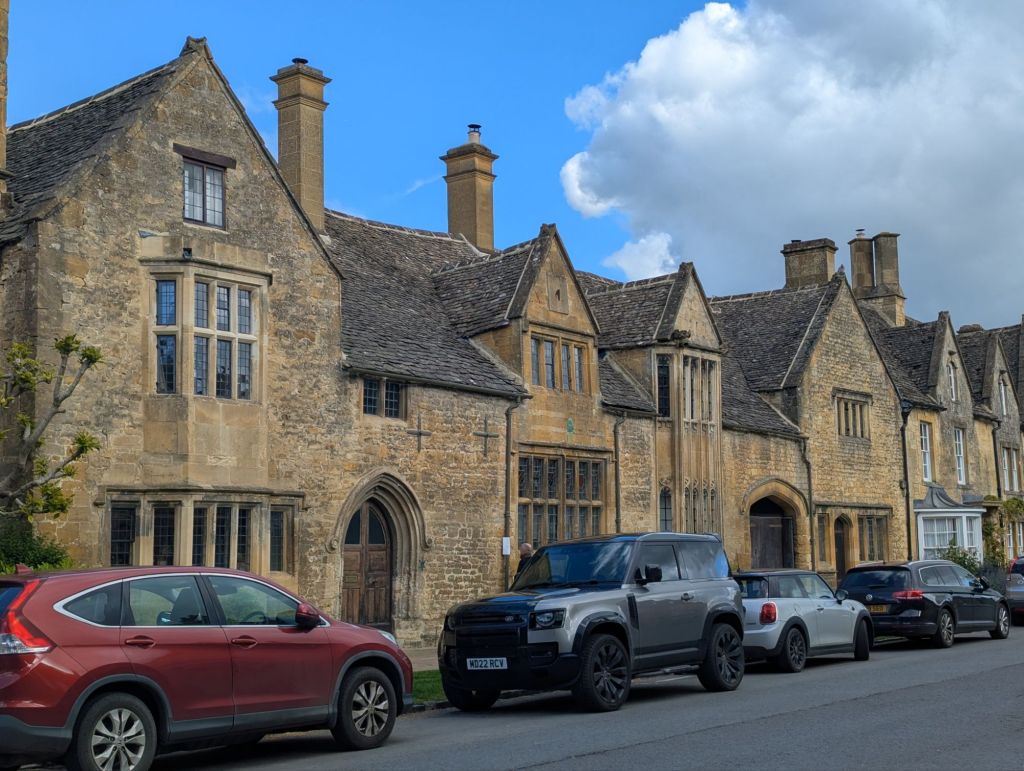
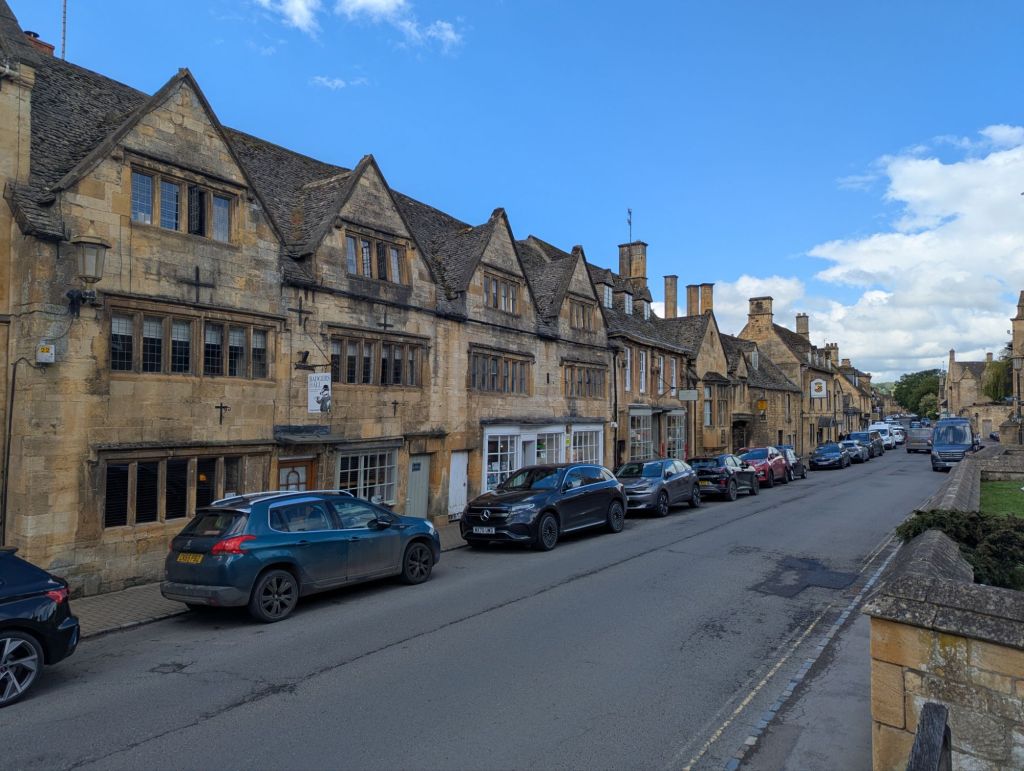
Our final destination for the day was the White Hart Royal Hotel in Moreton-in-Marsh, our first stop in the Cotswolds. The inn is located right in the middle of a charming little town filled with classic stone buildings and small local shops. Our room was located in what used to be the old stable building, which thankfully now includes modern plumbing and Wi-Fi.

After dropping off our bags, we spent some time wandering around town, including an obligatory pub stop, before returning to the inn for a very nice dinner.

As our first evening in the Cotswolds came to an end, we looked over our itinerary and talked with anticipation about the next day’s adventure: a day trip to Oxford.

Categories: 2026 England Adventure | Tags: , , , , , , , , | Leave a comment

Day 3 in England – War Rooms, World Treasures, and Soho Side Streets

In front of the British Museum

DAY 3 – WEDNESDAY, MAY 6, 2026

The weather forecast called for a dry but noticeably cooler day, with temperatures only reaching the low-to-mid 50s, so we decided it was the perfect excuse for a museum day. London apparently agreed, along with several thousand other tourists.

After breakfast at a local café, we hopped on the Tube and headed to the Churchill War Rooms Museum. Our walk from the station took us through St. James’s Park, another beautiful green space tucked right into the middle of London.

Prior to the start of World War II, the British government became increasingly concerned about the safety and continuity of leadership if another war broke out. While evacuation plans existed, government leaders believed abandoning London would devastate public morale. Instead, Prime Minister Winston Churchill oversaw the creation of a secure underground command center beneath Whitehall, a central government office building.

Beginning in 1938, the basement ceilings and walls were reinforced with concrete up to 10 feet thick as offices, strategy rooms, communication centers, and living quarters were constructed. By August 1939, the Cabinet War Rooms were operational and ready for use just weeks before Britain entered World  War II.

From 1940 to 1945, as many as 300 people lived and worked in this maze of underground rooms, helping direct Britain’s wartime strategy. When the war ended in 1945, many of the rooms were simply locked and left almost exactly as they were.

In 1984, the site reopened as a museum, preserving this remarkable piece of history. The museum also includes a fascinating exhibit on the life of Winston Churchill. We spent about two hours there. It was one of the more immersive museums we’ve visited. It also made us very thankful for modern office perks like windows, fresh air, and not having to coordinate a world war before lunch.

From there, we walked through Trafalgar Square and Covent Garden, bustling areas packed with tourists, street performers, and activity everywhere you looked. Think Times Square, but with significantly fewer LED billboards and considerably more history. We stopped for a quick fish-and-chips lunch before continuing on to our next destination.

Next up was the British Museum, commonly listed as a “must do” in London. The museum is free to enter and absolutely enormous. It was also extremely crowded, proving once again that free admission is one of the most universally loved phrases in any language. The museum’s stunning covered central atrium spans nearly two acres (72,000 square feet), making it the largest covered public square in Europe. Standing inside it really gives you a sense of the scale of the museum before you even begin exploring the exhibits.

Once again, we turned to Rick Steves to guide us through the highlights of the Egyptian, Assyrian, and Greek exhibits. One thought that crossed our minds repeatedly during the visit was that this museum contains an awful lot of items Britain “acquired” during its colonial years. Nonetheless, it was incredible to see these artifacts in person. The Rosetta Stone in particular was fascinating to finally see up close.

After two fairly intense museums and several hours of standing, we were ready to stretch our legs. We found a blog featuring a self-guided walking tour through the Soho neighborhood, conveniently close to where we were. We spent the next couple of hours wandering through narrow streets and hidden alleyways lined with shops, cafés, pubs, and charming little courtyards. Soho felt lively and historic at the same time, with something interesting around almost every corner.

A particular highlight for Karen was discovering a Miffy shop. Miffy at the Zoo was one of her favorite childhood picture books, and she was delighted to learn that Miffy is apparently still thriving decades later. Greg, meanwhile, was equally delighted to discover a local pub serving a proper afternoon pint while Karen sampled one of the many ciders on tap. We were definitely not alone in this idea.

With the nice weather, the sidewalks outside the pubs were overflowing with people meeting friends and coworkers after work. Every pub we passed was spilling out onto the sidewalks, some stretching nearly the entire length of the block. One thing we’ve really noticed here is a very different work-life balance. Around 5:00 PM, offices empty out and people genuinely seem to transition into enjoying the evening. There’s a strong social culture centered around gathering with friends, relaxing outdoors, and actually stopping work at the end of the day. Imagine that.

Before hopping back on the Tube to return to our hotel, we found a quiet restaurant for dinner. A nightcap at the hotel bar was the perfect way to end the evening while planning tomorrow’s adventures.

Categories: 2026 England Adventure | Tags: , , | Leave a comment

Day 2 in England – Exploring Old London

From the Golden Gallery outside the dome of St. Paul’s Cathedral

DAY 2 – Tuesday, May 5, 2026

I can’t remember the last time I slept for 11 hours, but after a good night’s sleep and a late start to the day, we are officially on London time. We headed out for breakfast at a local café before hopping on the Tube into Central London.

For the day, we decided to follow the Rick Steves City Walk Tour through historic Old London. It turned out to be a great decision. The weather was lovely, the city was buzzing, and we learned a tremendous amount while wandering through streets that have existed for centuries.

Our first stop was St. Clement Danes Church. While we didn’t go inside, we learned more about the Great Fire of London in 1666, which destroyed 13,200 houses, 87 parish churches, the Royal Exchange, Guildhall, and even St. Paul’s Cathedral. At just 37 years old, Sir Christopher Wren was commissioned to oversee the rebuilding of St. Paul’s Cathedral along with 51 of the city’s churches after the fire.

Located just down the street is the original Twinings tea shop. We made a quick stop and a mental note to return later after our Cotswolds walking tour. It seemed dangerous to start buying tea this early in the trip unless we wanted to haul it around England for the next two weeks.

As we walked along Fleet Street, we passed several churches designed by Sir Christopher Wren. It was fascinating to see the different architectural styles he used for each one. St. Bride’s Church was the first to feature a tiered steeple. Legend has it that the church inspired a London baker to create the first tiered wedding cake. (The name St. Bride’s is apparently just a coincidence, though it certainly worked out well for their marketing department.)

St. Bride’s Church

After the Great Fire, Londoners realized rebuilding with brick and stone might be preferable to watching the entire city burn down again. Despite the devastation, the rebuilt city maintained its maze of narrow alleyways and hidden courtyards, which gives this part of London so much character today.

Along our walk, we saw one surviving Tudor-style wooden house, Prince Henry’s Room, which somehow survived the fire. You actually pass through an archway beneath the building to reach Temple Church, built by the Knights Templar and made famous in Dan Brown’s book The Da Vinci Code. Several of the knights are entombed inside the church.

As we moved closer to the city center, the architecture changed dramatically. Much of Central London was heavily damaged during the Blitz of World War II, so many of the buildings constructed afterward are taller, sleeker, and far more modern looking than the older sections of the city.

Along the way, we stopped for a quick lunch before making it to St. Paul’s Cathedral just in time for our 2:00 PM timed-entry tickets. Rather than using the cathedral’s official audio tour, we listened to another Rick Steves tour and really enjoyed exploring this incredible cathedral at our own pace.

One particularly meaningful part of the cathedral is the American Memorial Chapel located behind the high altar. The memorial includes three large stained glass windows featuring biblical scenes surrounded by images representing the U.S. President and the 48 states and four U.S. territories that existed in 1958. Below the windows are wood carvings of American birds and plants. If you look closely at the far-right panel, you can even spot a NASA rocket tucked behind the leaves.

Directly behind the altar sits a 473-page memorial book containing a personal message from General Eisenhower along with the names and information of the 28,000 American soldiers who died in Britain during World War II. It was an incredibly moving reminder of the long-standing partnership and shared sacrifices between our countries.

Our tour also included a substantial climb to the dome. First came the interior Whispering Gallery, followed by even more stairs through increasingly narrow passageways to the outdoor Stone Gallery, and finally the Golden Gallery at the very top. By the end, our legs were questioning our life choices, but the 360-degree views of London were absolutely worth it.

The final stop on our cathedral tour was the crypt. Among those entombed there is Sir Christopher Wren himself, who spent more than 30 years completing the restoration of St. Paul’s Cathedral. His tomb is marked with the fitting inscription: “If you seek his monument, look around you.”

Sir Christopher Wren Monument

After completing our cathedral visit, we continued our city walking tour through London’s financial district, past the Monument to the Great Fire of 1666, which stands near the spot where the fire reportedly began in a bakery, and across London Bridge. We are happy to report that it was not falling down, although it did provide a great view of nearby Tower Bridge.

We had just enough time to double back past St. Paul’s and meet our daughter Kelsey’s Smith College bestie, Aditi, for dinner. Aditi and her husband now live in London. While we were sorry James couldn’t join us, we had a fabulous evening catching up with Aditi and loved having the opportunity to see her again.

After dinner, we were more than ready for our Tube ride back to the hotel, where we made plans for the next day and called it a night.

Categories: 2026 England Adventure | Tags: , , , , , | Leave a comment

Day 1-1.5 – An England Adventure

Greg & Karen at Windsor Castle

Days 1-1.5, May 3-4, 2026

Our next adventure has officially begun!

We left home early Sunday afternoon and arrived at Boston Logan Airport with plenty of time before our 7:00 PM EDT flight to London. Other than a slight delay leaving Boston, the overnight flight was thankfully uneventful and landed at Heathrow around 7:00 AM local time.

One of the biggest surprises of the trip so far was how seamless international travel has become. Thanks to new “touchless” facial recognition technology, we only had to physically show our passports twice: once while checking our bags in Boston and once upon entering England. Security and boarding felt oddly futuristic with the TSA agent greeting us by name.
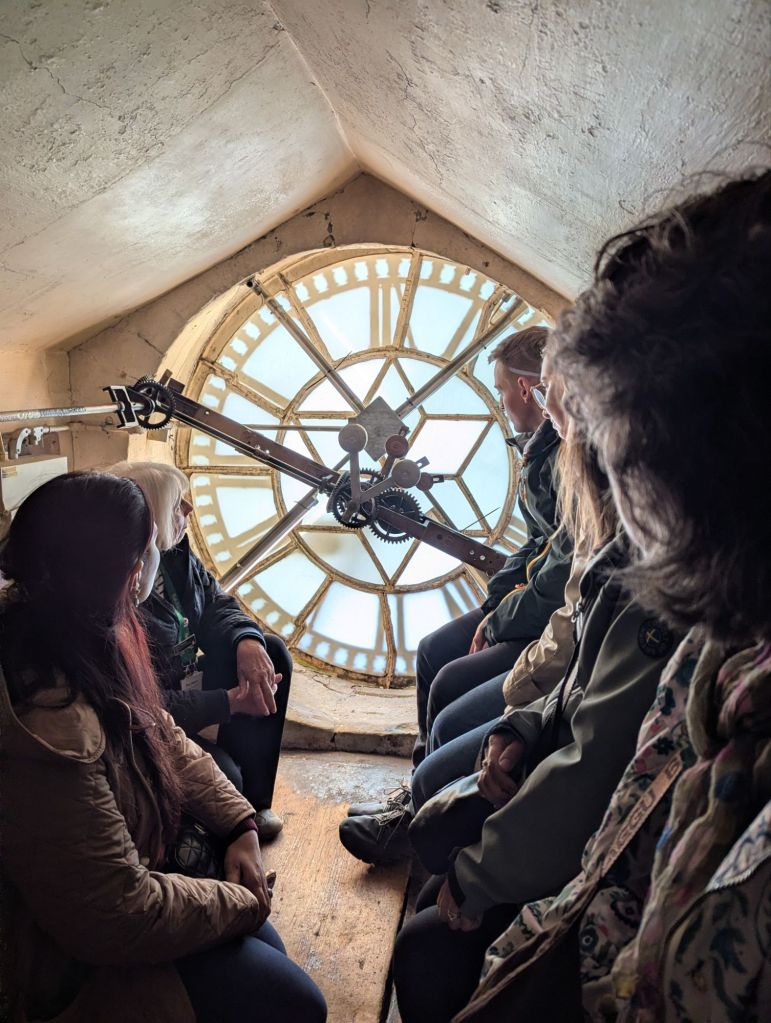
After collecting our luggage, we grabbed breakfast and coffee/tea at the airport to kill some time since it was still far too early to begin sightseeing. With only a few hours of sleep on the overnight flight, we knew the key to surviving the day was simple: keep moving and absolutely do not sit down anywhere too comfortable.

In true Hammond family fashion, we decided to start sightseeing immediately.

We took a rideshare to Windsor, about 25 minutes from Heathrow, stored our luggage at a local gift shop, and began exploring the town. After a late morning snack, we headed uphill to Windsor Castle for a self-guided tour.

The admission included an audio guide, which turned out to be excellent. We explored the castle grounds, visited St George’s Chapel, looked out from the North Terrace, and walked through the State Apartments filled with incredible artwork, ornate rooms, and centuries of royal history. Unfortunately, photography is not allowed inside the chapel or the State Apartments, so you will simply have to trust us when we say it was impressive.

One highlight in the Lower Yard was the lone castle guard standing watch while tourists took turns taking photos and selfies from about ten yards away. We suspect there is a “short straw” system among the guards to determine who gets assigned to that particular post each day. Naturally, we contributed to the ongoing tourist photo tradition.

By the time we finished touring the castle, the missed night of sleep began catching up with us. We stopped at a local pub for a quick pint and sandwich to refuel before continuing the adventure.

After retrieving our bags, we took another rideshare into London, a roughly 45-minute drive thanks to afternoon traffic. Once we checked into the hotel, we knew sitting down would be dangerous, so we forced ourselves back outside for a walk.

We found a nearby bubble tea shop and, drinks in hand, wandered through Hyde Park, which reminded us a bit of New York’s Central Park, only with more royal history and no hotdog carts.

The park was beautiful, and the sun even made a brief appearance as we passed Kensington Palace, the former home of Diana, Princess of Wales. Behind the palace sits the Sunken Garden and a memorial statue dedicated to her.

Continuing our walk, we circled Round Pond and stopped at the impressive Albert Memorial, built in honor of Prince Albert, Queen Victoria’s husband and first cousin. Albert played a major role in organizing the Great Exhibition of 1851, a massive international event showcasing industrial innovation and culture that attracted more than six million visitors. After his sudden death in 1861, Queen Victoria commissioned the memorial as a tribute to him on the center axis of where the Great Exhibition took place.

At this point, exhaustion finally started winning the battle. Between the overnight flight, the time change, and a full day of sightseeing, we were officially running on fumes.

We returned to the hotel, enjoyed a nice dinner at the restaurant downstairs, and happily called it a night.

Mission accomplished: we made it to bedtime without crashing.

Categories: 2026 England Adventure | Tags: , , , , , | Leave a comment

Day 10 – 7/20/2025 – Nature’s Beauty on Display: Waterfalls and Glacier Near Reykjavík

Start of Our Glacier Hike

We woke up this morning to a surprise as our ship pulled into our final port, Reykjavík, the world’s northernmost capital city. Overnight, we had unknowingly crossed into the Arctic Circle, and the cruise staff marked the milestone with certificates for every passenger. A special memento for an unforgettable voyage!

Unlike the small fishing villages and remote towns we’d visited earlier, Reykjavík is a true city. Roughly 250,000 people live in the capital area – more than half of Iceland’s entire population of 392,000.

Since the ship would remain in port overnight, we hired a driver to take us out of the city and into the rugged countryside. Driving through a foggy, volcanic landscape felt like traveling across another planet. It’s no wonder NASA used these Icelandic black lava fields and moss-covered rocks to test its Mars rover technology.

Aegissidufoss – A Waterfall with a Twist

Our first stop was Ægissíðufoss, a picturesque waterfall on the Ytri-Rangá River. While the falls themselves are beautiful, what makes this spot unique is the salmon ladder beside it. This concrete “fish highway” allows salmon to bypass the falls on their upstream journey. Our guide explained that fly fishing on this river is carefully managed – permits are required, and anglers rotate through specific areas of the river to ensure sustainability. Watching the power of the river and imagining the salmon leaping upstream was fascinating.

Hiking Sólheimajökull Glacier

From there, we drove southeast to the day’s highlight: a three-hour hike on Sólheimajökull, an outlet glacier of Mýrdalsjökull – the fourth-largest glacier in Iceland. Outfitted with harnesses, helmets, crampons, and ice axes, we followed our guide onto the frozen expanse.
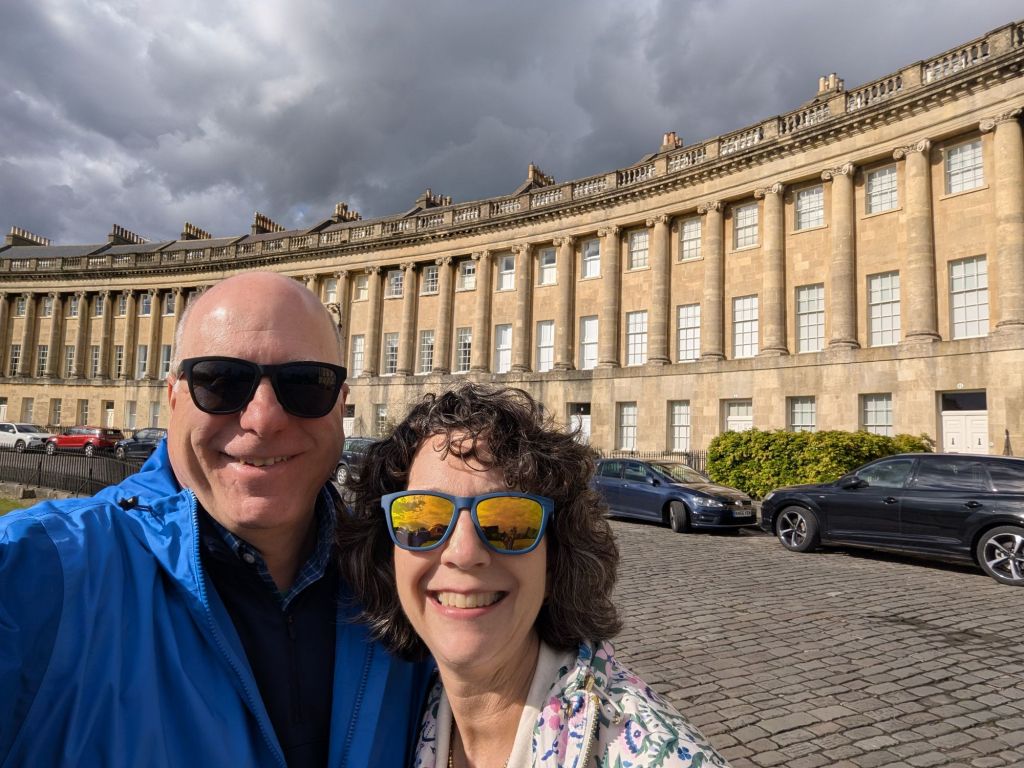
At first glance, the glacier looked like a black-and-white photograph. Volcanic ash from past eruptions streaked the ice with dark layers, but whenever a crevice opened, it revealed stunning shades of blue – pure, compressed ice thousands of years old. In the summer, the glacier is more forgiving, with softer ice for our crampons to grip. We even tasted some freshly melted glacier water, crystal-clear and refreshingly cold.


As if the adventure wasn’t memorable enough, we witnessed nature’s raw power when a massive chunk of ice calved off the glacier right as our hike was ending. A dramatic finale to an already awe-inspiring trek.

A Volcanic-Themed Feast

After hours on the ice, hunger hit hard. We stopped at Black Crust Pizzaria, a quirky and popular restaurant where the pizza dough is dyed black with activated charcoal. It felt fitting to eat something that looked like it was made from volcanic ash after spending the afternoon walking across a glacier shaped by Iceland’s fiery geology.

Skógafoss – The Crown Jewel

On our way back toward Reykjavík, there was time for one more stop: Skógafoss, often hailed as one of Iceland’s most beautiful waterfalls. Dropping 203 feet in a roaring curtain of water, Skógafoss is fed by runoff from two glaciers. Standing at the base, feeling the mist on our faces, we could see why it’s one of Iceland’s most photographed natural wonders. On sunny days, rainbows often form in the spray – but even without one, the sheer size and sound were awe inspiring.

A Birthday Surprise at Sea

Back at the ship, we had one final surprise in store. Lindsey had no idea we’d arranged to celebrate her birthday a day early. The ship’s staff outdid themselves, helping us mark her special day with cake, decorations, and warm wishes. It was the perfect ending to an extraordinary day—waterfalls, glaciers, volcanic pizza, and a birthday celebration at sea.

Categories: 2025 Family Cruise to Iceland | Tags: , , , , , , | Leave a comment

Day 9 – 07/19/2025 – Ísafjörður, Iceland

Ísafjörður, the largest town in Iceland’s remote Westfjords, sits dramatically on a narrow peninsula that juts into the fjord. Surrounded by steep mountains that are breathtaking in summer yet perilous in winter, this old fishing and trading post is both rugged and picturesque. The region has long been prone to avalanches, and in 1995, a nearby tragedy claimed 20 lives. In response, the town built an extensive avalanche barrier which is now a defining feature of Ísafjörður and even a favorite hiking trail for locals and visitors alike.

Hiking the Avalanche Barrier

After docking at the edge of town, we set out toward the Seljalandsdalur avalanche barrier. Climbing up to its ridge rewarded us with sweeping views of the town, the surrounding fjord, and the towering peaks beyond.

Most of us turned back after reaching the end of the barrier, but Kelsey and Ed decided to push further up the mountain in search of a waterfall. Their detour turned into an extra two-mile hike, but their determination paid off with more mountain views before they eventually caught up with us.

Exploring Old Town

The rest of us followed a lower trail back into Old Town, a charming section of Ísafjörður filled with colorful wooden houses and cozy cafés. We settled into a local restaurant for lunch, keeping an eye on Kelsey and Ed’s progress. Just as we were finishing up, they arrived, tired but triumphant. We had already ordered for them, and their meals arrived at the table just after they sat down, a perfectly timed reward.
Afternoon in Ísafjörður

After lunch, we strolled through a few small shops, stopped at a bakery for sweet treats, and finally made our way to the Dokkan Brugghús Brewery, the oldest craft brewery in the Westfjords. Sharing a couple of tasting flights, we sampled a variety of local brews to expand our experience of Icelandic craft beer.
With evening approaching, we returned to the ship for departure. The fjord views as we sailed away were stunning, and after logging several miles on the trails, we enjoyed a quiet evening of dinner, drinks, and a card game. It was an early night to bed with images in our minds of the dramatic landscapes of the Westfjords.

Next up: our final stop – Reykjavík, Iceland’s capital.

Categories: 2025 Family Cruise to Iceland | Tags: , , | Leave a comment

Blog at WordPress.com.